A Hibiscus That Changes Color Three Times A Day Is Opening Blooms Across Mississippi Yards
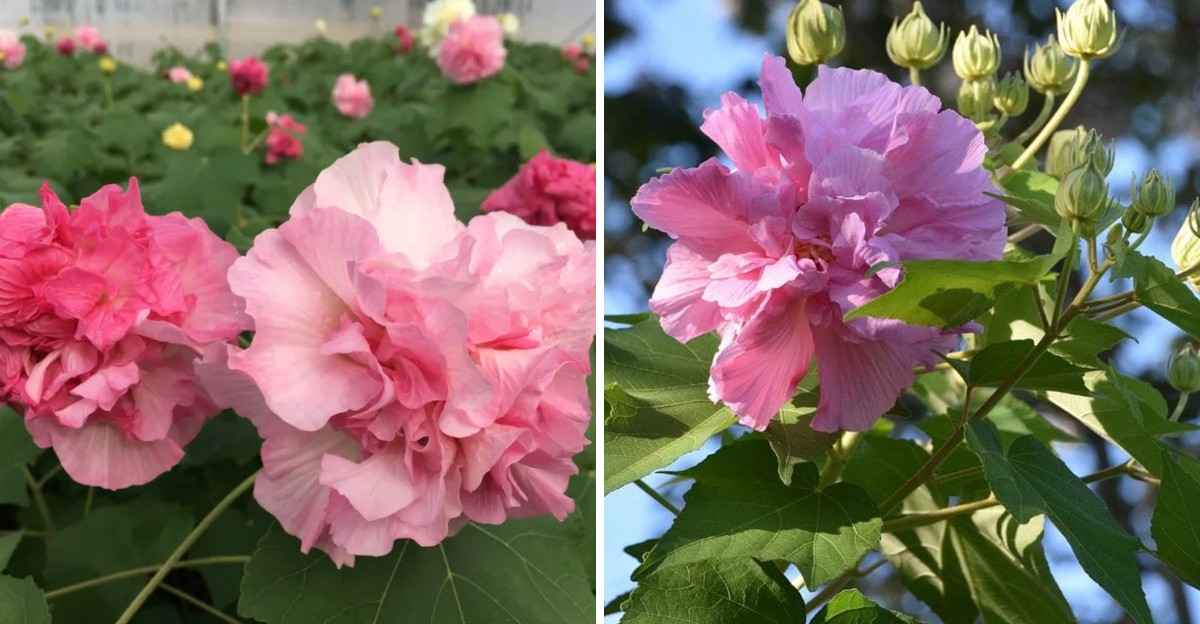
Something strange is happening right outside your door in Mississippi. Sunrise finds you staring at petals colored like fresh cream. Morning fades and you watch a blush spread across each petal.
Afternoon arrives and you notice the color turning shell pink. Dusk settles and you see the same blooms deepen to rose. Nightfall arrives and you find those petals glowing wine dark.
Nobody touched your shrub while you went about your day. No dye or spray explains what you are seeing here. Your neighbors keep photographing it and asking you constant questions.
Mississippi gardeners near you are asking the very same thing. Gulf Coast porches share your confusion with hill country neighbors. This shrub towers past your mailbox without asking permission.
History rides along with each bloom you’re watching change. Habits stay easy even while your other blooms start fading. Curiosity won’t let you look away from what you’re facing.
The Bloom That Rewrites Itself Before Sundown
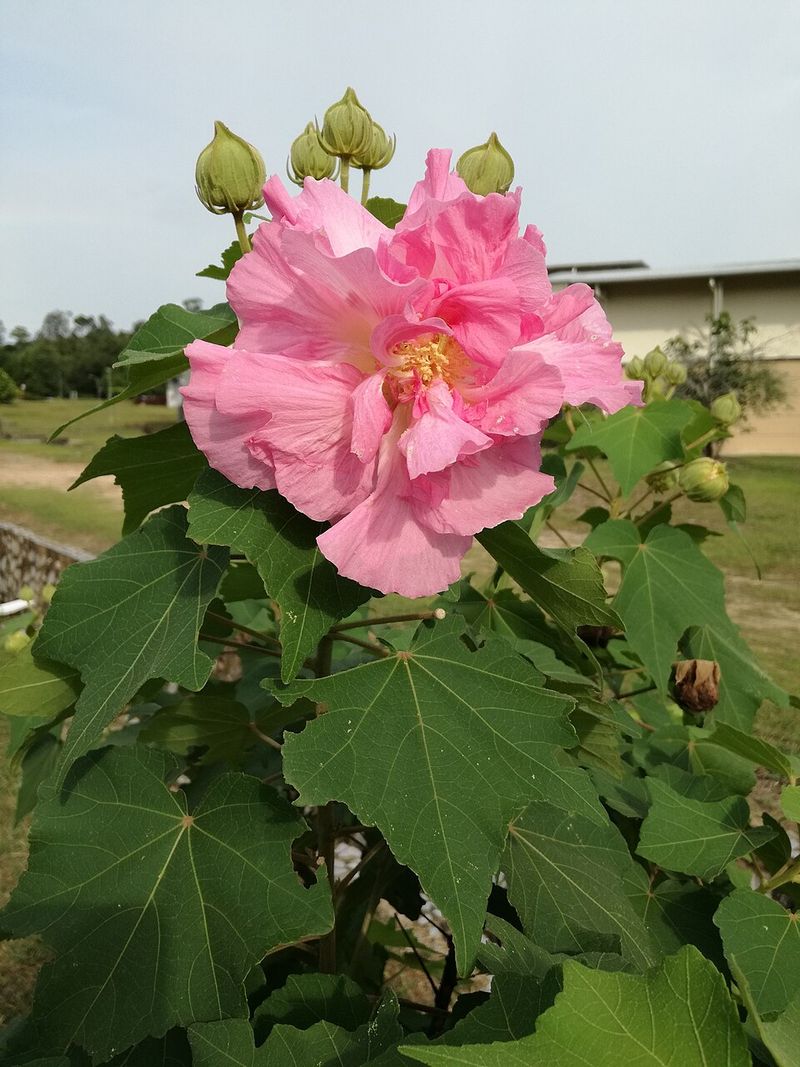
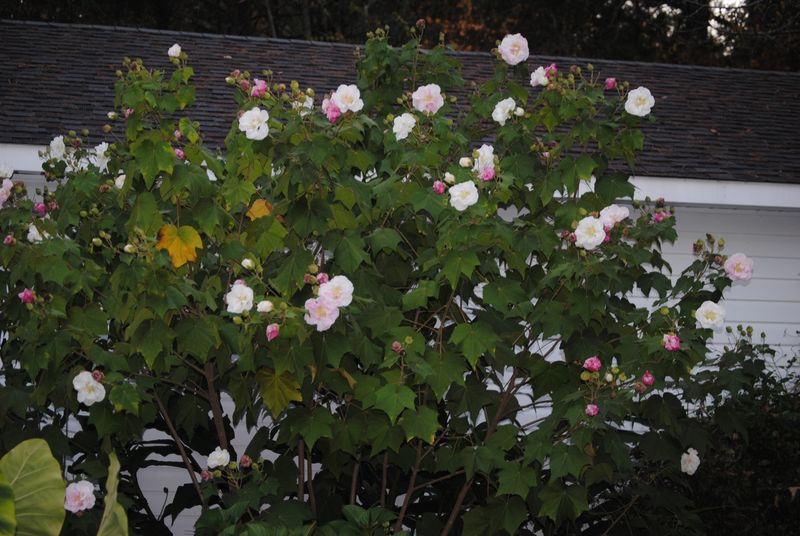
Picture one branch holding a white flower, a pink flower, and a crimson flower at the same time. Nobody spliced anything together, and nobody is playing tricks on you.
Each bloom on Hibiscus mutabilis opens creamy white or the palest pink shortly after sunrise. Through the warm middle of the day, pigments called anthocyanins build up inside the petals.
By late afternoon the flower has shifted to a medium pink, and by evening it deepens into a rich rose or near-red. The next morning brings a fresh batch of white blooms, while yesterday’s flowers fold up in their darkest shade.
Warmth and sunlight push the change along. On a hot, bright September day the shift happens fast and dramatically, while a cloudy, cool stretch slows the whole show to a gentler fade.
Botanists call the plant mutabilis for exactly this reason, since the word points to changeability. Old Southern gardeners simply called it the Confederate Rose and passed cuttings over the fence.
Flowers can stretch four to six inches across, and doubled forms look a lot like ruffled roses stacked with petals. Single-flowered types show a bold column of stamens in the center that pollinators find easy to land on.
The best viewing trick costs nothing. Check the shrub three times on a sunny Saturday, once at 8 a.m., once at 1 p.m., and once near dusk, then compare your photos side by side.
Why September Is Its Moment In Mississippi
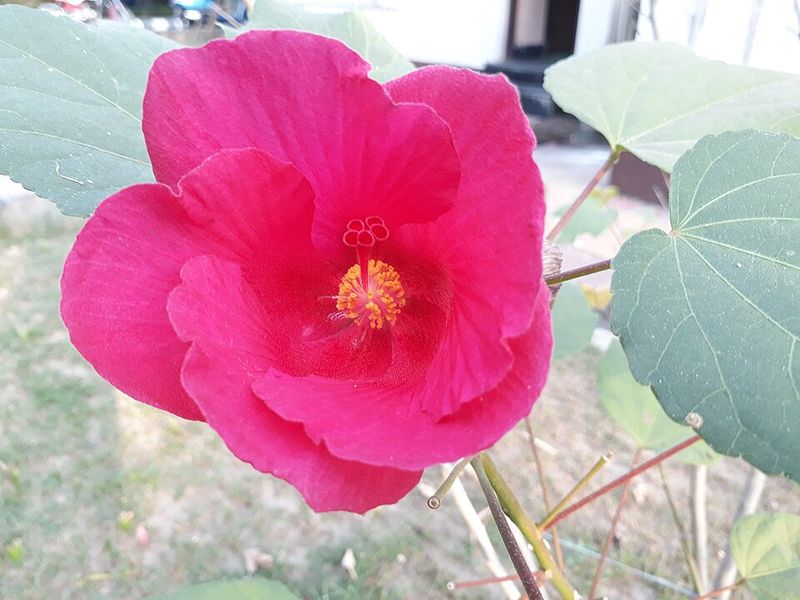
Late summer gardens in Mississippi often look tired. Zinnias have gone leggy, tomato vines are crispy, and the lawn has that scorched August memory baked into it.
Right on cue, this shrub decides to throw a party. Flower buds swell through August and open in waves from early September into October, sometimes running until the first hard frost.
Shorter days and slightly cooler nights seem to trigger the heaviest flush. Gardeners in zones 7 through 9, which covers the whole state, usually see peak bloom while their neighbors are pulling out pumpkins.
Your Mississippi Garden Changes Every Week. Your Plan Should Too.
Gardening in Mississippi changes quickly throughout the season. Every Friday you’ll receive a simple weekly plan showing exactly what to plant, prune, fertilize, harvest, and protect so you never miss the right timing.
Mississippi humidity, which frustrates plenty of plants, suits this one fine. The thick, fuzzy leaves handle muggy air without much fuss, and summer thunderstorms keep the roots happy.
Because flowering arrives so late, placement matters. Tuck the shrub where autumn visitors will see it, near a driveway, a mailbox, or the corner of a porch where afternoon light hits the petals.
A single mature plant can carry dozens of open blooms at once. Add the three-stage color change and the same shrub looks like a bouquet arranged by someone with excellent taste.
Frost eventually ends the display, usually sometime in November for the Delta and later along the coast. Leaves drop, stems stand bare, and the plant rests until spring pushes new growth from the base. Plant one this fall and next September could belong to you.
Roots In Old Southern Gardens And A Name With A Story
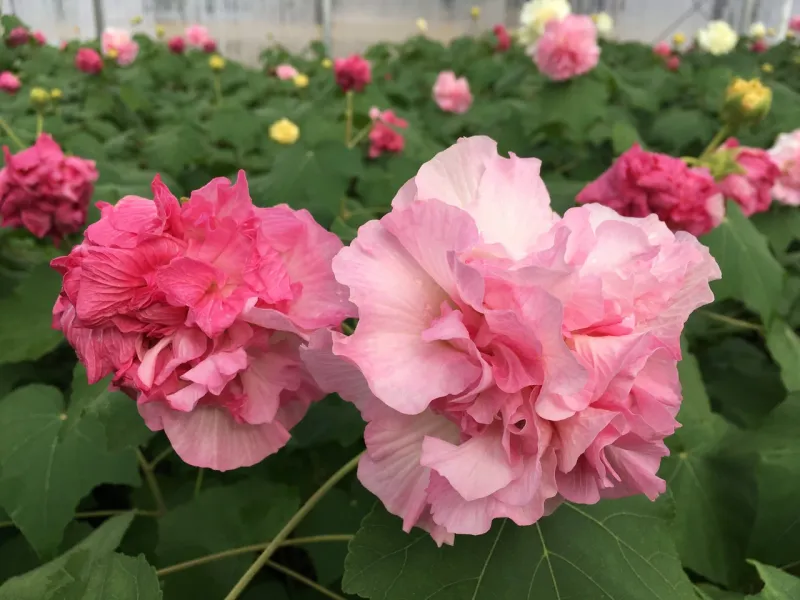
Despite the Southern nickname, this plant is not a Southern native at all. It traveled from southern China, where it has been grown in gardens for well over a thousand years.
Chinese poets gave it names like cotton rose, and one famous cultivar still carries the nickname ‘drunken beauty,’ a nod to the way the petals flush pink like cheeks after wine.
Traders and plant collectors carried it westward, and it reached the American South sometime in the colonial era, with written records placing it firmly in southern gardens by the 1700s.
Southern gardeners took to it immediately. The shrub rooted easily from cuttings, so it spread the old-fashioned way, hand to hand across porches, churchyards, and family plots.
That sharing habit explains why so many Mississippi specimens can be traced to a grandmother, an aunt, or a neighbor two streets over. Plenty of homeowners inherited theirs along with the house.
Folk stories attached themselves to the color change over the years, and several are worth hearing even if they are more legend than botany. The plant also shows up in old cemetery plantings, where its late blooms marked the turn of the season.
Botanically it sits in the mallow family alongside okra, cotton, and althea. The leaf shape gives that kinship away, broad and maple-like with a soft, felted feel.
Some nurseries now list it as cotton rosemallow or Dixie rosemallow. Whatever the label reads, the plant in the pot is the same reliable old friend.
Finding The Right Spot And Getting It Settled
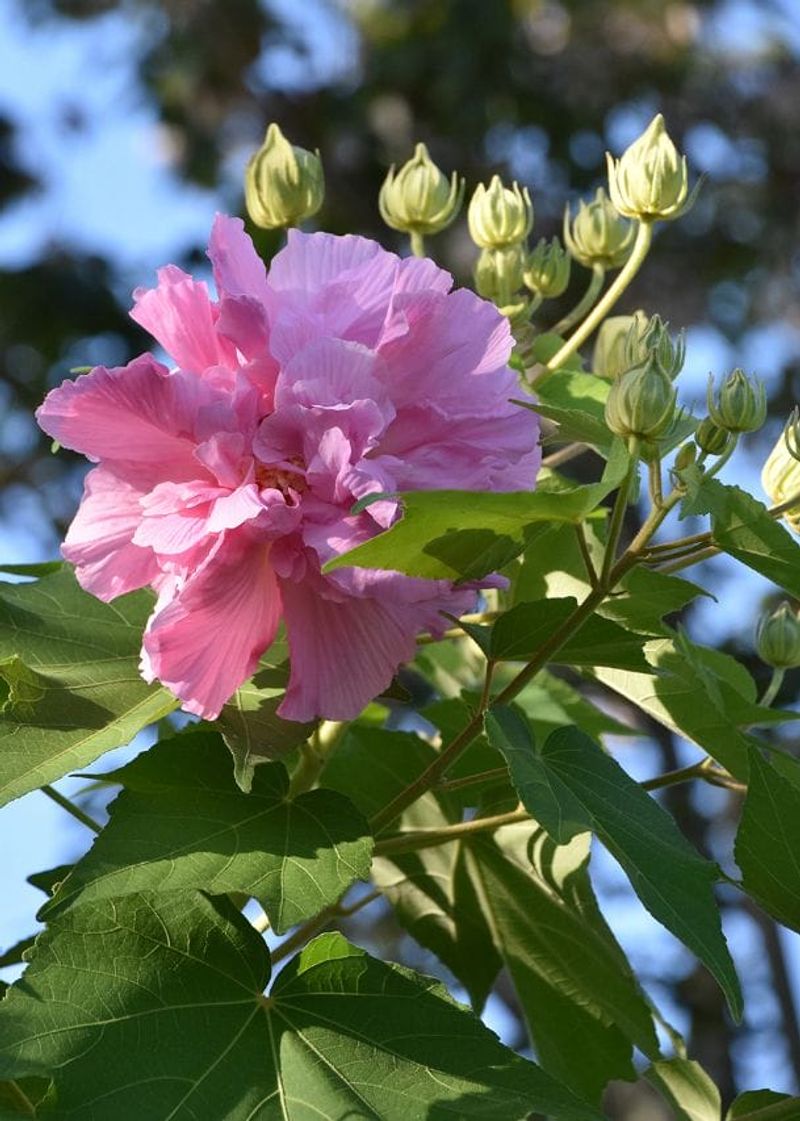
Sun is the first thing to sort out. Six hours or more of direct light produces the thickest bud set, though a bit of afternoon shade in the hottest counties keeps leaves from wilting by three o’clock.
Give the plant elbow room. A happy specimen can reach eight to twelve feet tall and nearly as wide in a few seasons, so a spot two feet from the house will end in regret and a pruning saw.
Soil should drain reasonably well. Heavy Mississippi clay works if you loosen a wide planting area and mix in compost, but soggy low spots that hold water for days will cause root trouble.
Dig the hole twice as wide as the root ball and no deeper. Set the plant so the top of the root ball sits level with the surrounding ground, backfill, then water slowly until the soil settles.
Two to three inches of mulch helps enormously, pulled back a few inches from the stems. Pine straw, shredded bark, or leaf mold all do the job.
New plantings need steady moisture through the first year, roughly an inch of water weekly when rain skips town. Once established, the shrub handles dry stretches with only occasional deep soakings.
Fall planting suits Mississippi well. Cooler air reduces stress on the leaves while warm soil encourages roots to spread before winter arrives. Skip heavy fertilizer at planting time and let the roots lead.
Easy Care That Keeps The Show Going
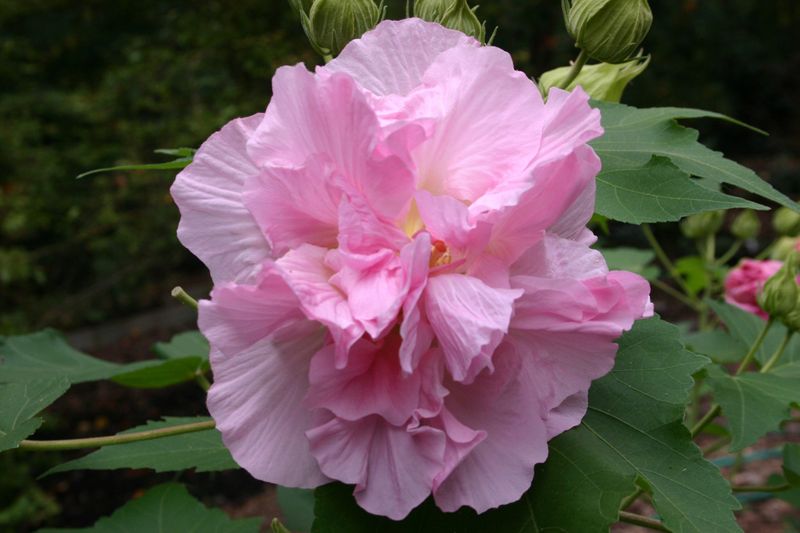
Low maintenance is not marketing fluff here. Once roots take hold, the routine comes down to water during droughts, a light spring feeding, and one good haircut a year.
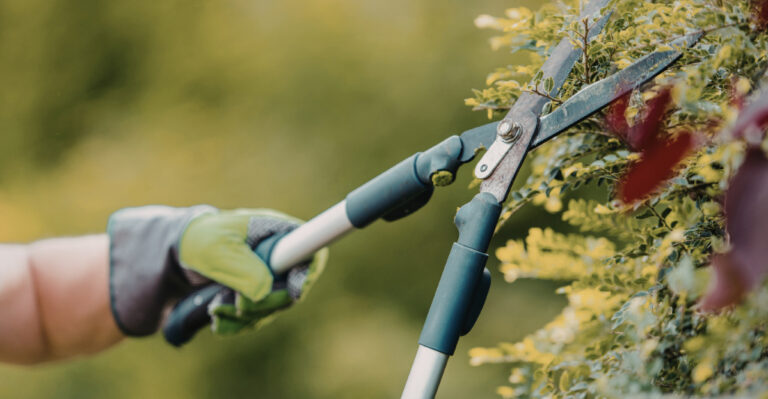
Timing the pruning matters more than technique. Cut stems back in late winter, around February, before new growth pushes out, since flowers form on the current season’s wood.
Many Mississippi gardeners cut theirs to knee height and the plant rebounds with vigor. Leaving it taller produces a treelike shape with a more open, airy frame.
Fertilizer should stay modest. A balanced slow-release product in early spring is plenty, and heavy nitrogen tends to grow lush leaves at the expense of buds.
Watch for aphids on tender new shoots and whiteflies under leaves during humid spells. A strong spray from the hose knocks most of them loose, and insecticidal soap handles stubborn clusters.
Japanese beetles occasionally chew holes in the foliage during early summer. Hand-picking into soapy water in the cool morning hours works better than chasing them with sprays.
Cold snaps may knock the top growth back to the ground in northern parts of the state. Roots usually survive under a thick mulch blanket and send up fresh canes by late spring.
Trimming is optional since spent flowers drop on their own. A quick sweep of the walkway keeps things tidy if the shrub sits near a path. Little effort, long payoff.
Sharing Cuttings The Way Grandmothers Did
Here is the reason this shrub spread across the South without a single nursery catalog. Break off a stem, stick it in water, and it roots like it has somewhere to be.
Late fall is the classic moment, right after frost takes the leaves. Cut pencil-thick stems about twelve to eighteen inches long, strip any remaining foliage, and stand them upright in a bucket of water.
Keep the bucket somewhere bright and protected from freezing, like a garage window or a back porch. Change the water weekly and white roots usually appear within three to six weeks.
Plant the rooted cuttings into pots of loose potting mix once roots reach a couple of inches. Grow them on until spring, then move them outdoors after the last frost date passes.
Softwood cuttings taken in late spring root well too, especially with a little rooting hormone and a humid cover. Success rates are high enough that gardeners often end up with more plants than yard.
That surplus is half the fun. Extra cuttings make wonderful gifts for new homeowners, school plant sales, church fundraisers, and neighbors who stopped to stare at your blooms in September.
Label them with the story. Telling someone the flowers open white and finish deep rose in a single day turns a stick in a pot into a conversation.
Generations of Mississippi yards were planted exactly this way, one shared cutting at a time.