8 Native Plants Every Mississippi Delta River Valley Yard Should Consider
The Mississippi Delta doesn’t just grow crops. It grows plants that have spent thousands of years figuring out exactly how to handle heavy clay, humid summers, and rivers that rise whenever they please.
That kind of resilience is hard to fake with anything shipped in from a garden center three states away. Native species here have already solved the problems your yard is throwing at you, from standing water after a storm to soil that bakes solid by July.
Skip the constant watering schedule and the fertilizer routine. These eight plants pull their strength straight from Delta soil, and they reward you with color, texture, and wildlife activity instead of upkeep headaches.
Some love wet, low-lying corners. Others hold their ground on drier, sun-baked patches without blinking. Pick the right ones, and your yard stops fighting the landscape and starts working with it.
1. Bald Cypress (Taxodium Distichum)
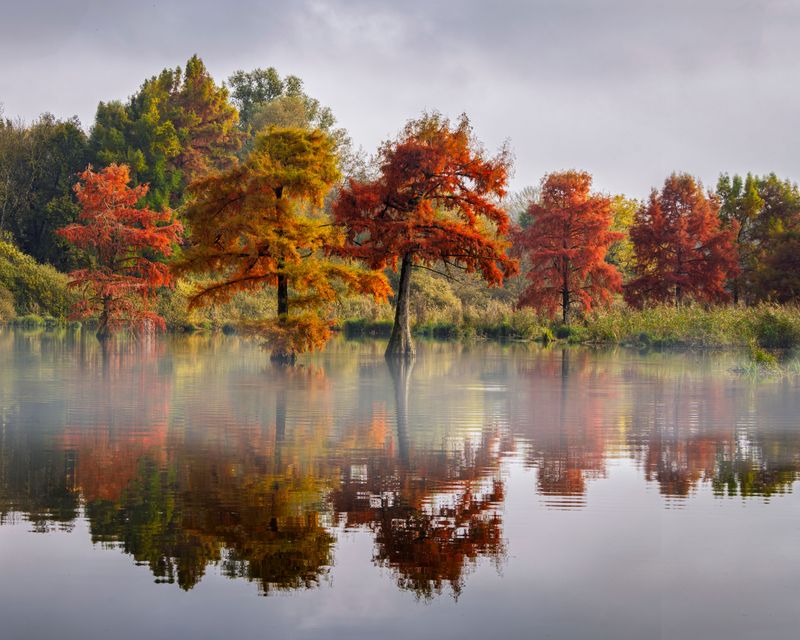
Stand near a slow Delta river at dusk and you will likely spot one. The Bald Cypress is one of the most iconic native plants in the Mississippi Delta River Valley, rising tall with feathery, soft needles that glow lime green in spring.
This tree is a true survivor, thriving in waterlogged soils where other trees simply cannot compete. Its famous “knees” poke up from the ground around the trunk, believed to help the roots take in oxygen in flooded conditions.
It also tolerates dry spells surprisingly well once its roots settle in. This flexibility makes it a smart pick even for yards that only flood occasionally rather than year-round.
This native giant can grow up to 70 feet tall, making it a dramatic focal point in any large yard. Homeowners near low-lying areas or ponds will find it practically grows itself once established.
Birds absolutely love it. Herons, ospreys, and dozens of songbirds nest and roost in its wide canopy throughout the year.
Planting one near a water feature or drainage area solves erosion problems beautifully. The root system grabs soil and holds it tight, even during heavy Delta rains.
In fall, the needles turn a stunning copper-orange before dropping, giving your yard a brief but breathtaking seasonal show. This tree rewards patience with decades of beauty, shade, and wildlife habitat right outside your door.
The wood itself resists rot for generations, which is why old Delta barns and docks still lean on cypress beams today. Planting one now means future owners of your property could enjoy the same tree decades from now.
2. River Oats (Chasmanthium Latifolium)
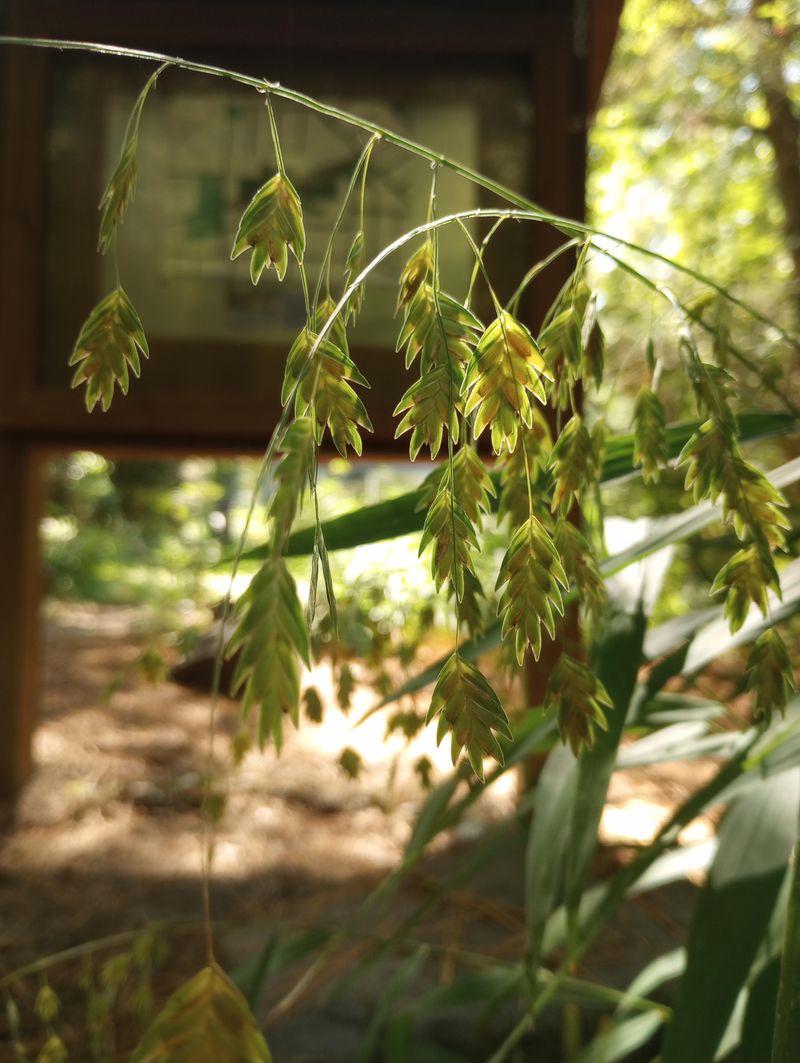
Imagine a grass that sways like a curtain of tiny lanterns in the summer breeze. River Oats brings that kind of quiet magic to shaded corners of any Delta yard, with flat, dangling seed heads that catch every gust of wind.
This native grass loves moisture and partial shade, making it a natural fit beneath tall trees or along creek banks. It self-seeds readily, filling bare spots with graceful, arching clumps of bright green foliage, worth watching in tidy garden beds.
Your Mississippi Garden Changes Every Week. Your Plan Should Too.
Gardening in Mississippi changes quickly throughout the season. Every Friday you’ll receive a simple weekly plan showing exactly what to plant, prune, fertilize, harvest, and protect so you never miss the right timing.
One of its best qualities is its toughness. River Oats handles flooding, drought, and heavy clay soil without complaint, which makes it incredibly practical for Delta gardeners dealing with unpredictable weather.
The seed heads emerge green in summer and shift to a warm copper-gold by fall. That color change adds visual interest long after most other plants have faded for the season.
Birds, especially finches and sparrows, flock to the seed heads in autumn and winter. Planting a generous patch near a bird feeder creates a natural feeding station that wildlife will return to year after year.
Cutting it back in late winter keeps everything looking sharp for spring. A quick trim before new growth appears prevents the old, faded stalks from competing with fresh shoots, and it takes only a few minutes with a pair of shears.
River Oats also works beautifully as a ground cover on slopes where erosion is a concern. Low maintenance and high reward make this underrated grass one of the smartest additions to any native plant garden in the region.
3. Virginia Sweetspire (Itea Virginica)
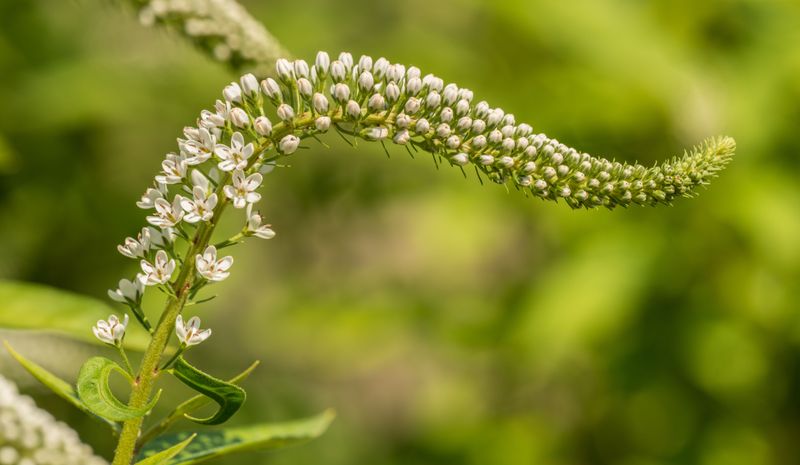
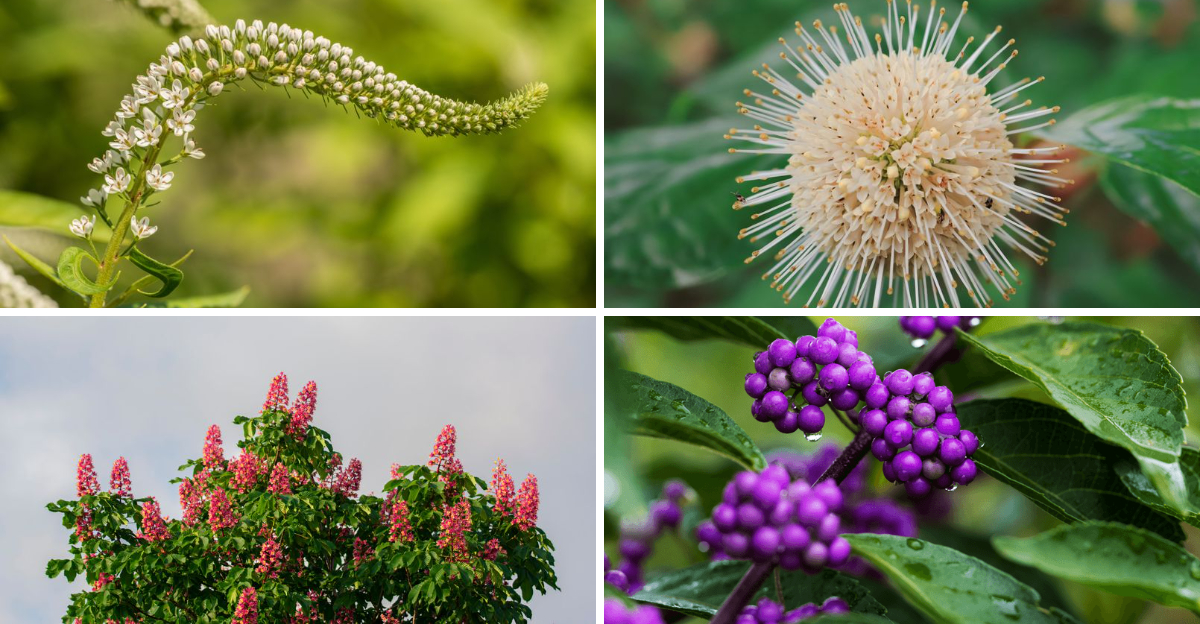
Few shrubs deliver as many seasons of beauty as Virginia Sweetspire, a native gem that earns its spot in any Delta landscape. White, bottlebrush-style flower spikes bloom in early summer, filling the air with a soft, honey-like fragrance that stops visitors in their tracks.
This shrub thrives in moist, shaded spots that many homeowners struggle to plant. Along fence lines, near rain gardens, or beneath large oaks, Virginia Sweetspire settles in and starts spreading into a lush, tidy mound.
Come fall, the show really begins. Leaves shift from green to brilliant shades of orange, red, and burgundy, creating a fiery display that rivals any imported ornamental shrub.
It grows between three and five feet tall, staying compact enough for smaller yards without constant pruning. That manageable size makes it a favorite for homeowners who want impact without extra upkeep.
Pollinators absolutely adore the blooms. Bees and butterflies visit heavily during the flowering period, supporting the local ecosystem without any extra effort from the gardener.
Virginia Sweetspire also tolerates occasional flooding, a critical feature for Delta yards that sit in low-lying areas. Plant it where water tends to pool after heavy rain, and watch it turn a problem spot into a standout feature.
This shrub is proof that native plants can be both hardworking and genuinely beautiful at the same time.
4. Buttonbush (Cephalanthus Occidentalis)
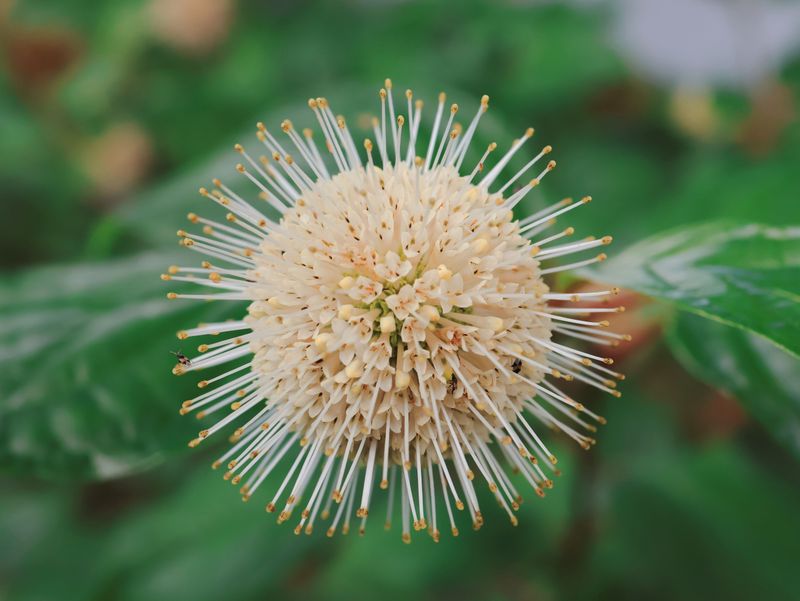
Buttonbush is the kind of plant that makes people stop and stare. Its round, spiky white flower balls look like something from a science fiction film, yet they belong right here in the Delta’s native landscape.
This shrub is built for wet conditions. It grows naturally along riverbanks, pond edges, and flooded bottomlands, making it one of the best choices for yards with drainage issues or standing water after storms.
Pollinators treat Buttonbush like a buffet. Bees, butterflies, and hummingbirds flock to the blooms from midsummer through early fall, creating a buzzing, fluttering scene that is endlessly entertaining to watch.
Ducks and shorebirds feed on the seeds, while fish use the submerged roots as shelter. Planting Buttonbush near a backyard pond creates an instant wildlife magnet that supports the entire food chain.
It grows between six and twelve feet tall depending on conditions, so placement matters. Give it room to spread and it will reward you with years of blooms and habitat value without demanding much attention.
Deer tend to leave Buttonbush alone. This is a huge bonus in rural Delta neighborhoods where browsing pressure can destroy a garden overnight.
This shrub is low-drama, high-impact, and genuinely suited to the wet, wild nature of the Mississippi Delta River Valley landscape. Once established, it practically takes care of itself.
5. American Beautyberry (Callicarpa Americana)
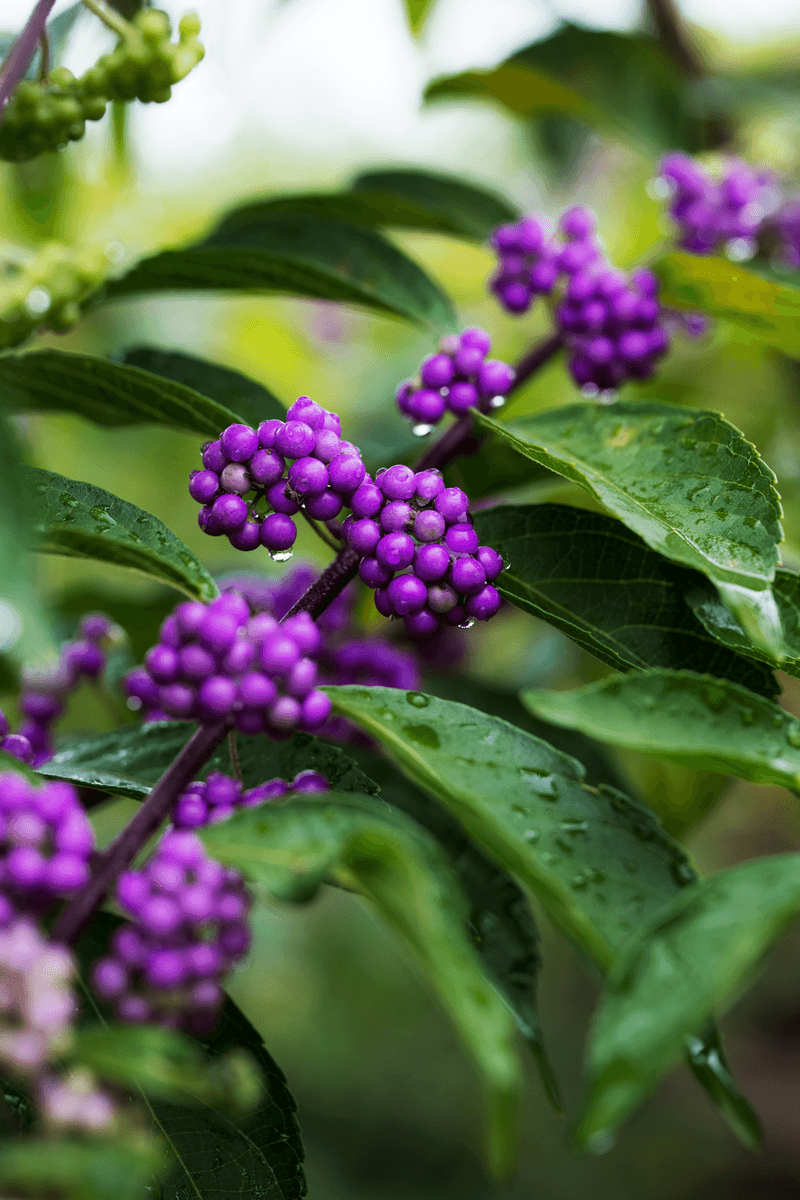
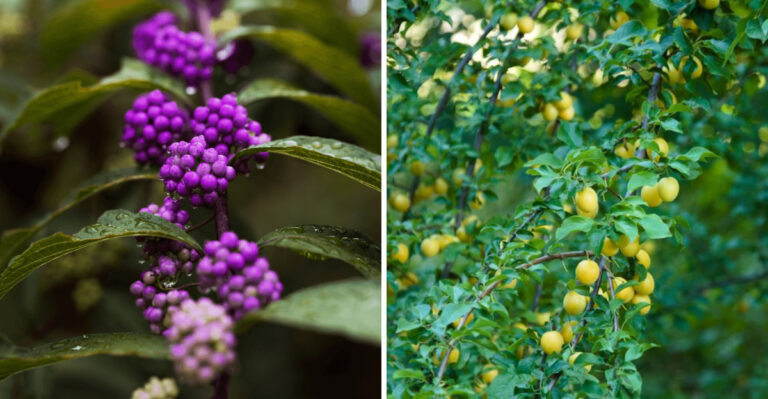
Few native shrubs can match the electric purple of American Beautyberry in fall. Clusters of jewel-bright berries line every arching branch, creating a display so vivid it looks almost artificial from a distance.
This shrub grows fast and gets big, often reaching six feet tall and wide within just a couple of seasons under good conditions. That rapid growth means you will be enjoying its full glory far sooner than with slower-growing natives.
American Beautyberry is not picky about soil. It grows in sandy loam, clay, or the rich, dark Delta soil, handling both dry spells and brief flooding without missing a beat.
The berries are a critical food source for over 40 species of birds, including mockingbirds, robins, and brown thrashers. Planting even one shrub near a window creates a natural bird-watching station throughout fall and winter.
White-tailed deer browse the foliage, and some gardeners have found the crushed leaves work as a natural mosquito repellent. That is a handy bonus for outdoor entertaining in warm Delta evenings.
Spring brings small, inconspicuous pink flowers that pollinators visit quietly before the real show begins. Pruning hard in late winter keeps the plant compact and encourages dramatic berry production.
American Beautyberry earns its place with color, wildlife value, and an almost effortless attitude toward growing.
6. Red Buckeye (Aesculus Pavia)
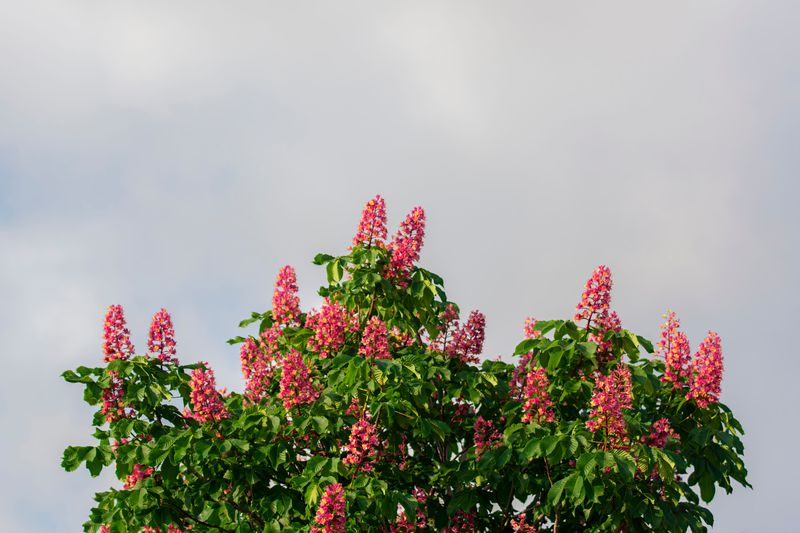
Every spring, Red Buckeye throws a party and hummingbirds are among the first guests to arrive. Clusters of bold red tubular flowers open just as ruby-throated hummingbirds return from their winter migration, creating a perfectly timed ecological matchup.
This small native tree or large shrub tops out around 15 feet, making it ideal for smaller yards or spots beneath taller trees. It thrives in partial shade, which is a rare and welcome trait in a flowering native plant.
The palmate leaves are large and tropical-looking, giving the plant a lush, dramatic presence even when it is not in bloom. That bold foliage adds texture and depth to garden beds from spring through summer.
Red Buckeye prefers moist, well-drained soil and grows naturally along stream banks and woodland edges throughout the Delta region. Planting it near a rain garden or shaded drainage area mimics its natural habitat beautifully.
The seeds are toxic to humans and many animals, so placement away from children’s play areas is smart. A few wildlife species, including some birds, interact with the plant in fall despite its toxic seeds.
Leaf drop happens early, so pairing Red Buckeye with late-season plants keeps the garden looking full. This early bloomer rewards any gardener willing to think beyond the ordinary.
7. Swamp Sunflower (Helianthus Angustifolius)
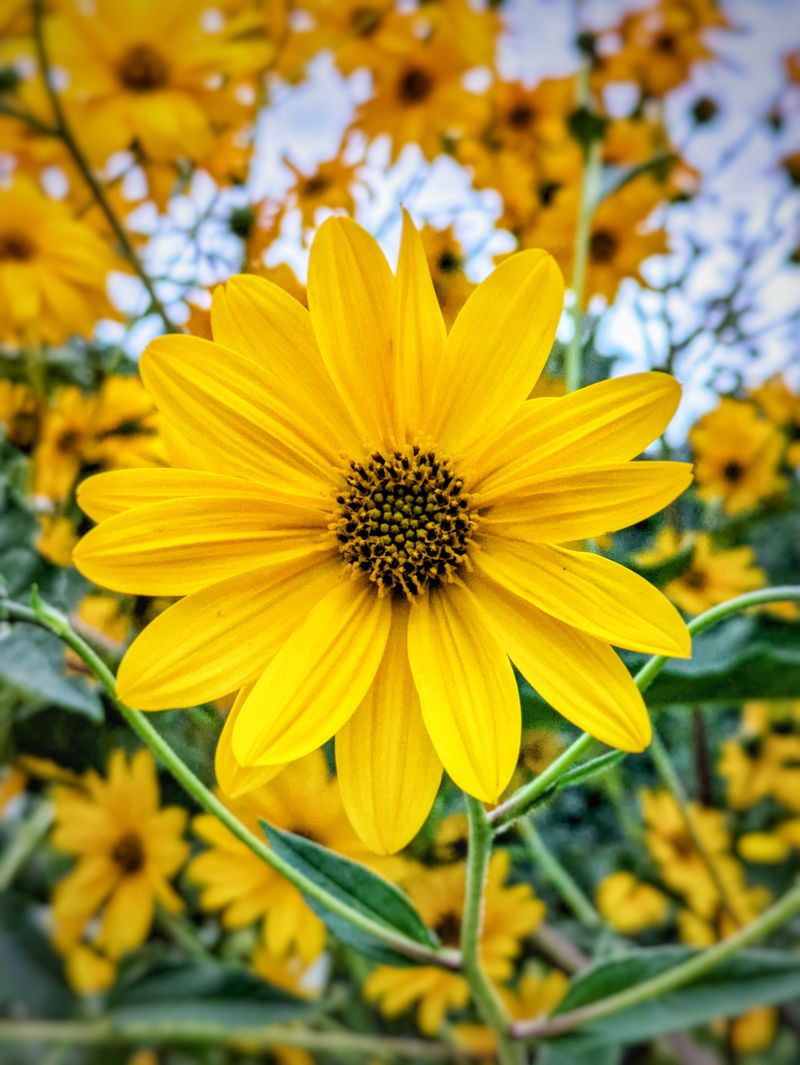
When October rolls in and most gardens start looking tired, Swamp Sunflower explodes into a golden riot of color. Hundreds of small, bright yellow flowers cover the plant from top to bottom, turning any corner of the yard into a late-season celebration.
Despite the name, this tough native does not need a swamp to thrive. It grows well in average garden soil as long as it receives full sun and occasional moisture during dry stretches.
Swamp Sunflower grows fast and tall, reaching six to eight feet by fall. That height creates a natural privacy screen along fences or property lines without any construction required.
Staking rarely proves necessary if the plant gets enough sun. Full sun keeps growth sturdy and upright, while too much shade leads to floppy stems that need extra support to stay standing.
Pollinators go absolutely wild for the blooms. Bees, butterflies, and beneficial wasps work the flowers from morning to dusk, making this plant one of the most ecologically productive choices for a Delta garden.
Goldfinches and other seed-eating birds descend on the spent flower heads through winter. Leaving the stalks up after blooming provides months of free bird food right outside the window.
Dividing the clumps every two to three years keeps them vigorous and manageable. Swamp Sunflower is the plant that makes your neighbors ask what your secret is, right when every other garden has given up for the season.
8. Dwarf Palmetto (Sabal Minor)
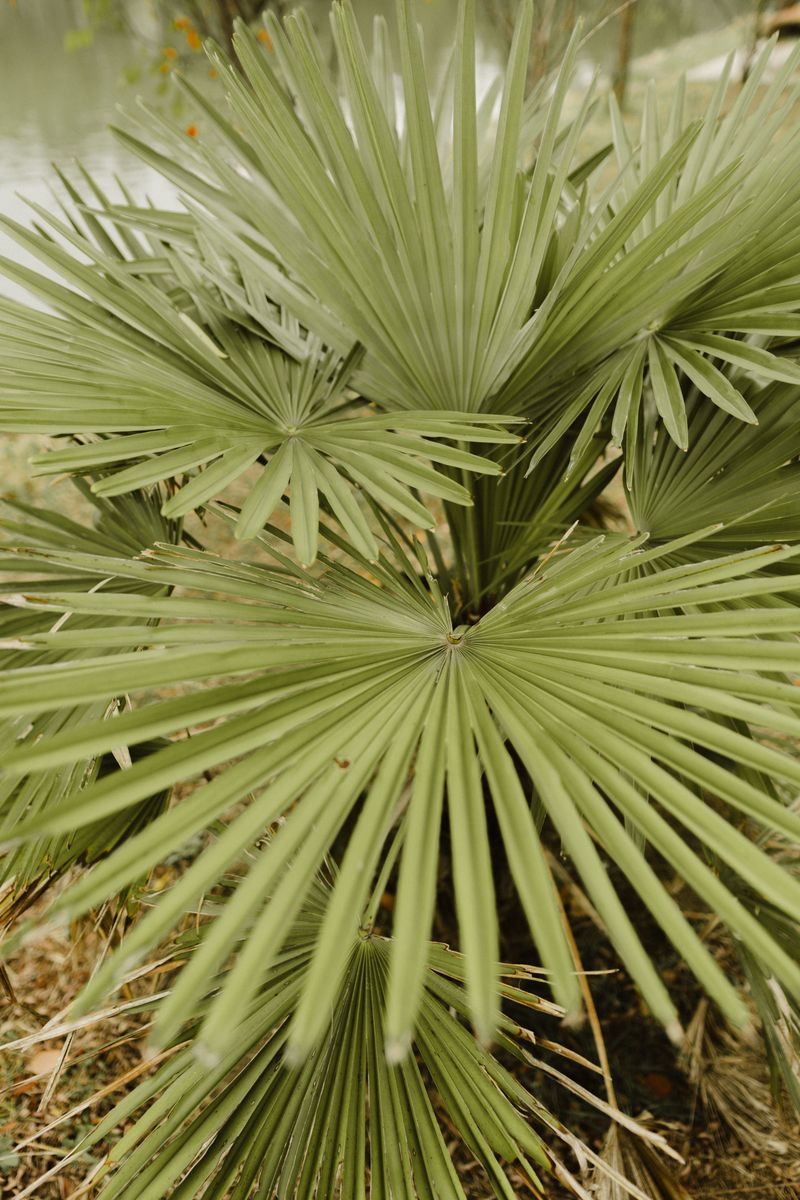
Planting Dwarf Palmetto feels like bringing a piece of the Louisiana bayou into your backyard. Its large, fan-shaped fronds arch outward in a bold tropical display that looks exotic but feels right at home in the Delta landscape.
This native palm stays low, typically reaching only four to six feet tall, making it an excellent choice for shaded spots under large trees. It handles deep shade better than almost any other palm species available to Southern gardeners.
Dwarf Palmetto tolerates flooding, standing water, and the heavy clay soils that are common throughout the Mississippi Delta River Valley. That adaptability makes it a practical solution for wet corners of the yard that resist other plantings.
Once established, it is remarkably drought-tolerant as well. That combination of flood and drought tolerance is rare, and it makes this palm one of the most resilient native plants you can add to a Delta yard.
Creamy white flower spikes emerge in summer, rising above the fan-shaped fronds. They’re followed by small dark fruits that birds and mammals consume eagerly.
Wildlife value from a palm tree is not something most gardeners expect, but Dwarf Palmetto delivers it consistently. Cold hardiness is another surprise.
This palm withstands temperatures well below freezing without skipping a beat. Dwarf Palmetto is the native plant that quietly outperforms everything around it.