A Hidden Grub Is Damaging Alabama Backyard Pecans, And A Tiny Hole In The Shell Is One Sign Of It
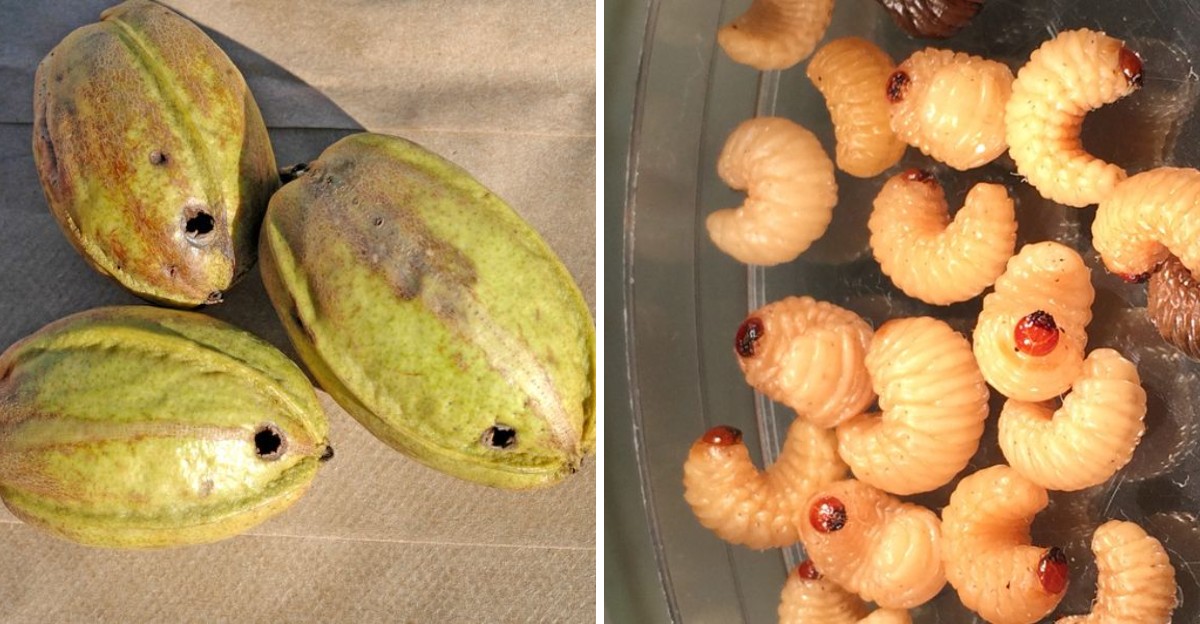
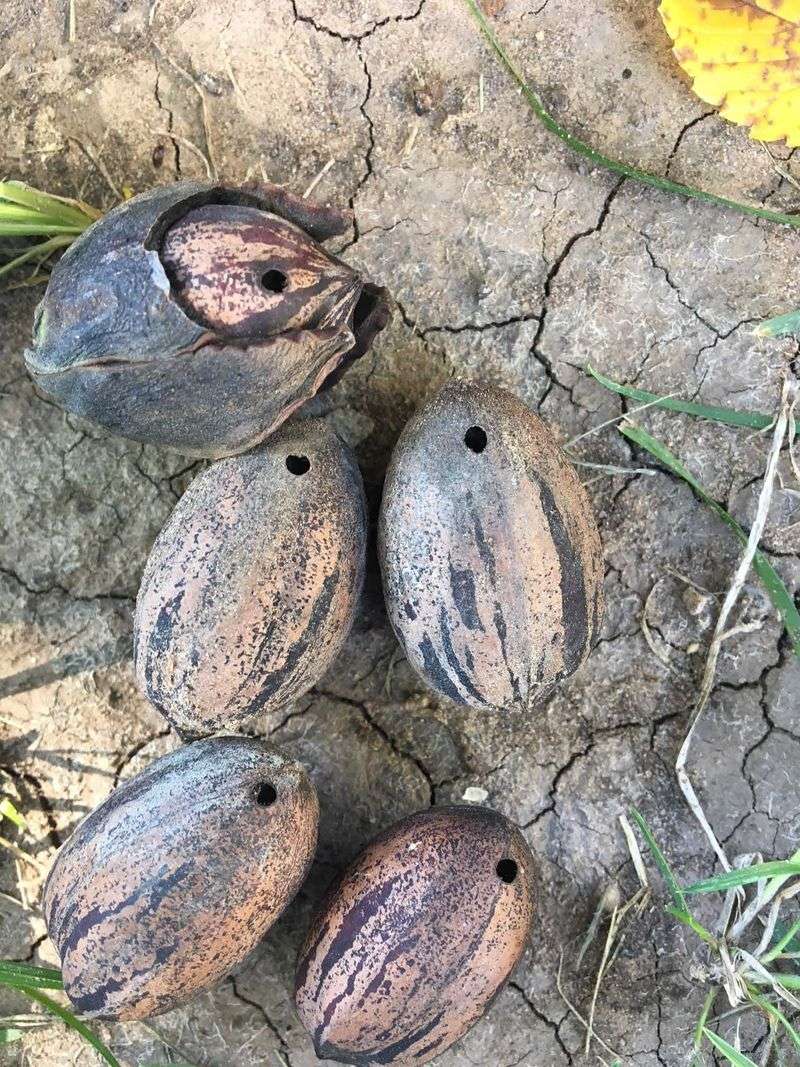
You open a pecan and find dust instead of meat. Look closer at the shell for a hole narrower than a pencil tip.
Your nut hosted a pecan weevil larva that fed for weeks. Then it wriggled free, dropped to the dirt, and slipped from view.
Underground, that larva waits for years before emerging as an adult. Orchards across Alabama see sizable harvests shrink from this insect, and you could be affected.
Neighbors of yours with heavy crops may be hosting the same weevil today. Females tunnel into shells in late summer with a snout nearly matching body length.
Float a handful of nuts in water and watch which ones rise. Light shells often float, giving you an early hint.
Extension agents in Alabama can share local emergence dates, so you can time treatment. Start monitoring for weevils before September.
The Pecan Weevil Larva Behind Those Hollow Nuts
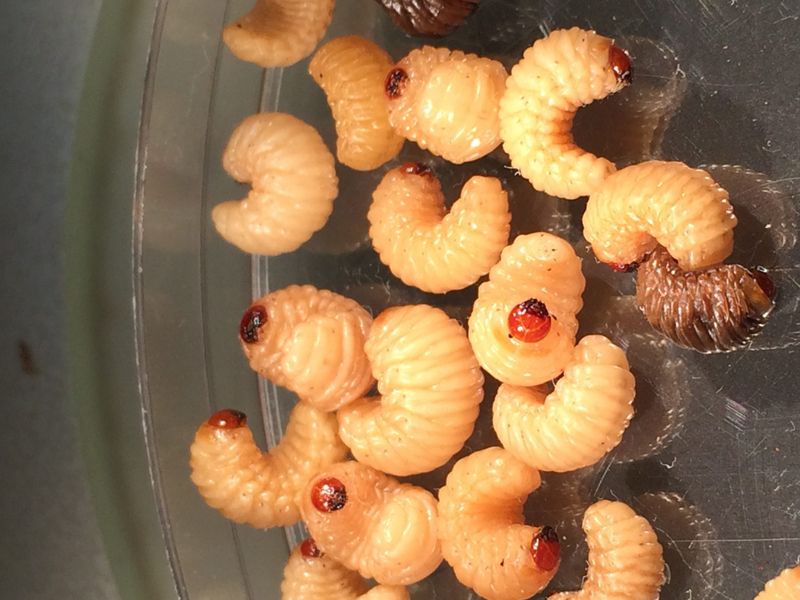
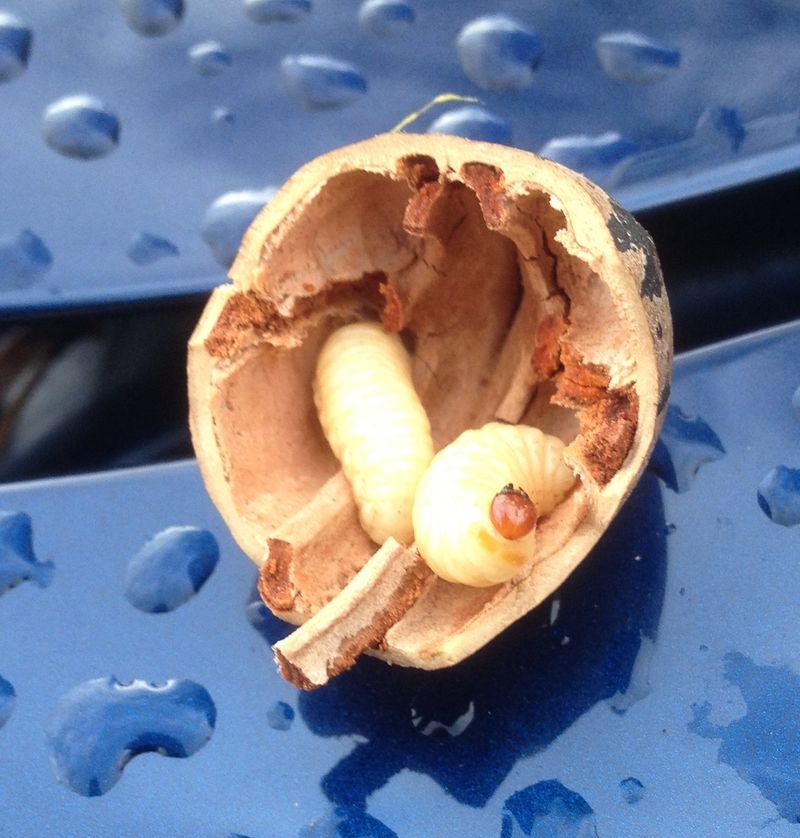
Picture a creamy white grub with a tan head, curled like a tiny letter C. That plump little eater is the larva of the pecan weevil, Curculio caryae.
Its mother is a brown beetle with a snout almost as long as her body. She uses that snout like a drill to bore straight into a developing nut.
After drilling, she lays her eggs inside the kernel of that young developing nut. From the outside, the shell often looks normal, with few visible warning signs.
The eggs hatch within about a week, and the grubs start eating right away. Sometimes several larvae share one nut, feeding until the kernel is reduced to dust.
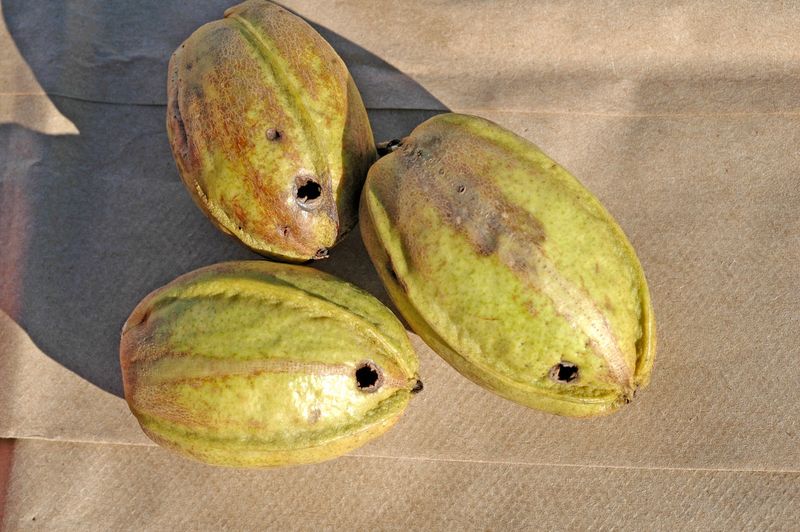
Once the feast is over, each grub chews its own round exit hole through the shell. That opening is roughly one-eighth inch wide.
Many Alabama homeowners first notice the problem while cracking nuts at the kitchen table. They find the neat little hole, then discover nothing worth eating inside.
The weevil is native to North America and loves pecans and hickories alike. It ranks as one of the most damaging late-season pests for Southern nut growers.
Backyard trees are often heavily infested because few owners spray on a schedule. Identifying the pest correctly is a useful first step toward protecting next year’s nut crop.
A single tree can lose a large share of its nuts in a bad year. Spotting that tiny hole tells you which trees need attention next season.
Late Summer Timing And The Egg-Laying Window
Adults can begin emerging from the soil in late July, depending on your location. They often appear right after a soaking summer rain.
Dry ground keeps them below. Once a good shower softens the dirt, they push upward in large numbers.
Once a good shower softens the dirt, they push upward in big waves.
Emergence peaks from mid-August into early September across much of Alabama. The beetles crawl or fly to the trunk, then head up toward the nut clusters.
Early arrivals feed on young nuts while the insides are still watery. Those punctured nuts usually drop to the ground long before harvest.
Egg laying waits until the kernel firms up into what growers call the dough stage. A female can lay eggs in many nuts over the course of several weeks.
Think of it like a bakery that only opens when the bread is ready. Before that point, the nut is a snack, and afterward it becomes a nursery.
Grubs feed inside for several weeks before chewing out of the shell. Most exit holes show up between October and December, right around picking time.
Watching the weather helps you guess when adults will appear in your yard. A heavy August storm is your signal to start checking the trunk and branches.
Some gardeners keep a simple notebook of rain dates and first beetle sightings. After a couple of seasons, those notes can help you spot local weather patterns.
Why Leftover Nuts Help The Next Generation Of Weevils
Many Alabama homeowners overlook the same step each fall season. They let fallen nuts sit under the tree for weeks, planning to rake them up someday.
That short delay gives larvae easy access to the soil. Grubs inside those dropped nuts simply chew out and wiggle straight into the dirt below.
Once underground, they dig a small cell anywhere from four to twelve inches deep. There they rest, out of reach of rakes, birds, and many sprays.
Another common issue is placing infested nuts in a compost pile near the tree. Larvae may crawl out of the heap and settle into soil nearby.
Some folks also ignore the small green nuts that drop in late summer. Those early drops can signal adult feeding, so they deserve a closer look.
Leaving nuts on the ground in November can mean more weevils in later years. Gathering fallen nuts promptly keeps larvae from reaching the soil beneath your tree.
The cycle can quietly repeat right beneath the same branches year after year. Skipped cleanups can add to future beetle numbers in your backyard.
Timing matters a great deal when it comes to gathering fallen nuts. Picking them up once a week beats one giant weekend session in December.
Look for nuts with the telltale hole and those that feel strangely light. Bag them tightly and discard them away from the tree before larvae escape.
A little routine now can mean a better harvest later. Your future self, holding a full bowl of meaty halves, may thank you.
Traps, Sprays, And Smart Cleanup For Backyard Trees
Managing a pest this hard to spot sounds tricky, but backyard growers have useful tools. The trick is stacking a few simple methods instead of betting on one.
Circle traps are a favorite starting point for many homeowners in Alabama. These cone-shaped screen traps wrap around the trunk and catch beetles crawling upward.
Check the traps every couple of days starting before expected emergence. Finding weevils in the traps suggests that main emergence has begun in your area.
Another old-school method is the limb shake, done early in the morning. Spread a light sheet under a branch, give it a sharp jolt, and count what falls.
Weevils play possum when disturbed, so they drop right onto the fabric. That makes them easy to scoop up and toss into soapy water.
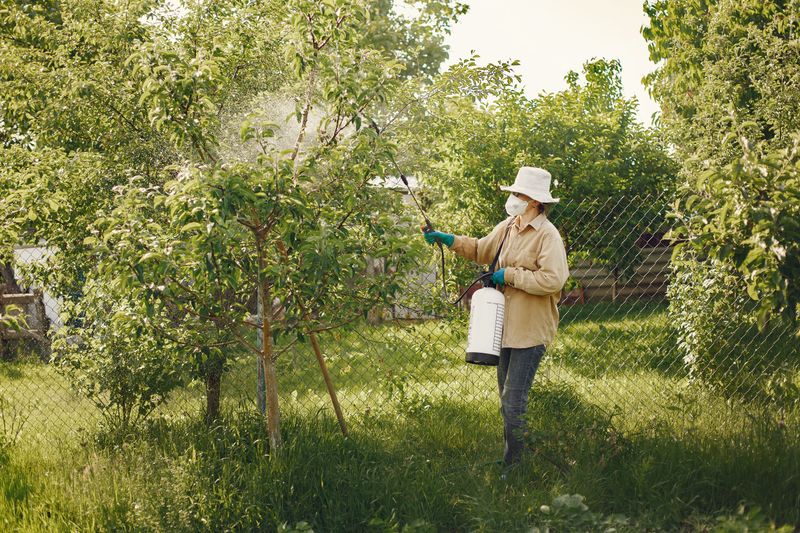
Sprays such as carbaryl can help when timed with peak beetle activity. Follow the label closely, because carbaryl is highly toxic to bees nearby.
Tall trees are tough to cover with a garden sprayer from the ground. A local arborist with proper equipment may be worth the call for big trees.
Sanitation is a key piece that ties everything together. Gather fallen nuts often and get rid of any with holes or light, rattling insides.
The Alabama Cooperative Extension System offers advice and spray timing guidance by county. A quick phone call can match these steps to your area.
Traps and shakes mainly help you time sprays, while tidy habits reduce the larvae returning to the soil. Together, these layers give weevils fewer chances.
Years Underground And The Slow Payoff Of Patience
Patience matters a great deal with this pest, and many gardeners need plenty of it. Its whole life cycle can stretch across two or even three years.
After leaving the nut, a grub spends about a year or two resting in the soil. Then it turns into a pupa and finally an adult beetle.
Oddly enough, the new adult often waits underground for months before coming up. It sits in its little cell until summer rain says the coast is clear.
That slow schedule explains a confusing pattern many homeowners notice. You clean up carefully one fall, yet beetles still show up the next summer.
Those insects were already buried before you ever picked up a rake. Your hard work is likely paying off, just on a delayed timeline.
Backyard growers may notice real improvement after two or three seasons of steady effort. Nut counts climb, and fewer shells show that tiny giveaway hole.
Neighbors matter too, since weevils can travel short distances from nearby trees. Sharing tips over the fence can turn one clean yard into a cleaner block.
Keep simple records of trap counts and how many hollow nuts you find each year. Watching those numbers shrink feels a bit like winning a slow-motion race.
A healthy tree can bounce back well once the pest pressure drops. Good watering and balanced fertilizer help it fill out heavier, tastier kernels.
So treat each season as one step in a longer, patient process. Results build slowly over several seasons, and a steady routine pays off.
A Prevention Plan For Next Year’s Harvest
Spring might feel too early to think about weevils, but it is the perfect planning season. A little prep now sets the stage for a cleaner fall.
Start by clearing weeds, sticks, and old leaves from under the canopy. A tidy ground makes fallen nuts easier to spot and gather later.
Order or build your circle traps before July so they are ready on time. Mount them snugly on the trunk, with no gaps for beetles to sneak through.
Plan a weekly nut pickup from late summer through the end of harvest. Keep a lidded bucket nearby so infested nuts go straight in.
Some growers spread a tarp under the tree during harvest to catch nuts quickly. A tarp lets you collect fallen nuts before larvae can reach the soil.
Chickens can lend a hand, too, if your town allows a backyard flock. They may peck at adult beetles walking across the soil surface.
Ask the Alabama Extension office about spray timing if pressure stays high. Write the recommended dates on your calendar right next to the trap checks.
Keep your tree strong with deep watering during dry spells in late summer. Stressed trees drop nuts early, which can make weevil damage feel worse.
Try the float test on harvested nuts before storing them. Drop them in water, set aside any poorly filled floaters, and dry the rest thoroughly.
Stick with the plan for a few years, and your tree should reward you. Picture cracking shell after shell and finding fewer damaged nuts over time.