The Ultimate Road Trip To See North Carolina’s Rhododendrons In Full Bloom
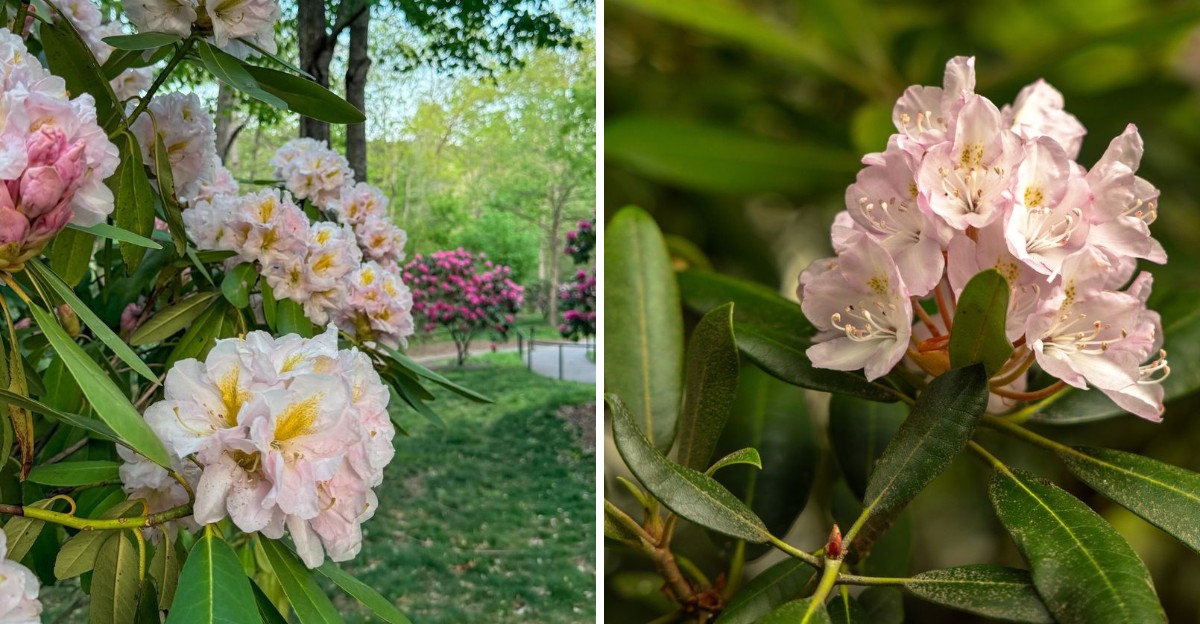
Few sights capture the drama of a North Carolina spring quite like entire mountainsides covered in blooming rhododendrons.
Certain routes through the state’s higher elevations offer front-row access to this seasonal display, winding through dense thickets that explode with color for just a few weeks each year.
Because bloom timing shifts depending on elevation and that year’s weather patterns, hitting the display at its peak often requires a bit of planning rather than simply picking a random weekend.
Some of the most impressive viewing spots sit along quieter routes that see far less traffic than the state’s more famous scenic drives.
For anyone chasing one of North Carolina’s most spectacular natural shows, this road trip offers a front-row seat to rhododendrons at their absolute best.
1. Time The Trip Around Two Bloom Seasons
Timing can make or break a flower trip. In the North Carolina mountains, you actually get two main native rhododendron seasons, so you can enjoy them on one long trip or split them into two shorter ones.
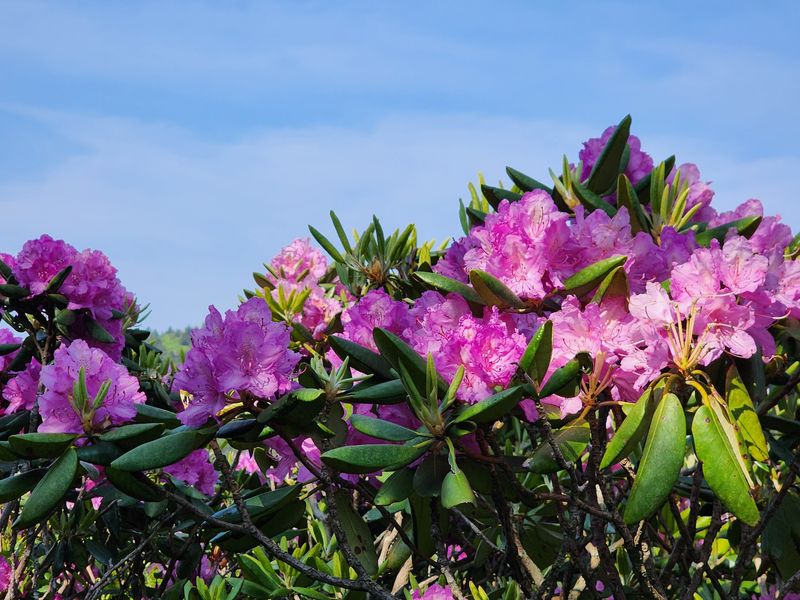
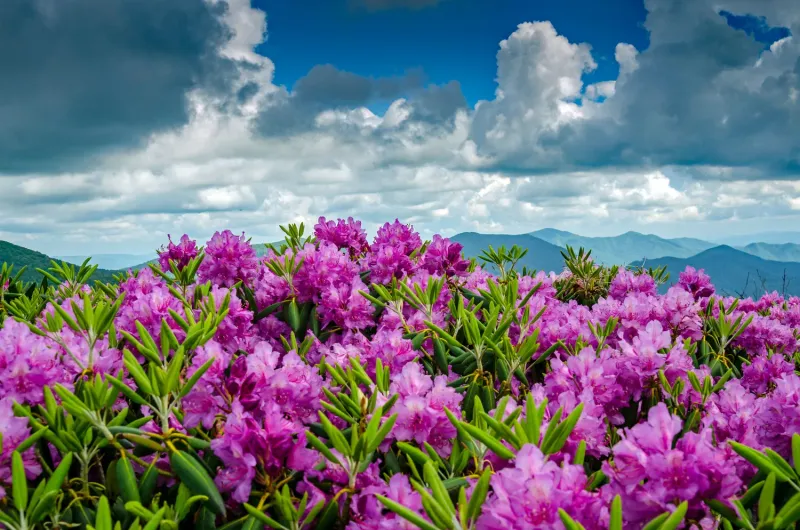
Catawba rhododendron comes first. Its bright pink to purple flowers usually peak on the high-elevation balds in June, turning whole hillsides into a sea of color.
About a month later, around early July, rosebay rhododendron takes over with pale pink to nearly white blossoms, and it grows across a much wider range of elevations.
For the boldest Catawba displays, aim for mid June. If you want to see rosebay too, plan a second visit in early July. Many travelers find that two short trips feel less rushed than one long one.
Weather plays a big role, so stay flexible. A warm, sunny spring often brings earlier blooms, while a cool, cloudy spring can push peak bloom later than usual. That means last year’s dates may not match this year’s show.
Before you leave home, check Blue Ridge Parkway bloom reports on social media. Rangers, local groups, and fellow travelers often post fresh photos and updates that tell you exactly what is open and blooming.
A quick look can save you from driving hours to see only green buds. All this planning pays off in a big way.
The Blue Ridge Mountains of North Carolina hold some of the finest native rhododendron displays in the entire Southern Appalachians, and catching them at the right moment is a memory you will keep for years.
2. Craggy Gardens Is The Parkway’s Showpiece
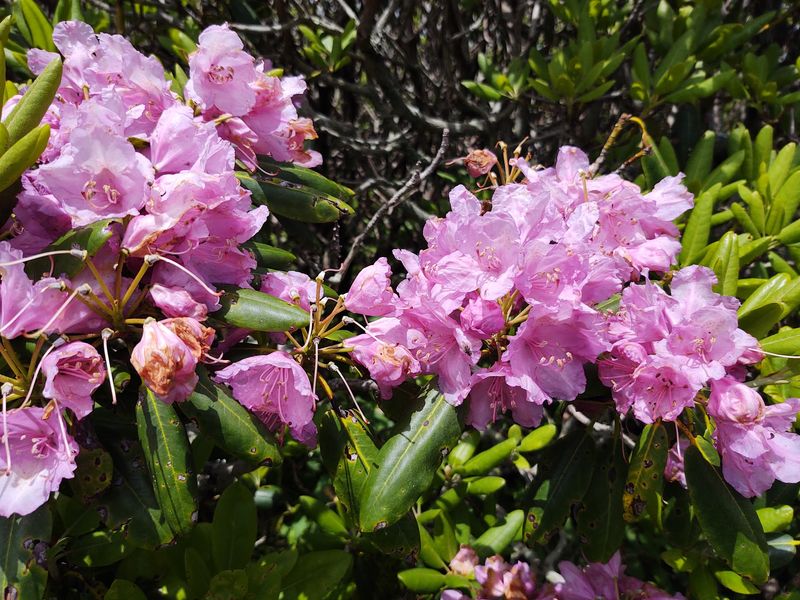
Ask any longtime Parkway fan where to find the best blooms, and you will likely hear one name: Craggy Gardens. Sitting at Milepost 364.4, about 20 miles north of Asheville.
It is known for the most spectacular floral display along the whole 469-mile Blue Ridge Parkway. The reason is simple.
Catawba rhododendrons blanket the slopes and summits of the Great Craggy Mountains, painting them pink and purple in June. You do not even need to hike far, because the blooms are easy to see right along the Parkway and around the visitor center.
Crowds can be heavy during peak bloom, especially on weekends. Arriving early in the day gives you cooler air, softer light for photos, and a better shot at a parking spot. Early mornings also bring drifting clouds that make the flowers look almost magical.
Your North Carolina Garden Changes Every Week. Your Plan Should Too.
Gardening in North Carolina changes quickly throughout the season. Every Friday you’ll receive a simple weekly plan showing exactly what to plant, prune, fertilize, harvest, and protect so you never miss the right timing.
Road conditions matter here more than ever. Check the National Park Service road status page before you drive, since sections of the Parkway have closed for repairs after Hurricane Helene.
The Craggy Picnic Area is expected to stay closed through 2026 for those repairs, while the visitor center and trails have been listed as open. There is something special about standing where so many others have stood before you.
Families in North Carolina have traveled to the Craggies every June for generations to see the bloom, and many still make it a yearly tradition. Once you see those glowing slopes yourself, you may start a tradition of your own.
3. Walk The Craggy Gardens Trail Across A Mile-High Bald
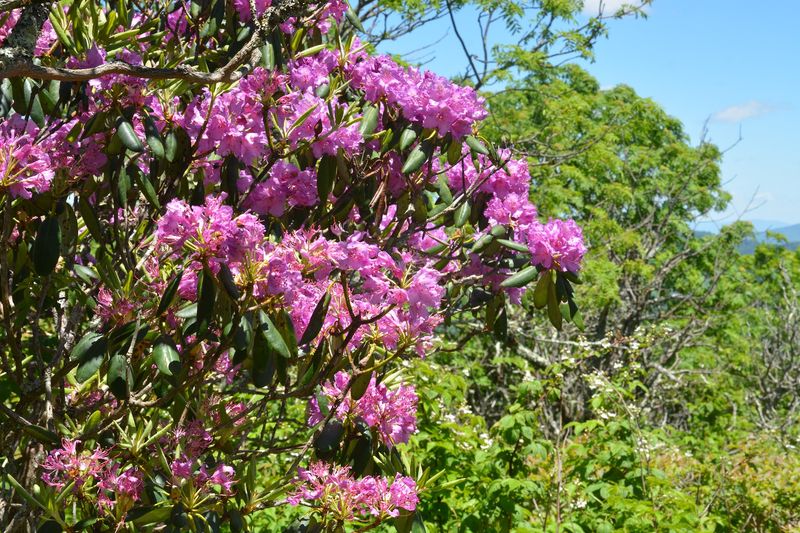
Some of the best gardens on Earth were never planted by people. The Craggy Gardens Trail proves it, leading you about one mile across Craggy Flats, a mile-high heath bald at roughly 5,680 feet.
Along the way, you pass through a natural garden of hundreds of Catawba rhododendrons. Instead of seeing the blooms from a distance, you get to walk right beside them, close enough to notice the tiny freckles inside each flower.
Bees and butterflies often buzz around the clusters, adding even more life to the scene. Start at the south end of the Craggy Gardens Visitor Center parking area.
The path is short, but parts of it are rocky and uneven, so sturdy shoes are a smart choice. Sneakers with good grip or light hiking boots work well.
Bring a jacket, even in June. High elevations stay cool and windy, and the temperature on the bald can feel very different from the warm valleys below. Fog can roll in fast, too, so a light rain layer is never a bad idea.
Please stay on the marked trail. Heath balds are fragile, and stepping off the path can damage plant roots and wear away thin mountain soil. A few careless footsteps can take years to heal. Protecting this spot matters because heath balds are rare.
These treeless, high-elevation plant communities are found in the Southern Appalachians, and North Carolina is lucky to have some of the finest examples. Walking through one in full bloom feels like stepping into a living postcard.
4. Climb Craggy Pinnacle For A 360-Degree View
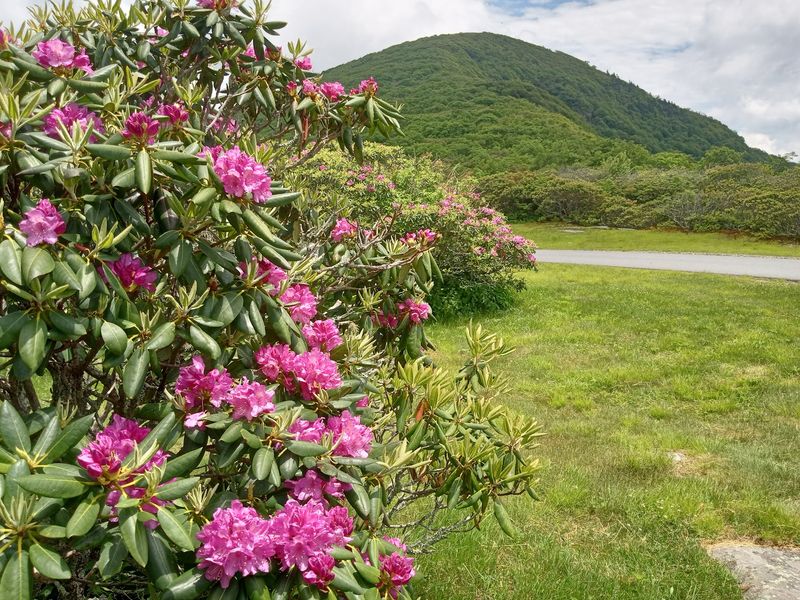
Short hike, huge reward. That sums up the Craggy Pinnacle Trail, a quick climb near Craggy Gardens that leads to an open rocky summit at about 5,892 feet.
The fun starts right away. The trail winds through tunnels of twisting rhododendron branches that arch over your head, almost like a secret passage.
Then the plants open up, and suddenly you are standing on top of the world with panoramic views of the peaks all around you.
During peak season, you can look down and spot pink blooms spread across the slopes below. It is a different way to enjoy the flowers, seeing the full pattern of color instead of just a few bushes. On clear days, the ridges seem to roll on forever.
Begin at the Craggy Dome Overlook parking area. The trail is under a mile each way, but it climbs steadily, so give yourself extra time and take breaks if you need them. Kids and casual hikers can usually handle it at a relaxed pace.
The summit is exposed to wind and weather, so pack an extra layer. Even on a sunny afternoon, gusts can make it feel chilly up top. A water bottle and a small snack also make the stay more pleasant.
For the prettiest light, go at sunrise or sunset, when the sky glows gold and the mountains turn soft shades of blue. Many North Carolina hikers call this view one of the most rewarding short hikes on the entire Parkway, and it is easy to see why.
5. Roan Mountain Holds Famous Rhododendron Gardens
Long before road trips were popular, botanists were hiking to Roan Mountain just to see its plants.
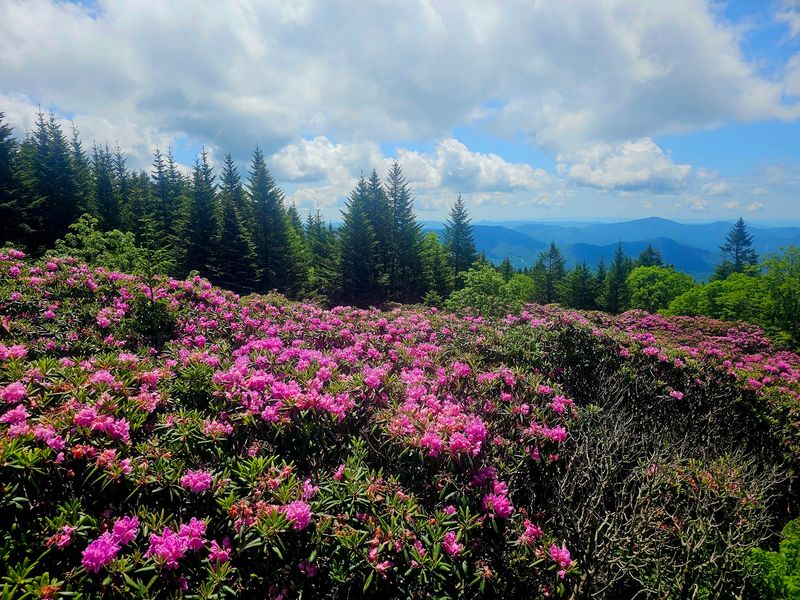
Today, the Roan Mountain Recreation Area in Pisgah National Forest is still famous for its spectacular natural rhododendron gardens on the North Carolina and Tennessee line.
At peak bloom, slopes of Catawba rhododendron create one of the most famous natural flower displays in the Southern Appalachians.
The shrubs form big rounded mounds, and when they all flower at once, the view is unforgettable. Nearby, dark spruce-fir forests add a cool, almost northern feel to the scene.
The mountain is also a treasure chest for plant lovers. More than 250 rare or endangered plants grow on the Roan, which makes it one of the most important natural areas in the region.
Plan your visit for mid to late June, when the gardens usually reach their best color. Before you go, check the U.S. Forest Service for current conditions.
Hurricane Helene heavily damaged the area, and while it reopened in June 2025, part of the Cloudland Trail was still closed.
Weather on the Roan can surprise you. Temperatures are often cool, and strong winds sweep across the high ground, so dress in layers and bring a rain jacket. Many visitors are shocked to need a sweatshirt in the middle of summer.
North Carolinians are proud of this mountain for good reason. The Roan is one of the state’s most celebrated natural areas, and standing among its blooming gardens feels like visiting a place that time forgot.
6. Time A Visit With The Bakersville Rhododendron Festival
Flowers are only half the fun when you add a small-town celebration to the mix. Every June, the town of Bakersville, North Carolina, near Roan Mountain, hosts its annual rhododendron festival to honor the bloom season.
The festival gives you a chance to meet the mountain community that lives alongside these famous gardens.
You can enjoy local food, crafts, and friendly faces before heading up the mountain to see the real stars of the show. Just across the state line, a companion festival also takes place in Roan Mountain, Tennessee.
Dates can shift from year to year, so check the festival schedule before you lock in your plans. Matching your trip to the festival weekend makes the journey feel extra special. Kids especially love having something lively to do between scenic drives.
Lodging fills up fast in bloom season. The flowers draw lots of visitors, and the area has a limited number of cabins, inns, and campsites, so book early. Waiting until the last minute could mean driving a long way each night.
Think about your schedule, too. Many travelers drive up to the Roan gardens early in the morning, then come back down for festival events in the afternoon. Others enjoy the festival first and save the mountain for golden evening light.
The bond between this town and its flowers runs deep. Bakersville has long been tied to the Roan Mountain bloom, and joining the festival lets you feel part of a local tradition that has brought people together for many years.
7. See Rosebay Rhododendron At The N.C. Arboretum
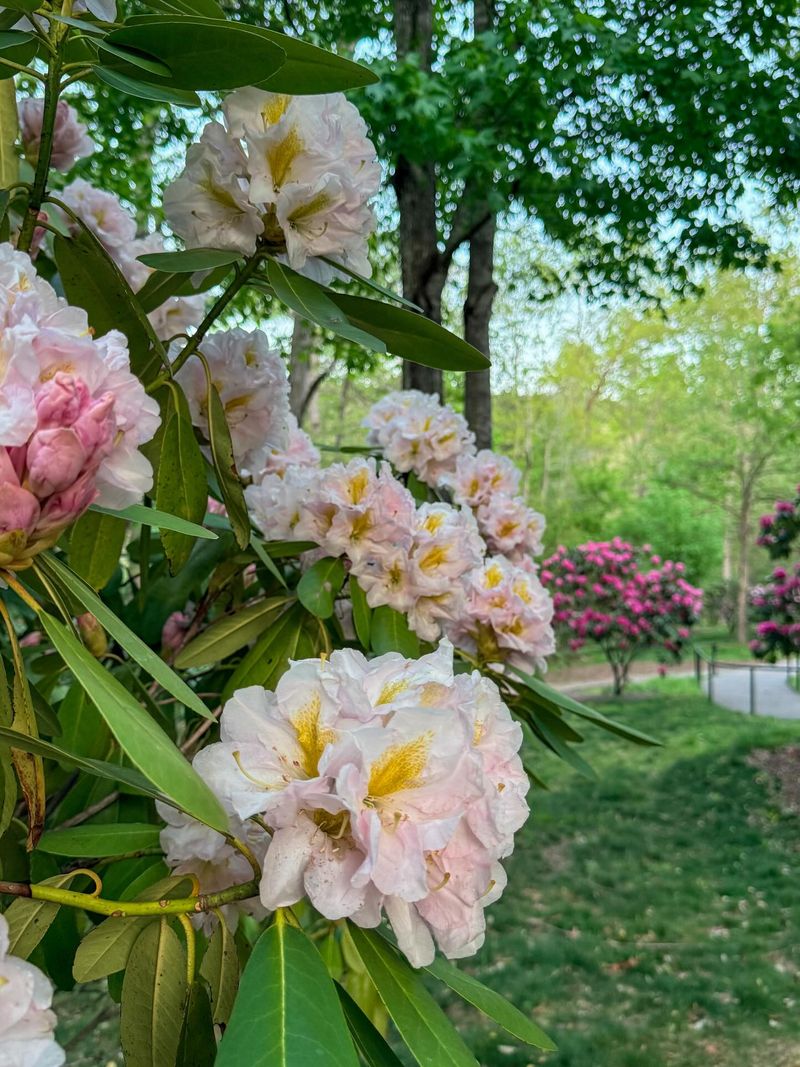
Just when the Catawba blooms start to fade, a quieter beauty steps into the spotlight. The North Carolina Arboretum near Asheville is a great place to meet rosebay rhododendron, the shrub that keeps the flower season going into summer.
Rosebay goes by another name, too. Many locals call it big laurel, and the nickname fits, since it forms dense thickets that can reach about 20 feet tall.
Its large, glossy leaves stay green all year, and its pale pink to white blooms appear after the Catawba show is done.
These thickets do much more than look pretty. They shade streams, help hold soil on steep slopes, and give shelter to birds and other wildlife. In many ways, rosebay helps keep Southern Appalachian forests healthy.
Plan this stop for early July, when rosebay is most likely to be blooming. Because the arboretum sits close to Asheville, it pairs nicely with other stops in the area, such as lunch downtown or a short drive on the Parkway.
That makes it an easy addition to almost any route. Hours and admission details can change, so check the arboretum’s website before you visit. Parking fees and seasonal events are often listed there, which helps you plan your day without surprises.
Rosebay might be familiar if you have spent time in the mountains. It is one of the most common and recognizable native shrubs in western North Carolina, and seeing it in full bloom gives you a new appreciation for a plant many people pass by every day.
8. Find Rosebay Along The Parkway At Lower Elevations
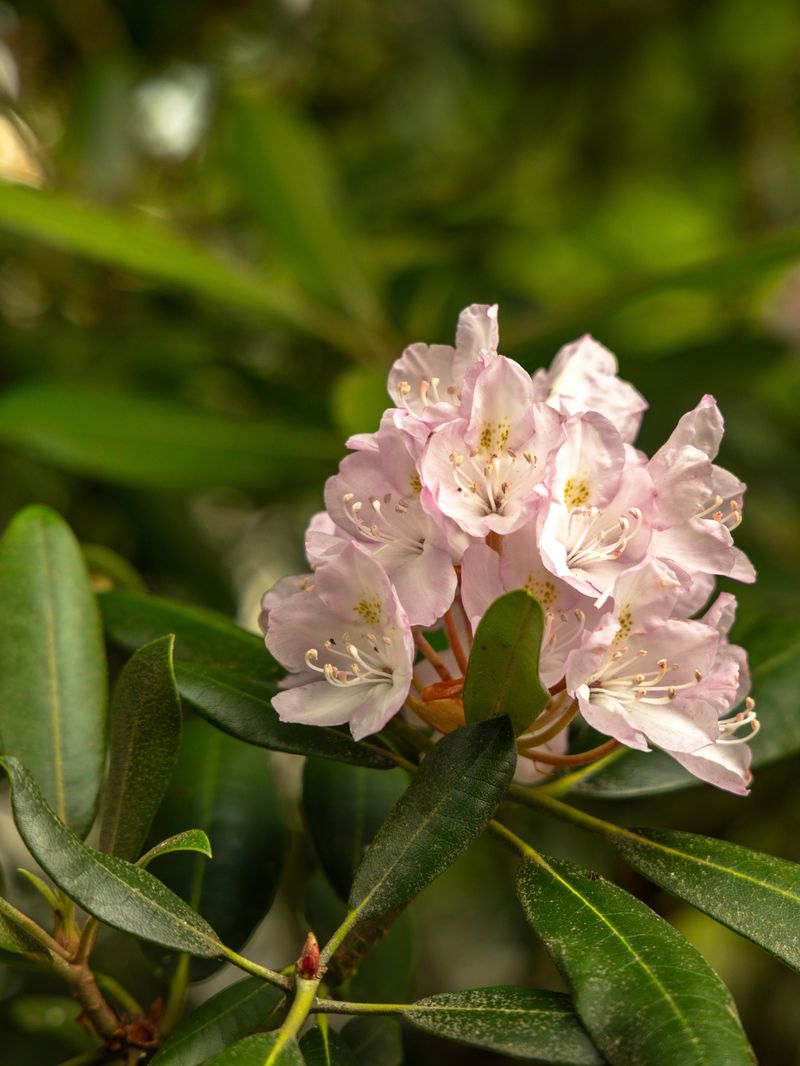
Your rhododendron adventure does not have to end in June. Rosebay rhododendron blooms at several spots along the Blue Ridge Parkway, letting you stretch the fun well into July.
Keep an eye out at the picnic area at Milepost 339.3, along Mileposts 352 to 353, and between Mileposts 455 and 456.
Each stretch offers a chance to see those soft pink and white clusters glowing against deep green leaves. They make great stops for a picnic, a stretch break, or a few photos.
Why do these spots stay colorful after the high balds finish? Rosebay likes moister sites and grows across a wider range of elevations than Catawba. So while the mountaintops turn green, these lower and shadier areas are just getting started.
Look for the shrubs in shaded, moist places, especially along streams and on cool slopes. Thick tangles of rosebay often line creeks, so the sound of running water can be a helpful clue. Bring a camera with a good zoom for blooms that hang over the water.
Safety comes first on the Parkway. Drive slowly, and only stop at designated overlooks and pull-offs instead of the roadside. Before heading out, check the National Park Service road status, since some sections have had closures for repairs.
Following rosebay along the Parkway turns a short flower trip into a whole summer of color.
In North Carolina, chasing both Catawba and rosebay lets travelers enjoy rhododendron blooms for nearly two months, which is a pretty sweet reward for a little planning.