A Key Stretch Of Spotted Lanternfly Season Has Arrived In New Jersey (Here’s What To Do)
Your patio has turned sticky, and you cannot quite explain the sudden change. New Jersey yards are hosting a strange guest nobody actually invited this year. Wasps hover near your railing, suddenly bold, loud, and oddly persistent this week.
Bright wings flash past your shoulder, quick, deliberate, and impossible to miss. Populations have climbed steadily since early spring, spreading fast through quiet neighborhoods.
Adults are feeding hard right now, fueling a final, urgent push forward. Females are actively scouting bark, fences, and quiet corners for their eggs. Egg laying season has arrived, and precise timing matters more than you think.
Homeowners across New Jersey are watching this seasonal shift with real concern. Sticky residue drips onto chairs, railings, and anything left parked outside below.
Curiosity sharpens fast once you notice this pattern repeating itself daily outside. Waiting now only makes the coming weeks ahead much harder for you to manage.
Late Summer Adults Are Now Hard To Miss
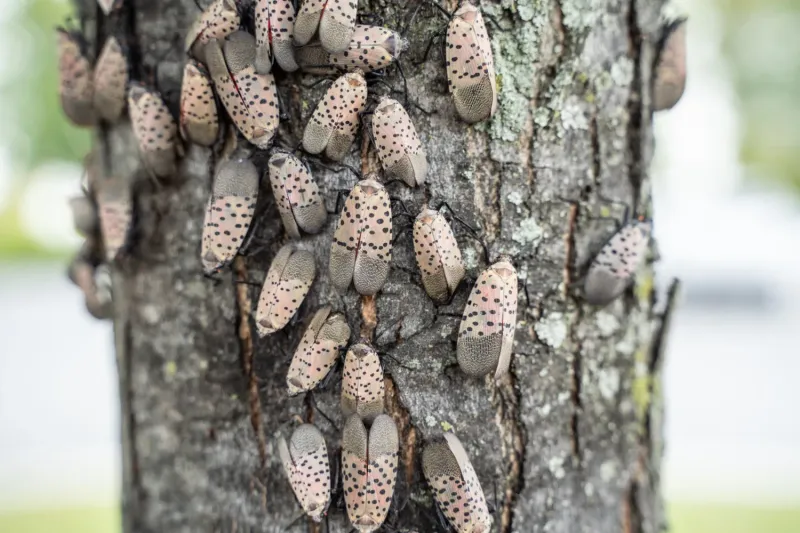
Anyone who has walked past a maple in a heavily affected New Jersey neighborhood lately knows the feeling. One tap on the trunk and a small cloud of gray, polka-dotted wings scatters into the air.
The adults appear in July and stay active well into November, but late August through October is the loudest stretch. They are bigger now, stronger fliers, and far more noticeable than the little black-and-white nymphs from spring.
An adult measures about an inch long with folded gray wings dotted in black spots. When it hops, a flash of bright red and white shows underneath, which is why so many people mistake them for moths or oddly pretty beetles.
Numbers climb during this window because the whole population has finally matured at once. They also cluster, sometimes dozens on a single trunk, which makes even a small infestation look overwhelming.
Your best move right now is simple attention. Walk your property once a week and check tree trunks, fence posts, deck rails, grill covers, and the sunny side of your house siding.
Knock the ones you find into a container of soapy water rather than swatting them, since swatting mostly sends them hopping somewhere else. A wet-dry vacuum works beautifully on big clusters.
Also worth knowing: they are terrible at avoiding people and cannot bite or sting. That clumsiness is your advantage, so use it while the weather is still warm.
Grapevines And Young Trees Feel It Worst

Ask a South Jersey grape grower about this insect and you will get a long sigh. Vineyards have been among the hardest-hit agricultural sectors in the state.
Lanternflies feed by pushing a straw-like mouthpart into stems and drinking sap. One or two do almost nothing, but hundreds on the same vine drain energy the plant needed for winter.
Grapes are especially vulnerable because the vines are relatively small and the feeding pressure gets concentrated. Growers have reported reduced yields and weakened vines after heavy seasons.
Young ornamental trees, hops, black walnut, silver maple, river birch, and willow also rank high on the menu. Mature shade trees usually shrug it off, though they can look stressed with early leaf drop.
Your New Jersey Garden Changes Every Week. Your Plan Should Too.
Gardening in New Jersey changes quickly throughout the season. Every Friday you’ll receive a simple weekly plan showing exactly what to plant, prune, fertilize, harvest, and protect so you never miss the right timing.
Backyard gardeners can breathe a little easier. Tomatoes, peppers, squash, and most vegetables are not preferred targets, and fruit trees like apple and peach handle occasional visitors fine.
If you have a young tree that keeps attracting crowds, wrapping the trunk with sticky-free circle traps helps a lot. Hand removal on weekends handles the rest.
Watering matters more than people expect. A well-watered tree bounces back from sap loss far better than one already struggling through a dry September.
Fun bit of history: this insect arrived in Pennsylvania around 2014 on a stone shipment, then crossed into New Jersey by 2018. Grape country has been adapting ever since.
Egg Laying Season Is The Real Reason To Act Fast
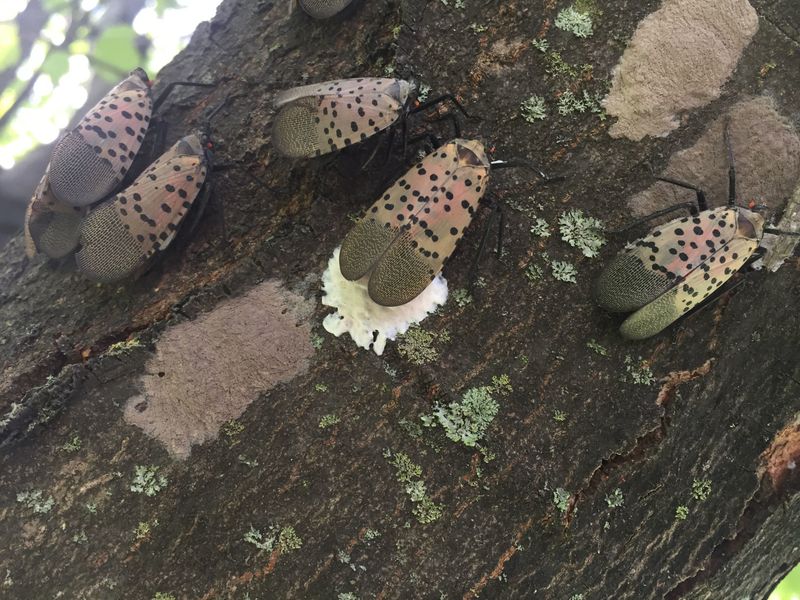
Here is the part most people miss. Every adult you ignore in September can leave behind a putty-colored patch holding thirty to fifty eggs.
Females begin laying in late September and continue through the first hard frosts. That single detail is what makes this stretch of the season so important for New Jersey homeowners.
Egg masses look like a smear of gray mud or a strip of dried oatmeal. Older ones lose their coating and resemble neat rows of tiny brown seeds pressed against a flat surface.
They are not picky about location either. Bark, brick, lawn furniture, firewood stacks, trailer wheel wells, propane tanks, birdhouses, and the underside of your patio table all qualify.
Scraping them off is one of the most useful things you can do all year. Use an old credit card or plastic putty knife, push the mass into a bag or bottle with rubbing alcohol or hand sanitizer, then seal it and toss it.
Just knocking a mass onto the ground is not enough, because eggs can still hatch there. The alcohol step is what finishes the job.
Keep a small scraping kit in your garage through winter. Egg masses stay visible until May, so a cold February afternoon is a fine time to hunt for them.
Fewer masses in fall means fewer nymphs bouncing around your hydrangeas next spring. Small effort, delayed payoff, genuinely worth it.
That Sticky Mess On Your Deck Has A Name
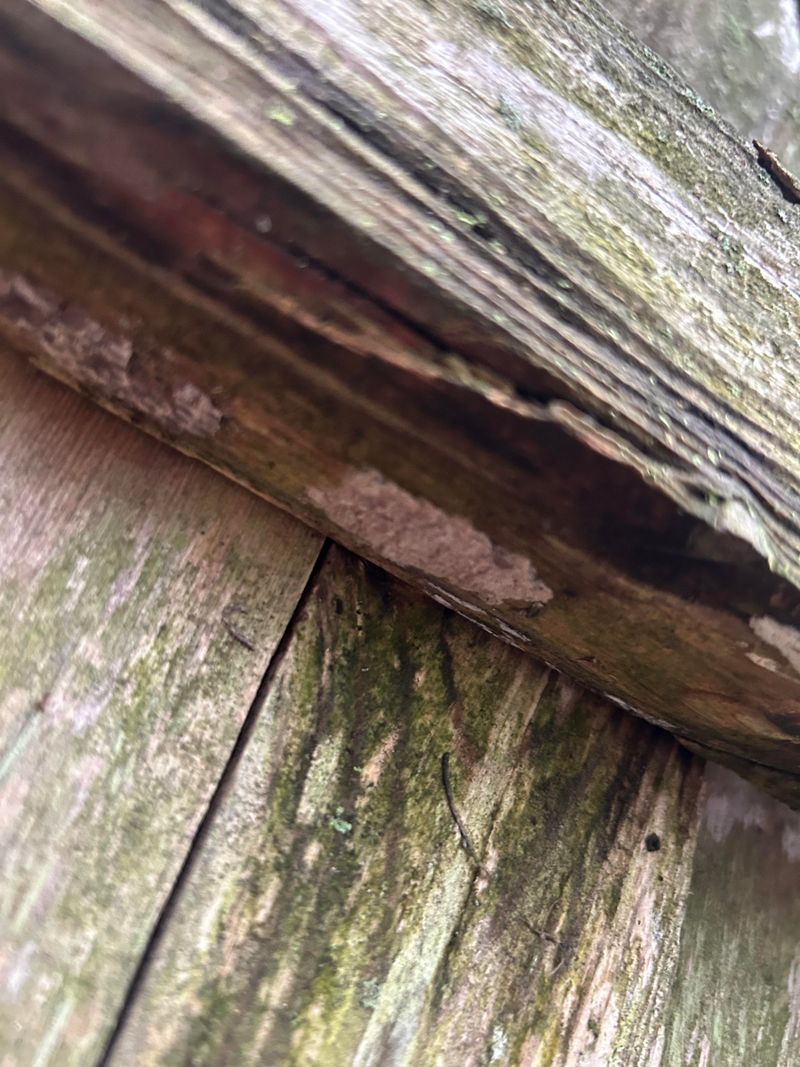
Picture setting a cold drink on your patio table and having the glass stick to it. That gummy film is honeydew, and it comes straight from the insects overhead.
Sap goes in, sugary waste comes out, and it rains down onto whatever sits below. Cars, walkways, playsets, and picnic tables all end up glazed.
Then comes the second problem. A black fungus called sooty mold grows on the honeydew, turning bark, mulch, and concrete a dark charcoal color.
The mold does not harm your plants directly, but a thick coating on leaves blocks sunlight and looks awful. Homeowners often notice the black staining before they notice the insects.
Wasps, hornets, and ants show up for the free sugar, which makes outdoor dining unpleasant. That surprise buzzing near your grill in September is usually honeydew related.
Cleanup is straightforward if you catch it early. Warm water, dish soap, and a stiff brush handle most surfaces, and a hose with a pressure nozzle works on siding and concrete.
For cars, wash sooner rather than later, since baked-on honeydew can dull clear coat. A quick rinse after parking under an infested tree saves work later.
Long term, moving furniture out from under heavily visited trees is the easiest fix. Sometimes the smartest pest control is simply relocating your seating.
Check Your Car Before Longer Trips
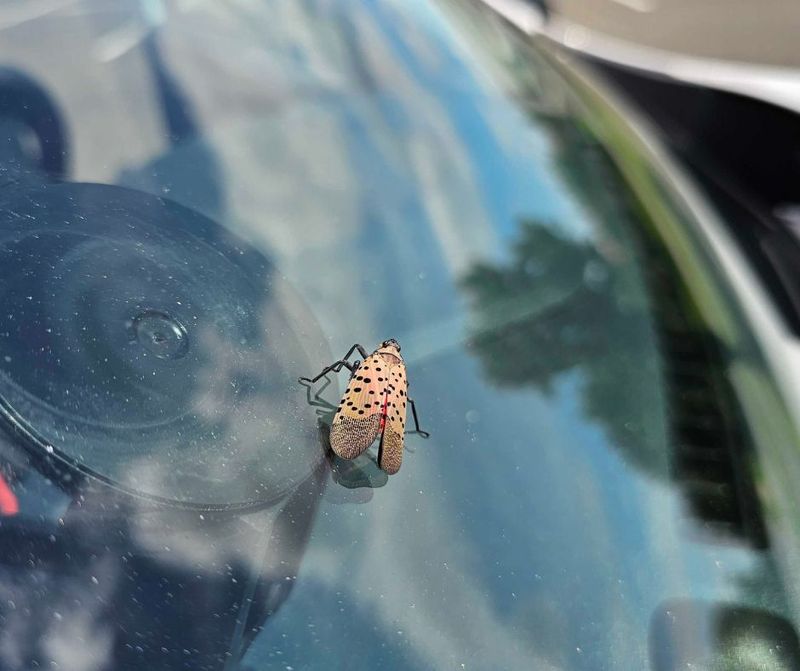
Lanternflies are mediocre fliers but excellent hitchhikers. They ride bumpers, truck beds, and roof racks across county lines without buying a ticket.
That is exactly how the insect spread from a few Pennsylvania townships to most of New Jersey in under a decade. Human transportation did the heavy lifting.
New Jersey now has a statewide quarantine because of this, and while the rules focus mainly on businesses moving goods, checking your vehicle is a smart habit for everyone. A thirty second walk-around before you drive is all it takes.
Look at wheel wells, the grille, under the bumper, window frames, roof racks, and the tailgate area. Peek inside if you had windows down while parked.
Campers, boats, and trailers deserve extra attention because they sit still for long stretches and offer plenty of hidden nooks. Check the tongue jack, frame rails, and any stored tarps.
Firewood is the other big one. Moving wood from an infested area to a cabin or campsite can carry egg masses hundreds of miles, so buy firewood near where you burn it.
Landscapers, nursery workers, and anyone hauling outdoor gear should inspect equipment at the end of each job. Ladders, mowers, and stone pallets are all common ride-alongs.
Think of it as the same courtesy as cleaning your boots before a hike. Small habits slow the spread more than any spray ever could.
The quarantine now covers the entire state, so a quick check at nj.gov/agriculture confirms the current requirements for your situation.
Skip The Sticky Tape, Build A Circle Trap Instead
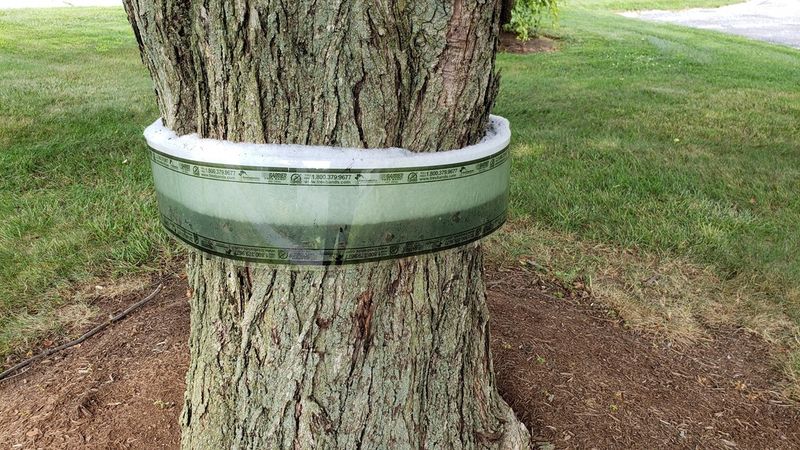
Sticky bands wrapped around trees used to be the go-to advice. Then people started finding chickadees, squirrels, and bats stuck to them.
Wildlife rehabbers across the region raised concerns, and for good reason. Adhesive tape does not know the difference between a lanternfly and a nuthatch.
Circle traps solve that problem elegantly. A cone of window screen or insect mesh wraps the trunk, and since lanternflies instinctively walk upward, they funnel into a bag or bottle at the top.
You can build one relatively cheaply with mesh, duct tape, a wire coat hanger, and a plastic bottle. Plenty of Rutgers Cooperative Extension guides walk through it step by step.
Store-bought versions exist too, and they slip on and off easily for emptying. Either way, position the trap on the trunks that attract the biggest crowds.
If you inherit sticky bands or feel set on using them, cage the band with wire mesh so birds cannot touch the glue. Check it daily.
Traps work best as a supplement, not a solution. Combine them with hand removal and egg mass scraping for real results.
One more perk: emptying a trap gives you a clear count of what your property is dealing with. Numbers make it easier to decide whether to call a professional.
Tree Of Heaven In Your Yard Explains A Lot
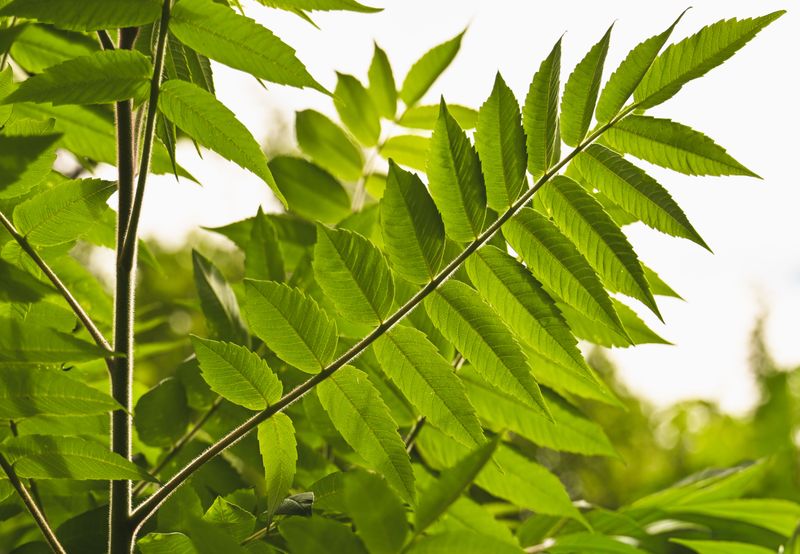
There is one plant that acts as a strong attractant for these insects. Tree of heaven, known scientifically as Ailanthus altissima, is their favorite host by a wide margin.
It is an invasive species itself, brought over in the 1780s and now growing along highways, alleys, fence lines, and untended corners statewide. If lanternflies swarm one spot in your yard, look for this tree first.
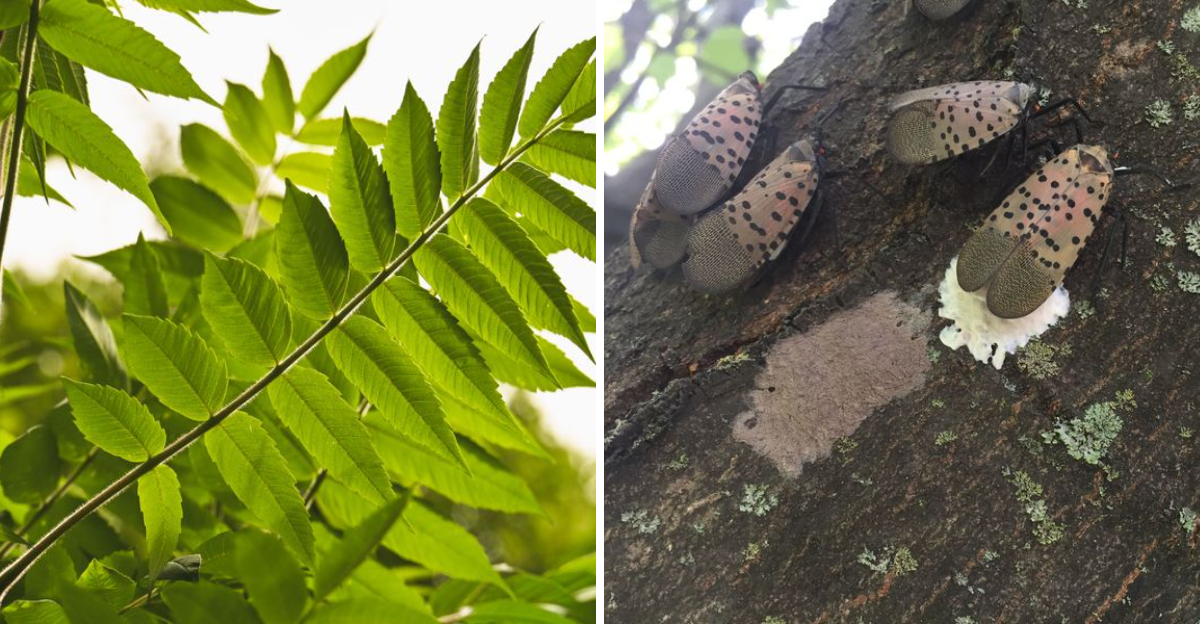
Identifying it takes practice. Long compound leaves with eleven to forty leaflets, smooth grayish bark, and a strong smell when you crush a leaf that people compare to burnt peanut butter.
Removing it is not as simple as cutting it down. Chop the trunk and the roots send up a dozen new shoots, sometimes twenty feet away.
Effective removal usually means treating the tree with an appropriate herbicide first, then removing it once the root system stops responding. Late summer and early fall happen to be a good treatment window.
Some property owners keep one mature tree as a trap tree, treating it so feeding insects are affected while the tree draws them away from valued plants. That approach is worth discussing with a certified arborist.
For most homeowners, clearing young saplings from fence lines is the practical win. They pull out easily when small. Less Ailanthus nearby generally means a quieter yard the following season.
When To Call A Professional And When To Report What You See

At some point, a bucket of soapy water stops feeling like enough. If your trunks look upholstered in wings, professional help makes sense.
Licensed pest control companies and certified arborists in New Jersey have access to trunk treatments and targeted applications that homeowners cannot buy. They also know which products protect pollinators nearby.
Ask any company whether their plan considers bees, birds, and fish before you sign. A good operator will explain timing and placement without hesitation.
Homemade sprays deserve a word of caution. Vinegar, salt, and dish soap concoctions circulating online can scorch leaves, damage soil, and harm beneficial insects that were doing you favors.
Reporting also still matters, especially if you live in a county where sightings have been light. The New Jersey Department of Agriculture and Rutgers Cooperative Extension have historically accepted sighting reports, and photos help specialists track movement.
Include a clear picture, the date, and a rough location. Even a phone snapshot on a fence post is useful data.
Community effort has real weight here. Neighborhoods where several households scrape egg masses and remove Ailanthus tend to see noticeably lighter pressure the next year.
Interesting note for the long game: Penn State research suggests native predators like praying mantises, spined soldier bugs, spiders, and certain birds are increasingly preying on lanternflies.
Some species are already showing real promise as natural control agents. Researchers caution that more study is needed before this becomes a reliable management tool.