What It Means When Ladybugs Start Swarming Michigan Homes In Fall
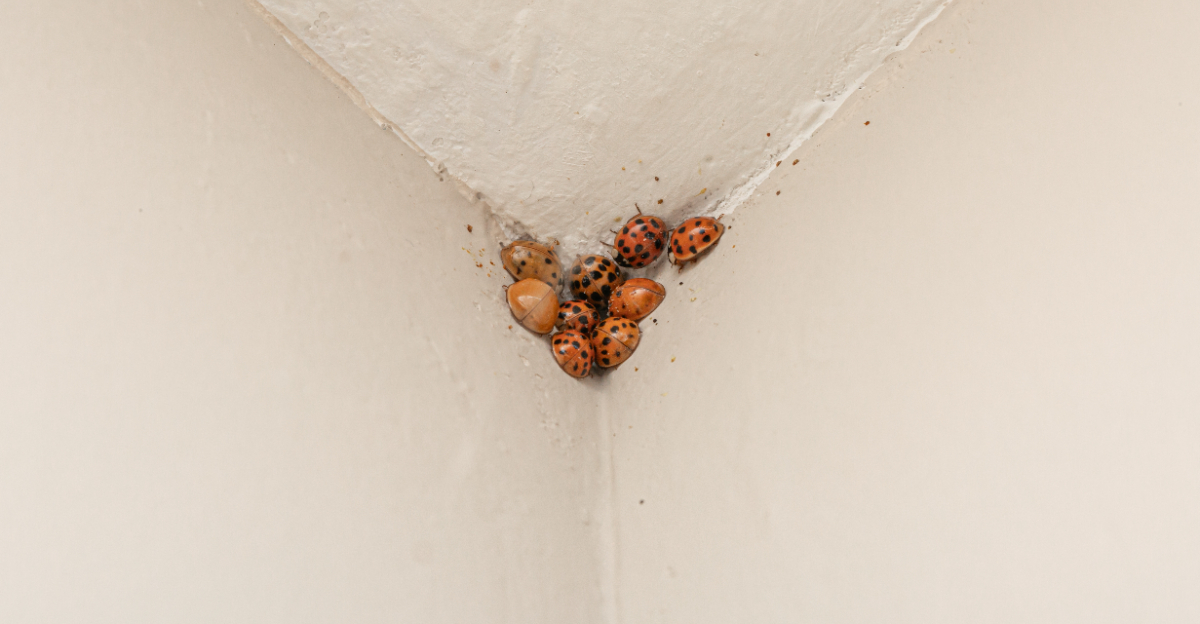
You step outside on a warm September afternoon and notice them everywhere, tiny orange and black bodies covering the siding, clustering near windows, drifting through the air in numbers that feel almost unreal.
It’s not your imagination, and it’s not just one stray bug that wandered in by accident.
Something about this time of year sends them searching, and your house has apparently made the shortlist. Most Michigan homeowners assume these are the same friendly ladybugs from the garden, harmless and welcome any other time of year.
The truth is a little more complicated, and understanding it changes how you should actually respond.
There’s a clear reason behind this seasonal swarm, tied to weather, instinct, and exactly what these insects are searching for before winter arrives. Here’s what’s really going on once the ladybugs start showing up in force.
1. Most Are Asian Lady Beetles, Not Native Ladybugs
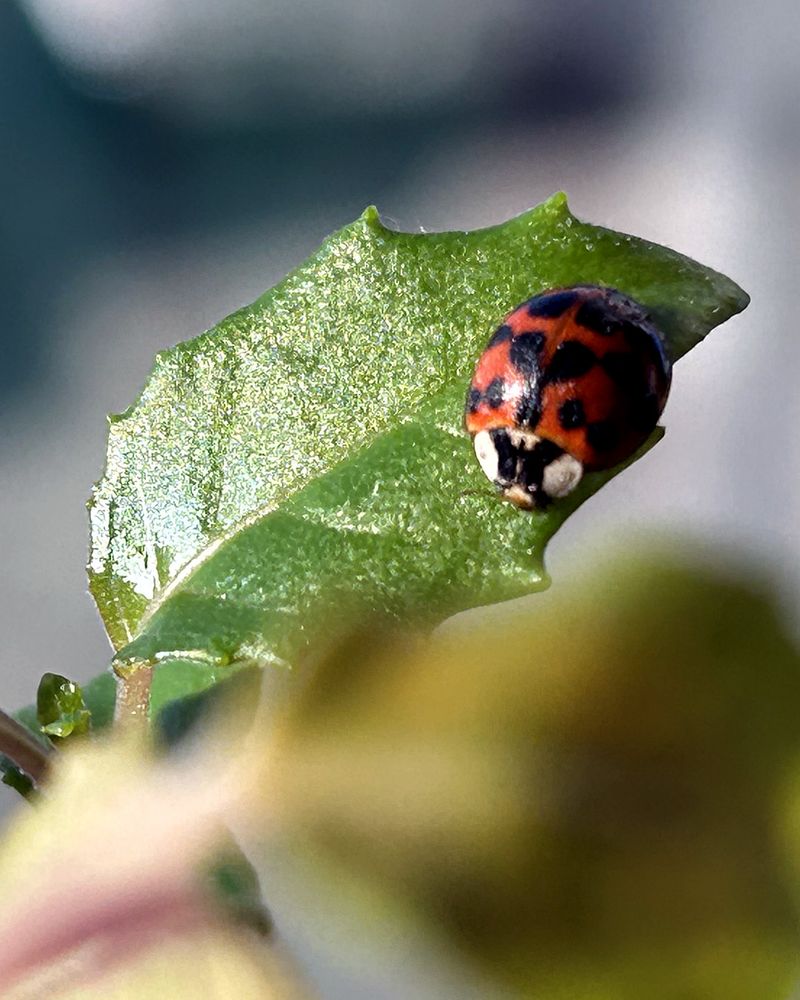
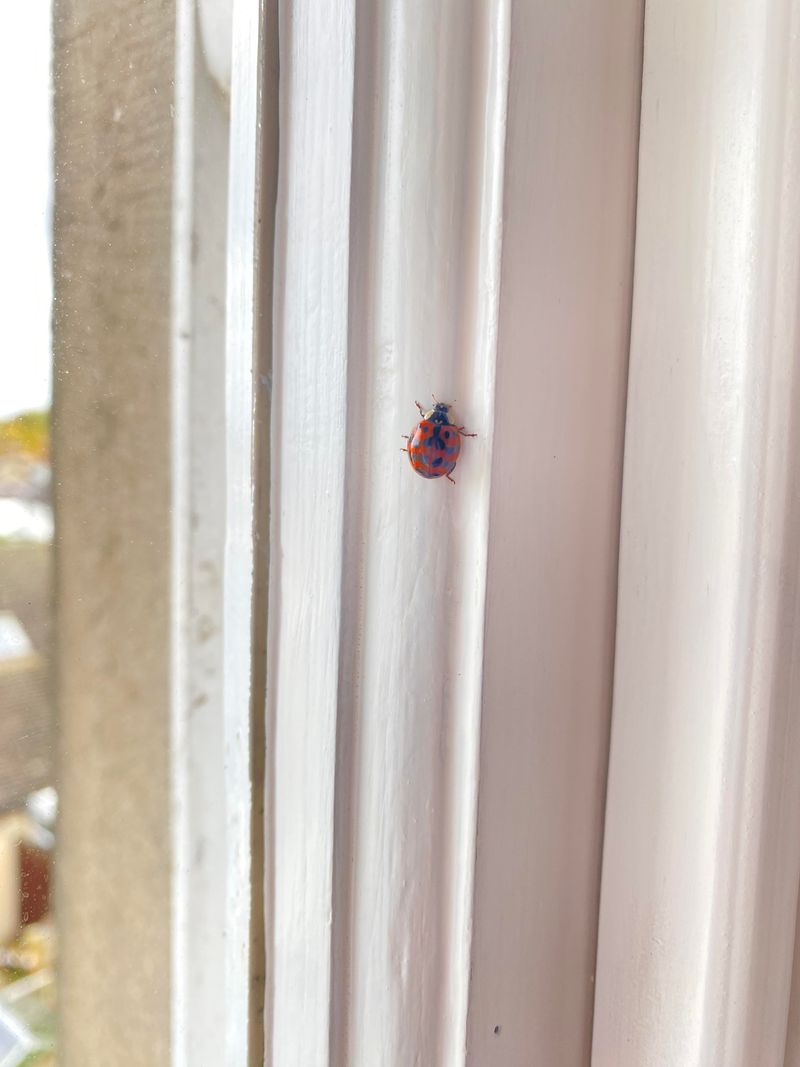
That crowd on your siding is probably the multicolored Asian lady beetle, a relative of the ladybugs you drew as a kid. They were brought to the United States decades ago to eat crop pests like aphids, and they did the job well.
You can tell them apart with a small clue. Look right behind the head for a marking shaped like an M or a W. Native ladybugs usually skip that mark and stay a cleaner red.
Colors on these beetles range from pale yellow-orange to deep reddish, with different numbers of spots. That variety is why they carry the word multicolored in their name.
In Michigan, they became common in the 1990s and now show up every autumn. They are not truly harmful to people, and they still munch garden pests during the warm months, which counts as a helpful trait.
The confusion matters because native ladybugs rarely swarm buildings the way these beetles do. So if a wall is covered, you are almost certainly looking at the introduced kind rather than the classic backyard ladybug.
Knowing the difference takes some pressure off. You are not dealing with a rare invasion or a sign that something is wrong with your yard.
Instead, you are seeing a well-traveled insect following an ancient habit. Once you recognize the M mark, the whole scene makes more sense and feels less like a mystery.
2. They Are Searching For A Warm Winter Hideout

When temperatures drop, these beetles go house hunting the same way squirrels stash acorns. Their goal is a sheltered spot to wait out the cold Michigan winter.
In the wild, their ancestors tucked into cliff faces and rocky cracks. Your home, with its warm walls and shady crevices, looks a lot like a giant sunny cliff to them.
The behavior is called overwintering. Instead of feeding and flying all winter, the beetles slow way down and rest in a sleepy state until spring returns.
Fall is the trigger. Shorter days and chilly nights tell their bodies that it is time to find shelter before the first hard freeze settles over the state.
Your Michigan Garden Changes Every Week. Your Plan Should Too.
Gardening in Michigan changes quickly throughout the season. Every Friday you’ll receive a simple weekly plan showing exactly what to plant, prune, fertilize, harvest, and protect so you never miss the right timing.
That is why the swarms feel so sudden. Many beetles get the same signal at the same time, so they arrive together in one dramatic wave.
They are not trying to invade your living space on purpose. They aim for gaps, attics, and wall voids, but sometimes they slip through into rooms by accident.
Understanding their mission helps you respond calmly. They are not looking for food inside and they are not building nests to raise young in your walls.
Once you picture them as tiny travelers seeking a safe bunk, the crawling and clustering makes sense. They simply want to survive until the ground thaws and the aphids return.
Come spring, most will try to leave and head back outdoors. The visit, while annoying, is usually a temporary seasonal stopover rather than a permanent takeover.
3. Sunny South And West Walls Attract The Biggest Crowds

Ever notice the swarm favors one side of your house? The beetles gather where the sun hits longest, usually the south and west facing walls in the afternoon.
Warmth acts like a beacon. As the air cools, those bright walls hold heat and feel cozy, so the beetles pile up on the sunniest surfaces they can find.
Light-colored homes seem to draw even more attention. Pale siding may stand out against the landscape and mimic the bright rock faces their ancestors loved.
Michigan afternoons in October can still be pleasantly mild, and the beetles take full advantage. They warm their bodies in the sun before squeezing into cracks for the night.
Contrast plays a role too. A tall, sunlit wall near open fields or woods tends to collect more beetles than a shaded home tucked between trees.
This pattern gives you a clue about where to focus. Checking the warm side of the house often reveals the exact gaps they are using to get inside.
You might see them cluster around window frames, under eaves, and near vents on that sunny side. Those spots combine heat with handy openings.
Knowing their favorite exposure saves time. Instead of scanning the whole house, you can start with the walls that bake in the afternoon glow.
It also explains why a neighbor across the street may barely notice them. Their differently angled walls simply do not soak up as much of that inviting autumn warmth.
4. They Sneak In Through Tiny Cracks And Gaps
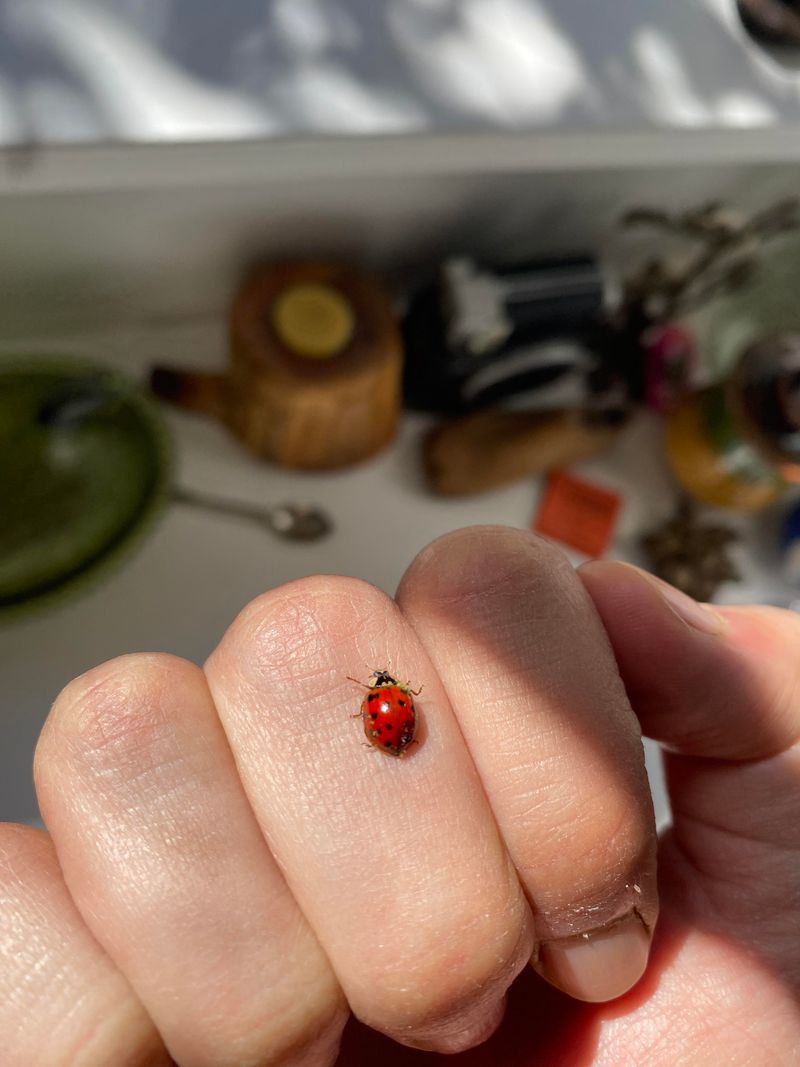
These beetles are surprisingly slim, and they can slip through openings smaller than a pencil. A gap you would barely notice is a wide doorway to them.
Common entry points include spaces around windows and doors, cracks near the foundation, and holes where pipes or cables enter the wall.
Attic vents, soffit gaps, and torn screens also invite them in. Once they find a route, they leave a scent trail that guides even more beetles to the same door.
That scent trail is a big reason swarms grow so fast. One scout finds a cozy crack, and soon dozens follow the invisible path it left behind.
Sealing gaps is the most reliable long-term fix. Caulk around window frames, add weatherstripping to doors, and repair damaged screens before the cool weather arrives.
Timing helps a lot in Michigan. Doing this work in late summer or very early fall means you close the doors before the beetles start their big search.
Foam sealant works well for larger holes around pipes and wiring. Fine mesh can cover vents while still letting air move through the way it should.
Even small efforts add up. Each sealed crack means fewer beetles indoors and fewer scent trails calling their friends over for the winter.
Think of it as tightening up your home rather than fighting bugs. The same sealing that blocks beetles also keeps drafts out and can trim your heating bills.
5. That Musty Smell And Yellow Stain Are Defense Tricks
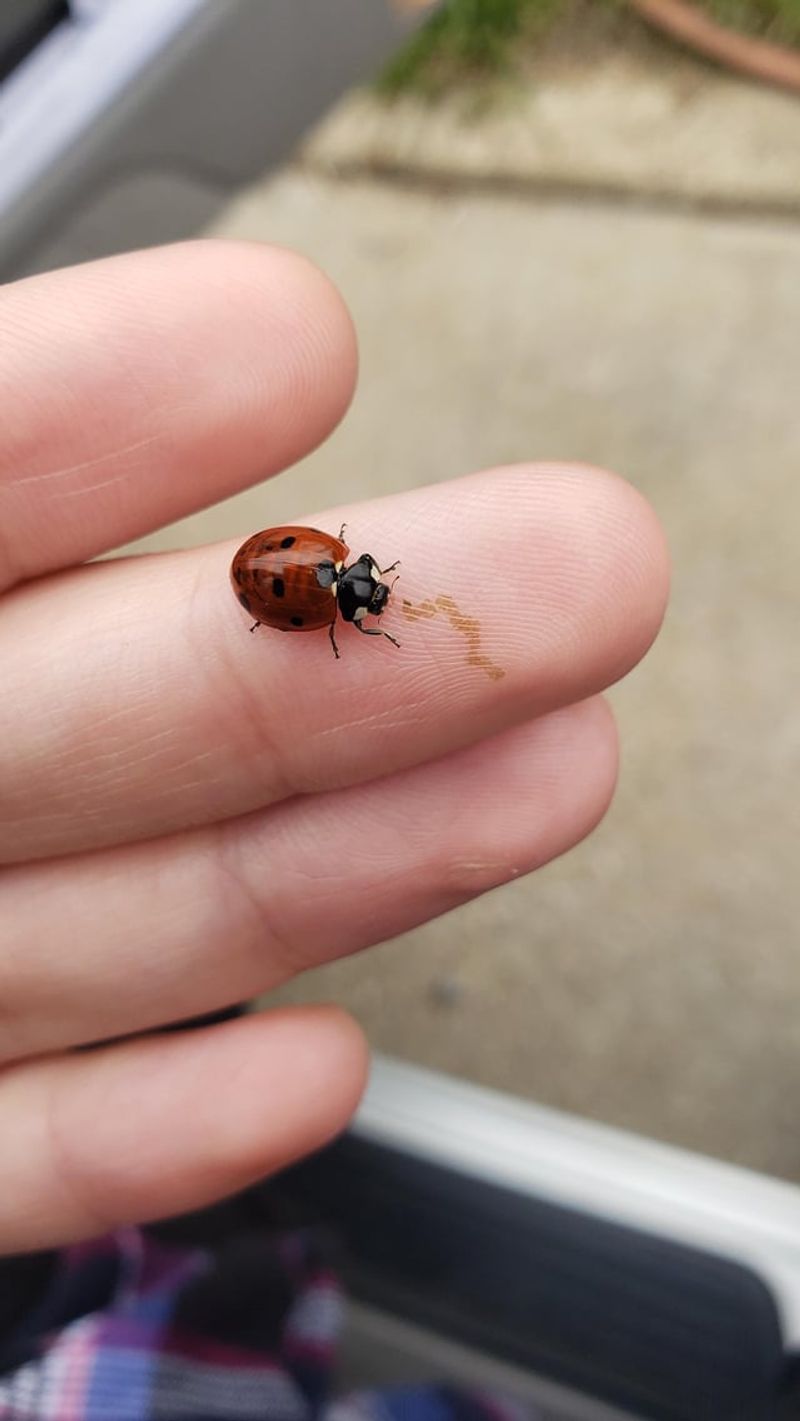
Give one of these beetles a scare and it may leave behind a surprise. They release a yellowish fluid and a musty, sharp odor when they feel threatened.
The trick is called reflex bleeding. A little fluid seeps from their leg joints, and it tastes bad to birds and other hungry predators.
For you, the fluid can leave small yellow stains on walls, curtains, and light fixtures. The smell is harmless but noticeable, especially when many beetles gather.
This is why squishing them is a poor idea indoors. Crushing releases both the odor and the stain, and it can attract attention from other beetles nearby.
A gentler approach works better. Use a vacuum to collect them, then empty the canister or bag outside so the smell does not linger in your home.
Some people place a nylon stocking inside the vacuum hose to catch beetles without letting them touch the machine. It keeps cleanup quick and tidy.
The beetles can also give a light nip if handled, though it is more of a pinch than a real bite. It rarely breaks skin and causes no lasting harm.
Understanding these defenses takes the mystery out of the mess. The beetles are not being rude, they are simply using the survival tools they were born with.
Handle them calmly and you avoid most of the trouble. Fewer stains, less odor, and a cleaner home make the seasonal visit far easier to tolerate.
6. Cluster Flies And Boxelder Bugs Often Join The Party
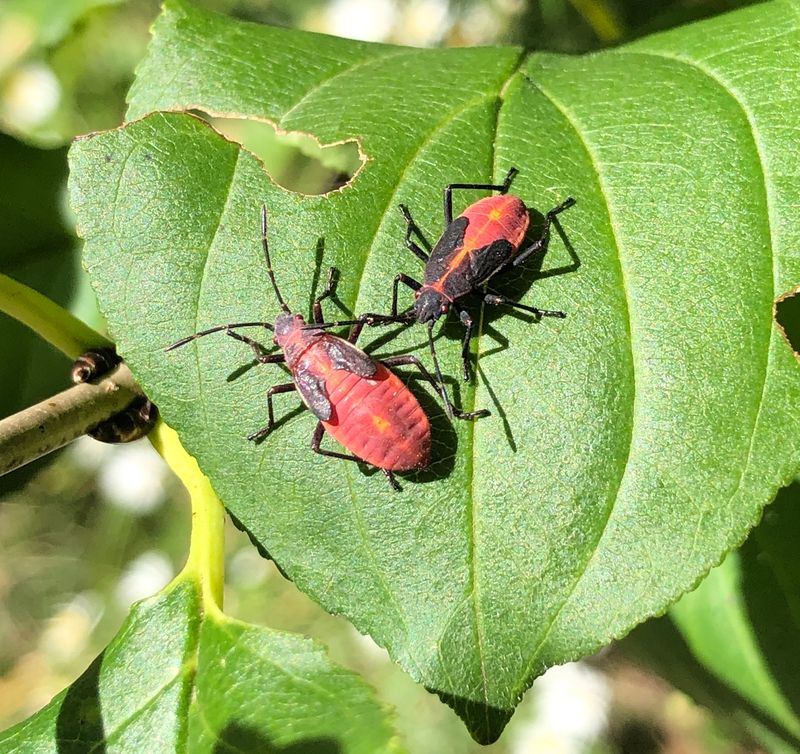
Ladybugs are not the only guests knocking in autumn. Cluster flies and boxelder bugs often show up at the very same windows.
All three share one plan. They seek warm shelter to overwinter, so they gravitate toward sunny walls and sneak through the same tiny gaps.
Cluster flies look like slightly sluggish house flies, and they tend to gather quietly around windows. Boxelder bugs wear a bold black-and-red pattern and hang out near boxelder and maple trees.
In Michigan, seeing a mix of these insects together in October is completely normal. They are not related to one another, but they follow the same seasonal instinct.
Recognizing the group helps you plan. The same sealing and vacuuming steps that manage ladybugs also handle these other autumn visitors.
None of them damage your house structure. They do not chew wood or wiring, and they do not lay eggs indoors to build a growing colony.
Boxelder bugs may leave faint stains if crushed, much like the beetles. Cluster flies can leave small dark specks near windows where they rest.
Because the fixes overlap, you get more value from your effort. Tightening the home once keeps out several kinds of overwintering pests at the same time.
So if your window sill hosts a mixed crowd, do not panic. It simply means several harmless insects picked your warm, sunny home for the same cold-weather reason.
A little cleanup and some sealing usually settle the whole gathering for the season.
7. They Signal Winter Is Coming And Usually Leave By Spring
Old folklore treats swarming beetles as a weather report, and there is a grain of truth to it. Their arrival lines up with the season turning colder.
They respond to shorter days and dropping temperatures, so a big swarm often means the first real chill has settled over your area.
Think of them as a living calendar. When they crowd your walls, it is a nudge to finish raking leaves, seal drafts, and prepare for the frost ahead.
The good news is that their stay is temporary. Most beetles spend winter tucked in wall voids and attics in a quiet, resting state.
When warm spring days return, they wake up and try to find their way back outside. Some wander indoors by mistake and appear at sunny windows in March.
If a few show up inside during a warm winter spell, simply vacuum them or gently carry them out. They are just confused by the temporary heat.
Avoid heavy chemical sprays indoors for this reason. The beetles are short-term guests, and the mess from sprays often outlasts the beetles themselves.
Come spring, the crowd thins on its own as they head back to gardens and fields. There they resume eating aphids and helping local plants.
Seen this way, the autumn swarm is less of a problem and more of a signal. It marks the shift toward winter and reminds you that these busy little insects are only passing through.