Toxic Mushrooms Are Sprouting In Alabama Yards And Here Is How To Spot The Dangerous Ones
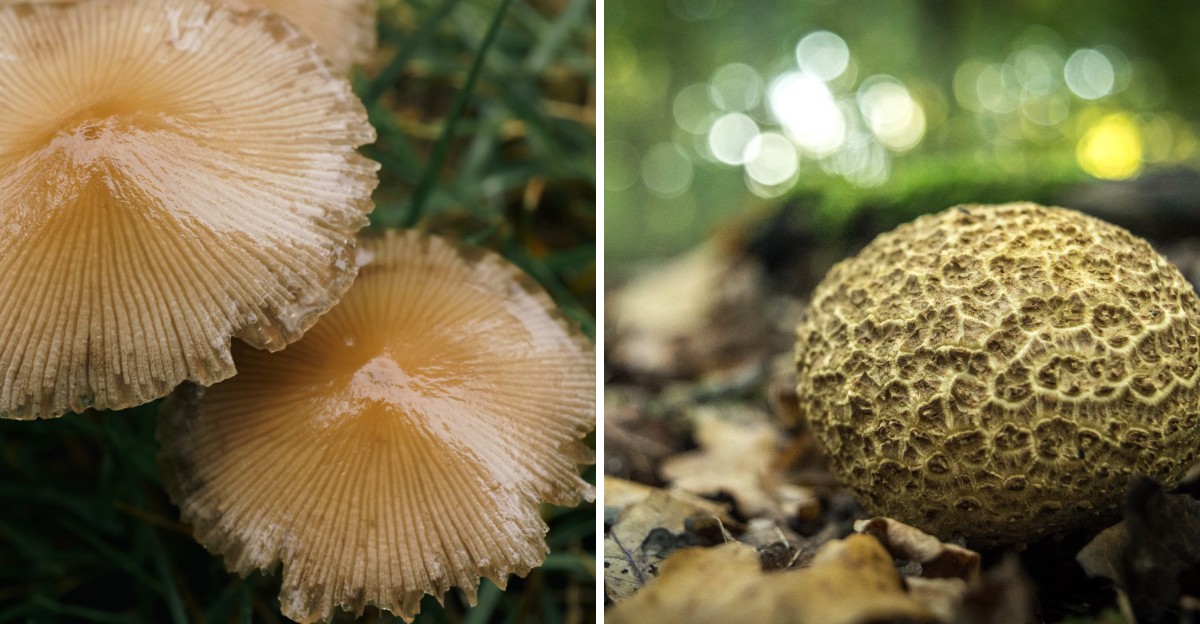
Overnight, pale caps pushed through your lawn, and a few can sicken an adult. After a heavy rain in Alabama, fungi can emerge within a day.
Some look white and polished, while others flare bright orange. You might stroll past them, but your dog will investigate. Your kids grab sticks and poke caps that look harmless. Cute does not mean safe.
Certain Alabama species trigger stomach upset, organ strain, and urgent care visits within days. Pets react badly too, and vet bills climb fast.
Spotting trouble takes much sharper eyes than you think. Harmful lookalikes can closely resemble harmless ones, even in cap color.
Texture, gills, stem rings, and spore color offer useful clues. Experts pair these with other tests, so never eat a wild mushroom based on an article or photo. Wait until you see the innocent white cap that can mislead experienced foragers.
1. The Destroying Angel With Its Pure White Cap
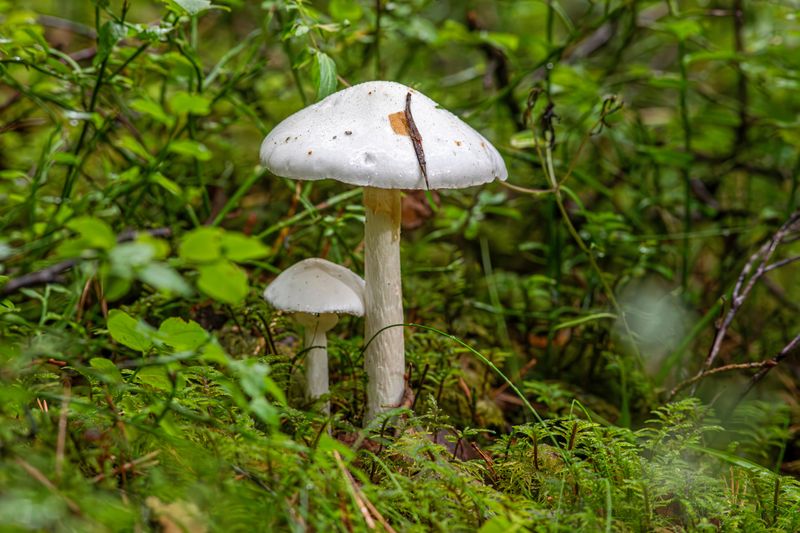
Picture the prettiest mushroom you have ever seen, pure white from top to bottom. That look is misleading, since this mushroom ranks among North America’s most toxic fungi.
Alabama’s warm, wet fall suits it well in oak and mixed woods. Yards near those trees can see them appear after heavy late-summer and fall rains.
Look for a smooth white cap roughly one to four inches wide. Underneath, the gills are white too, and they do not touch the stem.
A thin skirt, or ring, usually hangs around the upper stem. At the base sits a cup-shaped sac called a volva, often hidden under the soil line.
Dig gently around the bottom with a stick if you want to check. That buried cup is one of the biggest clues you are dealing with an Amanita.
The poison inside, called amatoxin, damages the liver and kidneys. Symptoms can lag for six hours or more, so people often feel fine at first.
Later comes severe vomiting, cramps, and a false recovery before serious organ damage begins. Anyone who eats even a small piece needs emergency care right away. Call Poison Control right away, or your vet if a pet may have eaten one.
Keep pets and toddlers away, and pull these mushrooms wearing gloves. Toss them in the trash, not the compost pile, and wash your hands well.
Many look-alikes, like button mushrooms and puffballs, fool even careful foragers. When something white shows up beside your oak tree, treat it with caution.
2. The Green-Spored Parasol With Its Grayish Green Gills
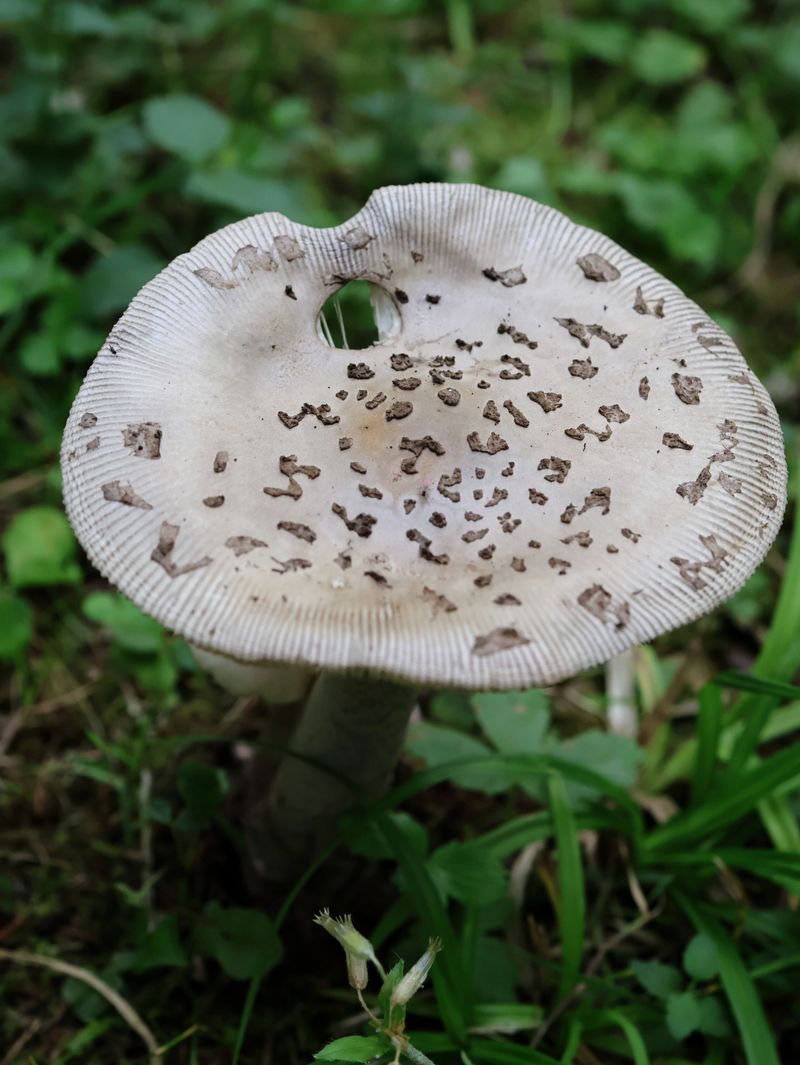
Seen a huge ring of mushrooms circling your lawn after a storm? You may be looking at the green-spored parasol.
Experts rank it as the most commonly eaten poisonous mushroom in North America. It loves sunny, fertilized grass, which makes Alabama lawns a favorite spot.
Caps start out round like marshmallows and then flatten into wide plates up to twelve inches across. The tops are white with brown, scaly patches near the center.
Flip one over and look closely at the gills underneath. Young ones look white, but older gills turn a dusty, grayish green color.
Your Alabama Garden Changes Every Week. Your Plan Should Too.
Gardening in Alabama changes quickly throughout the season. Every Friday you’ll receive a simple weekly plan showing exactly what to plant, prune, fertilize, harvest, and protect so you never miss the right timing.
That green tint is the giveaway, and you can test it with a spore print. Set the cap gills-down on white paper overnight, and green dust will appear by morning.
People often mix it up with the edible shaggy parasol and other wild parasol mushrooms. Eating it can bring hours of severe vomiting, diarrhea, and stomach cramps.
Most adults recover within a day or two, but children and pets can get very sick. Dehydration is the real danger, so call Poison Control right away.
Mowing over them may spread spores, so pick them first with gloves. Bag them up and toss them before the kids start a backyard soccer game on top of them.
Fairy rings can return year after year in the same spot. Raking up thatch and aerating the lawn may help slow them down.
3. The Jack-O’-Lantern With Its Orange Clusters And Glowing Gills
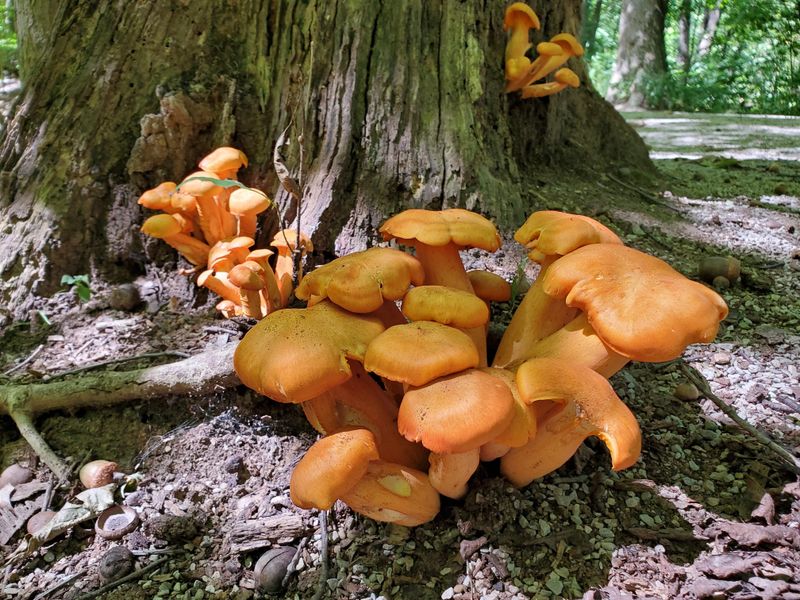
Halloween came early to your yard, and it brought decorations you did not order. Bright orange mushrooms bunched around a stump look like a pumpkin patch shrank in the wash.
Meet the jack-o’-lantern mushroom, a showoff that loves Alabama oak stumps and buried roots. It grows in tight clusters, sometimes dozens of caps crowded together.
The gills can glow a faint green in a pitch-black room. Scientists call that bioluminescence, and you may need twenty minutes in the dark to see it.
Its color runs from pumpkin orange to deep golden yellow. The gills run down the stem instead of stopping short, and they are thin and sharp-edged.
Foragers sometimes confuse it with chanterelles, a prized edible mushroom. Chanterelles grow in soil, though, and have blunt, wrinkly ridges instead of true gills.
Slice one open and peek inside, too. Jack-o’-lanterns are orange all the way through, while chanterelles are pale and stringy like string cheese.
Eating one will rarely land you in intensive care, but it is unpleasant. Expect hours of cramps, vomiting, and diarrhea from a toxin called illudin.
Dogs that chew on stumps may swallow a cluster before you notice. Watch for drooling, throwing up, or sluggish behavior, and call your vet quickly.
Clusters often return each fall for several years as the wood slowly rots. Snap a photo for fun, but keep little hands from picking them up.
The easiest fix is grinding out the old stump the mushrooms feed on. Until then, bag them with gloves and keep this decoration away from kids and pets.
4. The Funeral Bell With Its Rusty Brown Spores
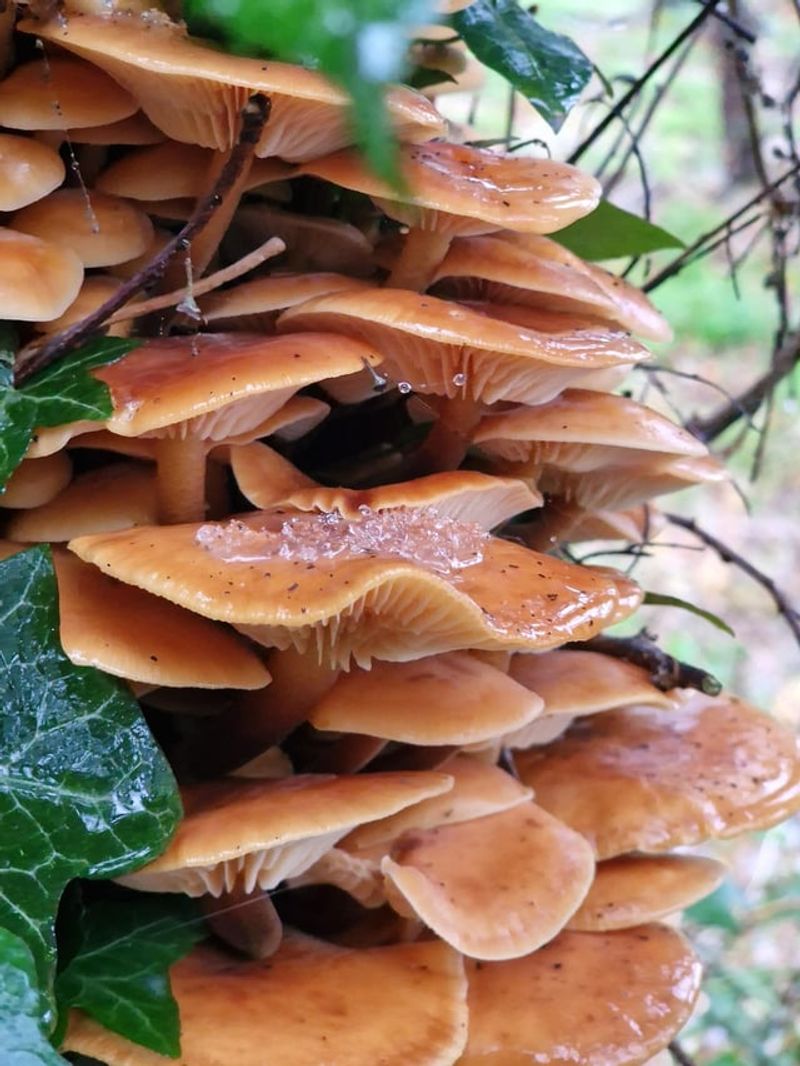
Small, brown, and plain can be a risky combination in your yard. The funeral bell looks like a mushroom nobody would notice, and that is the problem.
It carries the same liver-damaging amatoxins found in the destroying angel. Yet it stands only a few inches tall on a skinny stem.
Look for it on rotting wood, mulch, old logs, or buried roots. Pine and hardwood mulch beds around Alabama homes give it plenty of places to hide.
Caps are honey brown to tan and turn paler as they dry. They often feel slightly sticky when wet, like a cough drop left in a pocket.
Check the stem for a thin ring that may fade into a brownish band. The gills are light brown, turning rusty as the mushroom gets older.
A spore print tells the story best. Rusty brown dust on white paper is a red flag for this dangerous little mushroom.
Some folks mistake it for honey mushrooms or velvet foot, both popular edibles. Mixing them up has sent foragers to the hospital, and some have needed liver transplants.
Kids building fairy houses in mulch beds can pick these up easily. Teach them a simple rule: no mushroom goes near your mouth, and hands get washed afterward.
Swapping old wood mulch for gravel or stone near play areas may help. Raking mulch regularly also dries it out, which can make life harder for fungi.
Plain and quiet does not mean safe. Treat any small brown mushroom in your yard with suspicion until an expert identifies it.
5. The Fly Agaric With Its Warty Spotted Cap
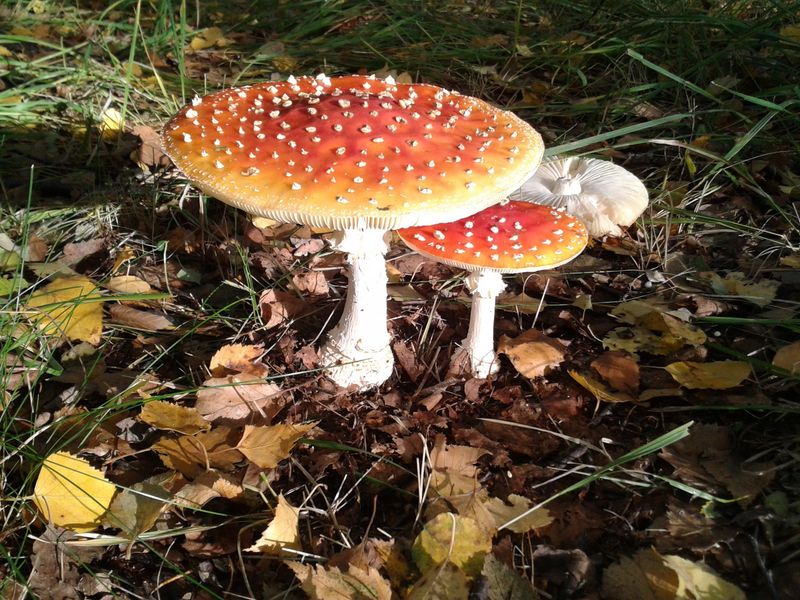
Cartoon artists and video game designers love this mushroom for a reason. With its bright cap and white polka dots, it looks like it hopped out of a fairy tale.
In the Southeast, fly agaric types can show up in yellow, peachy orange, or salmon shades. The classic bright red version is more common up north and out west.
Those white dots are leftover bits of a protective veil that covered the young mushroom. Heavy rain can wash them off, so a spotless cap does not mean it is a different species.
It loves growing near pines and oaks, sharing nutrients with their roots. Lawns with big shade trees can sprout a whole crowd of them in fall.
Below the cap, check for white gills, a ring on the stem, and a swollen base. The base often has rings of shaggy tissue, like a sock slipping down an ankle.
Its toxins, ibotenic acid and muscimol, affect the brain and nervous system. People who eat it may feel dizzy, confused, sleepy, or agitated.
Dogs may be tempted to chew it, and vets treat cases in fall. Stumbling, twitching, or unusual sleepiness after a yard romp deserves a call to your vet.
Folk tradition says Europeans mixed it with milk to stun house flies. That trick supposedly gave the mushroom its common name.
Admire it from a distance, snap a picture, and then bag it with gloved hands. Pretty does not mean friendly, especially when spots are involved.
6. The Fiber Cap With Its Silky Split Edges
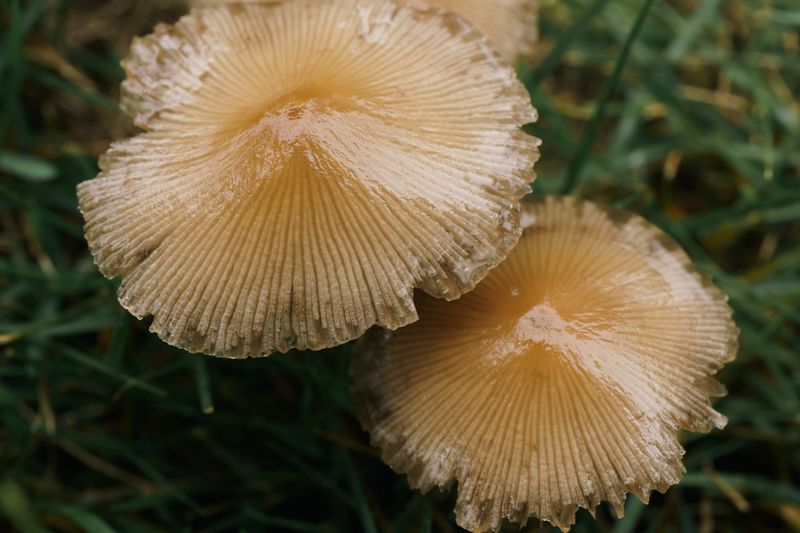
Some mushrooms look like they just got a bad haircut. Fiber caps have silky, streaky tops that often split along the edges like a frayed straw hat.
Many species of Inocybe grow across the Southeast, and most are small and brownish. They pop up in lawns, along sidewalks, and under trees, often in tiny groups.
Caps are usually cone-shaped or bell-shaped with a pointy bump in the middle. Colors range from straw yellow to tan, though a few types look lilac or white.
Rub a cap gently between your fingers, and you will feel fine fibers running outward. Smells vary from earthy to faintly sweet, so odor is a weak clue.
The gills start pale and then turn dull brown as spores ripen. A spore print comes out tobacco brown, which is another handy clue.
Many fiber caps contain muscarine, a toxin that sends the body into overdrive. Within thirty minutes, people may sweat heavily, drool, cry, and see blurry shapes.
Doctors sometimes call this the SLUDGE reaction, named after its messy symptoms. A medicine called atropine can reverse it, so getting help fast matters.
Small dogs are at higher risk because even one cap is a bigger dose for their size. Puppies that graze on lawns need extra eyes during wet fall weeks.
Experts struggle to identify fiber caps without a microscope. Your best plan is simple: if it is small, brown, and growing in grass, nobody should taste it.
Removing them early, before they mature, can reduce spore spread around your yard. Pull clumps by hand around dog runs too.
7. The Common Earthball With Its Dark Inner Flesh
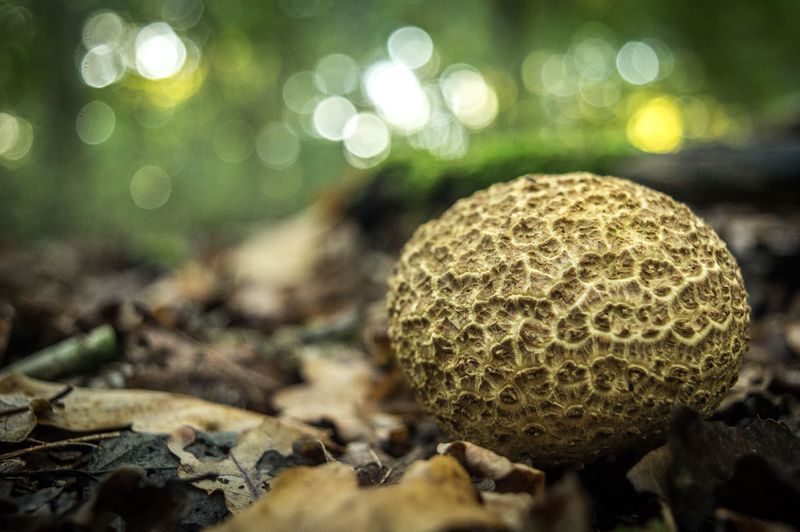
Kids love stomping on puffballs to watch smoke burst out like a tiny magic trick. The common earthball looks like a puffball, but it hides an unpleasant surprise inside.
Earthballs are round, lumpy, and about the size of a golf ball or small potato. They have no cap or stem, just a thick, tough skin sitting on the ground.
Their outer skin is yellowish brown and covered with cracks and scales, like dry mud. You will find them in lawns, mulch, and sandy soil near Alabama pines and oaks.
The best test needs only a pocketknife and a paper towel. Cut one in half from top to bottom and check the color inside.
True puffballs are marshmallow white and smooth inside, with no cap or stem outline. Earthballs turn purple-black or dark gray inside, often with white marbled lines.
Their skin is also much thicker and firmer than a puffball’s thin outer shell. Squeeze one, and it feels hard like a rubber ball instead of soft.
Eating an earthball can cause stomach pain, nausea, and vomiting within an hour or so. Stomach symptoms can be especially upsetting for little ones.
Even mature puffballs can be hard to judge, so play it safe at the picnic table. No wild ball-shaped fungus belongs in a salad or on the grill.
Skip stomping them for fun, and keep faces and little hands away from the dust. Breathing in spores can irritate lungs, especially for kids with asthma.
8. The Ivory Funnel With Its Chalky White Top
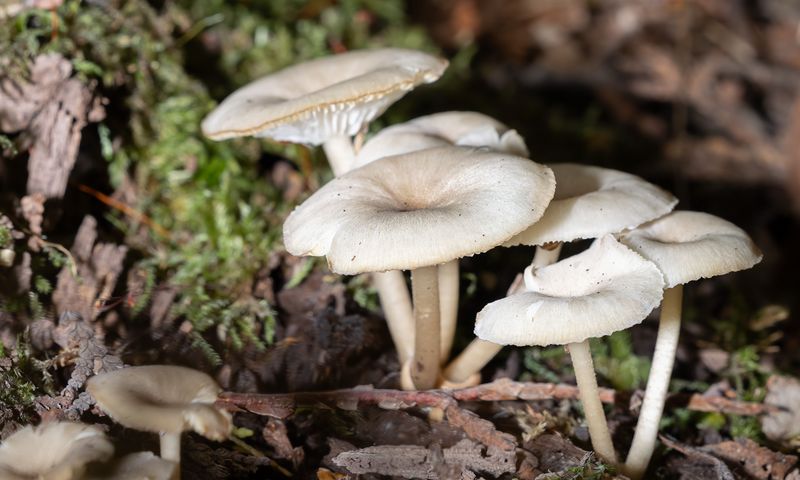
Not every dangerous mushroom shows off with bright colors or giant caps. Some look like a sprinkle of powdered sugar scattered across your lawn.
The ivory funnel, also called the sweating mushroom, can turn up in grassy yards and pastures. It often grows in rings or arcs, right beside harmless lawn mushrooms.
Caps are small, usually one to two inches, and dull white or pale gray. They feel dry and slightly frosty, almost like chalk rubbed onto the surface.
As it ages, the cap flattens and dips in the center like a shallow dish. The crowded white gills run a short way down the stem.
The trouble is that it grows right next to the fairy ring mushroom, a well-known edible. Foragers grabbing a handful can easily scoop up both kinds together.
Ivory funnels carry muscarine, the same toxin found in fiber caps. Heavy sweating, watery eyes, drooling, and an upset stomach can start within thirty minutes.
Grandma’s old trick of watching what the squirrels eat will not keep you safe. Animals handle toxins differently, and your dog is not a reliable taste tester either.
Pull these little white mushrooms before you let toddlers crawl around on the lawn. Wear gloves, drop them in a sealed bag, and toss them with the trash.
Should anyone nibble one, call Poison Control right away and save a sample. A clear photo helps poison experts or your vet pick the right treatment fast.
Small and pale might seem innocent, but this frosty lookalike proves otherwise. Treat it with caution whenever it shows up after rain.