A Neighbor’s Tree Crushed Your Fence in New York. Who Actually Pays?
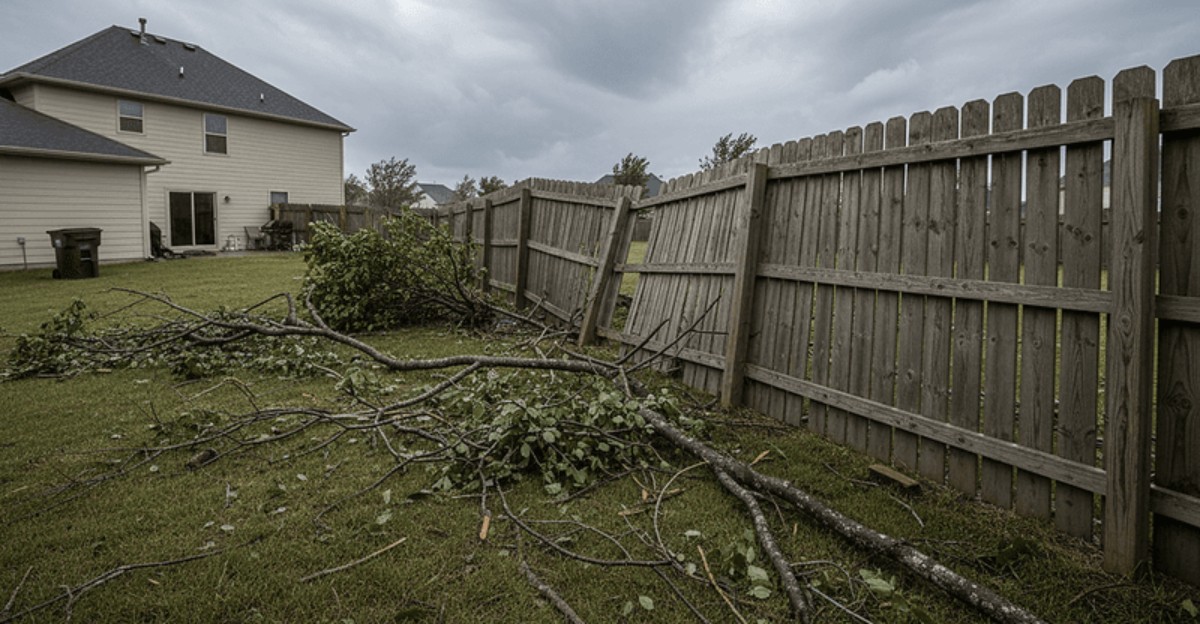
In New York, a tree can grow on your neighbor’s land, fall on your fence, and still leave the bill on your side of the line. Wait, what? Yes, that surprises almost everyone I talk to.
Courts here care less about where the trunk stood and more about what the owner knew. A tree that looked sturdy and fell in a wild storm is often treated very differently from one with a hollow trunk everyone saw for years.
Truth be told, I assumed the opposite for a long time. I figured the tree’s address settled the whole question. Then I learned how insurance, notice, and old court rulings fit together, and my view changed fast.
If you ask me, the real answer lives in a few details most folks miss. So which side of your fence does the law actually stand on?
That Fallen Limb on Your Fence Isn’t an Automatic IOU
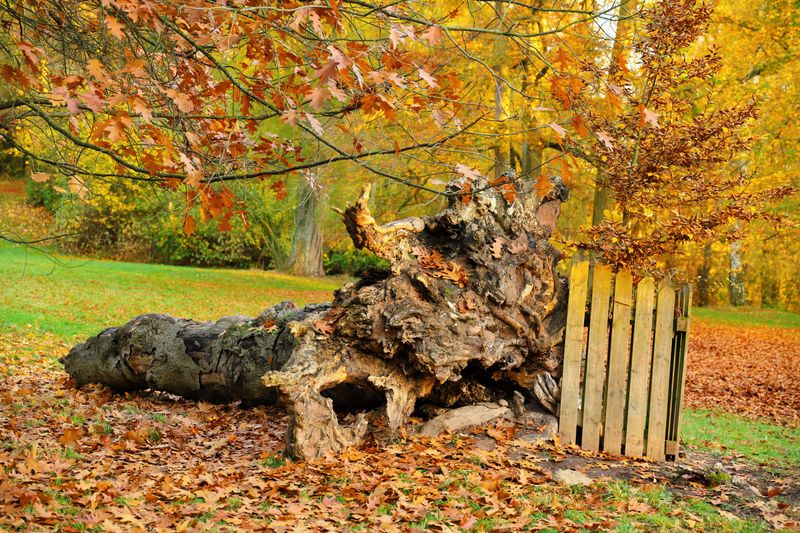
Plenty of people walk outside, see the mess, and head straight for the neighbor’s front door with a repair quote. I get the urge.
Still, New York law does not make a tree owner pay just because the tree belonged to them.
The rule courts use is negligence. Your neighbor is usually responsible only if they knew, or reasonably should have known, the tree was a hazard and failed to fix it.
If the tree looked healthy, the fall is often treated as nobody’s fault.
That shifts the starting point. In most cases, your own homeowners policy handles the first round of repairs, and you pay your deductible.
It feels unfair, but it moves money faster than a dispute.
Neighbors can still end up paying. A rotten trunk, a warning letter they ignored, or an arborist report they shrugged off can flip the outcome.
Insurers on both sides look closely at those clues.
So before anyone points fingers, gather facts. Ask yourself a few honest questions.
Did the tree show visible problems? Did anyone warn the owner?
Was there a severe storm that night?
Your answers shape the whole case. A calm conversation built on facts tends to go much better than an angry knock, and it keeps the neighborly peace you will want next summer.
Your Homeowners Policy Usually Rebuilds the Fence First
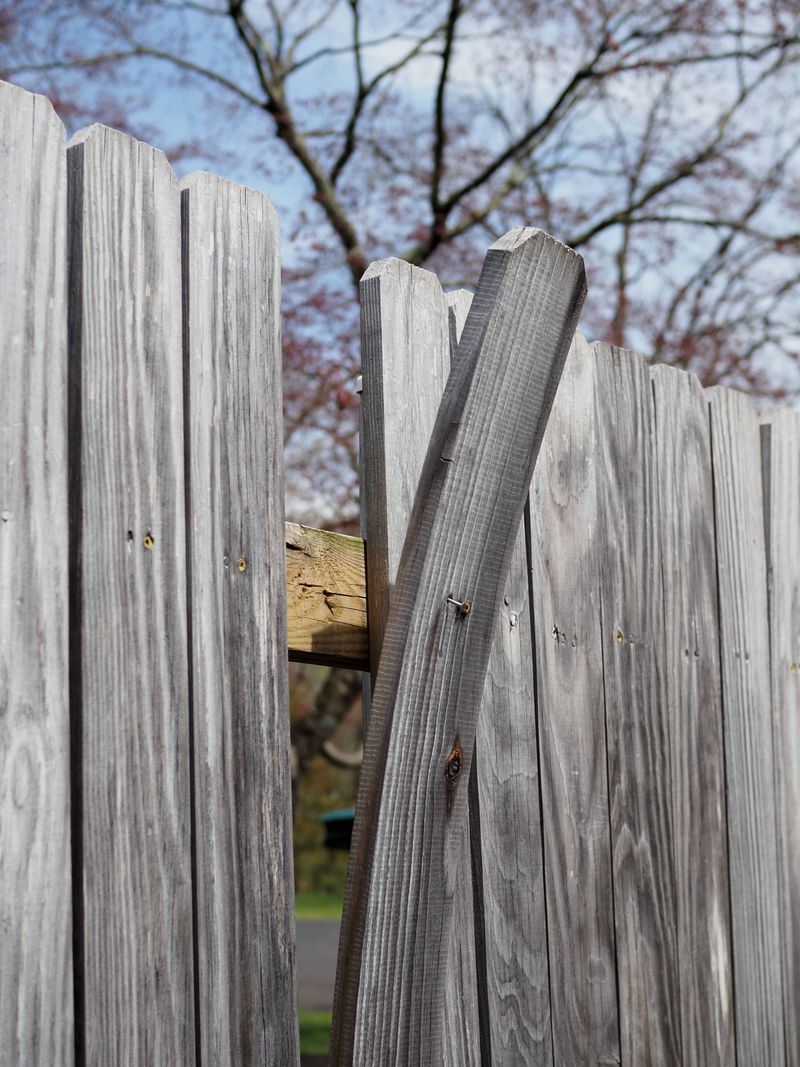
Here’s a little secret insurance agents share all the time. Your fence counts as an other structure under most standard homeowners policies, right alongside sheds and detached garages.
That coverage typically applies when damage comes from named perils like windstorms, lightning, or the weight of ice and snow. Those are exactly the events that bring trees down across the state each year.
You pay your deductible, and the policy helps with repair or replacement.
Debris removal is trickier. Many policies pay to haul away a fallen tree only when it damaged a covered structure, and they often cap that amount, sometimes around 500 to 1,000 dollars per tree.
Read your declarations page so the cleanup bill doesn’t surprise you.
Now for the part that feels like a small victory. If your insurer pays and later decides your neighbor was negligent, it can seek repayment from that neighbor or their insurer.
The process is called subrogation.
When subrogation succeeds, you may get your deductible back too. That means filing on your own policy doesn’t let a careless neighbor off the hook.
One practical tip from my own experience: call your agent before signing a contractor’s estimate. Some insurers want an adjuster to see the damage first, and skipping that step can slow things down.
Cracked Trunks and Mushrooms at the Base Change Everything
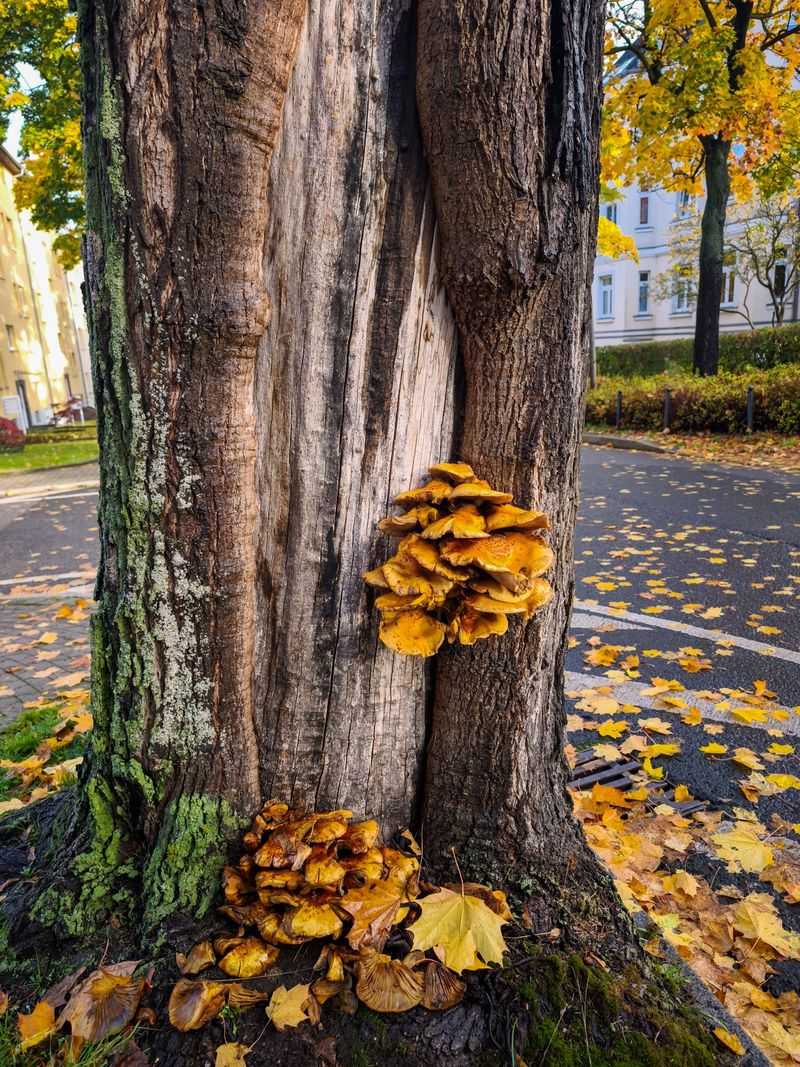
A tree rarely falls without dropping hints first. Those hints matter a lot in New York, because courts focus on notice, meaning what the owner knew or should have known.
Actual notice is the clear version. You mailed a letter, an arborist flagged the tree, or the owner admitted it worried them.
Proof like that makes a negligence claim much stronger.
Constructive notice is subtler. It means the problem was so visible that a reasonable owner should have spotted it.
Courts have often looked for things like hollow or decayed trunks, large leafless limbs, deep cracks, heavy fungal growth near the base, or a sudden new lean.
Let me save you some trouble. Hidden internal rot that nobody could see usually doesn’t count.
If the decay only showed after the trunk snapped, the owner may not be liable at all.
Photos are your best friend here. Snap pictures of a worrying tree long before anything happens, and keep the date stamps.
Shots from different seasons show whether a limb stayed bare through spring.
Cornell Cooperative Extension and certified arborists both note that mushrooms or conks on roots and trunks often signal internal decay. Spotting them early protects your fence, and it could also protect someone walking underneath.
A Healthy Oak Toppled by a Nor’easter Is a Different Story
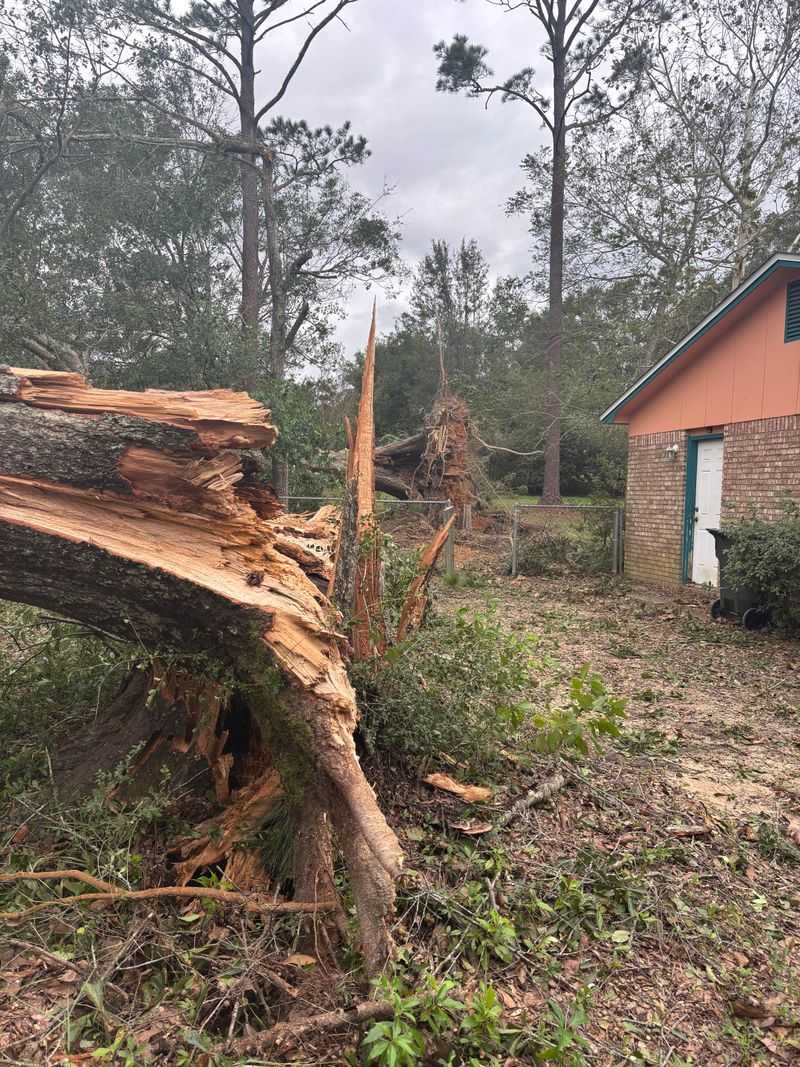
Funny thing about storms in this state, they don’t care how well you prune. A big nor’easter, a summer derecho, or heavy ice can flatten trees that looked perfect the day before.
When a sound, well-kept tree comes down in a severe, unusual storm, courts often call it an act of God. That simply means nobody could reasonably foresee or prevent it.
In those cases, the tree owner usually isn’t liable.
So who pays? You file with your own homeowners insurance, and your neighbor files with theirs for any damage on their side.
Each policy handles its own property.
There’s a catch worth knowing. A storm doesn’t erase negligence.
If a visibly rotten tree fell during ordinary wind, an owner can’t hide behind the weather.
Insurers and lawyers often ask how strong the storm really was. Saved weather alerts, National Weather Service reports, or news coverage can help show whether winds were truly extreme.
My garden taught me humility on this point. I lost a lovely branch from a perfectly healthy tree during an ice storm, and no amount of care would have stopped it.
Accepting that some falls are just bad luck can save a friendship. It also keeps you focused on getting the fence fixed quickly.
Snap Photos of the Broken Fence Before Anything Gets Moved
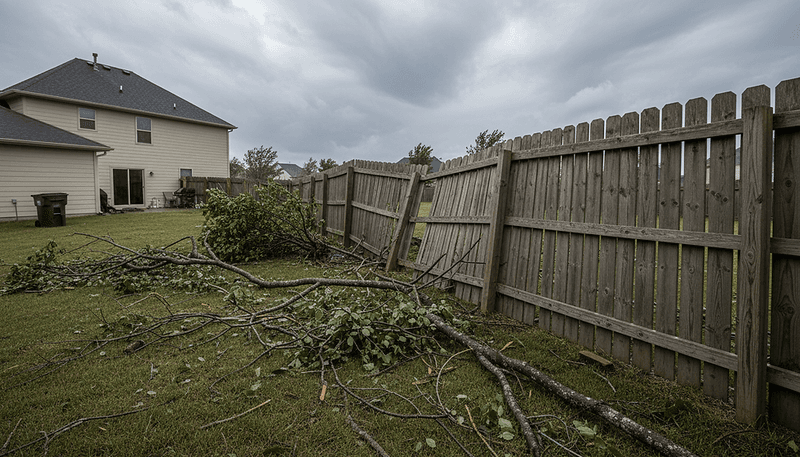
Safety comes first, and that part isn’t optional. Keep kids and pets away from the wreckage, and stay far from any downed wires.
If power lines are tangled in the branches, call your utility company right away.
Once things feel safe, grab your phone and start shooting. Take wide pictures showing both yards, then closer shots of the fence, the impact points, and the snapped wood.
The broken end of the trunk or limb tells a story. Rot, hollow centers, or insect tunnels can support a negligence claim, while clean, solid wood often points to a healthy tree.
Don’t make my mistake of tossing the evidence too soon. Ask your insurer before clearing debris, and save a cross section of the break if you can.
Write down the date, time, and weather conditions. Keep any old texts, emails, or letters you sent about the tree.
These details are easy to forget once cleanup starts.
Then notify your insurer promptly. Most policies require quick reporting, and they usually allow reasonable steps to prevent more damage, like a temporary barrier to keep a dog contained.
Save every receipt for those emergency fixes. A neat paper trail turns a messy afternoon into a much smoother claim.
A Friendly Letter About That Leaning Maple Can Save You Later
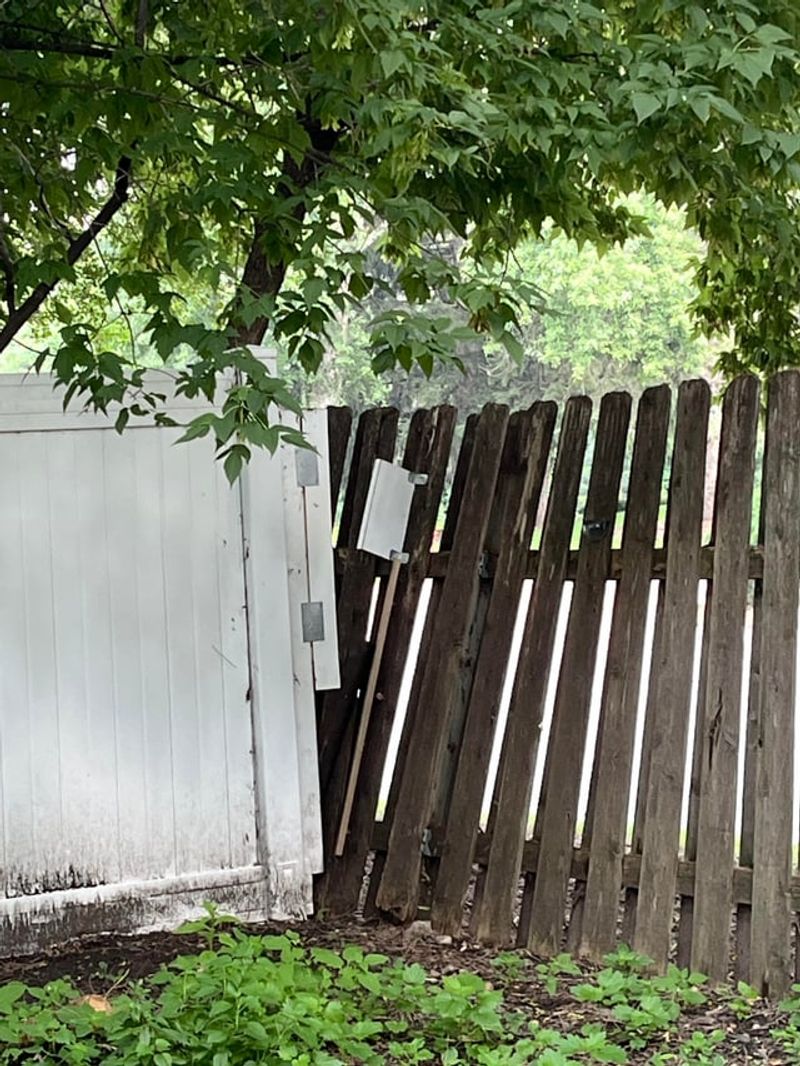
Truth be told, the best fence repair is the one you never need. If a neighbor’s tree looks shaky, speaking up now can protect your yard and your wallet.
Start with a friendly chat. Many people simply don’t notice the bare limb hanging over your side, and they’ll gladly call a tree service.
If talking doesn’t work, follow up in writing. A short, polite letter describing the problem and asking for an inspection creates a dated record.
Certified mail with a return receipt proves it arrived.
Why bother? That letter can establish actual notice.
If the tree later falls, your neighbor can’t easily claim they had no idea.
Consider adding an expert opinion. An ISA certified arborist can assess the tree and write a short report.
A professional finding carries far more weight than your own worries.
Keep your tone kind and specific. Mention the cracked trunk or the dropped branches, not old grudges about parking or leaves.
In my experience, most neighbors respond well when they feel informed rather than accused. Offering to share the cost of a trim along the shared line can work wonders.
Tuck copies of everything in a folder. You’ll be glad you did.
Trimming Overhanging Branches Is Fine, Cutting the Whole Tree Isn’t
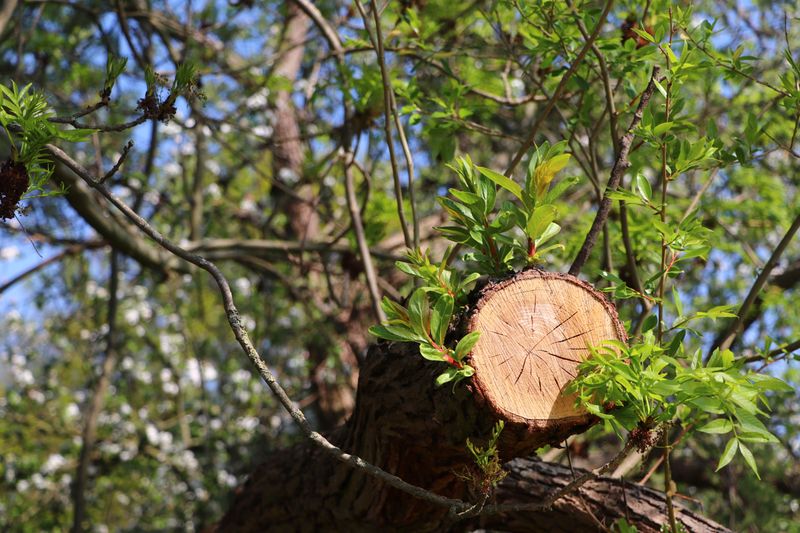
New York gives you a handy tool called self-help. You may trim branches and roots that cross onto your property, up to the property line, at your own cost.
That sounds simple, but there are limits. You can’t step onto your neighbor’s land without permission, and you shouldn’t cut so much that the tree’s health suffers.
Courts have sided with tree owners when heavy pruning harmed or toppled a tree. So trim with care, or hire a pro who knows where to stop.
Removing a neighbor’s tree on your own is a serious mistake. Under New York’s timber trespass law, RPAPL Section 861, cutting someone else’s trees without permission can bring damages up to three times the tree’s value, plus a civil penalty.
Treble damages on a large shade tree can climb into the thousands quickly. Good intentions don’t erase that risk.
Here’s my advice. Confirm the property line with a survey if it’s unclear.
Ask before you cut anything near the trunk. Keep written permission if your neighbor agrees to more.
Self-help is about preventing problems, not punishing a neighbor after damage happens. Used wisely, it keeps limbs off your fence and peace across the yard.
Street Trees and Small Claims Court Round Out Your Options
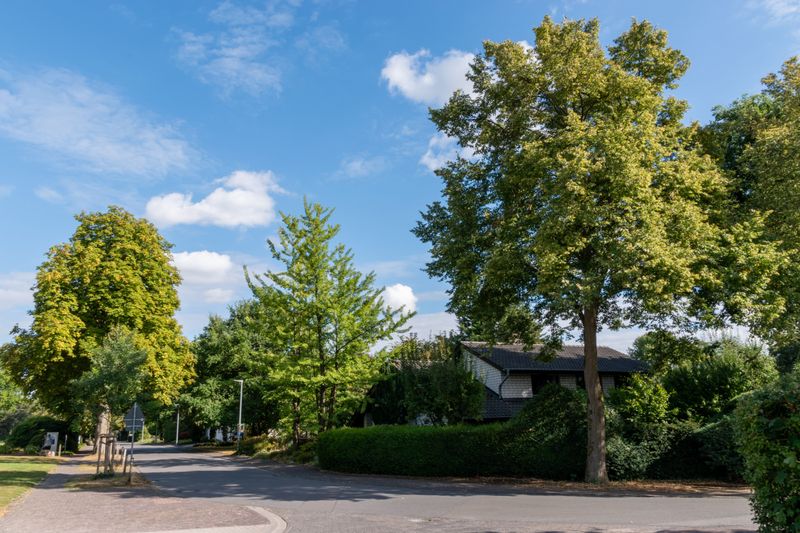
Not every tree belongs to the house next door. Some sit on the strip between sidewalk and street, and that changes who you call.
In New York City, street trees belong to the city and fall under NYC Parks. You can report a damaged or hazardous street tree through 311.
Claims for property damage go to the Comptroller’s office, and deadlines are tight, often within 90 days for a notice of claim.
Towns and villages elsewhere in the state handle their trees through local highway or public works departments. Call them first and ask about their claim process.
For a private neighbor who refuses to pay after clear negligence, small claims court is an option. Limits run up to 10,000 dollars in New York City and lower in many town and village courts.
Bring your photos, letters, arborist reports, and repair estimates. Judges appreciate tidy, dated evidence.
If you ask me, court should be the last stop, not the first. Insurance and honest conversation settle most fence cases faster.
The real takeaway is simple. Check trees before storm season, put concerns in writing, review your policy now, and keep good records.
A little prep beats a crushed fence every time.