New York Gardeners Are Finding Better Privacy Options Than Emerald Green Arborvitae
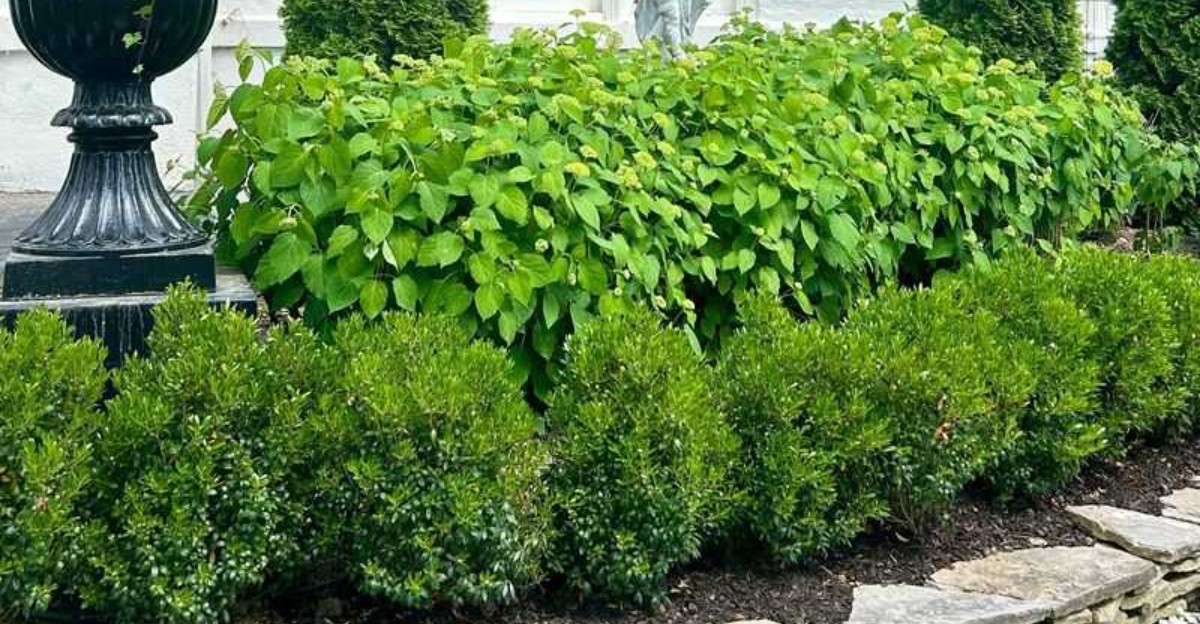
Drive through almost any New York neighborhood, and you’ll see rows of Emerald Green arborvitae standing guard along property lines.
They became a privacy favorite for their narrow shape, dense foliage, and quick growth, but winter ice, deer, road salt, and tough soil can expose their weak spots.
When one plant starts struggling, the gap can ruin the whole screen. That has more homeowners looking beyond the familiar green cones to privacy plants that offer better resilience, wildlife value, or seasonal interest.
Some handle difficult conditions, while others bring flowers, berries, or evergreen color. Before you plant another row of arborvitae, these alternatives are worth knowing.
1. American Arborvitae Offers A Classic Evergreen Privacy Screen
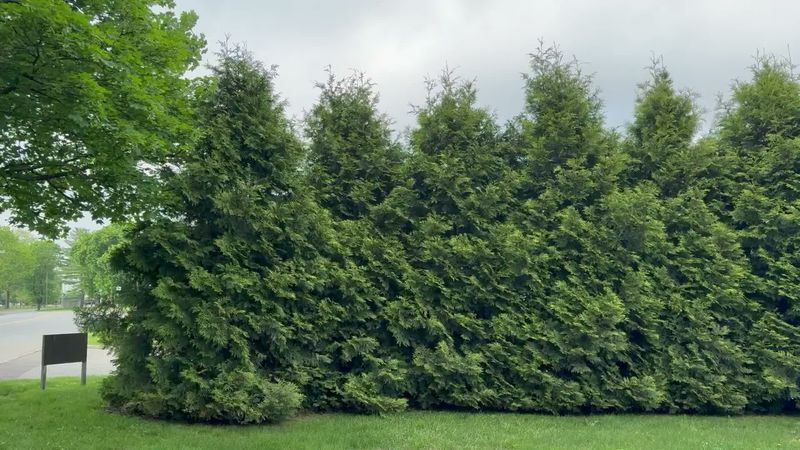
Think of it as the wilder, tougher cousin of the plant everyone already owns. American Arborvitae, also called Eastern White Cedar, grows naturally in swamps and rocky ridges.
Because it is native here, it shrugs off cold snaps that leave fancier evergreens looking ragged. Varieties like Nigra and Techny hold darker winter color than the standard emerald types, which tend to bronze out by February.
Size is the big difference. A mature plant can reach 30 to 40 feet with a spread of 10 to 15 feet, so it fills a screen faster and taller.
Give each one about 6 to 8 feet of space if you want a solid wall of green. Crowding them tighter looks great for three years, then the inner branches thin out from lack of light.
Deer will still nibble, so a repellent spray from November through April helps in areas with heavy pressure. Fencing the first few winters is even better, since young foliage sits right at browsing height.
Soil matters more than most people realize. Damp, heavy ground is fine, but consistently dry or exposed sites can lead to winter burn and thin growth.
Water deeply once a week the first two summers, then let the plant settle in on its own. A two-inch ring of shredded bark keeps roots cool and cuts down on weeding.
Once established, the dense foliage also gives birds a sheltered place to perch and nest, adding some wildlife value to a screen that might otherwise be purely functional.
That makes it especially useful along property lines where you want privacy without creating a completely lifeless wall.
Gardeners in the Hudson Valley often pick this one when they want height without babying anything. It grows slower than hybrids but lasts far longer.
2. Eastern Red Cedar Handles Dry, Challenging New York Sites
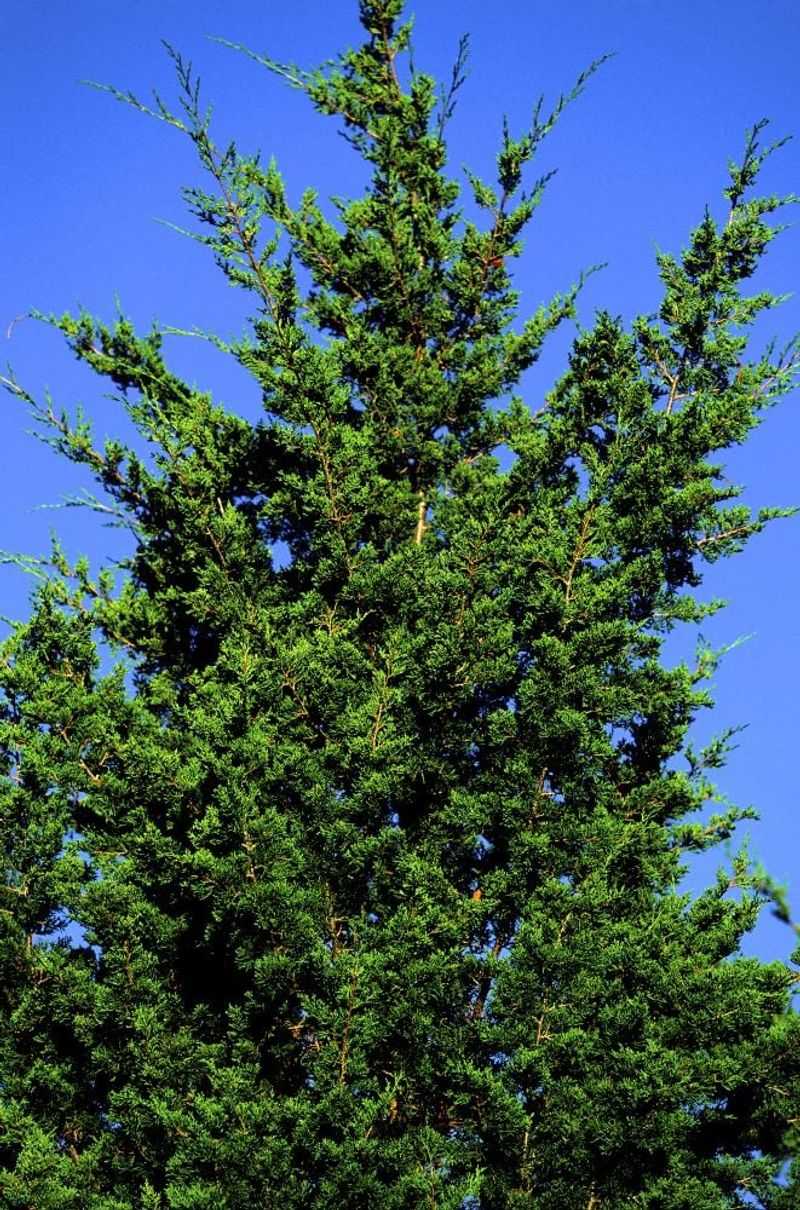
Ever notice those scrappy dark green trees growing along highways and old fence lines? That is Eastern Red Cedar, and it survives conditions that would flatten most ornamentals.
Road salt, drought, rocky soil, blazing sun: none of it fazes this juniper. For anyone on Long Island or near a salted roadway, that toughness is worth a lot.
Deer often leave it alone thanks to the prickly, aromatic foliage. That single trait has convinced many frustrated homeowners to make the switch after losing a row of softer evergreens.
Your New York Garden Changes Every Week. Your Plan Should Too.
Gardening in New York changes quickly throughout the season. Every Friday you’ll receive a simple weekly plan showing exactly what to plant, prune, fertilize, harvest, and protect so you never miss the right timing.
Female plants produce dusty blue berries that cedar waxwings and bluebirds devour through winter. Watching a flock strip a tree in twenty minutes is a genuinely fun backyard moment.
Look for narrow selections such as Taylor or Emerald Sentinel if space is tight. Taylor stays around 3 to 4 feet wide and climbs to 20 feet, giving you a column without the sprawl.
One caution: red cedar hosts cedar-apple rust, which spots apple and crabapple leaves. Keep a good distance from orchards, or skip it if apples are your pride and joy.
Plant in full sun and avoid soggy ground. Once established, watering is rarely needed, which suits gardeners who travel or simply forget.
Winter color shifts toward bronze-purple on some plants, a look people either love or tolerate. The Emerald Sentinel type holds green better if that bothers you.
Its dense branching also makes it useful as more than a privacy screen. The foliage provides shelter for small birds, while the rough, irregular shape gives a natural-looking backdrop to grasses and other native plants instead of creating another perfectly uniform hedge.
Across upstate New York, this native has quietly screened farmsteads for generations.
3. Inkberry Holly Brings Evergreen Privacy To Smaller Yards
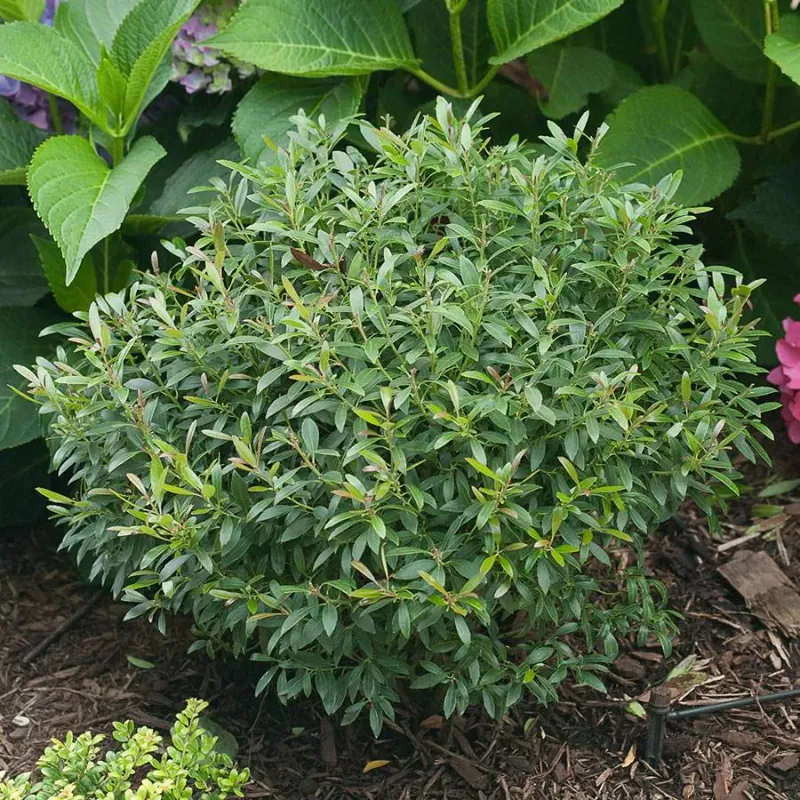
Here is the option for anyone who wants a boxwood look without boxwood problems. Inkberry Holly carries small, glossy, rounded leaves on a rounded shrub that stays green all year.
It grows 4 to 6 feet tall and wide, so it screens patios, hot tubs, and seating areas rather than second-story windows. Think garden room divider instead of towering wall.
Native to the eastern states including parts of New York, it handles damp soil, acidic ground, and part shade with ease. Wet corners of the yard that ruin other shrubs suit it fine.
Older varieties had a habit of going bare at the bottom, which frustrated people. Newer selections such as Gem Box, Shamrock, and Strongbox branch low and stay full from top to ground.
Deer browse it less than yew or arborvitae, though hungry herds sample almost anything in a hard winter. Pairing it with a repellent routine keeps damage minimal.
Pruning is simple. A light shearing in late spring after new growth pushes out keeps the shape tidy without stressing the plant.
Female plants set small black fruit that songbirds pick at through fall. Pollination requires a male nearby, so ask the nursery if fruit matters to you.
Space them roughly 3 feet apart for a continuous hedge. Mulch well and keep moisture steady the first season.
Around Westchester and Rockland, it has become a favorite swap for struggling boxwood borders.
4. Northern Bayberry Adds Privacy In Salt Exposed Areas
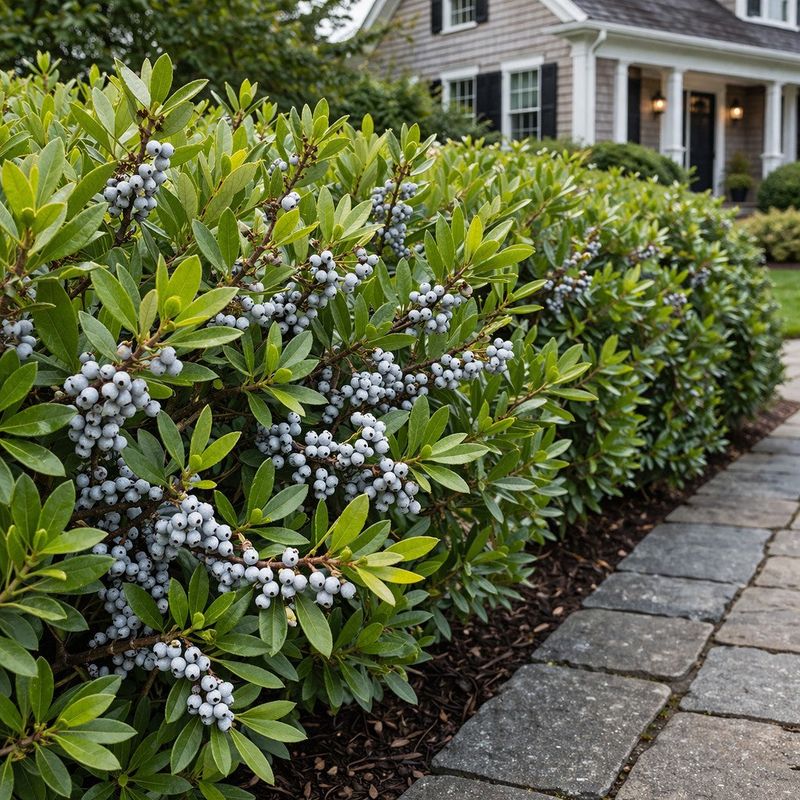
Crush a leaf between your fingers and you get the scent that fills old-fashioned candles. Northern Bayberry earns its spot on smell alone, but it does far more than perfume your hands.
Growing 6 to 10 feet tall and equally wide, it forms a thick, informal screen with leathery dark leaves. Its aromatic foliage can persist late into the season, and in milder areas some leaves may remain into winter.
Salt spray, sand, poor soil, wind off the water: this shrub handles all of it. Long Island gardeners have leaned on it for shoreline screening for decades.
Roots fix nitrogen, meaning the plant feeds itself in ground where little else thrives. Skip the fertilizer and it will still look healthy.
Female plants produce those famous waxy gray berries, a lifeline for yellow-rumped warblers during cold months. A male plant somewhere in the group makes berries possible.
Suckering is part of the deal. It spreads sideways over time, which is wonderful for a natural hedgerow and annoying if you want strict lines.
Plan for a looser, more relaxed look rather than a clipped formal wall. Occasional removal of stray shoots keeps it in bounds.
Deer show mild interest at best, another point in its favor. Pair it with switchgrass or little bluestem for a screen that moves in the breeze.
Plant in full sun to light shade and stand back. Few shrubs ask for less attention.
Its loose branching also makes bayberry useful for softening the edge of a property without creating a rigid wall.
Give it room to develop naturally, and the irregular shape can blend more easily with native grasses, perennials, and other informal plantings than a tightly clipped hedge would.
5. Eastern Hemlock Creates A Dense Screen In Shady Sites
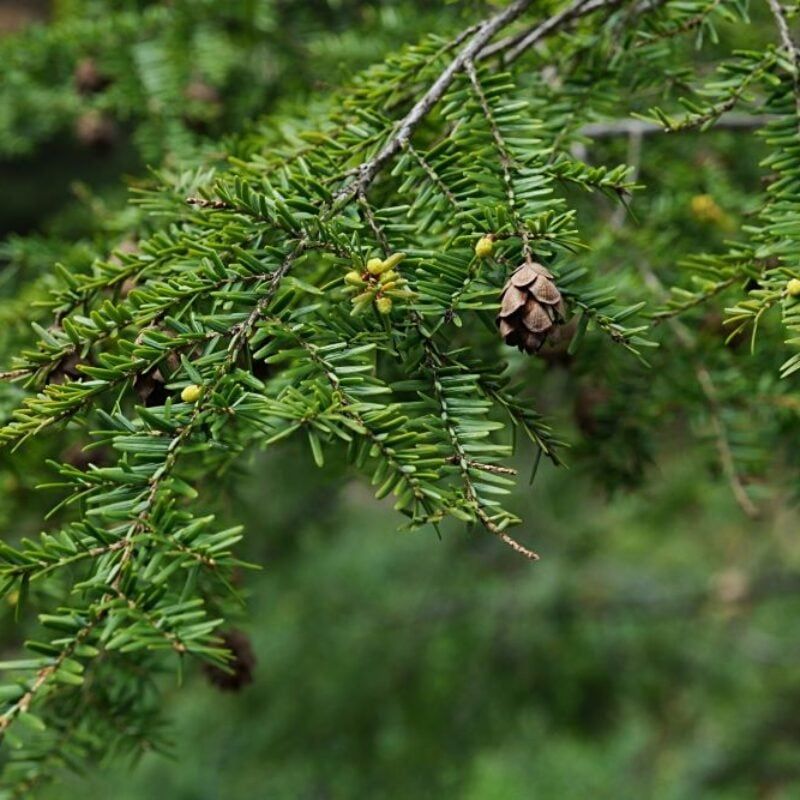
Soft, feathery, and gracefully drooping, Eastern Hemlock looks nothing like a stiff cone of arborvitae. Brush a branch and the needles feel almost like silk.
Its superpower is shade tolerance. Where most evergreens thin out and sulk under tall maples and oaks, hemlock keeps filling in.
That makes it the answer for shaded property lines, wooded lot edges, and north-facing yards. Plenty of backyards fit that description exactly.
It also takes shearing better than most conifers, so a hemlock hedge can be kept at 8 feet or allowed to rise 50 feet. Few evergreens offer that kind of flexibility.
The honest drawback is hemlock woolly adelgid, a tiny insect that has hurt forest stands across the region. Landscape plants can be protected with horticultural oil sprays or a soil treatment applied by a licensed professional.
Check the undersides of branches each spring for small white woolly dots. Catching trouble early makes treatment far easier.
Resistant hybrids and carefully monitored plantings are becoming more common at good regional nurseries. Ask what the grower recommends for your county.
Hemlock prefers cool, moist, well-drained soil and dislikes hot, dry, windy spots. Mulch generously and water through summer dry spells.
Deer do browse it, particularly in deep snow winters. A fence during establishment pays off.
Its dense, layered branches also create a strong visual screen without looking as formal as a row of tightly clipped shrubs. In a wooded setting, that softer outline helps the planting blend naturally into the surrounding trees rather than standing out as a manufactured hedge.
For a screen with real woodland character, few plants come close to this Catskills native.
6. White Pine Creates A Tall Privacy Screen For Larger Properties
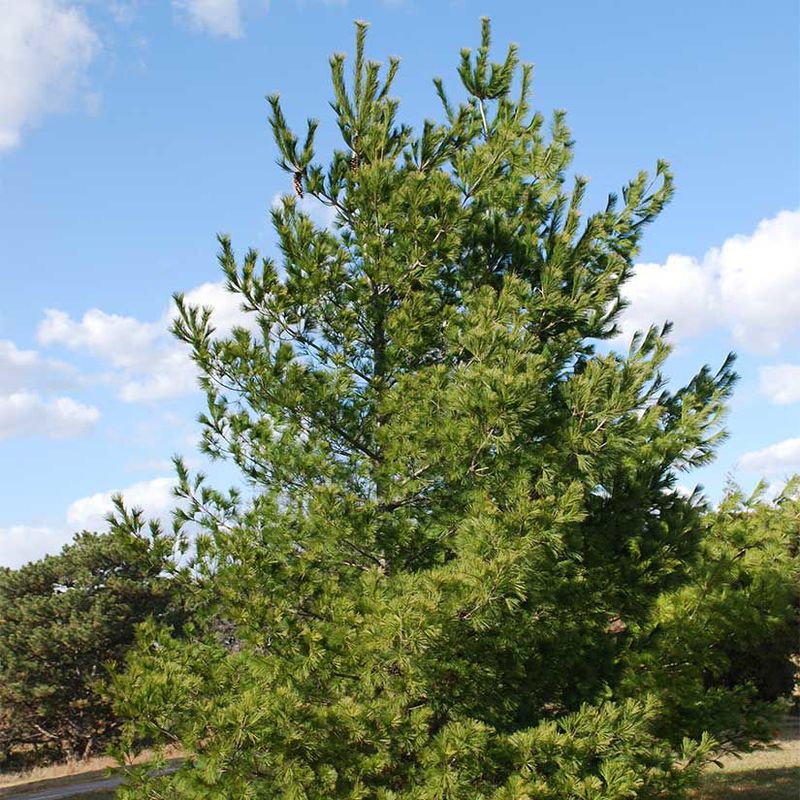
New York claims the Eastern White Pine as its official state tree, and anyone who has stood under one knows why. The long, soft, blue-green needles catch wind with a sound people describe as ocean waves.
Growth is quick, often 2 feet or more per year on a happy young tree. For large properties that need screening in a hurry, that speed is hard to beat.
Plan for size, though. A mature specimen reaches 50 to 80 feet tall and 20 to 40 feet wide, so it belongs well away from the house and power lines.
On smaller lots, look for compact selections or plan to prune the candles each spring. Pinching new growth in May keeps plants denser and shorter.
Road salt is its main weakness, so avoid planting right along a heavily plowed street. Set back 30 feet or more if possible.
Deer nibble young trees but usually lose interest once the tree outgrows their reach. Tubes or fencing for the first three winters solve most of the problem.
Full sun can help white pine retain lower branches, giving you a denser screen while the trees are young. Crowded plants shed lower limbs and lose that effect.
Owls, songbirds, and squirrels treat a mature stand like an apartment building. Wildlife watchers in upstate New York consider that a feature, not a side effect.
On very large properties, white pine can also contribute to a long-term windbreak, provided you have enough room for its mature size.
Give it plenty of room from the start, because a white pine that looks modest at the nursery can become a major landscape feature within a few decades.