Warning Signs of Roof Rats in Your Arizona Yard Before They Move Into the House

A ripe orange can hang on your tree looking perfect while the inside has been scooped out overnight. The culprit is a sleek climber that spends most of its life well above the ground, traveling along fences and branches.
As Arizona nights cool down in October, these visitors get busier and start looking for warm spots near your home. I want to help you spot the clues in your yard early, so you can act before anything scratches inside your attic.
1. Hollowed Citrus Rinds Hanging On Your Trees

Few backyard surprises feel stranger than an orange that looks perfect but turns out to be an empty shell. Roof rats chew a small hole, then scoop out the pulp while the rind stays hanging on the branch.
I have to admit, the first hollow grapefruit I found looked almost like a tidy little bowl left behind. Fallen fruit with ragged chew holes underneath the canopy tells a similar story about nighttime visitors.
October is a smart month to start checking, since roof rat activity in Arizona climbs as the weather cools. Many citrus varieties are ripening now, so a fresh food supply lines up neatly with their busy season.
You need to pick up dropped fruit every few days and harvest ripe fruit promptly instead of leaving it hanging. Skirting trees by trimming lower branches a couple feet off the ground also makes ground patrols easier for you.
Personally, I treat one hollow orange as a polite warning rather than a crisis worth panicking about right away. Several emptied fruits on one tree, though, suggest a group is feeding regularly and deserves quick attention.
2. Chewed Drip Lines And Garden Hoses

Your drip system might be the first thing in the yard to spring a mysterious leak this fall. Roof rats have incisors that keep growing, so they gnaw on hoses and tubing to keep their teeth worn down.
You might notice rough, paired grooves on plastic lines instead of the clean slice a shovel or trimmer leaves. Fresh gnaw marks look light and sharp, while older ones darken and soften as weeks go by.
In a dry climate, chewing on irrigation also gets them a sip of water, which makes the damage doubly tempting. I like checking emitters near citrus and dense shrubs first, because those spots tend to see repeat visits.
Pool equipment and wooden fence boards deserve a quick look during your weekend walk around the yard too. Swapping vulnerable tubing sections for sturdier materials near trouble spots can reduce repeat repairs and frustrating water bills.
One chewed hose could be a curious dog, so look for matching droppings nearby before blaming rats. When both signs show up together, you can feel fairly confident about who has been visiting after sunset.
3. Rice Sized Droppings Along Block Walls
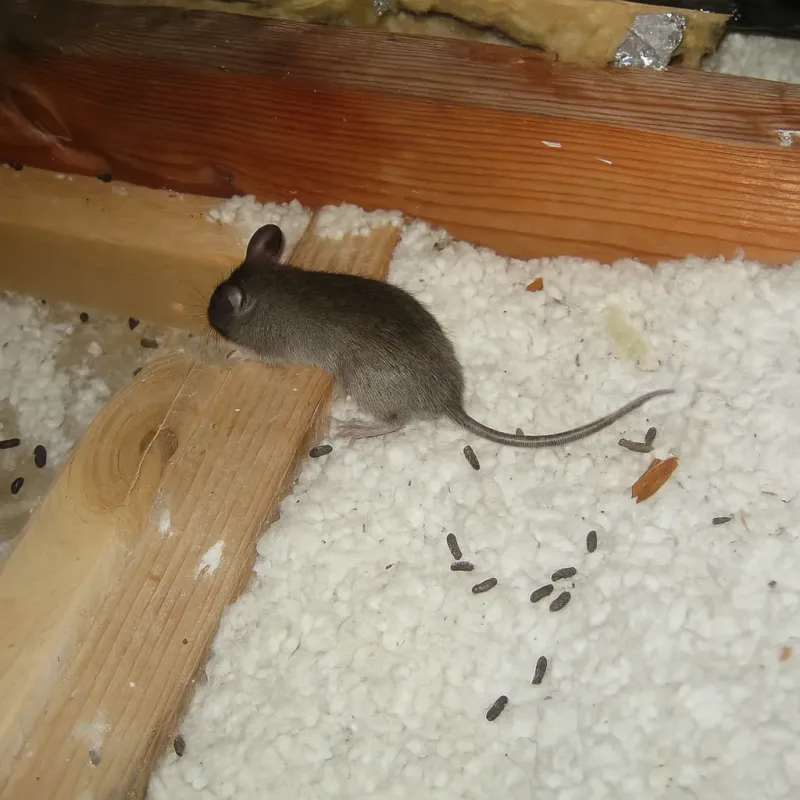
Those tiny dark pellets on top of your block wall are worth a closer look before you sweep them away. Roof rat droppings run about half an inch long and taper to pointed ends, a bit like rice grains.
Mouse droppings are much smaller, while Norway rat droppings tend to be larger with blunt ends, so size matters here. I find a cheap flashlight at dusk makes them much easier to spot on rough block surfaces.
Check shed shelves and the ledges along wall tops, since roof rats prefer traveling and resting up high off the ground. Piles near a woodpile or under a palm can point toward a nearby nesting spot as well.
Skip the broom and shop vacuum, because stirring up dried droppings can release harmful particles into the air. Health agencies suggest wearing gloves, spraying droppings with disinfectant, then wiping them up with paper towels for safe disposal.
Fresh droppings look shiny and soft, while older ones turn dull and crumbly within several days. Finding fresh ones after you clean an area tells you the visitors are still active and returning regularly.
4. Nests Tucked In Palm Fronds And Bougainvillea

That shaggy skirt of brown fronds on your fan palm might be the coziest apartment in the whole neighborhood. Roof rats love tucking nests into overgrown palms, where dried fronds shield them from heat and hungry owls.
Dense bougainvillea and oleander hedges offer similar cover, along with tangled vines climbing up walls and trellises. You might notice shredded plant material or a messy ball of debris wedged deep inside thick growth.
Woodpiles and brush heaps stacked against fences make tempting shelters too, especially when nobody disturbs them for months. I like moving firewood at least a foot off the ground and well away from the house for this reason.
Thinning dense shrubs and removing old palm fronds takes away hiding places without sacrificing your favorite landscape plants. Hiring a professional for tall palms keeps you safely off wobbly ladders while they handle heavy, prickly fronds.
Personally, I love a lush yard, but a slightly airier one leaves rats feeling exposed and less welcome. Native shrubs pruned with some open space underneath still feed birds and pollinators while giving rodents fewer hiding spots.
5. Rats Running Along Fences And Power Lines
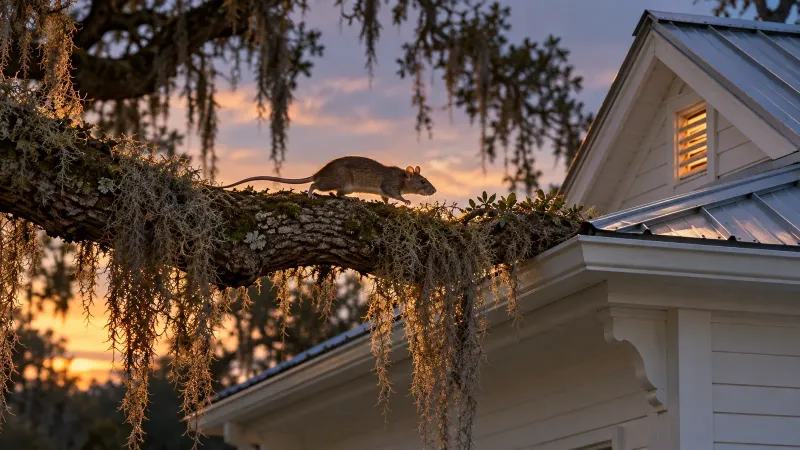
Spotting a slim shadow sprinting along the top of your fence at dusk is a moment you rarely forget. Roof rats spend much of their lives up high, using walls and wires like their own private sidewalk system.
These acrobats are sleek and dark with tails longer than their head and body combined. Experts note they can jump about two feet straight up and roughly four feet sideways when crossing gaps.
What surprises me most is how quickly they move along a single utility wire without slowing down. You might watch them leap from a citrus branch to a wall cap, then vanish into a neighboring tree.
Twilight and the first few hours after dark are prime viewing times, since roof rats are mostly nocturnal. Grab a chair, keep your porch light off, and watch the wall tops quietly for about twenty minutes.
A single sighting suggests more are nearby, because roof rats usually live in family groups rather than alone. Note where they travel, since those routes often reveal the trees and gaps they rely on most.
6. Greasy Smudge Marks On Walls And Eaves
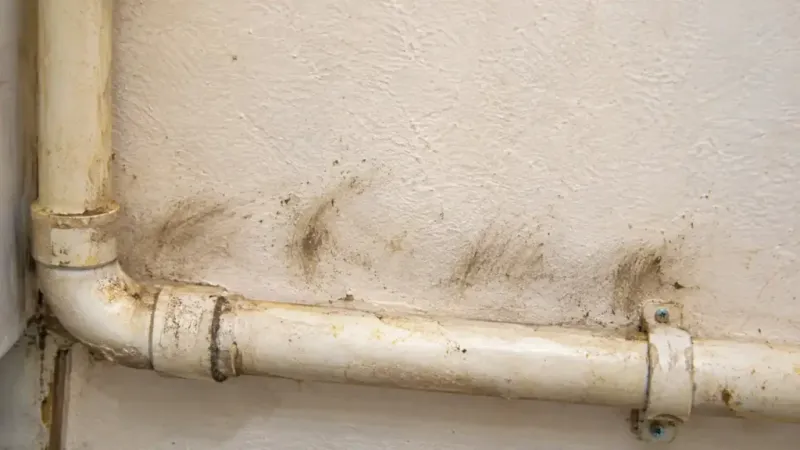
Dark, oily streaks along your stucco may look like grime, yet they can map out a busy rodent highway. Roof rats follow the same routes night after night, and oils from their fur rub onto surfaces they brush against.
Look for smudges along the tops of walls, around pipes entering the house, and near eaves or roof edges. These marks often show up higher than people expect, which matches the climbing habits of these agile rodents.
I have to admit, I once mistook a smudge trail for leftover paint drips until I noticed fresh droppings below. Matching clues like that help you separate harmless stains from a regular rodent travel lane worth monitoring closely.
A light dusting of flour or talc on a ledge overnight can confirm activity through tiny footprints and tail drags. Wipe the area clean first, then check it the next morning before wind and sprinklers erase the evidence.
Smudges near utility lines or vents deserve special attention, since they suggest rats are testing ways into your attic. Sealing those spots soon after spotting the marks gives you a real head start this season.
7. Dogs And Cats Staring Into The Night

Your cat might be a better rodent detector than any gadget sold at the hardware store this fall. Pets hear high-pitched squeaks and scratching sounds that people often miss, especially after the house goes quiet.
You might notice your dog pacing by the back door or barking at the same tree every evening. Cats may stare at the top of a block wall, or sit frozen beneath the eaves for long stretches.
I love how a pet’s fixation often points straight to the exact branch or corner where rats are traveling. Following their gaze with a flashlight sometimes reveals glowing eyes or a tail disappearing into a palm canopy.
Keep pets indoors at night if rats are active, since cornered rodents can bite and carry fleas and germs. Pets can also be harmed by rodent baits, so talk with a pest professional about safe options around animals.
Unusual pet behavior alone does not prove a problem, because coyotes or wandering neighborhood cats can also stir them up. Pair those clues with droppings or chewed fruit, and the picture becomes much clearer in short order.
8. Dripping Faucets And Birdbaths That Attract Thirsty Rats

A leaky hose bib might seem harmless, but in the desert it can work like a neon welcome sign. Roof rats need regular water, and Arizona yards offer surprisingly generous supplies once the sun goes down.
Birdbaths and saucers under potted plants both hold water long after you finish watering in the evening. Dripping sprinkler heads and pet bowls left outside overnight also give these rodents an easy, reliable drink.
You need to walk your yard after irrigation runs and look for puddles that linger into the night. Fixing small leaks saves water, which matters a great deal in a place where every gallon counts.
I like emptying plant saucers each evening and refilling birdbaths in the morning so birds still get daytime access. Bringing pet water dishes inside at dusk is another simple habit that removes a tempting nighttime resource.
Rats have been known to gnaw through plastic and soft metal pipes when they want water badly enough. Fresh chew marks near a damp spot strongly suggest that thirst, not just hunger, is drawing them into your yard.
9. Tree Branches Touching Your Roofline

That gorgeous mesquite shading your patio might also be handing roof rats a free ladder straight to your attic. Branches resting on the roof or brushing the eaves give these climbers an easy bridge onto your house.
Dense vines growing up stucco walls or wrapping around downspouts work much the same way for nimble rodents. You might notice chewed bark or worn spots where they hop from branch to roof most often.
Experts commonly recommend keeping at least three feet of space between vegetation and your home’s walls and roofline. That gap forces rats to make a jump they often cannot manage, especially from flexible outer branches.
Cooler fall weather makes trimming much more comfortable than tackling ladders and loppers during the brutal summer heat. For large limbs or trees near power lines, a certified arborist is the safest choice for the job.
Personally, I would rather lose a little shade than share my attic with a noisy rodent family all winter. Thoughtful trimming keeps your trees healthy while cutting off the highways rats use to reach the roof.
10. Gaps Around Pipes Vents And Garage Doors
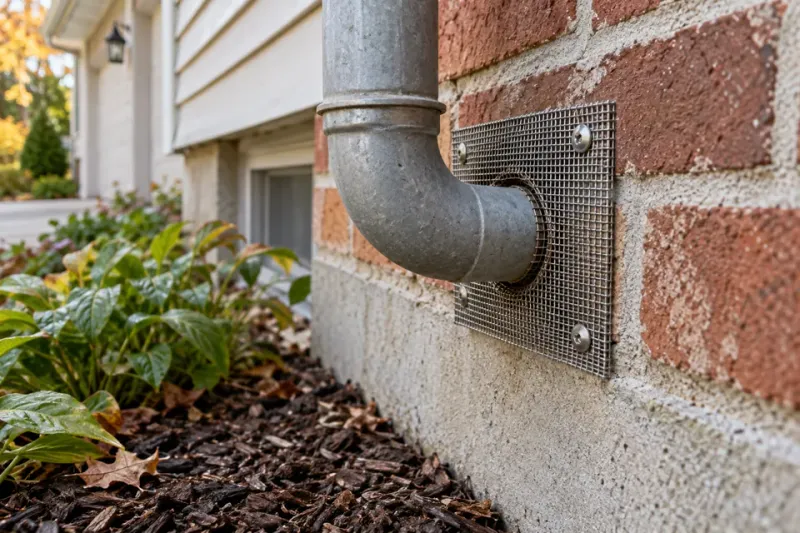
A nickel-sized hole does not look like much, yet a roof rat can squeeze right through it. Their flexible bodies let them slip into openings that seem far too small for an animal their size.
Walk around your house and check where plumbing and air conditioning lines pass through exterior walls. Damaged roof vents and gaps beneath garage doors are common entry points that often go unnoticed for years.
I believe a sunny October afternoon is perfect for this job, before rat activity ramps up through winter. Peak activity often runs from about November into March, so sealing gaps now gives you a smart head start.
Hardware cloth and sheet metal hold up better than foam alone, which rats can chew through fairly quickly. Replacing worn door sweeps and adding sturdy screens over vents closes some of the most tempting openings.
Avoid sealing rats inside, so watch for activity first or work with a professional if signs already appear indoors. Combined with the yard clues on this list, tight seals help keep these climbers outside where they belong.