The Small Texas Oak That Fits Residential Lots Perfectly And Creates Summer Shade
Oak trees and Texas go together in a way that feels almost elemental. But for homeowners with smaller residential lots, the species that first come to mind, live oaks spreading sixty feet wide, post oaks commanding large open spaces, can feel like they belong in a different landscape entirely.
The scale is wrong, the root spread is concerning, and the commitment feels too large for the space available. There’s a Texas oak that solves this problem entirely.
It grows to a size that fits a residential lot comfortably, develops a canopy that creates meaningful summer shade without overwhelming the yard or the neighbors, and brings the ecological value that all oaks provide in abundance.
Birds, insects, and wildlife that depend on oaks find everything they need in this smaller species that most homeowners have never considered.
It’s native, drought tolerant once established, and genuinely beautiful through every season.
Escarpment Live Oak Is A Compact Texas Shade Tree
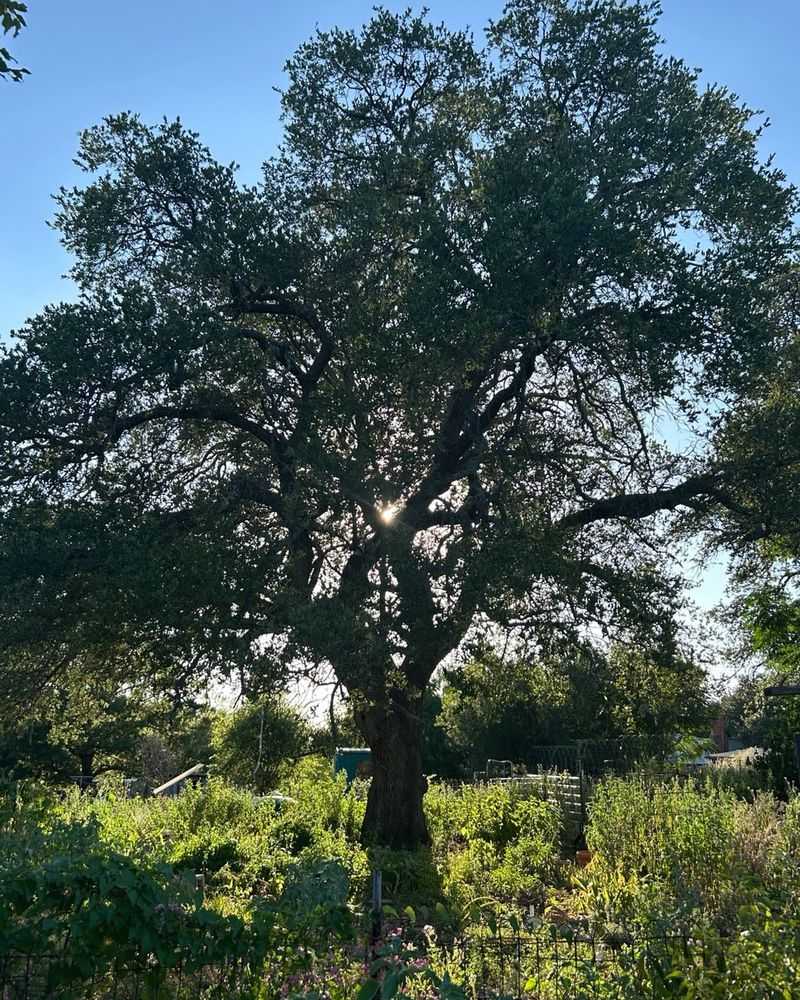
Meet the escarpment live oak, known to plant experts as Quercus fusiformis. It grows wild across the rocky hills and canyons of central and west Texas, which means it already knows how to survive tough conditions.
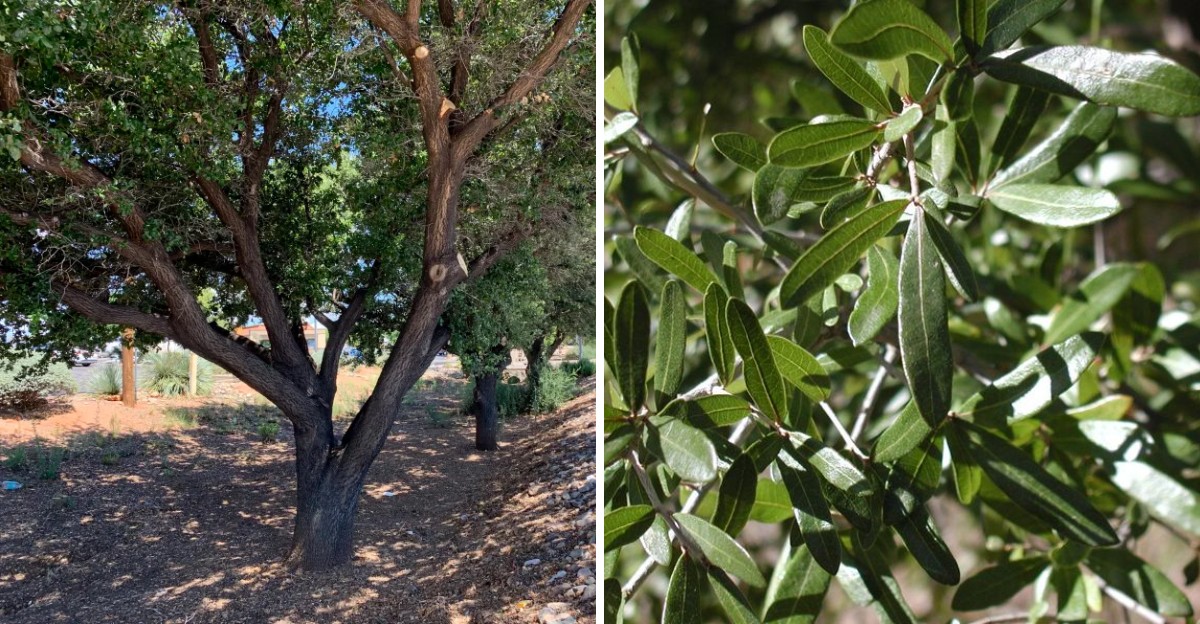
What makes this oak special for homeowners is its size. While some Texas oaks stretch huge and wide, this one usually stays smaller and more contained. It still creates plenty of shade, but it fits better on an average city or suburban lot.
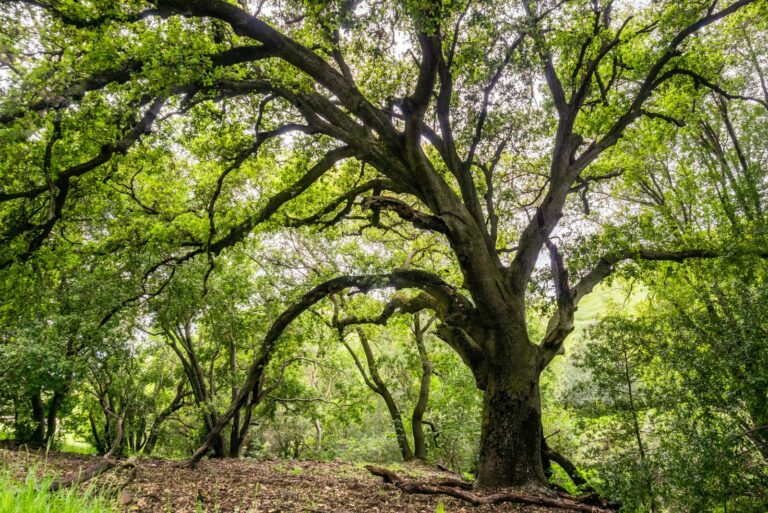
The tree grows with a rounded, spreading shape that looks classic and welcoming. Its branches reach outward and create a leafy dome that blocks the sun beautifully during the hottest months. You get that big-tree feel without needing acres of land to make it work.
Because it is a true Texas native, this oak belongs here. It did not travel from some faraway place and struggle to adjust.
It evolved right in the state’s dry, sunny climate, so it fits naturally into local yards and neighborhoods.
Many people confuse it with the southern live oak, and the two are closely related. The main difference is that the escarpment version tends to be a bit tougher in dry soil and often stays more modest in size.
If you want a tree that offers old-fashioned charm and real shade, this one delivers. It combines beauty, toughness, and a friendly footprint that suits smaller spaces.
For folks wanting shade without a monster tree, it hits a sweet spot that is hard to beat in the Lone Star State.
Why It Works Well In Residential Landscapes
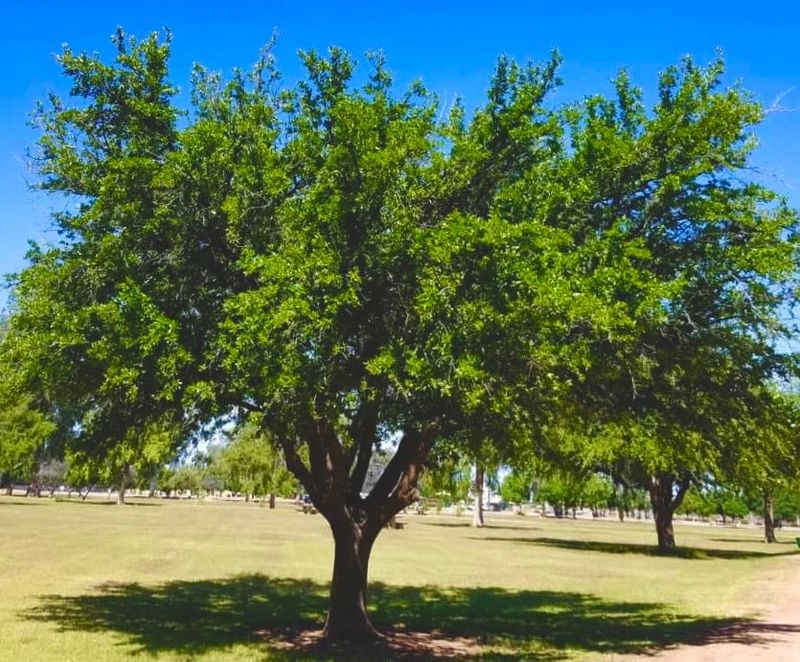
Picture a summer day when the pavement feels like a griddle. Now imagine stepping under a thick, leafy canopy that instantly cools things down. That is what this oak offers in a home landscape.
The canopy grows dense, meaning the leaves pack together tightly. That thickness blocks harsh sunlight and creates a genuinely cool spot below. Kids can play, pets can rest, and you can relax without baking in the heat.
Size is another big win. This oak reaches a moderate height and width, so it fills a yard nicely without towering over the whole neighborhood. It gives you shade that feels grand but stays reasonable for a normal lot.
Your Texas Garden Changes Every Week. Your Plan Should Too.
Gardening in Texas changes quickly throughout the season. Every Friday you’ll receive a simple weekly plan showing exactly what to plant, prune, fertilize, harvest, and protect so you never miss the right timing.
Long life is part of the deal too. These trees can live for generations when cared for properly.
Plant one now, and it may shade your grandkids someday, which makes it a smart, lasting investment.
Homeowners also love that it lowers cooling costs. Shade cast on a house during summer can help keep indoor temperatures more comfortable. That means your air conditioner may not have to work quite so hard.
Just remember that good shade needs space. Give the tree enough room to spread its branches, and it rewards you with a beautiful, cooling umbrella. Crowd it, and it cannot show off its full potential.
For anyone wanting a tree that looks handsome, saves energy, and sticks around for decades, this oak checks every box. It brings real, everyday value to the places where families actually live, gather, and enjoy their outdoor time together.
Give Escarpment Live Oak The Right Growing Conditions
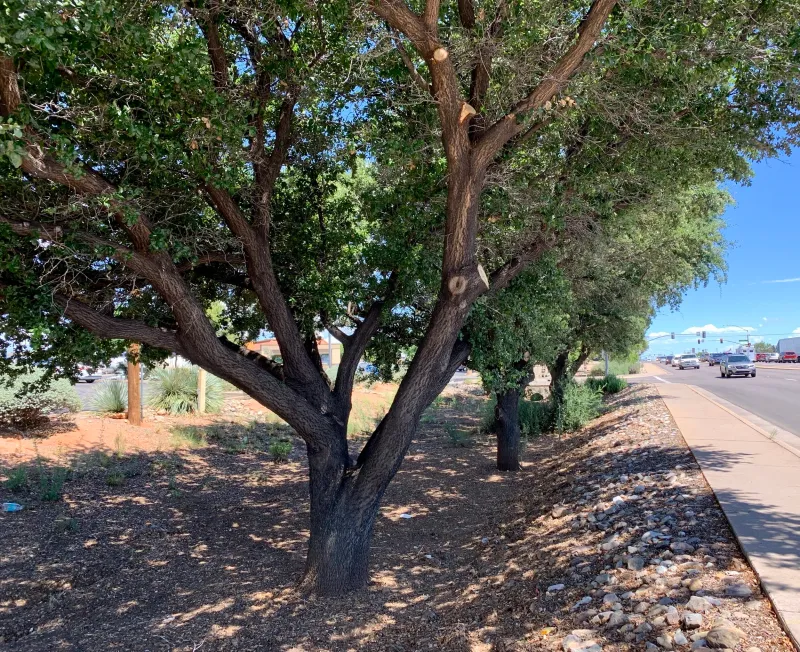
Ever notice how some plants sulk in the wrong spot? This oak is happiest when you match its natural home, and doing so is easier than you might think.
Sunshine sits at the top of its wish list. Plant it where it gets full sun for most of the day. Lots of light helps it grow strong branches and a full, healthy canopy. Good drainage matters a lot too. This tree hates having soggy roots that sit in water.
It prefers ground where water soaks away quickly rather than pooling around the base after rain.
Think about where it grows in the wild. Across much of Texas, it thrives in dry, rocky soils on hills and slopes.
Those conditions are not fancy, and that is exactly the point. This oak likes lean, well-drained earth.
You do not need rich, fluffy garden soil to keep it happy. In fact, overly wet or heavily fertilized ground can cause problems. Simple, gritty, fast-draining soil suits it just fine.
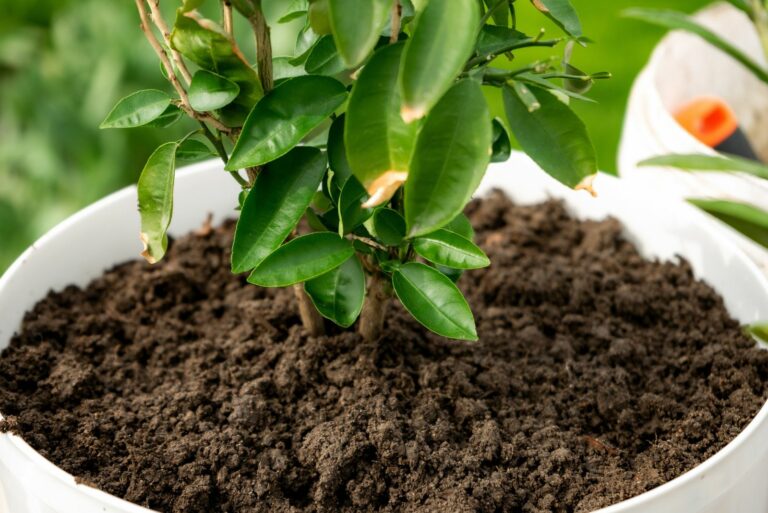
When planting, dig a hole about as deep as the root ball and a little wider. Set the tree so the top of its roots sits level with the ground, then backfill and water gently to settle everything in.
Skip planting it in low spots where rainwater collects. A slightly raised or sloped area works better and keeps roots from staying too wet.
Match these conditions, and your oak settles in fast. Give it sun, sharp drainage, and soil similar to its rocky homeland, and it grows into a sturdy, dependable shade tree for your yard.
How This Oak Handles Texas Heat And Drought
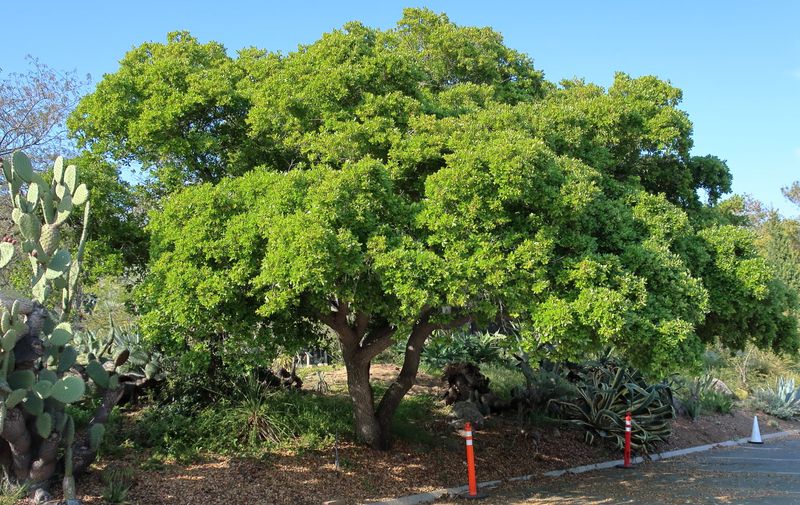
Texas summers do not mess around. Weeks can pass without rain while temperatures climb past 100 degrees.
Yet this oak shrugs off those brutal conditions like they are no big deal.
It earned that toughness by growing up in a harsh place. Over thousands of years, it adapted to the state’s blazing heat and long dry stretches. Survival is basically built into its roots.
Once a tree gets established, meaning it has grown in place for a couple of years, it needs very little extra water. Its deep roots reach down to find moisture that shallow plants cannot touch.
That makes it a smart pick for water-conscious yards. If your area faces watering limits or you simply want to save on your water bill, this oak fits the bill perfectly.
During its first year or two, though, it still needs help. Water young trees regularly so their roots grow strong and deep. Think of it as an investment that pays off with future toughness.
A layer of mulch around the base also helps. Mulch keeps the soil cooler and holds moisture longer, giving the young tree a better start during hot months.
After that early stage, you can mostly relax. Established trees usually get by on rainfall alone in many parts of Texas, needing only occasional deep watering during extreme dry spells.
For folks who want a beautiful tree without a huge watering chore, this oak is a dream. It stays green and shady even when the weather turns fierce, proving it truly belongs in the tough Texas climate.
Choose The Right Place Before Planting
Before you grab a shovel, take a slow walk around your yard. Picking the perfect spot now saves you huge headaches later, because trees are hard to move once they settle in.
Even though this oak stays smaller than some giants, it still spreads out. Picture how wide its branches will reach in twenty or thirty years, not just how tiny it looks today.
Give the canopy room to grow. Plant it far enough from your house so mature branches will not scrape the roof or crowd the walls. A little planning avoids future trimming battles.
Roots need space too. They spread wide underground to gather water and hold the tree steady.
Keep the tree away from driveways, sidewalks, and foundations that roots could push against over time.
Look up before you dig. Power lines overhead can become a real problem once a tree grows tall. Choose a spot where branches will have clear space instead of tangling with utilities.
Also check below ground for buried pipes and cables. Many areas offer a free service to mark underground lines before you dig. Calling first keeps you safe and avoids costly damage.
Think about the shade you actually want. Planting on the south or west side of a house often blocks the harshest afternoon sun, helping keep your home cooler in summer.
Take your time with this step. A smaller oak still needs real elbow room to develop into its best self.
Pick wisely, and your tree grows happy, healthy, and trouble-free for many decades to come in your yard.
Get More Than Summer Shade From This Native Oak
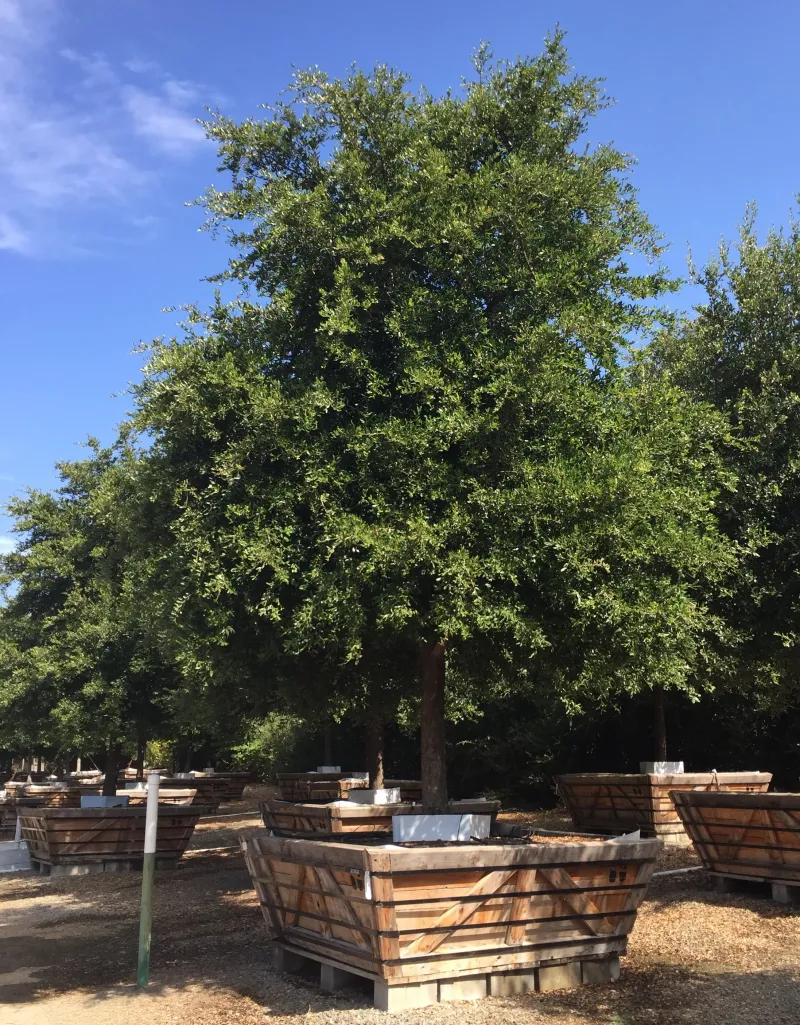
Shade is just the beginning with this tree. It quietly delivers a whole bunch of extra perks that make it a standout year after year.
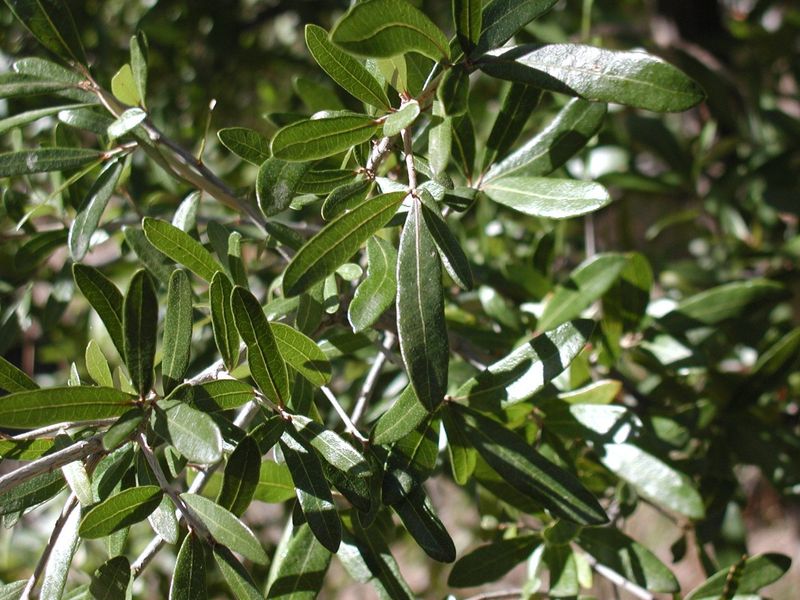
One of the best surprises is its foliage. This oak is evergreen to semi-evergreen, meaning it holds many of its leaves through winter. While other trees stand bare and gloomy, yours stays green and lively.
Those leaves keep your yard looking full even in the cold months. You get privacy, color, and a cozy feel when most of the landscape has gone brown and quiet.
Then there are the acorns. Each fall, the tree produces these little nuts that become a feast for wildlife. Squirrels, deer, and birds happily gather them for food.
Speaking of critters, this oak acts like a mini nature hub. Birds nest in its branches, insects support the food chain, and small animals find shelter among its leaves and limbs.
Planting one helps local wildlife thrive. Native trees support native creatures far better than imported plants do, so your yard becomes part of a healthy ecosystem.
The tree also gives your landscape strong structure. Its sturdy trunk and spreading branches create a handsome shape that anchors the whole yard, even in winter.
Here is a fun bit: live oaks are famous for their long lives, and some ancient ones in Texas have stood for hundreds of years. Yours could become a beloved landmark someday.
So you get cooling summer shade, winter greenery, wildlife visitors, and year-round beauty all in one tree. That is a lot of value packed into a single, tough Texas native worth planting.