A New Orleans City Park Garden Is Gearing Up For One Of Its Biggest Home Gardening Shows Of The Year
You sense it before the gates even open. Something restless takes over Louisiana each September. Trucks roll in stacked with plants you cannot name. Gardeners trade air conditioning for boots and clipboards.
Lines form fast, and patience runs thin. Locals show up early, and you should too. Money you saved since spring disappears within minutes. Vendors bring you species big box stores skip.
Rare varieties surface that typical nurseries skip. Crowds move fast, and you need a plan. Prices drop as the afternoon wears on. Experts answer your questions before you finish asking.
Volunteers guide you toward exactly what you need. Specialty growers bring you plants found nowhere else. Shade plants and sun plants share tables. Tickets sell out, tables empty, and you feel it.
Nobody leaves with empty hands, including you. Louisiana’s plant culture rewrites itself in front of you. What happens next could transform your yard for good.
Fall Garden Festival Takes Over City Park
Each October, the New Orleans Botanical Garden hosts the Fall Garden Festival, one of the biggest home gardening events on its calendar. Planning starts months ahead, which is why September feels so busy behind the scenes.
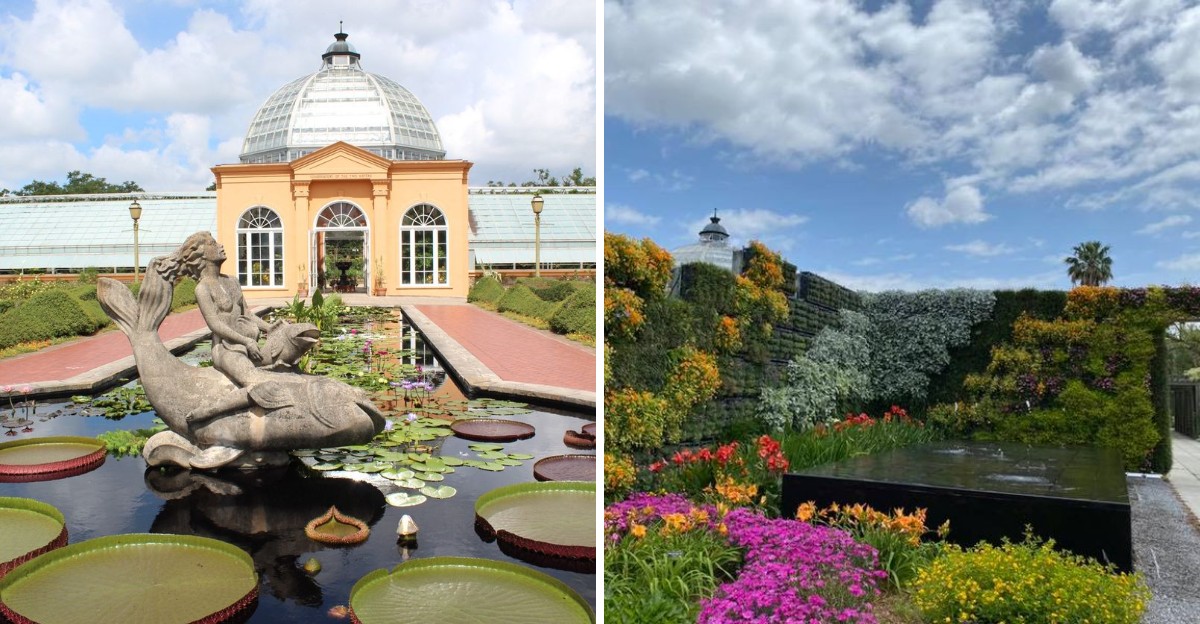
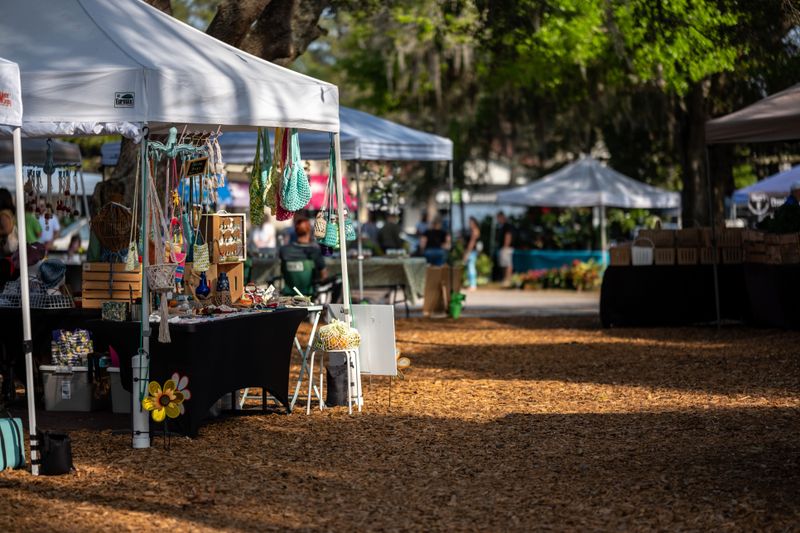
The festival spreads across the garden’s 12 acres inside City Park, tucked between the Pavilion of the Two Sisters and the rose gardens. Vendor tents line the paths, and the whole place smells like damp soil and sweet olive.
Admission price varies by residency and age, with Friends of City Park members and the youngest children getting in free. Check the current rate before you go. Proceeds help support the garden itself, so your ticket does double duty.
What makes the event special is timing. Fall is the real planting season along the Gulf Coast, not spring, because cooler nights and steady rain let roots settle before the next hot stretch arrives.
The festival spreads across the garden’s roughly 12 acres inside City Park, tucked between the Pavilion of the Two Sisters and the rose gardens. Families wander through while serious gardeners push wagons loaded with treasures.
A bit of history: the Botanical Garden opened in the 1930s as a Works Progress Administration project, one of the few remaining public gardens from that era still designed in its original art deco style.
Walking the grounds during the festival means walking through almost a century of local gardening tradition. Arrive early on the first morning if you want the widest selection. Regulars say the rarest plants tend to sell quickly.
Plant Sales Worth Setting An Alarm For
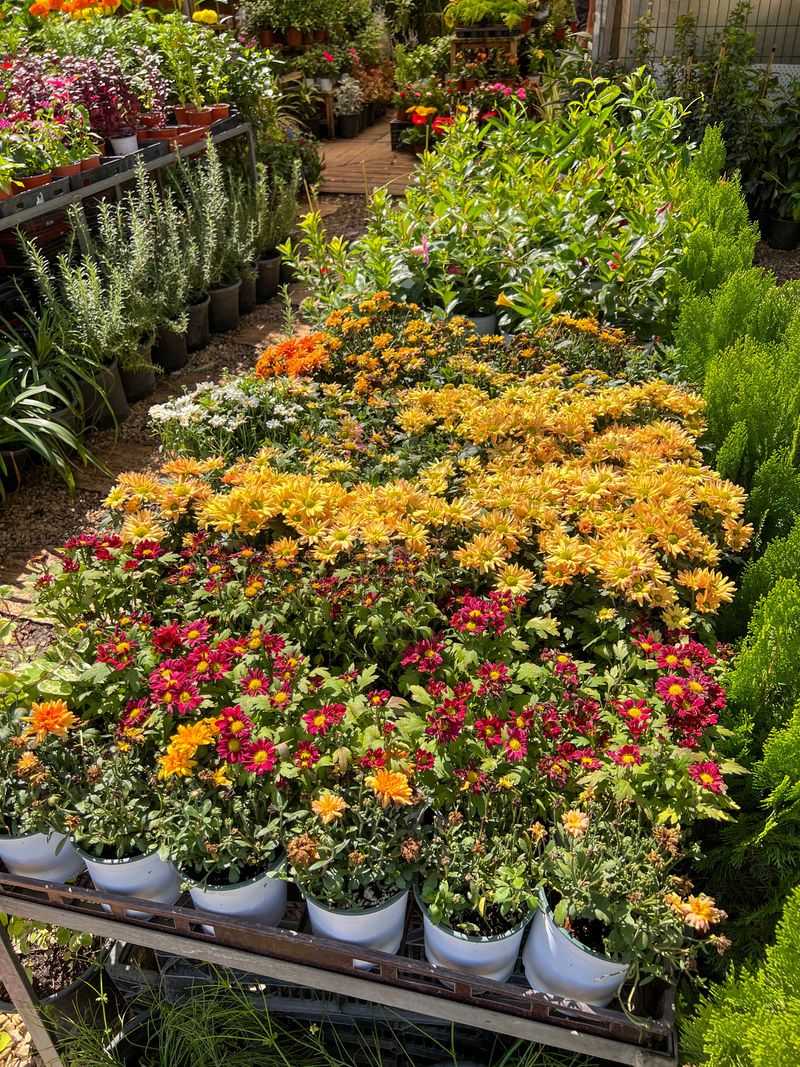
Ask any regular what brings them back and the answer arrives fast: the plants. Growers from across southern Louisiana haul in stock you simply cannot find at a big-box store.
Tables fill with camellias, satsumas, Louisiana irises, native milkweed, coral honeysuckle, ferns, herbs, cool-season vegetable starts, and oddball tropicals that thrive in the local humidity.
Prices tend to be friendlier than retail because you are buying straight from the person who grew it. Bring a wagon, a sturdy box, or a laundry basket. Cardboard flats give out halfway to the parking lot, and nobody wants to chase a rolling pot across a gravel path.
Your Louisiana Garden Changes Every Week. Your Plan Should Too.
Gardening in Louisiana changes quickly throughout the season. Every Friday you’ll receive a simple weekly plan showing exactly what to plant, prune, fertilize, harvest, and protect so you never miss the right timing.
Cash speeds things along at smaller booths, though many vendors now take cards. Having a rough shopping list helps too, since it is easy to lose your head among a thousand shades of green.
Talk to the growers. They can tell you whether a plant handles the soggy clay soil common in the area, how much afternoon shade it wants, and what it looks like in year three.
One smart move is measuring your beds or containers before you go. Knowing you have a 3-foot gap by the fence keeps you from buying something that wants 10 feet.
Plan a second lap through the tents before leaving. Vendors often restock mid-morning, and the plant you passed on might reappear looking much more tempting.
Free Talks From Local Growing Experts
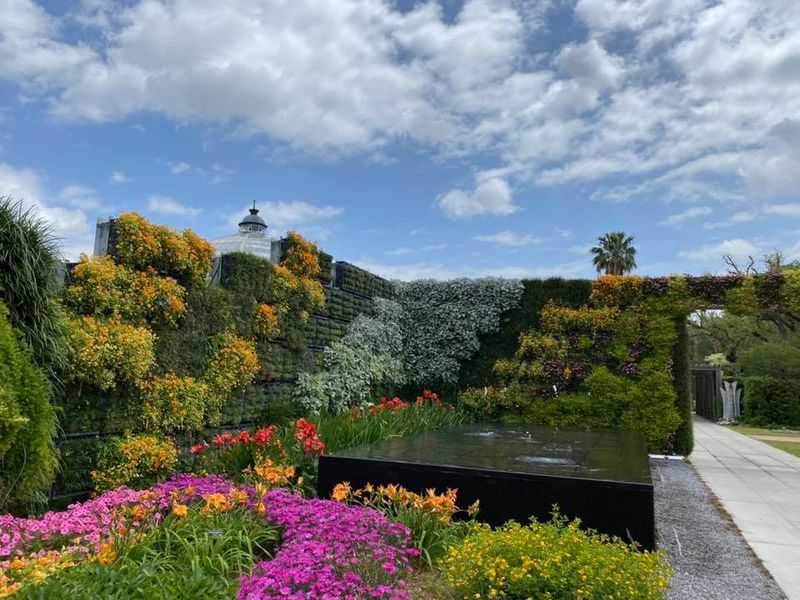
Some of the best value at the festival costs nothing extra. Short talks and demonstrations run throughout both days, usually in the Pavilion or under a shaded tent nearby.
Speakers tend to be LSU AgCenter horticulturists, Master Gardeners, garden club members, and staff from the Botanical Garden. They live and grow in the same swampy conditions you do, which makes their advice far more useful than a generic YouTube video.
Topics change year to year but often cover fall vegetable gardening, citrus care, composting, attracting pollinators, orchids, bonsai, and picking shrubs that handle heavy rain. Session length varies by speaker and topic.
Bring a notebook or use your phone’s notes app. You will hear specific variety names and planting dates that are easy to forget by the time you get home.
Do not be shy about asking questions at the end. Speakers welcome troubleshooting real problems, and someone else in the crowd probably has the same issue with their tomatoes.
Grab a schedule at the entrance and circle two or three talks you actually care about. Trying to attend all of them means missing the plant tents entirely.
Master Gardener volunteers often staff an information table between sessions. Take a photo of a struggling leaf before you leave home, and they can usually point you toward a cause and a fix on the spot.
Where The Garden Shows Off Its Own Collections
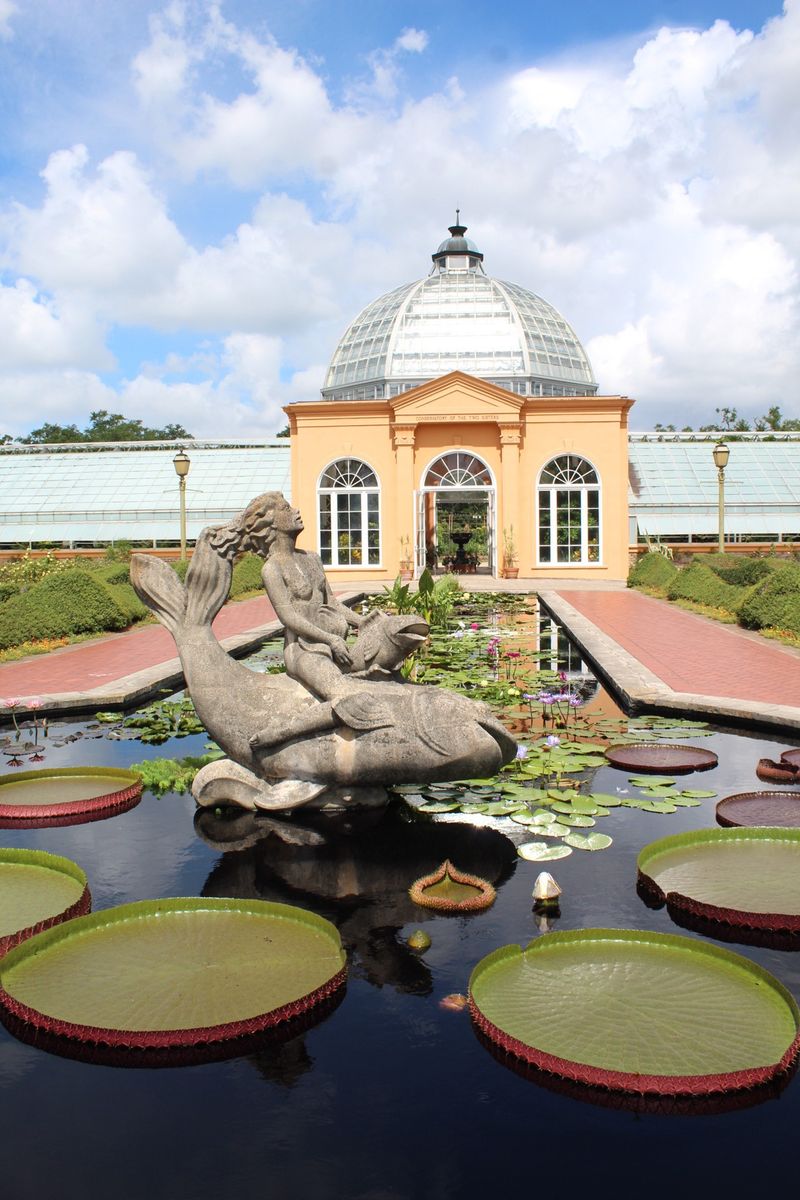
Between shopping trips, the garden itself deserves attention. It is easy to forget you are standing in a working botanical collection when there is a hot dog stand 20 feet away.
The grounds hold themed areas worth a slow walk: a rose garden, an aquatic garden with water lilies, a native plant section, a butterfly walk, and the Conservatory of the Two Sisters with its living fossil room and tropical rainforest display.
There is also a train garden with tiny replicas of New Orleans houses built from actual plant material. Use these areas as a free design catalog. Snap photos of plant combinations you like, then check the labels for names before buying anything under the tents.
Paying attention to placement teaches a lot. Notice which plants sit in the deep shade of live oaks and which ones bake happily in open sun all afternoon.
Sculpture fans get a bonus. The Enrique Alferez Sculpture Garden runs through the grounds, filled with works by the artist who helped shape the original 1930s design.
Restrooms, benches, and shade are scattered throughout, which matters when you are hauling plants in October humidity. Refill a water bottle and sit for a few minutes.
Children usually gravitate toward the water features and the miniature train. Letting them run out some energy there buys you time at the vendor tables later.
Fall Planting Advice For South Louisiana
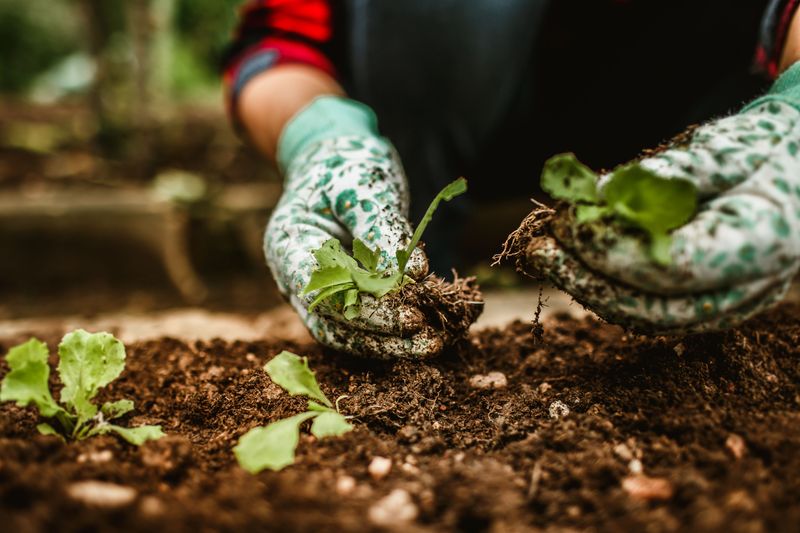
One detail surprises newcomers: October is prime planting time here, not April. Soil stays warm enough for roots to grow while the air finally cools off.
Cool-season vegetables shine now. Broccoli, cabbage, collards, mustard greens, carrots, radishes, lettuce, spinach, garlic, and onions all settle in well when planted from early fall through winter.
Shrubs and trees also prefer autumn. Putting them in the ground now gives roots several months to spread before summer brings intense heat and humidity.
Drainage is the main soil challenge. Much of the region sits on heavy clay with a high water table, so raised beds, mounded rows, or generous compost mixed into the soil pay off more than fancy fertilizer.
Mulch a couple of inches deep, keeping it pulled back slightly from stems. It holds moisture through dry spells and keeps winter weeds from taking over.
Watering still matters in fall. New plants need a good soak once or twice a week until rain takes over the job.
Louisiana sits mainly in USDA zones 9a and 9b, with parts of the coast now reaching 10a, which means many tender perennials pull through mild winters with only light protection. Keep an old sheet handy for the rare hard freeze.
Jot down what you plant and when. Next September you will thank yourself for having a record instead of a guess.
Practical Tips For Making The Most Of Festival Day
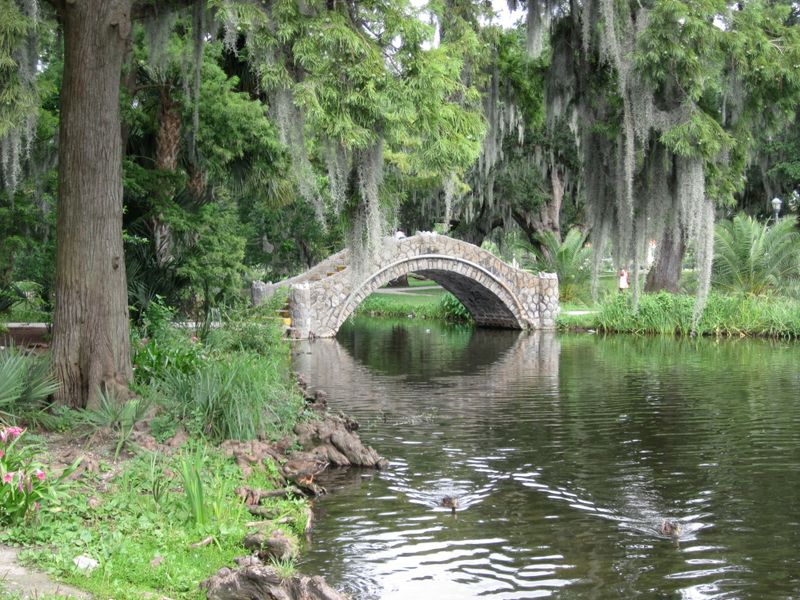
A little planning turns a busy afternoon into an enjoyable outing. Locals have this down to a routine by now.
Check the Botanical Garden’s official page or City Park’s website a week ahead for exact dates, hours, and ticket prices, since details shift from year to year.
Weather updates get posted there too, and October in New Orleans can deliver sunshine and a downpour in the same hour.
Dress for dirt. Closed-toe shoes, a hat, sunscreen, and clothes you do not mind smudging will serve you better than anything cute.
Parking fills quickly along Victory Avenue and near the museum, so arriving right at opening or later in the afternoon helps. Rideshare drop-off near the main entrance skips the hunt entirely.
Leave space in your car. It’s frustrating to find the perfect citrus tree and realize the back seat is full of soccer gear.
Eat while you are there. Food booths and nearby park vendors keep you going, and there is something pleasant about a snack under a hundred-year-old oak.
Bring a friend with a truck if you have serious plans. Trading off wagon duty while one person holds a spot in the checkout line is a proven strategy.
Before heading home, water everything in the shade. Plants ride better hydrated, and they will look far happier when they hit your garden.
The Botanical Garden sits at 5 Victory Avenue inside City Park, a short walk from the main parking areas.