Why Minnesota Yards Are Seeing Wasps And Hornets Turn More Aggressive As September Begins
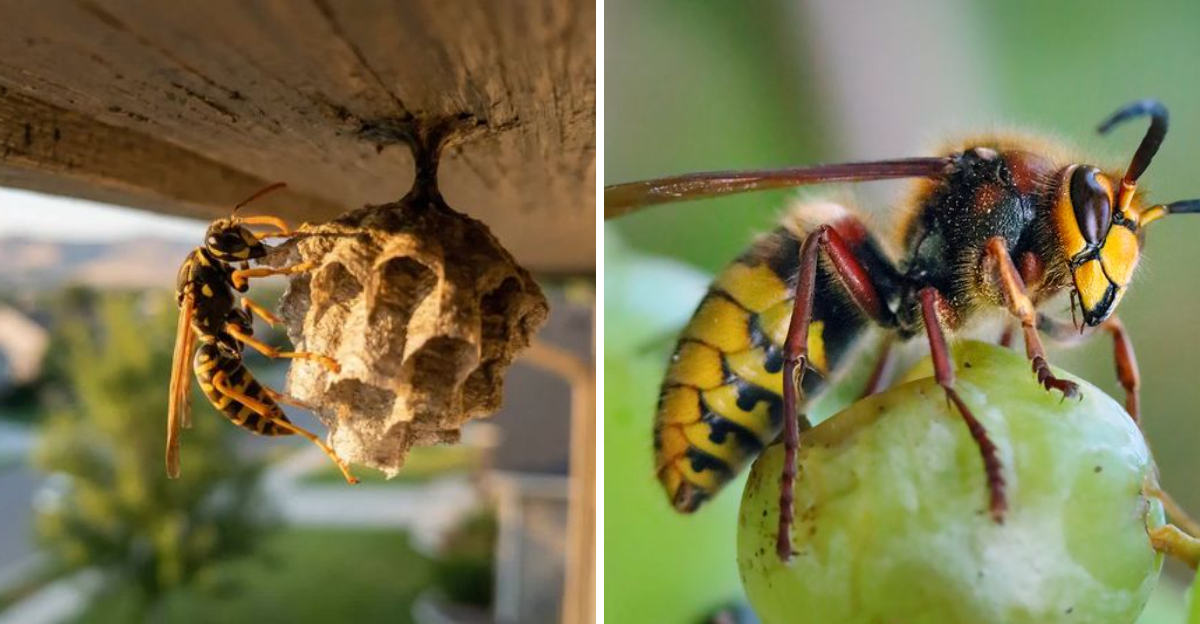
Your soda can just became a target. Wasps outside sense the season turning before you do. Minnesota summers end with a sting, not a whisper. Cooler nights push entire yellowjacket colonies into survival mode fast.
Queens stop laying eggs, and workers lose their purpose. Sugar becomes their only obsession before frost arrives. That means your drink smells like dinner to them now. Backyards across Minnesota feel this shift at once.
Patios that felt calm in July grow tense fast. Ignoring the change only invites you more trouble. Understanding the trigger hands you real control back. Nobody wants a swollen hand near Labor Day. You feel it the moment you step outside now.
Because instinct outweighs manners once the weather cools. Even careful people get caught off guard today. Soon each driveway starts smelling like a threat. What happens next in your yard could change how you spend this season.
1. Colonies Hit Peak Population Right Now
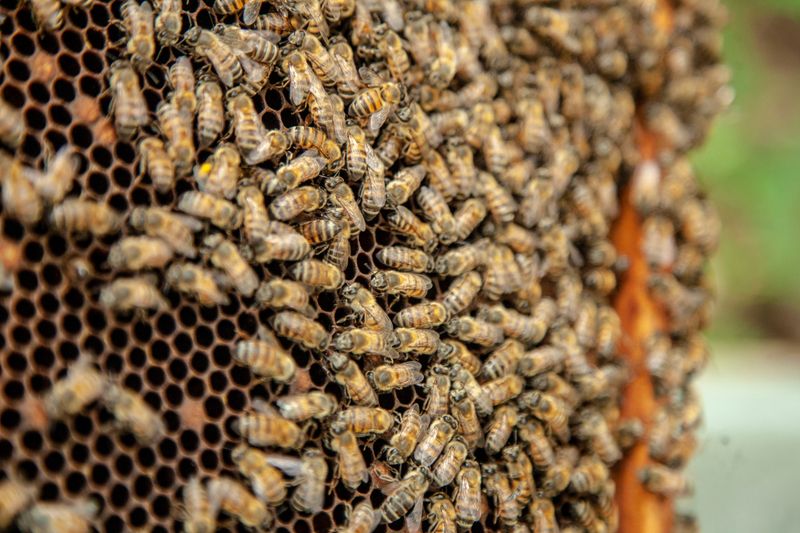
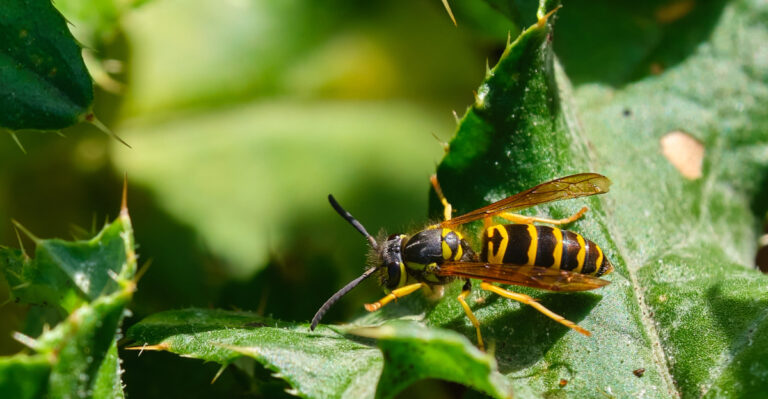
Picture a small apartment building that started with one tenant in May and now houses several thousand. That is basically what a yellowjacket nest looks like by the first week of September.
A single queen begins the season alone, raising a handful of workers in a hidden spot. Those workers raise more workers, and the numbers snowball through July and August.
By early fall, a ground nest in a Minnesota lawn can typically hold anywhere from several hundred to a few thousand insects, depending on conditions.
More residents means more traffic in and out of the entrance hole. Even a calm colony feels aggressive when you walk past a doorway with hundreds of guards coming and going.
Crowding also raises tension inside the nest. Workers bump into each other constantly, food gets divided thinner, and the whole group runs on a shorter fuse.
Homeowners notice this most while mowing. A mower wheel rolling over a chipmunk burrow that has been quietly occupied all summer can trigger dozens of stings in seconds.
Walk your yard before mowing and look for steady insect traffic at holes in the ground, especially along sunny slopes and old rodent tunnels. Mark anything suspicious with a stake and a bright ribbon.
Fun fact worth knowing: only the mated queens survive Minnesota winters, so this huge population is a one-season event. Every giant September nest started from scratch that spring, which explains why the timing feels so predictable year after year.
2. The Sugar Craving Sets In
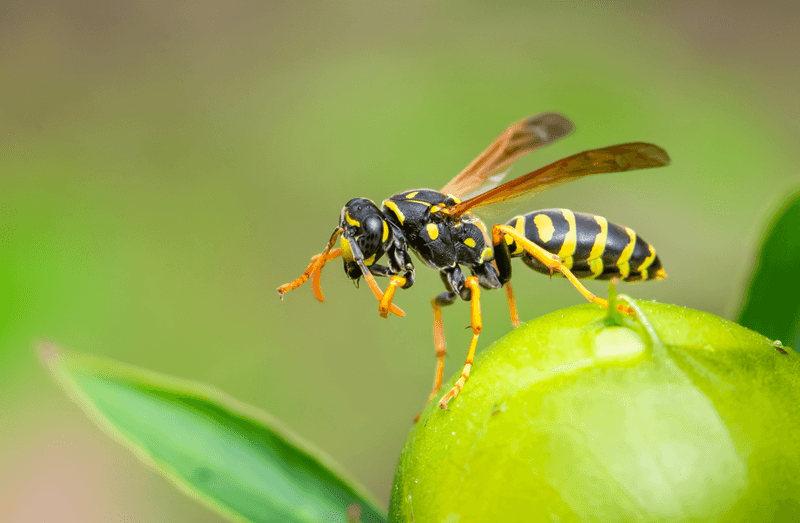
Ever wonder why wasps ignored your burger in June but mob your pop can in September? Their menu changes.
Through spring and summer, workers hunt protein. Caterpillars, flies, and spiders get chopped up and carried home to feed hungry larvae, which is why wasps are often considered useful for controlling garden pests.
Once the queen stops laying eggs in late August, there are almost no larvae left to feed. The protein hunting job disappears, and workers switch to sugar for their own fuel.
That sends them straight toward fallen apples, grape juice, ice cream cones, hummingbird feeders, and open trash cans. Anything sweet becomes a target, and they will defend a food source they have claimed.
Your Minnesota Garden Changes Every Week. Your Plan Should Too.
Gardening in Minnesota changes quickly throughout the season. Every Friday you’ll receive a simple weekly plan showing exactly what to plant, prune, fertilize, harvest, and protect so you never miss the right timing.
The stakes feel higher to them because sugar is getting scarce as flowers fade across Minnesota. Competition over a single spilled soda puddle turns pushy fast.
Practical fixes help more than you might expect. Serve drinks in cups with lids and straws, keep serving bowls covered until people are ready to eat, and rinse recyclables before tossing them in the bin.
Wipe down tables right after eating, since a sticky ring of lemonade keeps drawing visitors for hours. Pick up windfall fruit under apple and crabapple trees a couple times a week.
If you want to enjoy a meal outdoors, set a decoy plate of juice or jam thirty feet away from the table. Wasps often settle there instead, and everyone gets to finish dessert in peace.
3. Cooler Nights Make Them Cranky By Day
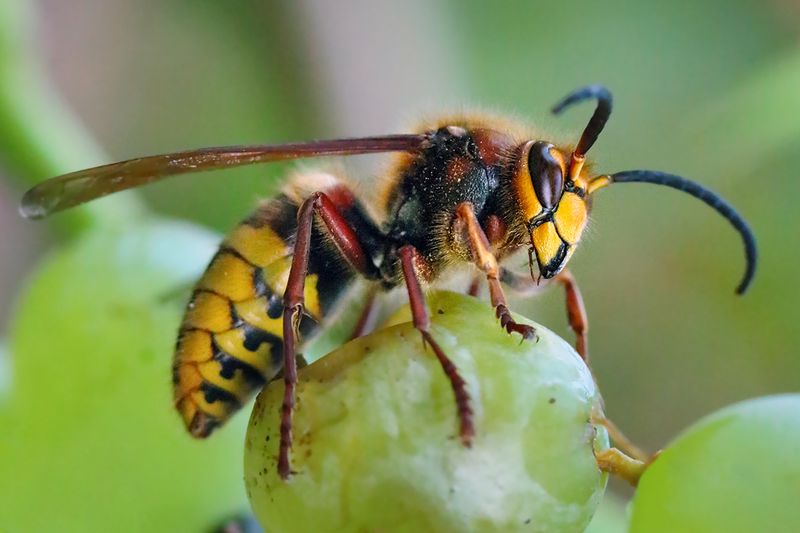
Minnesota nights in September can drop into the forties while afternoons still climb past seventy. That swing plays games with insect behavior.
Wasps and hornets cannot warm themselves the way we do. Their activity level rides entirely on air temperature, so a chilly morning leaves them sluggish and clustered near the nest.
When the sun finally hits, they pour out in a rush to make up lost feeding time. Compressing a full day of foraging into a few warm hours creates frantic, jittery activity around porches and gardens.
Those same cool nights push them toward heat sources. Sunny south-facing siding, dark shingles, brick chimneys, and warm car hoods all attract wasps looking for a place to bask.
Homeowners bump into them there without meaning to. Reaching for a doorknob or grabbing a railing that has three warming wasps on it is a common late-season sting story.
A little awareness solves most of it. Glance at railings, door handles, patio umbrellas, and grill covers before touching them in mid-morning.
Shake out gardening gloves, boots, and folded lawn chairs that sat outside overnight. Cold wasps love tucking into fabric folds.
Timing your yard work helps too. Weeding, trimming, and nest treatment go smoother in the early morning while temperatures are still low and flight activity is minimal.
Keep in mind that a slow wasp is not a harmless one. Cool insects still sting when squeezed, so brush them off gently instead of swatting.
4. Nests Are Suddenly Impossible To Miss
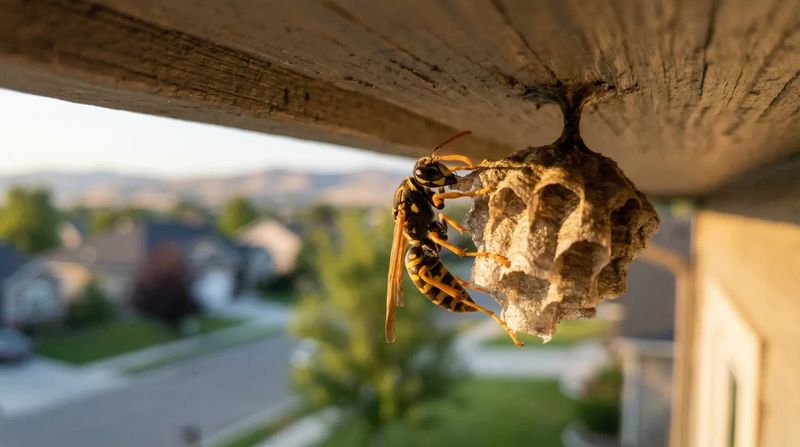
A bald-faced hornet nest in June is the size of a golf ball. By September it can rival a basketball, and that gray paper football hanging over the swing set gets everyone’s attention.
Growth like that changes the risk picture around a property. Nests that were hidden behind leafy shrubs in July now sit in plain sight as foliage thins and branches sag under the weight.
People also discover them in the worst possible way, by trimming a hedge or pulling ivy off a garage wall. Vibration from clippers or a ladder bumping siding reads as a threat to the colony inside.
Bald-faced hornets deserve extra respect here. Guards patrol several feet from the entrance, and they can spray a defensive fluid toward eyes when they feel cornered.
Scan your yard from a safe distance before any fall pruning. Look under deck rails, inside grill lids, in playhouse corners, under eaves, and in dense shrubs like arborvitae and lilac.
Flag what you find and reroute foot traffic away from it. A nest twenty feet up in a boxelder rarely bothers anyone, so leaving it alone is often the smartest move.
Anything near a doorway, sandbox, or clothesline is a different story. Late-season colonies react hard to disturbance, and hiring a professional beats a garden-hose experiment.
One reassuring detail: these paper nests are not reused the following spring, so the structure itself becomes harmless once cold weather settles in for good.
5. The Queen Stops Ruling The Nest
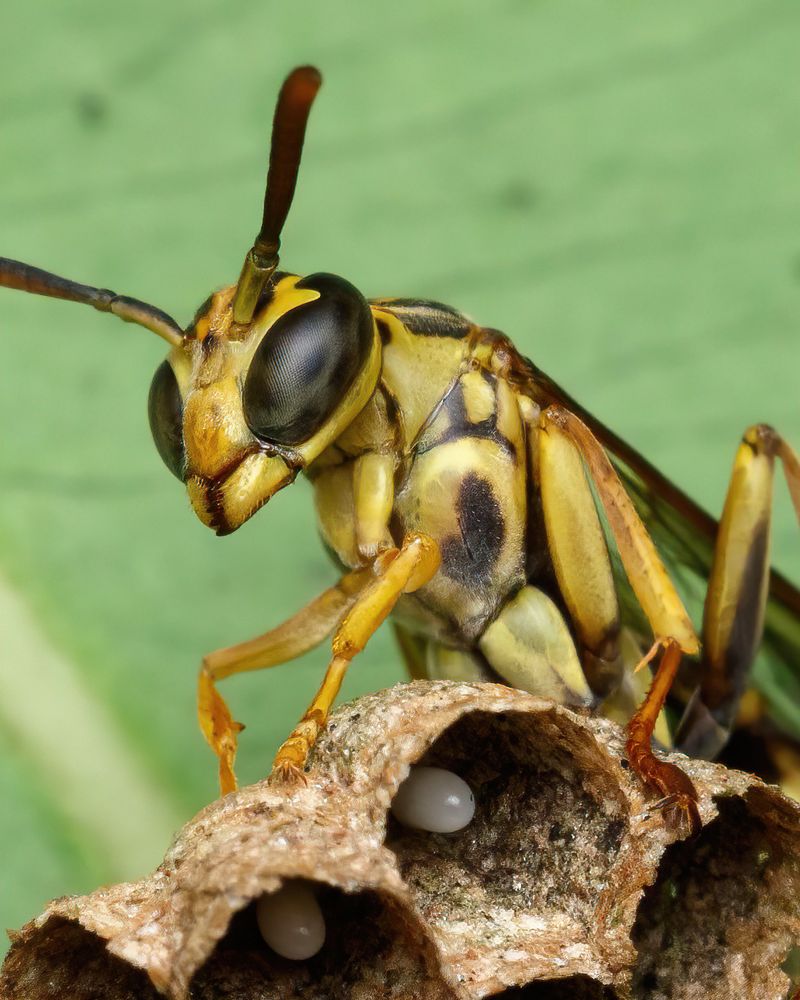
Every colony runs on a chemical signal from the queen. Once she winds down egg laying in late August, that signal fades and the household falls apart.
Order inside the nest depends on those pheromones. Workers respond to them the way a classroom responds to a teacher, and without them the group loses its shared purpose.
Nurses have no larvae to tend. Foragers have no growing brood to supply. Thousands of insects find themselves with a job description that no longer exists.
What follows looks a lot like restlessness. Workers wander farther from home, linger around human food, squabble with each other, and react to small disturbances with surprising force.
Researchers have noted that late-season workers even begin laying their own unfertilized eggs, adding to the chaos. The tidy summer hierarchy simply stops functioning.
For homeowners, that means the wasp on your deck in September is not behaving like the wasp from July. Predicting it gets harder, and giving it room becomes the better strategy.
Avoid flailing your arms when one circles your plate. Rapid movement mimics a predator, and alarm scents from one upset worker can pull others toward you.
Slide your chair back, walk calmly indoors, and wait a minute before returning. Most encounters fizzle out on their own.
The seasonal decline follows a predictable biological pattern. A society that hummed with purpose all summer drifts apart just as the maples start to turn, and by hard frost only future queens remain tucked under bark.
6. Food Sources Around The Yard Dry Up

Grocery shopping gets tough for wasps in September. The buffet that fed them all summer closes one aisle at a time.
Flowers that offered easy nectar in July have gone to seed. Caterpillar populations drop sharply, and the flies and aphids that made up so many meals thin out as nights cool.
Fewer options mean longer search flights and bolder choices. A worker that would have skipped your table two months ago now investigates every scent within reach.
Scarcity also raises the value of whatever they do find. Wasps guard a rotting pear or a dribble of barbecue sauce like it is treasure, which is exactly why they seem so unwilling to back off.
You can steer this away from your living space with a few habits. Rake up fallen crabapples, plums, and grapes promptly, and compost them in a closed bin rather than an open pile.
Move sweet-smelling garbage cans away from the back door and make sure lids latch. Hose down the inside of recycling bins every week or two.
Pet food and bird feeders matter too. Take suet and hummingbird nectar down during heavy wasp weeks, or switch to feeders with bee guards.
Late-blooming plants like goldenrod and asters can pull wasps toward the far corners of a property, which may help reduce activity near seating areas. Planting them along a back fence gives insects a destination that is nowhere near your patio chairs.
7. Yellowjackets Set Up Shop Inside Walls
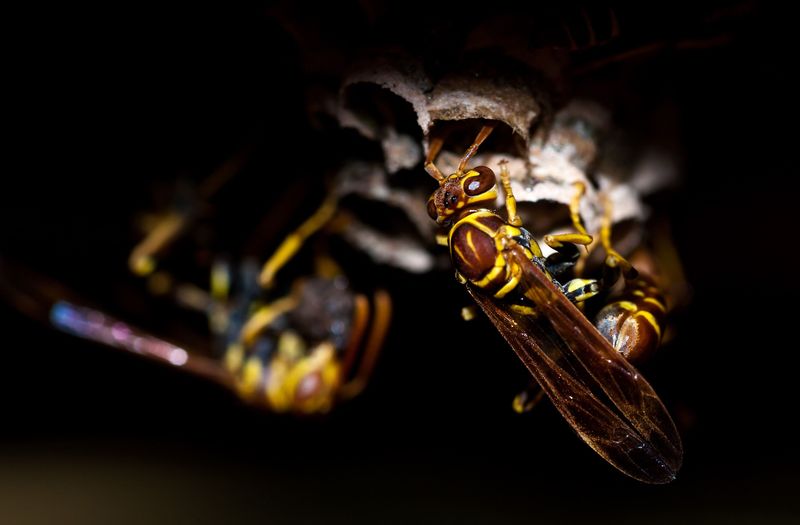
Not every problem nest hangs from a tree. Plenty of Minnesota families discover a colony living inside a wall void, soffit, or attic vent right about now.
Small gaps in siding, unscreened vents, and worn weather stripping give queens an ideal spring hideaway. Nobody notices until the population grows loud enough to hear through the drywall.
By early September that hidden nest is at full size, and pressure inside the space pushes workers to explore. Some end up in bedrooms and bathrooms through light fixtures or outlet gaps.
Finding a wasp indoors on a cool day is a strong clue. So is a faint rustling or crackling sound near a ceiling corner.
Resist the urge to seal the outside entrance hole. Blocked insects tunnel toward light, which usually means further into your home rather than out.
Skip the spray-and-run approach too. Aerosol reaching only the entrance leaves most of the colony alive and thoroughly irritated.
Wall nests are one of the clearest cases for calling a licensed pest professional in Minnesota. They have the equipment to treat deep into voids and the experience to know which openings to leave alone.
Once cold weather ends the colony, do the prevention work. Caulk siding gaps, install stainless screening over vents, repair torn window screens, and check where utility lines enter the house.
Handling those small openings in October saves you from repeating the whole story next September.
8. Fall Chores Put People In The Danger Zone
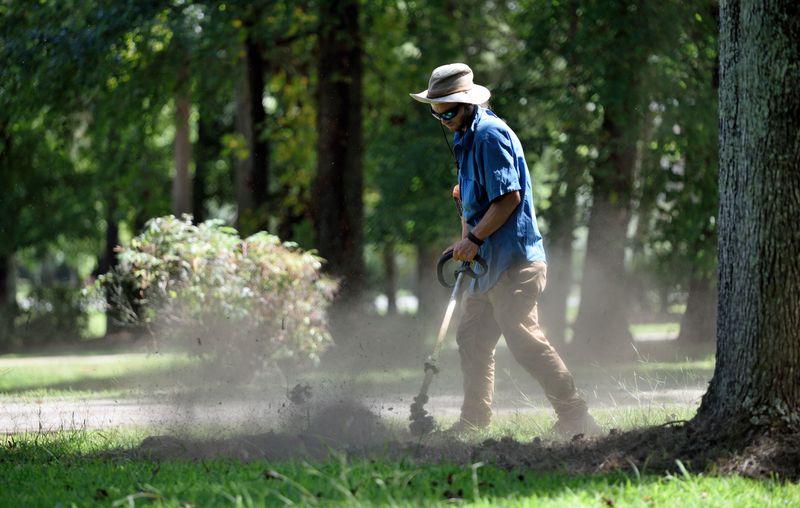
Sting-related injuries are widely reported to rise across Minnesota as September begins. The reason is partly us.
September is chore season. Leaf raking, hedge trimming, gutter cleaning, firewood stacking, garden cleanup, and last mows all happen in the same few weeks that colonies are at their touchiest.
Vibration is the main trigger. String trimmers, blowers, ladders against soffits, and mower decks all send shock waves that hidden colonies read as a threat.
Clothing and scent play a role as well. Bright floral prints, fruity shampoos, sweet body spray, and sugary drink residue on a shirt all read as flowers or food.
Dress for the work in light-colored long sleeves, closed shoes, and gloves. Skip the perfume and the sports drink stains before heading outside.
Do a slow walk-around first. Watch for insect traffic at ground holes, under deck boards, inside downspouts, in stacked planters, and along the bottom of thick shrubs.
Tackle the riskiest jobs early in the morning when temperatures sit in the fifties. Keep a clear path back to the house so you can retreat without tripping over a hose.
If a colony does come at you, walk briskly away in a straight line rather than swatting or standing still. Head indoors or into a vehicle and stay there a few minutes.
Anyone with a known sting allergy should carry prescribed epinephrine during yard work and let a family member know where they are working.