A Popular New Jersey Landscaping Shrub Is Quietly Taking Over The Forest Floor Beneath It
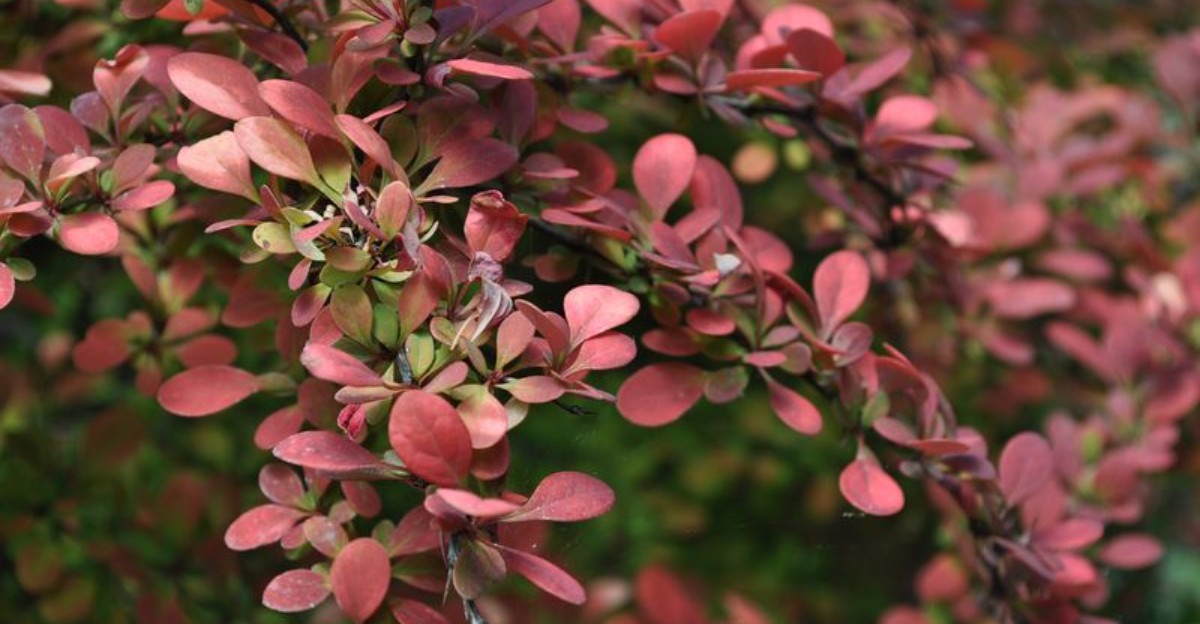
Something red catches your eye where the forest floor should stay bare and quiet. That color is not an accident, and it is certainly not native here. This shrub crept out of New Jersey gardens decades ago and kept slowly spreading.
Birds carried its berries far past the yard you might easily recognize. Soon those thorny stands crowded out ferns and spring wildflowers you once loved. Underneath its leaves, the ground stays damp and sheltered longer than you would ever expect.
Ticks thrive in that hidden humidity, closer to you than you might think. Infected tick numbers climb hardest where these thickets take root.
Foresters across New Jersey now flag this shrub as a species worth monitoring closely. Homeowners planted it for color, unaware of what would soon follow.
Your own property might already hold the seeds of this silent spread. You’ll see how far this plant has already traveled.
The Thorny Truth Behind The Red Leaves
Nurseries fell for this shrub more than a century ago, and gardeners have been planting it ever since.
Japanese barberry was introduced to the United States in the mid-to-late 1800s, arriving through arboretum plantings as a proposed replacement for common barberry.
Common barberry had fallen out of favor because it hosted a wheat disease called black stem rust. The Japanese version seemed harmless, thorny enough to discourage foot traffic, and it shrugged off deer browsing.
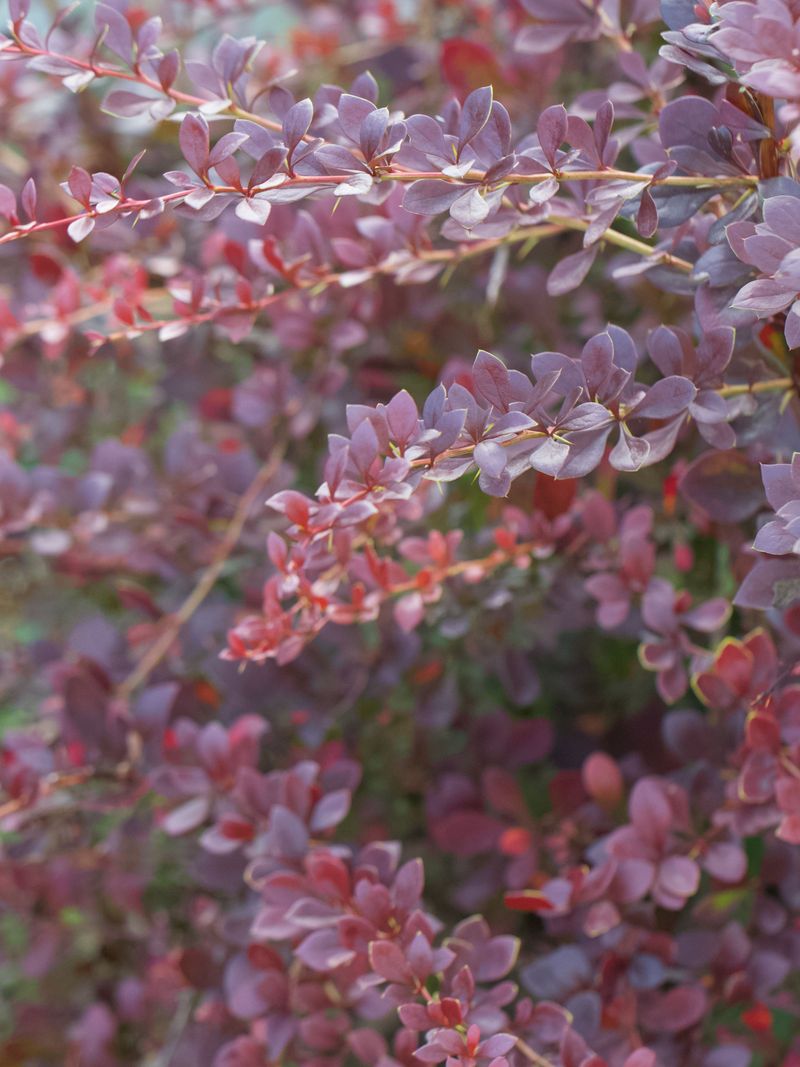
You know it even if you do not know the name. Think of those knee-high mounds of burgundy or lime-green leaves tucked along foundations, parking lot islands, and school walkways across New Jersey.
Look closer and the details stand out. Small oval leaves grow in tight clusters along arching stems, each cluster guarded by a single sharp spine, and the inner bark flashes bright yellow when you scratch it.
In October the shrub turns into a traffic light of orange and scarlet, then hangs onto those colors into November. Oval red berries dangle underneath like tiny beads, and they stay put through winter storms.
Some garden centers outside New Jersey still sell dozens of cultivars, from Crimson Pygmy to Rose Glow.
New Jersey conservation groups list the species among the state’s problem invaders, and some growers have shifted toward sterile selections, but older landscape plantings remain scattered across the state.
That mix of toughness, beauty, and staying power is exactly what makes the story beneath it so interesting. Gardeners rarely notice the trouble, because it begins out of sight.
Berries, Birds, And A Free Ride Into The Woods
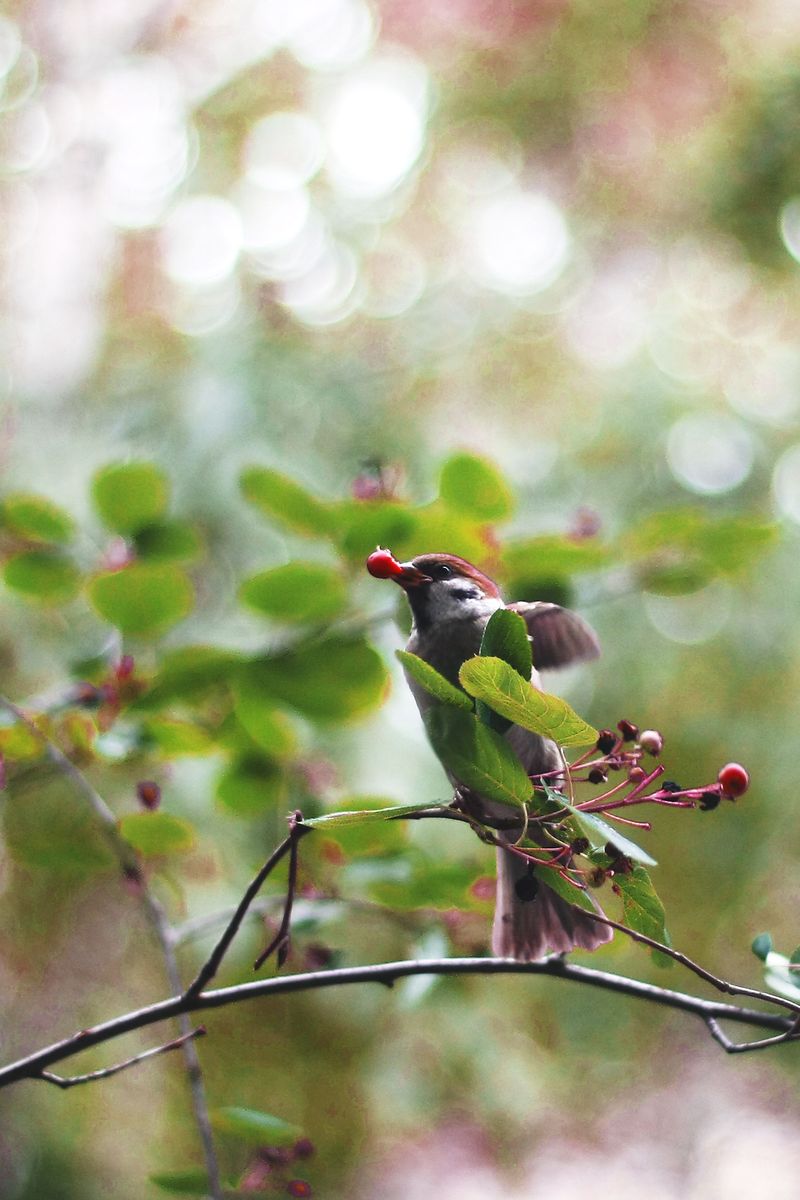
A single mature shrub can hold onto a large number of red berries through the cold months, which makes it a convenience store for hungry wildlife. Robins, catbirds, turkeys, and white-footed mice all take a share when other food runs thin in late winter.
Seeds pass through a bird’s gut unharmed and land wherever that bird perches. A hedge trimmed neatly in a Morris County yard can seed a woodlot half a mile away without anyone connecting the dots.
Germination is generous. Research in the Northeast has found that barberry seeds germinate at notably high rates, and seedlings tolerate deep shade that stalls many other young plants.
Birds also drop them along stone walls, fence lines, and trail edges. Deer give the thorny stems a wide berth, which hands barberry a head start. In forests where deer browse oak, maple, and trillium down to nubs, the spiny newcomer keeps growing untouched.
Spread does not stop with seed. Low branches that touch soil can root where they lie, a trick called layering, and pieces of yellow root left behind after a sloppy pull can push out fresh shoots.
Autumn is when all of this becomes visible. Once oaks and beeches drop their leaves, sunlight reaches the understory and the barberry’s red foliage lights up like scattered embers across the slope.
Take a walk along a suburban greenway this November and count the patches. The ones farthest from houses usually started with a bird, a berry, and a fencepost perch.
Leafing Out First, Holding On Last
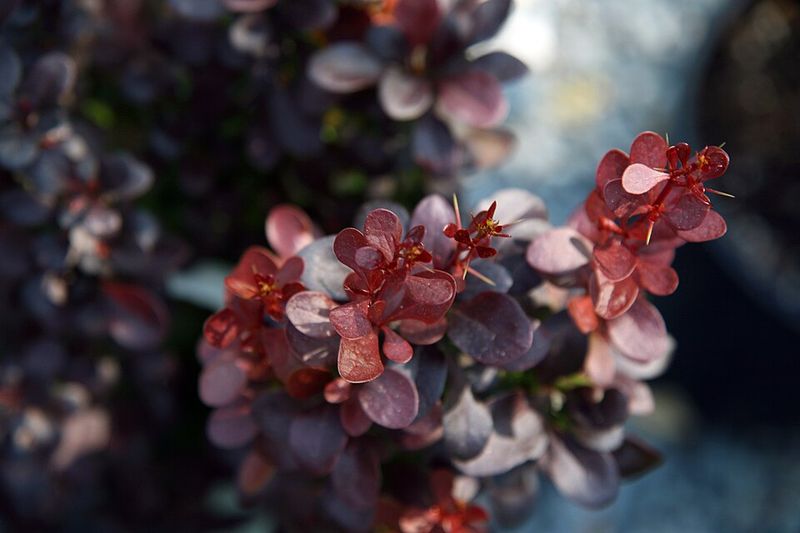
Timing beats brute strength in the understory, and this shrub has the best calendar in the woods. Leaves unfurl in late March or early April, weeks ahead of the oaks, maples, and hickories overhead.
That early start lets it soak up sunlight during the bright window when the canopy is still bare. Spring wildflowers such as trout lily, mayapple, and spring beauty depend on the same window, and they end up sharing it with a dense green wall.
Autumn stretches the advantage further. While native shrubs shut down and drop their leaves in October, barberry keeps photosynthesizing well past Halloween, sometimes holding color into early December.
Add both ends together and it gains several extra weeks of sunlight each year compared with many neighbors. Over a decade that surplus can turn a single seedling into a dense thicket that’s difficult to walk through.
Shade is the follow-up punch. A mature patch casts steady gloom just above the soil, and tree seedlings that need flecks of light struggle to get their second set of leaves.
Walk a Sourland or Watchung slope in November and the pattern jumps out. Brown leaf litter underfoot, then bright green and red islands that look strangely out of season.
Homeowners can use that same calendar in their favor. Late fall is one of the easiest times to spot and mark patches, since the shrub is one of the few things still wearing leaves. Flag them now and you will find them fast in spring.
Soil Chemistry Gets A Quiet Makeover
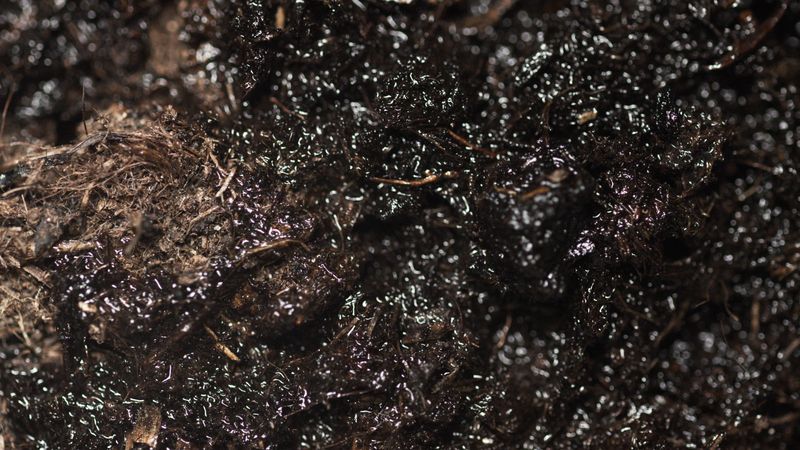
Here is the part that surprises people: the biggest changes happen where you cannot see them. Barberry leaves are thin and rich in nitrogen, so they break down quickly instead of building a thick, spongy litter layer.
Studies in northeastern forests have measured higher soil pH under barberry stands, sometimes shifting acidic woodland soil toward neutral. Nitrogen cycles faster too, which favors weedy plants that thrive on a rich diet.
Non-native earthworms, already common in many of these forests, can speed the process along. They chew through leaf litter that would otherwise protect seeds, fungi, and salamanders, leaving bare mineral soil that dries out quickly.
Moisture shifts as well. The dense canopy of a thicket traps humidity close to the ground, keeping the surface damp and cool through summer afternoons.
Many native woodland plants are picky about acidic, fungus-rich soil. Change the recipe and species like wild ginger, wood anemone, and young sugar maples find the ground less welcoming than it used to be.
The effects linger. Researchers have found altered soil conditions persisting for years after the shrubs are removed, which is why restoration crews often replant right away rather than waiting.
For homeowners with a wooded back corner, the lesson is practical. Pulling a few barberry plants early beats fixing soil chemistry later, and fall soil is usually soft enough to make the job easier.
Bag both the stems and the berries rather than composting them. Seeds tossed into a brush pile at the property line have a habit of showing up as seedlings two springs later.
A Humid Hideout That Ticks Adore
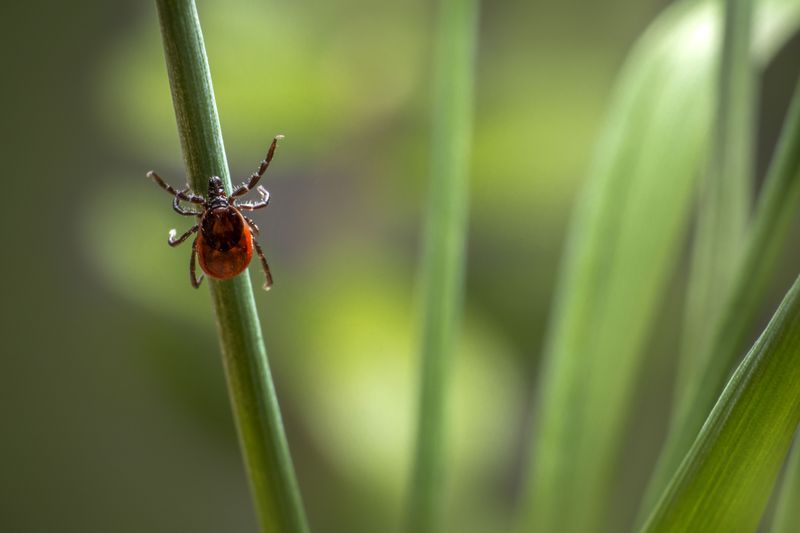
Ticks need humidity the way a fish needs a pond, and a barberry thicket delivers it. The dense, thorny canopy traps moisture near the ground, so blacklegged ticks can stay active longer instead of drying out.
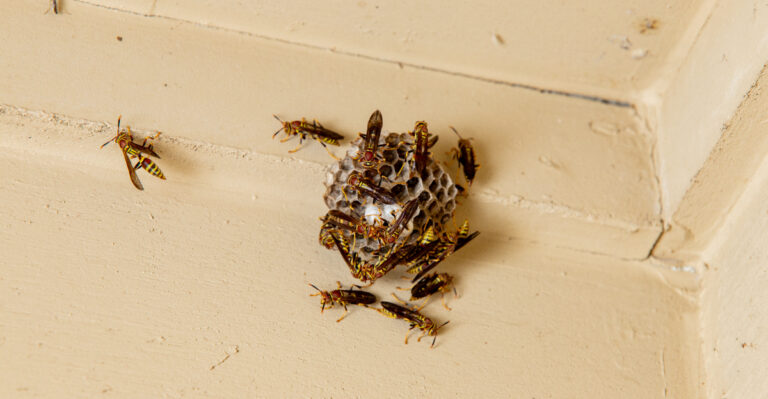
White-footed mice figure this out fast. They shelter inside the spiny tangle where foxes and hawks cannot easily follow, and mice happen to be a major source of the Lyme bacterium for young ticks.
Connecticut researchers have documented this pattern in field studies. Areas thick with barberry tend to show notably higher densities of infected ticks than areas where the shrub has been thinned or removed.
New Jersey is regularly among the states with the highest reported Lyme disease numbers, so the connection hits close to home.
Counties like Hunterdon, Sussex, Warren, and Monmouth offer plenty of woodland edge where these thickets tend to settle in.
November is not a break from ticks either. Adult blacklegged ticks are active in fall and on any winter day above freezing, and they climb grass and shrub stems looking for a ride.
Practical steps help more than worry does. Wear light-colored pants tucked into socks, treat boots and gear with permethrin, and check yourself within a couple of hours of coming inside.
Tossing clothes in a hot dryer for ten minutes handles hitchhikers you missed. Thinning barberry near trails, play areas, and stone walls makes a measurable difference.
Open the canopy, let sunlight dry the ground, and the habitat becomes far less comfortable for ticks and mice alike. Even a partial cleanup shifts the odds.
Native Wildflowers And Tree Seedlings Lose Ground
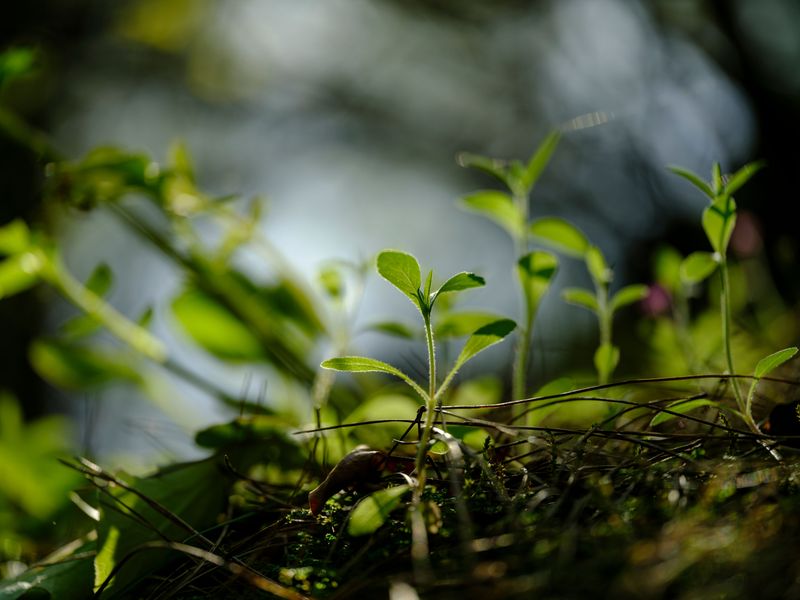
Picture a spring woodland the way it used to look: mayapple umbrellas, nodding trillium, and a scatter of oak seedlings pushing up through last year’s leaves. Now picture a thorny hedge filling that same space, shoulder to shoulder, for fifty feet in each direction.
Surveys in the Northeast have recorded fewer native plant species inside barberry thickets than in nearby open understory. Seedlings of oak, hickory, and sugar maple show up in smaller numbers, which shapes what the forest canopy looks like in fifty years.
Deer make the squeeze tighter. Since they skip the thorny stems and browse the tender natives instead, the balance tips a little further each season.
Ground-nesting birds such as ovenbirds and towhees also lose the open leaf litter they prefer for foraging and nesting. Salamanders and native bees feel the change in soil moisture and flower supply too.
The loss is gradual, which is part of why it goes unnoticed. A patch expands a few feet a year, and the woods simply look a bit greener and denser than they did before.
Good news: recovery is possible. Studies suggest that sites cleared of barberry can see wildflowers and tree seedlings return within a few growing seasons, especially when deer pressure is managed at the same time.
Snap a photo of your woodland corner this November. Comparing it with a picture taken three years from now tells you more than any guesswork.