Tiny Umbrellas Are Popping Up In New Jersey Yards, And Here’s What They Really Are
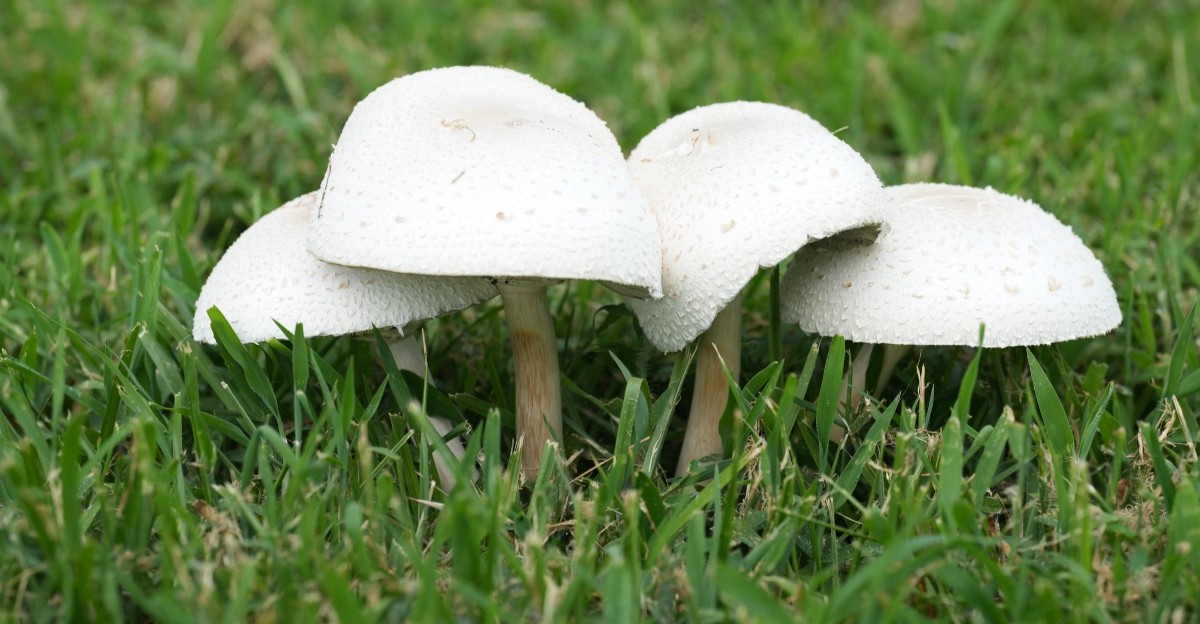
Some of the biggest living things in your yard weigh less than a feather where you can see them. The rest stays hidden underground, sometimes spread wider than your whole lawn.
I walked out one damp morning into my New Jersey backyard and found dozens of little caps standing in the grass.
They were not there at dinnertime. A few looked like cocktail parasols, and one cluster circled the stump of an old maple like guests at a picnic.
You might notice them after a soaking rain, especially when nights turn cool and lawns stay wet.
They pop up near buried roots, under shade trees, and in spots you rarely think about. Neighbors across New Jersey post photos and ask the same question online.
Turns out the answer has been sitting under our feet for years. What are these tiny umbrellas, and should you mow them, watch them, or leave them alone?
Those Little Lawn Umbrellas Have A Hidden Root System Below
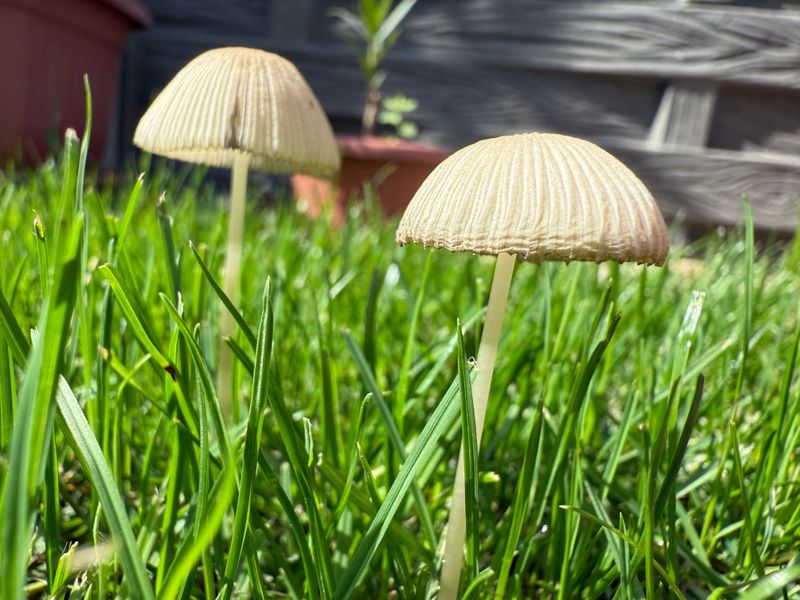
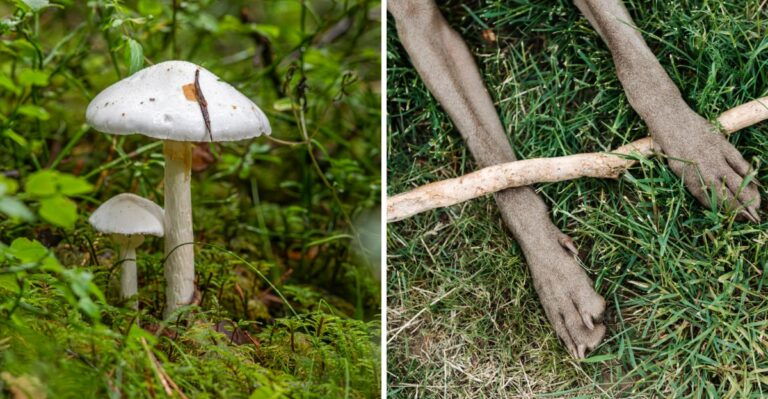
Mystery solved, at least the first part. Those tiny umbrellas are mushrooms, and they are the fruiting bodies of fungi living quietly in your soil.
The real organism is a web of thin, threadlike strands called mycelium. It spreads through soil, buried wood, and old roots, often for years before anyone notices.
When conditions line up, the fungus sends mushrooms above ground to release spores, much like an apple tree produces apples.
Speed is the surprising part. The mycelium is already in place, so a mushroom can expand from a tiny bump to a full cap in a day or two. Many caps swell mostly by soaking up water, which explains the overnight appearances.
Rutgers Cooperative Extension and other university experts point to moisture as the main trigger. A few rainy days, cooler nights, and lawns that stay damp give fungi exactly what they want.
Late summer and fall are classic seasons in the Garden State for this reason. So nobody is playing pranks on your lawn. You are simply seeing a short, visible chapter of a much longer underground story.
Once the soil dries out, most caps shrivel and disappear within days, while the hidden network keeps working below.
Mushrooms Popping Up Usually Mean Your Soil Is Busy And Healthy
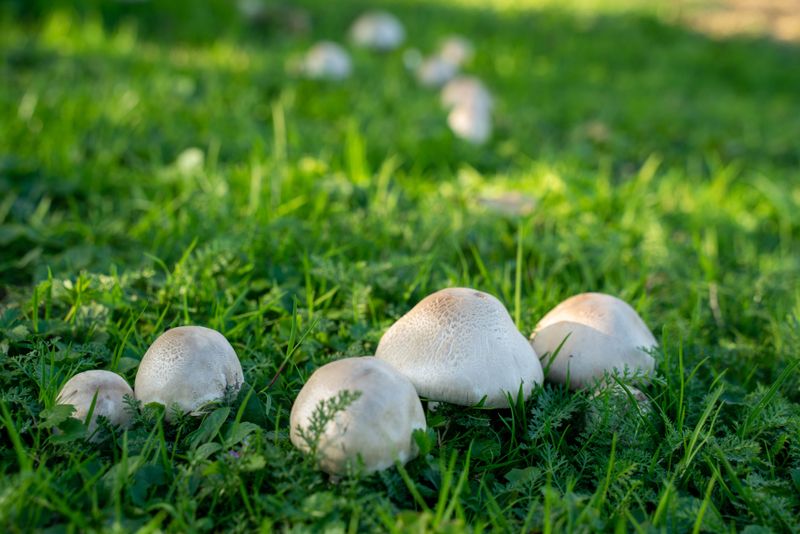
Honestly, my first reaction was worry. Then I learned that most lawn mushrooms are a sign of soil doing its job.
Fungi are nature’s recyclers. They break down old roots, buried branches, wood chips, thatch, and fallen leaves.
As they feed, they release nutrients like nitrogen back into the soil, where grass and garden plants can use them.
Many fungi also team up with trees. These partners, called mycorrhizal fungi, wrap around tree roots and help them pull in water and minerals.
In return, the tree shares sugars. Some mushrooms you spot near oaks, pines, or birches come from these friendly partnerships.
Common lawn mushrooms rarely harm healthy turf. They are not a disease of the grass itself, and they usually leave as fast as they arrived. A yard with no fungal life would actually be a poorer place for plants.
Here is a fun bit of trivia. One honey mushroom network in Oregon covers more than 2,000 acres, making it one of the largest known living things on Earth.
So before you grab a rake in a panic, take a breath. Those caps often point to rich, active soil packed with helpful life.
Kids And Dogs Should Stay Away From Wild Yard Mushrooms
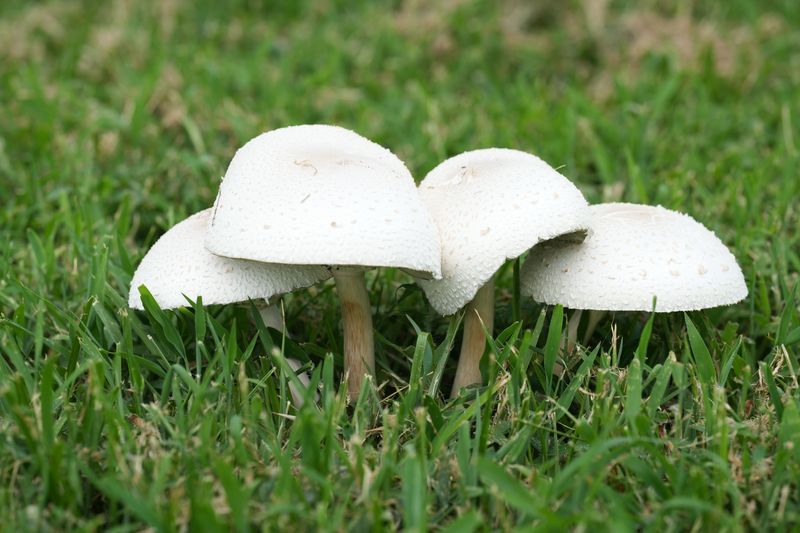
Safety comes before curiosity with this topic. Some yard mushrooms are harmless, but others can make people and pets seriously sick.
The green-spored parasol, also called the false parasol, is one of the most common lawn mushrooms in the eastern United States. It looks like a big white umbrella and often grows in rings.
It causes more mushroom poisonings in North America than nearly any other species, usually with severe stomach upset.
Even more dangerous are certain Amanita mushrooms, which can grow near trees in New Jersey. They can look plain and innocent, which is exactly the problem.
My rule is simple. Nobody eats a yard mushroom, ever, unless a trained expert identifies it in person. Photos and apps can be wrong.
Teach young kids that mushrooms are for looking, not tasting. Watch dogs closely, since many love sniffing and nibbling anything new. Picking caps off before playtime is an easy habit.
If a child eats a mushroom, call Poison Control at 1-800-222-1222 right away. For pets, call your veterinarian or the ASPCA Animal Poison Control Center. Save a sample in a paper bag, since it helps with identification.
A Ring Of Mushrooms In The Grass Has Its Own Story
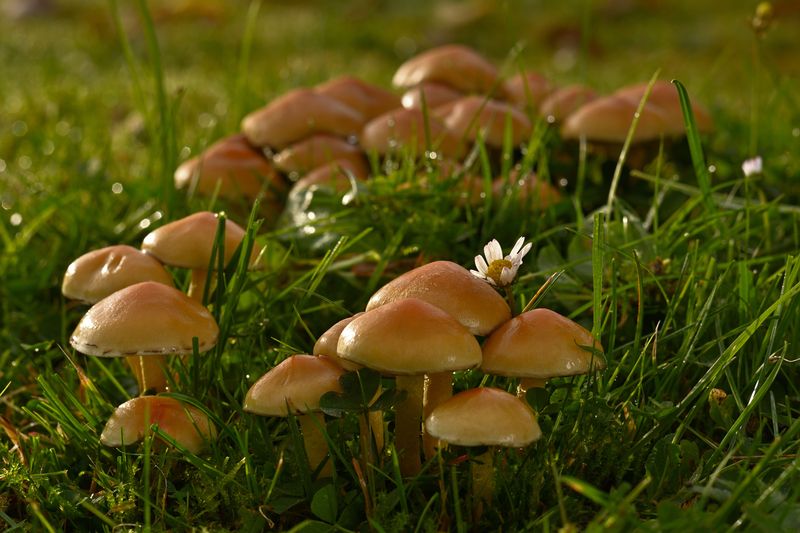
Folklore says fairies danced here at midnight. Science offers a different but equally cool explanation for mushroom circles in the lawn.
These are called fairy rings. The fungus starts at one point and grows outward in every direction, like ripples in a pond.
Mushrooms pop up along the outer edge, where the youngest and most active mycelium is feeding.
You might notice three zones. Sometimes there is a band of extra-green grass, where the fungus releases nitrogen.
Inside, a ring of thin or brown grass can appear because dense fungal threads make soil repel water. Then comes the mushroom circle.
Some rings grow just a few inches each year. Old ones can stretch dozens of feet across and may be decades old, quietly widening season after season.
For lawn care, Penn State and Rutgers experts suggest a few steps. Aerate the ring to break up water-repelling soil, then water deeply.
A wetting agent can help moisture soak in. Light nitrogen fertilizer can also blend the green band with the rest of your lawn. Full removal is tough and rarely worth it. I have started treating mine like a tiny landmark.
Wet Weather And Buried Wood Feed Those Pop-Up Caps
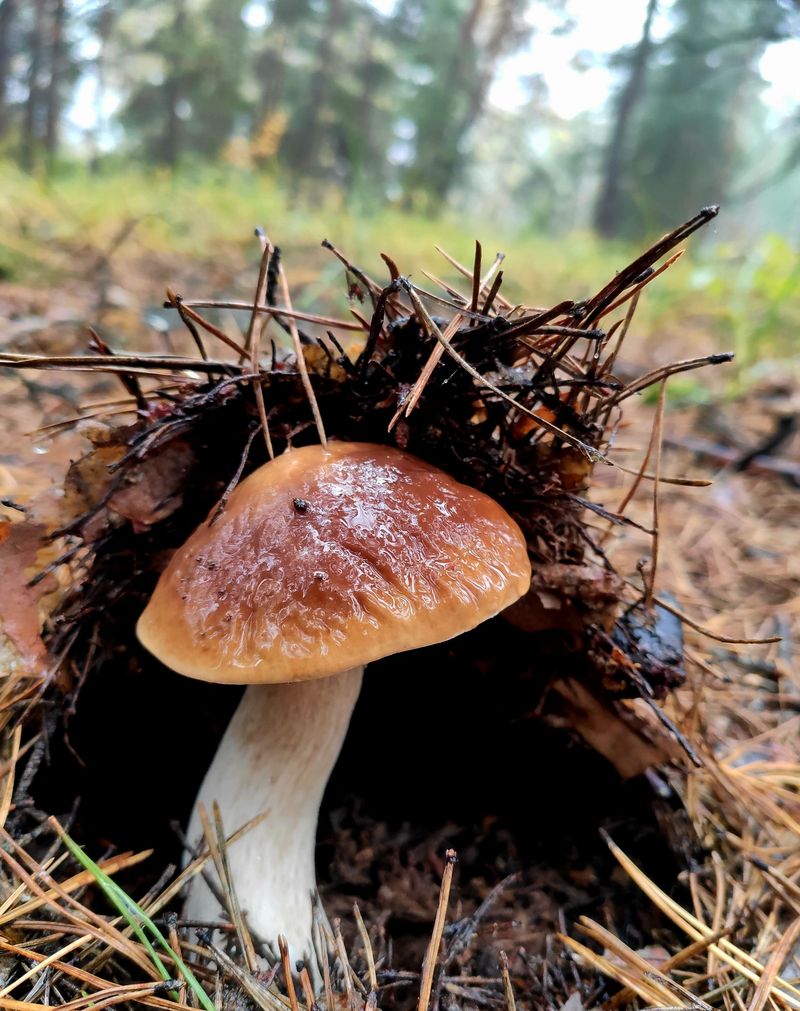
Ever wonder why one corner of your yard gets mushrooms while another stays bare? The answer usually comes down to food and water.
Fungi need organic matter to eat. Old tree roots left after a removal, buried lumber from construction, thick thatch, and decomposing mulch all make tasty meals. A stump ground down years ago can still feed fungi below the surface.
Water is the other key. Mushrooms need steady moisture to form, so shady spots, low areas, and poorly drained soil grow them best.
Heavy clay, common across parts of northern and central New Jersey, can hold water and keep things soggy.
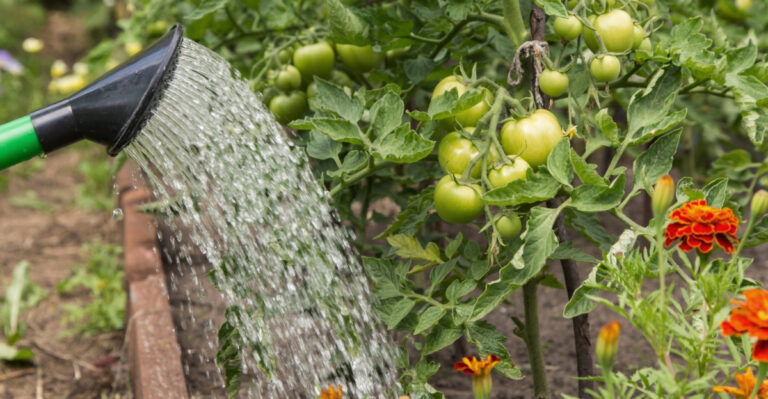
Watering habits matter too. Daily short sprinkles keep the top layer damp, which suits fungi nicely. Evening watering also leaves grass wet all night.
Weather plays a big role. A rainy stretch after summer heat often brings a flush of mushrooms across many lawns at once. That is why it can feel like the whole neighborhood got invaded overnight.
Spotting the pattern in your yard helps. Notice where caps appear most, and you will probably find buried wood, deep shade, or a spot that stays wet.
Simple Lawn Habits Can Cut Down On Mushroom Crops
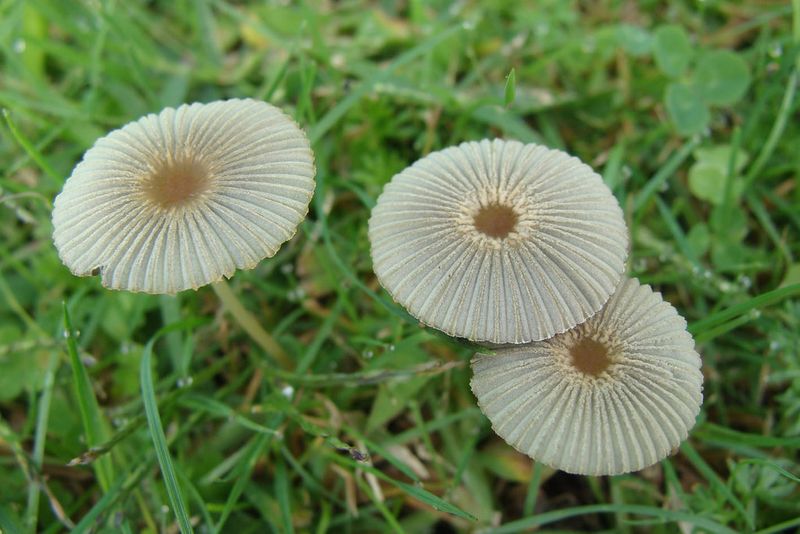
Quick fix first. Pluck the mushrooms by hand with gloves, then toss them in the trash. That removes the caps and their spores, though the fungus underground stays put.
For longer results, change the conditions fungi love. Water deeply but less often, about one inch per week including rain, and do it in early morning. Grass dries during the day, and the surface stays less inviting.
Core aeration helps heavy soil drain and breathes air into compacted spots. In New Jersey, early fall is a great time to aerate cool-season lawns like tall fescue and Kentucky bluegrass.
Dethatching thick layers removes another food source. Shade is a big factor. Thinning low tree branches lets more sunlight and air reach the grass. Raking leaves and picking up pet waste and clippings piles also limits fungal snacks.
Skip fungicides for lawn mushrooms. University experts note they rarely work because the fungus lives deep in soil and organic matter.
They cost money and add chemicals without solving much. Patience works too. Once drier, cooler weather settles in, most mushrooms fade away by themselves.
Your Backyard Mushroom Patch Is A Free Nature Lesson
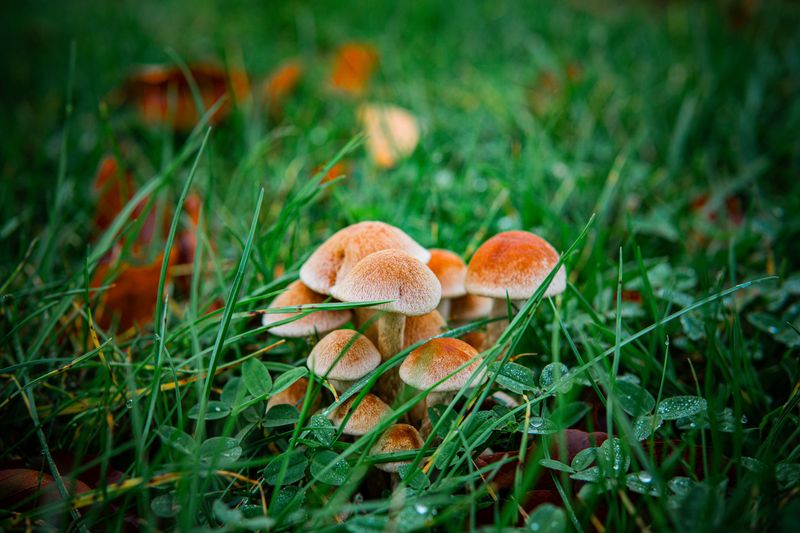
Grab a magnifying glass instead of a mower once in a while. Those caps hold a surprising amount of wonder.
Look under a mushroom and you may see gills, pores, or tiny teeth. Each type releases spores in a different way. A single mushroom can drop millions of spores, carried off by wind, rain, and even insects.
Try a spore print with an adult wearing gloves. Set a cap gills-down on white and black paper, cover it with a bowl overnight, and check the pattern in the morning. Colors like white, brown, pink, or green help experts identify species.
Snap photos and note dates, weather, and nearby trees. Over a season, you will see which fungi return after each rain.
The New Jersey Mycological Association runs walks and events where members help people learn identification safely.
Treat every yard mushroom with respect, and wash hands after handling any. Learning names is fun, but eating them stays off the table.
Next time tiny umbrellas appear after a storm, enjoy the show. They mean your yard is alive, recycling, and full of quiet work happening underground.