A Soft Step Through Minnesota’s Quiet Deer Country
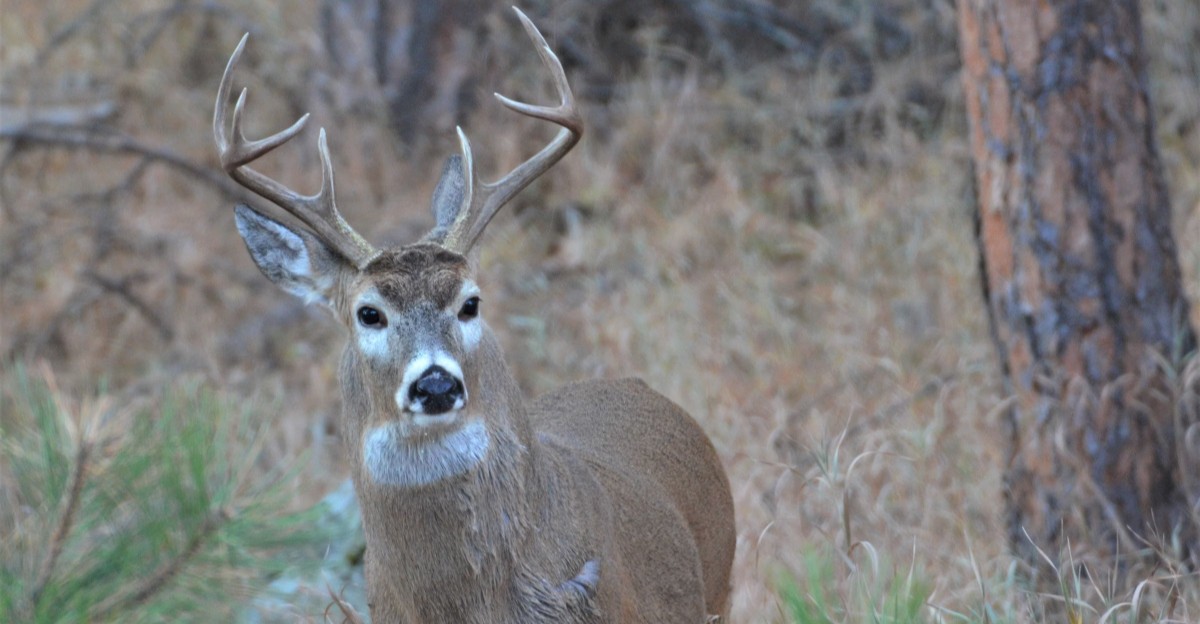
Early this Saturday morning, the Minnesota woods will fill with frost, quiet, and the soft footsteps of white-tailed deer.
I grew up thinking the first weekend of November was a holiday, a time to head out early and enjoy the quiet woods.
Cafes opened early, thermoses were filled, and families headed out to enjoy the frosty morning.
You might notice the quiet first. Then come the thermos lids, the crunch of frozen oak leaves, and a sky turning pink over the cattails. Somewhere a chickadee scolds everyone for being up so early.
I never get tired of that hush, and deer are one of the gentlest reasons to listen for it. Let’s take a gentle walk across Minnesota to see where they live.
Welcome to Deer Country
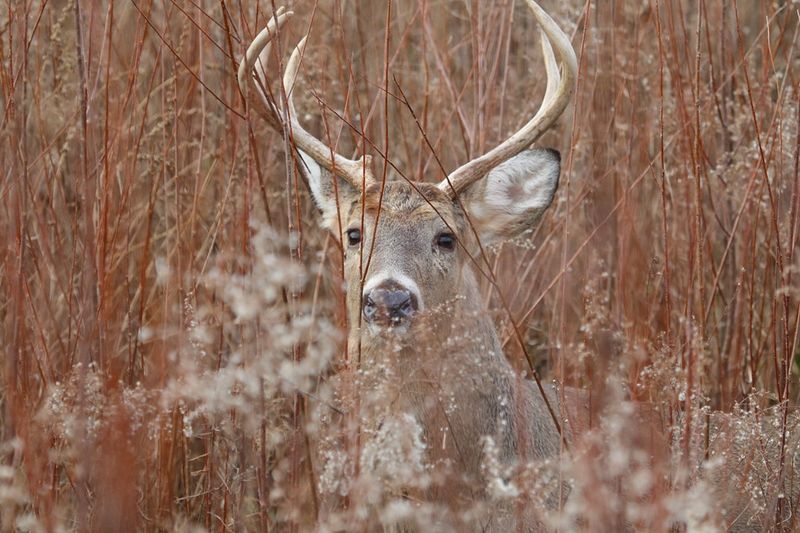
Minnesota is known as the Land of 10,000 Lakes, but it is also a wonderful place to meet a white-tailed deer.
These graceful animals live in nearly every corner of the state, from the spruce and pine forests near the Canadian border to the farm fields and river valleys of the south.
Few wild neighbors are as widely loved or as easy to appreciate. Part of what makes Minnesota so welcoming to deer is its variety. The state blends forest, prairie, wetland, and bluff, and deer make good use of each one.
A deer likes a mix of cover and open space, with shady trees for resting and sunny edges for nibbling. Where those two meet, you often find a deer family going about its day.
This tour takes a gentle walk across the state, one landscape at a time. You will visit cedar swamps, lakeshore trails, maple woods, prairie edges, river valleys, and even a few quiet neighborhoods.
Along the way you will learn how deer adapt to each place and how you can enjoy them with care. Bring curiosity, comfy boots, and a soft step.
The best way to see deer is to move slowly, speak quietly, and let the landscape welcome you.
The North Woods and Cedar Shelter
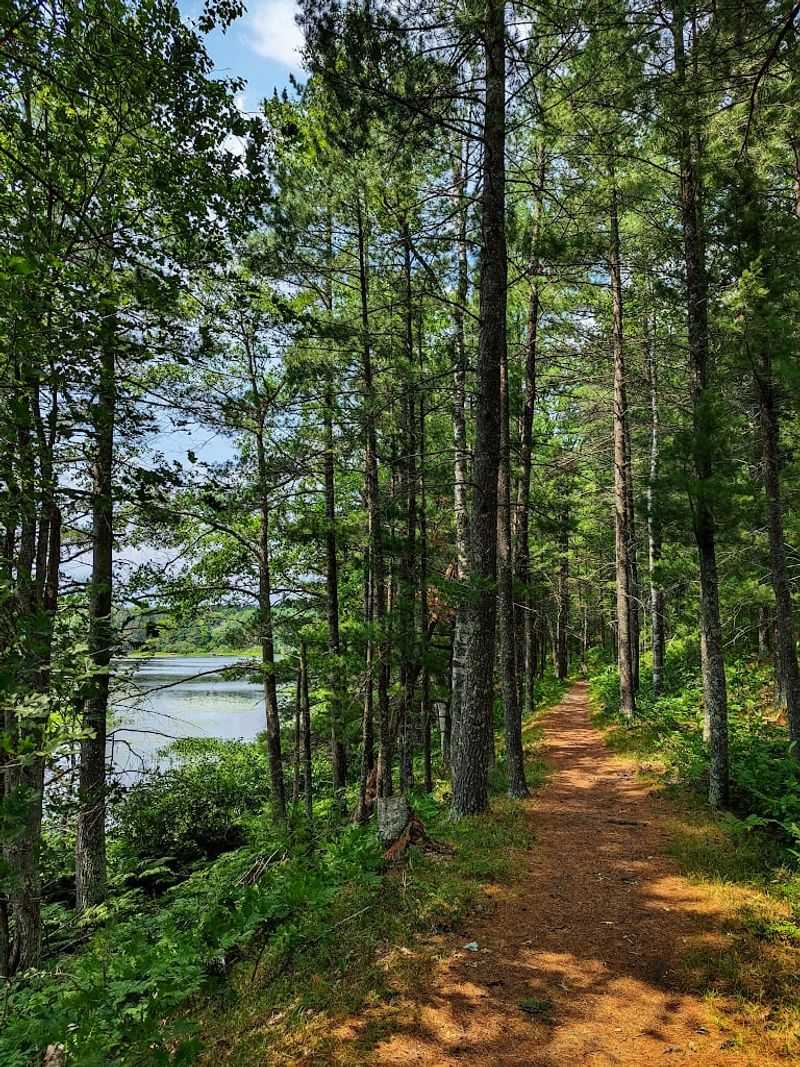
Northern Minnesota is a land of tall pines, spruce, birch, and sparkling lakes. Winters here are long and snowy, so deer in this region have developed some clever habits.
When the snow deepens, they often gather in sheltered places where evergreen branches soften the wind and catch some of the snowfall.
Northern white cedar swamps are especially cozy for deer. The thick branches create a warm, protected space, and the cedar itself provides food during the cold months.
Deer can travel along the same trails, packing down the snow so that each step is easier for everyone in the group. Family members share the path and look out for one another.
Summer in the North Woods is a different story. Loons call across the lakes, ferns unfurl along the forest floor, and deer wander through the green wherever there is something tasty to nibble.
Fawns hide in the tall grass and ferns while their mothers feed nearby. If you visit the north, try a quiet morning walk on a public trail or a peaceful paddle along a lake. You might spot a deer drinking at the water’s edge as mist rises over the surface.
Along the North Shore
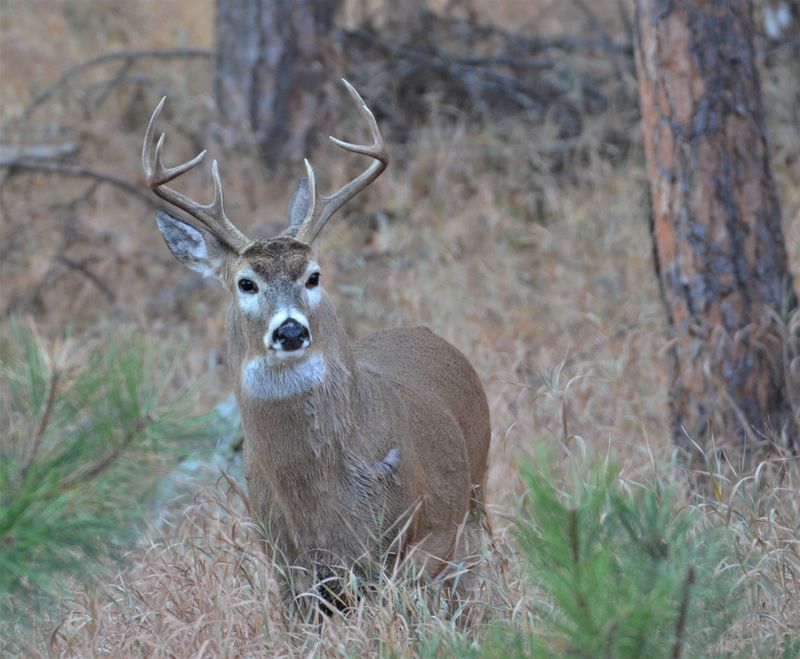
Lake Superior’s North Shore is one of the most beautiful places in the Midwest. Rocky cliffs, rushing rivers, and forested hills tumble down to the great blue lake.
It is a place where the scenery changes with every curve of the road, and deer are part of its quiet charm.
The shoreline forests are a mix of birch, aspen, spruce, and balsam fir. Deer move through these woods and along trails, finding food among the shrubs and young trees.
In autumn, golden leaves glow against the dark evergreens and the blue of the lake, which makes a lovely frame for a deer standing at the edge of a clearing.
Lake Superior also shapes the weather. Breezes off the water can cool summer days and soften the cold in other seasons, so the shore has its own gentle climate.
Fog sometimes drifts through the trees, and the whole forest looks like a watercolor painting.
Many state parks along the North Shore offer well-marked trails, overlooks, and waterfalls. Visit in the early morning or near sunset for the best chance of seeing wildlife.
Stay on the trail, keep a respectful distance, and let the deer enjoy their view of the lake too.
The Big Woods and Hardwood Forests
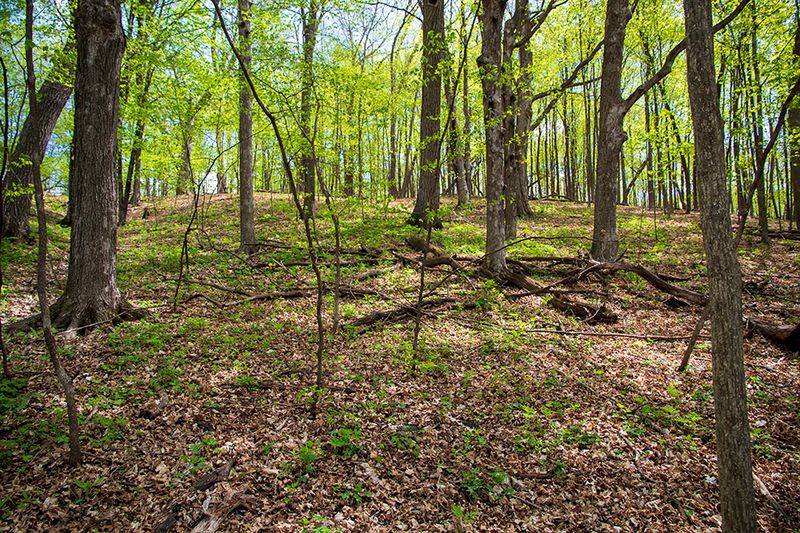
Long ago, a large forest of maple, basswood, elm, and oak stretched across south-central Minnesota. People call it the Big Woods, and pieces of it still survive in parks and preserves.
These hardwood forests are wonderful places for deer, because they offer shade, hiding places, and a generous supply of acorns and other nuts in autumn. Walking through a hardwood forest in fall feels like stepping into a painting.
Maple leaves turn bright red and orange, oak leaves glow rusty brown, and the ground becomes a soft carpet that crunches with each step. Deer move quietly across it, pausing now and then to listen.
Spring is just as lovely. Before the trees leaf out, sunlight reaches the forest floor, and wildflowers like trilliums spread across the ground in delicate white drifts.
Forests do best when there is a healthy balance between the plants and the animals that nibble them, so land managers pay close attention to deer numbers to keep wildflowers and young trees thriving.
A walk in a Big Woods park is a lovely way to enjoy this landscape. Go slowly, look for fresh tracks in the soft soil, and notice how deer use the shady paths.
Prairie Edges and Farm Country
Much of southern and western Minnesota was once open prairie, with grasses that swayed like ocean waves and wildflowers in every color.
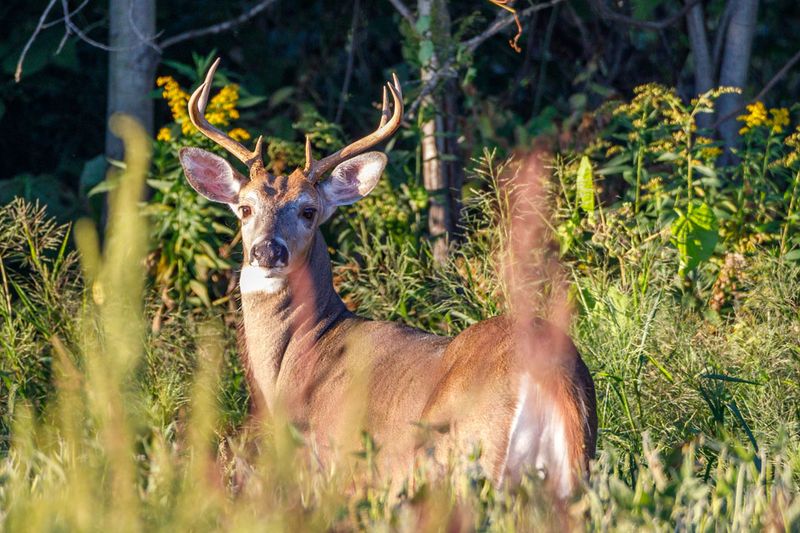
Today, small pieces of prairie remain in parks and preserves, and they are some of the most peaceful places in the state. Deer often visit the edges of these grasslands, where open space meets shelter.
In farm country, deer make use of whatever cover they can find. Tree lines, creek corridors, wetlands, and patches of woods all become little havens.
At dawn and dusk, you may see a small group stepping out into a field to graze, with their breath showing in the cool air.
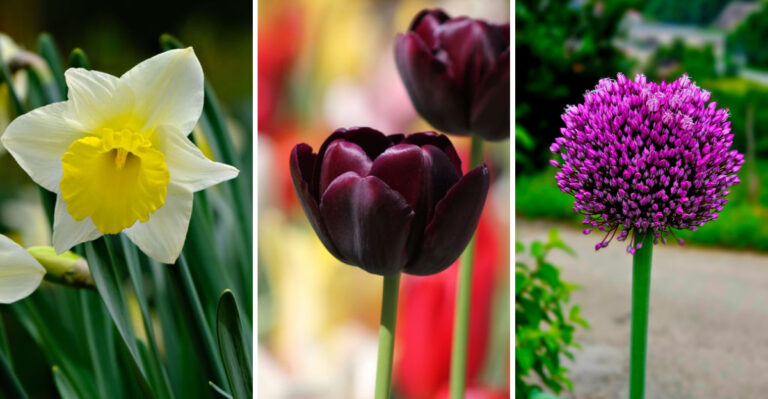
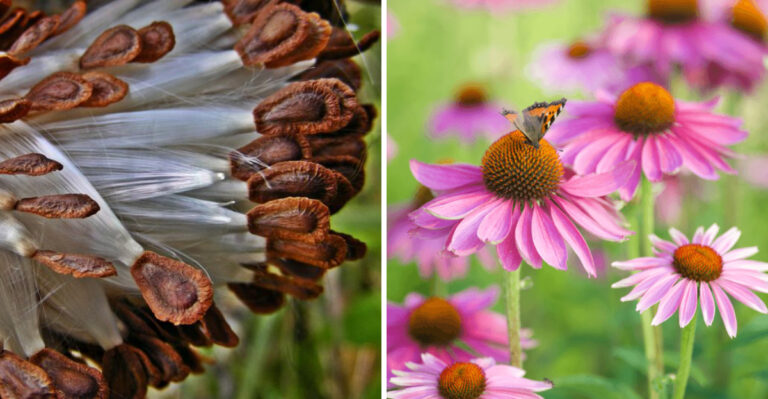
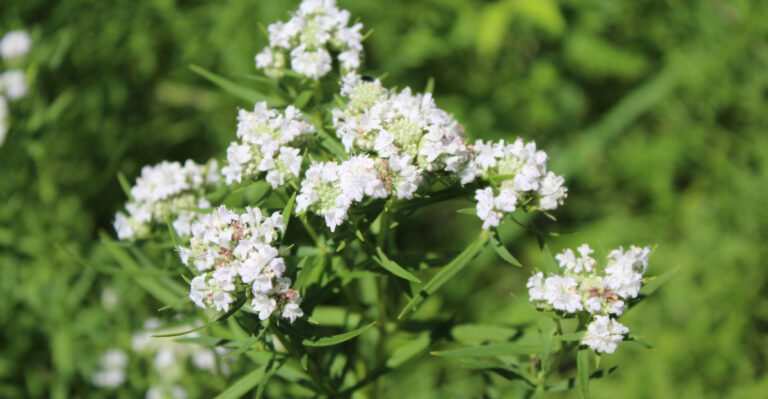
Prairie plants like wild bergamot, butterfly weed, and prairie smoke are lovely to look at and wonderful for pollinators. Deer often skip some of these plants, which makes them excellent choices for gardeners who want a colorful yard that deer will happily pass by.
If you visit a prairie, go in the soft light of early morning. Dew sparkles on the grass, meadowlarks sing, and the horizon seems endless.
Stay on the paths, keep a calm pace, and enjoy the wide-open sky that makes this landscape so special.
Bluff Country in the Southeast
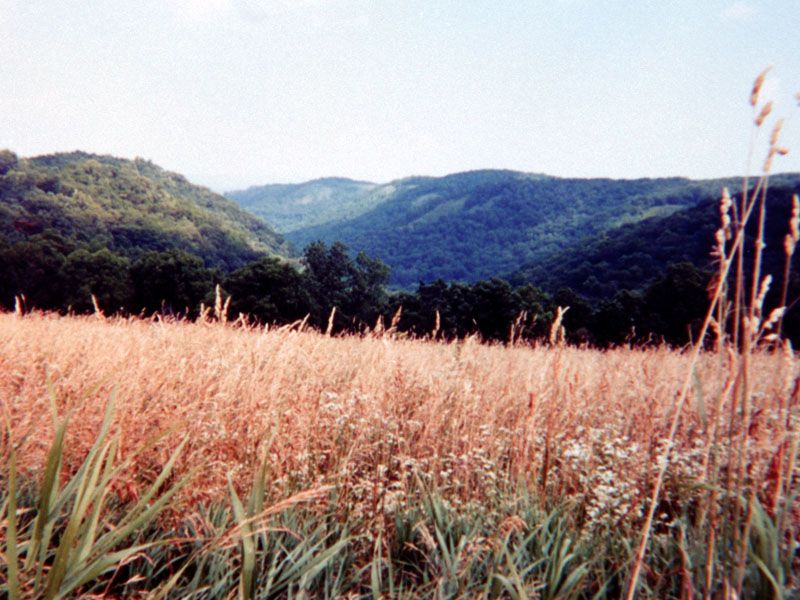
The southeastern corner of Minnesota looks different from the rest of the state. Here, rivers have carved deep valleys, and steep, wooded bluffs rise above clear streams.
People call this region bluff country, and it is a favorite for hikers, bikers, and anyone who loves a good view.
Deer thrive in these rolling hills. The slopes are covered in oak, hickory, and other hardwoods, and the valleys hold meadows, farm fields, and quiet creeks.
Deer move between these habitats, resting in the shade of the hillsides and feeding in the open areas below. On a crisp autumn morning, the colors on the bluffs are breathtaking.
The hills create wonderful chances for wildlife watching. From a high overlook, you can look down across a valley and notice movement in a meadow far below.
A pair of binoculars turns the landscape into a living picture book, and you may see deer grazing without ever disturbing them.
Trails here range from gentle strolls to more challenging climbs, so there is something for everyone. Wear sturdy shoes, bring water, and check the local park information before you go. A slow walk through bluff country is a gift for the eyes and the spirit.
Deer in Town and Along River Valleys
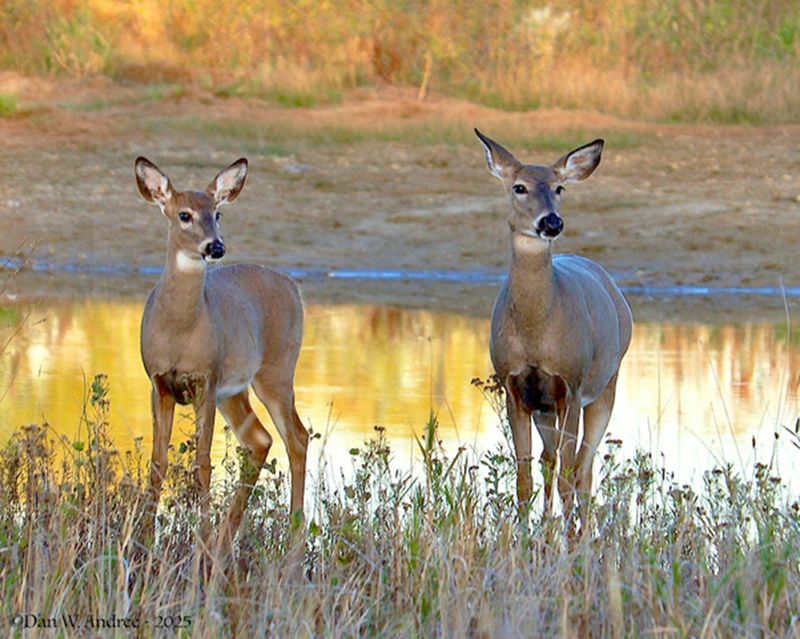
You do not have to travel far to meet a deer in Minnesota. River valleys wind through the state, including the Mississippi and the Minnesota, and these green corridors carry wildlife right up to the edges of towns and cities.
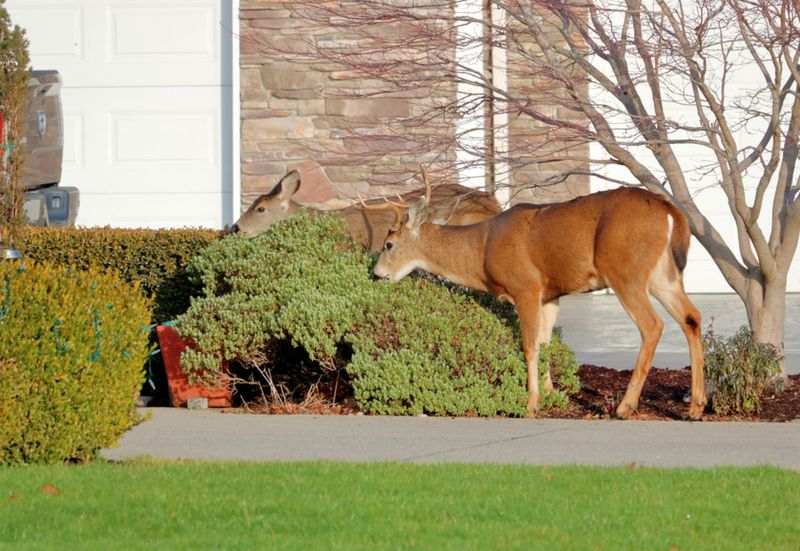
Parks, trails, and wooded neighborhoods can all become part of a deer’s daily route. Deer that live near people often become comfortable with quiet surroundings, and you may see one grazing on a lawn at dusk or crossing a trail near a creek.
These sightings can be delightful, and they remind us that nature is never far away. A few simple habits make life easier for everyone. Admire deer from a distance, and keep pets leashed so wildlife can pass in peace.
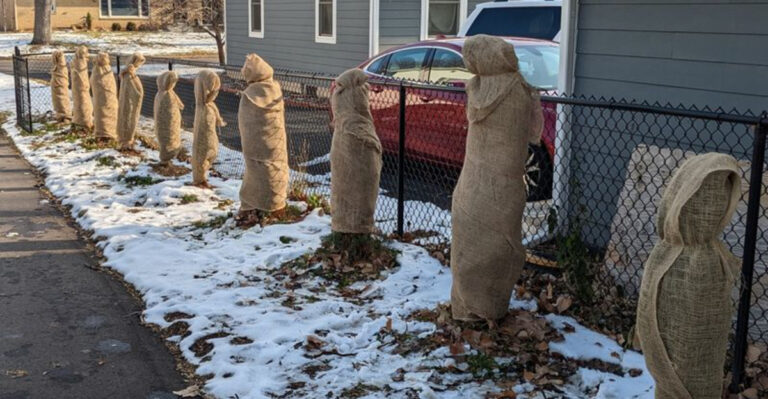
Please do not offer food, because deer are healthiest when they eat the natural plants they know. If you garden, wrap young trees and evergreens with burlap or netting, and consider plants that deer tend to skip.
Drivers can help too. Deer are most active near dawn and dusk, so slowing down on tree-lined roads during those hours is a kind and careful choice. A little attention keeps both people and deer safe and happy.
Being a Good Neighbor Across the State
From the cedar swamps of the north to the bluffs of the southeast, Minnesota offers deer a wonderful mix of homes. Each landscape tells its own story, and the deer in each place have learned to make the most of what they find.
That adaptability is part of what makes them so special. You can help keep these landscapes welcoming. Stay on marked trails so that plants and nesting birds have room to thrive.
Carry out what you carry in, and keep your voice soft so wildlife feels at ease. Check state park and DNR pages before you visit, since some areas have seasonal changes in access, and wear bright colors on autumn walks so you are easy to see.
Consider learning more about local wildlife. Nature centers, state parks, and community groups often host walks and talks that help newcomers notice more of what is around them.
A field notebook, a pair of binoculars, and a little patience open a whole new world. The next time you step outside in Minnesota, take a moment to listen.
Somewhere nearby, a deer may be listening too. Sharing the land with kindness is one of the loveliest traditions we can pass along.