Is Your Bathroom Really The Best Spot For Aloe Vera? What Virginia Plant Lovers Should Know
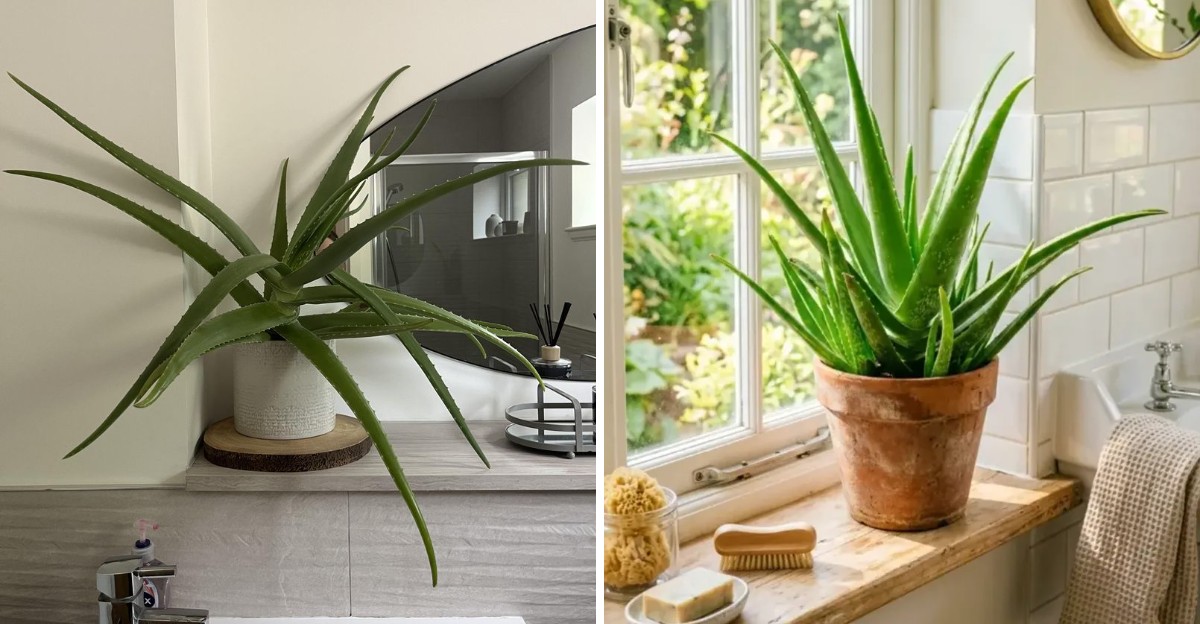
A spiky green aloe perched beside the shower looks like a tiny spa guest. Since its gel soothes skin, the bathroom seems like the perfect spot.
Plenty of Virginia plant lovers keep one next to the sink for exactly that reason. Your aloe, though, might be struggling in there.
Steam, dim light, and soggy soil can all work against this desert native. Humid summers and dry, heated winters add another layer to the puzzle.
So where does aloe truly belong? The answer might change how you see this popular plant.
Burn relief, pet safety, and free baby plants are all part of the story. You may want to hold off on that watering can for now.
Aloe Gel Soothes Minor Burns
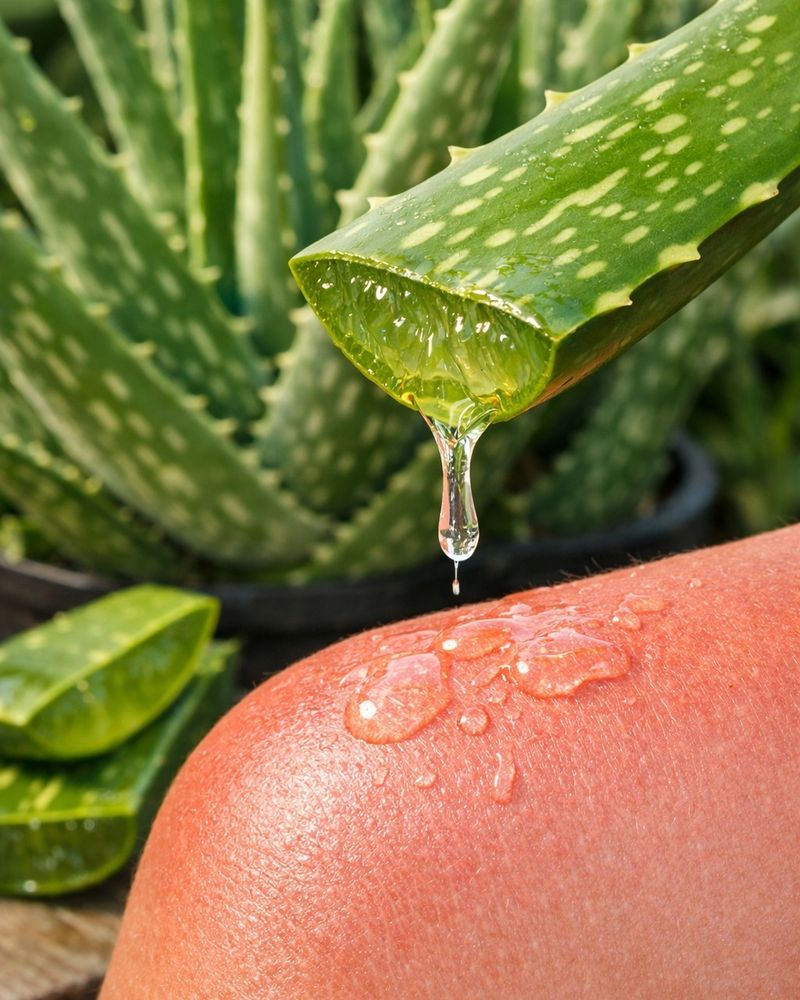
A slick of cool aloe gel on sunburned shoulders feels like pure relief. People have used this trick for centuries, and science backs part of it up.
Research shows aloe can speed healing and calm swelling in minor burns. A compound called aloin adds anti-inflammatory and antioxidant power to the mix.
The gel also locks moisture into the skin. That extra hydration can reduce the peeling that often follows a bad sunburn.
Start by running the burn under cool water for 10 to 15 minutes. Afterward, spread pure gel straight from a fresh leaf onto the area.
Store-bought gel works too, but check the label carefully. Look for products listing aloe as the first ingredient with a high percentage.
Aloe fits best for first-degree burns and mild sunburns. Severe burns, blisters that break open, or deep wounds need a doctor instead.
Beach trips to Virginia Beach can leave skin glowing red. Keeping a healthy aloe at home means relief is just a snip away.
To harvest gel, cut an outer leaf close to the base. Let the yellow sap drain out for a few minutes before slicing it open.
That yellow layer, called latex, can irritate sensitive skin. Scoop only the clear inner gel for the gentlest results.
Fun fact: ancient Egyptians reportedly called aloe the plant of immortality. Cleopatra was said to use it in her beauty routine.
Leftover gel keeps in the fridge for about a week. Chilled gel feels even better on warm, tender skin.
Steamy Air Isn’t Something It Needs
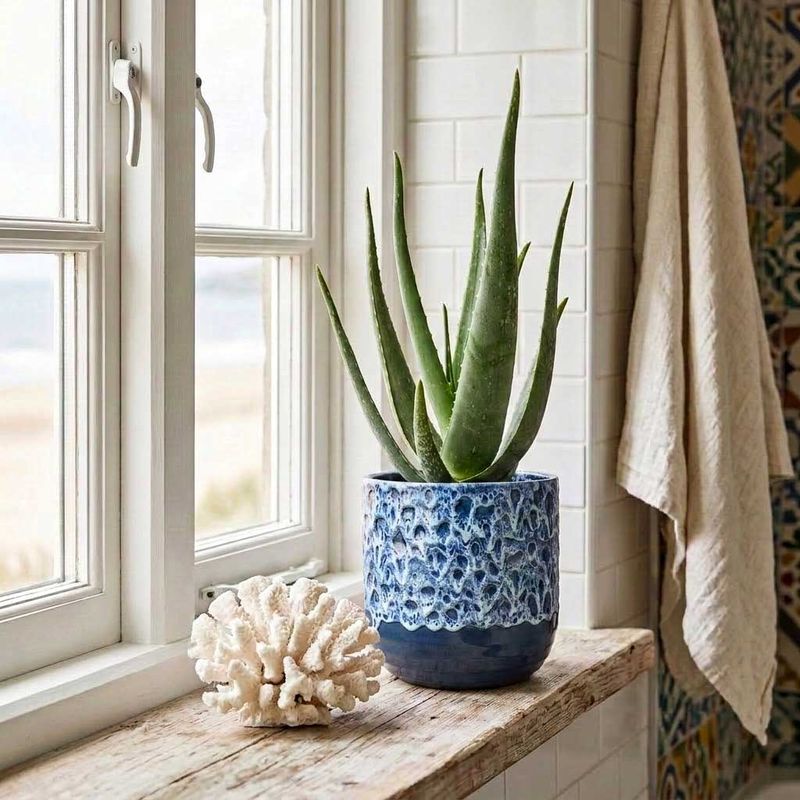
Think of aloe as a camel in plant form. Born in dry, sunny regions, it stores water in its plump leaves for tough times.
Plants like ferns adore bathroom steam, but aloe feels differently. It prefers humidity between roughly 30 and 60 percent.
A hot shower can push bathroom humidity much higher than that. When moisture lingers on leaves, fungal and bacterial rot can take hold.
Soft, brown, or mushy patches often signal too much dampness. Pests like fungus gnats also love moist, stuffy corners.
Some folks mist their aloe, hoping to give it a treat. Sadly, those thick leaves do not absorb water through their surface.
Misting mostly leaves droplets sitting in leaf crevices. Over time, that trapped water can invite rot right where leaves meet.
Your Virginia Garden Changes Every Week. Your Plan Should Too.
Gardening in Virginia changes quickly throughout the season. Every Friday you’ll receive a simple weekly plan showing exactly what to plant, prune, fertilize, harvest, and protect so you never miss the right timing.
Summers already bring sticky, muggy air into many homes. Adding daily bathroom steam on top of that is a lot for a desert plant.
Winter tells a different story, since heating systems dry indoor air. Even then, aloe handles dry rooms better than steamy ones.
If your aloe must live in the bathroom, run the exhaust fan. Cracking a window after showers helps moisture escape faster.
Place the pot far from the tub or shower spray. A spot near a vent or doorway gets better airflow.
Quick tip: wipe away any water droplets you spot on leaves. A dry paper towel works perfectly for this simple habit.
A Bright Window Matters Most
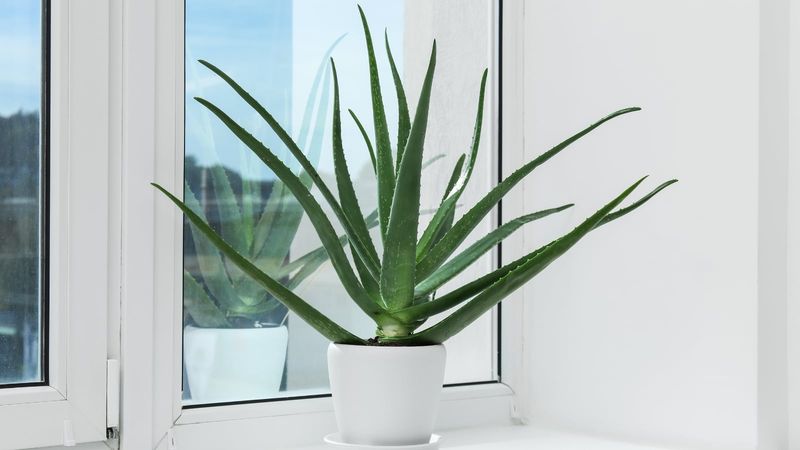
Ask any thriving aloe its secret, and it would point toward the window. Light is the single biggest factor in keeping this plant happy.
Aloe loves plenty of bright, indirect light each day. Aim for around six hours to grow plump, gel-packed leaves.
South or west-facing windows usually work best indoors. East windows can also do the job, especially with strong morning sun.
Too much harsh, direct sun can scorch leaves, though. Burned aloe often turns reddish, orange, or brown along the tips.
A sheer curtain softens intense afternoon rays nicely. It filters light without blocking the brightness your plant craves.
Virginia winters bring shorter days and weaker sunlight. Moving your aloe closer to the glass from November through February can help.
Watch out for cold drafts near windows, however. Aloe dislikes temperatures below about 50 degrees Fahrenheit.
Summer offers a fun opportunity for many growers. Your aloe can vacation on a porch once nights stay warm.
Introduce outdoor sun slowly over a week or two. Start in shade, then gradually shift it into brighter spots.
Rotate the pot a quarter turn every week or so. Doing so keeps growth even instead of leaning toward the light.
No great windows at home? A simple LED grow light can fill the gap.
Set it about a foot above the plant for 12 hours daily. Your aloe will thank you with sturdy, upright leaves.
Dim Bathrooms Make It Stretch And Flop
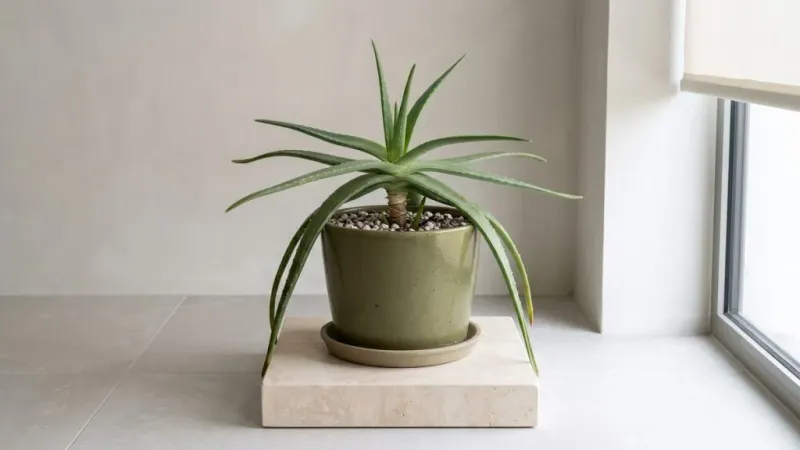
Picture a plant doing yoga, reaching and stretching toward a faraway lamp. That awkward pose is exactly what aloe does in a dark bathroom.
Many bathrooms have tiny frosted windows or none at all. Without enough light, aloe develops a condition called etiolation.
Etiolation means the plant stretches out searching for brightness. Stems grow long and weak while leaves spread far apart.
Healthy aloe forms a tight, upright rosette of thick leaves. A light-starved plant looks pale, thin, and floppy instead.
Leaves may bend and droop right over the pot rim. Some even flatten out sideways like a sad green starfish.
Overhead bathroom lights rarely provide enough strength. They switch on briefly, then leave your plant in the dark again.
Stretched growth will not shrink back, unfortunately. However, moving the plant somewhere brighter stops further stretching.
New leaves should grow more compact over time. Older floppy leaves can be trimmed once fresh growth fills in.
Many Virginia homes built decades ago have small bathroom windows. If yours does, consider giving the bathroom a different plant.
Pothos, snake plants, and ferns handle low light more gracefully. Your aloe can then claim a sunny bedroom or kitchen sill.
A quick check helps you spot trouble early. Compare new leaves to older ones every few weeks.
If fresh leaves look thinner and lighter, more light is needed. Acting quickly keeps your aloe sturdy and attractive.
It Hates Sitting In Wet Soil
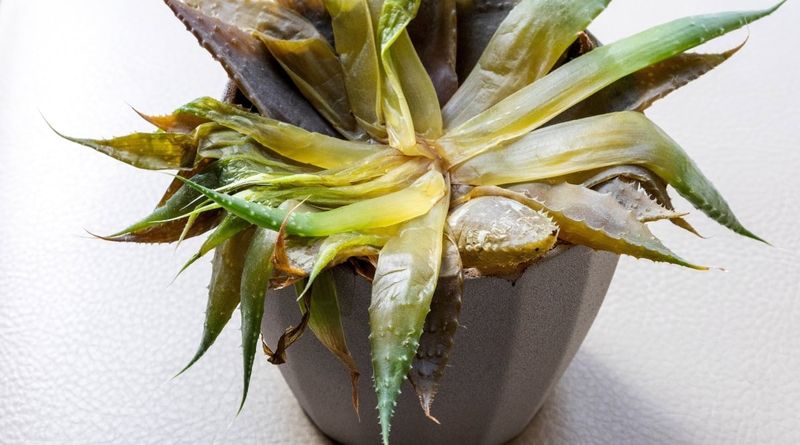
Soggy feet are an aloe’s worst nightmare. More aloe plants decline from too much water than from any other problem.
Those thick leaves work like built-in water tanks. A mature plant can go weeks between drinks without complaint.
When roots sit in wet soil, they cannot get oxygen. Root rot follows, quietly damaging the plant from below.
Watch for leaves turning yellow, soft, or mushy. Some may even look translucent, almost like wet glass.
Soil that stays damp for days is another red flag. A musty or sour smell often means rot has started.
Choose a pot with at least one drainage hole. Terracotta works wonderfully because it wicks away extra moisture.
Fill it with a cactus or succulent mix. Adding perlite or coarse sand improves drainage even more.
Water deeply, then let the soil dry out fully. Stick a finger two inches down to check before watering again.
During summers, watering every two to three weeks often works. In winter, once a month may be plenty.
Bathrooms make this trickier, since soil dries slowly in humid air. Plants there may need even less water than you expect.
Empty saucers after watering so roots never soak. Standing water underneath can undo all your good drainage work.
Caught rot early? Unpot the plant, trim mushy roots, and let it dry before repotting in fresh mix.
It’s Toxic To Cats And Dogs
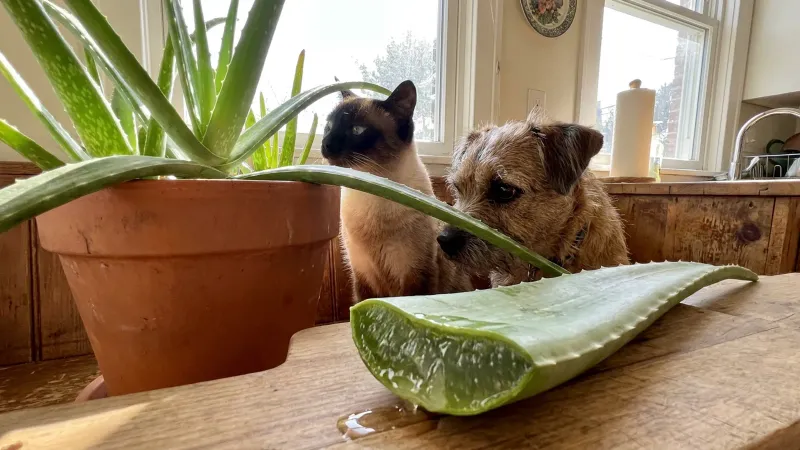
Your tabby might think that spiky plant looks like a fun chew toy. Unfortunately, aloe vera is toxic to both cats and dogs.
The trouble lies in the yellow latex just under the leaf skin. It contains compounds like aloin, anthraquinone glycosides, and saponins.
These substances can upset a pet’s stomach quickly. Vomiting, diarrhea, and unusual tiredness are common signs.
Some pets may also drool or lose interest in food. Smaller animals can react more strongly to even a little nibble.
The ASPCA lists aloe on its toxic plants list for pets. It is a good resource for checking any new houseplant.
Bathrooms might seem safe, but curious pets wander in often. Cats especially love jumping onto counters and windowsills.
Place your aloe on a high shelf or in a room with closed doors. Hanging planters also keep leaves out of reach.
If you use aloe gel on your skin, wash hands before petting. Pets may lick it off fingers or fur.
For families with furry friends, safe swaps exist. Spider plants and Boston ferns are non-toxic and pretty.
Think your pet ate some aloe? Call your veterinarian right away for guidance.
The ASPCA Animal Poison Control line is another helpful option. Having that number saved in your phone brings peace of mind.
Quick action usually leads to better outcomes. Note how much was eaten and when.
It Won’t Really Clean Your Air
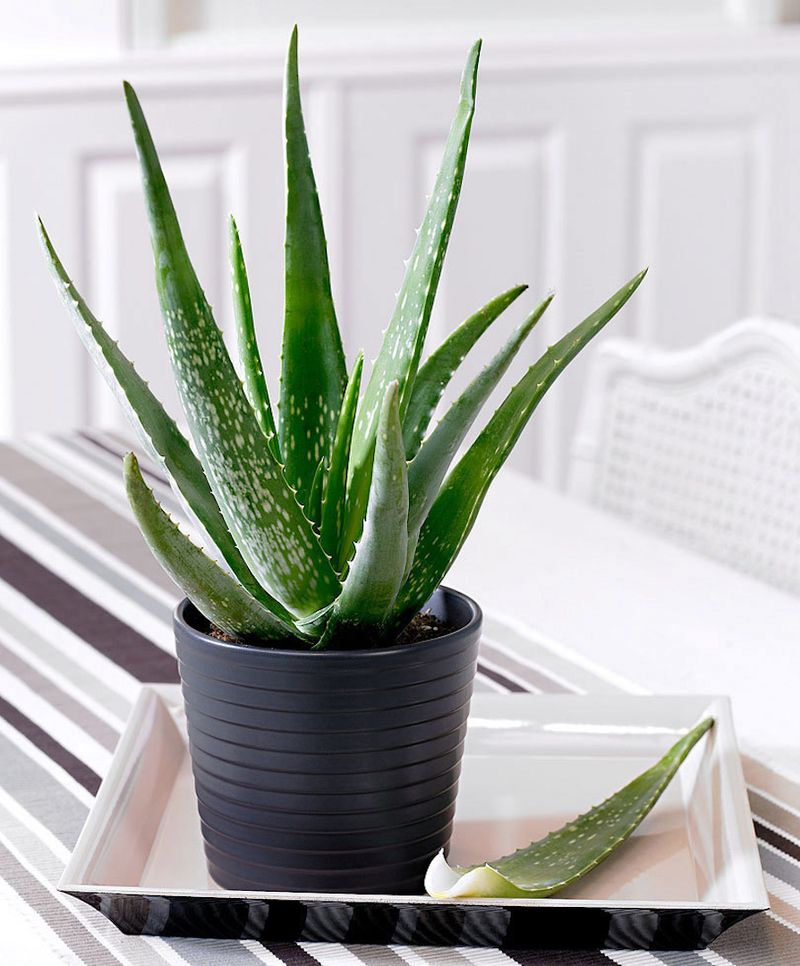
Plenty of plant tags promise aloe will freshen your home’s air. Sadly, that popular claim does not hold up in real life.
The idea traces back to a 1989 NASA study. Researchers tested plants inside small, sealed chambers in a lab.
Under those tight conditions, plants did remove some chemicals. Your living room, however, is nothing like a sealed box.
Homes constantly exchange air through doors, windows, and vents. That natural airflow moves pollutants far faster than plants can.
A 2019 review crunched the numbers on this question. It found you would need hundreds of plants per square meter to match ventilation.
Imagine a jungle so thick you could barely walk through it. One aloe on a shelf simply cannot compete.
So what really helps indoor air in Virginia homes? Opening windows on mild spring and fall days works wonders.
Running bathroom and kitchen fans clears moisture and odors. Changing HVAC filters regularly also makes a noticeable difference.
Pollen season can be intense, especially in April. A quality air purifier with a HEPA filter helps allergy sufferers.
None of this means aloe lacks value. Plants can boost mood, add beauty, and make rooms feel calmer.
Caring for something green offers its own small joy. Just enjoy aloe for those reasons rather than cleaner air.
Fun fact: NASA’s study aimed to help space stations. Astronauts, not homeowners, were the original audience.
Baby Pups Make Free New Plants
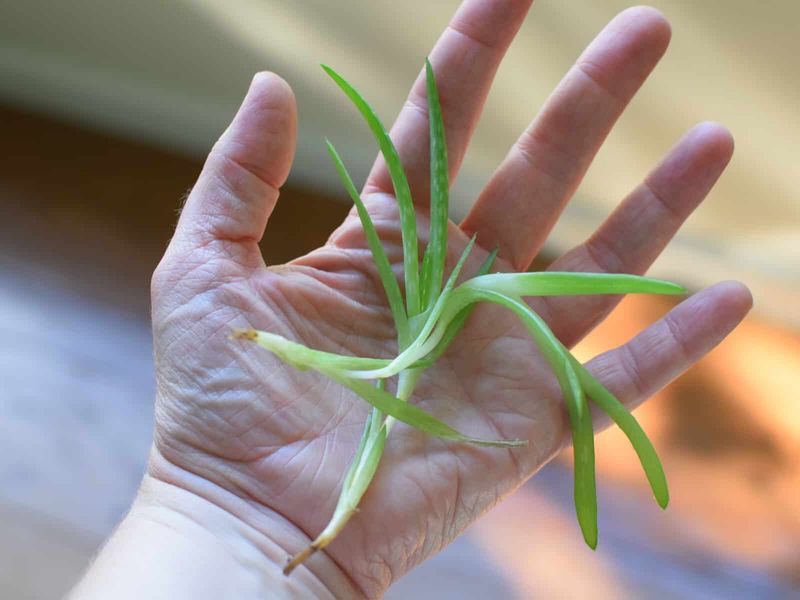
Who doesn’t love a free gift? A healthy aloe produces little offsets called pups, ready to become brand new plants.
Pups sprout around the base of a mature mother plant. Over time, they can crowd the pot if left alone.
Wait until pups reach about three to six inches tall. By then, they usually have roots of their own.
Spring or early summer is ideal timing for this project. Plants grow actively then and recover quickly.
Start by sliding the whole plant gently out of its pot. Brush away soil to see where pups connect.
Use a clean, sharp knife to cut each pup free. Some will pull apart easily with a gentle wiggle.
Let separated pups rest in a dry, shady spot for one to two days. A callus forms over the cut, which helps prevent rot.
Plant each pup in a small pot with cactus mix. Water lightly, then wait about a week before watering again.
Once new growth appears, return to your normal watering routine. Bright light helps young pups grow strong quickly.
Many Virginia gardeners share pups with friends and neighbors. They make thoughtful housewarming gifts or garden club swaps.
Repot the mother plant in fresh soil afterward. She will often reward you with even more pups later.
Tip: label pots with the date you planted them. Tracking growth becomes a fun project for kids and adults alike.