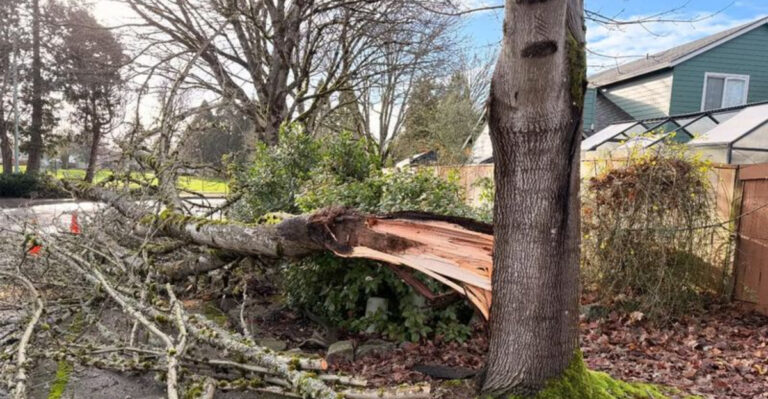
8 Reasons Virginia Copperheads Are Showing Up In Backyards This Summer
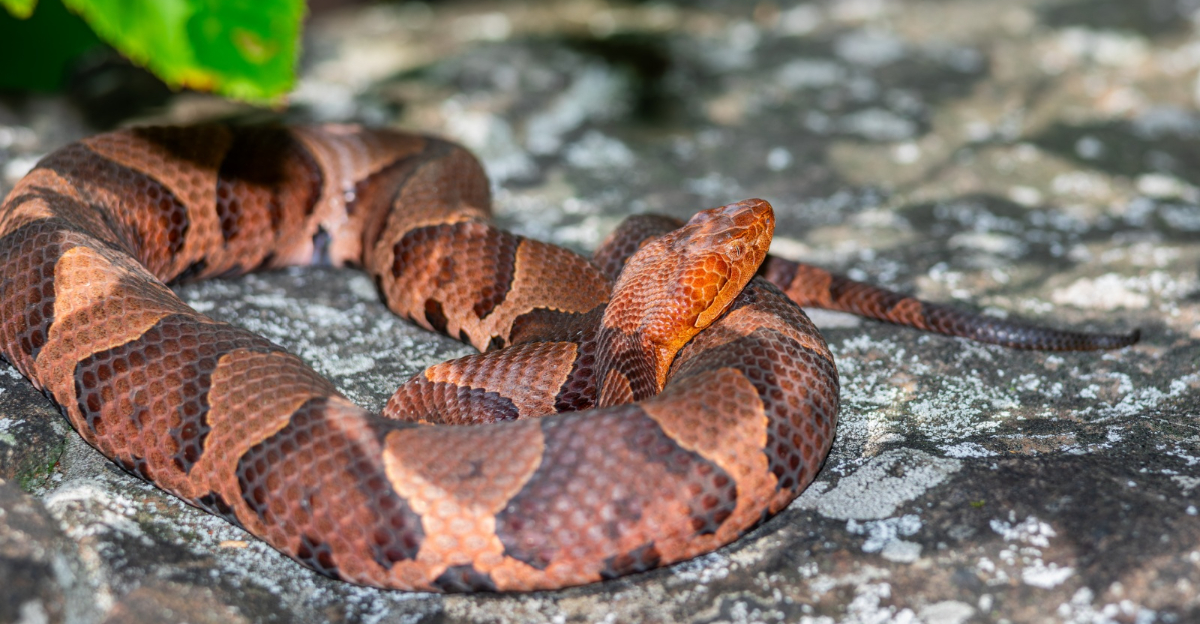
A dog barked at nothing near the woodpile, and it turned out to be something. Copperheads are turning up in places they never used to bother with: mulch beds, porch steps, the shady gap behind a stack of firewood.
This isn’t random. Virginia’s warmer nights and wetter springs have quietly rewritten where these snakes feel comfortable, and suburban yards now check every box on their wish list: cover, moisture, and an easy meal crawling or hopping nearby.
Add in the housing boom pushing further into wooded lots, and you get more backyards sitting right on top of what used to be untouched habitat.
Copperheads aren’t hunting people. They’re just following food, shade, and water, and Virginia happens to offer plenty of all three right now.
Once you understand what’s actually pulling them in, the sightings stop feeling random and start making sense. That’s the real starting point for keeping your family and pets safe.
1. Rising Temperatures Push Them Into Shaded Yards

Summer heat is intense, and copperheads feel every degree of it. These reptiles are cold-blooded, which means their body temperature follows the air around them.
When pavement and open ground bake past 90 degrees, snakes seek shade fast. Your backyard garden, with its dense shrubs and cool soil, offers ideal shelter conditions for them.
Copperheads are most active during early morning and late evening in peak summer. They avoid the harsh midday sun by tucking under plants, leaf piles, or low deck boards.
Your shaded flower bed isn’t just pretty. It’s a temperature refuge for wildlife you never invited.
Homeowners who notice snakes near their foundation often find the coolest microclimates in their entire yard are right there.
Trimming back dense ground cover reduces shaded hiding spots significantly. Open, sunny areas are far less attractive to a heat-avoiding reptile.
Even a simple rock border can trap cool air underneath it, creating a perfect resting spot. Understanding heat behavior helps you redesign your yard to feel less welcoming to uninvited guests.
Virginia copperheads don’t want confrontation. They want comfort. Give them fewer cool spots, and they’ll look elsewhere for relief.
2. Suburban Growth Eats Into Their Woodland Habitat
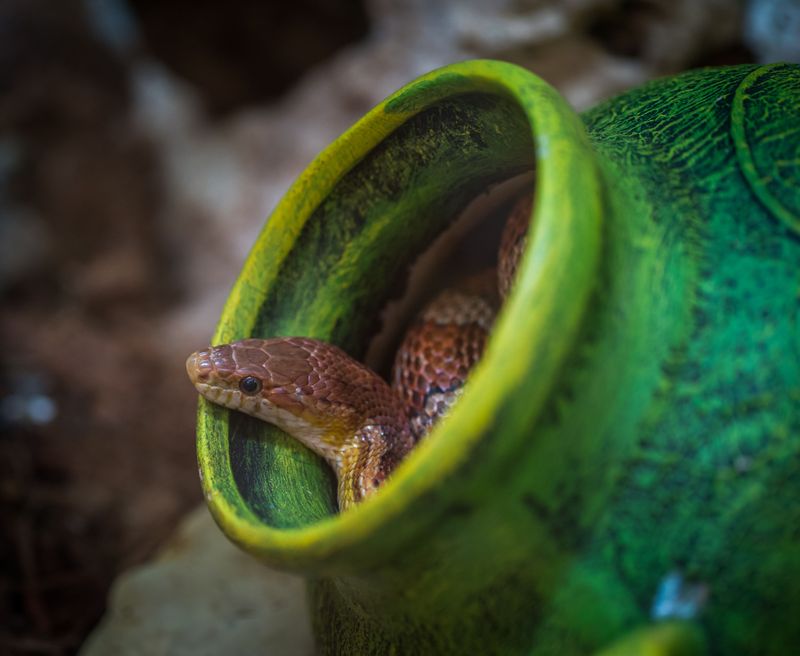
New neighborhoods keep sprouting at the edges of Virginia’s forests, and something has to move when the bulldozers arrive.
Copperheads lose their rock outcroppings, leaf litter, and hollow logs every time a subdivision goes up. Displaced snakes don’t disappear. They adapt and wander.
The nearest available shelter often ends up being someone’s landscaped backyard or crawl space.
Wildlife biologists call this edge effect, where animals crowd into the remaining habitat borders. Copperheads tend to adapt well to these transitions, likely because they’re generalist hunters.
A snake that once lived in a half-acre woodland patch may now share a quarter-acre lot with a swing set. That’s not aggression. That’s a creature trying to survive a shrinking world.
Virginia has seen significant residential growth in counties like Loudoun, Chesterfield, and Hanover. Each new road or cul-de-sac fragments habitat that snakes relied on for generations.
Your Virginia Garden Changes Every Week. Your Plan Should Too.
Gardening in Virginia changes quickly throughout the season. Every Friday you’ll receive a simple weekly plan showing exactly what to plant, prune, fertilize, harvest, and protect so you never miss the right timing.
Older neighborhoods near wooded areas tend to see more snake activity than newer ones. The longer people live near the forest edge, the more encounters they report over time.
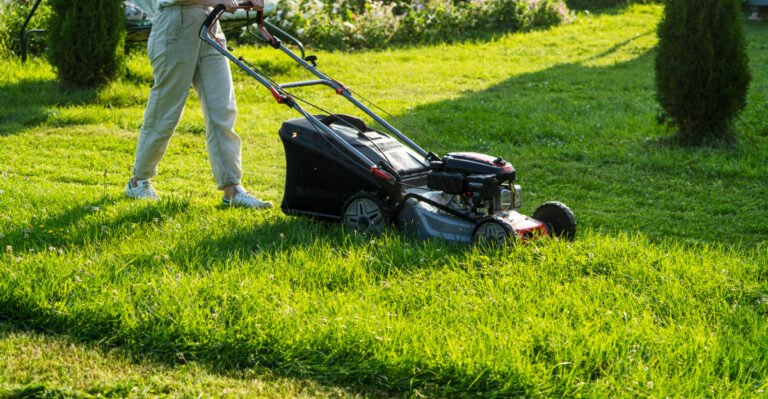
Creating a buffer of open lawn between your home and any wooded border helps reduce crossover. Snakes prefer cover, so a clear, mowed zone discourages casual wandering onto your property.
Habitat loss is the quiet driver behind most backyard wildlife encounters today. Knowing that makes the sighting feel less random and more like a sign of something bigger happening.
3. Drought Sends Them Searching For Water Near Homes
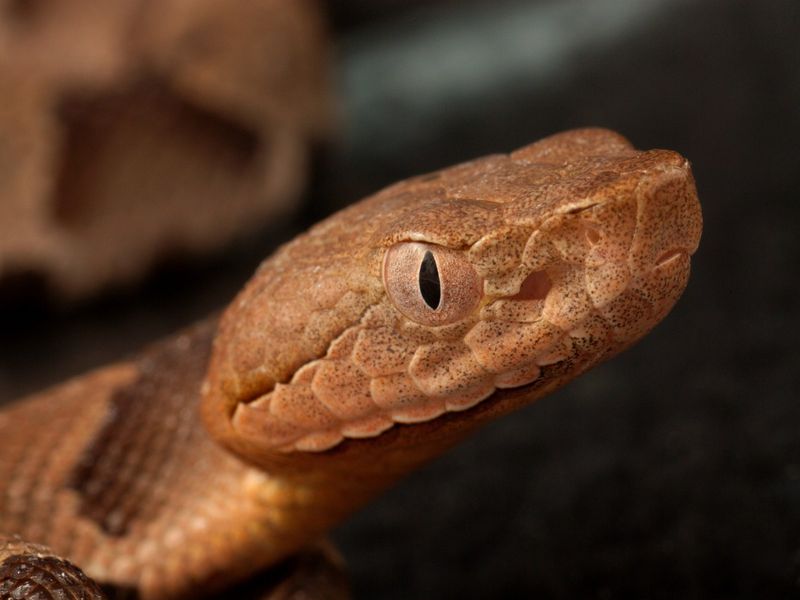
Drought years change snake behavior in ways most people never expect. When natural streams and seeps dry up, copperheads travel farther to find moisture.
Your sprinkler system, garden hose, or pet water bowl becomes a beacon in a parched landscape. Even the damp soil around an air conditioning unit can attract a thirsty reptile.
Some regions of Virginia have experienced below-average rainfall in recent springs. That moisture deficit pushes animals into yards where humans inadvertently provide water sources.
Birdbaths, drip irrigation, and decorative ponds all create wet zones that stand out in dry conditions. Snakes don’t just drink at these spots. They also hunt the frogs, toads, and mice that gather there.
Reducing standing water around your yard limits the number of animals drawn to your property. Fewer prey animals nearby means fewer reasons for a copperhead to hang around.
Check for leaky outdoor faucets or hoses that create persistent wet patches in your lawn. These small moisture sources may seem minor but act like neon signs in drought conditions.
Homeowners near dry creek beds or seasonal streams notice more snake activity during low-water summers. The creek stops flowing, and the snakes follow the moisture gradient straight into the neighborhood.
Drought doesn’t just stress your garden, it reshuffles the entire local food web. When water becomes scarce, every creature adjusts, and sometimes that adjustment lands one in your backyard.
4. Nighttime Warmth Increases Their Hunting Activity
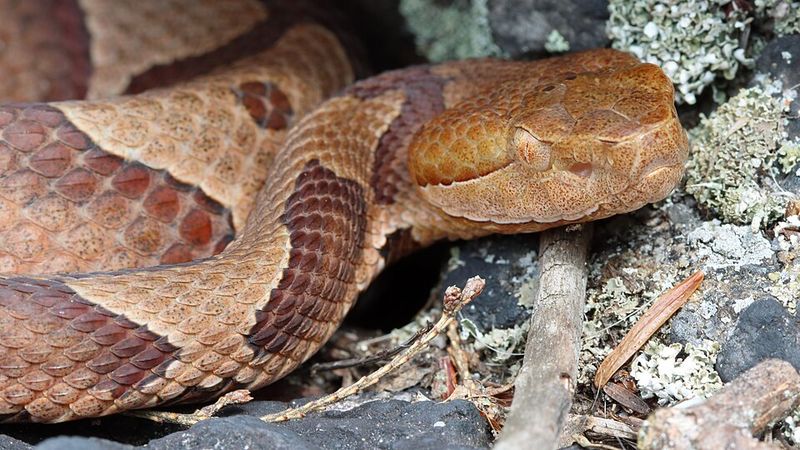
Hot summer nights feel oppressive to humans, but copperheads treat them like an open invitation. Warm pavement and retained heat from concrete surfaces allow snakes to stay active well past sunset.
They hunt by sensing heat signatures from prey, which makes dark, warm nights ideal for tracking down mice and frogs. Your lit patio may actually draw insects, which draw frogs, which draw snakes in a tidy chain.
Many homeowners report copperhead sightings near their back door late at night. The snake isn’t stalking you. It’s following the food chain your outdoor lights helped create.
Motion-activated lights can startle snakes away from entry points near your home. Switching to yellow or amber bulbs reduces the insect attraction that kicks off that whole hunting sequence.
Many parts of Virginia now see nighttime lows in the upper 70s for stretches during summer. That sustained warmth extends the snake’s active window far beyond what it would be in cooler years.
Copperheads are ambush predators, meaning they wait patiently in one spot rather than cruising around. A warm corner of your patio offers the perfect combination of heat retention and concealment.
Checking around outdoor furniture, grills, and potted plants before sitting down at night is a smart habit. A quick scan with a flashlight takes ten seconds and can prevent a startling surprise.
Warm nights are simply better nights for hunting, and your backyard sits right in their territory. Stay aware after dark, and you’ll stay ahead of any unexpected encounters.
5. Mating Season Raises Their Overall Movement
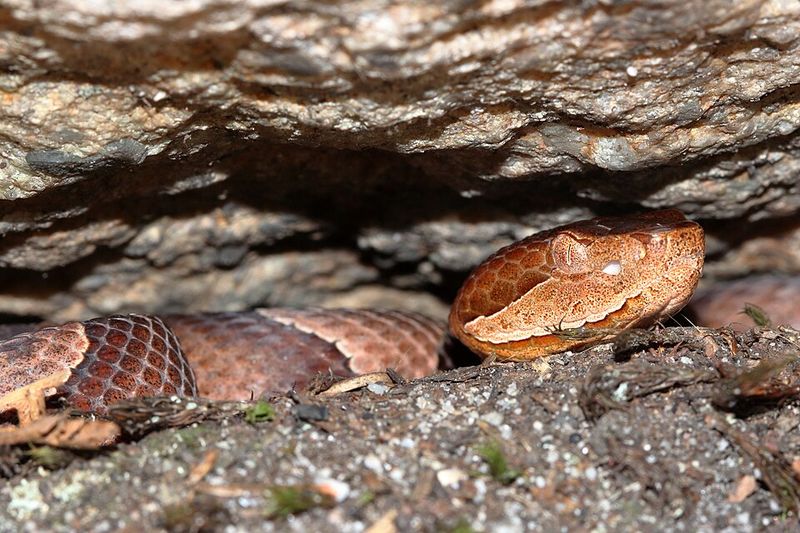
Late summer is mating season for copperheads, and that changes everything about their behavior. Males actively travel longer distances searching for females, crossing through yards they’d normally avoid.
A snake that typically stays within a small home range may suddenly cover hundreds of yards in a single night. That expanded movement dramatically increases the chance of a human encounter near homes.
Female copperheads give birth to live young in late summer, usually between August and October. Pregnant females often seek warm, sheltered spots close to human structures without realizing it.
Landscaping features like rock walls, raised garden beds, and stacked stones mimic the natural rocky outcroppings where females prefer to give birth. Your carefully designed garden may resemble a natural birthing site to a pregnant snake.
During this period, snakes are more likely to hold their ground when approached rather than retreating. That defensive behavior is sometimes mistaken for aggression, but it’s really just a stressed animal protecting itself.
Giving any snake you encounter space and time to move away is always the right call. Most encounters resolve themselves within minutes if humans step back and wait calmly.
Mating activity peaks in late July and runs through September across most of central Virginia. Awareness during those specific months can shift your mindset from panic to preparedness.
Knowing what drives their movement during this season helps you stay calm and prepared. A snake on the move in August isn’t a bad omen. It’s just biology doing its thing.
6. Rodents Near Houses Draw In Hungry Snakes
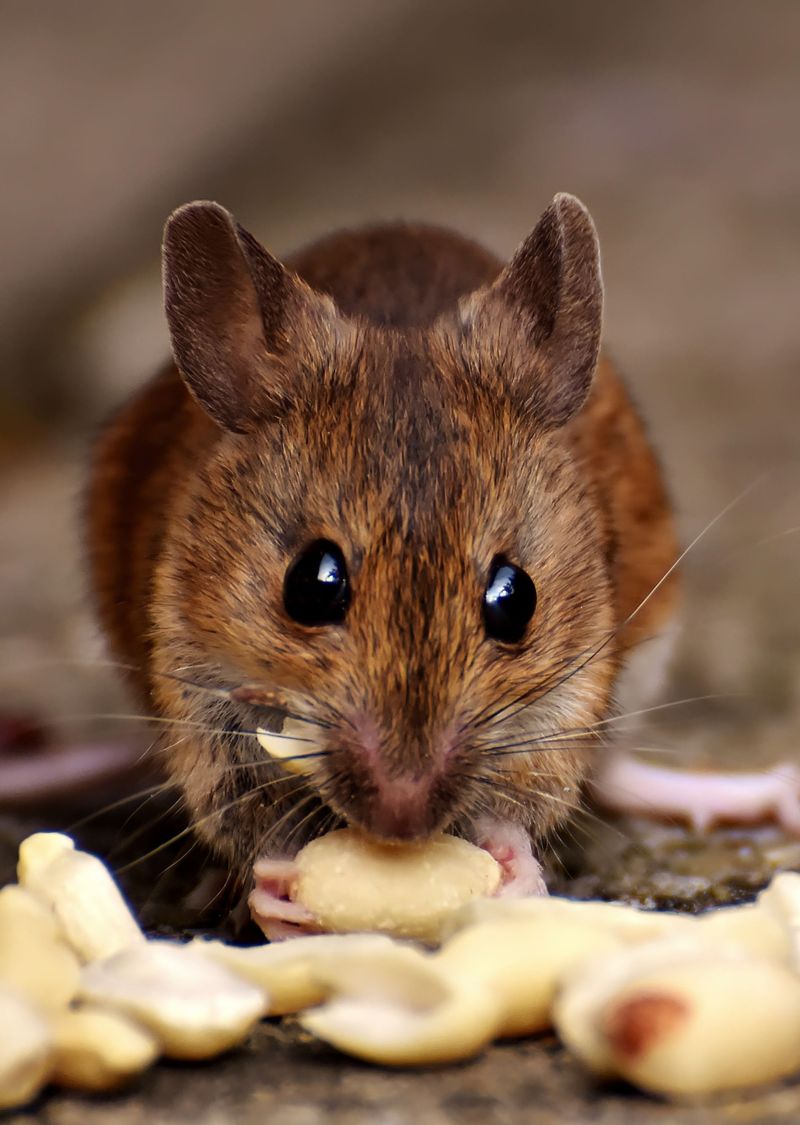
Where mice go, copperheads follow. It’s that straightforward. Bird feeders, compost bins, and unsecured trash cans create rodent hotspots right next to your home.
Copperheads are exceptional mouse hunters, and a yard with a reliable rodent population offers them a steady food source. The snake isn’t drawn to your house. It’s drawn to the mice living under your shed.
Mice populations tend to spike in summer when food sources are abundant and breeding is rapid. More mice means more snake interest, and the cycle feeds itself season after season.
Securing bird seed in rodent-proof containers makes a real difference in reducing snake activity nearby. It seems unrelated, but cutting off the food source at the bottom disrupts the entire chain above it.
Garage foundations, wood piles, and storage sheds create ideal mouse nesting zones. A snake patrolling those areas isn’t being bold. It’s being efficient.
Closing up rodent access points under decks and porches can help reduce snake activity over time. Sealing gaps with hardware cloth or foam is a simple and effective deterrent.
Professional pest control services can assess your property for rodent entry points quickly. Addressing the mouse problem is often more effective than trying to manage snakes directly.
Think of the copperhead as nature’s exterminator showing up uninvited. Deal with the rodent issue first, and the snake will likely find a more rewarding hunting ground elsewhere.
7. Woodpiles And Mulch Make Cozy Hiding Spots
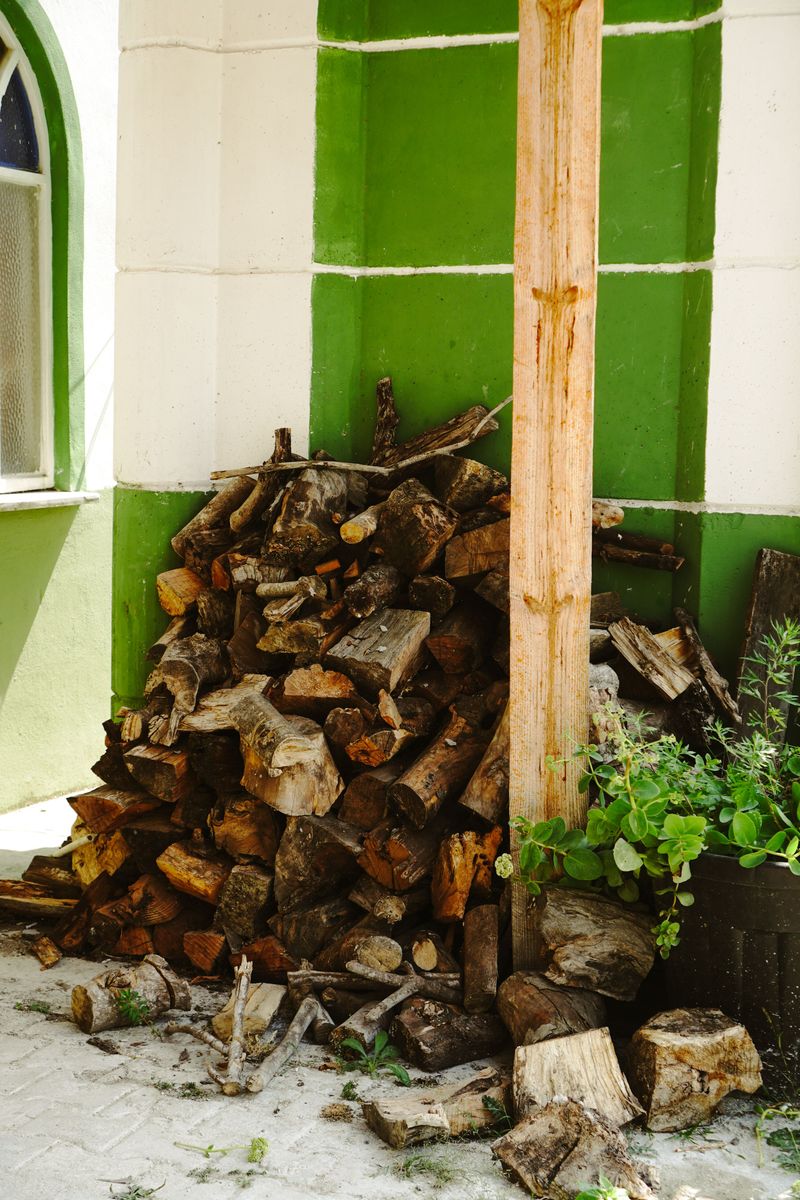
That tidy stack of firewood by the back fence offers ideal shelter conditions for copperheads. Gaps between logs hold stable temperatures, block wind, and offer protection from predators.
Mulched garden beds work the same way, thick organic mulch stays moist and cool underneath while providing cover from above. A snake can rest there all day without ever being seen from a standing height.
Bite incidents often happen when homeowners reach into woodpiles without looking first. A simple habit of using a garden tool or stick to shift wood before grabbing it can prevent most of those accidents.
Moving firewood storage away from the house and elevating it off the ground reduces its appeal significantly. Snakes prefer ground-level cover, so even a small elevation change makes a woodpile less attractive.
Rubber mulch or gravel alternatives around foundation plantings offer less insulation than organic mulch. Switching materials in high-traffic areas near doors and pathways is a practical safety upgrade.
Some homeowners believe cedar mulch has repellent properties, though this hasn’t been scientifically confirmed, and no mulch is fully snake-proof.
Using it near entry points adds a small layer of discouragement without requiring major changes to your landscaping.
Keeping the area under decks clear of debris and leaf buildup removes another common shelter option. A clean, open space under a deck is far less inviting than a cluttered one.
Your yard’s hidden features matter more than you’d think. Small structural changes can make your outdoor space far less attractive to copperheads.
8. Young Snakes Disperse To Find New Territory
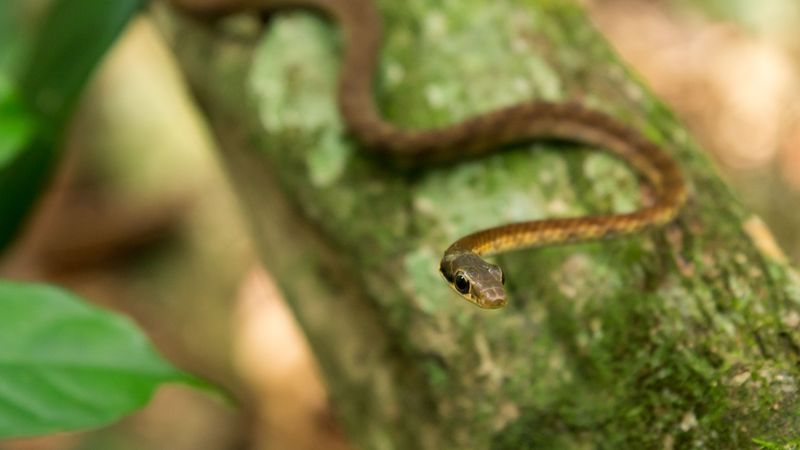
Every August and September, a wave of juvenile copperheads fans out across Virginia neighborhoods. Born in litters of three to ten, these young snakes immediately begin searching for their own territory.
Juvenile copperheads are often mistaken for other species because of their smaller size and brighter coloring. Their yellow tail tips, used to lure prey, fade as they mature but remain visible in their first year.
Young snakes are just as venomous as adults, and some experts believe their bite reflex may be quicker due to inexperience. They tend to be more unpredictable than adults when startled.
A juvenile dispersing from its birth site may travel through several yards before settling. It’s not looking for trouble. It’s navigating an unfamiliar world with no map and no parent to guide it.
Late summer tends to bring more copperhead sightings in residential areas across central Virginia. The combination of mating adults moving outward and juveniles dispersing inward can lead to a noticeable rise in activity.
Teaching children to recognize the hourglass pattern on a copperhead’s back is genuinely valuable. Early identification skills build confidence instead of panic, which leads to safer outcomes for everyone involved.
If you spot a small snake with a banded pattern in your yard this fall, stay calm and keep distance. Most juvenile copperheads move on within a day or two if left undisturbed.
Virginia copperheads are part of the local ecosystem, and their young need space to find their place in it. Awareness, not alarm, is always the most powerful tool you have.