A Strange Nightly Sound Is Hitting Iowa Rooftops And Decks Right Now
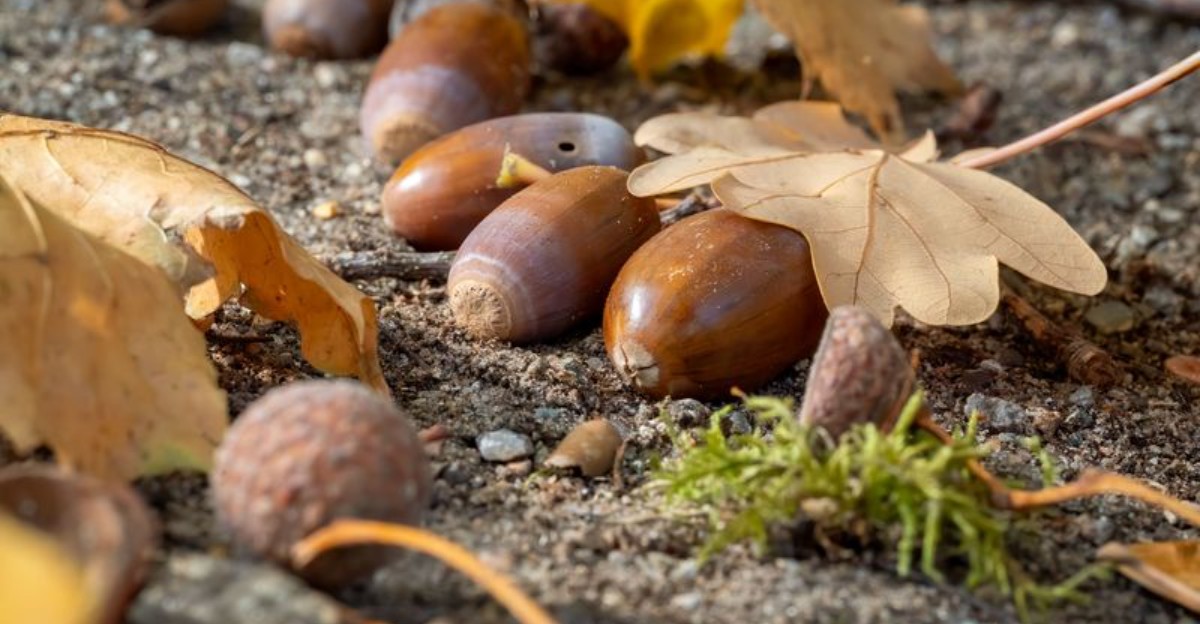
A small, loud object taps against your rooftop just after midnight. Something oddly persistent keeps tapping against your quiet house tonight.
You sit up quickly, straining to place the odd sound. Iowa nights suddenly feel tense above your quiet roof. Your dog barks near the back fence. Porch lights quickly flicker on across your Iowa block.
Neighbors near you peer through blinds, unsure what caused this. Decks near your house absorb the steadiest knocks tonight. Patios near you echo with rhythmic thuds.
Squirrels seem thrilled, darting wildly across your roof. Cushions scatter, gutters clog near your porch. Morning light reveals debris scattered across your driveway.
Homeowners step outside, puzzled by your strange mess. Raccoons are not bowling above your ceiling tonight. Explanations exist for you, involving neither ghosts nor luck. Curiosity now pulls you toward the truth about your roof.
Acorns Raining Down On Iowa Homes This September
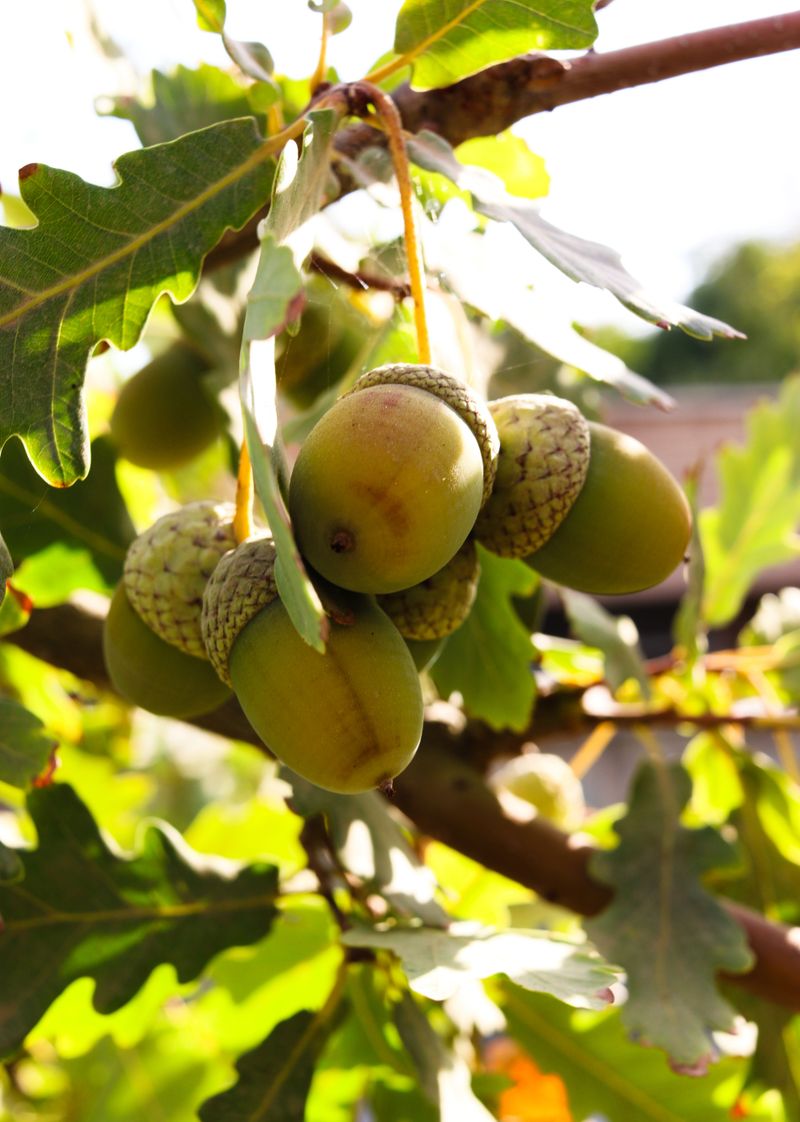
That mystery racket has a very ordinary source, and it grows high above your shingles. Iowa oaks are releasing acorns right now, and gravity handles the noisy part.
One mature bur oak can shed thousands of nuts across just a few short weeks. Each acorn weighs almost nothing, yet it falls thirty or more feet before landing.
Hard shells striking metal gutters, wooden decks, or car hoods create a surprisingly loud pop. Asphalt shingles muffle less than most people expect, especially in bedrooms under the roofline.
Wind gusts shake dozens loose at once, which explains those sudden bursts of clatter. Calm nights still deliver scattered taps as stems weaken and quietly let go.
Plenty of homeowners blame squirrels, raccoons, or even bats before checking the driveway below. One honest glance at the pavement usually settles that argument right away.
Neighborhoods planted with oaks decades ago now hold trees at their peak seed production. Bigger canopies simply offer more branch space for thousands of acorns to form.
Foresters in oak-heavy regions often field these same questions every autumn from puzzled callers. Sound behaves strangely at night, so a small nut seems like something much larger.
The season generally runs from early September into late October across most of the state. After that, the tapping fades and your yard settles back into normal quiet.
Once the pattern clicks, the noise shifts from alarming to almost comic overnight. Your house has become a percussion instrument, played badly by a very old tree.
Mast Years And The Science Of A Bumper Crop
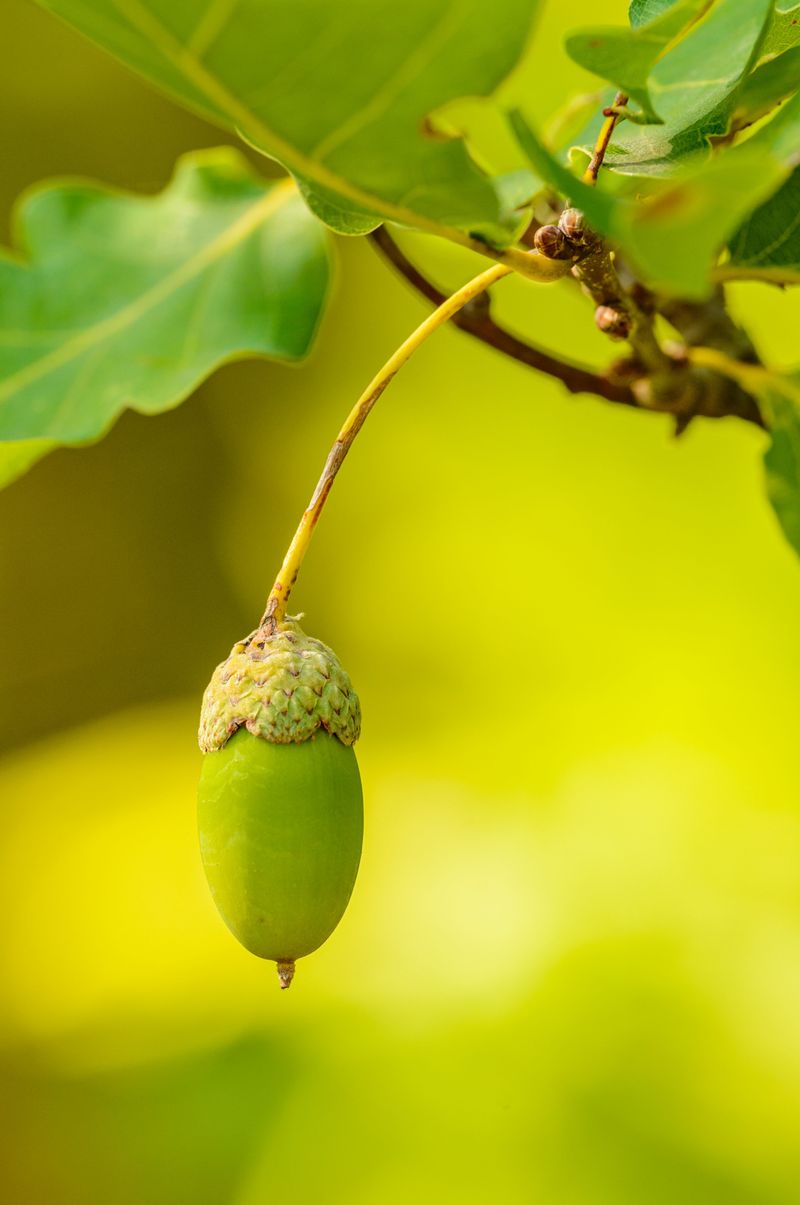
Some autumns bring a light sprinkle of acorns, and others bring what feels like a heavy downpour. Foresters call the heavy ones mast years, and they arrive on an irregular schedule.
Oaks across a whole region tend to synchronize, producing giant crops in the same season. Researchers think shared spring weather and pollen timing help trigger that group effort.
Warm, dry spring days let wind carry pollen far, which sets far more acorns. A late frost during flowering can erase most of the crop instead.
Your Iowa Garden Changes Every Week. Your Plan Should Too.
Gardening in Iowa changes quickly throughout the season. Every Friday you’ll receive a simple weekly plan showing exactly what to plant, prune, fertilize, harvest, and protect so you never miss the right timing.
White oaks finish their acorns in one season, while red oaks need two full years. That gap means neighboring trees can peak in different autumns on the same block.
Flooding the ground with sheer numbers is a survival strategy, not a weather accident. Squirrels and deer cannot possibly eat every nut, so a few survive to sprout.
Between big years, oaks produce little, which keeps hungry animal populations from growing enormous. Ecologists describe the pattern as a boom and bust rhythm that keeps repeating.
Forestry research suggests heavy drops occur roughly every two to five years, depending on the species. Soil quality, tree age, and summer rainfall all nudge that timing around.
Next season may turn strangely quiet, and a few homeowners genuinely miss the sound. Most people celebrate instead with several long nights of uninterrupted, peaceful sleep.
Jot a short note each fall about how loud things get on your roof. Across several years, the pattern becomes clear and oddly satisfying to track.
Nighttime Timing And The Sounds On Your Roof

Daytime traffic, humming air conditioners, and shouting kids hide plenty of small noises you barely notice. After ten at night, that very same tap sounds about twice as dramatic.
Cooling evening air changes how sound travels, carrying sharp cracks much farther across quiet yards. Temperature layers can bounce the noise downward instead of letting it scatter harmlessly upward.
Acorn stems dry out during warm afternoons, then release as humidity climbs again overnight. Heavy dew and cooling wood cause tiny movements that finish the job.
Squirrels work hardest at dawn and dusk, knocking nuts loose while they gather and bury. Their early shift explains that five o’clock drumroll directly above your bedroom ceiling.
Deck boards behave like a soundboard, turning each little hit into a hollow knock. Metal patio tables and grill lids upgrade small acorns into surprising cymbal crashes.
September storms rolling across Iowa can shake down an entire week of acorns quickly. Ten minutes of gusty wind can sound like a steady patter across your shingles.
Attics without insulation between the rafters let each impact echo straight into upstairs rooms. Adding insulation, or even a thick rug below, softens the effect more than expected.
White noise machines, box fans, and closed windows help light sleepers survive the whole season. Earplugs work too, though plenty of people eventually find the rhythm oddly soothing.
The loudest stretch usually runs two or three weeks before it finally tapers off. Mark those dates, and next autumn you will recognize the sound within seconds.
Common Homeowner Mistakes During A Big Acorn Drop
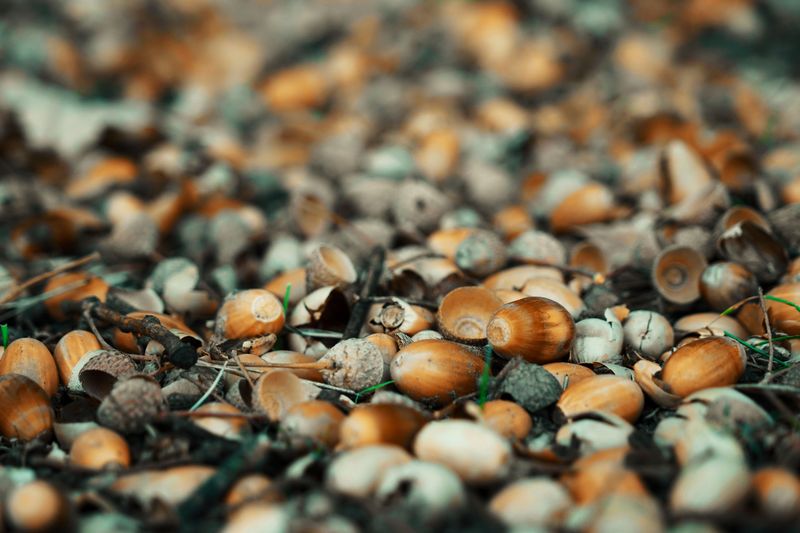
The biggest misstep is assuming the noise means an animal has moved into the attic. Traps get set, pest companies get called, and the oak keeps quietly working.
Ignoring gutters ranks a close second, since acorns pack together like ball bearings. Water backs up, spills over the edge, and soaks siding or basement walls.
Some folks power wash acorn stains off decks with aggressive pressure and damage the wood. Gentle scrubbing with soap and a soft brush removes tannin marks without damage.
Leaving cars parked under heavy limbs invites small dents and chipped paint all month. A falling acorn plus a windy night can mar a hood surprisingly easily.
Blowing acorns into flower beds seems tidy, then hundreds of seedlings appear next May. Rake them out fully, or plan for a spring of tiny stubborn oaks.
Walking barefoot across a covered deck causes more slips and rolled ankles than people expect. Rolled ankles happen fast when a shoe lands on a loose, round nut.
Sweeping acorns onto sidewalks creates a slipping hazard for mail carriers and neighbors. Collect them in a bucket instead, and the walkway stays genuinely safe.
Topping or heavily pruning an oak to stop acorns damages the tree long term. Arborists generally advise that harsh cuts invite decay without reducing next year’s crop.
Patience beats panic during these few weeks, and your wallet will notice the difference. The tree is not misbehaving; it simply happens to have excellent aim.
Gutter, Deck, And Roof Cleanup That Works

Cleanup goes faster with a stiff push broom than any leaf blower on high. Acorns roll predictably, so sweeping them into low piles saves real time.
A shop vacuum with a wide nozzle clears deck corners and stair treads quickly. Lawn sweepers or nut gatherers handle big yards without wrecking your back.
Gutters deserve attention twice during September, not once in November like usual. Scoop the nuts out, then flush downspouts with a hose to confirm flow.
Dark brown tannin stains on decks respond well to oxygen bleach and warm water. Let the solution sit fifteen minutes, scrub gently, then rinse the boards thoroughly.
Roof valleys collect acorns that hold moisture against shingles for weeks at a time. Trapped dampness shortens shingle life, so clear those channels before winter arrives.
Grill covers, cushions, and patio tables survive better stored inside during peak drop. A simple tarp over furniture also spares you hours of daily sweeping.
Wear safety glasses while working under an active oak on a breezy afternoon. Falling nuts hit hard enough to sting, and eyes deserve real protection.
Collected acorns compost slowly, so crush them or spread them thinly in the pile. Some Iowans donate buckets to wildlife rescues or scatter them in timber areas.
Check window wells and air conditioners too, since acorns love collecting in both spots. A quick scoop keeps drainage clear and airflow moving properly around equipment.
Consistent short cleanups beat one exhausting weekend marathon at the end of October. Fifteen minutes every few days keeps everything manageable and your gutters happy.
Tree Care And Protection For Next Season
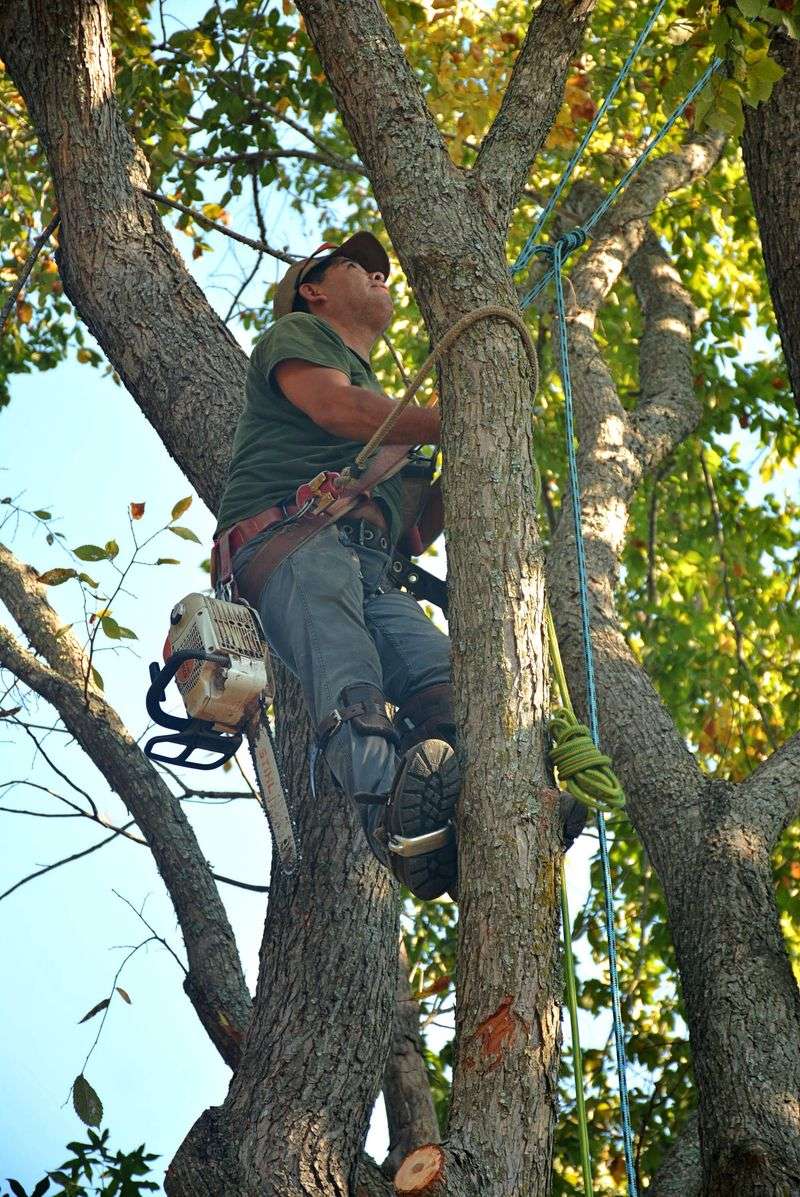
Healthy oaks handle mast years better, and healthy oaks start with good soil care. Mulch the root zone, skip the string trimmer, and water deeply during drought.
An arborist can thin crowded limbs slightly without triggering the decline that topping causes. Light, careful pruning also reduces branches hanging directly over bedrooms and decks.
Gutter guards with fine mesh keep acorns out while letting rainwater pass through. Screen styles with large holes let nuts slip in and clog everything.
Roof rakes and soft brooms stored in the garage make quick cleanups painless. Keeping tools handy genuinely increases the odds you actually use them.
Consider moving your parking spot for six weeks rather than fighting the falling nuts. A carport or driveway shifted ten feet solves most paint worries instantly.
Outdoor rugs on decks cushion impacts and cut that hollow knocking sound noticeably. Rolling the rug up afterward makes disposal of collected acorns almost effortless.
Planting new oaks farther from the house helps the next generation of homeowners. Thirty feet of clearance gives the canopy room without bombarding your shingles.
Squirrel activity increases with every heavy crop, so seal attic gaps before October. Quarter inch hardware cloth over vents stops curious visitors from moving inside.
Nut-free shade trees like hackberry, linden, or serviceberry suit tight urban yards nicely. Mixing species also protects your yard if one tree ever gets sick.
A little planning now turns next mast year into background noise instead of drama. Your roof still gets played, but at least you booked the concert.