Cool-Season Crops Michigan Gardeners Can Still Plant This September
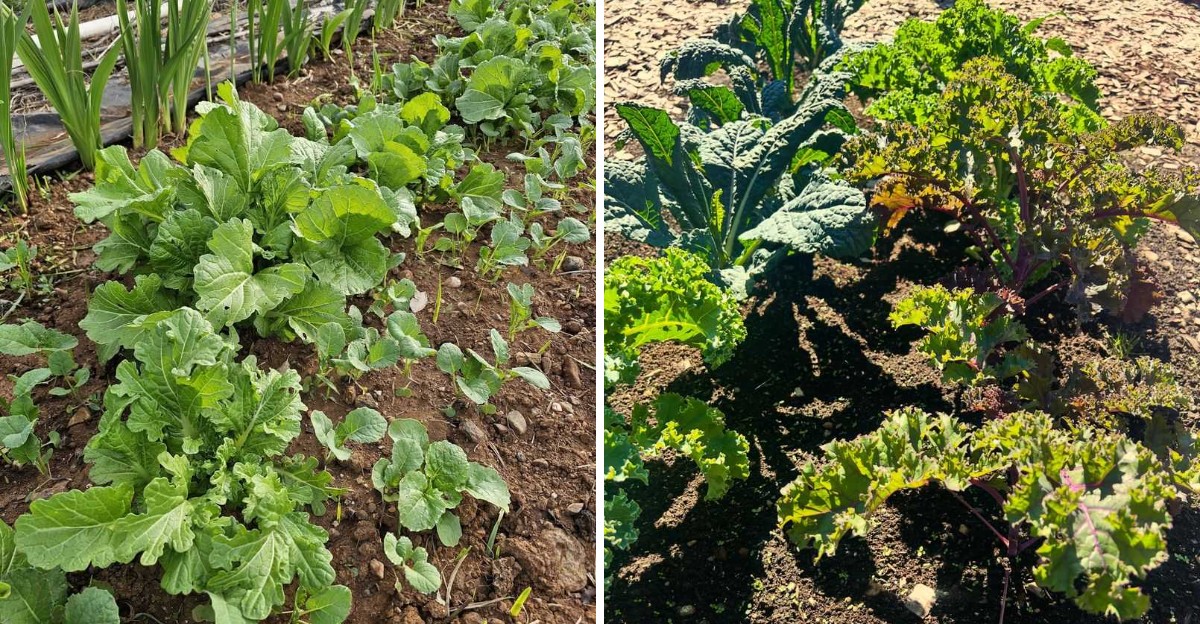
Many Michigan gardeners assume the growing season is winding down by September, but several cool-season crops still have plenty of time to mature before winter fully arrives.
Certain fast-growing vegetables thrive in the cooler, shorter days of early fall, often producing better flavor and texture than they would during peak summer heat.
Because frost dates vary across the state, understanding which crops fit within the remaining growing window is essential for choosing what’s actually worth planting now.
Some vegetables can even tolerate a light frost, extending the harvest window further into fall than many gardeners expect.
Knowing which crops still fit gives Michigan gardeners a real chance to extend their season well beyond what most people assume is possible.
1. Spinach Can Handle Cool Fall Conditions
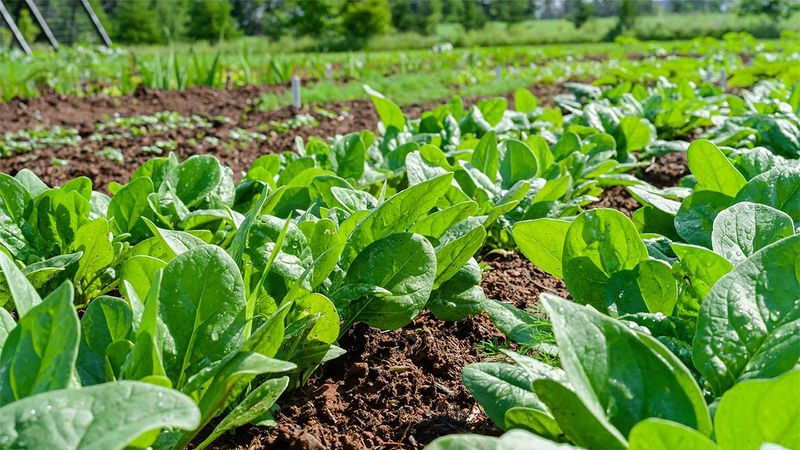
Few greens love chilly weather the way spinach does. When temperatures drop, its leaves actually turn sweeter and more tender, which makes September a wonderful time to tuck seeds into the soil.
Spinach seeds sprout best when the ground has cooled off a bit, so early fall works in your favor.
Cold air will not bother young plants either. In fact, spinach can shrug off light frosts and keep growing, giving you fresh leaves long after tomatoes have wrapped up for the season.
Choosing the right variety matters. Look for types labeled fast growing or ones bred for fall planting, since they need roughly forty days to reach a good size.
Savoy varieties with crinkled leaves tend to handle cold especially well, while smooth-leaf types grow quickly and wash easily.
Timing is the trick here. In much of Michigan, planting during the first two weeks of September gives young spinach enough time to settle in before hard freezes arrive. If you wait too long, plants may not get established.
A little protection stretches your harvest even further. Tossing a row cover over the bed on frosty nights keeps leaves cozy and encourages steady growth. Some gardeners even see plants survive under snow and bounce back the following spring.
Water gently after planting and keep the soil evenly moist until seedlings appear. Once they get going, spinach mostly takes care of itself, rewarding you with vitamin-packed leaves for salads, soups, and quick sautes throughout the cooler months.
2. Radishes Mature Quickly
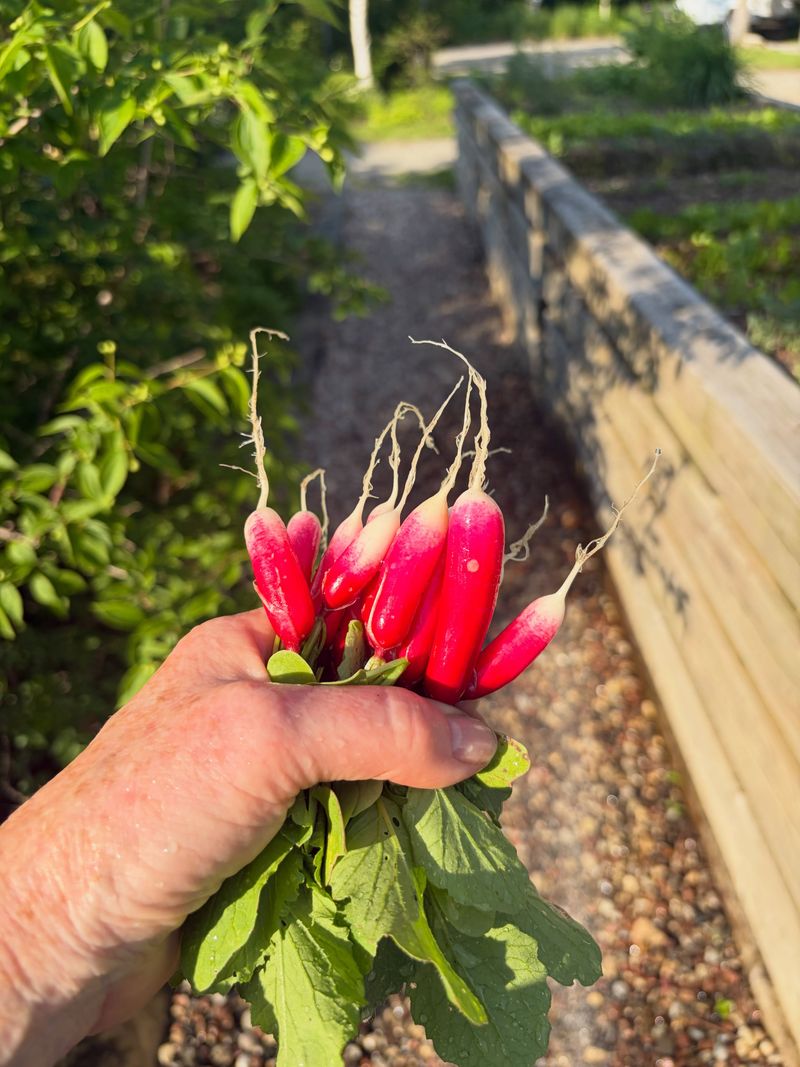
If patience is not your strong suit, radishes are about to become your favorite crop. Some varieties go from seed to snack in as little as three or four weeks, making them one of the speediest things you can plant in September.
Cool soil suits radishes perfectly. Hot summer weather often makes them turn woody or too spicy, but the crisp days of early fall keep the roots crunchy, mild, and juicy. That means September planting often produces the best-tasting radishes of the whole year.
Getting started could not be simpler. Scatter seeds about half an inch deep, keep the rows a few inches apart, and thin the seedlings once they pop up so each root has room to swell. Crowded plants tend to produce skinny, disappointing radishes.
Your Michigan Garden Changes Every Week. Your Plan Should Too.
Gardening in Michigan changes quickly throughout the season. Every Friday you’ll receive a simple weekly plan showing exactly what to plant, prune, fertilize, harvest, and protect so you never miss the right timing.
Quick maturity gives you flexibility too. Because they grow so fast, you can plant a fresh batch every week or two and enjoy a steady supply instead of one giant harvest all at once. Gardeners call this trick succession planting.
Round red types like Cherry Belle grow in a flash, while longer French Breakfast varieties add a fun shape to your salads. Winter radishes such as daikon take longer, so save those for the very start of the month.
Keep the soil moist and watch how quickly the tops fill out. Once the roots reach the size of a marble or larger, pull one to test. Fresh, homegrown radishes add a peppery crunch that store-bought ones rarely match.
3. Lettuce Can Still Be Started
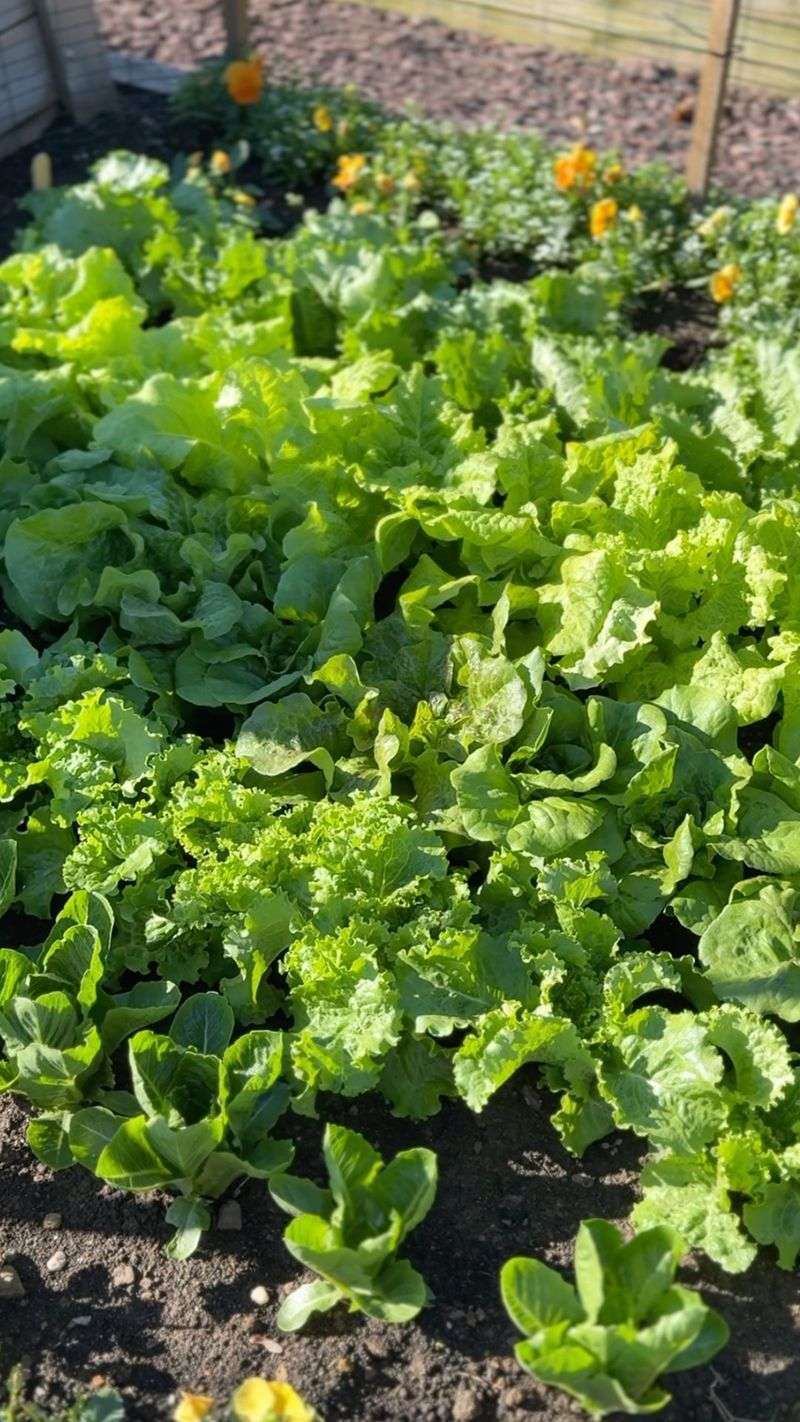
Crisp, fresh lettuce does not have to end when summer does. Early September is actually a sweet spot for planting, since lettuce dislikes heat and often bolts or turns bitter when the weather bakes it.
Cooler temperatures keep the leaves sweet and slow to flower. That is why fall lettuce frequently tastes better than the batches you grew back in July. The mild days and cool nights of autumn are exactly what these plants crave.
Before you plant, check your local frost date and match it against the seed packet. Most loose-leaf varieties need around forty-five to fifty-five days to mature, so leave enough runway before hard cold arrives.
Loose-leaf and butterhead types generally grow faster than tight heads like romaine. One of the best perks of leaf lettuce is the cut-and-come-again harvest.
Instead of waiting for a full head, you can snip the outer leaves whenever you want a salad, and the plant keeps producing more from the center.
Sow seeds shallowly, only about a quarter inch deep, and keep the soil damp until the tiny sprouts appear. Lettuce seeds are small, so a gentle touch helps them settle in.
A row cover or cold frame can push your harvest deeper into the season. Light frost usually does not harm lettuce, and a little protection keeps the leaves tender on chilly nights.
With a bit of planning, you can enjoy homegrown salads long after the neighbors have packed away their gardens for the year.
4. Arugula Thrives In Cooler Weather
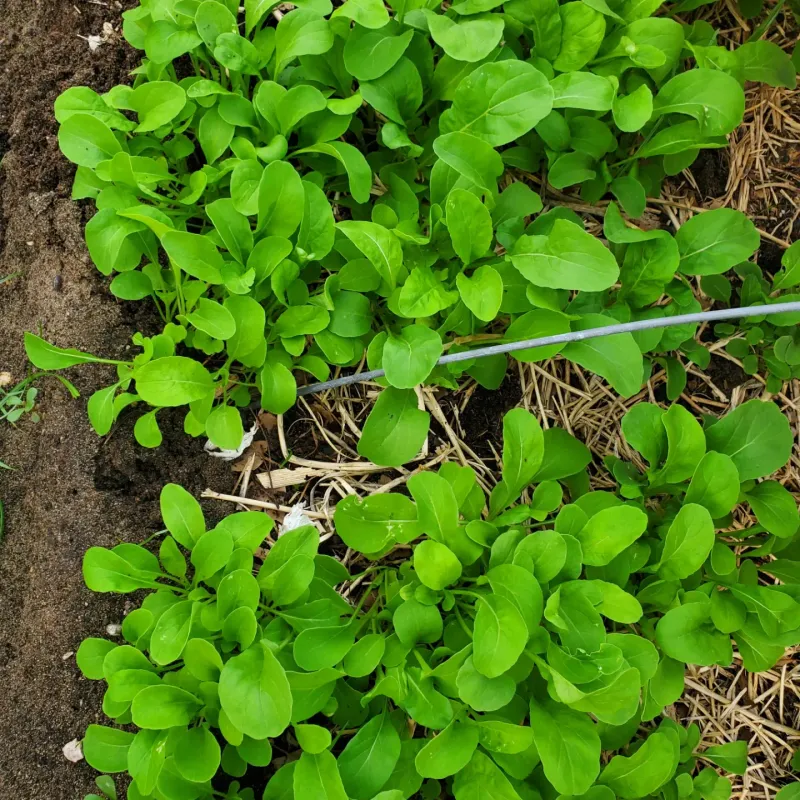
Peppery, bold, and ready in a hurry, arugula might be the most rewarding green you can plant this month. It shoots up fast and delivers big flavor without asking for much fuss.
Cool weather is where arugula truly shines. When summer heat hits, it bolts quickly and turns sharp and bitter, but autumn keeps the leaves tender and pleasantly nutty. Many gardeners find their fall arugula tastes far better than anything grown in July.
Speed is the real selling point. Baby leaves are often ready to snip in just three weeks, and full-size leaves follow a couple of weeks later. That quick turnaround makes it easy to fit into a September garden even if you feel like you are running late.
Planting is a breeze. Sprinkle seeds thinly over loose soil, cover them lightly, and keep everything moist until the green shoots break through. Thin the seedlings so the plants have breathing room and grow full leaves.
Harvesting works a lot like leaf lettuce. Pick the outer leaves and let the middle keep producing, or shear the whole patch and wait for it to regrow. Either way, you get several rounds from one planting.
Light frost only sweetens the flavor, so do not panic when the first cold nights arrive. For a steady stash of salad greens, sow a small handful of seeds every week or two.
Fresh arugula tossed with olive oil and a squeeze of lemon turns any simple meal into something special.
5. Mustard Greens Handle The Cold
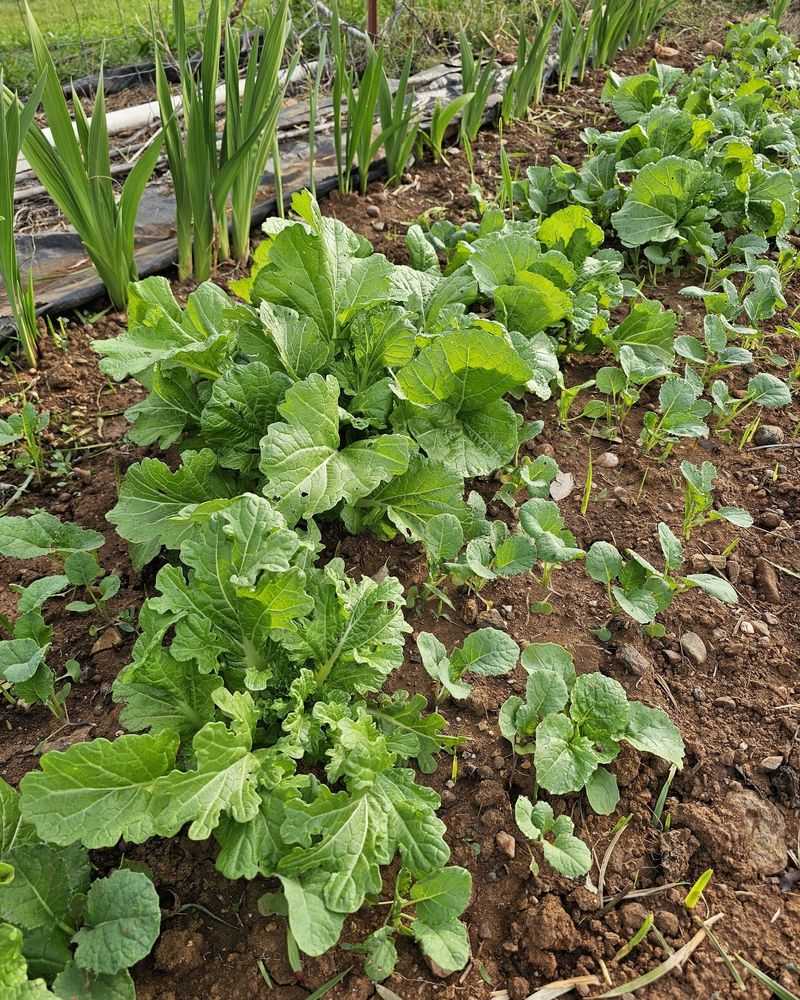
For gardeners who love a little kick in their greens, mustard is a fall superstar. Its zesty, peppery leaves grow fast and stand up to cold weather with hardly any complaints.
Chilly conditions actually mellow the sharp bite of mustard greens, giving them a smoother, more balanced flavor. That is one reason so many gardeners save this crop for autumn instead of the warm months when the leaves can taste harsh.
Growth happens quickly here. Many varieties are ready to harvest in about thirty to forty days, so a September sowing still has plenty of time to fill your basket before deep cold settles in. Baby leaves are ready even sooner if you want a tender salad green.
Getting them growing takes little effort. Plant seeds shallowly, keep the soil moist, and thin the seedlings once they crowd each other. Mustard is not picky and forgives beginners who are still learning the ropes.
Colorful choices make the garden fun too. Some types have deep purple leaves, others are frilly and bright green, and each one adds a bit of personality to your beds and your plate.
Frost does not scare these plants. In fact, a cold snap can make the leaves taste even better, so let them ride through those crisp autumn mornings.
Use young leaves raw in salads for a spicy punch, or cook the larger ones down for a hearty, southern-style side dish. Either way, mustard greens bring warmth and flavor to cool-weather cooking.
6. Asian Greens Can Provide A Fall Harvest
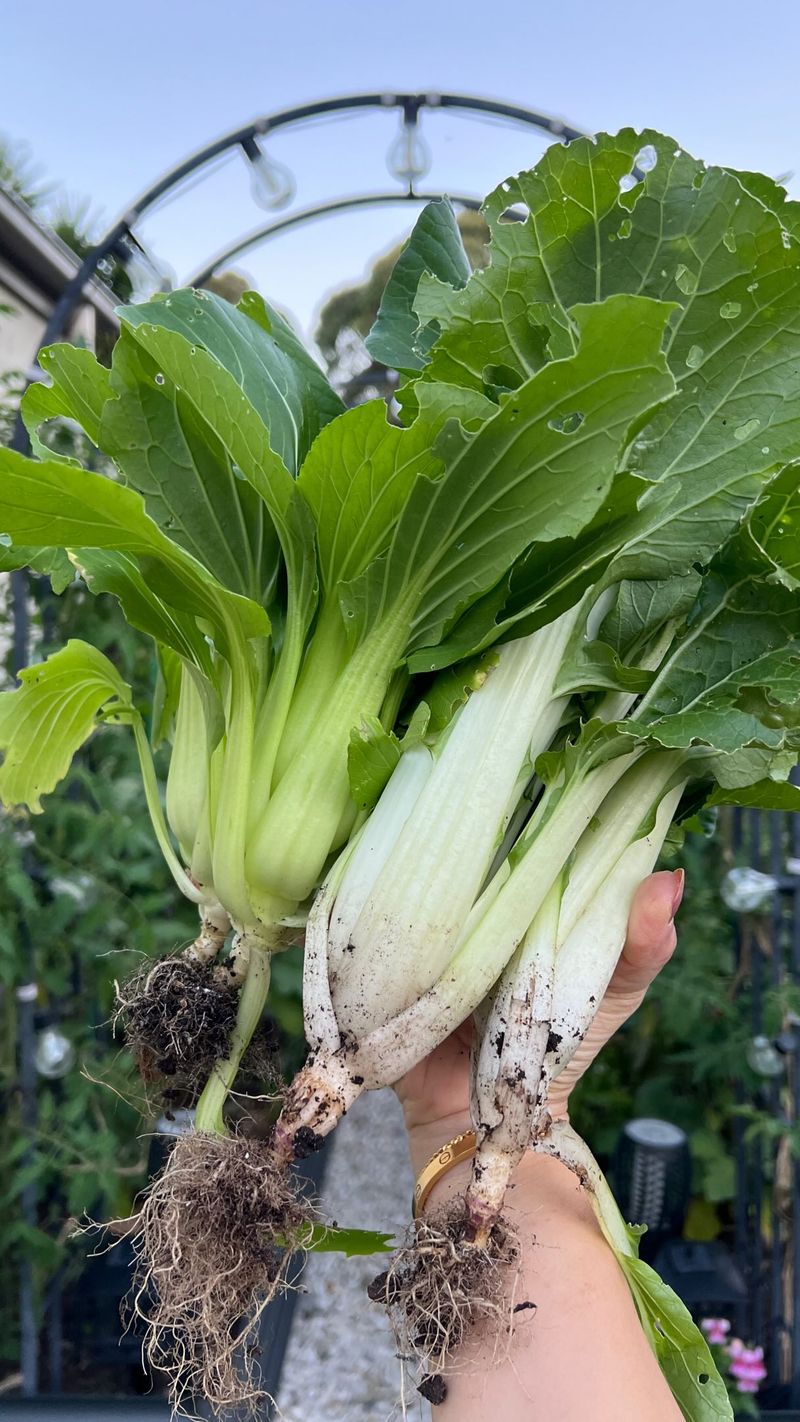
Looking to add something a little different to your plate? Cool-season Asian greens like mizuna, tatsoi, and bok choy bring fresh flavors and lovely textures to a September garden.
These greens grow happily in cool weather and often reach the table faster than you might expect. Mizuna produces feathery, mild leaves, tatsoi forms pretty spoon-shaped rosettes, and both handle chilly nights with ease.
Speed depends on the type you pick. Many leafy Asian greens are ready as baby leaves in three weeks and full size in about six, so choosing quicker varieties gives them enough time to mature before harsh freezes arrive.
Reading the days-to-maturity number on the packet helps you plan. Planting them feels familiar if you have grown lettuce or spinach.
Sow the small seeds shallowly, keep the soil moist, and thin the seedlings so each plant has space to spread. Crowded greens stay smaller and slower.
Watch out for tiny flea beetles, which sometimes nibble holes in the leaves. A lightweight row cover keeps them off and adds a bit of frost protection at the same time, a helpful two-in-one trick.
Harvest young leaves for salads or let the plants bulk up for stir-fries and soups. Bok choy is especially delicious tossed in a hot pan with garlic and a splash of soy sauce.
With their range of shapes, colors, and flavors, Asian greens make fall gardening feel a little more adventurous and give your kitchen exciting new ingredients to play with.
7. Green Onions Can Extend The Season
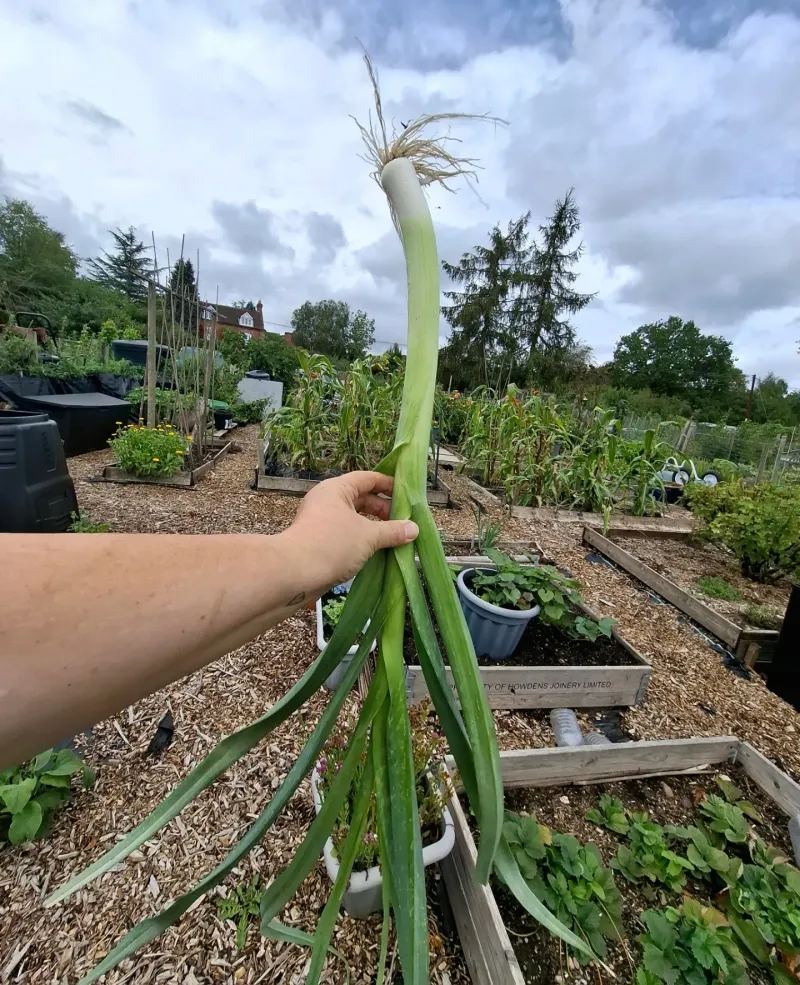
Green onions are the quiet workhorses of the fall garden. They take up little space, ask for almost nothing, and add a fresh, mild bite to just about any dish you cook.
Cool weather suits them just fine. Bunching types, sometimes called scallions, keep growing through chilly days and can handle light frost without trouble, which makes them a smart pick for September planting.
Timing still counts, even for such an easygoing crop. Green onions grow slower than radishes, so planting early in the month gives them the best shot at reaching a useful size before winter settles in.
Some varieties are hardy enough to survive under mulch and come back in spring. Starting them is easy and cheap.
You can sow seeds directly in the soil, tuck in small sets, or even replant the white roots left over from store-bought bunches. Many gardeners are surprised at how well that last trick works.
Space the plants an inch or so apart and keep the soil lightly moist. As they grow taller, you can pile a little soil around the base to grow longer white stems, a technique called blanching.
Harvesting is flexible. Snip a few stalks whenever a recipe calls for them, and the plants often keep producing more from the base.
Chop them over baked potatoes, stir them into eggs, or scatter them across a bowl of soup. Fresh green onions bring a burst of flavor that lasts well into the cooler part of the year.
8. Plant According To Your Michigan Location
Michigan stretches across a lot of ground, and that means the calendar looks different depending on where you garden. What works in the south might be risky up north, so knowing your local timing is the secret to fall success.
Frost dates are the key clue. Southern Michigan usually enjoys its first hard frost in mid to late October, central areas cool off a bit sooner, and the northern regions and Upper Peninsula can feel that chill by late September or early October.
Those extra weeks in the south open up more planting options. Matching crops to your window takes a little simple math.
Check the days-to-maturity number on each seed packet, then count backward from your expected frost date. If the crop needs forty days and your frost is more than forty days away, you have time to plant.
Northern gardeners should lean toward the speediest crops. Radishes, arugula, and baby greens finish fast and fit neatly into a shorter season, while slower plants may run out of time.
Southern gardeners get more freedom. With warmer, longer autumns, they can add spinach, lettuce, and even some Asian greens without much worry.
Tools like row covers, cold frames, and mulch stretch your season no matter where you live. A little protection can add weeks of growing time on both ends.
Pay attention to your own yard too, since low spots and windy corners cool off faster. Gardening with your location in mind turns September into a productive month everywhere in the state.