New Jersey Officials Are Asking Homeowners To Put One Classic Fall Lawn Job On Hold This Year
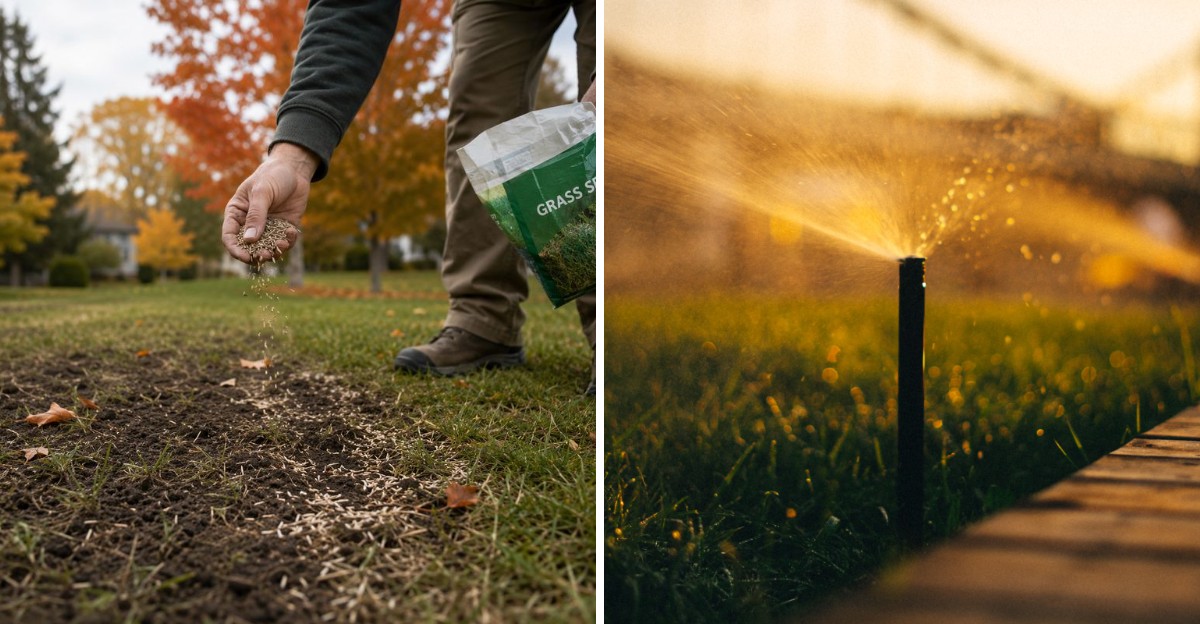
You planned to reseed this month, and New Jersey officials want you to wait. Blame months of low rain still weighing on local groundwater.
Fresh seed demands water constantly, often several light soakings a day for weeks. That thirst lands on the same supply your neighbors drink from.
Water managers flag lawn sprinklers as a major pull on limited reserves. Across New Jersey, guidance urges you to hold seed until conditions improve.
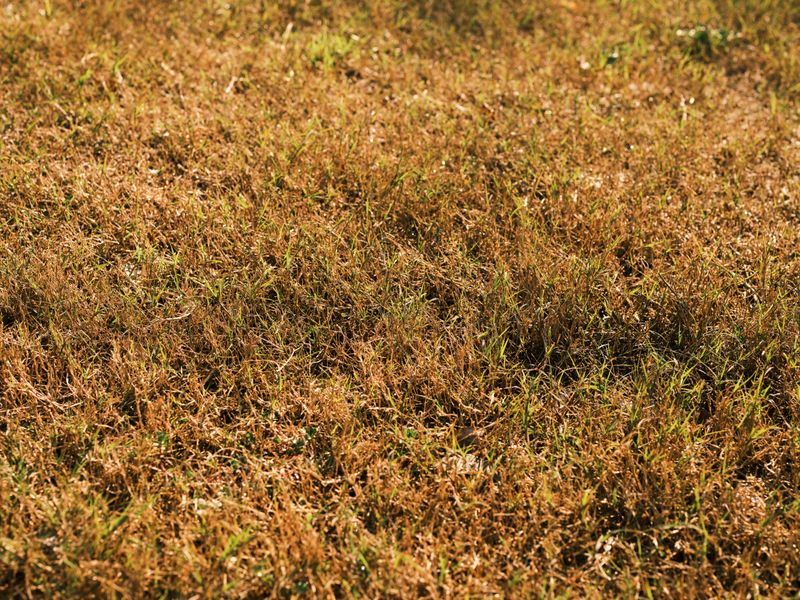
Seed that hits dry soil often sprouts, then fades before roots anchor. Established turf handles drought differently by slipping into dormancy.
Crowns hold on below the surface, waiting for moisture to spark regrowth. Meanwhile, you save money on seed, water bills, and weekend hours.
Still, timing matters, because the fall seeding window closes fast. Your best reseeding window depends on clear signals, and you can start watching today.
Overseeding Takes A Back Seat During A Dry Year
Picture a neighbor spreading grass seed while the state asks everyone to save water. That single image explains the whole request better than any official press release.
New Jersey has faced dry stretches, low rainfall, and lower reservoir levels in recent seasons. Plants need less water in fall, but state guidance has urged delaying intensive irrigation like reseeding.
Overseeding means scattering fresh seed over an existing lawn to fill thin or bare spots. The new seed needs steady moisture for weeks, which means lots of sprinkler time.
Water suppliers across the state have asked residents to cut back on outdoor watering. Lawn watering accounts for a significant share of outdoor water use in suburban towns.
Pausing this job is practical, even for people who love a green yard. It is a simple way to leave more water for drinking, cooking, and firefighting.
Brush fire risk also climbs when fall weather stays warm and dry across the region. Water saved now helps keep streams, wells, and reservoirs in better shape.
So the message is fairly simple, even if it feels a little odd in September. Hold off on reseeding for now, and let the grass rest until conditions improve.
Check your town website or local water utility for the latest guidance. Rules can vary from county to county, so a quick look saves confusion later.
Your lawn will not hold a grudge about the delay. Established grass usually recovers after rain, though long droughts can thin patches.
The Thirsty Truth About New Grass Seed
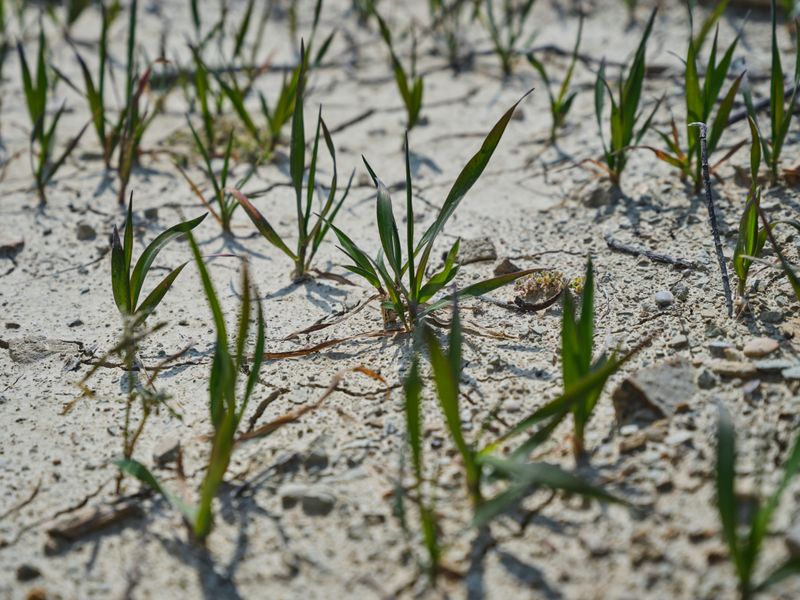
A grass seed is basically a tiny packed lunch waiting for a drink. Once it gets wet, it wakes up and starts growing roots right away.
Trouble begins when that drink stops showing up on schedule. A sprouting seed that dries out can fail before it gets established.
Lawn experts usually suggest watering new seed lightly two or three times a day. That routine can last three to four weeks, depending on the grass type.
Kentucky bluegrass is a popular choice in New Jersey, but it sprouts slowly. Some bluegrass seed takes three weeks or more just to poke through the soil.
Your New Jersey Garden Changes Every Week. Your Plan Should Too.
Gardening in New Jersey changes quickly throughout the season. Every Friday you’ll receive a simple weekly plan showing exactly what to plant, prune, fertilize, harvest, and protect so you never miss the right timing.
Tall fescue and perennial ryegrass come up faster, yet they still demand steady moisture. None of these grasses can root well in hard, dry soil.
Put all that together, and one small yard can use a large amount of extra water. Multiply that by thousands of homes, and the extra demand adds up.
Mature grass is different because it can slip into a sleepy, brown resting state. It can wait out short dry spells and green up again when rain returns.
Young grass does not have that natural drought response yet. Its roots are shallow, so it depends on steady watering from your hose.
That is the real reason officials target this chore specifically. Seed and drought simply make a poor match, especially without steady, reliable rain.
Think of it like planting a garden and then leaving town for a month. Results would be disappointing, and the water would mostly go unused.
A Smarter Calendar For Fall Seeding
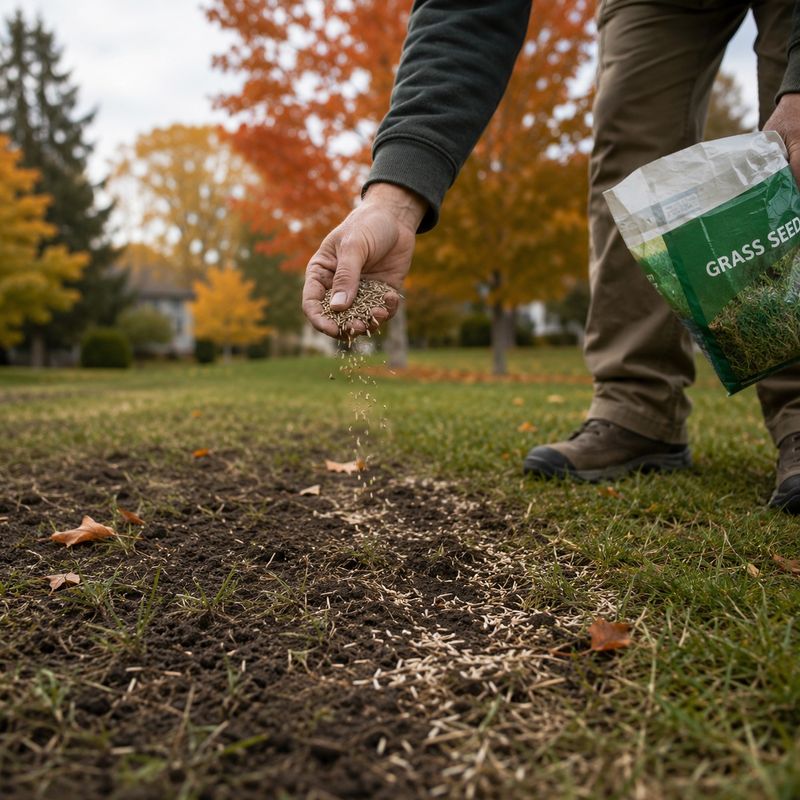
Ask any lawn pro in New Jersey, and they will call early fall the prime seeding window. Cool nights and warm soil usually make September perfect for new grass.
This year, that window may need to shift or close for a while. Weather, not the calendar, should decide when you pull out the spreader.
Most cool-season grasses sprout best when soil temperatures sit between 50 and 65 degrees Fahrenheit. That range usually peaks from mid-August to mid-September across the state.
If steady rain settles in soon, a quick seeding might still work out. Keep an eye on local drought updates before making that call.
As October moves along, frost becomes a real threat to tender young sprouts. Seed that goes down too late often has trouble establishing before winter.
Another option is dormant seeding, which happens in late fall or early winter. Seed sits quietly in cold soil and sprouts when spring warms things up.
Melting snow and spring rain do the watering work for you with that method. It saves water now while still giving your lawn a head start.
Spring seeding is possible too, from about late March through April. Just know that summer heat arrives fast and can stress young grass.
Write a reminder on your calendar so the job does not slip away. A little patience now can lead to thicker, happier grass down the road.
Your spreader can enjoy a longer nap in the garage for now. It has earned the break after a busy summer.
Common Mistakes That Waste Water And Seed
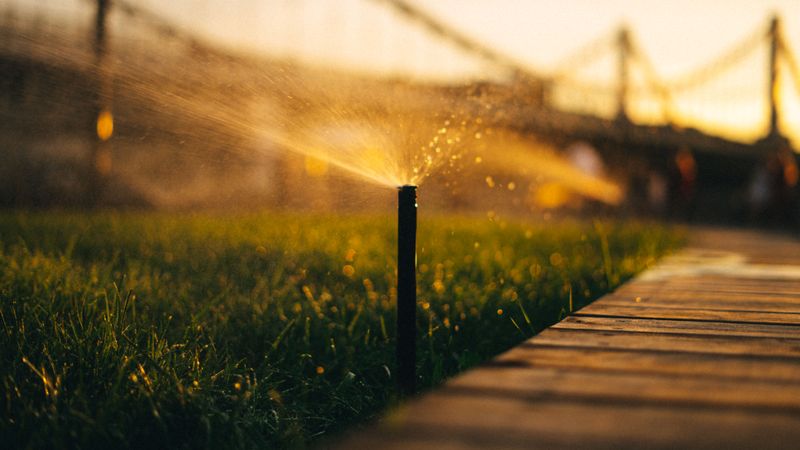
Some homeowners think a quick evening spray is harmless, even during water warnings. That habit can quietly waste seed, water, and money all at once.
A common error is seeding anyway and then watering whenever you remember. Spotty watering lets seeds sprout and then dry out within days.
Another common slip is soaking the lawn at noon on a hot afternoon. Much of that water evaporates before it ever reaches the roots.
Sprinklers aimed at driveways and sidewalks are another frequent issue. Concrete does not grow grass, no matter how much it gets watered.
Some towns set odd and even watering days or ban lawn watering during emergencies. Statewide guidance is voluntary, but local rules can bring warnings or fines.
Buying cheap seed to save money can backfire as well. Bargain bags may contain weed seeds and filler that sprout poorly, so your watering delivers weaker results.
Spreading seed on hard, dry soil is like tossing rice onto a parking lot. Birds will enjoy the snack, but your lawn will stay patchy.
Skipping a soil check is one more easy error to avoid. A simple test from Rutgers Cooperative Extension shows what your lawn truly needs.
Most of these slips come from good intentions and a love of green grass. Knowing them ahead of time helps you save time, money, and water.
Your wallet and your water bill will both thank you. So will the neighbors who are carefully following local restrictions.
Water-Smart Lawn Care Swaps For Fall
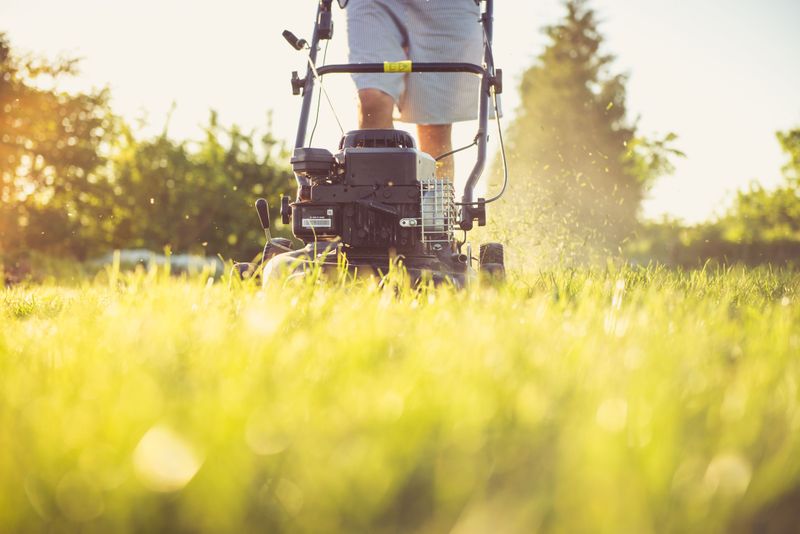
Good lawn care does not have to stop just because the seed bag stays closed. Plenty of useful jobs need little or no water at all.
Start by raising your mower blade to about three or four inches tall. Taller grass shades the soil and holds moisture much better than a short cut.
Leave the grass clippings on the lawn instead of bagging them. They break down quickly and return nutrients and moisture to the soil.
Mulching fallen leaves with your mower is another easy win this season. Chopped leaves feed the soil and save you hours of raking.
Pulling weeds by hand keeps them from stealing water from your existing grass. Doing it after a passing rain shower makes the roots slide out easily.
Hold off on heavy fertilizer while the ground stays dry and dusty. Feeding stressed grass can push weak growth that needs even more water.
Try to limit foot traffic on crunchy, brown spots whenever possible. Dormant grass is fragile, and constant stepping can damage the crowns underneath.
A rain barrel is a smart addition for any yard, big or small. Collected rainwater can help thirsty flower beds without tapping the public supply.
Consider marking thin areas with small flags so you remember them later. When seeding time returns, you will know exactly where to focus.
Keep the mower blade sharp to avoid tearing tired grass. Clean cuts heal faster and help your lawn hang on through dry spells.
A Healthier Lawn Waiting For Next Season
Imagine next spring, with soft rain falling and your lawn waking up greener than expected. Waiting this fall can set the stage for that exact scene.
Grass that rests through drought often recovers once regular rain comes back. Its roots stay dormant underground, ready to push out fresh blades.
When conditions improve, core aeration is a great first step before seeding. Pulling small plugs of soil lets water, air, and seed reach deeper.
Choosing drought-tolerant grass is one of the smartest long-term moves you can make. Turf-type tall fescue grows deep roots and handles dry summers well.
Adding a thin layer of compost helps sandy or clay soil hold water longer. Healthier soil means your lawn needs less help from the hose.
Some homeowners are shrinking their lawns and planting native flowers or shrubs instead. Plants like black-eyed Susans and switchgrass thrive in New Jersey with little watering.
Smart sprinkler controllers are another helpful upgrade for the future. They adjust watering based on weather, so you skip runs after a storm.
Pollinators such as bees and butterflies love native plantings too. Your yard can look beautiful while supporting local wildlife and saving water.
Each small change adds up when thousands of neighbors do the same thing. Together, those choices help protect water supplies during future dry spells.
Your lawn is not giving up on you this year. It is simply taking a well-deserved break before its big comeback.