Repot These Texas Houseplants Before Bringing Them Inside
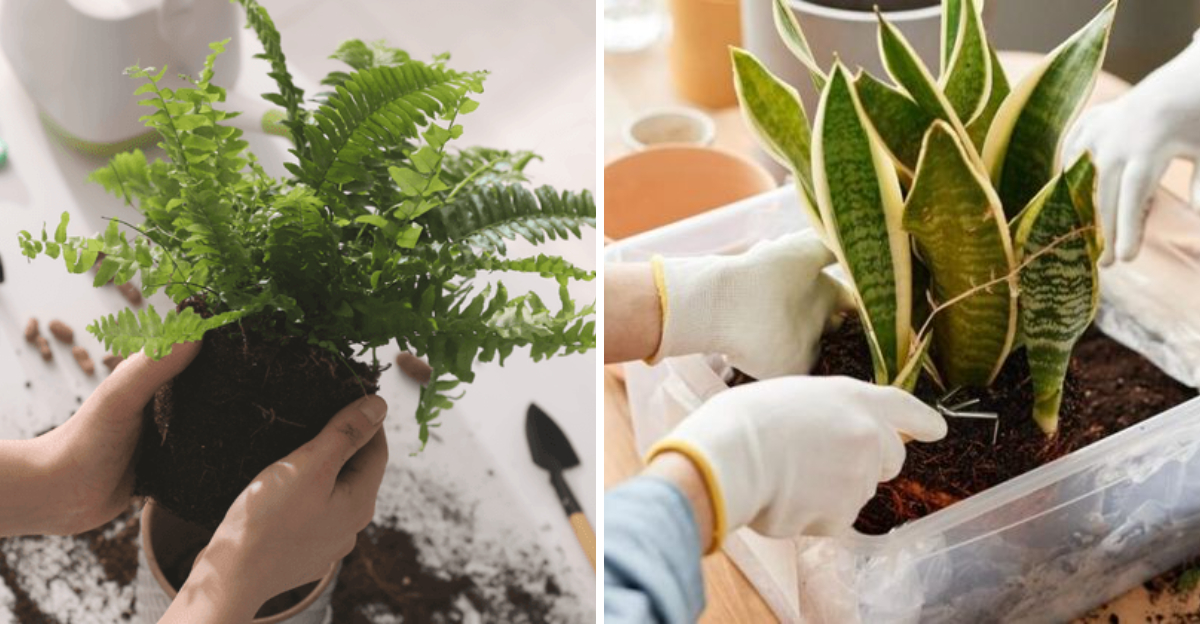
That first cool snap in Texas is a sneaky little signal. The air shifts, the mornings feel crisp, and your porch plants suddenly seem eager to come indoors.
Before you scoop them up and carry them inside, though, there is a smart step that many gardeners skip.
Giving certain plants a fresh pot and clean soil helps them settle in without dragging along hitchhiking bugs, crusty salt buildup, or roots so cramped they can barely breathe.
Texas summers are rough on containers, baking the soil and packing roots tight against the walls. A quick swap now saves you weeks of droopy leaves and mystery problems later.
Think of it as a spa day before the big move. Ready to find out which plants deserve that fresh start? Let’s look at the ones that benefit most from a repot before the season turns.
1. Pothos
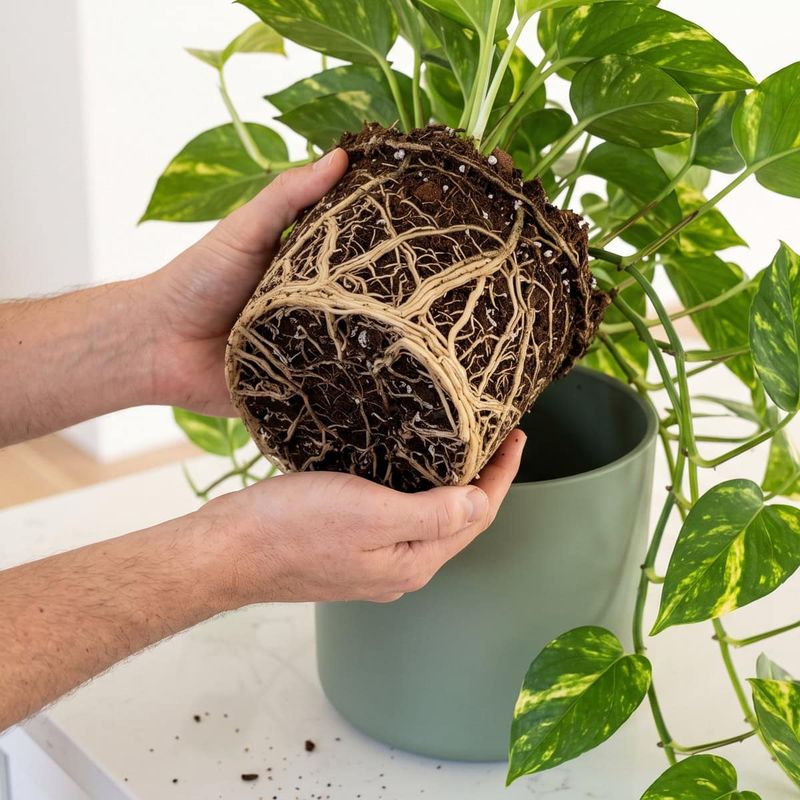
Few plants forgive Texas neglect like pothos, but even this tough vine gets grumpy when its roots run out of room. If you spot roots poking through drainage holes, it is time.
Summer heat on a shaded porch dries pothos soil fast, and constant watering leaves behind mineral crust. That crust can stress the plant once it moves into drier indoor air.
Pick a pot just one or two inches wider than the current one. Going too big holds extra moisture, and soggy soil invites root trouble.
Gently loosen the root ball before setting it in fresh, well-draining potting mix. Loose roots spread out faster and grab nutrients more easily.
Check the undersides of leaves before bringing it in. Tiny pests love to ride indoors, and a rinse plus fresh soil lowers the odds of an infestation spreading to your other plants.
Water thoroughly after repotting, then let the top inch dry before watering again. Indoor light is weaker, so the plant will sip more slowly than it did outside.
Place your refreshed pothos near a bright window without direct sun. It tolerates lower light, but brighter spots keep the yellow variegation vivid.
Here is a fun bit: pothos is sometimes called devil’s ivy because it stays green even in dim corners where other plants fade. That resilience makes it a favorite for Texas beginners.
A trim of leggy vines during repotting encourages bushier growth. Pop the cuttings in water and you will have new plants within a couple of weeks, ready to share with friends.
2. Boston Fern
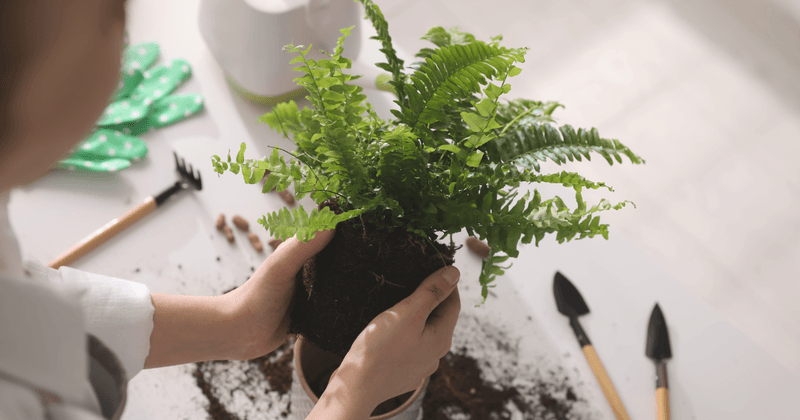
A Boston fern that spent the summer on a Texas porch usually looks a little frazzled by fall. The dry winds and blazing sun leave fronds crispy, and the roots often turn into a tangled mat.
These ferns grow quickly, so their pots fill up fast. When you tip one out and see more roots than soil, a repot is overdue.
Choose a container with plenty of drainage and fill it with a peaty, moisture-holding mix. Ferns love steady dampness but dislike sitting in swampy soil.
You can also divide a large fern into two or three smaller plants during this step. Just pull the root ball apart gently and pot each section separately.
Your Texas Garden Changes Every Week. Your Plan Should Too.
Gardening in Texas changes quickly throughout the season. Every Friday you’ll receive a simple weekly plan showing exactly what to plant, prune, fertilize, harvest, and protect so you never miss the right timing.
Before moving indoors, rinse the whole plant with a hose to knock off dust and any tiny critters clinging to the fronds. Texas porches collect all sorts of visitors.
Indoor air in winter runs dry, especially with the heater going. Set the fern on a pebble tray with water or mist it every few days to keep humidity comfortable.
Trim away brown or ragged fronds after repotting. Fresh growth appears more easily when the plant is not spending energy on tired leaves.
Give it bright, indirect light near an east-facing window. Harsh direct sun through glass can scorch the delicate fronds.
Interesting note: Boston ferns became wildly popular during the Victorian era, prized for cleaning indoor air. They still filter household air today, making them a lovely and practical choice for Texas homes heading into the cooler months.
3. Snake Plant
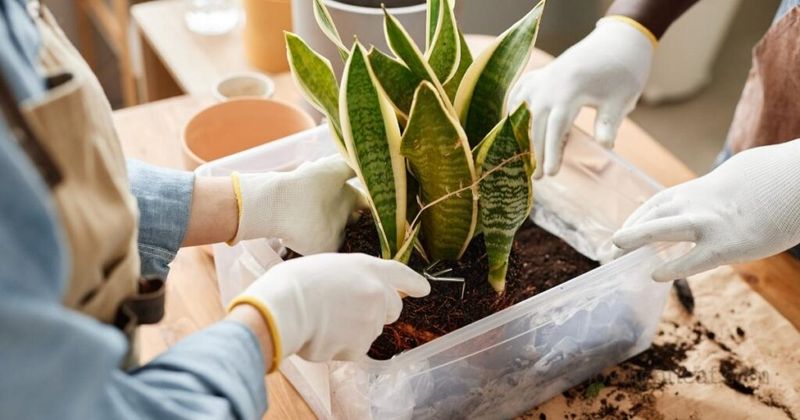
The snake plant acts like the calm, low-maintenance roommate of the plant world. Still, after a hot Texas summer, its thick roots can swell so much they crack cheap plastic pots.
When you notice the pot bulging or the plant tipping over, that is your cue. Repotting gives those stout roots room to spread and keeps the plant standing tall.
Snake plants prefer a gritty, fast-draining mix made for cactus and succulents. Regular potting soil holds too much water and can cause the roots to rot.
Pick a sturdy pot, ideally ceramic or terracotta, only slightly larger than the last one. The extra weight helps balance those tall, sword-like leaves.
Ease the plant out and shake off old soil, checking for any soft or mushy spots on the roots. Trim those away with clean scissors before replanting.
Water lightly right after repotting, then wait until the soil is fully dry before the next drink. Indoors, that might mean watering only every few weeks.
Set it almost anywhere, since snake plants handle low light and bright spots alike. A corner that gets a little window glow works great.
Wipe the broad leaves with a damp cloth before bringing the plant inside. Clean leaves soak up more light and look glossy in your living room.
They even release oxygen at night, which is unusual among houseplants and handy for a bedroom in your Texas home.
4. Spider Plant
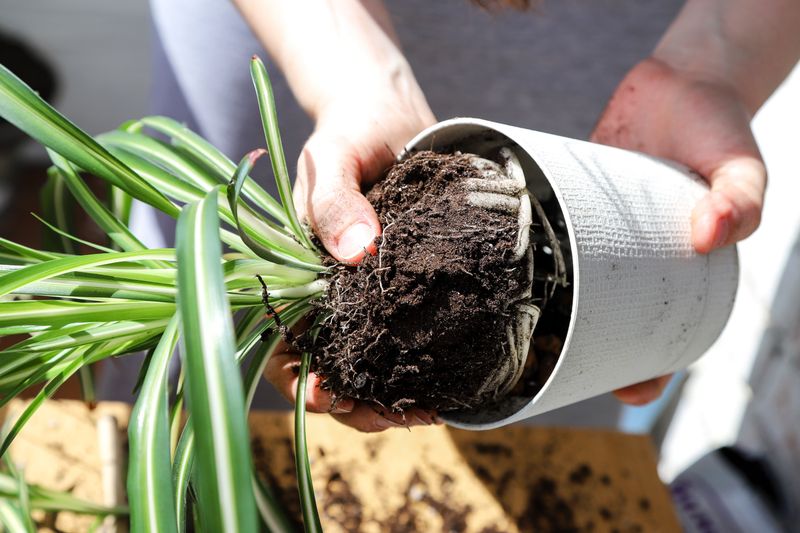
Spider plants are the overachievers of the porch, pumping out baby plantlets all summer long. All that growth means the parent plant often outgrows its pot by the time fall arrives.
Thick, tuber-like roots can push the soil right up and out of the container. When you see roots crowding the surface, grab a bigger pot.
Use a standard, well-draining potting mix and a container an inch or two wider. Spider plants are not fussy, so almost any quality soil works fine.
Take a moment to snip off a few of the dangling babies during the repot. Set them in water or small pots, and you will grow a whole family for free.
Give the plant a good rinse to clear away dust and any pests hiding among the leaves. Texas porches attract more bugs than you might expect.
After planting, water until it drains freely, then let the top layer dry before watering again. Indoor light slows their thirst quite a bit.
Hang it or set it where bright, indirect light reaches the leaves. Too much direct sun through glass can fade those cheerful green-and-white stripes.
If the leaf tips turn brown indoors, it is often from tap water minerals. Switching to filtered or rainwater usually clears that right up.
Fun tidbit: spider plants are considered safe around curious cats and dogs, unlike many houseplants. That makes them a worry-free pick for pet-loving Texas families settling in for winter.
5. Jade Plant
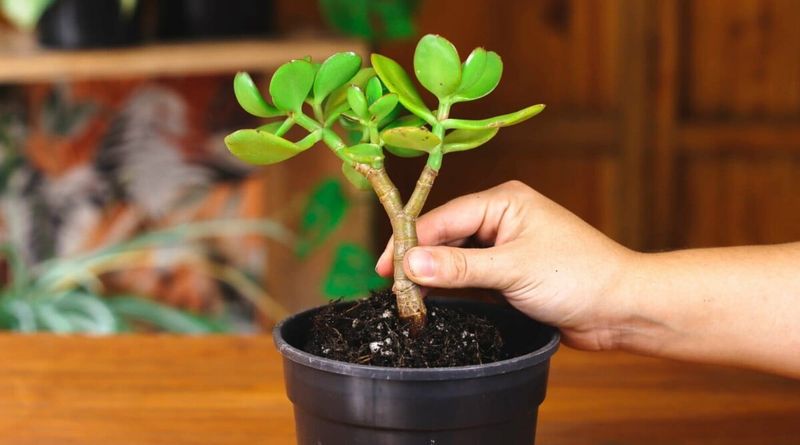
Jade plants look like tiny trees, and after a summer of Texas sunshine, they often grow top-heavy in their pots. A wobble when you touch them signals that repotting time has come.
These succulents store water in their plump leaves, so they hate soggy soil. Old, compacted dirt holds moisture too long and can turn the stems soft.
Reach for a heavy, shallow pot to keep the plant balanced. Terracotta is ideal because it lets excess moisture escape through the walls.
Fill it with a cactus or succulent mix, or add sand and perlite to regular soil for better drainage. Roots breathe easier in that gritty blend.
Let a freshly repotted jade rest a few days before watering. This gives any nicked roots time to heal and lowers the chance of rot.
Inspect the stems and leaf joints for cottony white pests before the move indoors. A cotton swab dipped in rubbing alcohol wipes them away neatly.
Place the jade in the brightest window you have, since it craves lots of light. A south-facing spot keeps it compact and happy through winter.
Water sparingly once inside, only when the soil feels bone dry. Overwatering is the most common mistake people make with these forgiving plants.
Here is a neat detail: jade plants can live for decades and are often passed down through families. Some folks call it the money plant and consider it a symbol of good luck, which makes it a meaningful addition to any Texas home.
6. Peace Lily
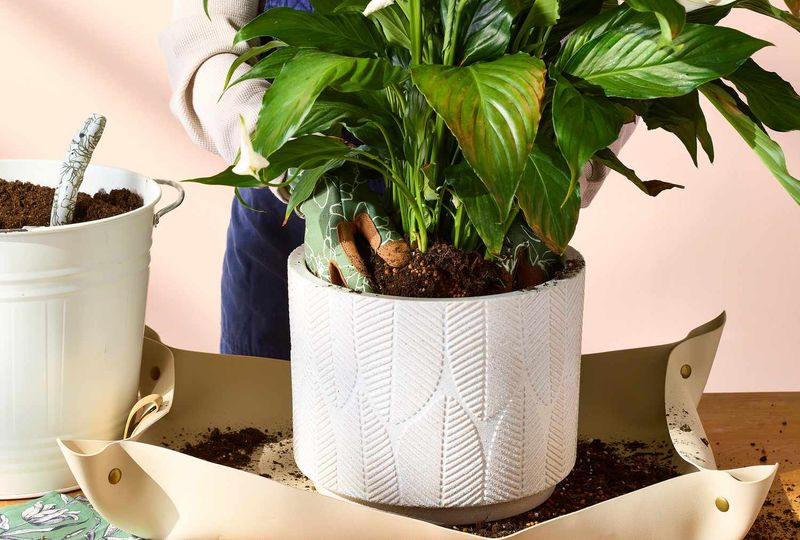
A peace lily has a dramatic way of asking for help, drooping its whole body when thirsty and perking up minutes after a drink. By fall, though, a root-bound one droops even when the soil is damp.
That confusing behavior usually means the roots have filled the pot completely. There is simply nowhere left for water to soak in.
Move it into a container one size larger with rich, well-draining potting soil. Peace lilies like to stay moist but not waterlogged.
You can split a crowded plant into two during the repot. Gently separate the clumps, making sure each piece has healthy roots and leaves.
Rinse the foliage and check leaf undersides for pests before carrying it inside. Clean leaves also make those glossy greens shine in indoor light.
Set it in medium, indirect light away from cold drafts and heater vents. Too much direct sun scorches the leaves, while deep shade slows the blooms.
After repotting, water well and keep the soil lightly moist going forward. If the leaf tips brown, ease up on fertilizer or switch to filtered water.
A peace lily may reward good care with more of its signature white blooms during winter. Those elegant flowers brighten short, gray days indoors.
Good to know: peace lilies are mildly toxic to pets and people if chewed, so keep them out of reach of curious kids and animals. Placed thoughtfully, they remain one of the most graceful houseplants for a cozy Texas winter.
7. Aloe Vera
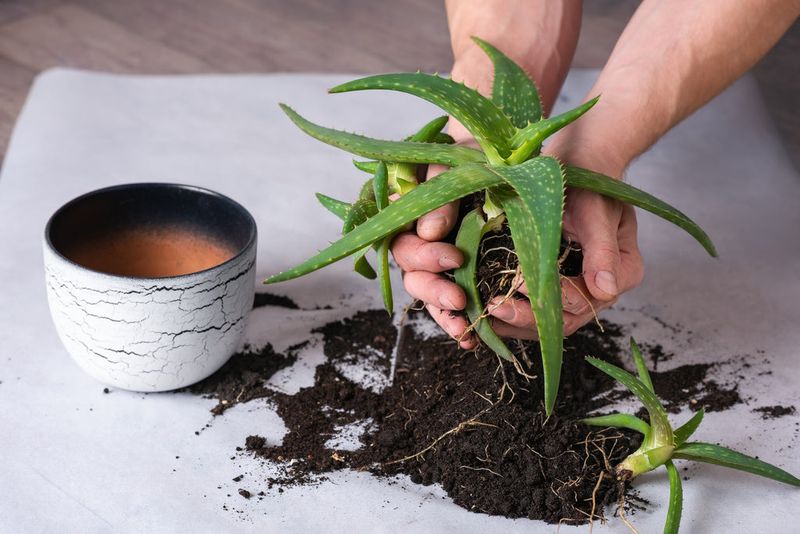
Aloe vera earns its keep as the burn-soothing plant every Texas kitchen seems to have. Give it a summer outdoors, and it multiplies fast, sprouting little pups around its base.
Those baby offshoots crowd the mother plant and steal space and nutrients. When the pot looks packed, a repot sets everyone up for success.
Aloe demands sharp drainage, so use a cactus mix or blend sand into regular soil. Wet feet lead straight to mushy, unhappy roots.
Choose a wide, shallow terracotta pot that lets moisture evaporate quickly. The porous clay works with aloe’s desert nature.
While repotting, twist off the pups and plant them in their own small pots. Each one grows into a full plant, giving you a steady supply of soothing gel.
Hold off on watering for about a week after replanting. This dry rest lets any broken roots seal over before they meet moisture again.
Once indoors, park it in your sunniest window. Aloe loves bright light and stretches out thin and pale without enough of it.
Water deeply but rarely, letting the soil dry fully between drinks. In winter, that could stretch to once every three or four weeks.
Handy fact: the clear gel inside aloe leaves has been used for skin care and minor burns for thousands of years, dating back to ancient Egypt. Keeping a healthy plant on your windowsill means natural relief is always within arm’s reach during the dry Texas winter.