Add These 9 Soil Amendments This Fall For A Thriving Garden Next Spring
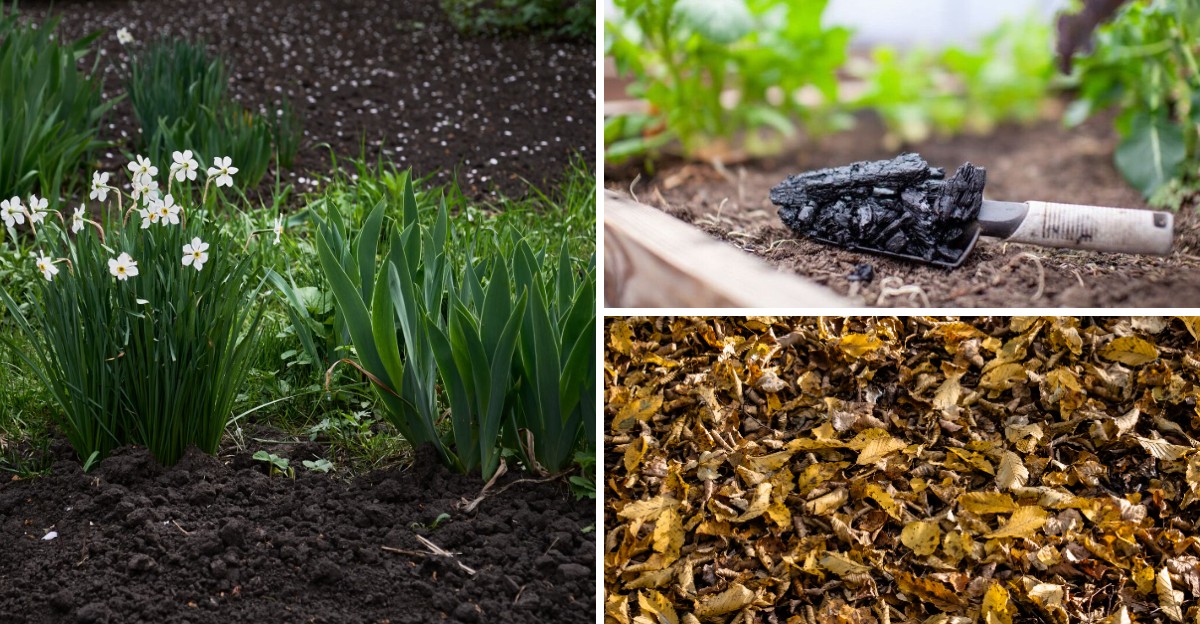
Earthworms drag fallen leaves down into their burrows at night, stashing snacks underground before the ground freezes. That quiet little harvest turns autumn litter into richer, darker soil that your spring seedlings will love.
Gardeners who feed their beds in autumn give soil creatures several extra months to finish that slow work. Winter rain and frost help mix everything in, so you skip heavy digging when the weather warms.
I skipped fall prep one year, and my tomato bed felt like packed brick by early April. After I tested a few simple additions the next autumn, that same bed crumbled easily in my hands.
You build your best spring garden right now, while the maple leaves fall and the air turns crisp. Which of these nine helpers might already be sitting in your yard, quietly waiting for a second job?
1. Spread Dark Crumbly Compost Over Empty Garden Beds
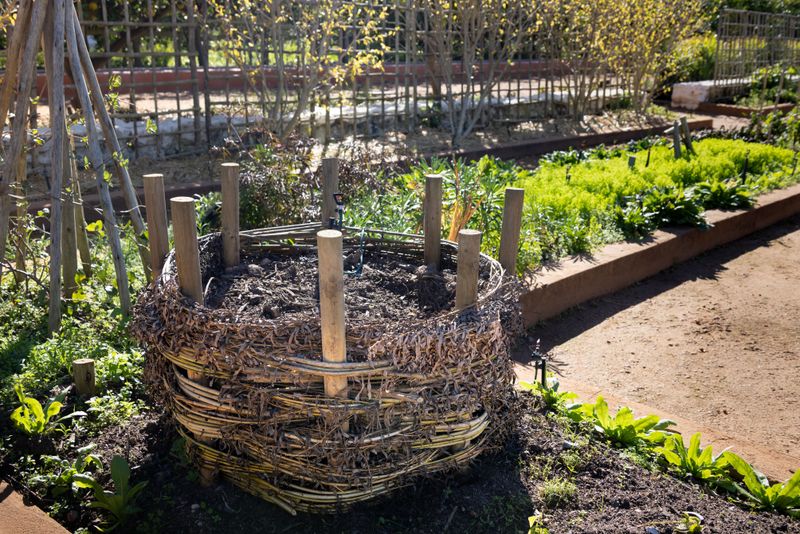
Gardeners nicknamed compost black gold long ago, and one sniff of a finished pile explains why. It smells like a forest floor after rain, sweet and earthy, with no sour or rotten notes.
Compost feeds the bacteria and fungi that turn organic matter into food your plants can actually absorb. It also helps clay drain better and lets sandy soil hold onto water much longer between rains.
Fall is a smart time to spread it because soil life keeps working whenever the ground is unfrozen. Rain, snowmelt, and freeze and thaw cycles help work those nutrients into the soil, so beds are ready when you plant in spring.
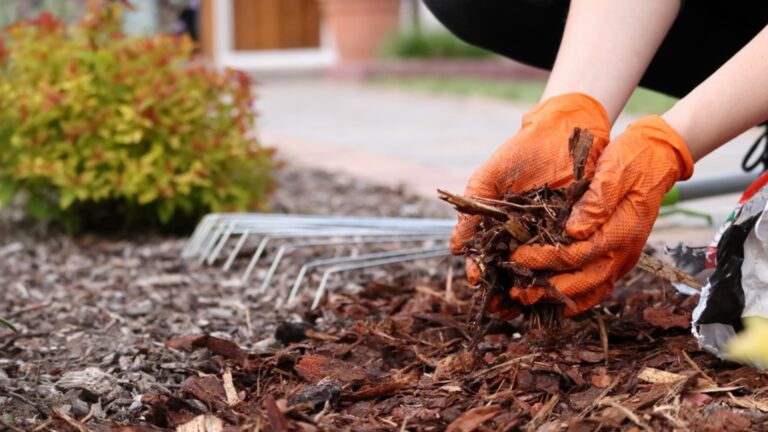
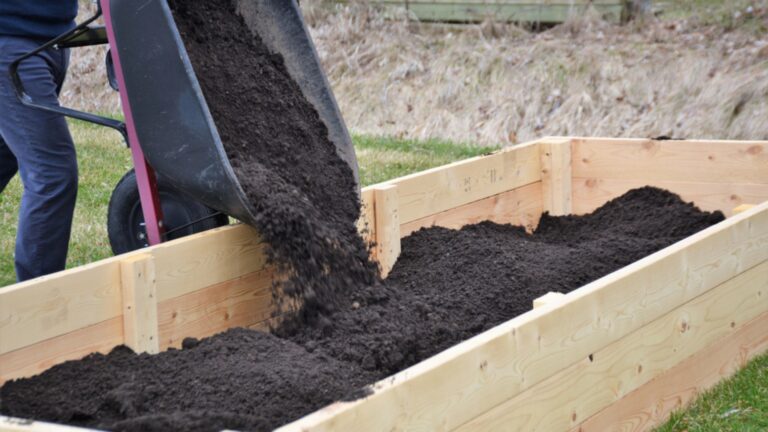
Aim for a layer about one to three inches deep across your vegetable and flower beds. You can skip the tiller, since earthworms and winter weather will mix most of it in for you.
I like to rake mine over beds right after pulling the last frost-bitten tomato and pepper plants. By March, the surface looks darker and looser, and my trowel slides in without much effort at all.
Homemade compost works great, but bagged or municipal compost is fine if your own pile is still cooking. Just check that it looks crumbly and smells pleasant, which signals it has finished breaking down properly.
2. Sprinkle Earthworm Castings Around Your Perennials
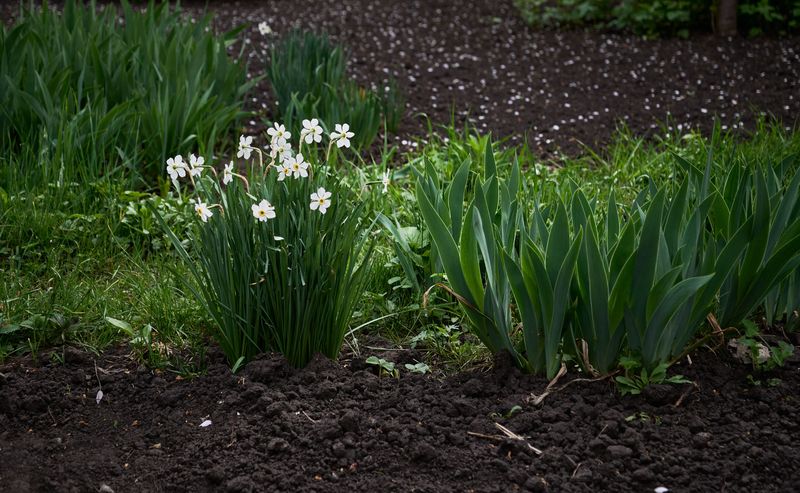
Worm poop may sound like an odd gift for your garden, yet gardeners happily pay good money for it. Fresh castings look like fine dark coffee grounds and feel surprisingly light and fluffy between your fingers.
Earthworms pass soil and scraps through their bodies, leaving behind material packed with nutrients and helpful microbes. Those nutrients release slowly, so castings rarely burn roots the way strong synthetic fertilizers sometimes can.
Castings also help loosen compacted ground and improve how well soil holds moisture during dry spells next summer. Some studies suggest the microbes in vermicompost may help plants resist certain diseases, though results do vary.
For in-ground beds, spread about a half-inch layer or roughly one cup for each square foot. Around perennials and shrubs, scratch a handful lightly into the top inch of soil near the drip line.
I keep a small worm bin under my kitchen sink, and those wigglers turn veggie peels into treasure. Red wigglers handle indoor bins well, while regular garden nightcrawlers prefer living in deeper outdoor soil instead.
Because castings are concentrated, a little goes a long way compared with bulky amendments like compost or manure. Save some in a lidded bucket, too, since they make a lovely boost for seedlings in early spring.
3. Shred Fallen Autumn Leaves Into Rich Leaf Mold
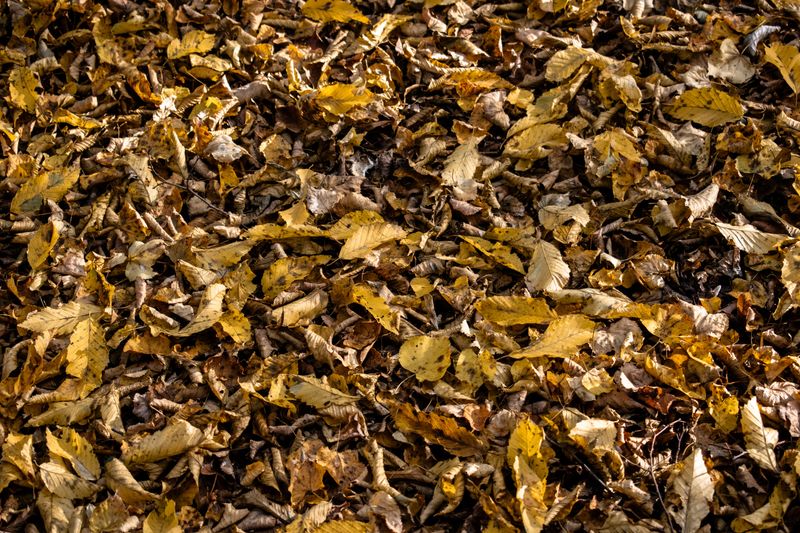
Every autumn, your trees drop a free bag of soil food right onto the lawn without asking anything back. Sending those crunchy leaves to the curb feels like tossing away a pantry full of groceries for your garden.
Shredding matters more than most people realize, since whole leaves can mat together and block air and water. Run them over with a mower a few times, and they shrink into small flakes that break down faster.
Spread a two to three inch layer of shredded leaves over beds to protect bare soil from winter erosion. Earthworms and other decomposers feast on that layer through cold months, slowly pulling it into the ground below.
Leaf mold is simply leaves left to rot in a pile or wire bin for one or two years. The finished product smells like a woodland trail and holds water beautifully, especially in fast-draining sandy soil.
I pile mine in a corner behind the shed and mostly forget about it until the second spring. Turning the pile once in a while and keeping it damp speeds things up noticeably, in my experience.
Avoid leaves from black walnut trees in vegetable beds, because they contain juglone, which harms tomatoes and other sensitive crops. Maple and oak leaves work wonderfully, so gather those freely from your own yard and willing neighbors nearby.
4. Work Aged Cow Manure Into Empty Vegetable Beds
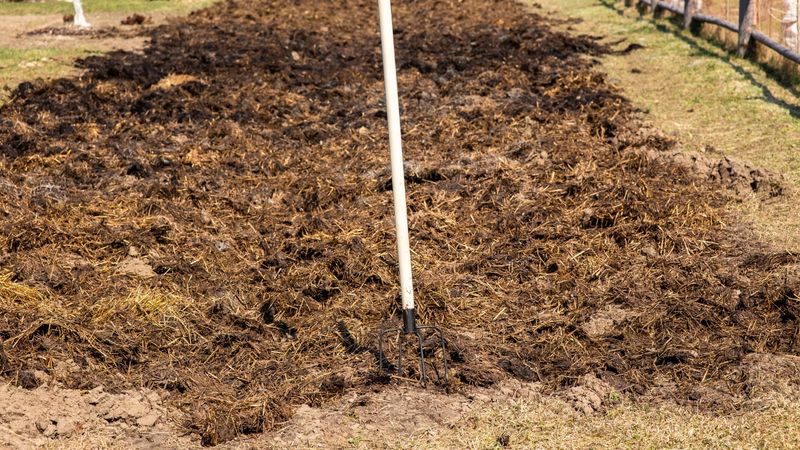
Old farmers swore by a steaming manure pile, and modern soil science mostly agrees with their muddy wisdom. Well-aged manure loses its harsh barnyard smell and turns crumbly, earthy, and much easier to handle with a shovel.
Manure supplies a mix of major plant nutrients, plus bulky organic matter that improves soil structure over time. Clay soils drain better after a few seasons, while sandy soils start holding moisture longer between summer waterings.
Fresh manure can burn tender roots and may carry harmful bacteria, so aging or composting it first really matters. Fall application on empty beds gives any remaining raw material months to break down safely before planting.
Food safety guidelines for organic growers suggest applying raw manure at least 90 to 120 days before harvesting vegetables. Using fully composted manure in autumn keeps you well within that window and lets you garden with peace of mind.
Cow and horse manure are gentle choices, while aged chicken manure packs more nitrogen into a smaller scoop. I spread about an inch of aged cow manure on my squash beds, and the vines sprawled happily next summer.
Skip manure from pets like dogs and cats, since their waste can carry parasites you do not want near food. Ask local farms or stables, because many folks happily share their aged piles for free or a small fee.
5. Sow Crimson Clover And Winter Rye Cover Crops
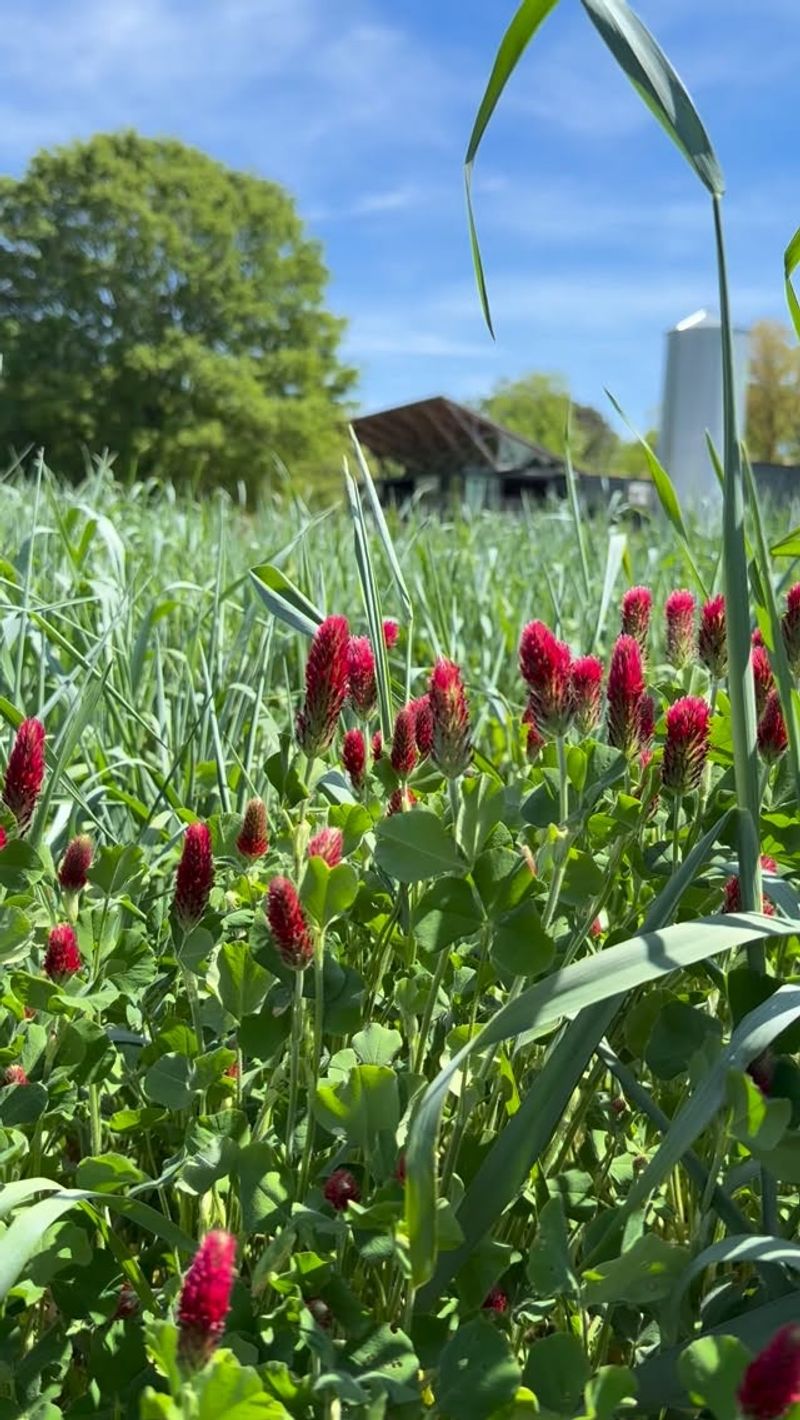
Some of the best soil builders are not bagged products at all, but living green plants growing all winter. A patch of crimson clover feels like a soft emerald carpet underfoot when most of the garden looks bare.
Cover crops shield soil from pounding rain and blowing wind, which can strip away precious topsoil during cold months. Their dense growth also crowds out weeds, so you face fewer surprise invaders when spring planting season returns.
Legumes like crimson clover and winter peas partner with root bacteria to pull nitrogen from the air into soil. Cereal rye adds loads of root mass and handles cold impressively well, even in fairly chilly northern gardens.
Sow seeds soon after clearing summer crops, ideally several weeks before your first hard frost arrives in fall. That head start lets the young plants establish strong roots before winter slows growth to a quiet crawl.
I scatter seed by hand and rake it in lightly, and sprouts usually pop up within about a week. Watching green fuzz cover a bare bed in October makes me feel strangely proud, almost like a parent.
Cut or mow the crop in spring at least two to three weeks before planting so residue can break down. Cereal rye can briefly slow small seeds from sprouting, so give extra time before sowing carrots or lettuce.
6. Mix Porous Black Biochar Into Sandy Garden Soil
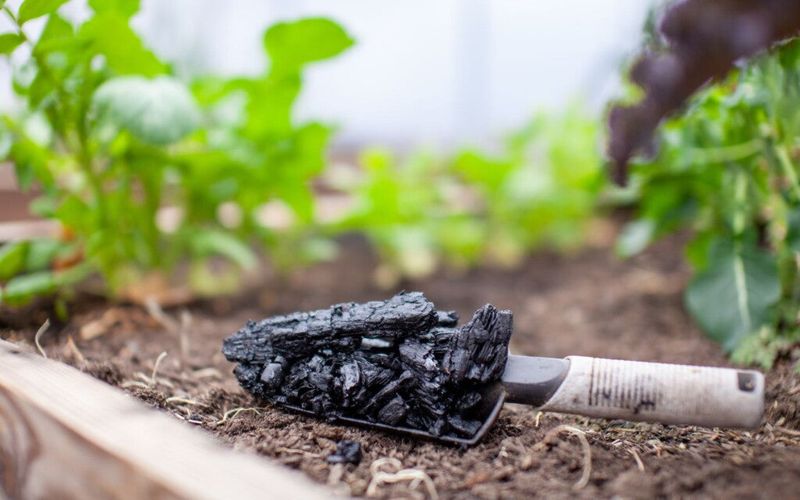
Biochar looks a lot like crumbly charcoal from a campfire, but it plays a very different role underground. Each tiny piece is riddled with pores, creating a sponge that can shelter microbes and hold water in place.
Makers produce it by heating wood or crop waste with very little oxygen, which leaves behind stable carbon. Some biochar particles found in ancient Amazon soils, called terra preta, have lasted for many hundreds of years.
Research shows biochar helps most in acidic soils and coarse sandy soils that struggle to hold water and nutrients. In rich, healthy loam, the benefits are often smaller, so test your soil before investing in big bags.
Raw biochar can soak up nutrients at first, temporarily borrowing them from plant roots in your beds. Many gardeners charge it first by mixing it with compost or soaking it in diluted fertilizer for a while.
Fall application gives the char months to settle in and become home to soil organisms before spring arrives. I mixed some into a sandy corner last year, and that spot stayed noticeably moister during summer heat waves.
Start modestly, adding roughly five to ten percent by volume into the top several inches of your bed. Biochar can raise pH slightly, so skip it near blueberries and other plants that prefer strongly acidic soil.
7. Scatter Olive Green Greensand Around Rose Bushes
Millions of years ago, ancient seabeds were quietly forming the dusty mineral that gardeners now sprinkle on flower beds. Greensand gets its olive tint from glauconite, an iron-rich mineral that formed slowly in shallow marine sediments.
It supplies a gentle dose of potassium, along with iron, magnesium, and dozens of trace minerals your plants appreciate. Because it releases nutrients slowly over months, fall is a sensible time to work it into your beds.
Greensand can hold a surprising amount of moisture, which helps sandy soil stay damp a little longer between waterings. Many gardeners also find it helps loosen heavy clay, giving roots an easier path through stubborn ground.
Follow package directions, which often suggest a few pounds per hundred square feet scratched into the top few inches. It is gentle enough that overapplying rarely harms plants, unlike some fast synthetic fertilizers sold at big stores.
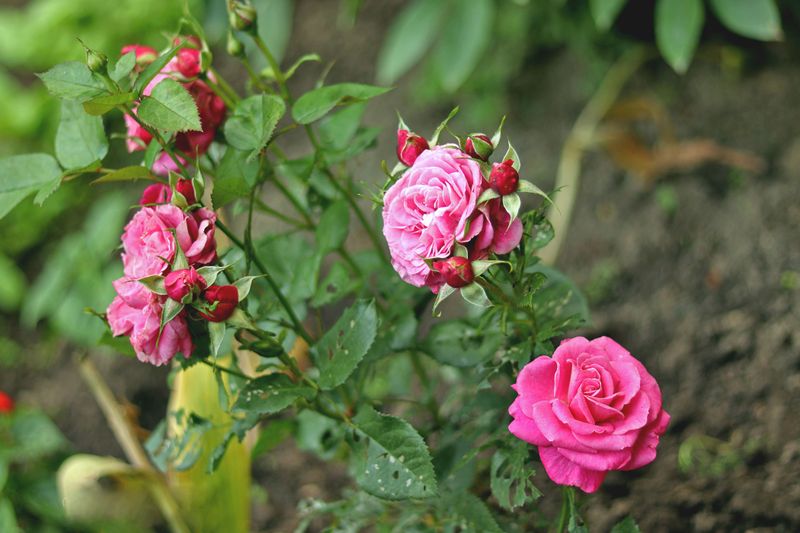
I add a light dusting around my roses each fall, and the foliage seems greener and sturdier the next year. Honestly, I cannot prove greensand alone did that, but my soil test showed healthier potassium levels afterward.
Run a soil test before buying, since potassium is already plentiful in many garden soils across the country. If your numbers look low, greensand offers a patient, natural fix that fits well with organic gardening.
8. Feed Fall Tulip Bulbs With Bone Meal
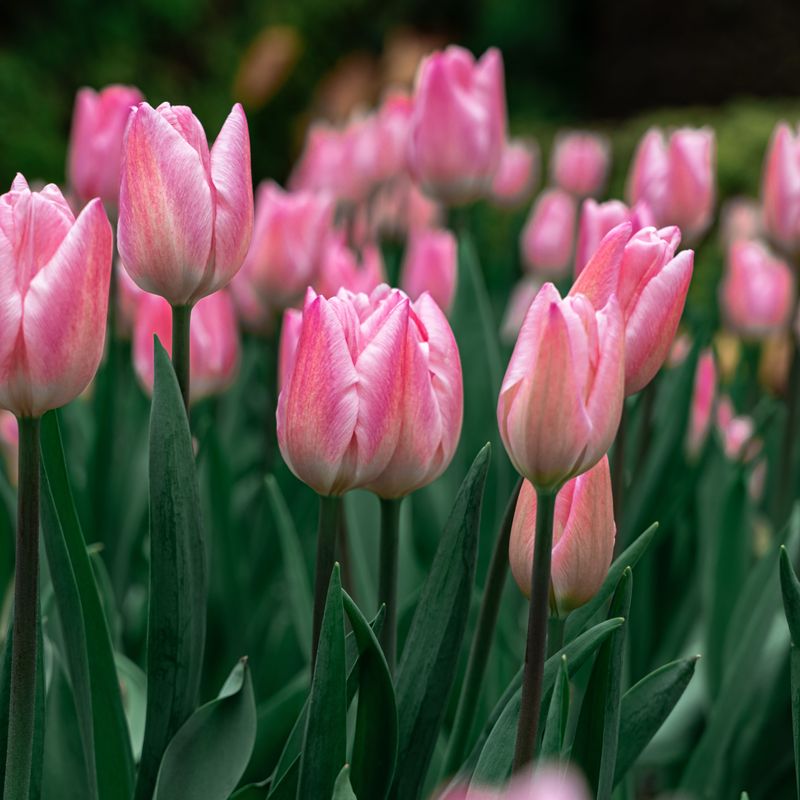
Squirrels and dogs sometimes dig where bone meal is sprinkled, drawn by its faint meaty smell, so plan ahead. Burying it under a little soil usually keeps curious noses away from your freshly planted tulip and daffodil bulbs.
Bone meal is finely ground animal bone, and gardeners value it mainly for its phosphorus and calcium. Phosphorus supports strong root growth and flowering, which explains why bulb planters reach for it every autumn.
Mix about a teaspoon or so into the bottom of each planting hole before setting bulbs in place. For roses and perennials, scratch a small amount into the soil surface around the base, then water well.
Colorado State University research found bone meal releases phosphorus mainly in soils with a pH below seven. In alkaline ground, much of it stays locked up, so check your pH before buying large boxes.
Many garden soils already contain plenty of phosphorus, and excess runoff can feed algae blooms in nearby lakes and streams. A soil test helps you skip unnecessary applications and protects local waterways at the same time.
I tuck a pinch under every bulb, then mark the spot with a plant tag so I remember what’s sleeping there. Come spring, those green tips poking through cold soil feel like a reward for a little effort last fall.
9. Add Elemental Sulfur To Acidify Blueberry Beds
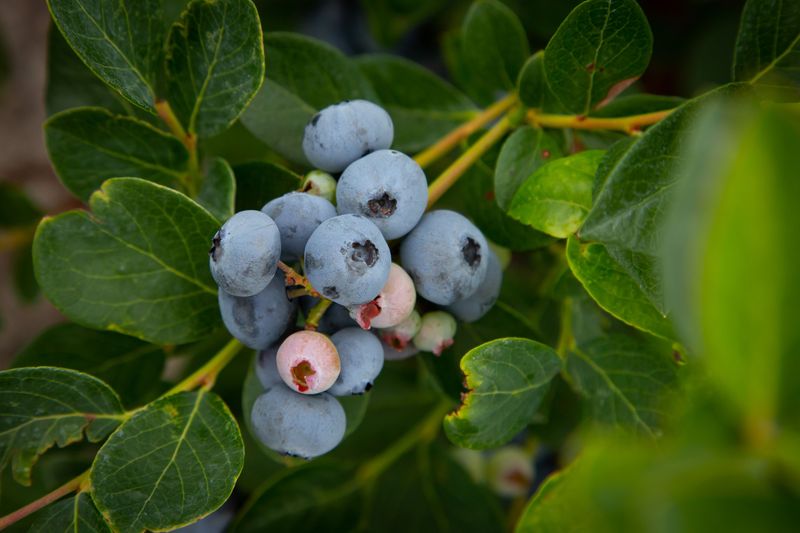
Blueberry bushes can sulk for years with yellow leaves and skimpy harvests when soil pH runs too high for them. Often the fix is a pale yellow powder that works slowly underground, which makes fall the perfect time.
Elemental sulfur lowers pH because soil bacteria convert it into sulfuric acid over several weeks and months. Those bacteria work best in warm, moist soil, so autumn application gives them a head start before spring.
Blueberries typically prefer pH around 4.5 to 5.5, while azaleas and rhododendrons also enjoy acidic conditions. Most vegetables grow happily near 6.0 to 7.0, so sulfur is usually unnecessary in a typical veggie patch.
Get a soil test first, because the right amount depends on your current pH, target pH, and soil type. Clay soils need more sulfur than sandy ones to shift pH by the same amount, so follow extension guidance.
Work the sulfur into the top six inches or so, then let winter rain and snow do the rest. Avoid aluminum sulfate as a shortcut, since too much aluminum can harm roots and soil life over time.
I retest my blueberry bed every year or two, adding small doses rather than one heavy, risky application. Watching those leaves turn deep green again, followed by plump summer berries, feels like a sweet little victory.