8 Kitchen Scraps That Encourage Orchids To Bloom Again
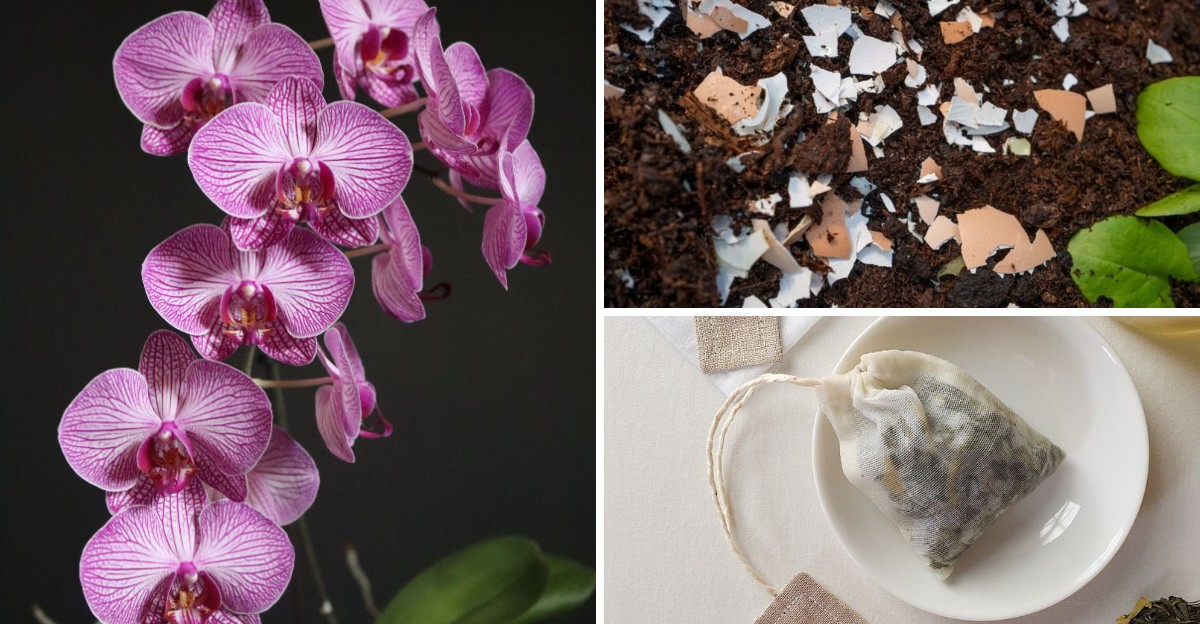
A single flower spike on my windowsill once held blossoms for nearly three months before finally dropping them. Then the plant sat green and silent for almost a year, offering leaves but no new buds.
In the wild, these tropical beauties cling to tree bark and sip nutrients from rain and rotting leaf litter. That lean diet explains why heavy feeding often does more harm than good, while small, gentle boosts tend to suit them far better.
I figured the warm, humid air in my home would handle everything, yet my plant still refused to rebloom. After I tested a few kitchen leftovers, I learned which ones help and which ones belong in the compost.
You probably toss several of these scraps every single week without a second thought about their hidden garden value. Could your kitchen trash hold the nudge your stubborn plant has been quietly waiting for all this time?
1. Cold Brewed Coffee Water For Leafy Orchids
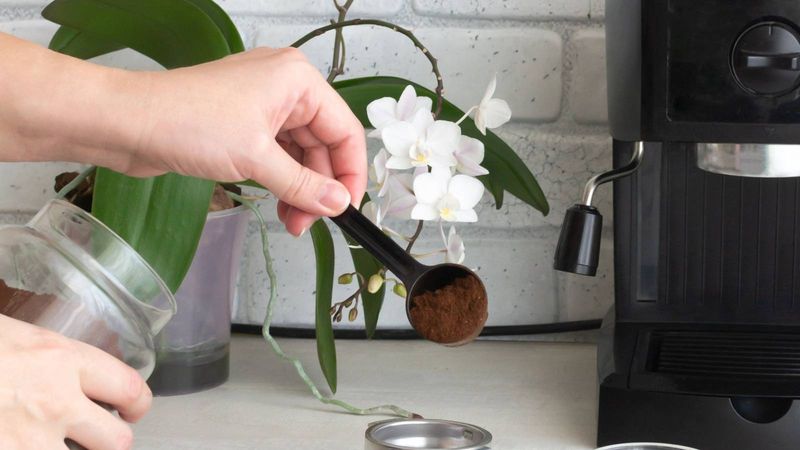
Coffee lovers rejoice, because your leftover brew might share a little of its morning energy with your orchid. The trick involves a weak liquid, since soggy grounds in the pot cause far more trouble than help.
Used grounds contain some nitrogen, a nutrient that supports leafy growth and healthy green color in many plants. Orchids need that leaf power first, because strong leaves store the energy later spent on flower spikes.
For a simple coffee tea, pour cool water over used grounds and let the jar sit for a full day. Strain it twice through a paper filter, then mix one part coffee liquid with about three parts water.
Pour this pale brown mix only through the potting medium once a month, keeping it off the leaves. I learned that lesson after sticky drips left faint stains on a favorite plant near my kitchen window.
Solid grounds are a different story, because they pack tightly and hold water around roots that crave airflow. Epiphytic orchids grow on trees in nature, so soggy, dense material can quickly lead to root rot.
Grounds can also speed up the breakdown of bark, turning a fluffy mix into mush much sooner than expected. Mushy bark stays wet longer, and that damp setting tends to invite mold along with tiny fungus gnats.
Treat coffee water as an occasional treat rather than a full meal for your plant. A balanced orchid fertilizer still covers the nutrients coffee lacks, while the brew adds a small, friendly bonus.
2. Chopped Garlic Cloves Steeped For An Orchid Leaf Spray
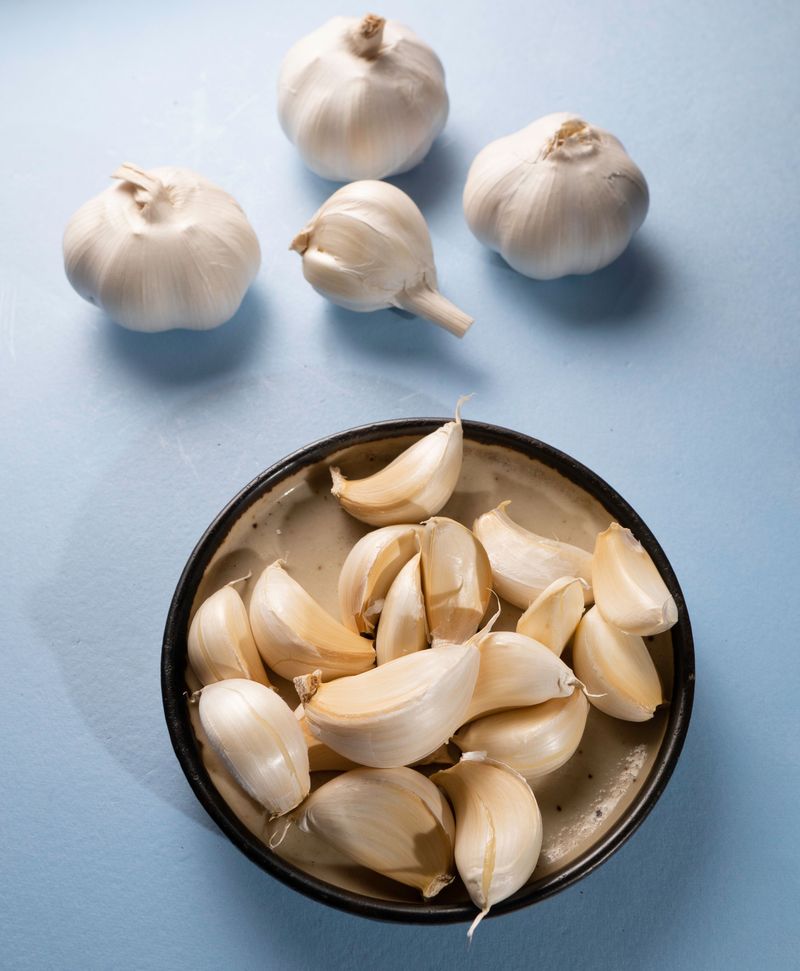
Garlic has earned a reputation among gardeners as the smelly bodyguard of the kitchen, and the nickname has some science behind it. Crushed cloves release allicin, a compound that slows many fungi and bacteria in lab studies.
Research on orchids specifically remains thin, so I treat garlic water as a mild preventive step, not a cure. It will not fix serious rot, but it may discourage fungal spores from settling on clean leaves.
To make a batch, finely chop three cloves and stir them into a liter of cool, clean water. Let the mixture sit for about thirty minutes, then strain it well through a coffee filter or fine cloth.
Strong garlic water can irritate soft orchid tissue, so I dilute the strained liquid with an equal amount of water. Spray a single leaf first, wait two days, and check for brown spots before treating the rest.
Once your test leaf looks happy, lightly mist the leaf undersides, where spores and tiny pests often hide. In humid summers, a monthly misting has helped my plants stay cleaner during the rainy stretch.
Small groups of aphids may also back off from the pungent scent, though heavy infestations need stronger controls. Insecticidal soap or a call to your local extension office works better once pests spread across several plants.
Remember that garlic offers no real nutrition for blooming, so your regular fertilizer still does the heavy lifting. Healthy leaves simply give the plant more energy to send up that next flower spike when conditions line up.
3. Used Tea Bags Make A Mild Orchid Soak
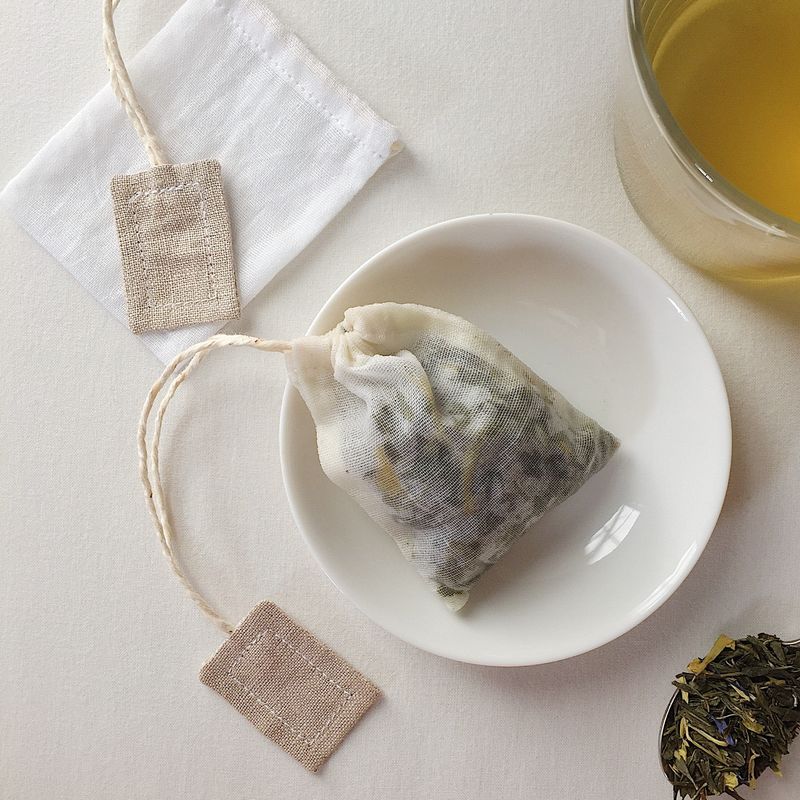
Your morning cup leaves behind a soggy little bag that most people flick into the trash without thinking. I started saving mine after noticing how many piled up beside the kettle in one busy week.
Spent tea leaves hold small amounts of nitrogen and potassium, though the levels are low compared to real fertilizer. That modest strength suits orchids, since their roots often scorch when fed anything too rich.
To make a soak, steep two used bags in a quart of room temperature water for about a day. Remove the bags, then pour the pale liquid through the pot the way you would during normal watering.
Cool liquid matters here, because hot tea can scald tender orchid roots and leave them mushy within days. I let my batch sit on the counter overnight, which solves the temperature problem with no effort.
Tea is slightly acidic, and most epiphytic orchids enjoy a mildly acidic setting around their bark potting mix. Using it every watering may shift that balance too far, so once or twice a month feels safer.
Skip tossing the wet leaves into the pot, since they hold moisture and can invite mold on the bark. Send them to your compost pile instead, where they break down into rich material for outdoor beds later.
Treat tea water as a supplement that pairs with a balanced orchid fertilizer rather than replacing it. Steady feeding plus bright, indirect light remains the real recipe for coaxing a fresh spike from a resting plant.
4. Epsom Salt Adds Magnesium To Orchid Water
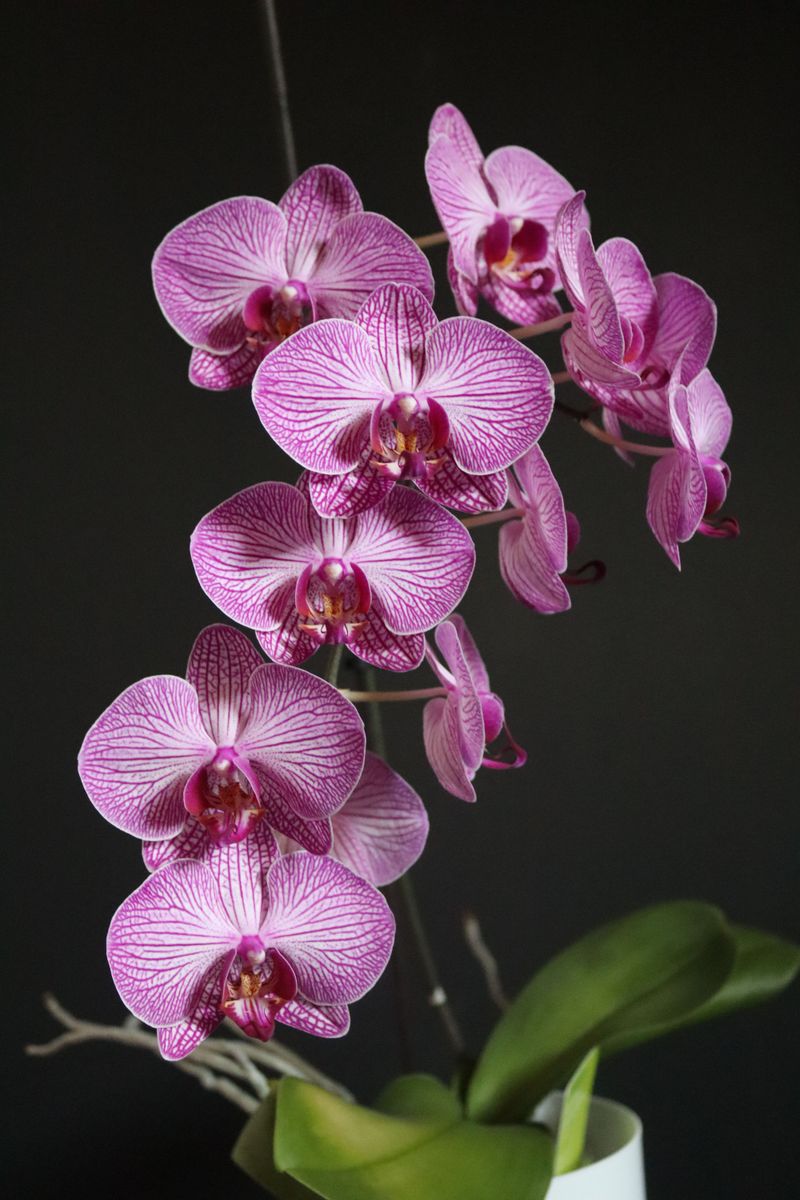
That bag of bath salts tucked under the sink is really magnesium sulfate, a mineral plants use to build chlorophyll. Magnesium sits at the very center of each chlorophyll molecule, which surprised me the first time I read it.
Orchids short on magnesium may show yellowing between the leaf veins, especially on older leaves near the base. A small dose of Epsom salt can correct that shortage, giving the plant greener leaves for making food.
Many growers use about one teaspoon dissolved in a gallon of water, applied roughly once a month. I swap this mix in for a regular watering during active growth, then rinse with plain water the next time.
Before reaching for the salt, check your fertilizer label, since many orchid formulas already contain magnesium. Doubling up can lead to salt buildup, and excess magnesium may interfere with how roots take up calcium.
Some commercial growers swear Epsom salt boosts bud counts, yet solid research proving it triggers flowering is limited. I see it as a fix for a real shortage rather than a magic switch for blooms.
Salt crust on the pot rim or brown leaf tips often signals that minerals are piling up in the bark. Flush the pot with plenty of clean water every few weeks to wash those leftover salts away.
Moth orchids typically rebloom after several weeks of nights near sixty degrees Fahrenheit, which matters far more than minerals. Pair that cool rest period with balanced nutrition, and the salt simply supports the process quietly.
5. Rice Rinse Water Poured Around Orchid Roots
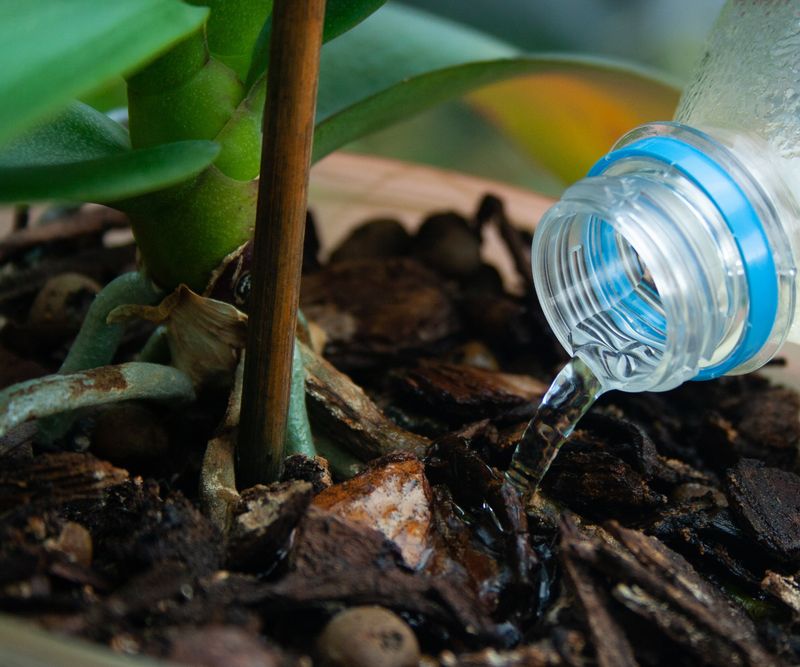
That cloudy water swirling down the drain after rinsing rice has become a social media darling among plant fans. I tried it with healthy skepticism, curious whether the hype matched anything happening inside my pots.
Rice rinse water carries small amounts of starch along with traces of minerals and some B vitamins. Those starches can feed helpful microbes in the potting mix, though strong research on orchids specifically is still limited.
To keep things safe, rinse a cup of uncooked rice in water and save the cloudy rinse liquid. Mix it with an equal amount of clean water, since full strength liquid can leave a sticky film behind.
Use the diluted rice water only once every few weeks, pouring it through the pot like a normal watering. Fresh liquid works best, because stored rice water sours quickly and develops an unpleasant smell on the counter.
Too much starch can also attract fungus gnats, those tiny black flies that hover around damp houseplant pots. In warm, muggy weather, I noticed gnats appear faster, so I scaled back my rice water routine.
Follow each rice water feeding with a plain water flush the next time you water your orchid. That rinse clears leftover residue and keeps the bark airy, which roots prefer far more than any sticky coating.
Healthy silvery green roots remain the best sign that your plant has the strength to bloom again. Rice water may lend a small hand, but light, water, and steady feeding do most of the real work.
6. Banana Peel Tea For Potassium Hungry Orchids
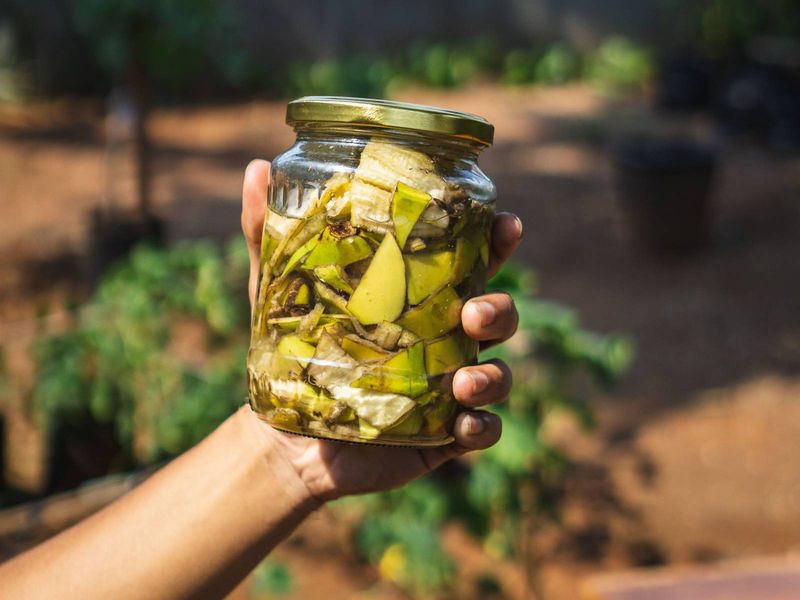
Banana peels might be the most overlooked fertilizer ingredient sitting in your fruit bowl right now. They hold a decent amount of potassium, a nutrient plants rely on for strong stems and healthy flower production.
Potassium helps plants move water and sugars through their tissues, which supports sturdy growth over time. Orchid fertilizers often include potassium alongside nitrogen and phosphorus for exactly this reason.
For a quick banana tea, chop one peel into small pieces and soak them in a quart of water. Let the jar sit for a day or two, then strain out every piece before using the liquid.
I dilute the strained banana water with an equal amount of plain water before pouring it through the pot. Once or twice a month feels like plenty, since the actual nutrient content in homemade tea stays fairly modest.
Resist the urge to tuck whole peels or banana puree into the potting mix around your orchid. Rotting fruit draws fruit flies quickly, and soggy peels can encourage mold that harms delicate orchid roots.
Dried peels make a tidier option, since you can bake strips at low heat until crisp and grind them. Sprinkle that fine powder into your outdoor compost, where it breaks down safely and feeds the whole garden.
My Oncidium seemed perkier after a season of banana tea, though better light likely deserves some credit too. Honest gardeners know a single scrap rarely works alone, and that patience usually pays off with blooms.
7. Crushed Eggshells Bring Calcium To Orchid Pots
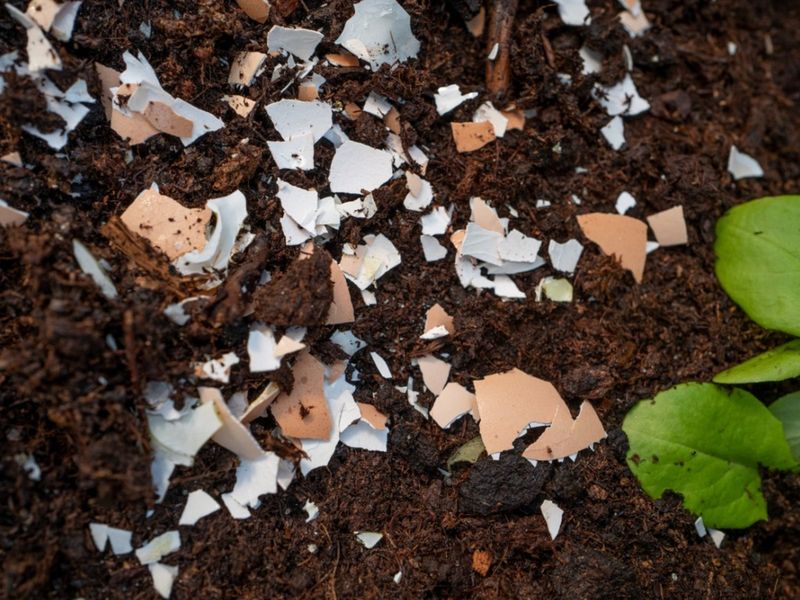
Breakfast leftovers rarely look glamorous, yet those cracked eggshells are made almost entirely of calcium carbonate. Calcium helps plants build strong cell walls, which leads to firmer leaves and healthier new root tips.
The catch is that eggshells break down very slowly, often taking months before releasing much usable calcium. Grinding them into fine powder speeds things up, since tiny particles offer more surface area for water to work on.
Start by rinsing the shells well, then bake them for about ten minutes at low heat to dry them. That quick bake removes leftover egg residue, which otherwise brings smells and unwanted visitors to your plant.
A coffee grinder turns dried shells into a soft powder in seconds, though a mortar and pestle works too. Sprinkle just a pinch over the bark when repotting, and let regular watering slowly carry the calcium down.
Calcium carbonate also raises pH, so piling on large amounts can push your mix away from mild acidity. Many homes already have hard tap water rich in calcium, which means extra shells may offer little benefit.
If yours runs hard too, try a quick test strip or check your local water quality report. Knowing what flows from your faucet helps you decide whether eggshells belong in your orchid routine at all.
I keep a small jar of powdered shells near my potting bench for occasional use during repotting season. Used sparingly, they offer a free, slow nudge toward sturdier growth that supports future flowers.
8. Ground Cinnamon Dusted On Fresh Orchid Cuts
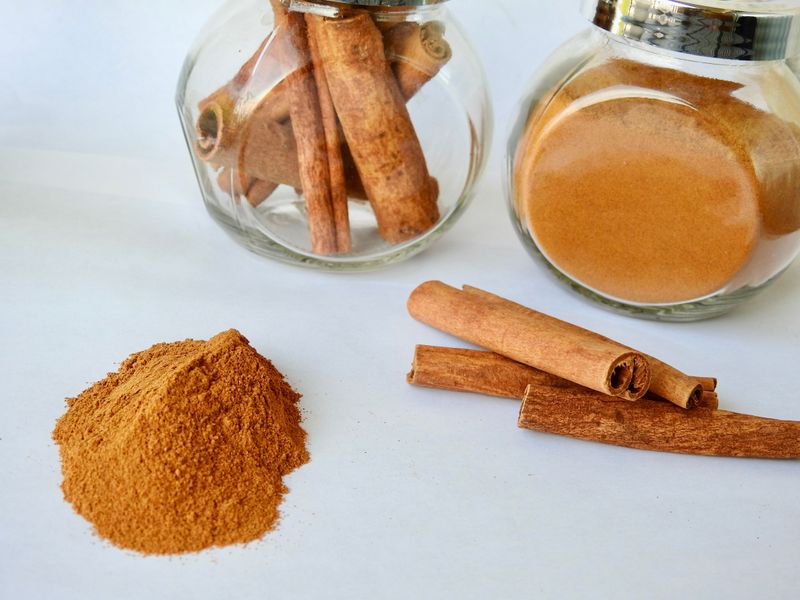
Orchid growers have quietly sprinkled cinnamon on their plants for years, and the habit stuck around for good reason. Cinnamon contains cinnamaldehyde, a compound that shows antifungal activity against several common plant fungi in lab tests.
Every snip during repotting or spike trimming leaves an open wound where fungi and bacteria can sneak inside. A light dusting of ground cinnamon helps dry that surface, creating a simple barrier while the plant seals itself.
I keep a small shaker of cheap grocery store cinnamon right beside my sterilized scissors and fresh bark. After cutting away mushy roots, I tap a thin layer onto each cut end before settling the plant into its new pot.
Cinnamon also helps when a leaf shows a small soft spot, though serious rot needs faster, stronger action. Trim the damaged area back to firm green tissue, dust the cut, then keep that plant dry for several days.
Moderation matters, since cinnamon pulls moisture from tissue and can dry out healthy roots if used heavily. Focus on cut surfaces only, rather than coating the entire root system or dumping spice into the potting mix.
Healthy plants recover from repotting faster, and faster recovery means more energy left over for growing flower spikes. Spring repotting after blooms fade gives orchids a full growing season to settle in before their next show.
Of all eight scraps, cinnamon earns the biggest spot in my kitchen toolkit for orchid care. A sprinkle costs pennies, smells wonderful, and helps keep a struggling plant on track toward fresh blooms.