What Indiana Homeowners Should Know About Stinging Insects Hiding In Attics
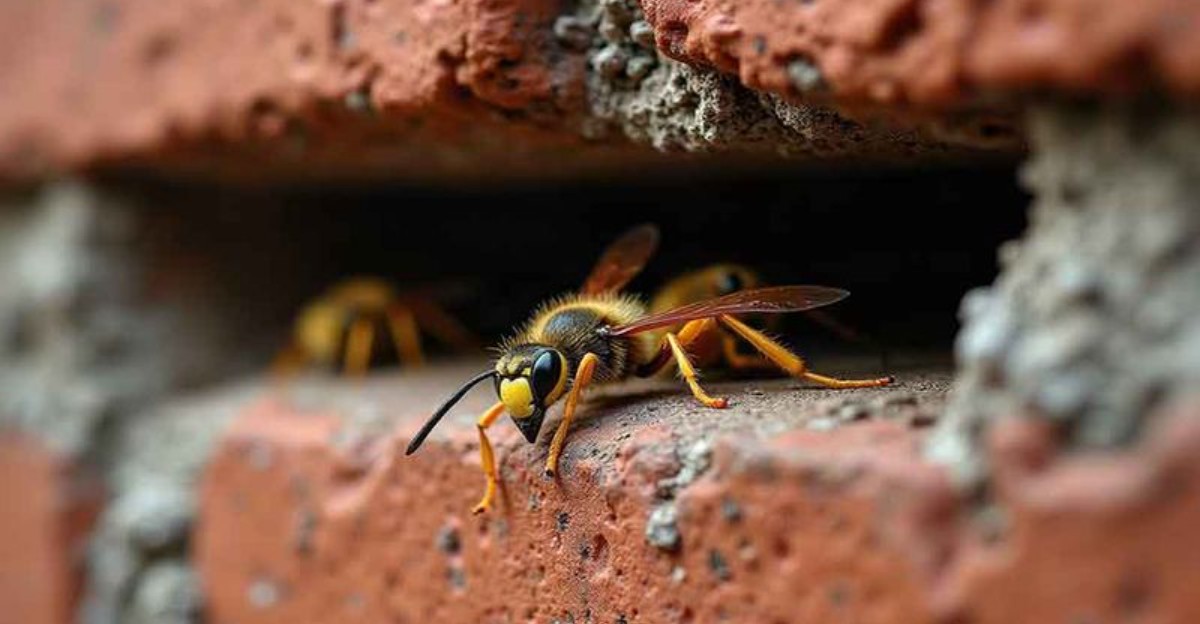
A single queen can start a summer colony all by herself, chewing wood into paper with her own jaws. By late summer, that one-insect startup can house thousands of workers.
I’ll admit it, I used to think attics were just for holiday boxes and old insulation. Then I heard a soft, steady hum above my ceiling one August evening in Indiana. My stomach dropped faster than a ladder on wet grass.
Here’s what gets me about these hidden guests. They slip through gaps you could barely fit a pencil into. They stay quiet for months while the colony grows in the dark, warm space over your bedroom.
Trust me on this one, a little knowledge goes a long way before you poke your head up there. So what exactly is buzzing in that attic, and how worried should you be?
That Faint Hum Near Your Attic Vent Is Worth a Closer Look
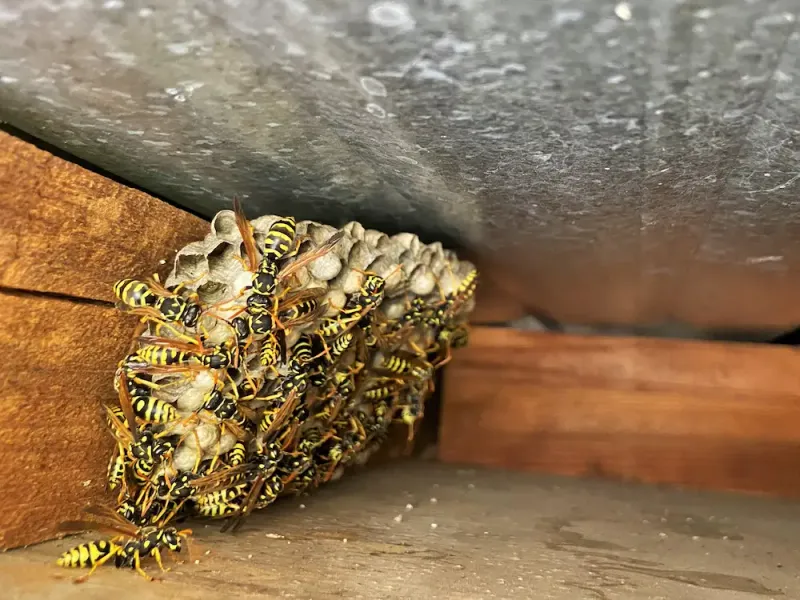
A soft buzzing above the ceiling is rarely your imagination. Most of the time, it points to a colony that has moved into a void you cannot see.
In Indiana, the yellowjackets most likely to nest in attics and wall voids are German yellowjackets. Purdue Extension notes that structural nesting yellowjackets, typically German yellowjackets, may build inside wall voids, attics, and other hidden spaces.
Watch the outside of your home on a sunny afternoon. A steady line of black and yellow insects zipping in and out of one gap is a strong clue. They fly fast and straight, like tiny commuters late for work.
Other signs show up indoors. You might find a few confused wasps on window sills in an upstairs room. You may also notice a damp spot or soft patch on drywall, which can mean workers are chewing through.
Keep your distance once you spot activity. Do not plug the entry hole from outside, because trapped yellowjackets may chew their way into your living space instead.
Jot down where the traffic is heaviest and what time of day it peaks. That simple note helps a professional find the nest faster and with less guesswork.
Yellowjackets Inside Walls Need a Pro, Not a Spray Can
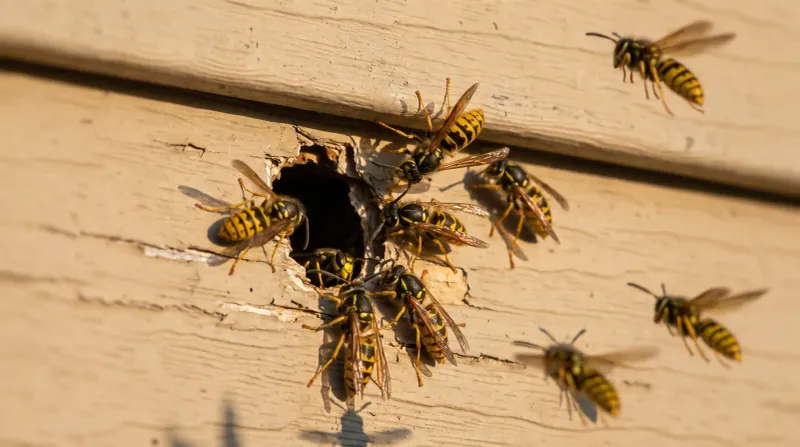
I learned the hard way that a can of store-bought spray is no match for a hidden colony. You can only reach the front door, while thousands of workers sit safely behind the drywall.
Hidden nests in attics and wall cavities are a job for a licensed pest control professional. Technicians often use insecticidal dusts placed right at the entrance. Returning workers carry it inside, and the colony usually declines within a few days.
Calling for help matters even more when someone in the home has a sting allergy. Yellowjackets can sting more than once, and a disturbed colony may defend itself in large numbers.
Please skip a few risky home remedies. Gasoline, fire, and water hoses can cause injuries or property damage, and they rarely solve the problem.
Once the colony is gone, the pro can seal the opening. Doing it in that order keeps survivors from chewing a new path into a bedroom or hallway.
Ask about follow-up visits when you book. Large colonies sometimes need a second treatment, and a good company will explain what to expect before they leave your driveway.
Paper Wasps, Bald-Faced Hornets, and European Hornets Nest Differently
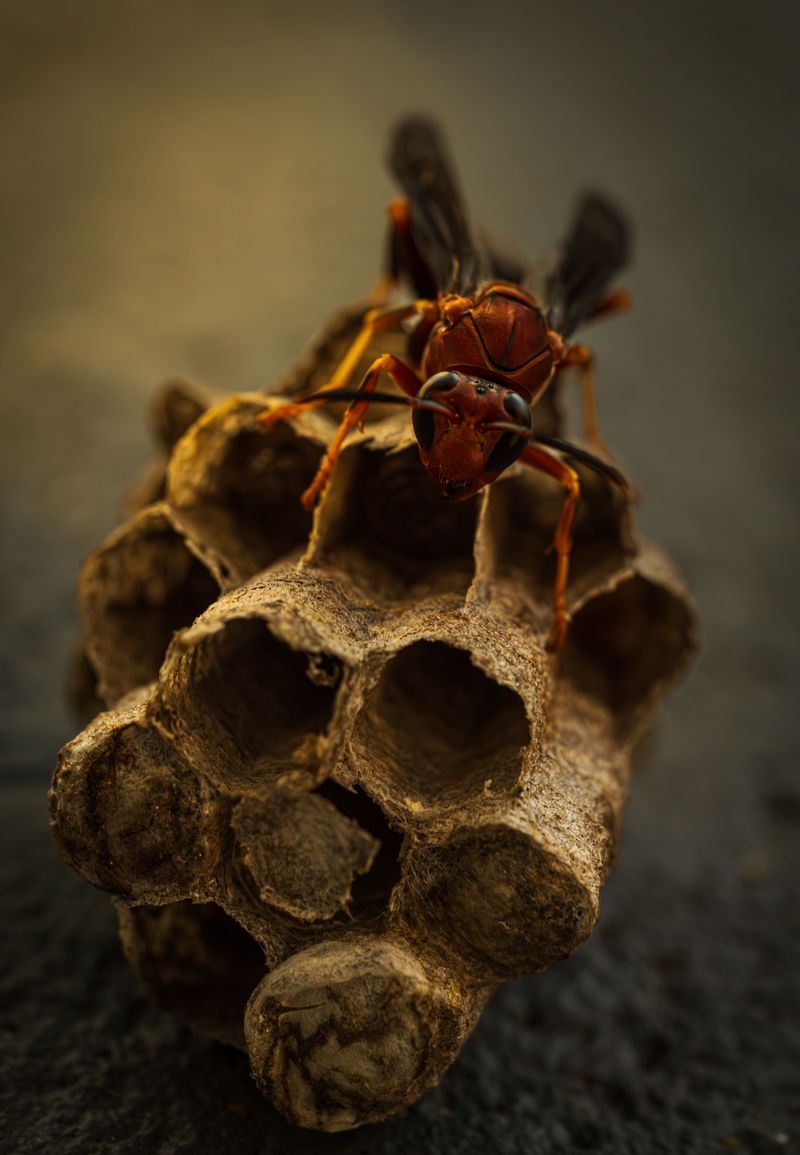
Not every attic stinger builds the same kind of home. Learning the nest shapes can tell you a lot before you ever get close.
Paper wasps make open, umbrella-shaped combs with visible cells. You will often find them hanging from rafters, inside vent openings, or near light fixtures. They are usually less defensive than yellowjackets unless you bump the nest.
Bald-faced hornets are black and white and are actually a type of yellowjacket. Their nests look like gray footballs wrapped in swirled paper. They often hang from overhangs and trees, though some end up in sheltered attic corners.
European hornets are the big ones, roughly an inch long with brown and yellow markings. They usually nest in hollow trees but may also use protected cavities like attics and wall voids. Fun fact, they are one of the few wasps that fly at night and may bump against lit windows.
Sizing up the nest helps you decide your next move. A small paper wasp comb in spring is a different story than a hidden hornet colony in September.
Snap a photo from a safe distance with your phone zoom. A clear picture makes identification much easier for an expert.
Gaps Around Soffits and Roof Vents Are Open Doors for Wasp Queens
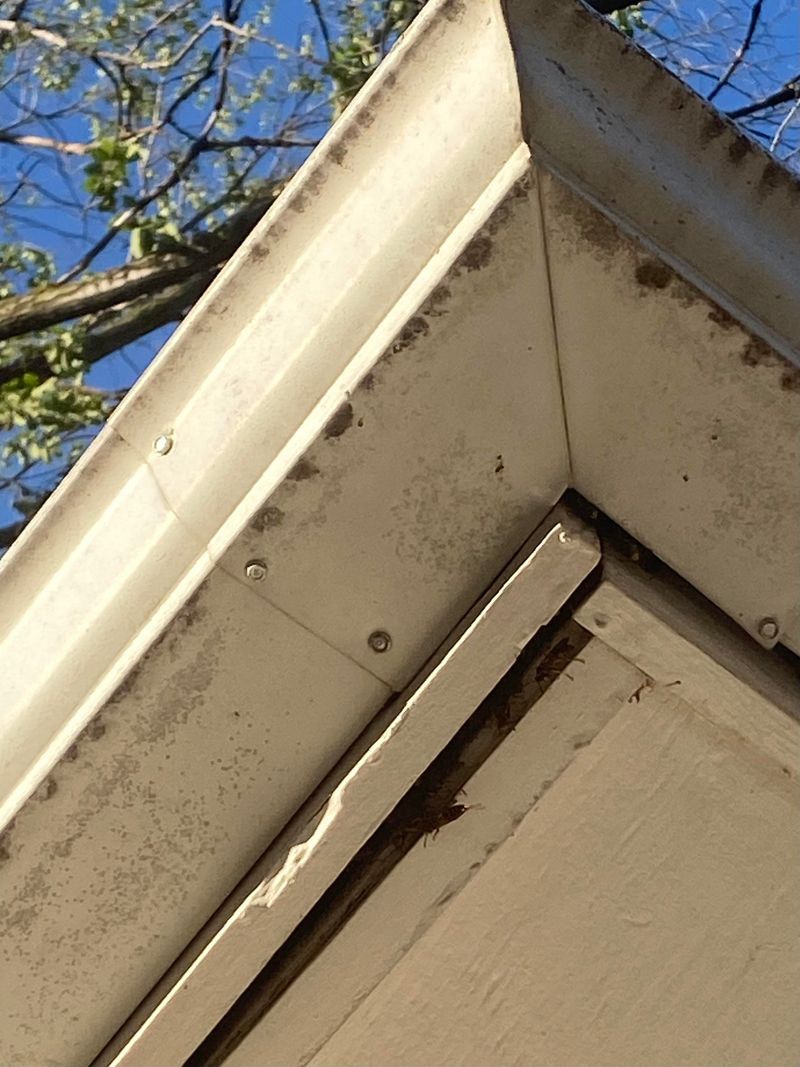
Every spring, mated queens wake from winter shelter and start house hunting. Your attic checks all their boxes, being warm, dry, and blocked from wind and rain.
Getting inside takes surprisingly little. A loose soffit panel, a torn vent screen, a gap where siding meets the roof, or a cracked fascia board can all work. A queen needs only a small opening to slip through.
Once she settles in, she builds a few paper cells and raises her first workers alone. After that, the workers take over building and food gathering while she keeps laying eggs.
Quiet attics make this easy. Most of us only visit them a couple of times a year, so a nest can grow for months with zero interruptions.
Grab binoculars and walk around your house. Look closely at the roofline, gable vents, and spots where different materials meet.
Make a simple list of anything that looks loose, bent, or chewed. Even a few minutes of looking can reveal problems a queen would happily use next spring. Fixing them in winter, when insects are inactive, is far more relaxing.
Late Summer Yellowjacket Colonies Get Bigger and Bolder
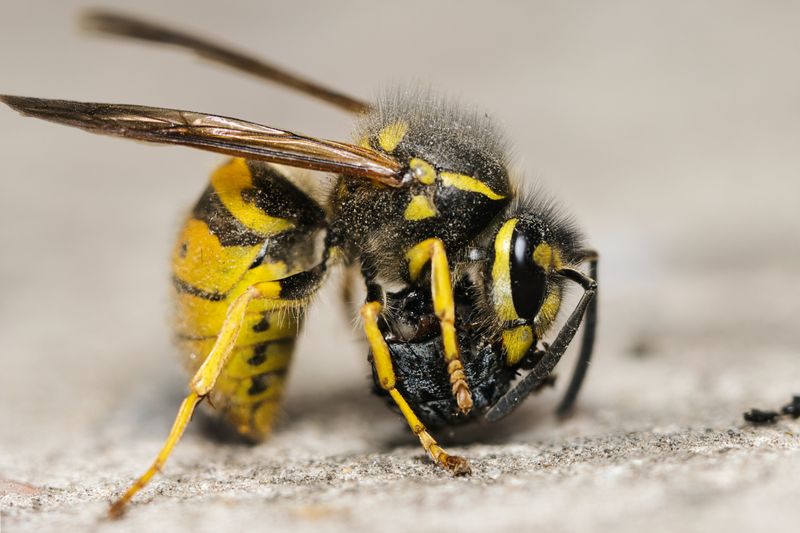
Every fall, picnics seem to attract more uninvited wasps. That pattern is no coincidence, and it connects straight to what is happening in your attic.
Yellowjacket colonies hit their peak size in late summer and early fall. Purdue experts explain that by this point, the colony shifts toward raising new queens and males. Workers have fewer young to feed and start hunting sugary foods more boldly.
Natural food also becomes harder to find as flowers fade. Hungry, numerous workers guarding a big nest are a combination you do not want to stumble into.
That is why September attic chores deserve extra caution in Indiana. Moving a storage box or stepping near insulation could disturb a nest you did not know existed.
A few smart habits help. Listen at the attic hatch before opening it, wear long sleeves, and bring a flashlight so you can scan before reaching.
Relief usually arrives with hard frosts. Workers in annual colonies do not survive winter, and only the new queens leave to find shelter. The old nest is generally not reused, though the empty space may still invite next year’s queens.
Perfectly Round Holes in Attic Beams May Mean Carpenter Bees
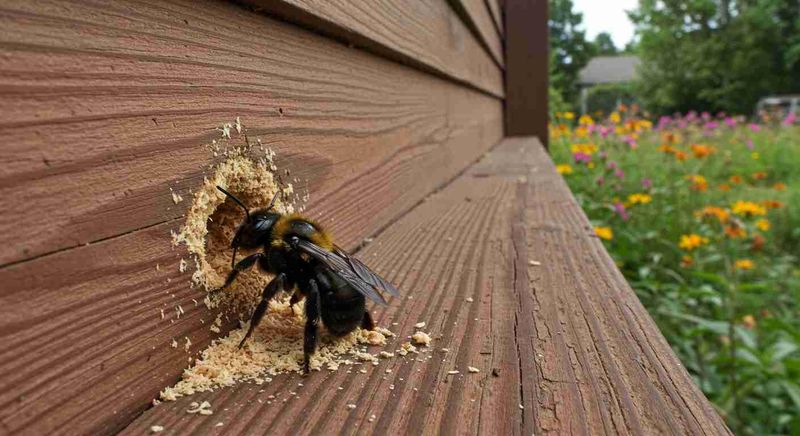
Ever spot a hole so neat it looks drilled with a power tool? Carpenter bees make those half-inch circles in bare or weathered wood.
These large, shiny black bees resemble bumble bees, but their abdomens are smooth and hairless. Males may hover and dart at you, yet they cannot sting. Females can sting but rarely do unless handled.
Their tunnels often show up in fascia boards, eaves, decks, and exposed rafter ends. You might notice a small pile of sawdust under the hole or yellowish stains below.
One season of tunneling usually causes only cosmetic issues. Trouble grows when bees return year after year and extend the same galleries. Woodpeckers hunting larvae can tear the wood up even more.
Painting or staining exposed wood is one of the best deterrents, since bees prefer bare surfaces. Purdue suggests treating existing holes, then plugging them with wood putty or dowels in fall after activity slows.
Remember these bees are pollinators too. Protecting your wood while leaving them other places to nest, like a bee block in the garden, keeps everyone reasonably happy.
Honey Bees in the Attic Call for a Beekeeper First
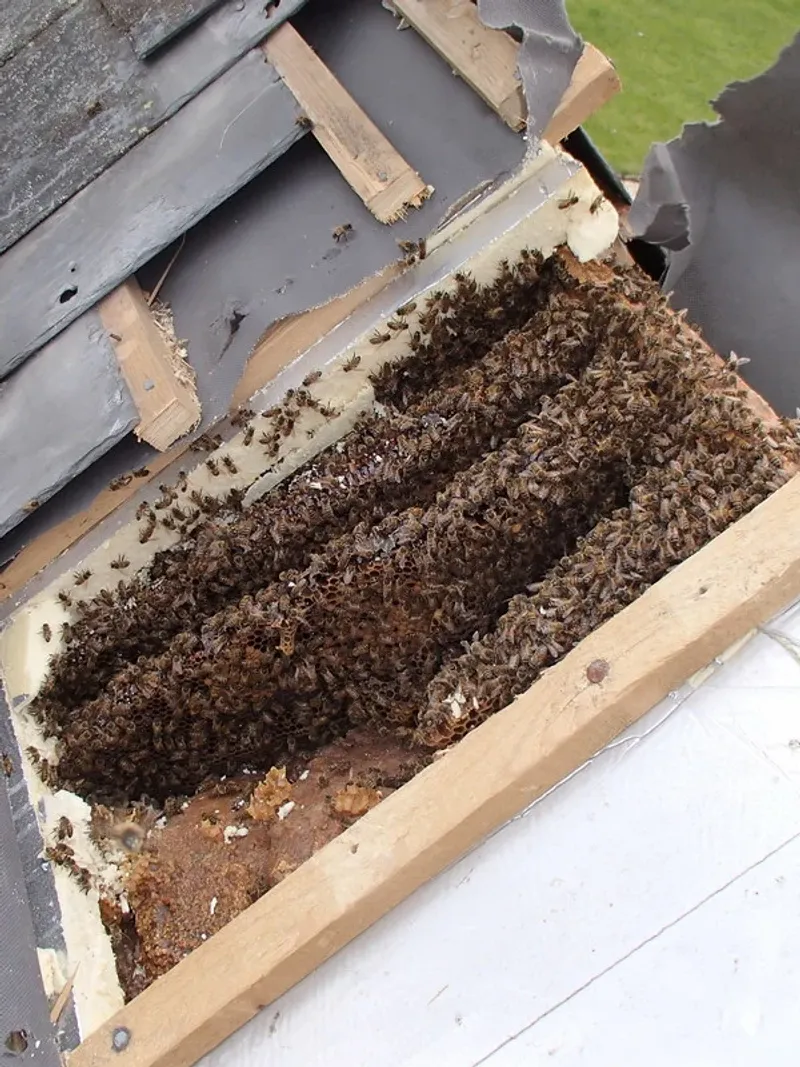
Not going to lie, honey dripping through a ceiling is a sight nobody forgets. It happens when honey bees build wax comb inside a wall or attic space.
Honey bees look fuzzy and golden brown, and they usually fly at a gentler pace than yellowjackets. A colony in your home can store many pounds of honey over time.
Spraying them is a poor choice for two reasons. These pollinators are valuable, and a treated colony leaves behind wax and honey. That mess can melt, ferment, stain drywall, and attract other pests.
The better route is calling a local beekeeper or a company that offers live removal. They often open the wall, cut out the comb, and move the colony to a hive. The Indiana Beekeepers Association can help you find someone nearby.
Expect some repairs afterward. Removal usually means opening drywall or siding, so plan for patching.
Ask the remover to clean out all comb and seal the entry. Old wax carries a scent that can draw a new swarm to the very same spot later on.
Sealing Vents With Fine Mesh Screen Keeps Next Spring’s Queens Out
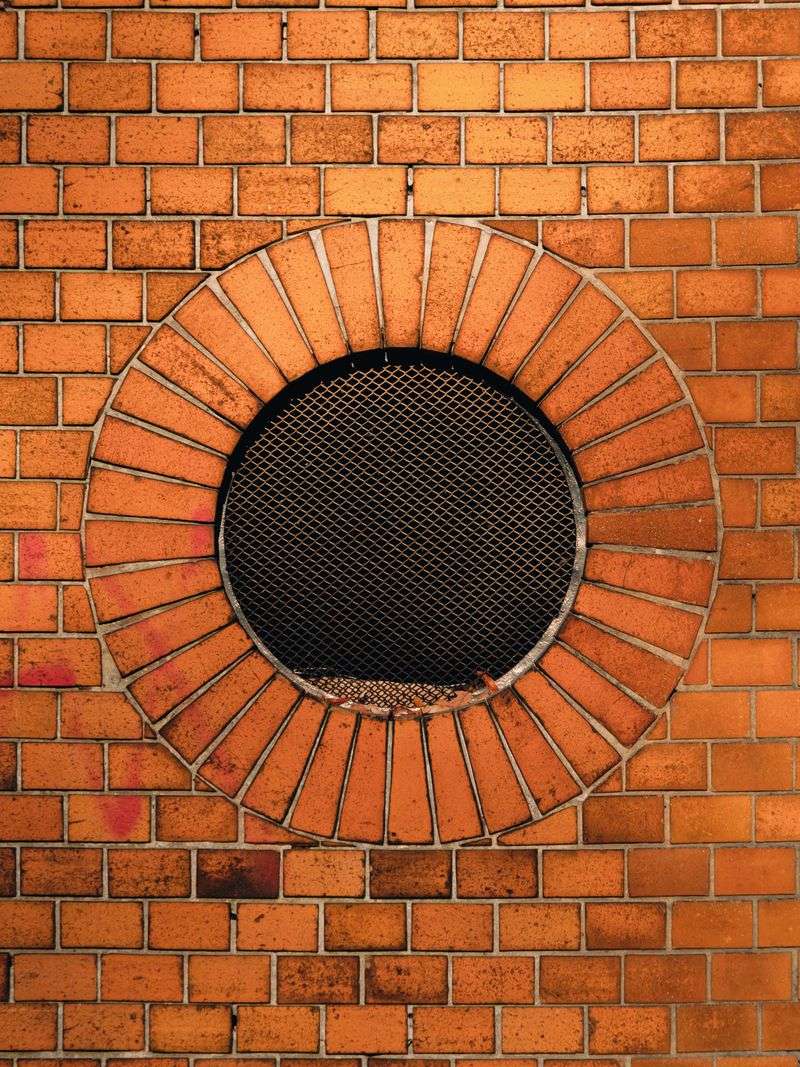
Call me stubborn, but I would rather spend one chilly afternoon sealing gaps than another summer listening to buzzing. Late fall and winter are ideal for this work.
Wait until hard frosts have quieted activity and any active nest has been handled. Then start with vents, since they are common entry points. Cover gable, ridge, and soffit vents with sturdy, fine metal mesh to keep airflow moving.
Next, caulk cracks where siding meets trim and around pipes, wires, and window frames. Replace loose soffit panels and repair damaged flashing or shingles.
Bare wood deserves attention too. Paint or seal exposed fascia and trim to discourage carpenter bees.
Old paper nests can be knocked down and bagged once they are empty. A clean attic gives future queens fewer reasons to linger.
Finally, put a quick spring check on your calendar. Walk the house in April and May, when queens start new nests the size of a golf ball. A tiny nest is far easier to deal with than a crowded one in August, and your attic stays a peaceful storage spot instead of a busy wasp neighborhood.