Adjusting Your Arizona Fall Watering Schedule: Why Sprinkler Timing and Frequency Matter
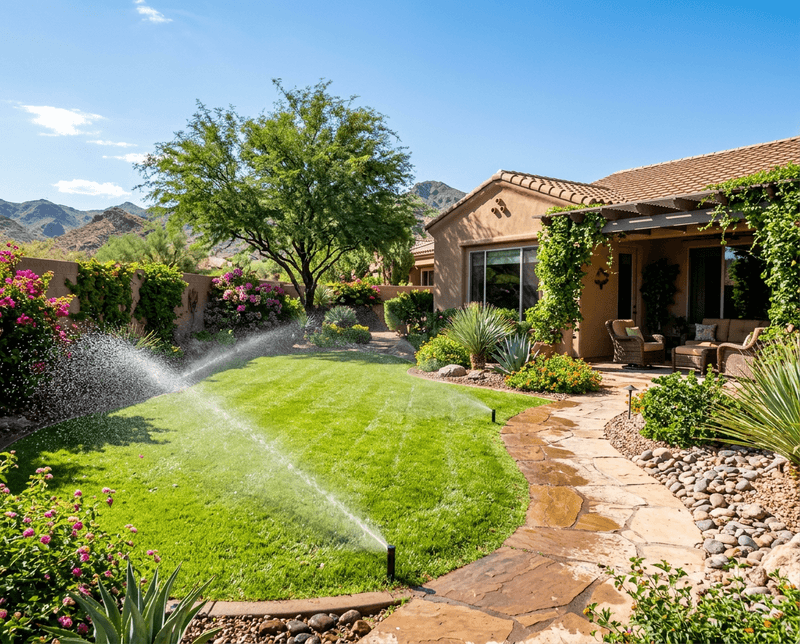
Your yard does not need the same water in October that it needed in July. Many Arizona homeowners leave the timer alone once the first cool morning arrives, and their plants end up with more water than they can use.
A few smart changes can save water and keep roots healthy. Here is how to adjust, without guessing.
Fall means fewer watering days, not a summer schedule
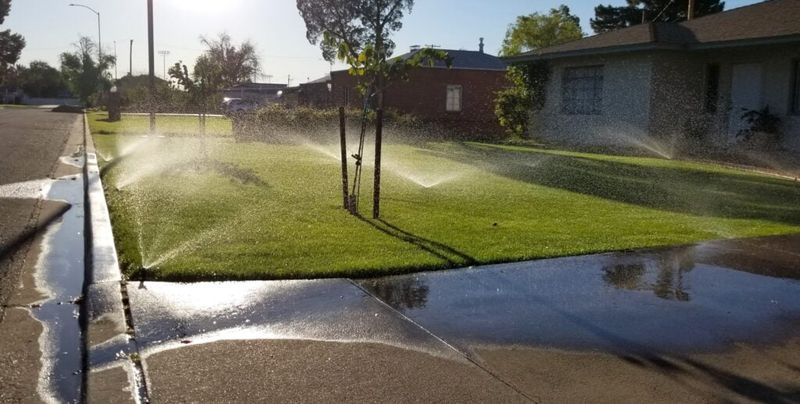
When nights cool off, plants slow down and the soil stays damp longer. The bigger fall mistake is keeping a hot-weather routine or watering too often, not giving plants too little.
The Arizona Municipal Water Users Association advises cutting back how often you water in October while still watering deeply. A University of Arizona monthly guide makes a similar point: change the interval between waterings, not the length of each run.
That does not mean every established plant should go dry. Some still need supplemental water, depending on the species, the soil, and the weather.
Think of fall as spacing out the cycles, not shutting the system off.
The midday concern is efficiency, not leaf burn
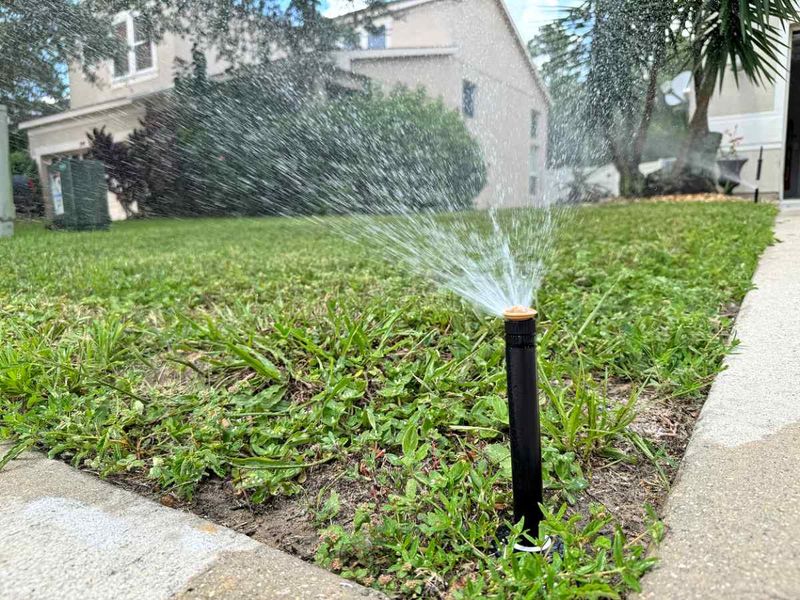
Ask whether there is one worst clock time to water, and the honest answer is no. Hot, sunny, windy conditions can make overhead sprinklers less efficient, because more of the spray evaporates or blows off target before it reaches the soil. Extension guidance on garden watering times points to this loss of water as the main reason to avoid the heat of the day.
The popular idea that droplets act like tiny magnifying glasses and burn leaves is a different matter. An Extension answer on overhead watering in the heat notes that this sun-scorch theory is not universally accepted.
So treat midday sprinkling as a waste problem, not proven plant damage. Your water bill feels it, even if your plants may not.
Choose timing based on the watering method
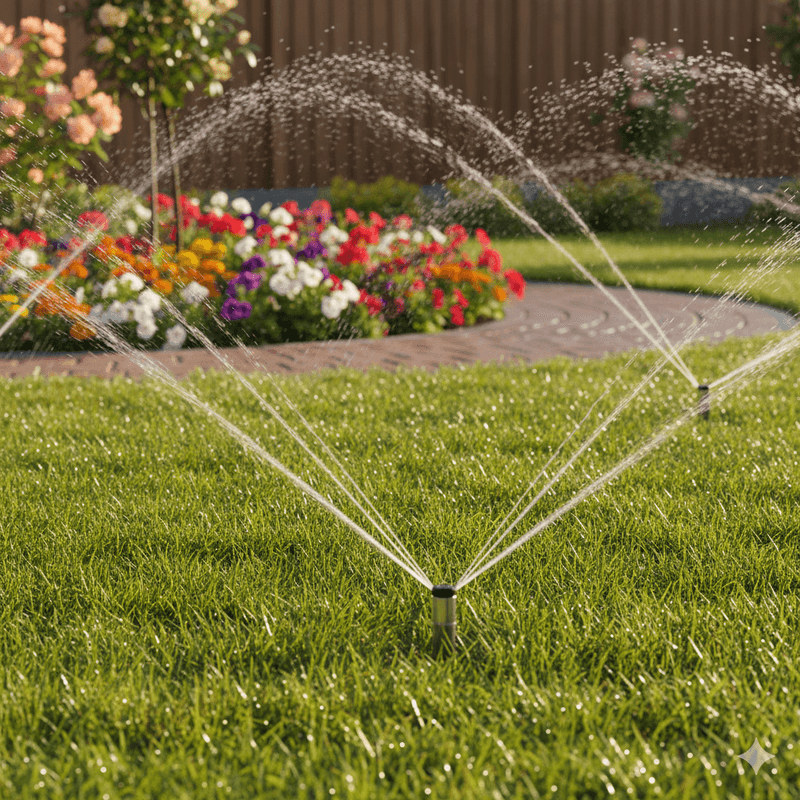
Sprinklers and drip lines behave very differently. Sprinklers wet leaves and lose water to air, so early morning is a sound default.
Foliage dries sooner, and less water is lost to evaporation.
Phoenix water services recommends setting automatic sprinkler timers to finish before morning heat rises.
Watering overhead late in the evening can leave leaves wet overnight, which may raise disease concerns in some settings. That warning applies to methods that wet foliage.
Drip emitters and soaker hoses put water on the soil, not the leaves, so evening use is not considered a problem for them. If your yard has both, you may end up with two different timer programs, and that is perfectly fine.
Established desert-adapted plants can go longer between fall waterings
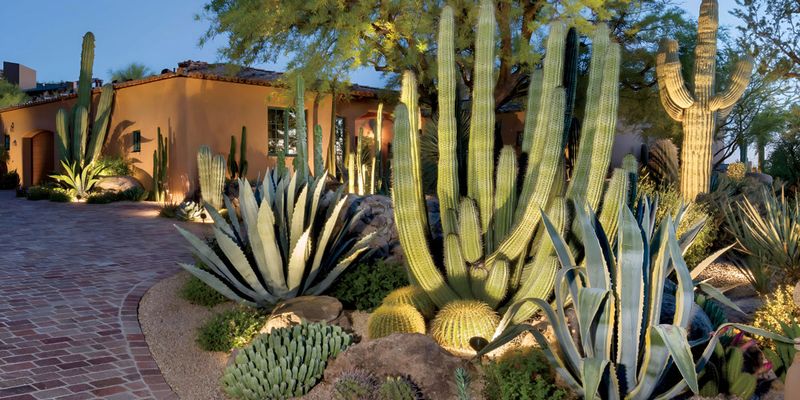
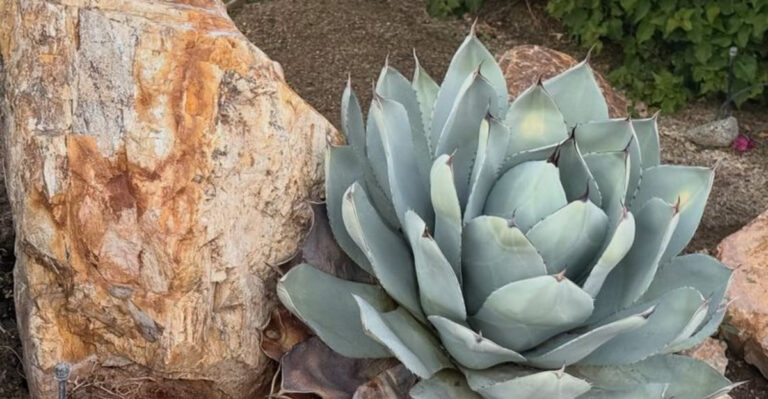
Mature desert plants are built for long gaps between drinks. A University of Arizona Phoenix-area guide lists fall starting intervals of about 14 to 30 days for trees, shrubs, and perennials, and 21 to 45 days for succulents, according to its watering needs guide.
Use these numbers as starting ranges, not timer settings. Soil type, recent rain, shade or reflected heat, and the plant itself can all shift the right interval.
Your Arizona Garden Changes Every Week. Your Plan Should Too.
Gardening in Arizona changes quickly throughout the season. Every Friday you’ll receive a simple weekly plan showing exactly what to plant, prune, fertilize, harvest, and protect so you never miss the right timing.
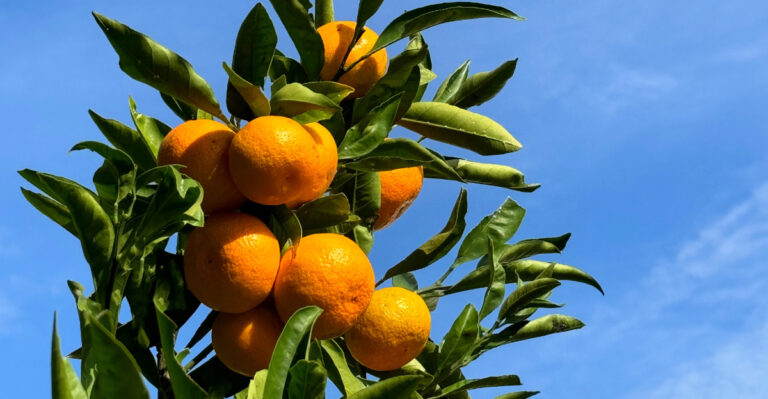
Do not copy them onto lawns, citrus, or other plants with different needs. A citrus tree and a barrel cactus in the same yard will not want the same schedule.
Likewise, your region matters. Tucson, Phoenix, and higher elevations can differ, so adjust and watch how plants respond.
New plantings need a different schedule
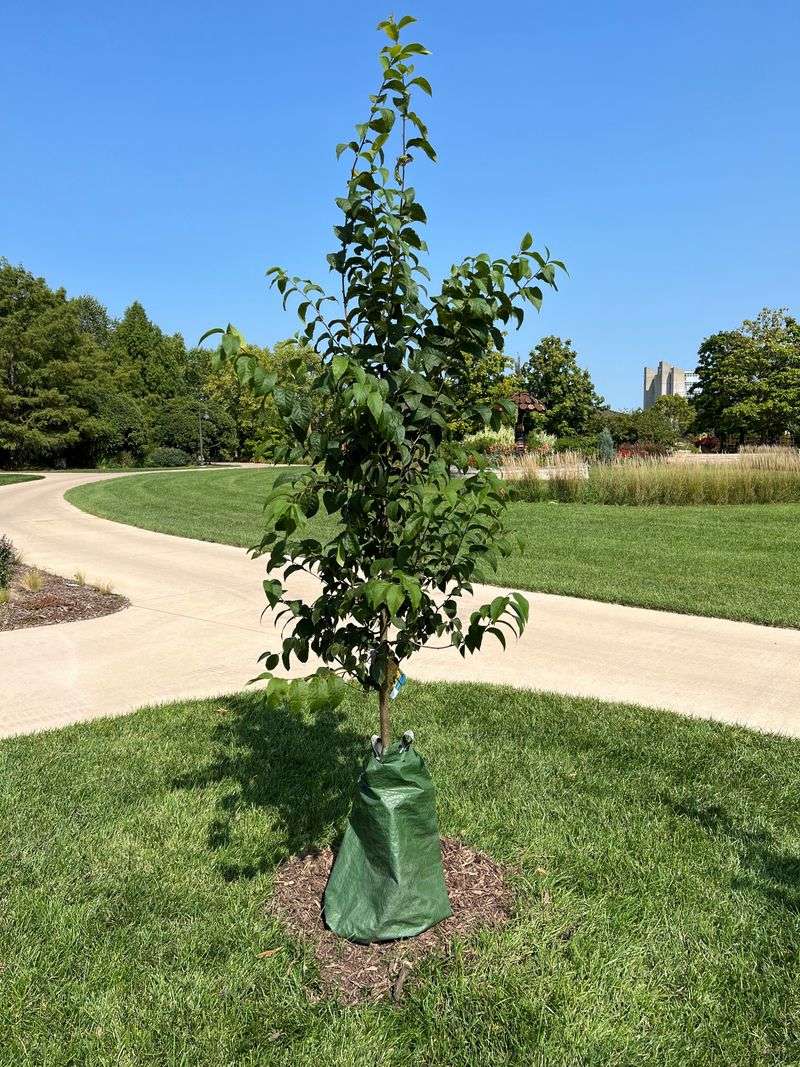
Young plants have small root systems, so they cannot reach far for moisture. During establishment they need water more often than the ranges for mature plants, and the interval is lengthened gradually as roots spread.
The same University of Arizona guide estimates establishment at roughly one year for small plants, two years for shrubs, and three years for trees. Treat these as rough guides, since plant size, type, and site can speed up or slow down the process.
Fall is a good planting window here, but a new plant should not be put on a 30-day schedule just because a neighbor’s old mesquite is. Check the soil often, then stretch the gaps a little at a time as the plant settles in.
Check the root zone instead of trusting the timer
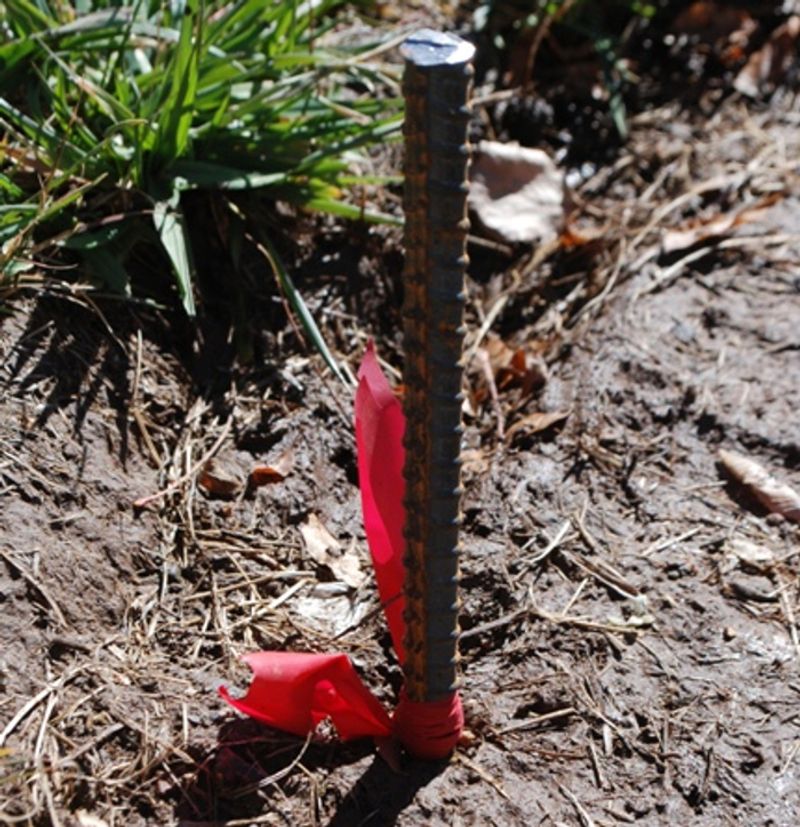
A timer cannot tell you how wet the soil is. A soil probe or smooth metal rod can.
Push it into the ground after watering, and it slides easily through moist soil and stops where the soil is dry. That shows how deep the water went, which University of Arizona tree and shrub guidance recommends checking.
Deep watering means reaching the roots, not running a fixed number of minutes, and not pushing water far below them.
For established trees and shrubs, aim water around and beyond the drip line, not at the trunk.
After a storm, probe before skipping a cycle. Arizona Extension notes that rain over about half an inch may refill the upper soil, but results vary with rain intensity, soil, and where the water lands.
Adjust the fall schedule, then reassess
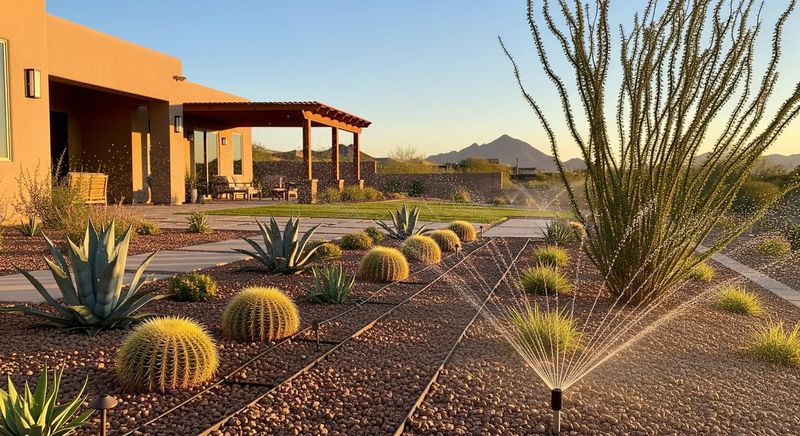
Start by spacing out waterings as temperatures drop, as regional water guidance suggests. Run overhead sprinklers in the early morning, and keep drip on its own program.
Before each cycle, probe the soil as outlined in tree and shrub watering advice, and tune the interval to plant age and site.
The best fall timer setting is the one your own soil keeps confirming.