After a summer of mowing, feed your Wisconsin lawn now with these 8 fall care moves
After a long summer of mowing, your Wisconsin lawn is tired and ready for a little help. The cooler temperatures and steady moisture of fall create the perfect chance for grass to bounce back and grow strong roots.
With just a handful of smart moves right now, you can protect your yard through the tough winter ahead and wake up to a thick, green lawn next spring. Here are the fall care steps that make the biggest difference.
1. Fertilize for Fall Strength

Feeding your grass in early fall is like handing it a hearty meal before a long nap. Around Labor Day and through the first half of September, cool-season grasses common across Wisconsin are hungry to store energy in their roots.
Reach for a slow-release nitrogen fertilizer and aim for about 1 pound of nitrogen per 1,000 square feet, with at least a quarter to half of that being slow-release. That steady feeding builds deep, healthy roots without forcing a burst of tender top growth.
Skip heavy nitrogen in mid-fall, since late growth invites snow mold and gives voles cozy cover in your Wisconsin yard. If you want an extra boost, a winterizer fertilizer applied in late October or early November before the first frost helps strengthen roots for the cold ahead.
2. Aerate Compacted Soil
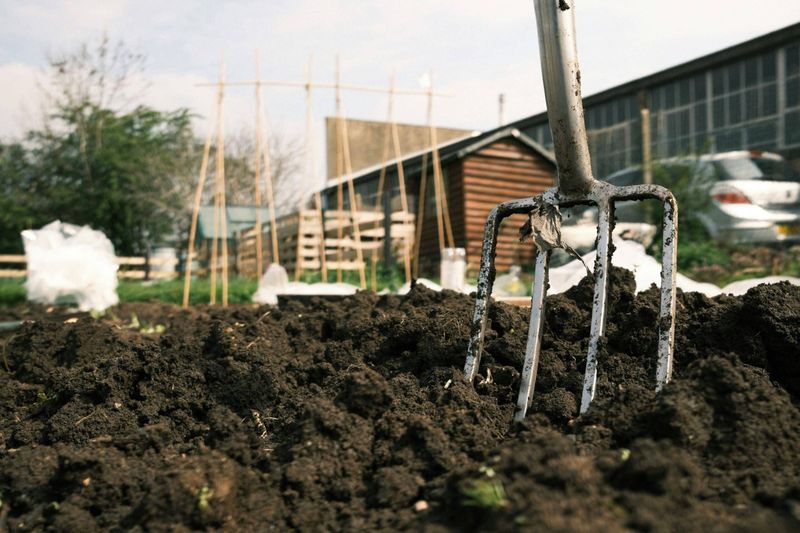
Ever notice how water pools or runs off instead of soaking in? That is compacted soil begging for air, and September is the sweet spot to fix it across Wisconsin.
Core aeration pulls small plugs of soil out of the ground, opening up channels so roots can finally breathe. Oxygen, water, and nutrients suddenly reach deeper, and the whole lawn feels the difference.
Lawns packed with heavy clay or worn down by summer foot traffic benefit the most from this move. Time your aeration between Labor Day and early October, and you set up your Wisconsin turf for a strong finish to the growing season.
3. Overseed for a Thicker Lawn
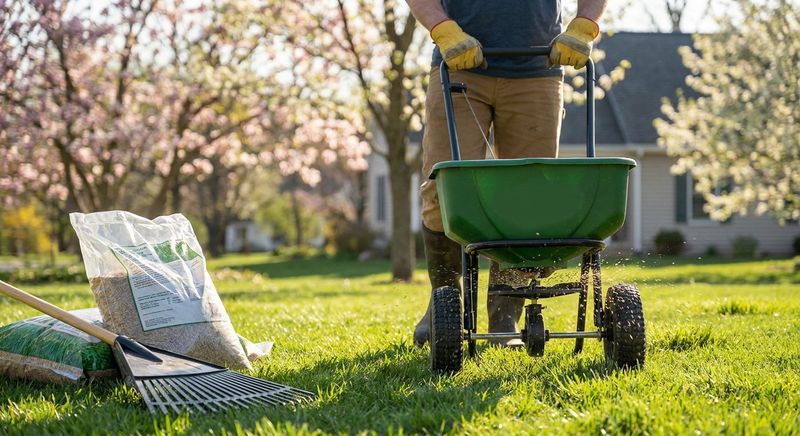
Thin, patchy spots left over from summer heat have a simple fix, and fall is the season that makes it work. Warm soil, moderate air temperatures in the 70s, and reliable September moisture give new grass everything it needs to sprout fast.
The best window for overseeding runs from late August into early September, ideally wrapping up by the 15th so seedlings can toughen up before hard freezes hit Wisconsin.
For the strongest results, overseed right after aerating so seed slips into the little holes and makes solid contact with the soil. Keep those seeded areas consistently damp until the young blades take hold, and by spring your lawn will look noticeably fuller.
4. Control Fall Weeds
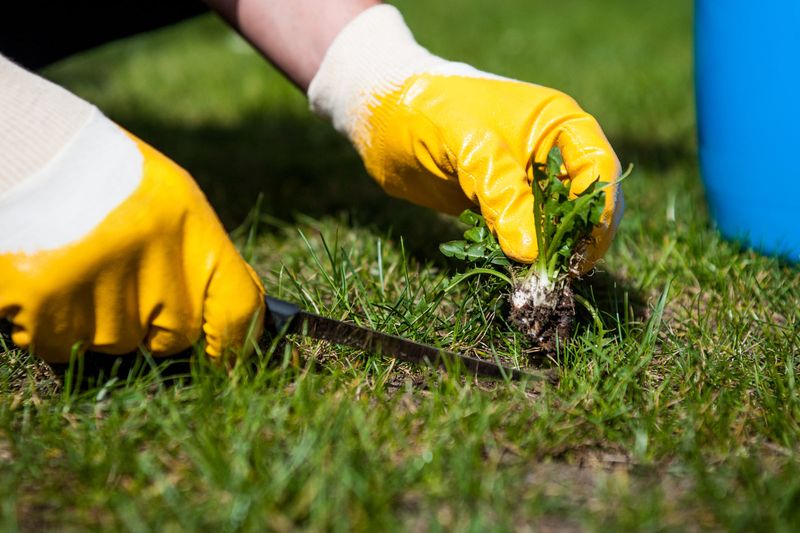
Dandelions and other stubborn broadleaf weeds meet their match in autumn. Right now those perennials are busy pulling sugars down into their roots to survive winter, and herbicides ride along for the trip.
That is why weed control often works better in fall than in spring for lawns in Wisconsin. The chemicals travel straight to the root, knocking out the whole plant instead of just the leaves.
Your Wisconsin Garden Changes Every Week. Your Plan Should Too.
Gardening in Wisconsin changes quickly throughout the season. Every Friday you’ll receive a simple weekly plan showing exactly what to plant, prune, fertilize, harvest, and protect so you never miss the right timing.
Make sure weeds are actively growing when you treat them for the best results. Spot-treating individual weeds with a liquid herbicide usually beats spraying the entire yard, though a weed and feed product applied from early September into early October can tackle weeds and nourish grass at the same time.
5. Adjust Mowing Height
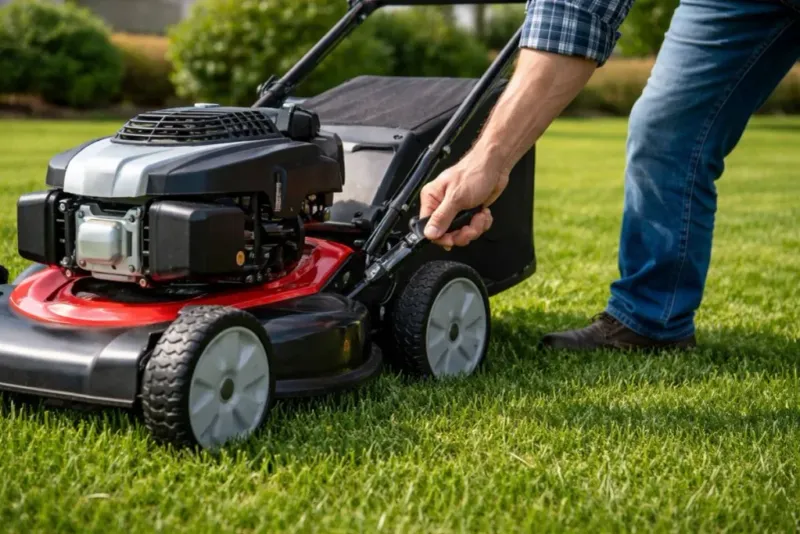
Your mower does not get to retire just because summer ended. Grass keeps growing until it goes dormant, which can stretch well into fall here, so keep cutting as needed.
A lawn that heads into winter too tall becomes a five-star hotel for snow mold and voles, both real headaches for Wisconsin homeowners. For the final cuts of the season, gradually lower your blade to about 2.75 to 3 inches, or even down toward 2 to 2.5 inches.
Stick to the one-third rule and never remove more than roughly a third of the blade height at once. Keeping your mower blade sharp gives a clean cut that helps the grass stay healthy right up to dormancy.
6. Manage Fallen Leaves
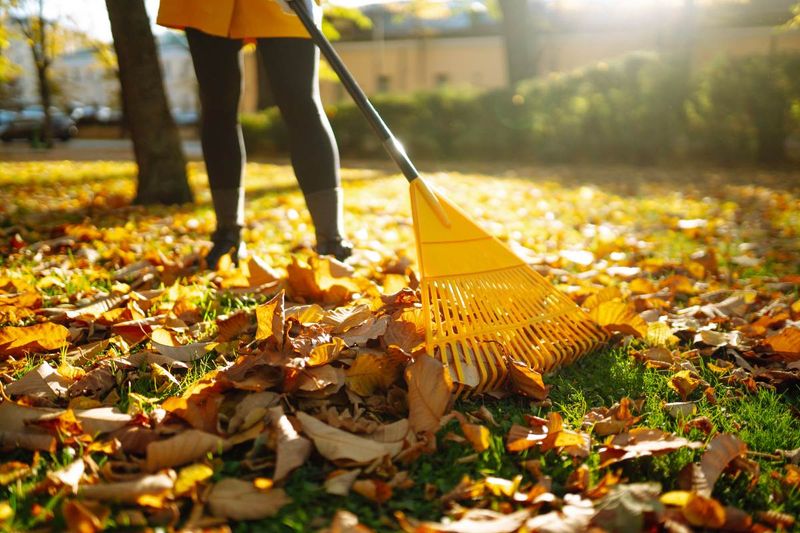
Falling leaves can be a friend or a foe, and the difference comes down to how thick they pile up. A light scattering breaks down into free fertilizer, but a heavy blanket smothers grass, blocks sunlight, and feeds snow mold across Wisconsin lawns.
When leaf cover stays moderate, up to about half the lawn, just run your mower over them. The chopped bits settle into the turf and return nutrients as they decompose.
If the leaves stack up into a thick, matting layer, rake and haul some away before they choke the grass. Always clear out diseased leaves too, since their fungal spores can come back to haunt you next year.
7. Continue Deep Watering
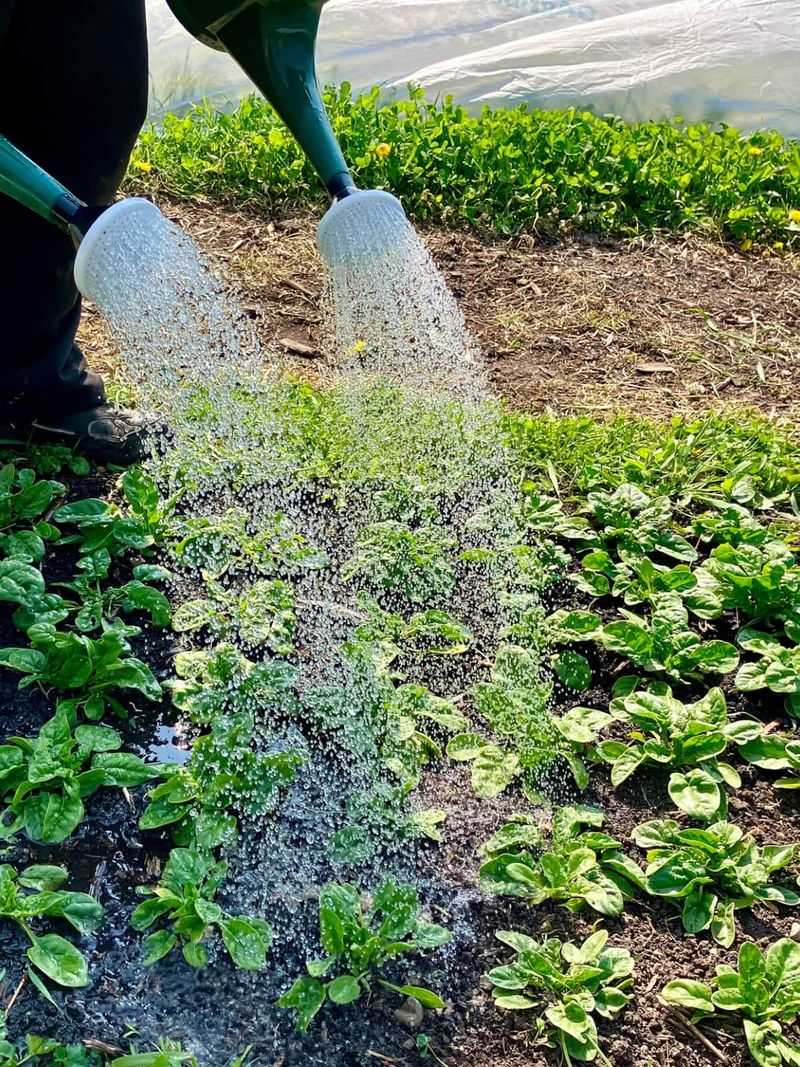
Cooler days can trick you into thinking your lawn no longer needs a drink, but that is not the case just yet. Keep watering deeply and less often right up until the ground freezes, which matters for Wisconsin grass getting ready for dormancy.
Deep, infrequent soaking pushes roots to grow downward, and a strong root system is exactly what carries turf safely through winter.
Most lawns want about 1 inch of water per week, whether you give it all at once or split it into two half-inch sessions. Water in the early morning so the blades dry before nightfall, which keeps fungal diseases from taking hold.