The Missouri Plant Blamed Every September For Something It Does Not Cause
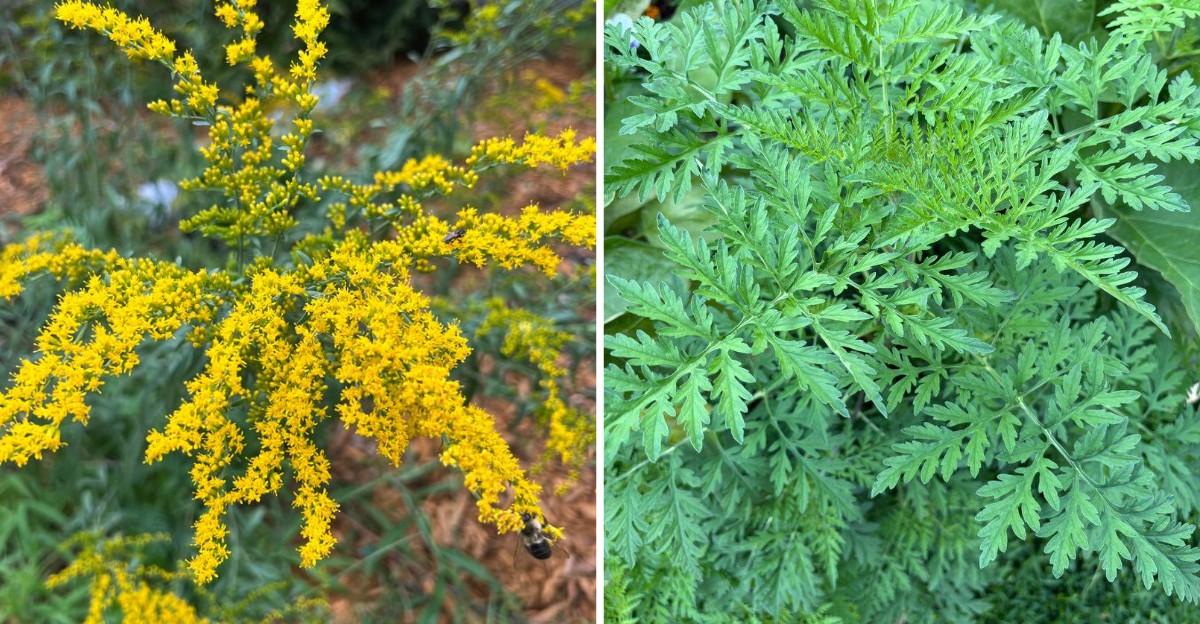
Every September in Missouri, roadsides and fence lines light up with a golden glow that seems painted on. Car windows roll down, the warm air rushes in, and somewhere a nose immediately begins twitching.
Fingers point fast at the brightest thing in the ditch, because bright suspects are easy to blame. Meanwhile the true troublemaker stands close by, green, plain, and perfectly content to be overlooked.
Missouri gardeners have argued about this mix-up for generations, usually while reaching for another box of tissues. Researchers settled the question decades ago, yet the rumor still refuses to take the hint.
Innocence rarely helps much when a suspect stands there looking guilty in the bright afternoon sun. Somewhere in that same ditch, one very smug and unremarkable weed is enjoying a perfect alibi.
Ragweed As The Actual Source Of Autumn Sniffles
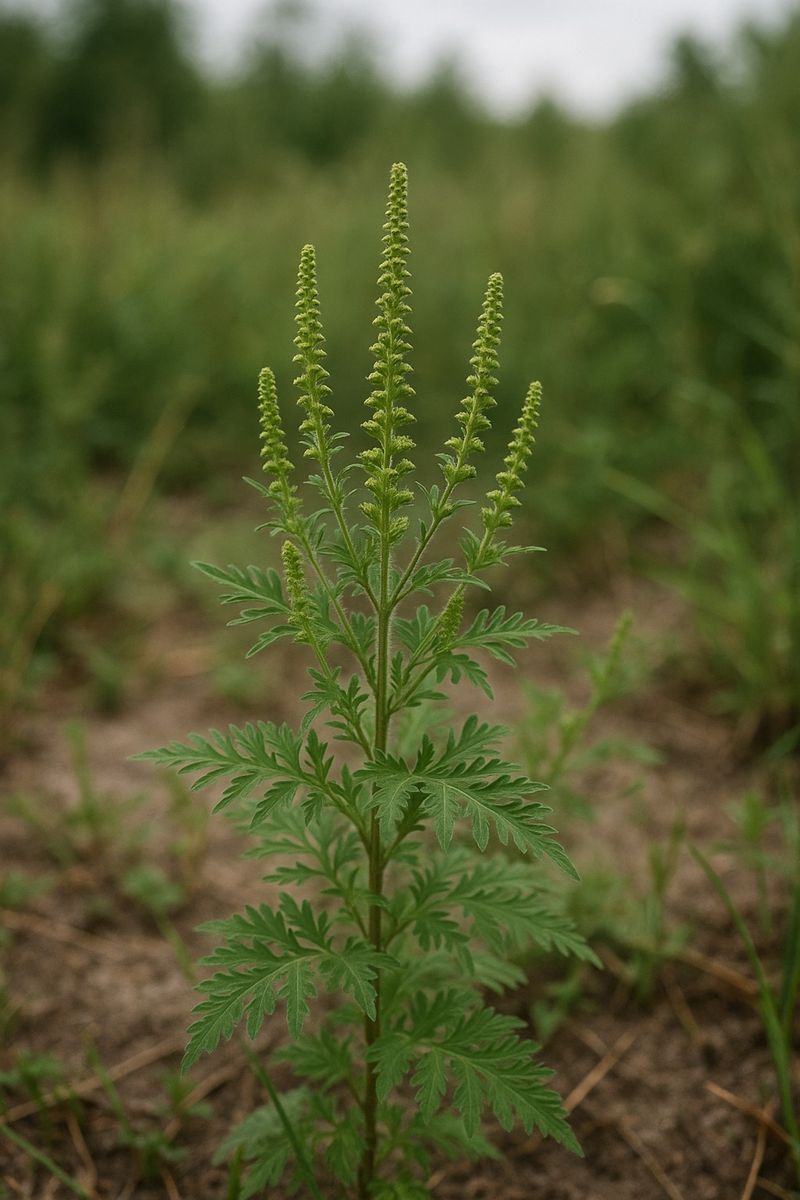
Blame the scruffy green plant nobody photographs, because common ragweed is the one loading Missouri air. A single ragweed plant can release roughly one billion pollen grains during one growing season.
Those grains are tiny, dry, and light enough for the wind to carry for hundreds of miles. Your nose does not need the plant nearby, since the breeze happily delivers it to you.
Ragweed grows almost everywhere in Missouri, along gravel shoulders, crop edges, vacant lots, and bare construction ground. Its flowers are small green spikes that look more like seed heads than blossoms.
Because those flowers carry no color or scent, insects skip them and the wind does the work. Wind pollination demands enormous quantities of pollen, which is exactly what your sinuses end up filtering.
Doctors estimate that ragweed pollen triggers seasonal misery for millions of Americans each fall. Symptoms include itchy eyes, a runny nose, sneezing fits, and that foggy, worn-out feeling.
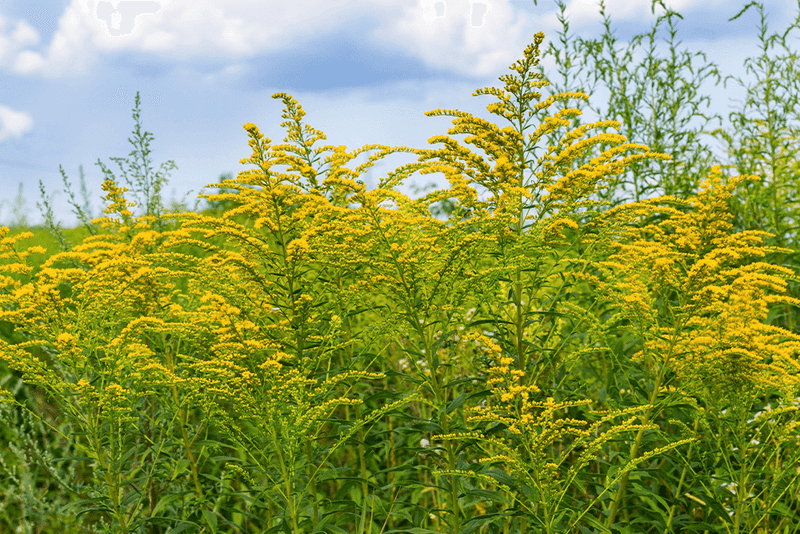
Goldenrod, standing right beside it, gets the accusation because people notice color before they notice detail. The yellow plumes bloom at the same moment, creating a convincing but false connection.
Learning to recognize ragweed changes the whole story, and the plant becomes easy to spot. Look for feathery, fernlike leaves and dull green spikes, then thank goldenrod for its good behavior.
Once you know the difference, September roadsides stop looking like a crime scene of yellow. The golden flowers are simply bystanders, caught standing near the actual source of your sneezing.
Heavy Sticky Pollen And Insect Delivery
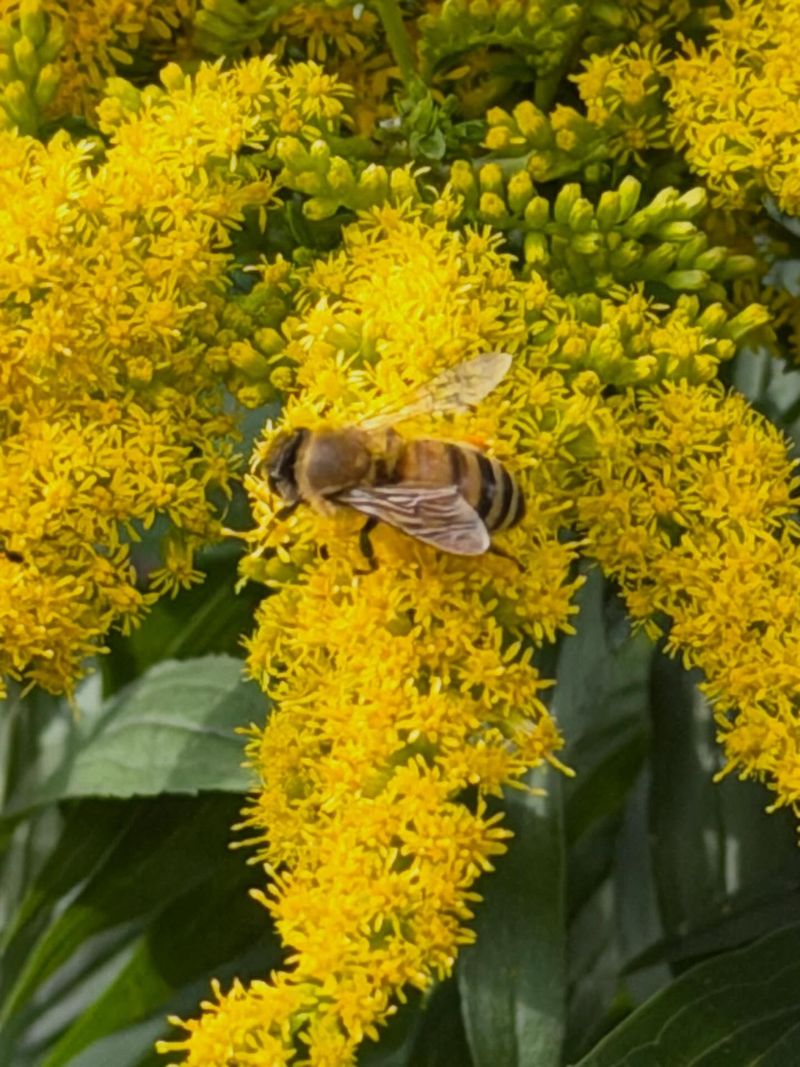
Goldenrod pollen behaves like syrup compared with the dust that floats out of ragweed spikes. Each grain is large, heavy, and coated in a sticky substance that clings to insect legs.
Wind struggles to lift it, so the pollen rarely travels far from the plant itself. Studies have shown it seldom drifts more than a few feet in ordinary outdoor air.
Bees, wasps, beetles, and butterflies handle the delivery service instead, moving grain by grain between blooms. That partnership works so well the plant has no reason to produce clouds of airborne pollen.
Bright petals and sweet nectar are advertisements, and advertising only makes sense when customers are visiting. Wind-pollinated plants skip the decoration, since a passing breeze cannot appreciate color or fragrance.
Your Missouri Garden Changes Every Week. Your Plan Should Too.
Gardening in Missouri changes quickly throughout the season. Every Friday you’ll receive a simple weekly plan showing exactly what to plant, prune, fertilize, harvest, and protect so you never miss the right timing.
Researchers at agricultural stations tested this years ago by sampling air near blooming goldenrod stands. Airborne goldenrod pollen showed up in extremely small amounts, while ragweed counts climbed sharply.
For most people, standing beside goldenrod causes little to no reaction during a September walk. Florists and beekeepers work around it constantly without reaching for tissues or eye drops.
A rare few with sensitive skin may react to direct contact with the sticky flower heads. That reaction comes from touching, not breathing, and it stays limited to the hands.
Knowing the physics of pollen makes the courtroom verdict pretty simple for this golden plant. Heavy grains stay home, and light grains travel, which explains who really reaches your nose.
Matching Bloom Calendars In Missouri Ditches
Timing built this misunderstanding, because both plants hit their peak during the same few weeks. Across Missouri, goldenrod and ragweed usually flower from mid August through the first hard frost.
Pollen counts in Kansas City and St. Louis climb steeply in the first half of September. Ragweed often becomes the dominant allergen in those readings, sometimes accounting for most airborne grains.
Warm days and cool nights encourage ragweed to release pollen, especially during the early morning hours. Between five and ten in the morning, counts frequently reach their highest point of the day.
Rain briefly washes pollen from the air, which explains the relief many people feel after storms. Dry, breezy afternoons do the opposite, lifting grains back up and spreading them across neighborhoods.
Goldenrod follows the same calendar because both plants respond to shorter days and cooling temperatures. Standing together in the same ditch, they look like partners in one seasonal crime.
Missouri frost dates vary, with northern counties cooling earlier than the Bootheel in the southeast. Southern Missouri gardeners sometimes battle ragweed pollen well into October, long after neighbors find relief.
Tracking local pollen forecasts helps more than watching which flowers look showy along the highway. Many weather apps break counts down by plant group, showing ragweed listed separately each day.
Once the calendar makes sense, planning outdoor chores around low-count hours becomes surprisingly easy. Late afternoon mowing beats sunrise gardening for anyone with a sensitive nose in September.
The Roadside Mix-Up That Fools Most Eyes
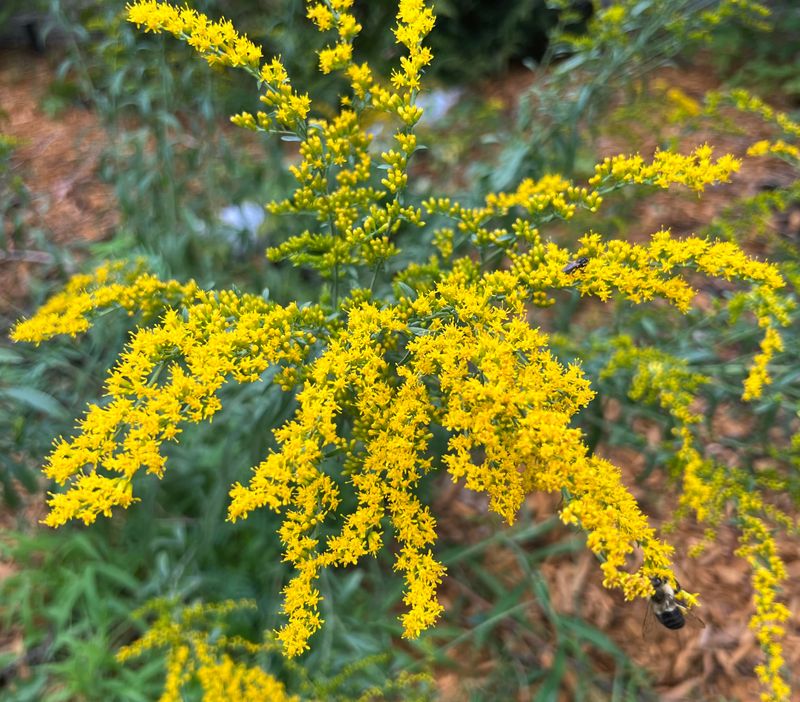
Picture a country road in Boone County, lined with waves of yellow plumes in September. Hidden behind that display, dull green stalks stand quietly, and those stalks cause the trouble.
Goldenrod announces itself with arching sprays of tiny golden flowers on stems two to five feet tall. Leaves grow long and narrow, with smooth or slightly toothed edges running along the stem.
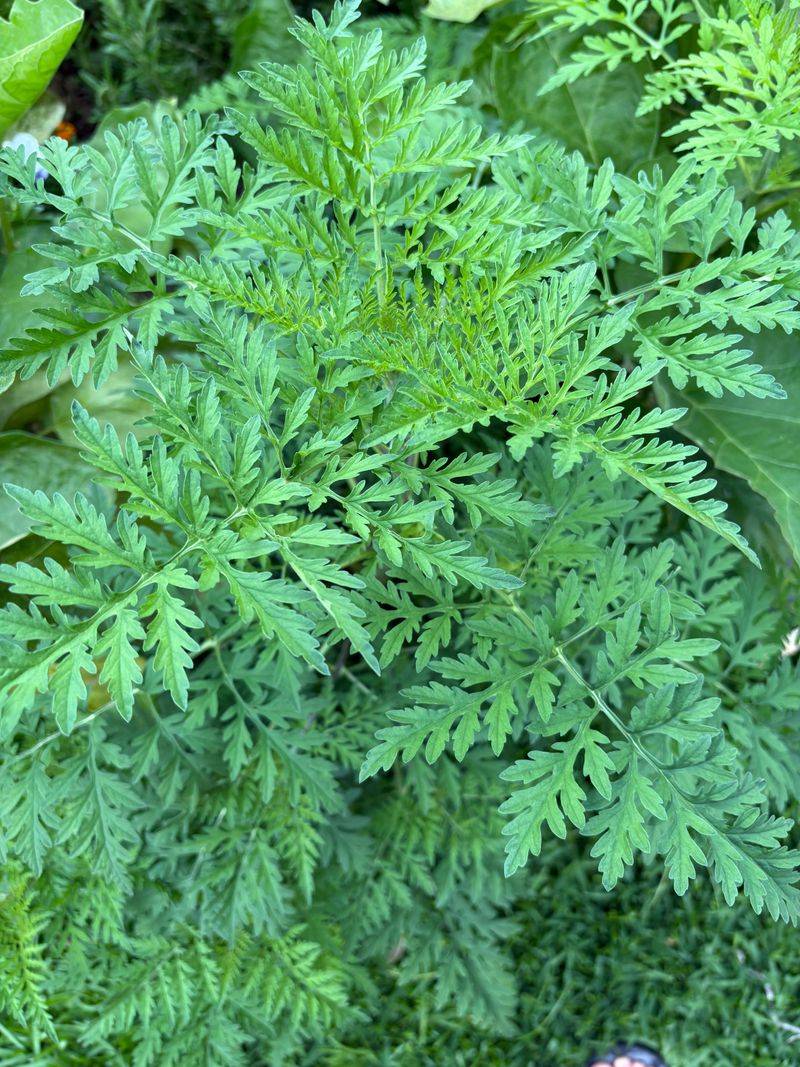
Ragweed hides in plain sight with deeply cut leaves that resemble ferns or carrot tops. Its flower spikes point upward like small green bottle brushes, holding no petals whatsoever.
Common ragweed usually reaches one to three feet, while giant ragweed can tower above your head. Giant ragweed leaves have three or five distinct lobes, almost like an oversized maple leaf.
Color is the fastest clue, since anything bright yellow in the ditch is probably innocent. Anything green, weedy, and easy to walk past deserves a much closer look.
Missouri hosts more than twenty native goldenrod species, from showy goldenrod to the tall Missouri goldenrod. None of them cause the problems people blame them for.
Gardeners pulling goldenrod from fence rows often leave the real offender standing right beside it. That mistake removes food for pollinators while the pollen source keeps growing undisturbed.
Snap a photo with a plant identification app before yanking anything out of the ground. A five-second check saves a useful native plant and points you toward the actual problem.
Pollinator Value Lost To An Unfair Reputation
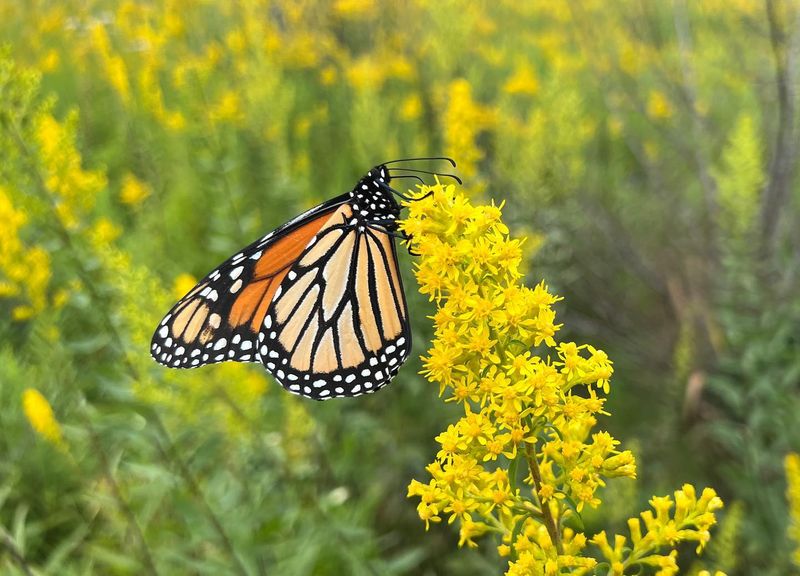
Few plants feed as many creatures in autumn as goldenrod does across Missouri prairies and gardens. More than one hundred insect species depend on its late nectar and pollen supply.
Monarch butterflies fueling up for their journey to Mexico stop at goldenrod along the way. Those golden blooms provide some of the last reliable nectar before cold weather arrives.
Honeybees work goldenrod hard in September, storing surplus honey that helps colonies survive winter. Beekeepers describe the fresh nectar as strongly scented, though the finished honey tastes rich and mild.
Native bees, soldier beetles, hoverflies, and predatory wasps gather on the flower heads all day. Many of those insects also hunt garden pests, so goldenrod quietly supports natural pest control.
Goldfinches and sparrows return later for the seeds, picking through dried stalks during winter months. Hollow stems shelter small native bees until spring, offering housing long after the flowers fade.
Missouri conservation groups plant goldenrod in prairie restorations because it establishes quickly on poor soil. Its deep roots hold stream banks together and help rebuild ground damaged by heavy equipment.
Tearing it out based on a rumor costs wildlife real food during a demanding season. The plant asks for nothing beyond sunshine, and it repays gardeners with weeks of color.
Consider leaving a patch along a back fence where its spreading habit stays out of trouble. Butterflies will find it within days, and your neighbors may ask what you planted.
Smarter Yard Habits For An Easier Autumn
Managing September misery starts with pulling the right plant instead of the one with pretty flowers. Pull ragweed before it flowers, ideally in June or July while the stems stay soft.
Young ragweed slides out of moist soil easily, roots and all, with one steady tug. Wear gloves and a mask if you are sensitive, because handling stirs pollen and sap.
Mowing helps along driveways and fence lines, though it works best before seed heads form. One mature plant can drop tens of thousands of seeds that stay viable in soil for years.
Thick turf, mulch, and dense native plantings crowd out ragweed by stealing its bare ground. Ragweed loves disturbed soil, so covering exposed dirt removes the open invitation it needs.
Indoors, keep windows closed on windy mornings and run the air conditioning with a clean filter. A shower before bed rinses pollen from hair and skin, keeping your pillow much cleaner.
Change clothes after yard work and avoid drying laundry outside during peak pollen weeks. Pets bring grains indoors too, so a quick wipe down after evening walks makes a difference.
Starting allergy medication a week or two before symptoms appear usually works better than waiting. Ask a pharmacist or doctor which option fits your situation and daily routine best.
Leave the goldenrod standing while you clear the weedy green stalks growing around it. Your sinuses improve, the pollinators keep their buffet, and the yard still looks bright.