The One Thing North Carolina Toad Lilies Need In September Or They Won’t Bloom
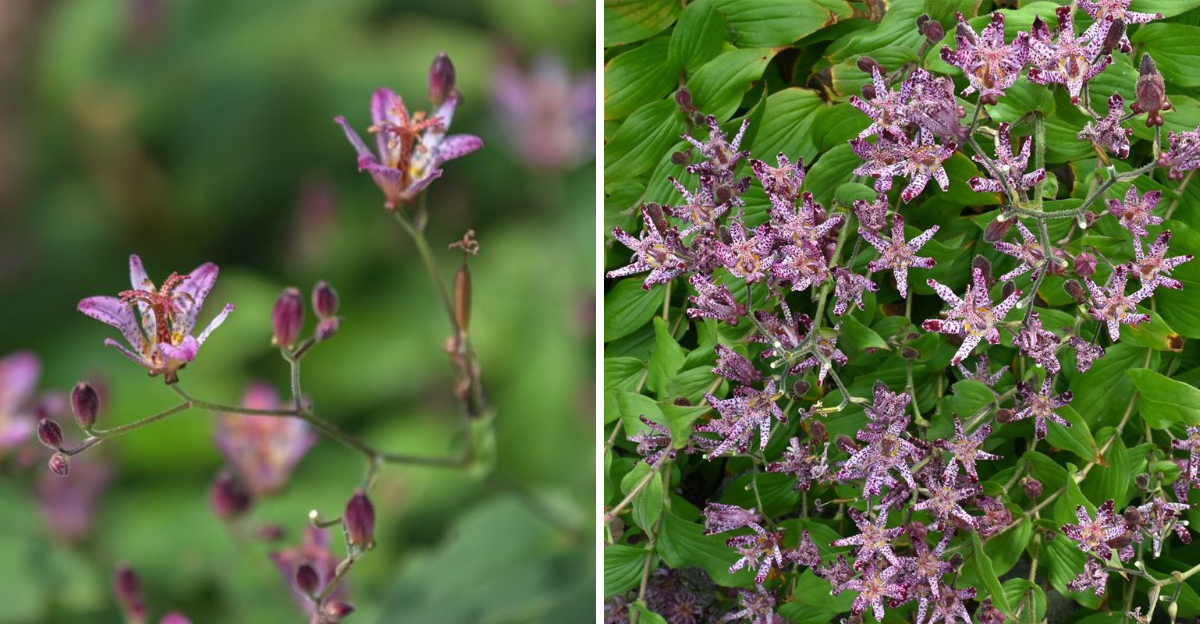
If you have never grown toad lilies in your North Carolina garden, September is about to make a very convincing case for why you should start.
These unusual perennials produce spotted, orchid-like flowers in late summer and fall right when most of the rest of your garden has basically called it a year, and that alone makes them worth knowing about.
September is actually a critical month for Tricyrtis hirta because it overlaps directly with bud development and early bloom, which means what you do right now genuinely matters.
The single most important thing these plants need during this period is consistently moist, well-drained soil.
Let the root zone dry out during their flowering window and you risk interfering with normal growth and potentially missing the bloom entirely. That would be a real shame for such a spectacular plant.
1. September Dry Spells Can Interrupt Late-Season Flowering
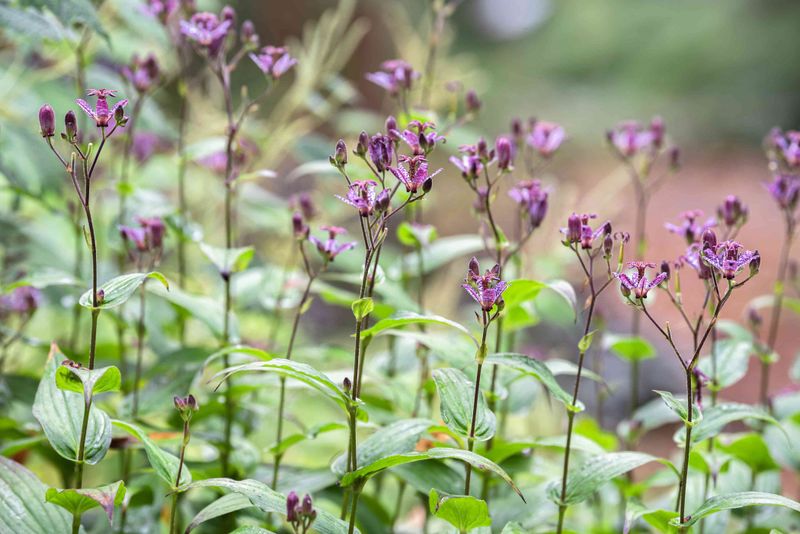
After several rain-free days in a shaded perennial bed, the soil beneath the leaf litter can become surprisingly dry, even when the garden looks cool and sheltered.
For Tricyrtis hirta, which flowers in late summer and fall, September often lands right in the middle of bud development and early bloom.
When moisture runs short during that window, the plant may respond in ways that interfere with flowering.
University of Wisconsin Extension notes that hairy toad lilies receiving insufficient moisture may enter dormancy earlier than expected and may fail to flower during drought conditions.
This does not mean that one dry afternoon will stop every bloom, but a stretch of warm, rain-free September weather can create real stress on the root zone.
The root zone is simply the area of soil where a plant’s roots are actively growing and absorbing water and nutrients.
Rainfall, temperature, soil type, shade, and garden location all affect how quickly conditions shift from moist to dry.
North Carolina’s Mountains, Piedmont, and Coastal Plain can experience very different September weather patterns, so gardeners across the state should pay attention to their own local conditions rather than assuming a general forecast applies to their specific bed.
Monitoring the soil directly, rather than relying on rainfall estimates alone, is the most reliable way to stay ahead of moisture stress during this important flowering period.
2. Consistently Moist Soil Supports Developing Buds And Blooms
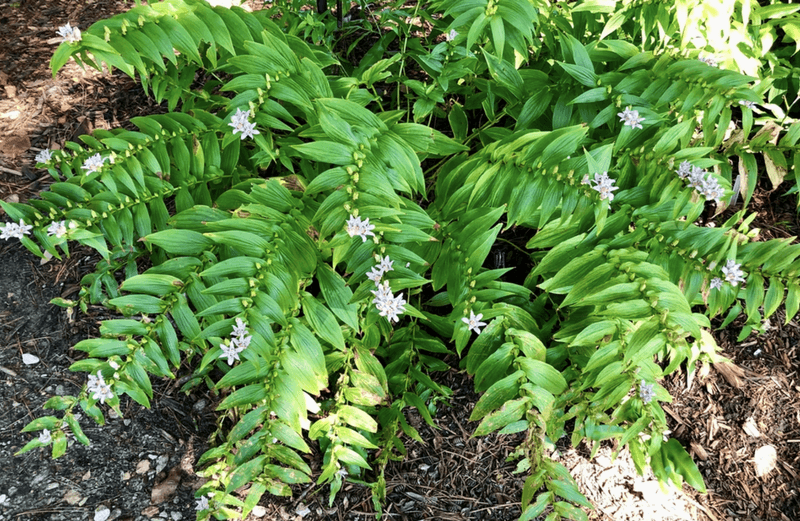
Buds beginning to form along the arching stems of a toad lily are a quiet sign that the plant is moving into one of its most demanding periods. NC State Extension recommends moist soil for Tricyrtis hirta and specifically notes that the soil should not be allowed to dry out.
Understanding what consistently moist actually means in practical terms can help North Carolina gardeners respond more confidently when dry spells arrive during this critical window.
Consistently moist soil retains usable moisture around the roots without staying saturated or soggy. Think of it like a wrung-out sponge: damp throughout, but not dripping.
Checking the soil by hand, a few inches below the surface, gives a much clearer picture than looking at the top layer, which can dry quickly while the root zone stays adequate.
Your Michigan Garden Changes Every Week. Your Plan Should Too.
Gardening in Michigan changes quickly throughout the season. Every Friday you’ll receive a simple weekly plan showing exactly what to plant, prune, fertilize, harvest, and protect so you never miss the right timing.
If rainfall has been keeping the bed moist, supplemental watering may not be needed at all.
When several dry days leave the root zone noticeably dry, adding water can help restore the conditions the plant prefers. Watering does not directly create flower buds, and adequate moisture does not guarantee a spectacular bloom display.
The more accurate way to think about it is that maintaining steady moisture helps the plant carry out normal growth processes, while moisture stress, meaning a shortage of available water in the root zone, can disrupt those processes and may reduce flowering.
In North Carolina, where late summer dry spells can arrive suddenly between rain events, a watering calendar is less useful here than a habit of actually feeling the soil.
3. The Root Zone Should Stay Moist Without Becoming Waterlogged
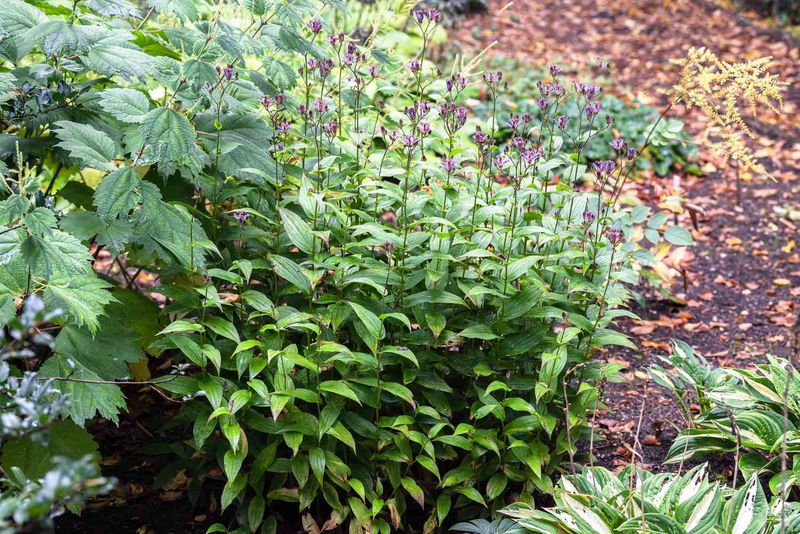
Soggy soil and moist soil are not the same thing, and knowing the difference matters a great deal for toad lilies. NC State describes Tricyrtis hirta as preferring moist, well-drained conditions.
That combination means water should be available to the roots, but excess water should be able to drain away rather than pooling around the root zone for extended periods.
When soil stays saturated, it reduces the amount of oxygen available to roots. Plant roots need oxygen to function properly, and waterlogged conditions can lead to root problems that affect the whole plant.
Adding more water to already-wet soil does not improve growing conditions. Before reaching for the hose after a rainy stretch in September, check the soil first.
Sandy soils tend to dry out relatively quickly, while heavier clay-based soils can hold moisture much longer. Neither extreme is ideal without some management.
The goal is a bed that holds steady, usable moisture while allowing excess water to move away. A planting area that shifts repeatedly between very dry and waterlogged is harder on toad lilies than one that stays consistently in the middle range.
Good drainage also means that when you do water, you can apply enough to reach the root zone without worrying that the water will just sit there.
Soil texture, slope, nearby tree roots, and organic matter content all influence how well a particular bed drains, so there is no single watering interval that works for every North Carolina garden.
4. Mulch Can Help Slow Moisture Loss Around Toad Lilies
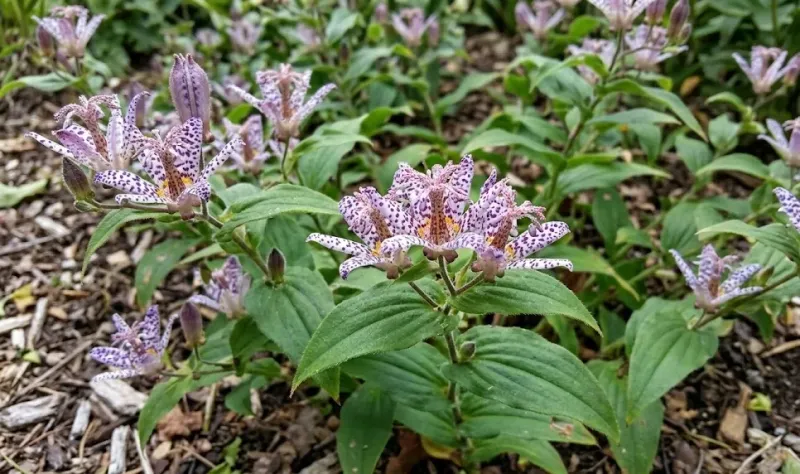
One of the quieter helpers in a shaded perennial bed is a layer of organic mulch settled around the plants.
For toad lilies growing beneath trees or large shrubs in North Carolina, mulch can slow evaporation from the soil surface, helping the root zone stay moist longer between rain events or watering sessions.
This is especially useful during dry stretches in September when the soil might otherwise lose moisture faster than rainfall can replace it.
Nearby tree and shrub roots can compete with perennials for available soil water, which means a shaded planting is not automatically a moist one. Mulch helps create more stable conditions by acting as a buffer between the soil and the drying effects of air and heat.
Apply mulch across the root zone, spreading it out from the plant rather than piling it directly against stems or crowns. Keeping mulch away from the base of the plant reduces the risk of creating conditions that could affect stem health.
Mulch conserves moisture but does not replace watering when rainfall is genuinely insufficient. The surface of the mulch may look or feel damp while the soil beneath it, closer to where the roots are growing, has actually become dry.
Pulling the mulch aside and checking the soil directly is the only reliable way to know what conditions are like at root level.
In North Carolina, where September weather can swing between humid stretches and surprisingly dry spells, a moderate and even mulch layer is what Extension best practices generally support rather than piling on more and assuming the job is done.
5. Shade Helps Keep The Soil From Drying Too Quickly
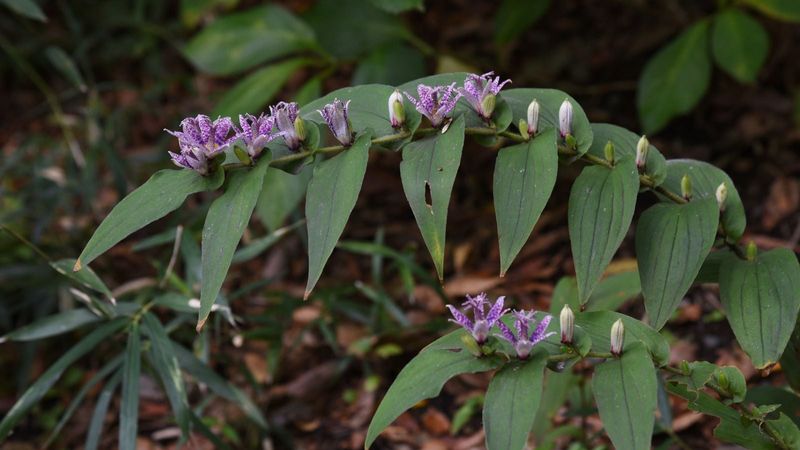
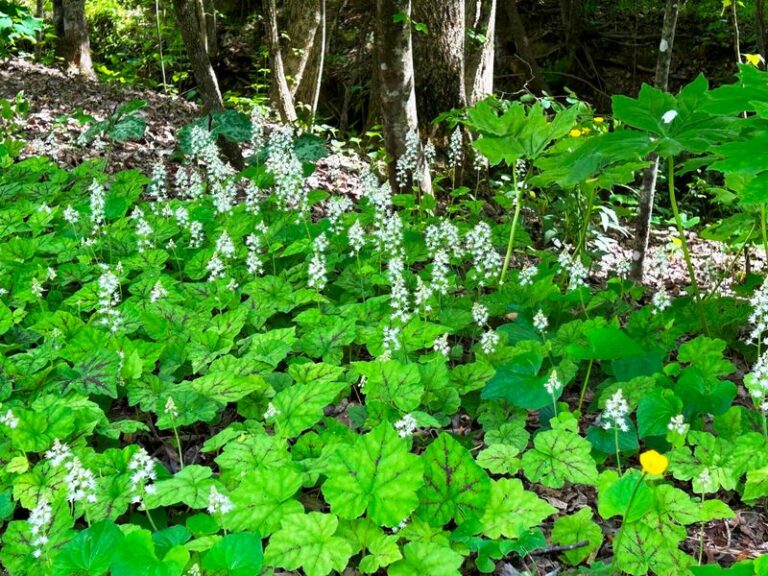
Growing in the shelter of a tree canopy or along a north-facing slope, toad lilies are naturally at home in low-light conditions. NC State lists Tricyrtis hirta for shade to partial shade and describes it as well suited to woodland, shade, and naturalized garden settings.
One practical benefit of that preferred environment is that protection from intense afternoon sun can reduce heat buildup around the plant, which in turn can slow how quickly the soil loses moisture.
Shade does not eliminate the need to monitor soil moisture, though. Large trees and shrubs cast shade while also sending roots through the same soil that perennials depend on, and those roots can pull moisture away surprisingly quickly during dry weather.
A bed that looks cool and shaded can still become quite dry during a rain-free September week. Appearance and location alone are not reliable guides to what is actually happening below the surface.
Different toad lily species can have somewhat different light preferences, so it helps to know which plant you are working with. Tricyrtis formosana, for example, tends to prefer light, open shade and may not perform as well in very deep shade.
For T. hirta specifically, a site that receives filtered light or morning sun with afternoon shade often works well. The focus here is on how shade interacts with moisture, not on treating every toad lily variety as if it has identical needs.
Checking the soil remains the most useful habit regardless of how shaded the bed appears.
6. Watering At The Base Keeps Moisture Where Roots Need It
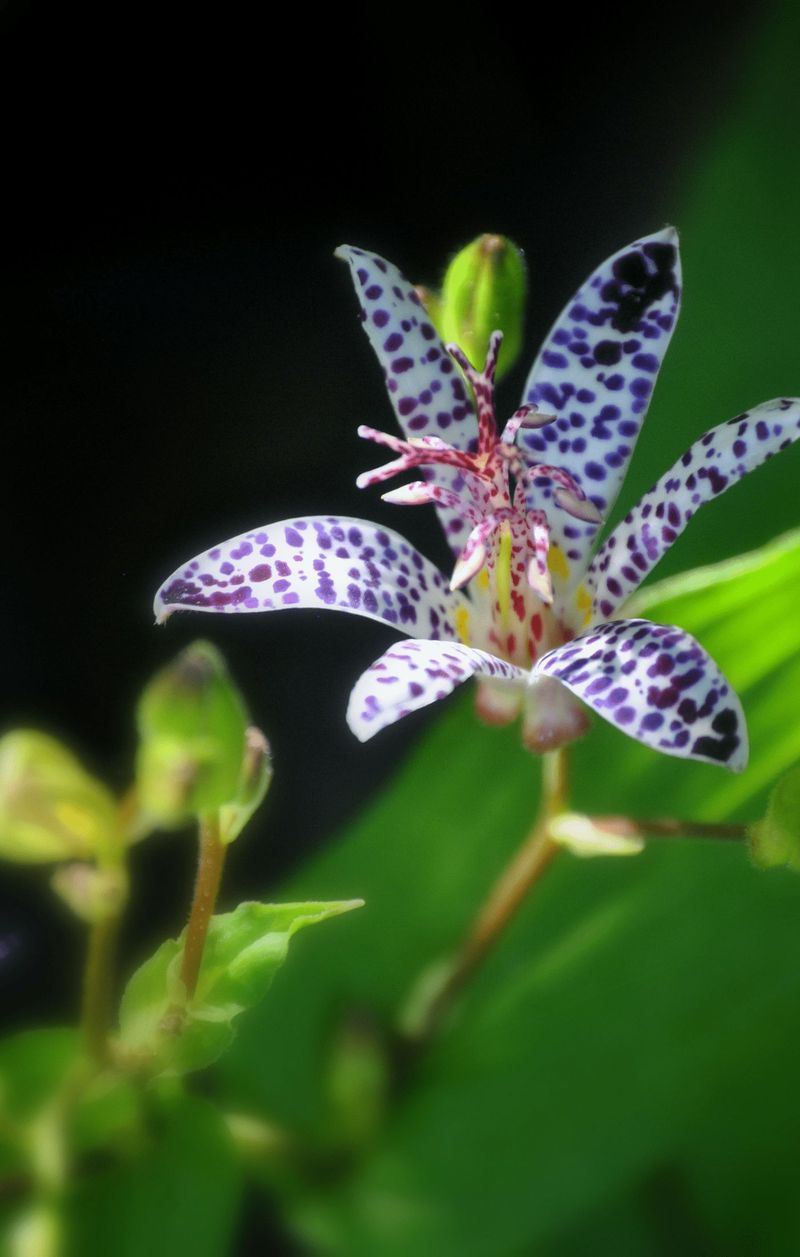
Reaching for the hose at the end of a dry September day, it can be tempting to simply spray down the whole bed from above.
A more targeted approach, directing water toward the soil at the base of the plant rather than over the leaves, delivers moisture where the roots can actually use it while keeping the foliage drier.
NC State recommends watering toad lilies at the base and notes that keeping leaves dry when possible can be helpful because anthracnose, a fungal disease, can affect toad lily foliage.
North Carolina’s humid late summer conditions can make this extra precaution especially worth the small amount of additional effort it takes.
A watering wand, a drip line, or careful hand watering are all practical options depending on the size and layout of the garden. The goal is a slow, steady application that allows water to soak into the root zone rather than running off the surface.
Applying water slowly also gives you a better sense of how much the soil is actually absorbing versus how much is simply moving away from the planting area.
Keeping foliage dry when practical reduces the amount of time leaves stay wet, which can be a factor in disease development.
Overhead irrigation does not automatically cause problems, but it is less efficient for delivering moisture to roots and may leave leaves wet for longer periods.
Water should be applied based on actual soil conditions rather than on a fixed schedule.
If the soil at root depth still feels adequately moist in your North Carolina garden, adding more water is not necessary, even if the surface looks dry or the weather has been warm and dry for several days.
7. Brown Leaf Edges Can Signal That Conditions Are Too Dry
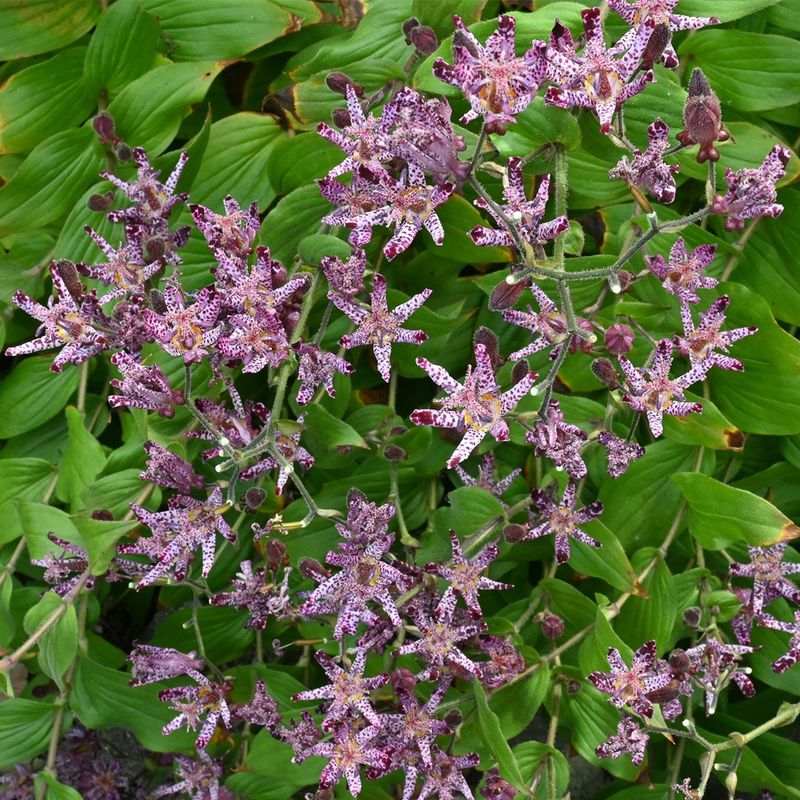
Spotting brown margins along the edges of toad lily leaves during a warm, rain-free September stretch is worth paying attention to.
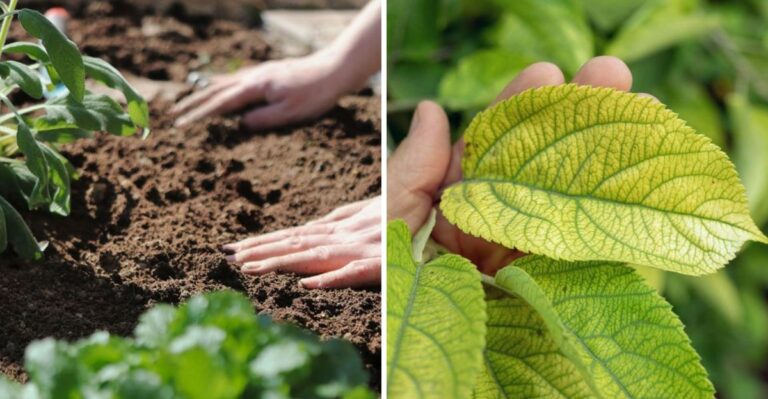
University of Wisconsin Extension notes that hairy toad lilies receiving insufficient moisture may develop brown spotting or brown leaf edges.
These symptoms can be a useful clue, but they are not a definitive diagnosis on their own. Several different conditions, including disease, physical damage, environmental stress, and other growing problems, can produce similar-looking foliage symptoms.
North Carolina’s late summer heat can make it especially tempting to assume dryness is always the cause, but that assumption is worth testing before you act.
Before concluding that dryness is the cause, check the soil moisture at root depth. If the root zone is noticeably dry and the plant has been without significant rainfall for an extended period, inadequate moisture becomes a reasonable possibility worth addressing.
If the soil still feels adequately moist, or if the leaf symptoms include patterns more consistent with a fungal issue such as anthracnose, the cause may be something other than dry conditions.
NC State lists anthracnose as a potential disease problem on toad lilies, so it is worth keeping that distinction in mind when diagnosing foliage issues in North Carolina gardens.
Brown leaf edges during dry weather do not automatically mean the plant needs a heavy soaking. The right response depends on what the soil actually feels like and whether drainage appears adequate.
Overwatering a bed that already has drainage problems will not help and may create additional stress.
Check the soil, consider the recent weather, look at the pattern and location of the symptoms, and then decide on a response based on that fuller picture rather than the leaf appearance alone.
8. September Soil Checks Can Help Prevent Moisture Stress Before Bloom
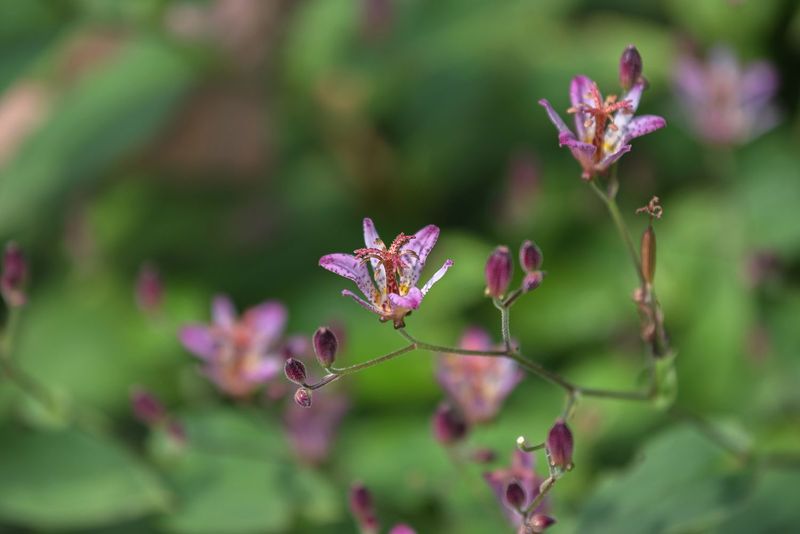
Checking the root zone before reaching for the hose is one of the most practical habits a toad lily gardener can build.
During September, when these plants may be approaching or entering their flowering period, staying ahead of moisture stress matters more than sticking to a fixed watering day.
Pulling back the mulch and pressing a finger a few inches into the soil gives a clear, direct reading of what is actually happening at the root level.
If the soil at that depth still feels adequately moist, additional water is probably not needed yet. If it has become noticeably dry, providing enough water to restore moisture through the root zone and then allowing excess to drain is a reasonable response.
Rainfall, temperature, shade, soil texture, neighboring tree roots, and plant size all influence how quickly a bed dries between rain events.
Because those factors vary across a single garden, let alone across North Carolina’s different regions, there is no single interval that applies everywhere.
The useful habit is responding to actual conditions rather than assumptions. A bed that looks shaded and cool may still have a dry root zone after a week without rain.
A bed that received heavy rain a day ago may still be adequately moist even if the surface has dried slightly.
Keeping the soil in that steady, moist but well-drained range throughout the late-season flowering period gives Tricyrtis hirta the environment it prefers and reduces the risk that moisture stress will interfere with the blooms you have been waiting all season to see.