An Unfamiliar Scent Is Settling Over Mississippi Neighborhoods Right Now
Your nose catches trouble before your brain can even explain it. Smoke reaches you through Mississippi backyards long after houses go quiet. Neighbors text you competing theories: gas leaks, sewer trouble, distant flames.
Nobody warns you about the wide, quiet fields past town limits. Farmers strike matches across your county’s rice and soybean fields. Flames eat through dry stubble, pushing thick smoke toward your street.
Wind pulls that smoke straight into your Mississippi neighborhood. Amber light bends through haze, and your headlights look strange. Dawn sharpens that faint smoky odor around you, then noon slowly wears it off.
Night resets it all, and the smell finds you again. Relief exists once you know exactly what is happening. Answers sit close by, waiting patiently for you to notice them.
Patience runs thin fast when your porch smells like scorched onions and dust. Understanding why this happens changes how you breathe tonight.
Why September Air Turns Sharp Across The Delta
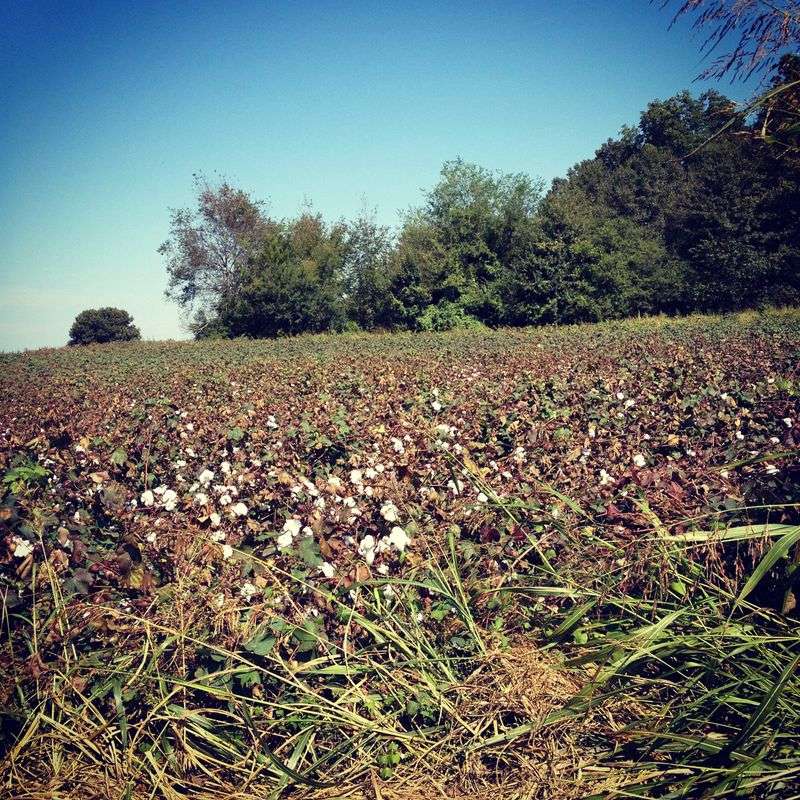
Roll a car window down on a Delta highway this month and you may catch a scent sitting somewhere between burnt hay, garlic, and a freshly struck match. Folks who grew up here call it the smell of harvest getting close.
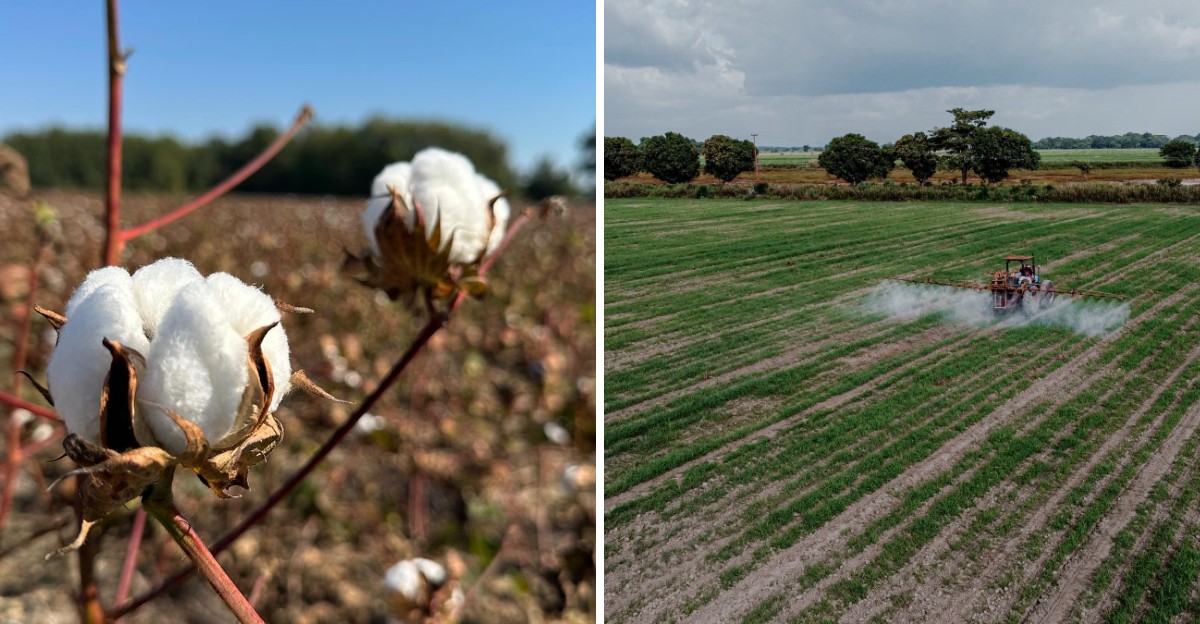
Cotton does not shed its leaves on a tidy schedule, so growers help it along with a spray that signals the plant to let them go. Once those leaves loosen and drop, the bolls dry in open sunlight and machines can gather cleaner fiber.
The spray carries a faint sulfur or onion-like note, and warm afternoons push that note straight into the breeze. Add the dry, powdery soil of a Mississippi September and the air takes on a texture you can almost taste.
Timing explains why it feels so sudden. Growers watch the calendar and the forecast closely, then treat thousands of acres inside a short window, often within a week or two of each other.
This is one reason the odor can seem absent one day and noticeable just a few days later. Your plumbing and your neighbor’s compost pile are probably innocent.
Understanding the source tends to calm the guesswork. Once you connect the odor to fields turning brown and machinery idling at the turnrow, it becomes a seasonal marker instead of a riddle, much like hay curing in June.
Plenty of longtime residents even use it as a countdown clock, predicting when the first module trucks will rumble past the school.
What Sprayed Cotton Fields Are Actually Doing
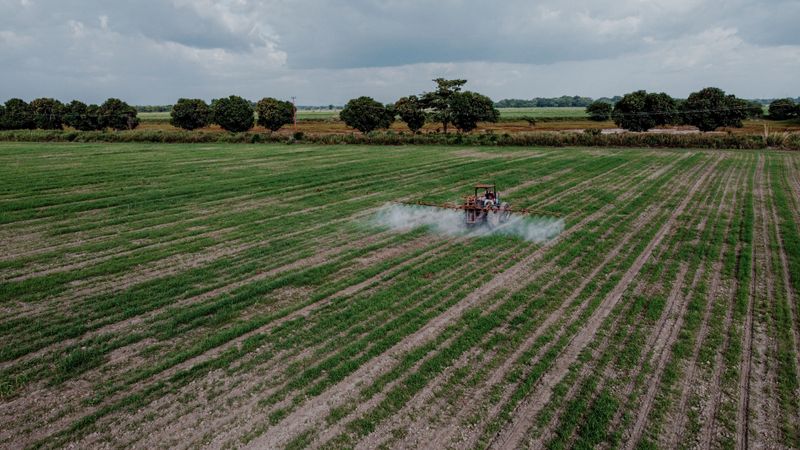
A common assumption is that the spray aims to harm the crop, when the goal is the opposite. Harvest aids nudge cotton plants to shed leaves and open their bolls at about the same time.
Clean plants mean whiter lint, fewer green stains, and a better grade at the gin. Leaves left on the stalk get chopped by the picker and mixed into the fiber, adding trash that graders notice right away.
Several products handle the job, and the odor depends on which one goes out. Some contain sulfur-based compounds often described as smelling like scorched onions, while ethephon-based boll openers are commonly described as having a sour, sharp odor.
Your Mississippi Garden Changes Every Week. Your Plan Should Too.
Gardening in Mississippi changes quickly throughout the season. Every Friday you’ll receive a simple weekly plan showing exactly what to plant, prune, fertilize, harvest, and protect so you never miss the right timing.
Crop consultants walk the rows and count nodes above the highest cracked boll before calling the shot. Spray too early and yield slips, wait too long and rain can stain open cotton.
Applications go out by ground rig or by airplane, and pilots prefer calm morning air so the material lands on target. Those same still mornings hold odor low to the ground, which is why 7 a.m. often smells stronger than noon.
Here is a history bit worth knowing. Farmers once waited on the first hard frost to strip leaves naturally, gambling against autumn storms.
Chemical defoliants offered growers more predictable timing than waiting on frost, which suited Mississippi’s long humid falls.
Knowing the reason behind the smell makes it easier to shrug off. It signals a season winding toward gin yards stacked with pale modules and long lines of trucks.
Dust Clouds Rolling Behind Pickers And Module Builders
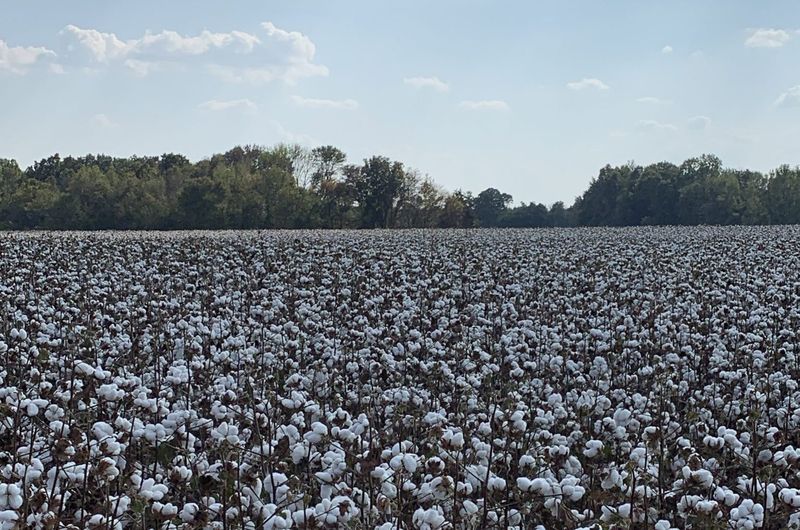
Picture a six-row picker rolling at dusk with a light-colored cloud of dust trailing behind it. That cloud is soil, leaf bits, and lint, and it drifts wherever the wind decides.
Mississippi Septembers run dry on purpose for harvest, because damp cotton gums up machines and pulls down grades. Dry ground turns to fine powder under heavy tires, and each pass lifts more of it skyward.
Module builders and round-bale wrappers add their own share. Squeezing fluffy cotton into a tight package pushes out dust and tiny fiber pieces that linger long after the tractor shuts off.
The smell riding along with that dust is earthy and faintly sweet, like a hay barn in August. Blend it with the sharper spray odor and you get the unfamiliar mix people keep asking about.
Field roads matter too. Trucks hauling modules to the gin stir gravel dust that settles on windshields, mailboxes, and porch rails within a mile of the route.
A practical response helps. Park on the far side of the house from open ground, and keep a soft brush handy for screens and glass.
Rinsing instead of wiping keeps grit from scratching paint and windshields. Cyclists and runners can shift routes toward town for a couple of weeks.
Evening air frequently holds the thickest dust, since crews run late while humidity stays low. One old trick still works: check the flag at the co-op, and if it points toward your street, save yard work for a calmer morning.
Towns And Streets That Notice It Soonest
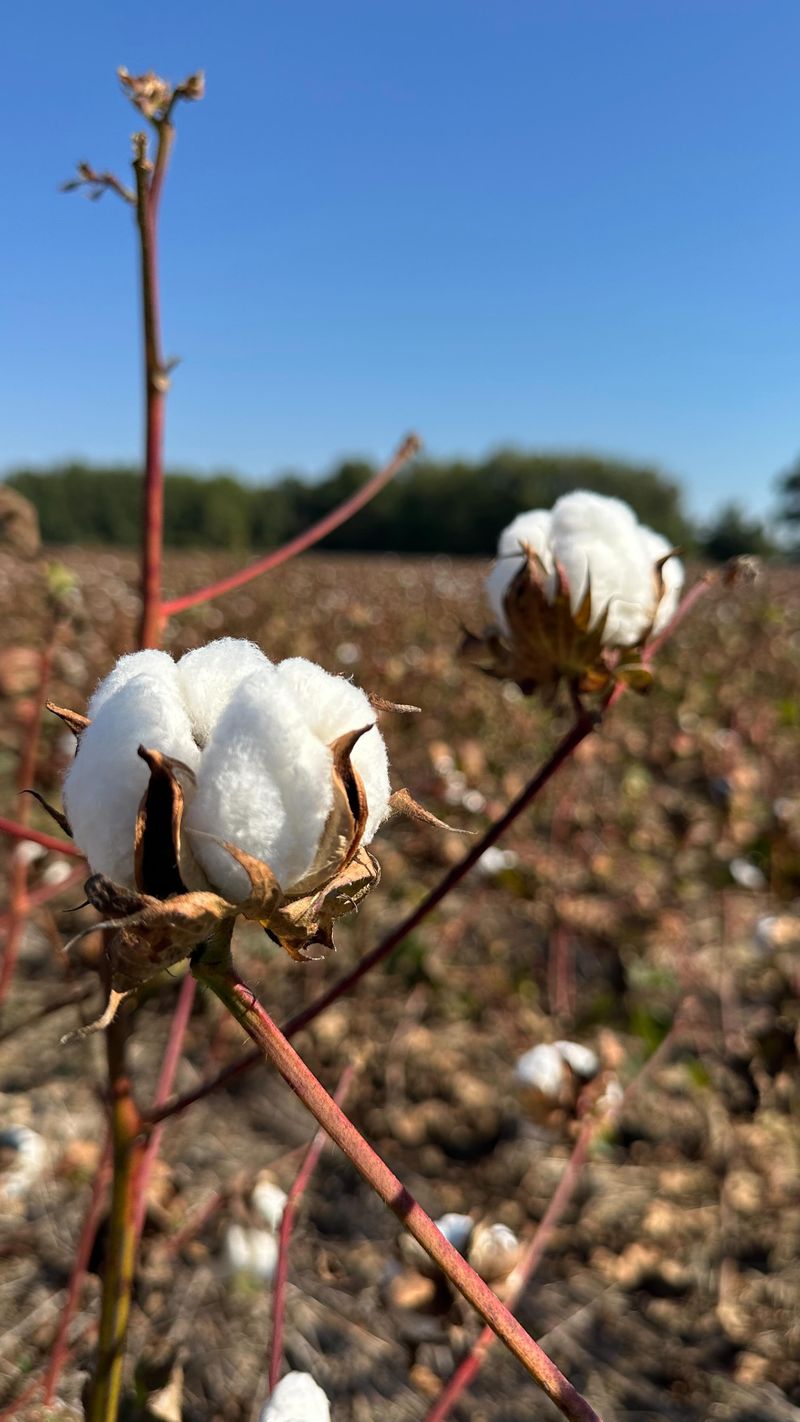
Geography does much of the deciding here. Communities ringed by row crops catch the odor first, and the Delta tops the list.
Streets on the edge of Cleveland, Indianola, Greenwood, Clarksdale, and Greenville sit a short hop from thousands of acres. Leland, Ruleville, and Tunica report the same thing during the same weeks.
Farther east, the hills scramble the pattern. Places like Starkville, Macon, and Brooksville feel it in pockets where creek bottoms open into wide fields.
Neighborhoods near Hattiesburg usually smell less of it, since acreage down there leans toward timber and pasture. Even so, a steady north wind can carry farm odors along river corridors for surprising distances.
Terrain teams up with time of day. Cool air sinks overnight and traps smells near the ground in low spots, so a house in a hollow may notice more than a neighbor on a rise.
Subdivisions built over the past twenty years often stand where cotton once grew, which puts back fences against working ground. That closeness brings tractor lights at midnight and a stronger seasonal aroma on the patio.
New residents may want to ask a longtime neighbor how long the window tends to last on their block.
Based on local patterns, the odor tends to last somewhere between ten days and three weeks, though this varies by rainfall and nearby acreage. There is a friendly upside to living this close as well.
The same fields perfuming the air in September support gin jobs, trucking routes, and the school district that keeps small towns humming along.
Easy Ways To Guard Sensitive Lungs

Folks with asthma often notice the shift before anyone mentions it out loud. A tight chest or scratchy throat shows up on the first heavy dust evening.
Simple timing helps a great deal. Outdoor exercise feels better in late morning, once the overnight air layer breaks up and breezes mix the odor upward.
Keep rescue inhalers somewhere easy to grab, and refill prescriptions before harvest peaks. Pharmacists in farm towns expect the September rush and can help you plan ahead.
A pleated filter rated MERV 11 or 13 in your HVAC unit traps far more fine dust than the thin fiberglass kind. Swap it midmonth, because field dust loads a filter quickly.
Portable air cleaners with HEPA media earn their keep in bedrooms. Running one on low overnight gives lungs several quiet hours to reset.
Children practicing sports outdoors can carry a water bottle and take breaks when machinery works the field beside the ballpark. Delta coaches frequently move drills inside on the dustiest evenings.
Pets get itchy eyes as well. Wiping paws and muzzles after a walk cuts down on what gets tracked onto the couch.
Anyone smelling spray strongly enough to feel queasy should head indoors, shut the windows, and call a doctor’s office for guidance.
Questions or concerns about a specific application can be directed to the Bureau of Plant Industry. This division of the Mississippi Department of Agriculture and Commerce regulates pesticide use, applicator certification, and misuse complaints statewide.
Extension agents with Mississippi State University also answer calls and can explain what is happening in the fields near your street.
Keeping Homes, Cars, And Porches Fresh Until The Gin Whistle

Laundry hung on the line during harvest picks up a souvenir nobody requested. Drying clothes indoors for a couple of weeks spares your pillowcase that scorched-onion note.
Towels are the worst offenders, since they soak up odor like a sponge. Windows shut at night keep the heaviest air out of bedrooms.
Running the HVAC fan circulates and filters indoor air instead of pulling raw outside air through screens. Those screens gather a gray film by the second week anyway.
A garden hose and a soft brush restore airflow and trim the smell drifting through the mesh. Cars deserve attention around gin routes too.
Replacing the cabin air filter costs little and makes school pickup far more pleasant. Rinse the windshield before switching on wipers, because dry grit behaves like sandpaper on glass.
A quick spray across the front grille also helps the radiator breathe. Porches respond better to one good rinse at the end of the week than to daily scrubbing.
Cushions tucked into a storage bin stay fresh and save you a wash cycle. Pools and birdbaths collect a fine film, so skim more often and rinse the feeder tray.
Clean water sources benefit pollinators during dry stretches. Relief usually arrives with the first steady rain or cool front, often by mid to late October in the Delta.
Once modules roll to the gin and stalks get shredded, the air drifts back toward woodsmoke and football weather. Mark your calendar so next September feels routine rather than alarming.