Why Painted Buntings Aren’t Showing Up In Your Mississippi Yard And What Finally Gets Their Attention
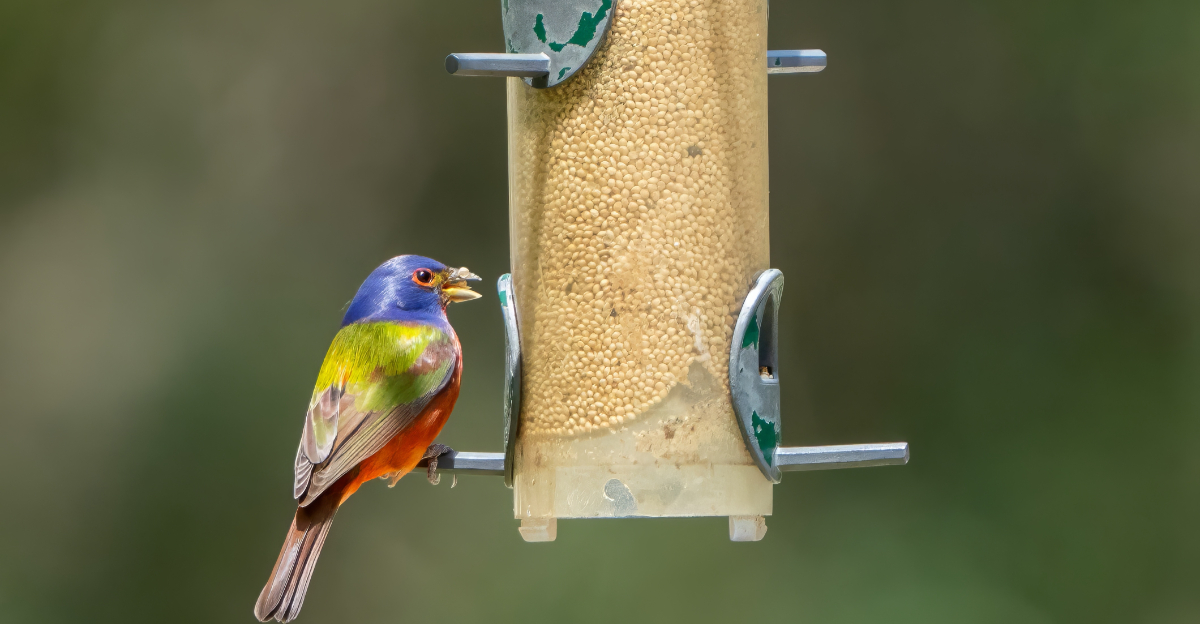
Painted buntings skip feeders for reasons most birders never suspect. Mississippi sits directly inside a rich migration corridor for songbirds. Yet your feeder stays quiet while neighbors post daily photos.
Something unseen keeps these birds from ever noticing your yard. Seed choice matters more than most people ever realize. Color catches their attention before scent or sound arrives.
Wrong perches or total silence turn buntings away instantly. Nobody tells you crowded feeders discourage shy songbirds fast. Busy yards push buntings straight past Mississippi neighborhoods.
Timing counts too, since buntings favor early morning light. Native seed mixes work far better than flashy commercial blends. Placement near dense cover convinces buntings landing is safe.
Local birders who succeed follow patterns others completely ignore. Small errors add up until buntings simply move elsewhere.
Every choice invites them closer or sends them away. You’re a small adjustment away from finally watching painted buntings land.
Lacking Dense Shrubby Cover For Hiding And Nesting
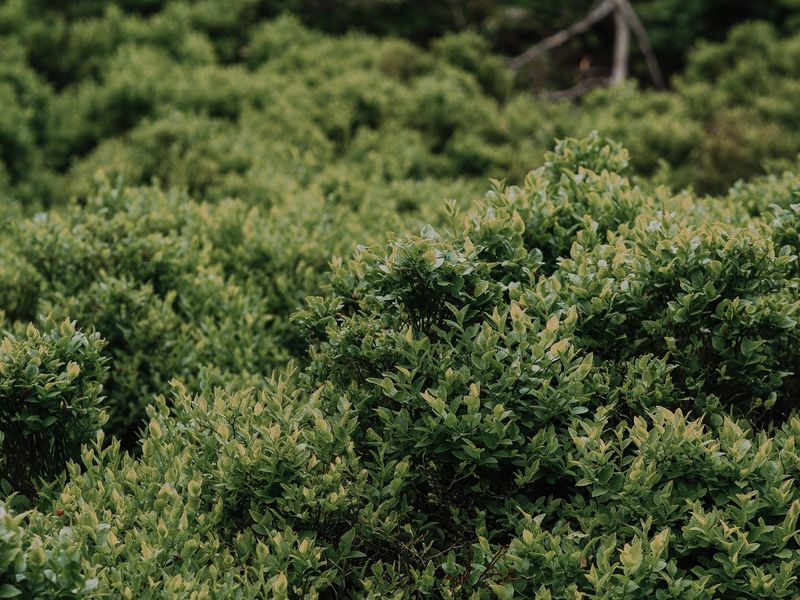
Painted buntings are not bold birds. They stay hidden, slipping through thick brush like tiny jewels no one is meant to find. This shyness shapes nearly every habitat decision they make.
Without dense cover nearby, they simply move on without hesitation. Your Mississippi yard might feel open and tidy to you, but to a bunting, it looks exposed and dangerous. Open space signals risk, not welcome, to a bird this cautious.
These birds nest low to the ground, tucked deep inside protective growth. Dense, low shrub layers are exactly what they seek out during breeding season, offering both concealment and easy access to food nearby.
Think of plants like American beautyberry, wax myrtle, or wild plum. These create the kind of layered, tangled cover that makes buntings feel safe enough to stick around through nesting and molting.
Sparse ornamental shrubs trimmed into neat balls do not cut it. Buntings want something they can disappear into, not something that looks good in a garden magazine. Structure matters more than appearance ever will.
If your Mississippi yard has no shrub layer at all, start small and stay patient. Plant two or three native shrubs in a corner and let them grow naturally without heavy pruning or shaping.
Give it one season, and you may start to notice a difference. Painted buntings often scout yards before committing, so patience paired with the right cover goes a long way toward earning their trust.
Dense cover also protects buntings from hawks and cats lurking nearby. A yard that feels safe will always attract more birds than one that just has food sitting out.
Skipping Native Grasses That Produce Small Seeds
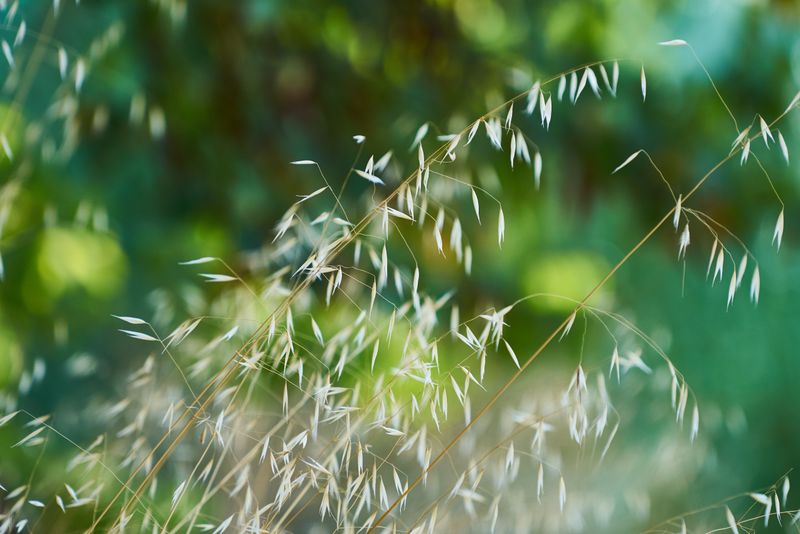
Grass seed is the painted bunting’s favorite meal. Most birders never think about that because they are too focused on feeders.
Native grasses like little bluestem, broomsedge, and panic grass produce tiny seeds that buntings actively hunt for on the ground. These are not decorative extras; they are the main course.
A yard full of turf grass offers almost nothing. Lawn grass seeds are either too large, too hard, or simply mowed before they ever form.
Your Mississippi Garden Changes Every Week. Your Plan Should Too.
Gardening in Mississippi changes quickly throughout the season. Every Friday you’ll receive a simple weekly plan showing exactly what to plant, prune, fertilize, harvest, and protect so you never miss the right timing.
Swapping even a small section of lawn for a native grass patch can shift the whole energy of your yard. Birds notice food sources fast, especially during fall migration.
Native grasses also attract insects, which female buntings and their chicks depend on during nesting season. A grass patch does double duty without any extra effort from you.
Planting is easier than people expect. Most native grasses go in during spring, need almost no watering after establishment, and spread gradually on their own.
Let the seed heads stand through fall and winter. Cutting them back in early spring gives the plants time to regrow before migration season kicks off again.
Painted buntings that find a reliable seed source return year after year. Give them a reason to land, and they will keep coming back long after the season ends.
Missing Water Features For Drinking And Bathing
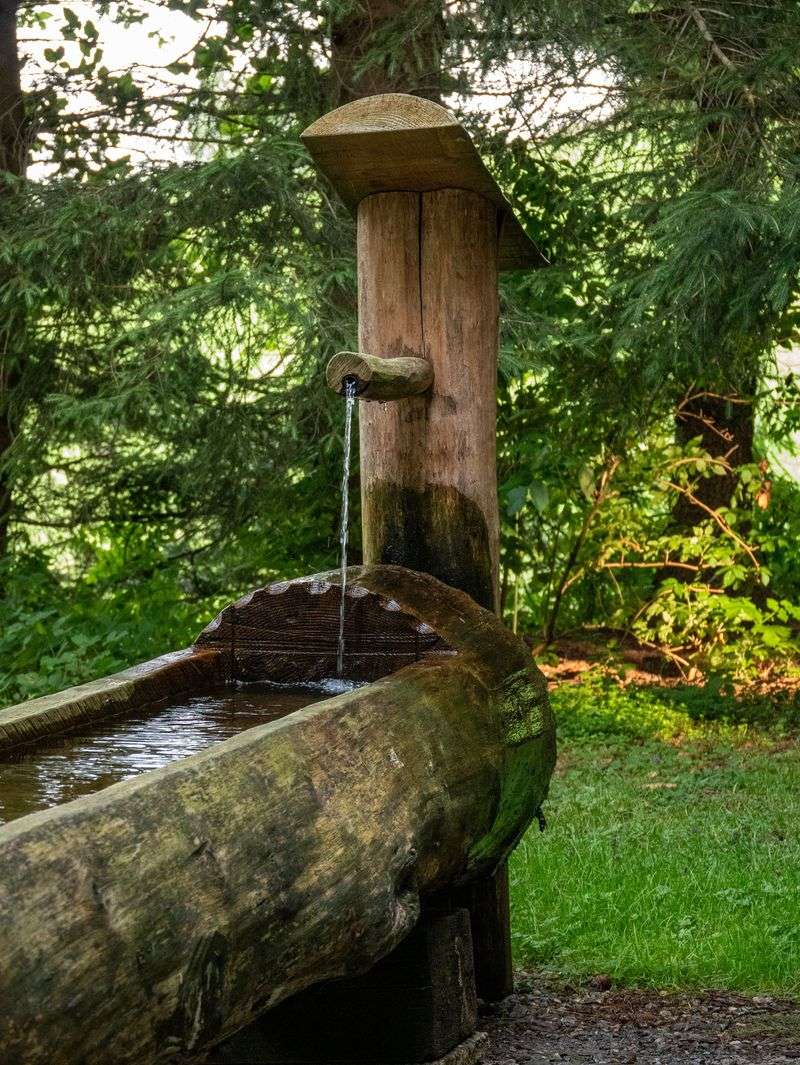
Water stops birds in their tracks almost instantly. A painted bunting spotting a fresh, clean water source will change its flight path to investigate immediately.
Most Mississippi yards have feeders but no water, and that is a missed opportunity. Buntings need to drink daily and bathe regularly to keep their feathers in good shape throughout the season.
Standing water in a deep bowl does not work well for small birds. They prefer shallow water, no deeper than one inch, where they can wade in without risk of drowning.
A simple saucer or a shallow dish set on the ground works surprisingly well. Buntings are ground-level birds by habit, so low water features feel far more natural to them than elevated basins.
Moving water is even better at pulling birds in. The sound of dripping or trickling water carries through trees and brush, catching the attention of passing birds from a surprising distance.
Solar-powered misters and small dripper attachments are widely available at garden and hardware stores, and installation takes only minutes.
Change the water every two days to keep it fresh and algae-free. Dirty water repels birds just as fast as clean water attracts them, so consistency matters here.
Place the water feature near shrubs so buntings can dart to safety if startled. A birdbath sitting in the open feels risky; one placed near cover feels like a genuine invitation to stay.
Overusing Pesticides That Reduce Insect Populations
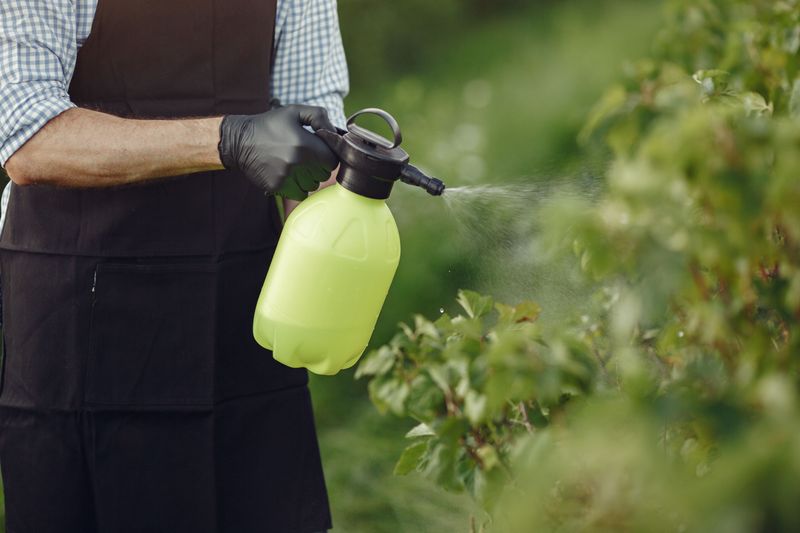
Pesticides are one of the most overlooked threats to backyard bird activity. You spray for mosquitoes or aphids, and suddenly the whole food web shifts.
Painted buntings eat seeds as adults, but their chicks need protein-rich insects to grow. No insects means no successful nesting, even if adults visit your Mississippi yard regularly.
Broad-spectrum insecticides do not just target pests. They reduce populations of beetles, caterpillars, flies, and dozens of other insects that birds depend on every single day.
Even products labeled as safe for plants can significantly reduce insect populations quickly. The effect is invisible to most homeowners but immediately obvious to nesting birds.
Cutting back on chemical use is the simplest fix. Start by skipping one spray cycle and see what insect life returns to your yard within a week.
Native plants naturally support more insects than ornamental species. Swapping even a few plants reduces the need for pesticides while feeding the birds at the same time.
If pest control is necessary, use targeted products that affect only specific species. Spot treatments cause far less collateral damage than broadcast spraying across the whole yard.
A yard buzzing with insects is a yard worth visiting for any bird. Buntings will always choose a living, thriving habitat over a chemically managed one, every single time.
Planting Thick Hedges Or Brushy Borders
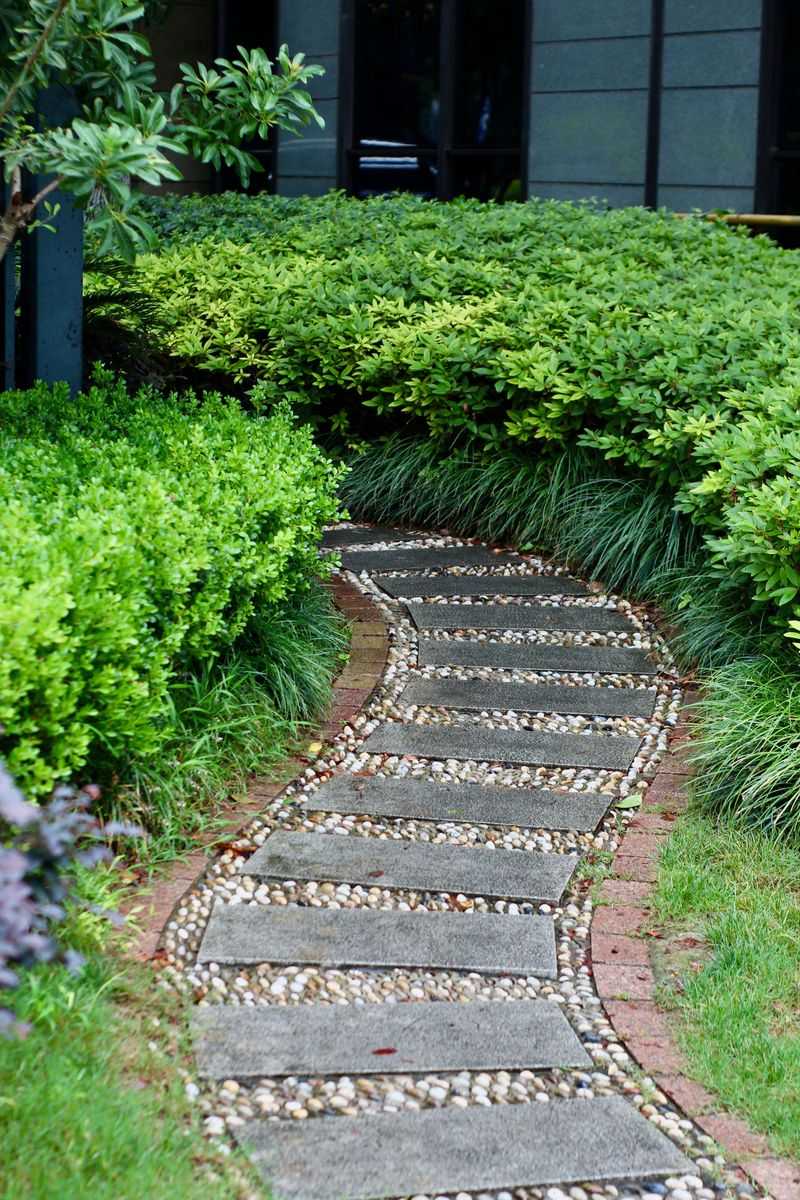
A brushy border along your fence line changes everything. Painted buntings move through landscapes like they are following a map of safe corridors.
Hedges and dense shrub rows act as travel lanes. Birds use them to move from one area to another without crossing open ground where predators can spot them.
Native species like elderberry, buttonbush, and possumhaw holly make excellent hedge plants. They grow quickly, produce berries, and create the kind of tangled structure buntings love to slip through.
A single row of shrubs along one fence line is enough to start. You do not need a full perimeter hedge to make a noticeable difference in bird traffic.
Thick borders also buffer wind and create microclimates that insects and small birds both prefer. The shadier, calmer air inside a hedge feels safer than open yard space.
Let some of the plants grow a little wild. Skip one pruning season and notice how quickly birds begin using the extra growth as cover and foraging space.
Layering plants of different heights makes the hedge even more effective. Taller shrubs in the back, shorter ones in front, and a strip of native grass at the base creates a full habitat stack.
Once a brushy border is established, buntings begin using it predictably. Consistency in habitat is what turns a casual visitor into a loyal seasonal guest.
Offering White Proso Millet In Feeders
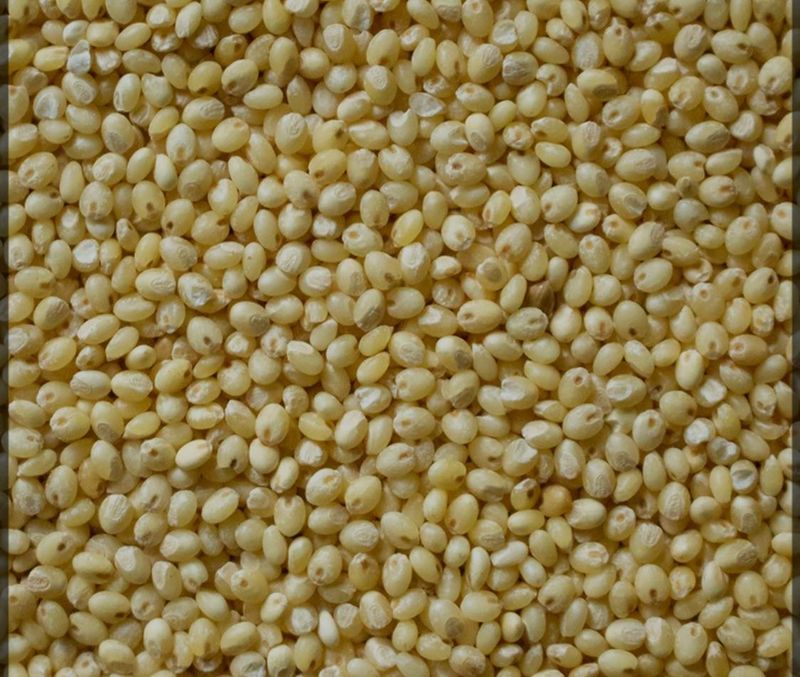
White proso millet is the one seed that consistently brings painted buntings to feeders. Most seed mixes skip it entirely, which is a big mistake.
Buntings have small, curved beaks built for cracking open tiny seeds. Sunflower seeds and safflower are too large and hard for them to manage comfortably.
Millet, on the other hand, is perfectly sized. Buntings pick it up easily, crack it without effort, and will return to a feeder that offers it reliably.
Scatter some millet on the ground below the feeder too. Since buntings are ground feeders by nature, sprinkling seed at ground level often works better than the feeder itself.
Use a tube feeder or a platform feeder with low sides. Buntings feel exposed on open trays and prefer feeders where they can land and feed with cover close by.
Place the feeder within ten feet of a shrub or hedge. That short distance gives buntings a quick escape route, which makes them far more willing to land and stay.
Avoid mixes that are mostly milo or cracked corn. Buntings ignore those fillers and will abandon a feeder that buries the millet under less appealing options.
Once you switch to straight white proso millet, the difference in feeder traffic is hard to miss. The right seed in the right spot can significantly improve your chances of attracting painted buntings.
Adding A Shallow Birdbath With Fresh Water
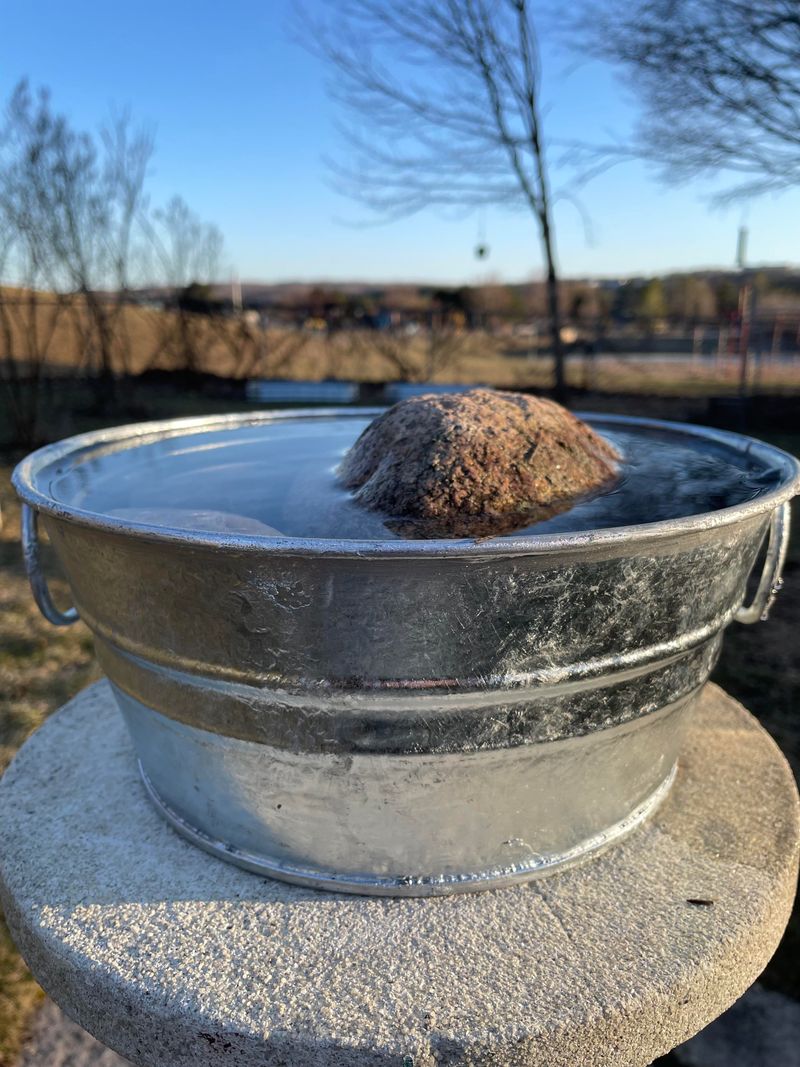
Fresh water is one of the fastest ways to get a painted bunting’s attention. A clean, shallow birdbath placed thoughtfully can outperform a feeder on some days.
The key word is shallow. Buntings will not use a deep basin where they cannot touch the bottom and feel secure while bathing.
Aim for water depth between half an inch and one inch at the shallowest point. A rough or textured basin bottom helps birds grip without slipping, which they strongly prefer.
Placing a flat rock in the center of a deeper birdbath creates an instant perching spot. Birds land on the rock, assess their surroundings, then drop down to drink or bathe.
Location matters just as much as depth. Set the birdbath within a few feet of low shrubs so buntings can retreat quickly if anything startles them.
Avoid placing it under a tree where leaves and droppings foul the water fast. Open-but-sheltered spots, like along a fence line with shrubs nearby, tend to work best.
Change and scrub the water every two to three days to keep it fresh and algae-free. Algae builds up quickly in warm weather, and birds can smell stale water from a surprising distance.
A birdbath with a gentle dripper or mister attached becomes almost irresistible. The sound of moving water is one of the most powerful tools in the painted bunting yard setup.
Letting Native Grasses Go To Seed Naturally
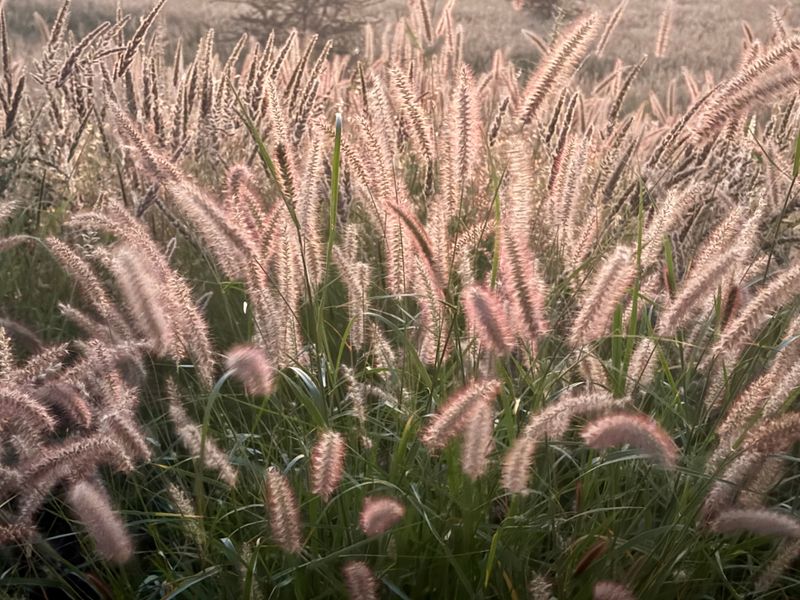
Mowing works against natural bird feeding. Every time you cut the grass before it seeds, you are removing one of the best natural food sources your Mississippi yard can offer.
Painted buntings spend a huge portion of their foraging time on the ground, picking through grass clumps for fallen seeds. A tidy mowed lawn gives them nothing to work with.
Letting even a small patch of native grass go fully to seed makes a measurable difference. Choose a corner or a border strip and simply stop cutting it in late summer.
Grasses like broomsedge, switchgrass, and Gulf muhly produce seed heads that buntings actively seek. These plants look beautiful in fall light and feed birds at the same time.
Seed heads that remain standing through winter continue feeding birds long after the growing season ends. A patch that looks a little wild in December is doing serious ecological work.
Neighbors sometimes push back on unmowed patches, but a simple garden border or a few ornamental stones can frame the area and make it look intentional. Design and function can coexist.
Resist the urge to cut everything back in fall. Wait until late winter or very early spring before trimming, giving birds the maximum time to use the seed resource.
Why painted buntings aren’t showing up in your Mississippi yard often comes down to this one overlooked habit. Let the grass grow, and the birds will find you.