The One Thing California Rosemary Owners Skip In August That Weakens The Plant By Fall
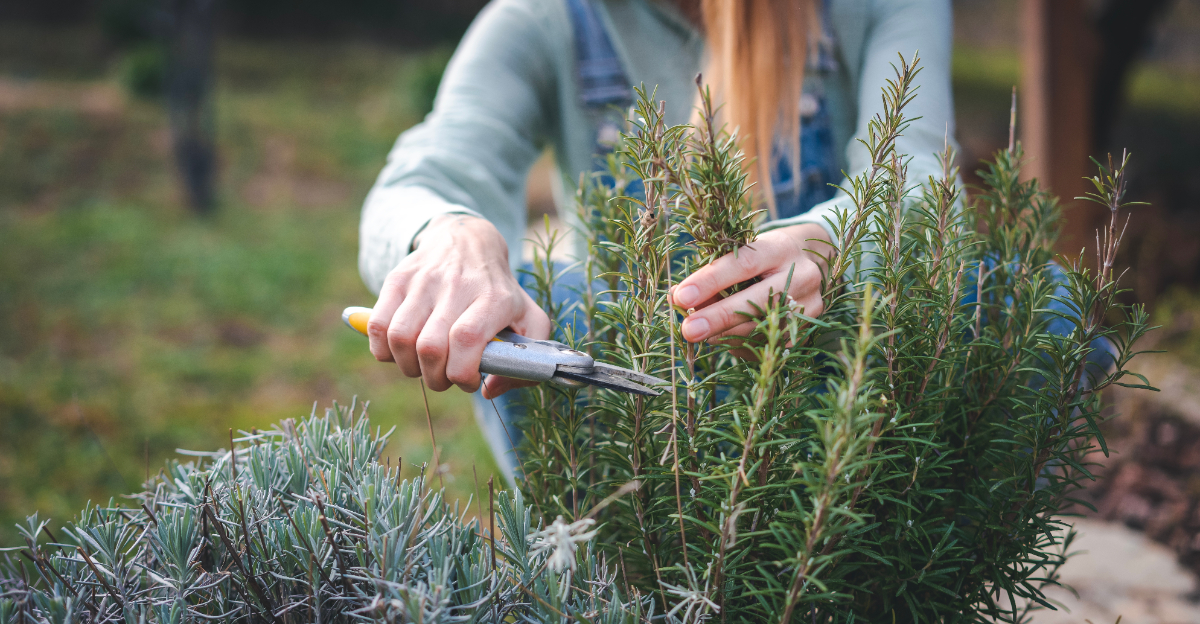
California rosemary is a garden favorite for good reason. Its fresh scent, woody branches, and Mediterranean charm make it a standout in sunny yards across California.
Many homeowners love how little fuss it seems to need. It grows happily outdoors, soaking up warm days and adding a beautiful touch to landscapes, pathways, and herb beds.
But August has a way of testing even the toughest garden plants. A rosemary bush can look perfectly healthy while quietly losing some of its strength behind the scenes.
That is the sneaky part. The plant may not wave a little warning flag, but it can still need some extra care before fall arrives.
A simple seasonal habit can help your rosemary stay fuller, healthier, and better prepared for the months ahead.
1. The One Thing Gardeners Skip
Most gardeners water their rosemary, fertilize it in spring, and then leave it alone for the rest of the year. That last part is where the problem starts.
Skipping a light summer trim in August is the single most common mistake rosemary owners in California make.
Rosemary blooms in late spring and early summer. Once those flowers fade, the plant needs a little cleanup to stay strong.
Without a trim, the plant keeps pushing energy into spent flower stems and old growth instead of building fresh, healthy shoots.
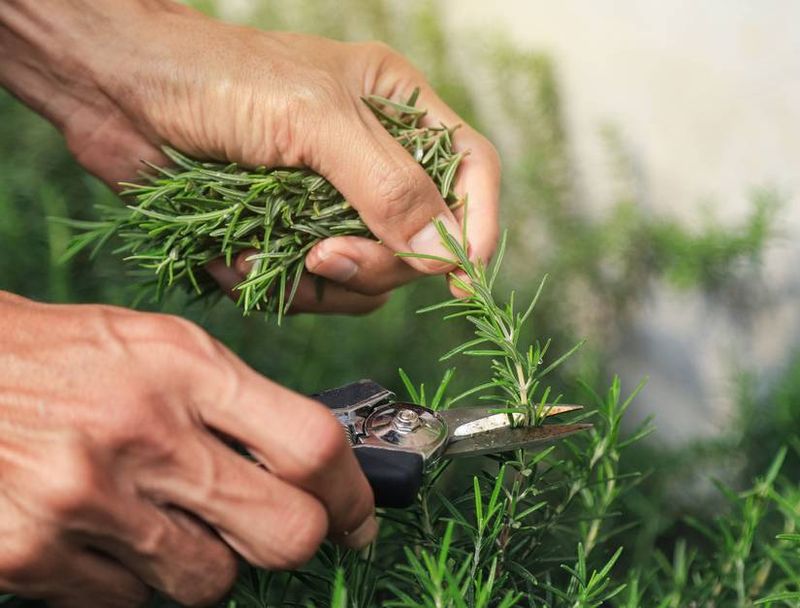
A light trim means removing just the soft, green tips of each stem. You are not cutting back hard or reshaping the whole plant.
Think of it as a quick haircut to tidy things up and wake up new growth.
This simple step signals the plant to push out fresh stems before the weather cools. Those new stems then have time to strengthen before fall arrives.
Skipping this step leaves the plant looking straggly and feeling weak when temperatures drop.
Many gardeners in the northern regions of our state skip this step because they worry about cutting too much. The key is to keep it light and stay above the woody base.
A confident, gentle trim in August sets your rosemary up for a much stronger fall season.
2. August Is The Right Time After Flowering

Timing is everything when it comes to trimming rosemary. August hits that sweet spot right after the plant finishes its main flowering cycle.
By this point, the blooms have faded and the plant is ready to redirect its energy.
If you trim too early, you cut off flowers the plant is still working on. If you wait too long, the new growth after your trim will not have enough time to harden before fall temperatures arrive.
August sits perfectly in the middle.
California’s warm, dry summers actually work in your favor here. The heat encourages fast regrowth after a trim.
That means the fresh stems you encourage in August will develop quickly and be much stronger by September and October.
Gardeners in the hotter inland valleys of our state may want to trim in early August. Those in cooler coastal areas can wait until mid-August without any issues.
Your California Garden Changes Every Week. Your Plan Should Too.
Gardening in California changes quickly throughout the season. Every Friday you’ll receive a simple weekly plan showing exactly what to plant, prune, fertilize, harvest, and protect so you never miss the right timing.
The goal is the same either way: catch the plant right after flowering ends.
Watch for the moment when most of the purple or blue flowers have dropped. That is your green light to grab your shears.
Waiting for this window each year turns August into a powerful reset for your rosemary. It is one of the simplest and most effective things you can do all year long.
3. Woody Stems Do Not Bounce Back Well

One of the most important things to understand about rosemary is how it handles being cut back. Woody stems, the thick brown ones near the base of the plant, do not regrow well once they are cut.
This is a key fact that changes how you should approach every trim.
Unlike many other shrubs that can be cut all the way back and still bounce back strong, rosemary does not work that way.
Cut into the old wood and you may end up with bare, stubby stems that never fill back in. That kind of damage is very hard to undo.
This is exactly why a light trim in August is so much better than waiting until fall or winter when you might feel tempted to cut more aggressively. Keeping your trims regular and gentle prevents the woody zone from ever becoming a problem in the first place.
In the hotter, drier parts of California, rosemary can get woody faster than in cooler regions. Checking the plant each August helps you stay ahead of that natural process.
You can guide the shape before the woody zone creeps too far up the stems.
Always keep your cuts above the point where you can see green leaves or soft growth. That green zone is where new life comes from.
Respect that boundary and your rosemary will stay full, healthy, and productive for many years.
4. Only Trim This Year’s Soft Growth
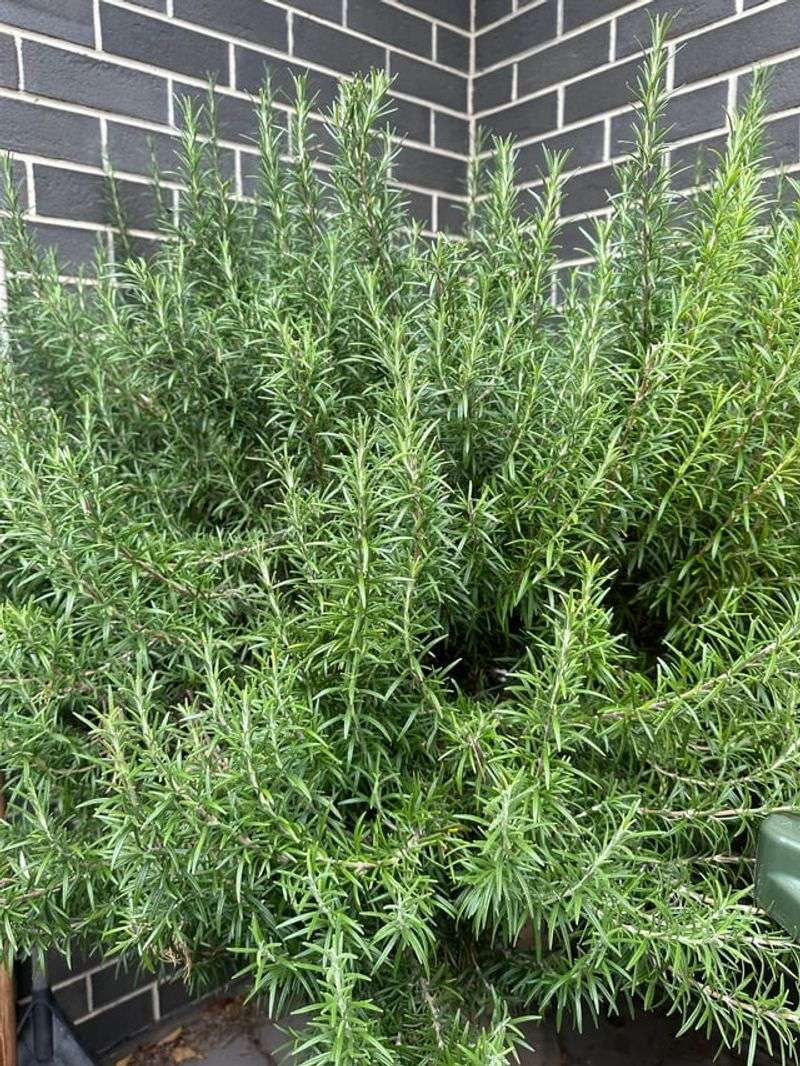
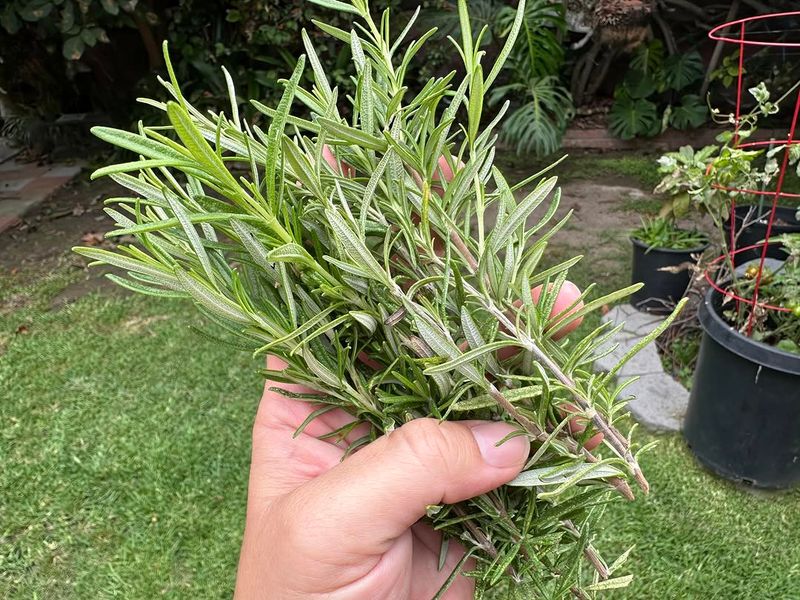
Not all parts of a rosemary stem are the same. At the top of each branch, you will find soft, flexible, green growth.
That is this year’s new material. Lower down, the stems turn brown, stiff, and woody. Those two zones need to be treated very differently.
When you trim in August, your shears should only touch the soft, green tips. A good rule of thumb is to remove no more than one-third of each stem’s total length.
That keeps you safely above the woody zone and avoids any long-term harm to the plant.
Soft growth responds beautifully to trimming. Cut it back a little and the plant almost immediately pushes out two or three new side shoots from just below the cut.
This is how you build a fuller, bushier plant over time without stressing it out.
Many gardeners who have sandy, well-drained soil find their rosemary produces a lot of soft growth each year. That is a sign of a healthy, happy plant.
Trimming that soft growth in August keeps the shape tidy and encourages even more fresh stems before fall.
If you are ever unsure where to cut, bend the stem gently. Soft growth bends without snapping.
Woody growth snaps or resists bending. That simple test tells you exactly where to place your shears every single time you trim.
5. Hard Pruning Can Permanently Damage Rosemary

Here is something that surprises a lot of gardeners: rosemary is not forgiving when it comes to hard pruning. Cut too far back into the old wood and the plant may never fully recover.
This is one of the biggest reasons why gentle, regular trims are so much better than occasional heavy cutbacks.
Hard pruning removes the green, leafy zone that the plant depends on to photosynthesize and grow. Without that zone, the plant struggles to produce new shoots.
In some cases, bare woody stems will just sit there and never push out new growth at all.
This is especially true for rosemary plants in the warmer, sunnier parts of California where plants grow fast and get large over several years.
The bigger and older the plant, the more carefully you need to trim it. Size does not mean it can handle aggressive cutting.
If you have inherited an overgrown rosemary or skipped trimming for a few years, do not try to fix it all at once.
Spread the cleanup over two or three growing seasons, taking a little more each year. Patience is your best tool in that situation.
The good news is that if you stick to the August light trim routine every year, you will never find yourself in that difficult spot.
Consistent, gentle care keeps the green zone healthy and the plant easy to manage season after season.
6. A Light Trim Improves Airflow

Beyond shaping and encouraging new growth, a light August trim does something else that is really valuable: it opens up the plant’s interior to better airflow.
Dense, overgrown rosemary traps moisture and heat inside the canopy. That creates the perfect conditions for fungal problems and pests.
California’s late summer humidity, even in drier regions, can catch gardeners off guard. Coastal areas in particular can see morning fog and higher moisture levels in August.
A dense rosemary bush holds onto that moisture far longer than a well-trimmed one.
When you remove some of the crowded, overlapping stems during your August trim, air can move freely through the plant. Stems dry out faster after watering or fog.
That simple improvement dramatically reduces the risk of powdery mildew and other common rosemary issues.
Better airflow also means more sunlight reaches the inner stems. Rosemary loves full sun and performs best when light can penetrate all parts of the plant.
A trimmed, open canopy lets every stem soak up the warmth it needs to stay strong.
Think of it like thinning out a crowded room. Everyone breathes easier and feels better with a little more space.
Your rosemary feels the same way. A quick trim in August gives every stem room to breathe, dry out, and stay healthy going into the cooler fall months ahead.
7. Fresh Growth Has Time To Mature Before Fall
One of the best reasons to trim in August rather than waiting is simple math. Trim in August and your rosemary gets roughly six to eight weeks of warm growing weather before fall sets in.
That is plenty of time for new shoots to grow, toughen up, and get ready for cooler temperatures.
Fresh, tender growth is more vulnerable to cold than mature stems. If you trim too late in the season, you force the plant to push out soft new shoots right as temperatures start dropping.
Those young stems may struggle when the cold arrives.
August trimming gives new growth the best possible start. The long, warm days of late summer fuel fast regrowth.
By the time September and October arrive, those new stems have already had weeks to develop stronger cell walls and build up their natural oils.
Rosemary’s essential oils are part of what makes it cold-hardy. Mature stems are packed with these oils and handle temperature swings much better than fresh, immature growth.
Giving new stems time to mature in August means the whole plant is better prepared for fall.
Gardeners in the cooler northern parts of our state should aim to finish their August trim by mid-month at the latest.
That extra buffer of time makes a real difference when early fall temperatures arrive sooner than expected. Plan ahead and your plant will reward you.
8. Remove Withered And Crossing Stems First
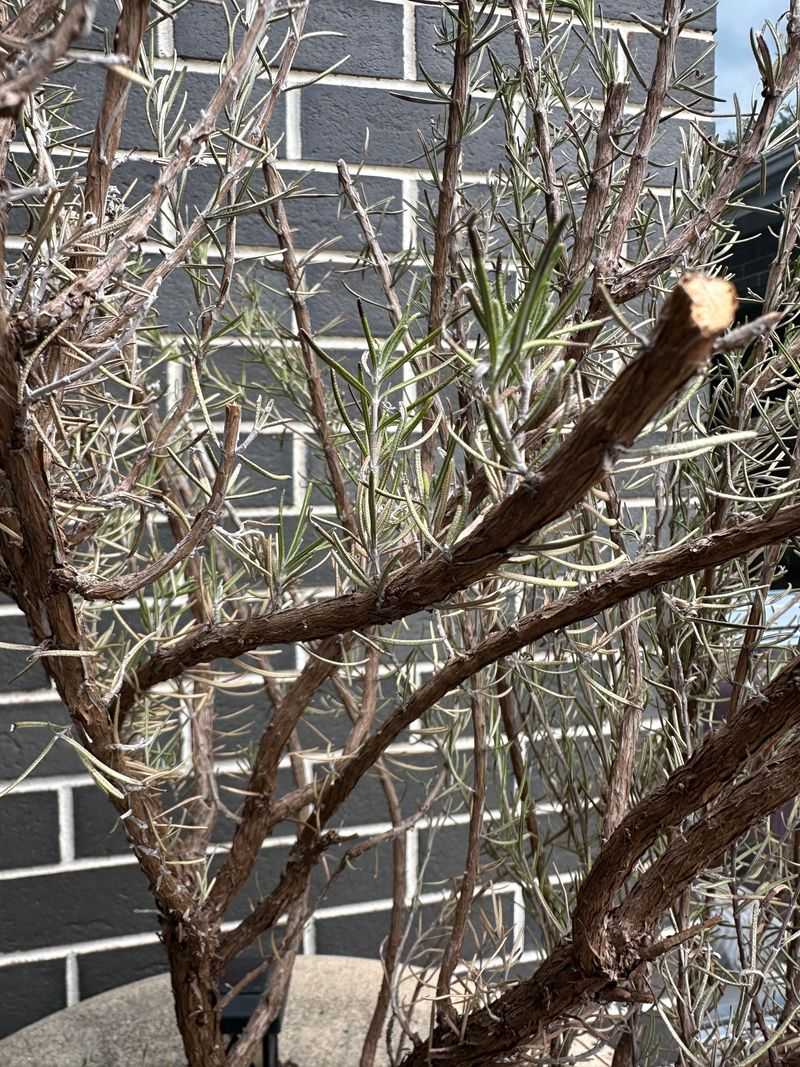
Before you start trimming the soft tips of your rosemary, take a moment to look inside the plant. You will almost always find a few withered stems, brown and brittle, hiding among the healthy growth.
Removing these first makes the whole trimming process easier and more effective.
Withered stems do not contribute anything to the plant. They just take up space and can harbor pests or disease spores.
Pulling them out or clipping them at the base opens up the interior and gives you a much clearer picture of what you are working with.
Next, look for crossing stems. These are branches that grow into each other or rub together as the wind moves them.
Over time, that rubbing creates wounds on the stems where pests and disease can get in. Removing one of the two crossing stems solves the problem cleanly.
Starting with withered and crossing stems is a smart habit for any shrub, not just rosemary. It is a low-risk step that immediately improves the plant’s health and structure.
You are not making any judgment calls about how much to cut. You are just removing what clearly should not be there.
Once the damaged and crossing material is gone, the light tip trim becomes much more straightforward. You can see the plant’s real shape and make clean, confident cuts on the soft green growth.
This two-step approach makes your August session efficient and rewarding every time.