7 Arizona Backyard Habits That Accidentally Invite Pack Rats Closer
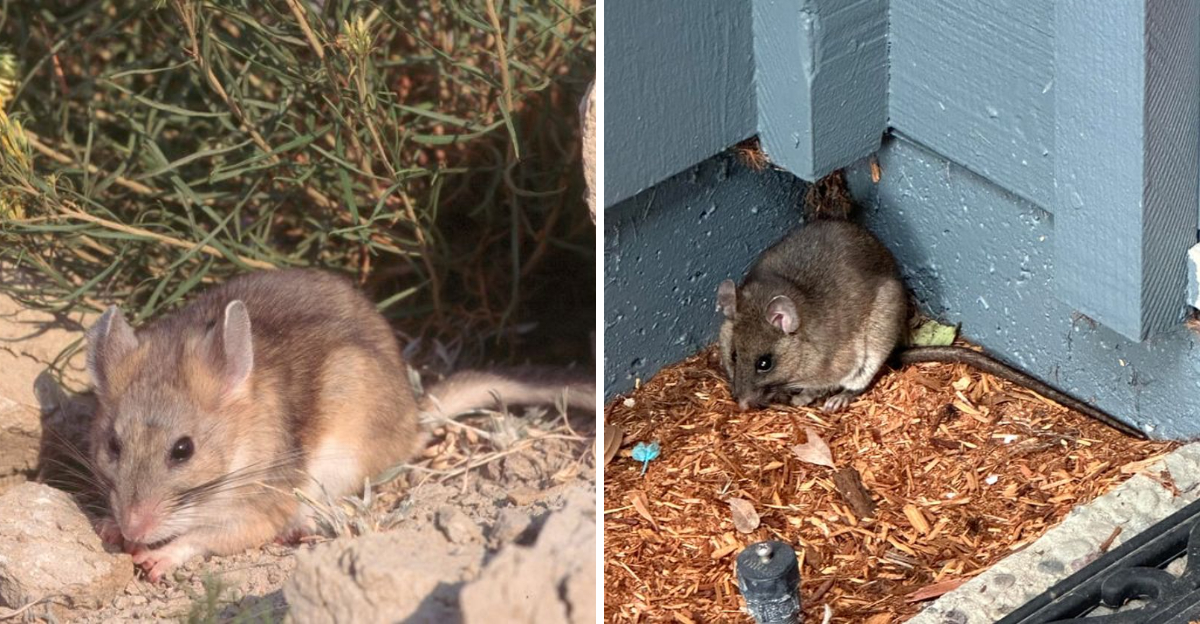
Pack rats are not bold. They are strategic.
They do not move into a yard randomly. They move in because the yard is offering something they need, and most of the time the homeowner has no idea they are running an all-inclusive resort for desert rodents.
Shelter, food, a parked vehicle with a warm engine bay: each of these things are available in perfectly ordinary Arizona backyards, arranged by perfectly normal homeowners who were just going about their lives without realizing the invitation they were extending.
The good news is that pack rats are also consistent. They follow the same logic every time. Take away the things they are looking for and they look elsewhere.
Most of the fixes are not expensive or complicated. They are habits, small adjustments to routines that already exist.
The habits on this list are the ones that show up most often in Arizona yards where pack rats have made themselves at home. Any of them sound familiar?
1. Brush Piles Give Them Ready Shelter
That pile of trimmed branches sitting in the corner of the yard looks like yard debris to a homeowner.
To a pack rat, it is a fully furnished apartment: protection from predators overhead, shade from the Arizona heat during the day, and ready-made nesting material already on-site.
Pack rats are natural nest builders, and dense tangled materials are exactly what they are scanning for when they scout a new area.
Brush piles also attract the insects and seeds that pack rats snack on, which means a single pile of trimmings is functioning as both a hotel and a restaurant.
The closer it sits to the house, the higher the probability that a comfortable pack rat eventually starts exploring the structure itself.
Removing harborage sites is one of the most consistently effective ways to reduce pack rat pressure around homes, and a brush pile is one of the most common harborage sites in Arizona yards.
The fix does not require a major project. Bag or haul away trimmings within a day or two of cutting them. Do not let debris accumulate for more than a week.
Composting is fine, but use a sealed bin rather than an open pile, which is just a brush pile with better branding.
If a pile has been sitting for a while before this becomes a habit, inspect it carefully before moving it. Pack rats may have already started a nest inside.
Disturbing an active nest can push them toward the house rather than away from it, so slow, methodical removal with some awareness of what might be in there is the smarter approach.
A brush pile cleared the same week it is created cannot become a pack rat condo. That timing is the whole strategy, and it costs nothing except the habit of following through.
2. Firewood Against Walls Creates Hiding Space
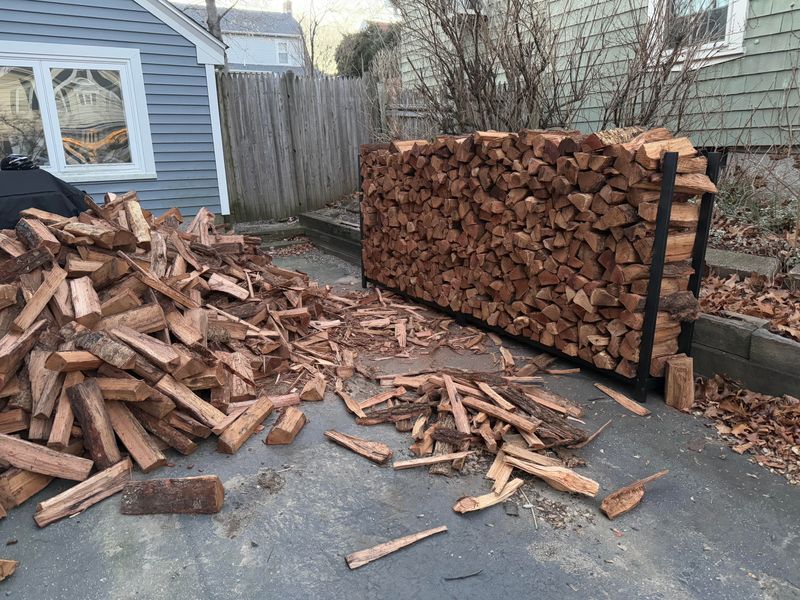
Stacking firewood against the house feels efficient. The wood is close when you want it, it looks organized from the outside, and it gets the pile off the ground.
Your Arizona Garden Changes Every Week. Your Plan Should Too.
Gardening in Arizona changes quickly throughout the season. Every Friday you’ll receive a simple weekly plan showing exactly what to plant, prune, fertilize, harvest, and protect so you never miss the right timing.
The gap between the logs and the wall is the part most homeowners do not think about, and that gap is exactly what a pack rat is looking for when it scouts a potential nesting zone.
Pack rats build elaborate stick nests called middens that can grow surprisingly large over time.
A woodpile pressed against a foundation gives them a dark, protected corridor that is cooler during the day and warmer at night than open ground.
Storing firewood at least 18 inches away from any wall and elevating it off the ground reduces the appeal of the arrangement significantly.
A metal rack raised several inches off the ground, positioned well away from the foundation, eaves, and utility entry points, is the practical solution many Arizona homeowners settle on once they make the switch.
It takes one afternoon to set up and eliminates one of the most reliable pack rat attractions in the yard.
Inspect the woodpile regularly, especially before pulling logs inside.
Pack rats sometimes tuck nesting materials deep between the logs. Spotting the signs early like shredded material, small droppings, cached objects near the base, prevents a bigger problem later.
The inspection takes three minutes and saves the kind of surprises nobody wants to find in the living room.
The firewood does not move far. The pack rat habitat disappears entirely. That is a very favorable trade for a one-afternoon reorganization and a metal rack that costs under fifty dollars.
3. Outdoor Pet Food Becomes An Easy Meal
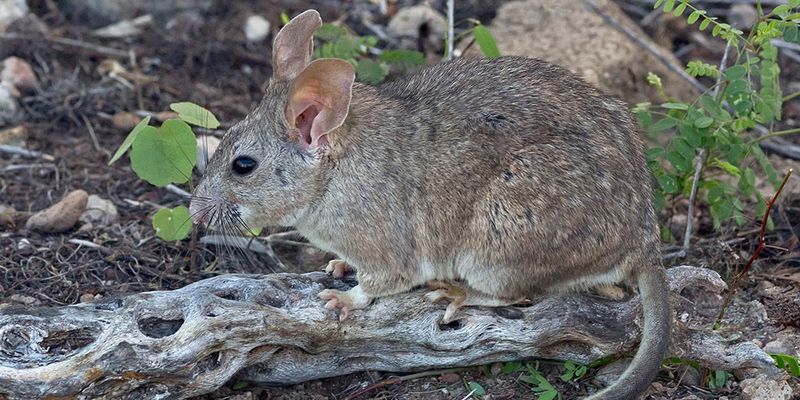
A full bowl of pet food left outside overnight is one of the most reliable ways to establish your patio as a regular stop on the local pack rat circuit.
Pack rats are opportunistic feeders and are most active after dark, which means the bowl your dog finished at six and walked away from is available for second service by nine.
Dry kibble, cat food, and bird seed left out past sunset are all essentially irresistible once a pack rat figures out the schedule.
The pattern compounds quickly. Once a pack rat associates a yard with a reliable food source, it returns consistently and begins exploring further.
What starts as a nightly dinner visit becomes a reason to nest nearby, and a reason to investigate the structure behind the food bowl.
Arizona wildlife guidance consistently points to unsecured food sources as one of the primary reasons pack rats move closer to homes and eventually attempt entry.
Picking up pet food bowls before sunset every evening is the core habit.
Store bagged food in a sealed metal or hard plastic container rather than the original bag, which claws can tear through without much effort.
If birds are being fed, consider bringing feeders in at night or switching to a design that limits spillage onto the ground below.
Even small amounts of crumbs around a feeding station can draw pack rats in close enough to start investigating the rest of the yard.
Consistency matters here more than occasional cleanup. A bowl that is picked up six out of seven nights still provides a food source on the seventh, and pack rats are patient enough to keep checking.
The pet gets the same food, the same schedule, and the same care. The bowl just comes inside before dark.
One small change in the evening routine closes off one of the most common reasons pack rats establish a regular presence in Arizona backyards.
4. Fallen Fruit Keeps Them Coming Back

An orange dropping from the tree on a warm Arizona evening smells extraordinary to anyone within range.
To a pack rat, that scent is a precise locator signal, and fruit that stays on the ground gets stronger as it begins to ferment.
Fallen citrus, pomegranates, figs, and mesquite pods are among the most consistent food attractants that pull pack rats into residential yards and give them a reason to stay.
Pack rats do not just eat fallen fruit in place. They gnaw through rinds, carry pieces back toward their nests, and cache extra food nearby for later.
A yard with reliable fruit on the ground is not just a meal: it is a resource worth living close to. The longer fruit sits, the stronger the scent signal it broadcasts, and the wider the radius of pack rats that receive it.
Fallen fruit pickup every couple of days during peak ripening months removes the primary reason pack rats are circling the yard in the first place.
Walk the ground beneath trees on a regular schedule and collect anything that has dropped. If the tree produces more than can be used, harvesting early or sharing with neighbors before the fruit falls naturally keeps the ground clear without waste.
A clean ground beneath fruit trees is one of the most impactful single changes an Arizona homeowner can make in terms of reducing pack rat pressure.
The trees stay. The fruit is still harvested. The only change is that the dropped fruit is collected regularly instead of left to broadcast its location to everything within range in the neighborhood.
Citrus is not going anywhere and neither are the pack rats that find it appealing. The difference between a yard they visit occasionally and one they stake out every night is usually how much ripe fruit is available on the ground at any given time.
Pick it up. They find somewhere else.
5. Dense Shrubs Near Entry Points Offer Cover
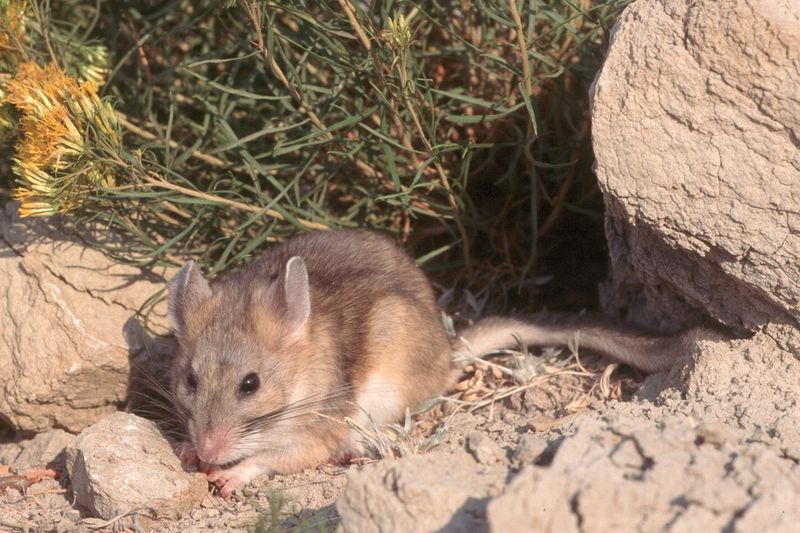
Thick, overgrown shrubs planted against the foundation look lush in garden photos and create a hidden travel corridor in practice.
Pack rats are cautious by nature and prefer moving through protected cover rather than crossing open ground where a hawk or coyote might notice them.
Dense vegetation pressed close to a home’s exterior gives them exactly the sheltered pathway they need to investigate doors, vents, weep screeds, and wall gaps without being exposed.
Once a pack rat can move from the yard to the foundation wall under cover, it has the time and the privacy to find entry points that an exposed animal would not risk investigating.
Maintaining a clear, open buffer zone of at least 18 to 24 inches between dense plantings and the exterior walls removes the travel cover that makes this kind of scouting possible.
That open zone forces pack rats to cross visible ground, which is a risk they consistently try to avoid.
Trimming shrubs back and thinning groundcover near doors, window wells, and utility entry points is the practical application of this principle.
The focus areas are dryer vents, garage door edges, weep screeds in stucco, and any spot where pipes or wires enter the wall. Keep soil or gravel near the foundation raked clear and inspect those areas periodically.
Good visibility around the home’s perimeter is one of the most effective natural deterrents available.
When pack rats cannot move through cover undetected, they tend to choose properties where that cover exists rather than take the risk of exposure.
The shrubs do not have to be removed, just pulled back far enough to close the protected corridor they were inadvertently providing.
The plants stay in the yard. The buffer zone between them and the foundation is the adjustment.
That gap, measured in inches of clearance, is the difference between a foundation that gets investigated regularly and one that pack rats pass by in favor of easier options.
6. Shed Gaps Make Nesting Easier
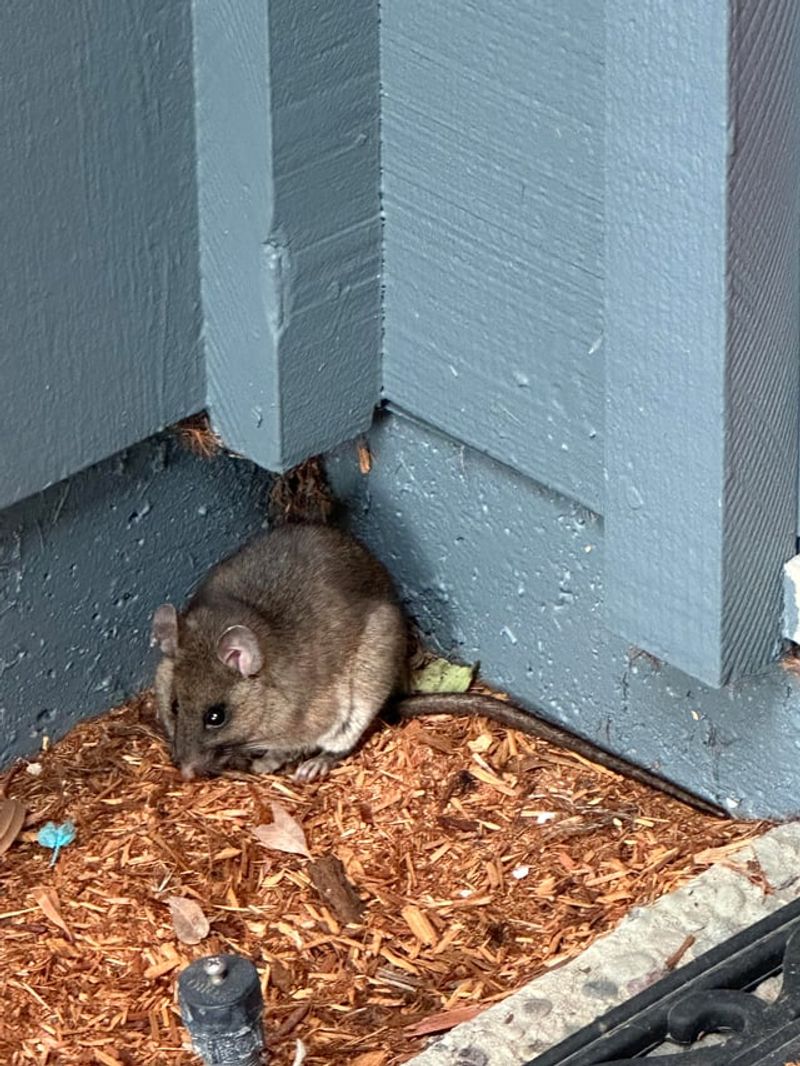
Garden sheds and detached garages are pack rat favorites. The reason is straightforward: they are quiet, rarely disturbed, and almost always have gaps just large enough for a motivated rodent to slip through.
A pack rat can fit through an opening roughly the size of a quarter, which means a small crack in siding, a gap under a door, or a hole where a pipe enters the wall is a usable entry point by their standard.
Once inside, they move quickly. Pack rats shred stored materials like burlap bags, cardboard boxes, and old rags to build their nests.
They also hoard found objects, which is the origin of their name. Bottle caps, pebbles, and bits of wire tucked into corners of a shed are classic signs of an established resident.
The nests grow over time and can eventually cause storage damage, short circuits in wiring, and a persistent smell that makes the shed unpleasant to use.
Sealing gaps larger than a quarter inch with hardware cloth, sheet metal, or concrete patching prevents entry effectively.
Foam or soft caulk are not sufficient. Pack rats chew through both without significant difficulty, treating them as an obstacle rather than a barrier.
Walk around the shed and inspect the base, corners, roof edges, and door frames. Look for gnaw marks, dark smudge marks along entry edges, or small piles of debris near any gap.
Adding a door sweep to the bottom of the shed door closes one of the most commonly overlooked entry points in a single afternoon project that costs under twenty dollars at a hardware store.
A shed with no accessible entry points is not interesting to a pack rat. The materials inside it remain untouched.
That outcome requires one thorough inspection and a handful of hardware store supplies, which is a very manageable investment compared to discovering a fully established nest in stored belongings six months later.
7. Quiet Vehicle Hoods Become Safe Hangouts
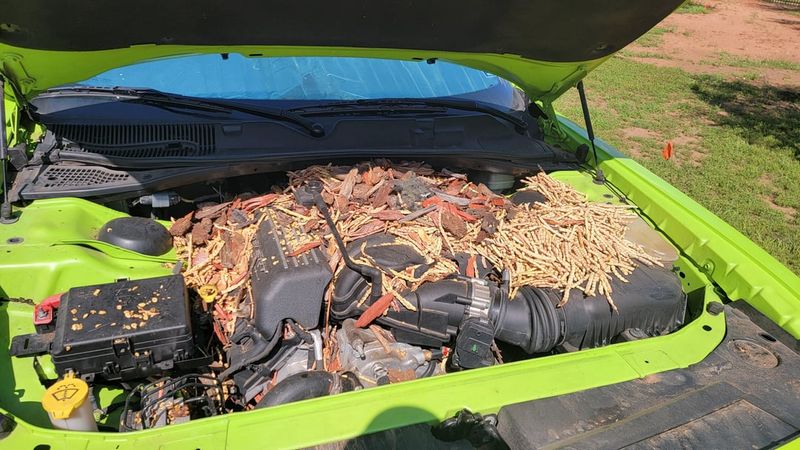
A truck parked in the driveway for a few quiet days does not register as a concern for most Arizona homeowners. Under the hood, though, the engine compartment is a warm, sheltered space that pack rats find genuinely attractive.
It offers protection from predators, shade during the day, residual warmth from the engine at night, and proximity to whatever yard features initially drew the pack rat to the property. A parked vehicle near a woodpile or dense shrubs is essentially a premium nesting option.
The damage that follows is expensive.
Pack rats chew through wiring harnesses, rubber hoses, and insulation materials inside engine compartments. Mechanics across Arizona report this as a regular issue in vehicles that sit unused for extended periods near desert landscaping.
Catching the activity early is dramatically cheaper than discovering it when something stops working.
Parking in a garage with the door closed eliminates the problem. Where outdoor parking is unavoidable, positioning the vehicle away from dense shrubs, woodpiles, and brush reduces the attractiveness of the location.
Popping the hood every few days for a quick visual check takes sixty seconds and catches nesting activity before it becomes structural damage.
Wire mesh skirting around the undercarriage and commercially available rodent deterrent tape applied to wiring are practical options that some Arizona homeowners use in addition to the yard habits covered above.
These are additive measures, most useful when the outdoor environment has already been made less hospitable through the other changes. The vehicle protection works best as a last line of defense, not the only one.
The vehicle is parked in the same spot. The under-hood check takes a minute.
The habit catches problems that would otherwise cost hundreds of dollars in repairs and several unpleasant conversations with a mechanic explaining what happened to the wiring.
Pack rats are consistent. A sixty-second check every few days is the appropriate response to that consistency.