Why Arizona Gardeners Are Planting Desert Senna For Late Summer Color
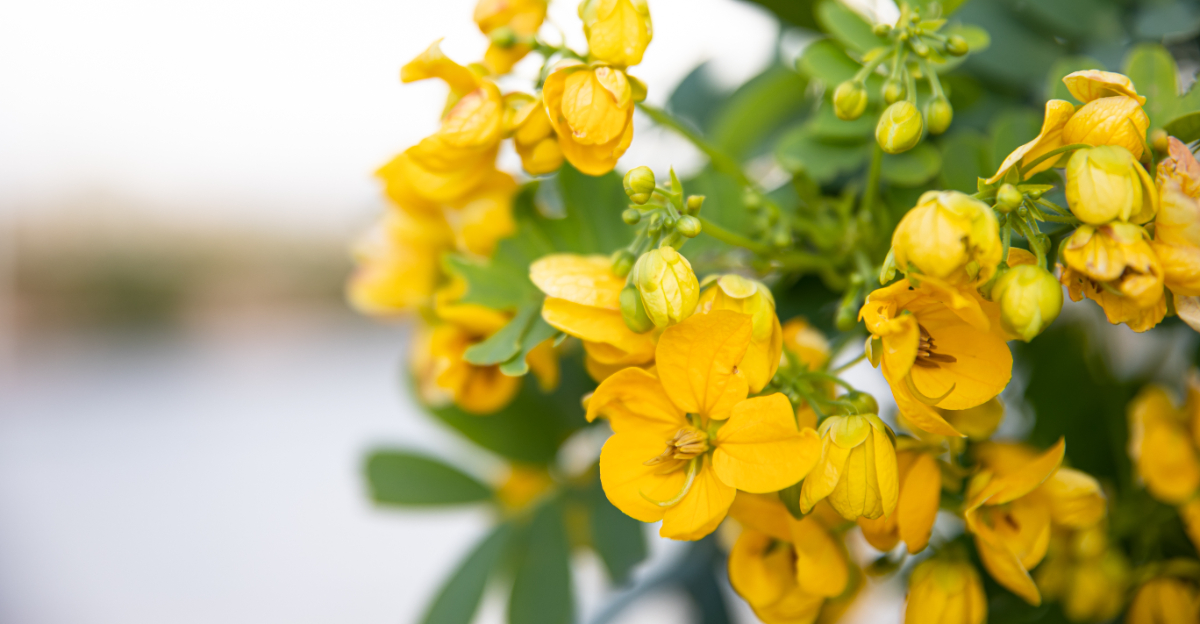
Bright flowers can be hard to find once Arizona summer settles in, but that does not mean your landscape has to fade.
If your yard starts looking tired halfway through the season, it may be time to rethink what you plant instead of blaming the heat.
Desert Senna is catching more attention because it brings fresh color when many other plants slow down. Give your landscape something that works with the climate instead of fighting it.
You may be surprised how much life one well chosen plant can add.
Before you fill another empty space with a familiar favorite, take a closer look at why more gardeners are making room for Desert Senna. Sometimes the best color arrives exactly when your yard needs it most in late summer.
1. Late Summer Flowers Last For Weeks
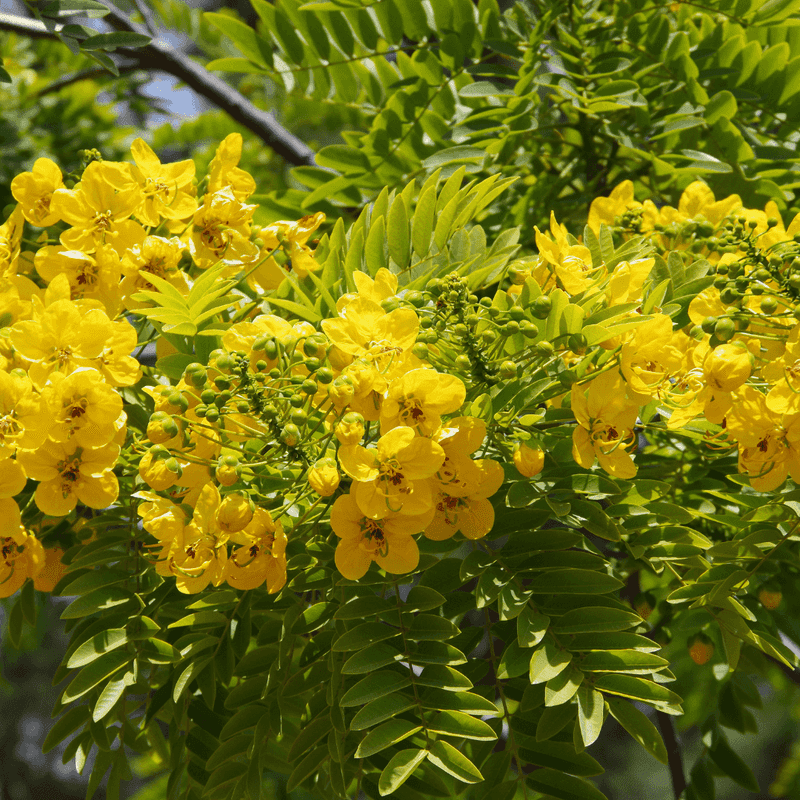
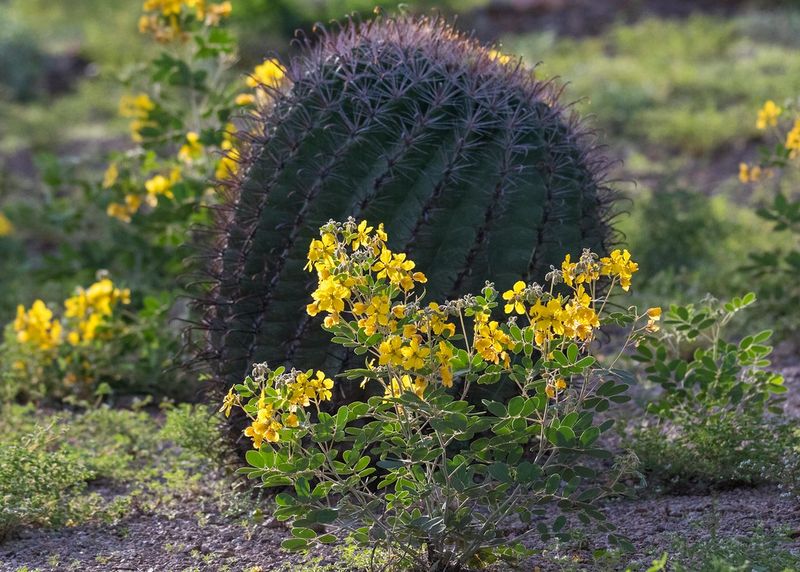
Bright yellow flowers covering a shrub in August heat? That is exactly what Desert Senna delivers.
Most flowering plants in hot desert climates wrap up their blooms well before summer peaks. Desert Senna works on a different schedule entirely.
Blooming typically starts in late July and can stretch into September under the right conditions. Each flower cluster opens in waves rather than all at once.
That staggered pattern keeps the shrub looking colorful for an extended stretch of time.
The flowers themselves are cheerful and abundant. Pollinators like bees and butterflies show up regularly during bloom season, which adds extra life to the garden.
It is a genuinely active period for the plant.
Hot afternoons do not seem to slow the flowering down much. Even during triple-digit temperatures, blooms hold up reasonably well.
Gardeners who have watched the plant through multiple seasons often note how consistent the late summer performance tends to be.
Shade or poor light can reduce bloom production noticeably, so placement matters. A spot with direct sun exposure typically supports stronger flowering than a partially shaded area.
Keeping expectations realistic based on your specific yard conditions is always a smart approach.
2. Full Sun Produces The Best Display
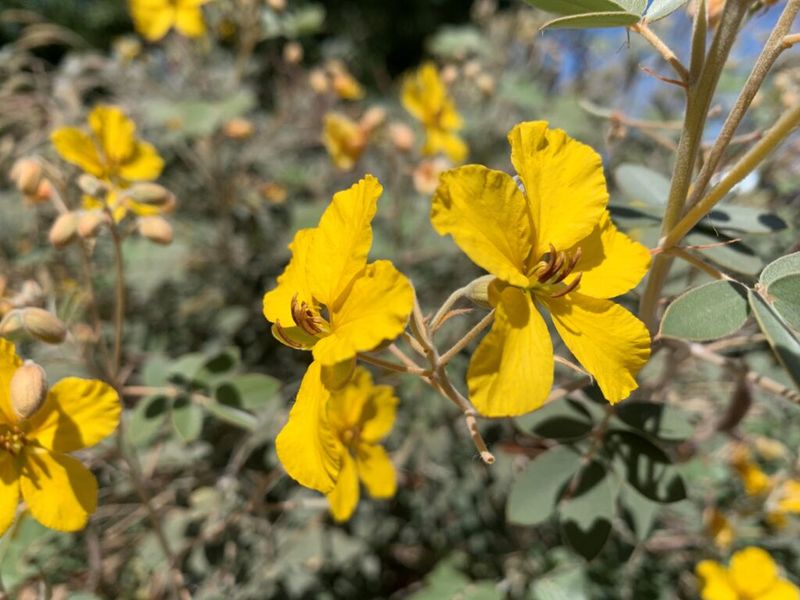
Shade lovers will not find much to appreciate about Desert Senna. This plant is built for open, sun-drenched spots where other shrubs might wilt or fade.
Giving it a shaded location almost guarantees a disappointing bloom season.
Six or more hours of direct sun per day is the general target. In Arizona, that is not hard to achieve in most yards.
South-facing and west-facing exposures tend to produce the strongest results during the growing season.
Interestingly, the intense afternoon sun that makes other plants struggle actually seems to suit Desert Senna well. Leaf scorch is rarely a concern with established plants.
The foliage stays reasonably green and healthy even through brutal midday heat.
Reflected heat from walls, rocks, or pavement does not appear to cause problems in most cases. Some gardeners intentionally plant Desert Senna near heat-absorbing surfaces to extend the warm season even further.
Results can vary depending on soil and drainage in those spots.
Younger plants may need a bit more observation during their first summer. Roots are still developing, and heat stress is possible if soil dries out too fast.
Your Arizona Garden Changes Every Week. Your Plan Should Too.
Gardening in Arizona changes quickly throughout the season. Every Friday you’ll receive a simple weekly plan showing exactly what to plant, prune, fertilize, harvest, and protect so you never miss the right timing.
Once roots settle in, the plant handles sun exposure with much more resilience.
3. Fast-Draining Soil Prevents Root Problems
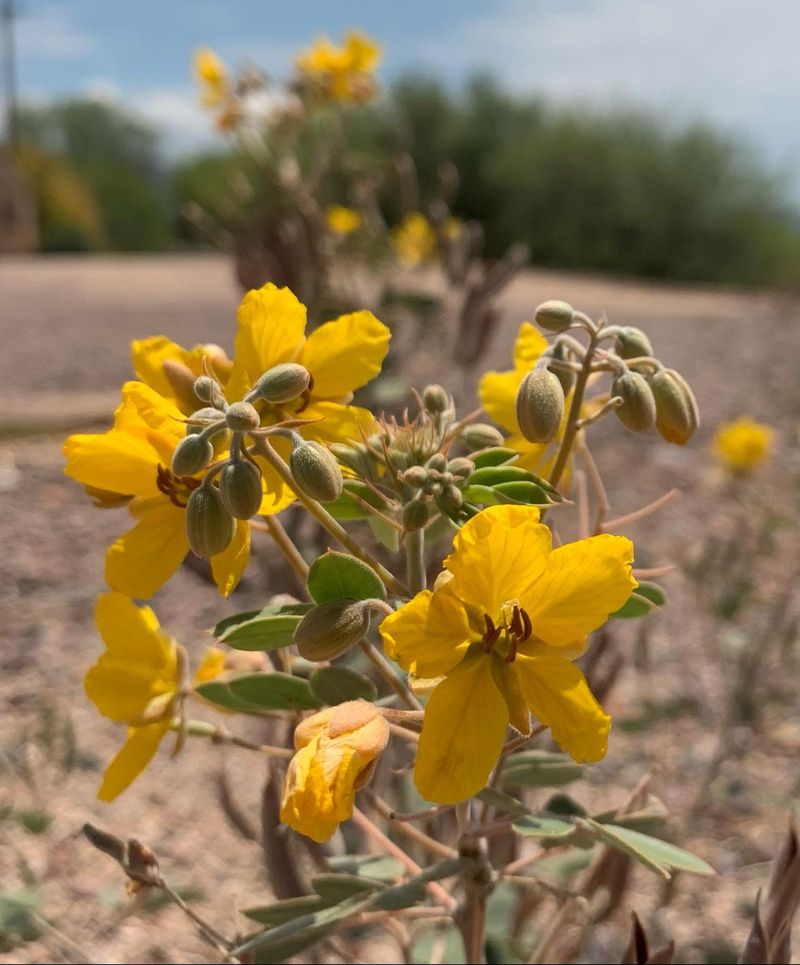
Soggy roots are a real problem for Desert Senna. Standing water around the base of the plant, even briefly, can create conditions that weaken the root system over time.
Sandy or rocky native soil tends to work far better than dense clay.
Most desert soils in the Southwest drain quickly by nature. That quality happens to match exactly what Desert Senna prefers.
Planting in native or amended fast-draining soil gives roots the environment they need to spread without stress.
Heavy clay soil holds moisture too long and can lead to root issues, especially during monsoon season when rainfall arrives in sudden bursts. Mixing in gravel, coarse sand, or decomposed granite can improve drainage in problem areas.
Raised beds are another option worth considering if your yard has poor natural drainage.
Avoid planting in low spots where water collects after rain. Even a few hours of pooling water can create stress for young plants.
Established plants handle occasional wet periods better, but repeated waterlogging is still worth avoiding.
Gravel mulch around the base of the plant helps manage surface moisture and prevents soil from compacting over time. Organic mulch can retain too much moisture in desert conditions, so it is worth thinking about what type you use.
Gravel tends to be the more practical choice in hot, dry climates.
4. Less Water Is Needed After Establishment
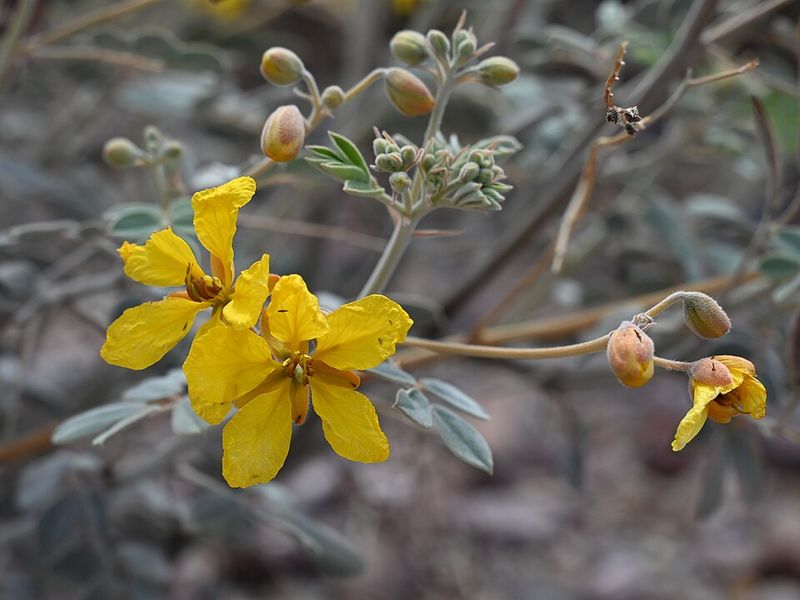
Water bills in summer can climb fast when you are trying to keep a garden looking good. Desert Senna offers a practical alternative for gardeners who want color without constant irrigation.
Once established, it handles dry stretches surprisingly well.
The establishment period usually runs through the first growing season. During that time, regular watering helps roots spread and anchor into the soil.
Deep, infrequent watering works better than shallow, frequent sessions.
After the first full season, most Desert Senna plants can handle reduced watering schedules. Supplemental irrigation during the hottest and driest months can still support better bloom production.
Completely stopping water during extreme heat is not always the best approach, especially in years with below-average monsoon rainfall.
Drip irrigation placed near the root zone is a common and practical setup for desert gardeners. It delivers water directly where it is needed without wetting foliage.
Wet leaves in hot, humid monsoon conditions can occasionally invite fungal problems.
Observing the plant gives you the best feedback. Slightly drooping leaves on a hot afternoon can be normal.
Persistent wilting in the morning, though, often signals the plant needs more water than it is currently getting.
Desert Senna fits naturally into water-wise landscaping plans across the region.
5. Too Much Fertilizer Reduces Flowering
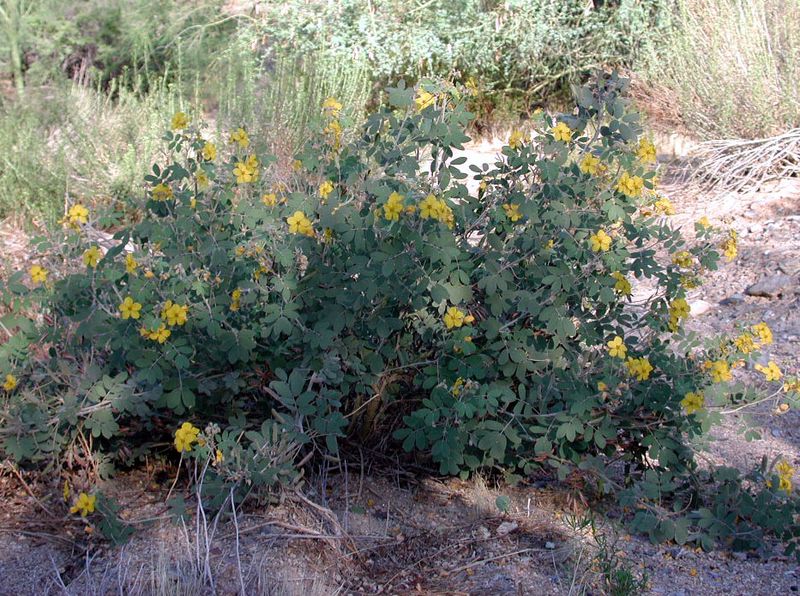
Fertilizer feels helpful, but with Desert Senna, more is not better. Pushing too many nutrients into the soil, especially nitrogen, tends to push the plant toward leafy growth at the expense of flowers.
A dense green shrub with almost no blooms is a common result of over-fertilizing.
Native desert plants evolved in low-nutrient soils. Rich, heavily amended garden beds can actually work against their natural growth patterns.
Desert Senna does not need the same feeding schedule as a vegetable garden or a rose bed.
If your soil is reasonably native and unamended, fertilizer may not be necessary at all. Healthy blooming can happen with no added nutrients in many cases.
Soil that has not been heavily altered is often the ideal starting point for this plant.
If you feel the plant needs a boost, a light application of low-nitrogen fertilizer in early spring is a more cautious approach. Avoid fertilizing during the heat of summer or right before the bloom cycle begins.
Timing matters as much as the product you choose.
Compost added in small amounts can improve soil structure without flooding the plant with nitrogen. A thin layer worked into the soil around the base is usually enough.
Overdoing even organic amendments can shift the balance in the wrong direction.
6. Good Airflow Supports Healthy Growth
Crowded plants struggle in humid monsoon conditions. Desert Senna is no exception.
When shrubs are packed too close together, air circulation between them drops, and moisture lingers on leaves and stems longer than it should.
During Arizona’s monsoon season, humidity spikes unexpectedly and repeatedly. That combination of heat and moisture creates conditions where fungal problems can develop on susceptible plants.
Good spacing helps reduce that risk without any extra work on your part.
Planting Desert Senna with enough room on all sides allows air to move freely through the canopy. A general spacing of four to six feet from neighboring plants is a reasonable starting point, though mature size should guide final decisions.
Check the expected spread of the shrub before choosing a location.
Pruning also plays a role in airflow. Removing crossing branches or overly dense interior growth opens up the plant structure.
Light trimming after the bloom season can help maintain a shape that allows air to circulate more effectively.
Avoid placing Desert Senna directly against walls or fences where air movement is blocked. Reflected heat from those surfaces can compound the problem during summer months.
Open garden positions tend to support more consistent growth and better overall plant health.
Healthy airflow is one of those factors that often gets overlooked until problems appear.
7. Spring Planting Gives Roots Time To Settle
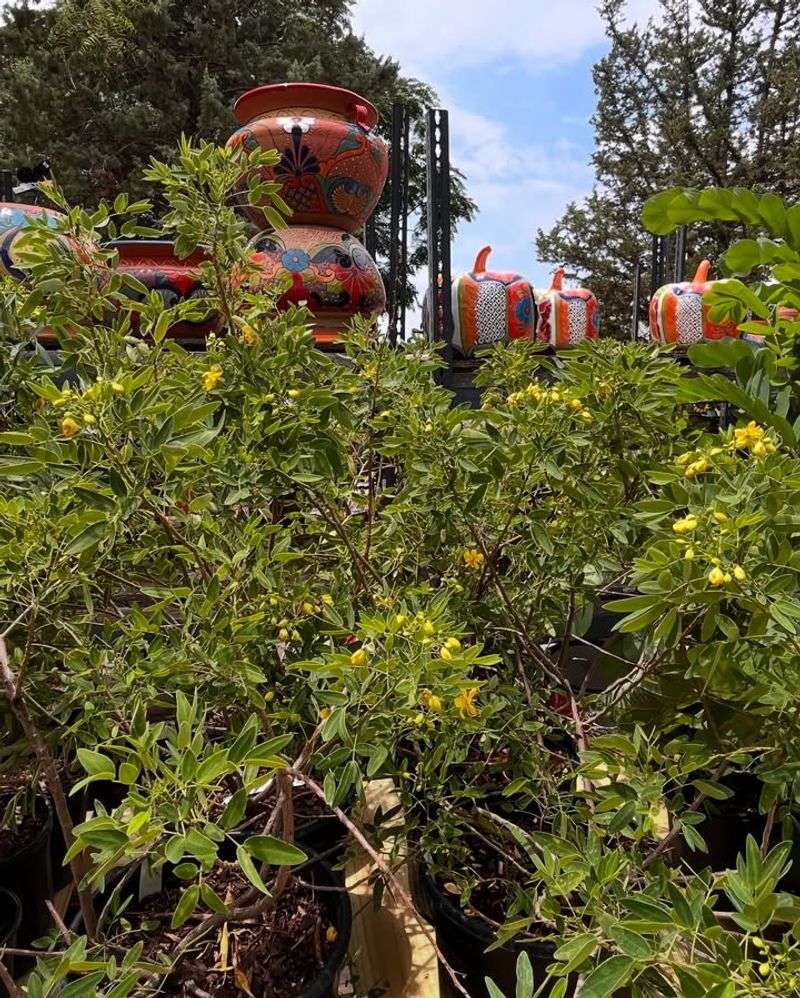
Timing a planting correctly can make a noticeable difference in how well a plant handles its first summer. Spring gives Desert Senna several months of moderate temperatures before the brutal heat of June and July arrives.
That window matters more than many gardeners realize.
March and April are popular planting months across the desert Southwest. Soil is warming but not yet punishing.
Roots have time to spread and anchor before the plant faces its first serious heat challenge.
Fall planting is also an option in many parts of the region. Cooler temperatures and occasional rainfall can support root development through the winter months.
Spring and fall each offer reasonable conditions, though outcomes can vary based on your specific location and weather patterns.
Summer planting is generally the riskiest approach. Transplant stress combined with extreme heat puts significant pressure on young roots.
Extra watering and careful monitoring become necessary, and even then, results are less predictable than with spring or fall timing.
Preparing the planting hole correctly before going in saves time later. Loosening surrounding soil helps roots expand outward more easily.
Avoid adding large amounts of rich amendments at this stage, since Desert Senna prefers lean, native-style conditions.
Water the plant thoroughly right after planting and keep the soil consistently moist but not wet for the first few weeks.