Why Arizona Citrus Trees Drop Fruit In Summer And How To Stop It
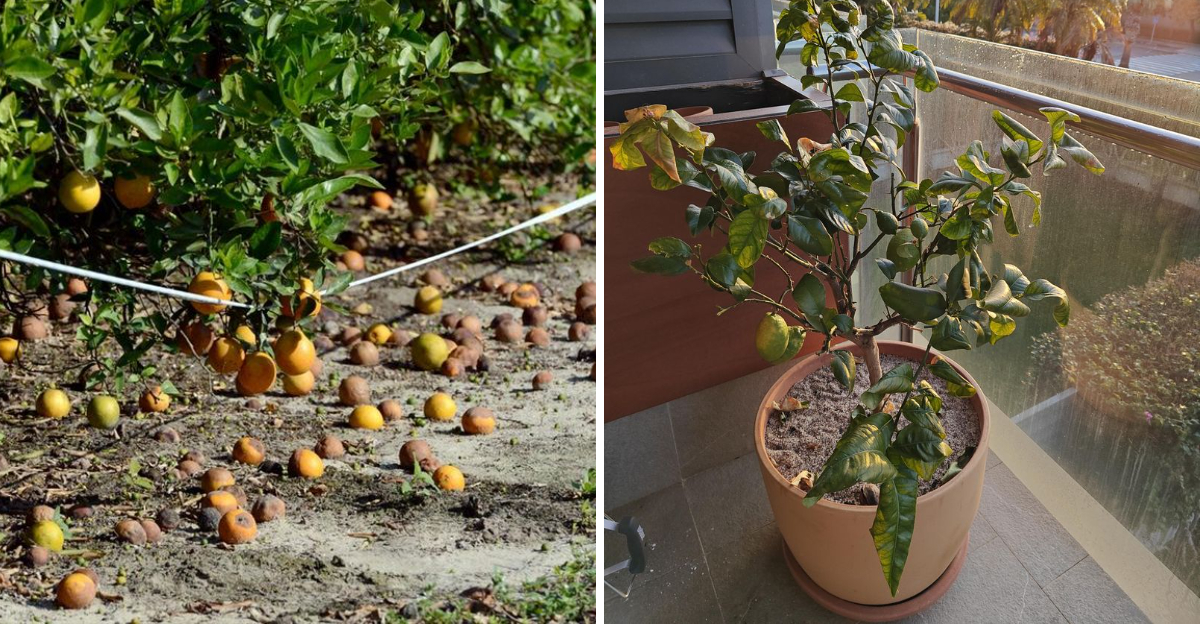
Arizona citrus trees can look loaded with healthy fruit one week and suddenly start dropping it the next.
Small lemons, oranges, and limes scattered across the ground often leave homeowners confused, especially when the tree still appears green and healthy overall.
Fruit drop tends to become much more noticeable once temperatures begin rising fast.
Summer stress plays a major role in how citrus trees respond during extreme Arizona heat. Watering habits, soil moisture, temperature swings, and overall tree health can all affect how much fruit stays on the branches.
Problems often build quietly before the tree starts shedding fruit to protect itself.
Healthy citrus trees usually hold onto more fruit once conditions stay stable through the hottest part of the season. Small adjustments in care can often reduce heavy fruit drop and help trees stay stronger during Arizona summer weather.
1. Heavy Heat Stress Often Causes Young Citrus Fruit To Drop
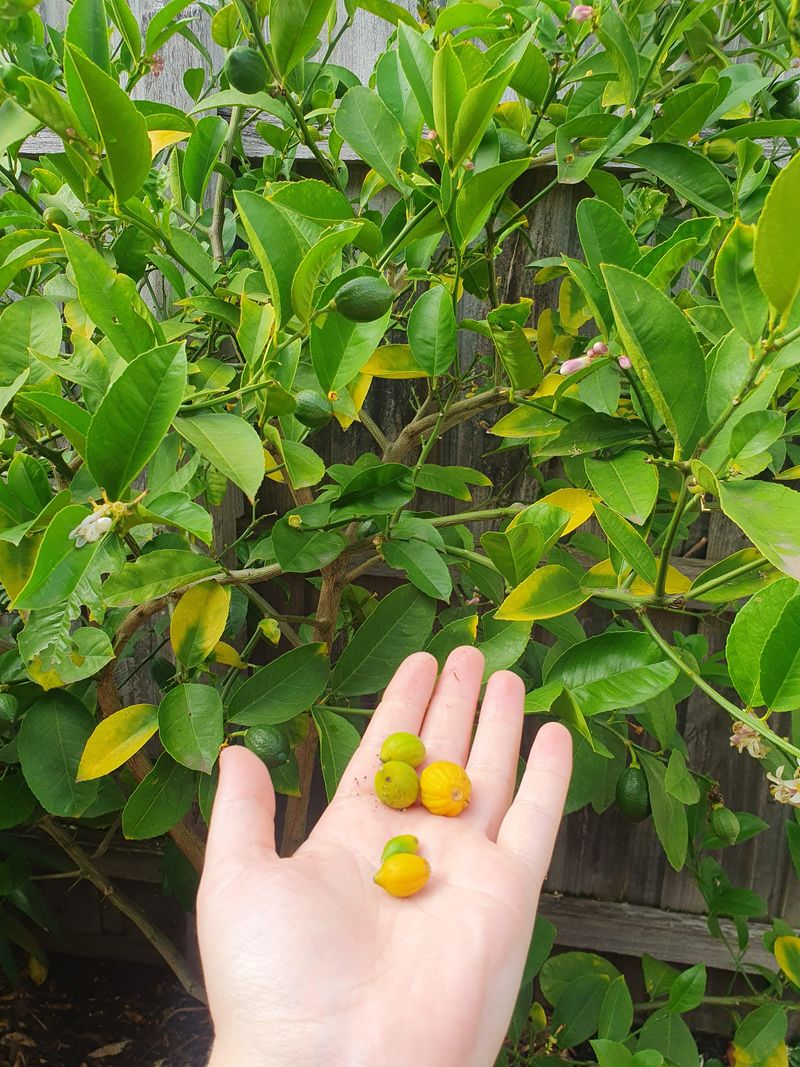
Arizona summers are brutal, and citrus trees feel every degree of it. When temperatures push past 110 degrees Fahrenheit in the Phoenix or Tucson area, young fruit on the tree is under enormous pressure.
The tree essentially makes a survival decision, shedding fruit it cannot support to conserve energy for its own survival.
Most of this stress-related drop happens between June and August, right when the heat is most relentless. Fruit that has not yet developed a thick rind is especially vulnerable because it has almost no protection from the scorching sun.
You might notice the smallest fruit dropping first, which is the tree prioritizing the ones with the best chance of making it.
Providing afternoon shade using shade cloth rated at around 30 to 40 percent can reduce the heat load on your tree significantly. Even a temporary setup during peak summer weeks can help hold more fruit on the branches.
Placing shade cloth on the west and south sides of the canopy targets the hottest sun angles specific to Arizona.
Mulching around the base of the tree also helps by keeping soil temperatures lower.
2. Inconsistent Watering Can Trigger Sudden Fruit Loss
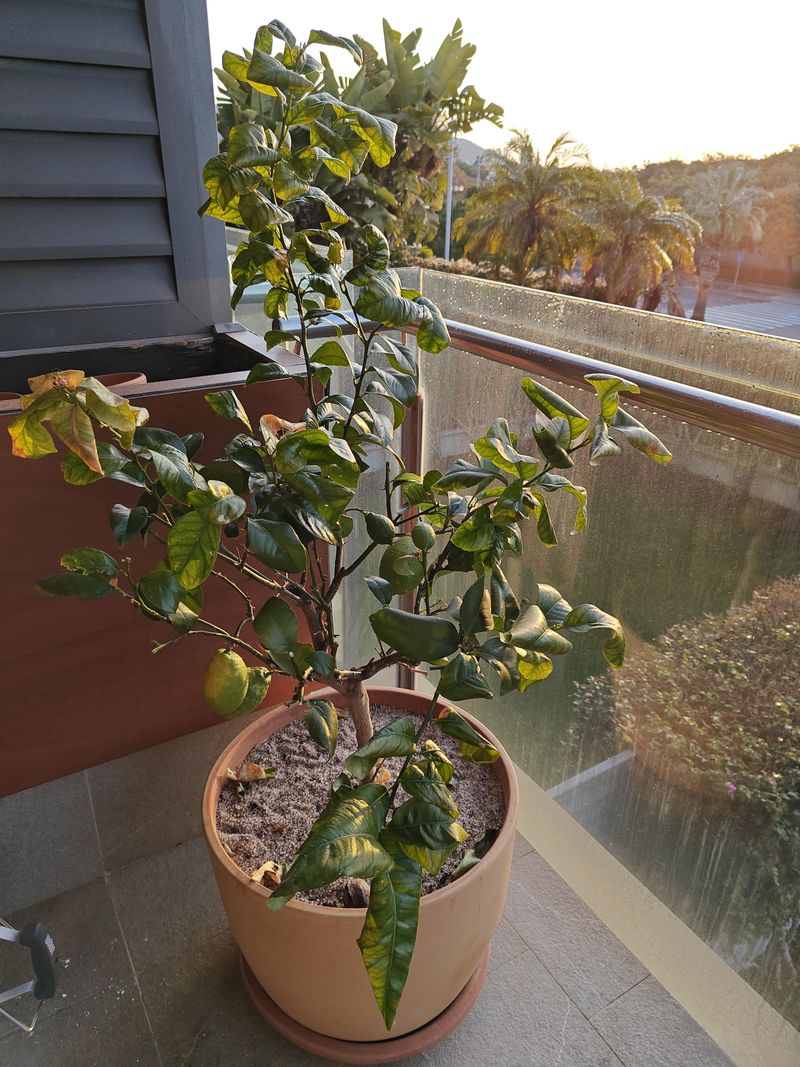
Watering a citrus tree in Arizona is not something you can do whenever you feel like it. Inconsistent moisture is one of the most common reasons fruit drops unexpectedly, and a lot of homeowners do not connect the two things at all.
When a tree goes through cycles of too dry then too wet, it goes into a kind of stress response that loosens fruit from the branches.
Citrus trees in Arizona’s desert climate need deep, regular watering on a consistent schedule, especially from May through September. A good rule of thumb is watering deeply every seven to ten days for mature trees, though sandy or rocky soils may require more frequent sessions.
The goal is to keep the root zone evenly moist without letting it completely dry out between waterings.
Drip irrigation systems work really well for Arizona citrus because they deliver water slowly and consistently right where the roots need it. Setting your system on a timer removes the guesswork and keeps the schedule steady even when life gets busy.
Your Arizona Garden Changes Every Week. Your Plan Should Too.
Gardening in Arizona changes quickly throughout the season. Every Friday you’ll receive a simple weekly plan showing exactly what to plant, prune, fertilize, harvest, and protect so you never miss the right timing.
Adjusting the schedule as summer heats up is important because evaporation rates increase dramatically in Arizona’s dry air.
3. Overloaded Branches Naturally Drop Excess Developing Fruit
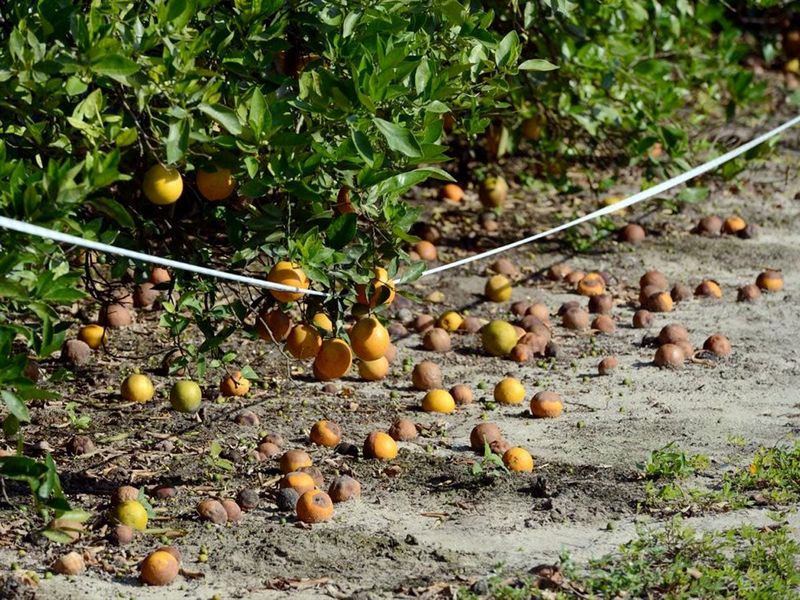
Sometimes a tree dropping fruit is not a problem at all. Citrus trees in Arizona, especially navels and valencias, often set far more fruit than they can actually bring to maturity.
When this happens, the tree self-thins by dropping the weakest or least-developed fruit on its own, which is a completely natural process called June drop.
June drop usually happens in late spring or early summer and can look alarming if you have never seen it before. Dozens of small green fruit might fall over just a few days, leaving you wondering what went wrong.
In most cases, nothing went wrong at all. Your tree is just making smart choices about how to spend its energy over the long Arizona summer ahead.
If the natural thinning does not seem like enough, you can help the process along by hand-thinning some of the remaining fruit yourself.
Leaving about four to six inches of space between developing fruit on each branch gives the remaining ones room to grow larger and stronger.
Fruit that is properly spaced tends to be bigger and sweeter at harvest time.
4. Shallow Watering Often Leads To Weaker Citrus Roots
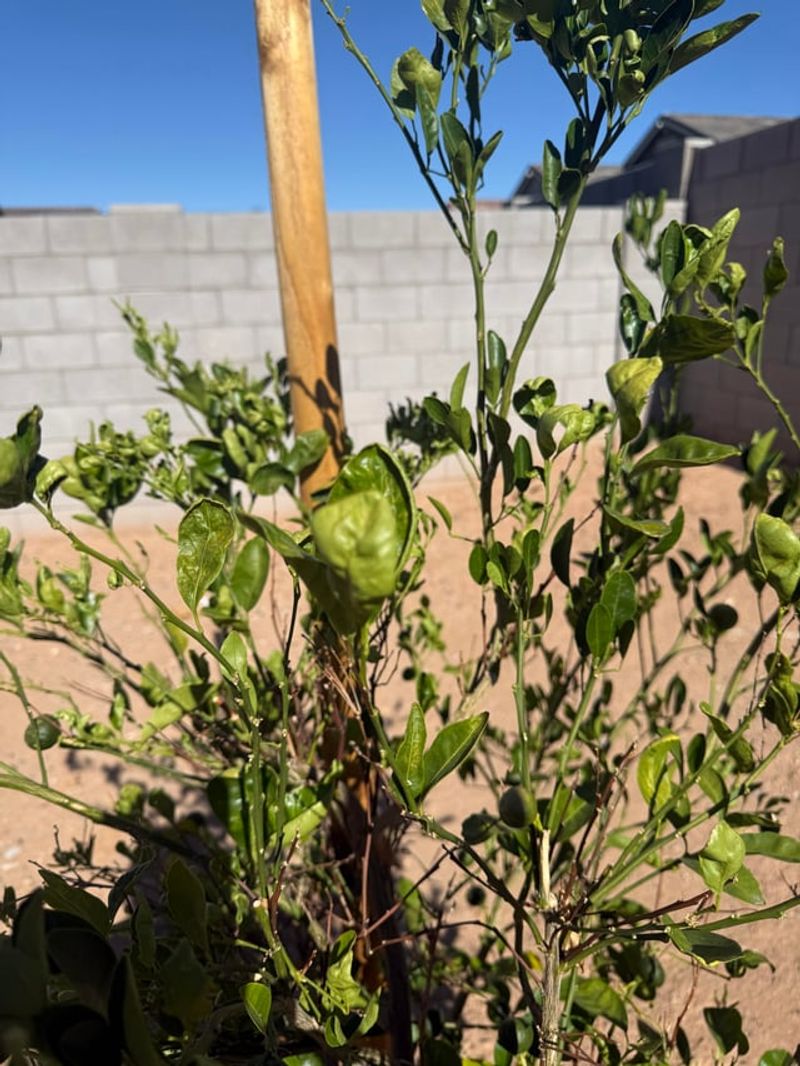
Watering a little bit every day sounds like the right thing to do, but for citrus trees in Arizona, it can actually cause serious problems. Short, frequent watering sessions only wet the top few inches of soil, which trains roots to stay shallow.
Shallow roots cannot access deeper moisture reserves, which makes the tree far more vulnerable when surface soil dries out fast in summer heat.
Deep, infrequent watering encourages roots to grow downward, where soil stays cooler and retains moisture longer. For Arizona citrus, a good deep watering means running your drip system long enough to wet the soil at least eighteen to twenty-four inches down.
You can check depth by using a long metal probe or digging a small test hole a day after watering to see how far moisture reached.
Trees with deep root systems are noticeably more drought-tolerant and hold fruit better during heat waves. A strong root structure gives the tree more resources to draw from when above-ground conditions get harsh.
In contrast, a shallow-rooted tree loses access to moisture quickly, triggering stress responses that include dropping fruit to reduce its load.
Expanding your drip emitters outward as your tree grows also makes a real difference. Roots follow water, so if emitters are clustered right at the trunk, roots stay concentrated there instead of spreading out.
Moving emitters to the drip line of the canopy, which is the outer edge of the branches, encourages wider and deeper root growth over time in Arizona soil.
5. Extreme Sun Exposure Can Stress Developing Citrus Fruit
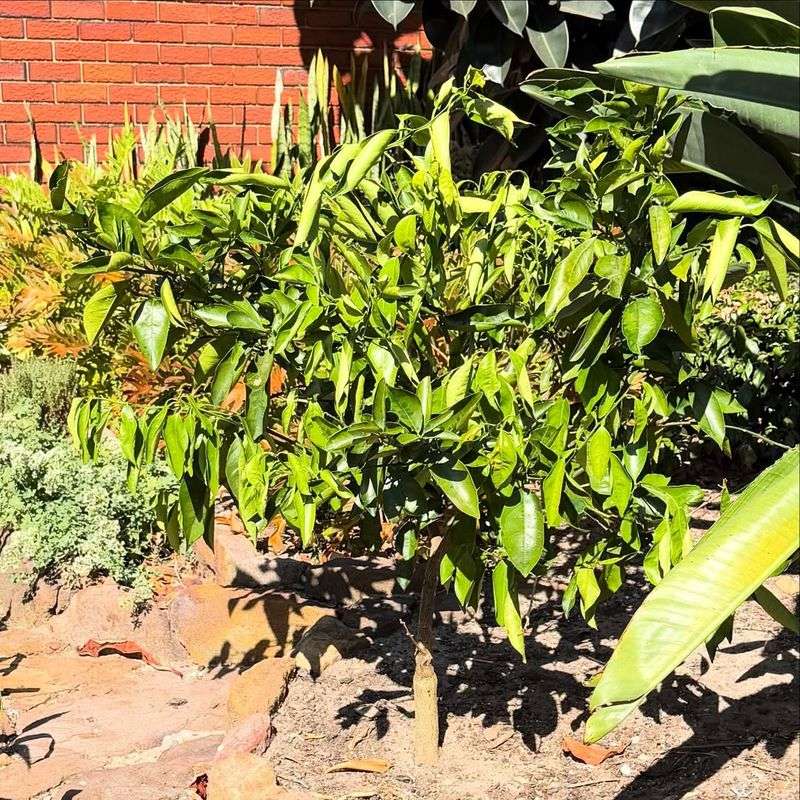
Arizona has some of the most intense sunlight of any state in the country, and developing citrus fruit takes the full force of it during summer. Fruit that is exposed to direct afternoon sun can actually sunburn, developing pale, bleached patches on the skin that weaken the rind.
Sunburned fruit is more likely to drop early and less likely to reach full maturity even if it stays on the tree.
West-facing and south-facing sides of the canopy tend to catch the hottest afternoon rays, making fruit on those sides more vulnerable. Keeping the canopy full and well-leafed provides natural shading for the fruit underneath.
Pruning too aggressively, especially during spring, can strip away leaf cover and leave fruit exposed right before the harshest Arizona summer months begin.
Applying kaolin clay spray to the canopy is one practical strategy some Arizona growers use to reduce sunburn on fruit. It creates a fine white coating that reflects some sunlight and lowers surface temperature on both leaves and developing fruit.
It washes off eventually with rain or irrigation and needs reapplication, but it is a non-toxic option worth considering for backyard trees.
6. Nutrient Deficiencies Sometimes Affect Fruit Development And Retention
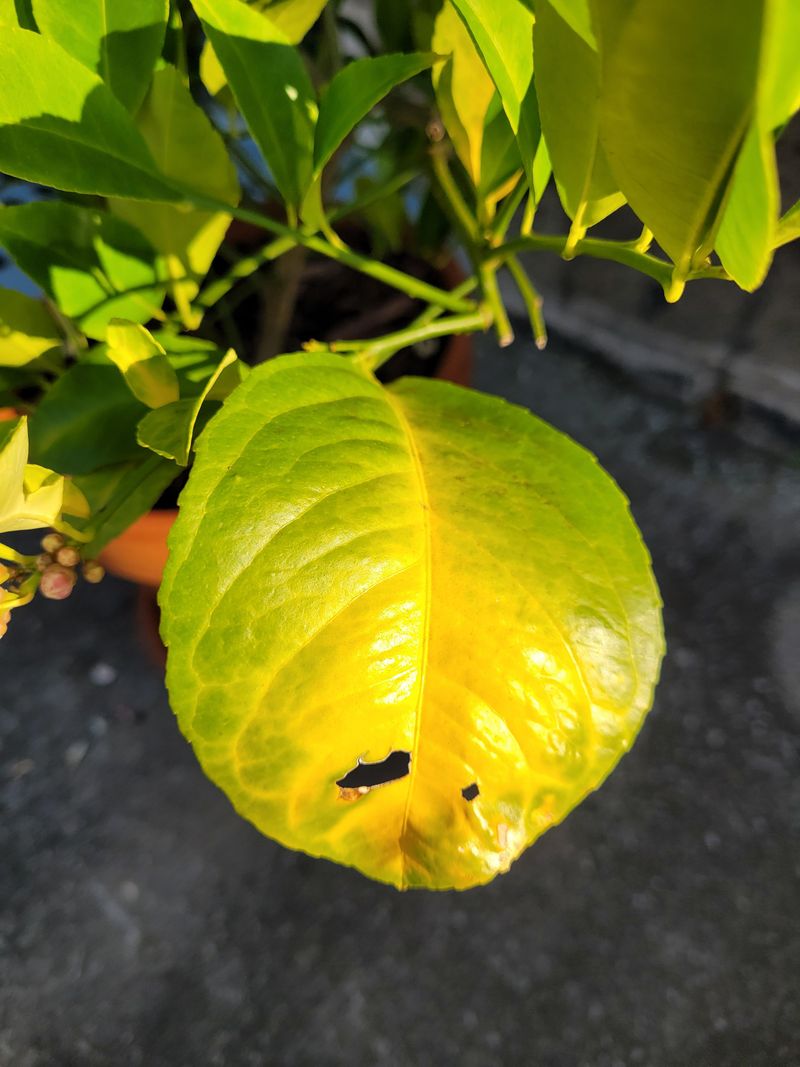
A tree that is running low on key nutrients is not going to hold fruit well, plain and simple. In Arizona, the alkaline soil common across the Phoenix valley and other parts of the state makes it harder for citrus trees to absorb certain nutrients even when those nutrients are present.
Iron, zinc, and manganese deficiencies show up regularly in Arizona citrus and can affect how well fruit develops and stays on the tree.
Iron deficiency is one of the most visible problems, showing up as yellowing leaves with green veins, a condition called iron chlorosis. Zinc deficiency tends to produce small, mottled leaves and poor fruit set.
Both conditions are worsened by high soil pH, which is extremely common in Arizona’s desert soils, and by overwatering, which flushes nutrients away from the root zone.
Using a fertilizer formulated specifically for citrus trees helps cover the basics, but Arizona growers often need to supplement with chelated iron or zinc applied separately. Chelated forms of these minerals are more available to roots in high-pH conditions than standard mineral forms.
Foliar sprays can also deliver micronutrients directly through the leaves when soil uptake is limited.
Feeding your citrus trees on a regular schedule matters as much as what you feed them. Most Arizona citrus benefits from three feeding cycles per year, roughly in February, May, and August.
Skipping summer feeding when trees are under stress can leave them without the resources needed to hold onto developing fruit through the toughest stretch of the Arizona growing season.
7. Healthy Citrus Trees Usually Hold Fruit More Consistently
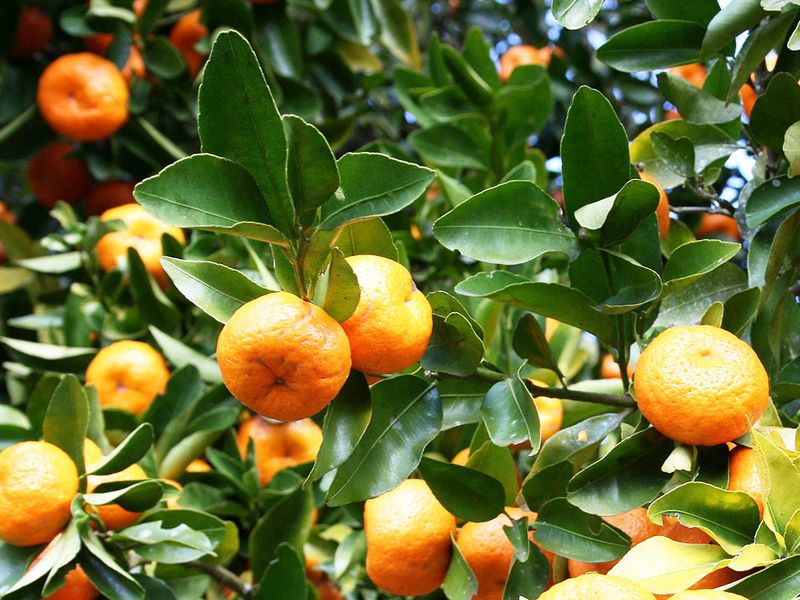
At the end of the day, a well-cared-for citrus tree is simply better at holding onto its fruit.
When all the basics are covered, including consistent deep watering, proper nutrition, protection from extreme sun, and good soil health, the tree has the resources it needs to carry fruit through the long Arizona summer.
Healthy trees do not stress as easily, and less stress means less fruit drop.
Building good habits around your citrus care routine makes a noticeable difference over time.
Arizona gardeners who commit to deep watering schedules, annual soil amendments, and seasonal feeding typically see stronger trees with better fruit retention than neighbors who water inconsistently or skip fertilizing.
Small consistent efforts add up to big results by harvest time.
Soil health is worth paying attention to beyond just pH and nutrients. Adding organic compost around the base of your tree each spring improves soil structure, water retention, and microbial activity.
Arizona soils tend to be lean and compact, so working in organic matter gradually builds a better growing environment for roots over multiple seasons.
Monitoring your tree through summer instead of just hoping for the best gives you a real advantage.