Virginia Gardeners Are Regretting Planting This Shrub In Their Yards, This Is Why
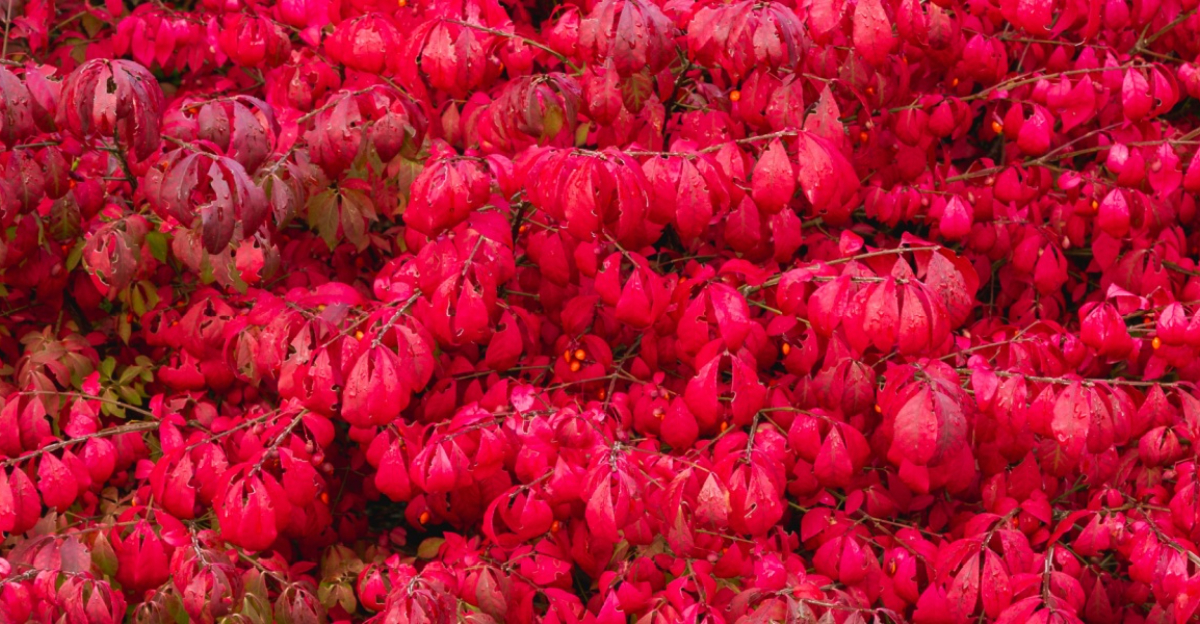
There is something almost unfair about how good this shrub looks in October. The leaves go full inferno red, the shape is tidy without any effort, and the nursery tag makes it sound like the easiest decision you will ever make.
So you buy one. Then maybe two more because the first corner looked so good.
For a season or two, you feel like a gardening genius. Then the plot twist arrives.
Virginia gardeners are swapping the same story lately: a shrub that delivers on the fall drama but comes with a list of problems nobody mentioned at the checkout line. It crowds, it spreads, it quietly rewrites the ecosystem around it, and it does all of this while looking absolutely stunning.
That combination of beauty and chaos is precisely what makes it so tricky to talk about. If it is already in your yard or still on your shopping list, there are a few things worth knowing before it becomes a decision you might want to reconsider down the line.
1. It Crowds Out Native Plants
Walk through almost any wooded edge in Virginia and you might notice something unsettling.
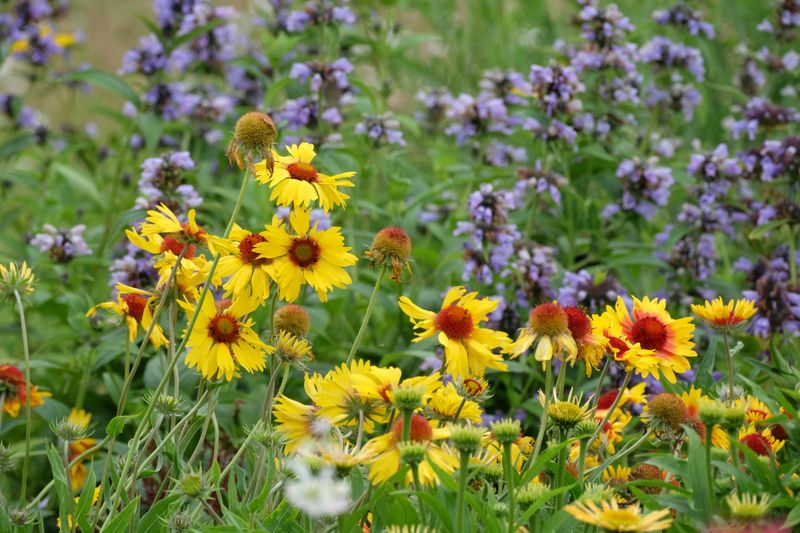
There are fewer native wildflowers than there used to be.
Burning bush is partly to blame for that disappearing act.
This shrub grows fast and thick, forming dense thickets that block sunlight from reaching the ground.
Native plants like wild columbine, trillium, and Virginia bluebells need that light to survive.
When the shrub moves in, they quietly fade out.
The problem is not just in your backyard.
Burning bush spreads into natural areas, forest edges, and stream banks across Virginia.
Once it takes hold, native plant communities struggle to bounce back.
Native plants are the foundation of local ecosystems.
They feed insects, support birds, and keep soil healthy in ways that non-native shrubs simply cannot match.
Replacing them, even unintentionally, has real consequences.
Gardeners who planted this shrub with good intentions are now watching it outcompete everything around it.
If you value the natural character of your Virginia landscape, that is a trade-off worth thinking hard about.
Choosing native alternatives like Itea or Fothergilla gives you fall color without the ecological cost.
2. It Tends To Spread Beyond Your Yard
One of the trickiest things about this shrub is how quietly it travels.
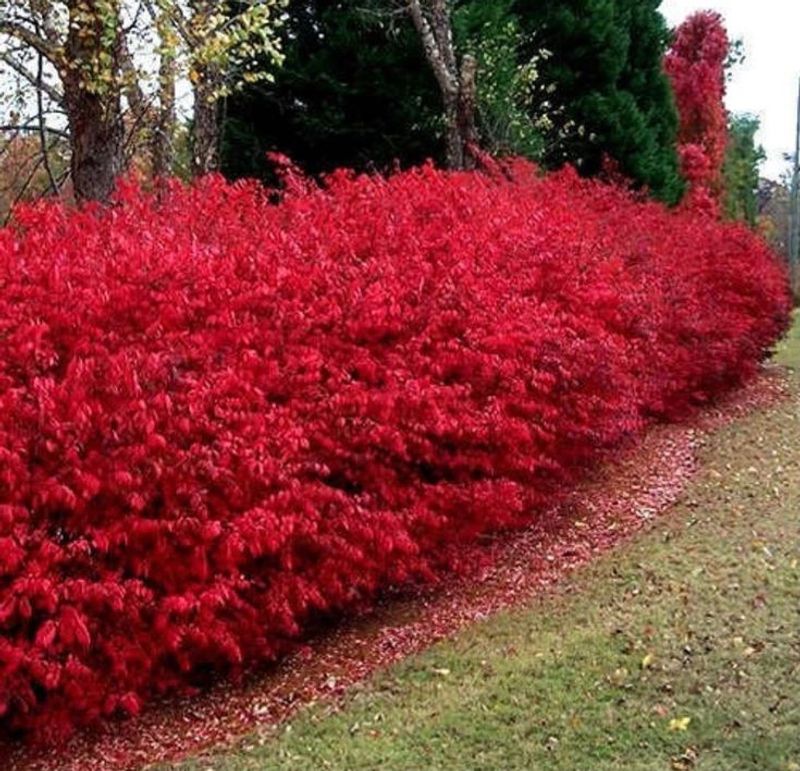
You plant it neatly inside your property line, and within a few years it shows up somewhere you never intended.
Birds eat the bright red berries and carry the seeds far and wide.
Those seeds land in neighboring yards, open fields, and natural areas throughout Virginia.
The shrub does not ask permission before it moves in somewhere new.
This is exactly how invasive plants operate.
They use wildlife as a delivery system, spreading faster than any gardener can track.
Virginia’s natural areas have been dealing with this problem for years.
What makes it frustrating is that you can do everything right in your own yard and still contribute to the spread.
Your Virginia Garden Changes Every Week. Your Plan Should Too.
Gardening in Virginia changes quickly throughout the season. Every Friday you’ll receive a simple weekly plan showing exactly what to plant, prune, fertilize, harvest, and protect so you never miss the right timing.
Your well-maintained shrub becomes a seed source for wild populations nearby.
That is a responsibility most gardeners did not sign up for when they bought it at the nursery.
Some Virginia counties have started reporting Burning bush in protected natural areas and state parks.
The shrub is no longer just a garden problem; it has become a landscape-scale issue.
Removing it from your yard is one of the most impactful steps you can take for your local environment.
3. Shrub That Develops Aggressive Roots
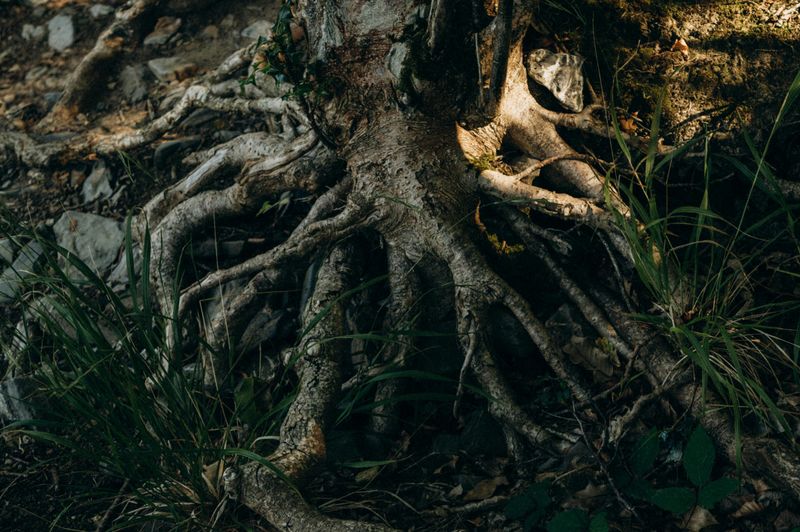
Beneath that tidy exterior, Burning bush is working overtime underground.
The root system of this shrub spreads outward in a dense, fibrous network that is surprisingly competitive.
It grabs water and nutrients before neighboring plants even get a chance.
Gardeners in Virginia often notice that plants growing near this shrub start to struggle without an obvious reason.
Grass thins out, perennials look stressed, and small garden plants seem to stall.
The shrub is quietly winning the underground competition for resources.
Those roots also make the shrub incredibly stubborn once established.
Cutting the plant down at the base is only half the battle.
The root system stores enough energy to send up new shoots repeatedly, sometimes for years.
If you have ever tried to remove a mature specimen, you know how physical the job gets.
Shovels, mattocks, and a fair amount of frustration are usually involved.
Even after removal, remaining crown or root material can send up new shoots.
This is not a shrub that gives up easily.
For Virginia gardeners trying to reclaim a bed or transition to native plants, the root system alone can turn a weekend project into a multi-season effort.
Knowing this upfront saves a lot of surprise later.
4. It Is Difficult To Fully Remove
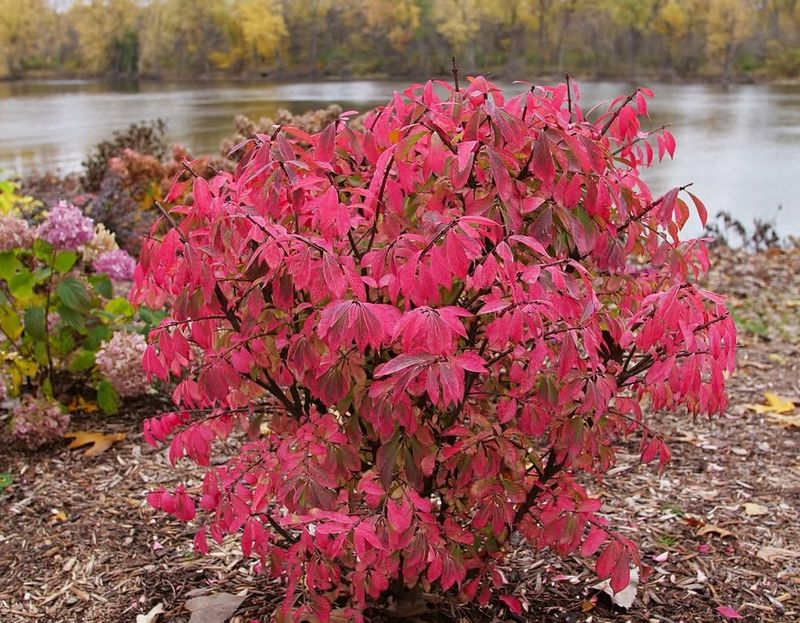
Ask anyone who has tried to remove a mature Burning bush from their Virginia yard and you will hear the same story.
They thought it would take an afternoon.
It took three weekends and a sore back.
This shrub holds on with a determination that feels almost personal.
Even after cutting it to the ground and digging out the main root ball, small pieces of root left in the soil will sprout again.
New shoots can appear weeks or even months after you thought the job was done.
Persistence is the only real strategy.
You have to check the area regularly and remove any new growth before it gets a chance to re-establish.
Missing a few rounds of follow-up means starting almost from scratch.
Some Virginia gardeners have resorted to professional removal services for large, well-established plants.
The cost and labor involved often comes as a shock to people who planted the shrub casually years ago.
What went in easily does not come out the same way.
Herbicide treatment of cut stumps can help reduce regrowth, but it requires careful application and repeated monitoring.
If you are dealing with a large shrub or a cluster of them, plan for a long-term removal process.
Patience and follow-through are the most important tools you have.
5. Ticks May Thrive Here
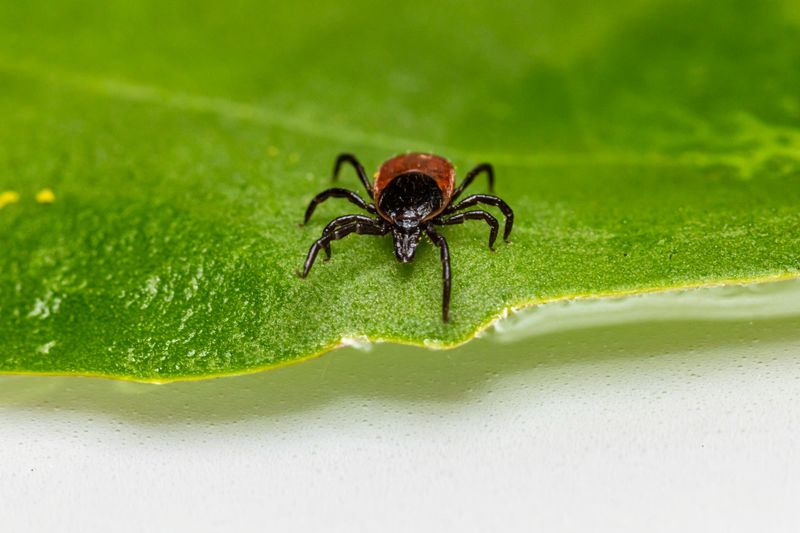
Nobody thinks about ticks when they are admiring fall foliage, but this is Virginia, and ticks are a real concern here.
Dense, low-growing shrubs create exactly the kind of humid, shaded environment that ticks love.
Burning bush, with its thick branching and leaf litter accumulation, fits that description well.
Ticks do not jump or fly.
They wait on vegetation at the edge of paths, gardens, and lawn areas, ready to latch onto a passing host.
A shrub planted along a walkway or near a play area raises the risk of contact significantly.
Virginia is home to several tick species, including the black-legged tick, which can carry Lyme disease.
Keeping tick habitat out of high-traffic areas of your yard is a practical health consideration, not just a landscaping preference.
Dense shrub borders that are difficult to maintain and rarely get thinned out are especially problematic.
Leaf litter builds up underneath, moisture stays trapped, and tick populations can quietly build up over time.
Replacing this shrub with more open, native alternatives reduces habitat for ticks while also supporting local wildlife.
Virginia Sweetspire, for example, offers beautiful fall color with a more open growth habit that is easier to manage and less tick-friendly overall.
One more thing worth knowing, particularly for households with pets: The berries are not considered safe for pets or people to eat. It is one more reason to think carefully about where and whether this shrub belongs in your yard.
Is that a risk your yard really needs?
6. It Provides Minimal Wildlife Benefits
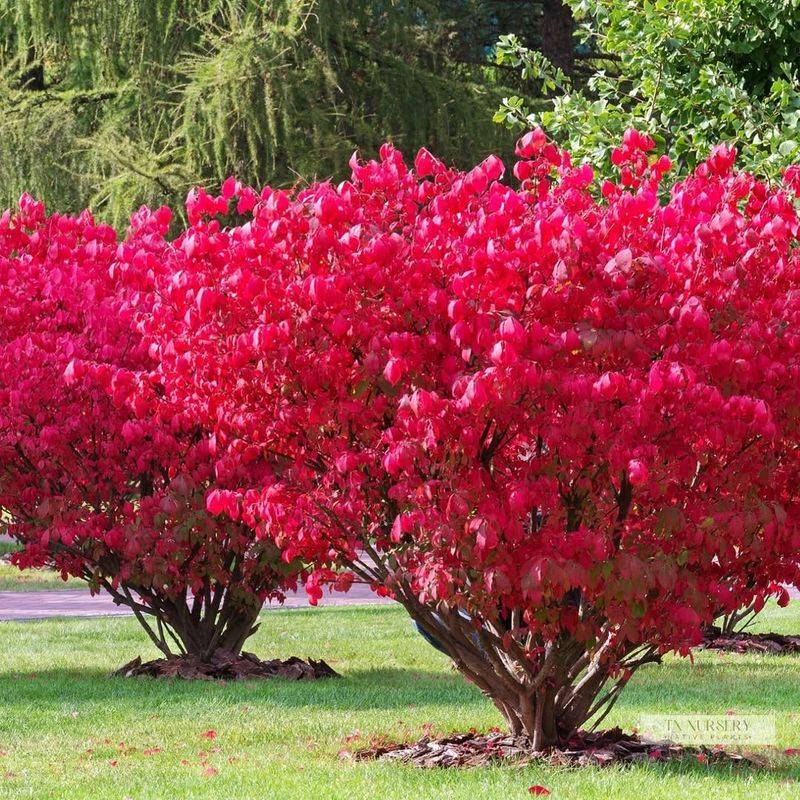
It looks lively in October, but looks can be misleading.
Burning bush offers very little of real value to the native wildlife that Virginia depends on.
The berries are eaten by some birds, but that is where the ecological contribution mostly ends.
Native caterpillars, which are critical food for baby birds, rarely feed on non-native plants.
Research from University of Delaware entomologist Doug Tallamy has shown that native oaks support hundreds of caterpillar species while non-native ornamentals support almost none.
A shrub that does not feed insects is a shrub that contributes very little to the food chain.
Pollinators also tend to pass this shrub by.
The flowers are small and not particularly attractive to native bees or butterflies.
Compare that to native shrubs like buttonbush or elderberry, and the difference in wildlife activity is dramatic.
Virginia’s bird populations are under pressure from habitat loss and food scarcity.
Every garden is an opportunity to help, or to miss that opportunity entirely.
A yard full of non-native ornamentals is a landscape that looks green but functions like a food desert for wildlife.
Swapping even one Burning bush for a native alternative makes a measurable difference.
Virginia gardeners who have made that switch often report noticing more birds and butterflies within a single growing season.
7. Legal Restrictions May Apply
Here is something a lot of Virginia gardeners do not find out until after they have already planted it.
Burning bush is classified as an invasive species in several states, and regulations around it are tightening.
Virginia has been actively discussing and implementing restrictions on invasive ornamental plants.
The Virginia Department of Conservation and Recreation maintains a list of invasive plant species that threaten native ecosystems.
Burning bush appears on invasive plant watchlists used by land managers and conservation groups across the state.
Some nurseries in Virginia have voluntarily stopped carrying it in response to growing environmental concerns.
Neighboring states like Pennsylvania and Massachusetts have already moved to restrict or ban the sale of this shrub.
Virginia is watching those developments closely, and similar action here would not be surprising.
Gardeners who plant it now may find themselves ahead of a regulation they did not anticipate.
Planting an invasive shrub that could later be subject to removal requirements is a risk worth considering.
It is not just about following rules; it is about making choices that hold up over time.
Staying informed about Virginia’s plant regulations is easier than it used to be.
The Virginia Invasive Plant Species List is publicly available and updated regularly, making it a useful resource before any new shrub purchase.
8. Growth That’s Difficult To Control
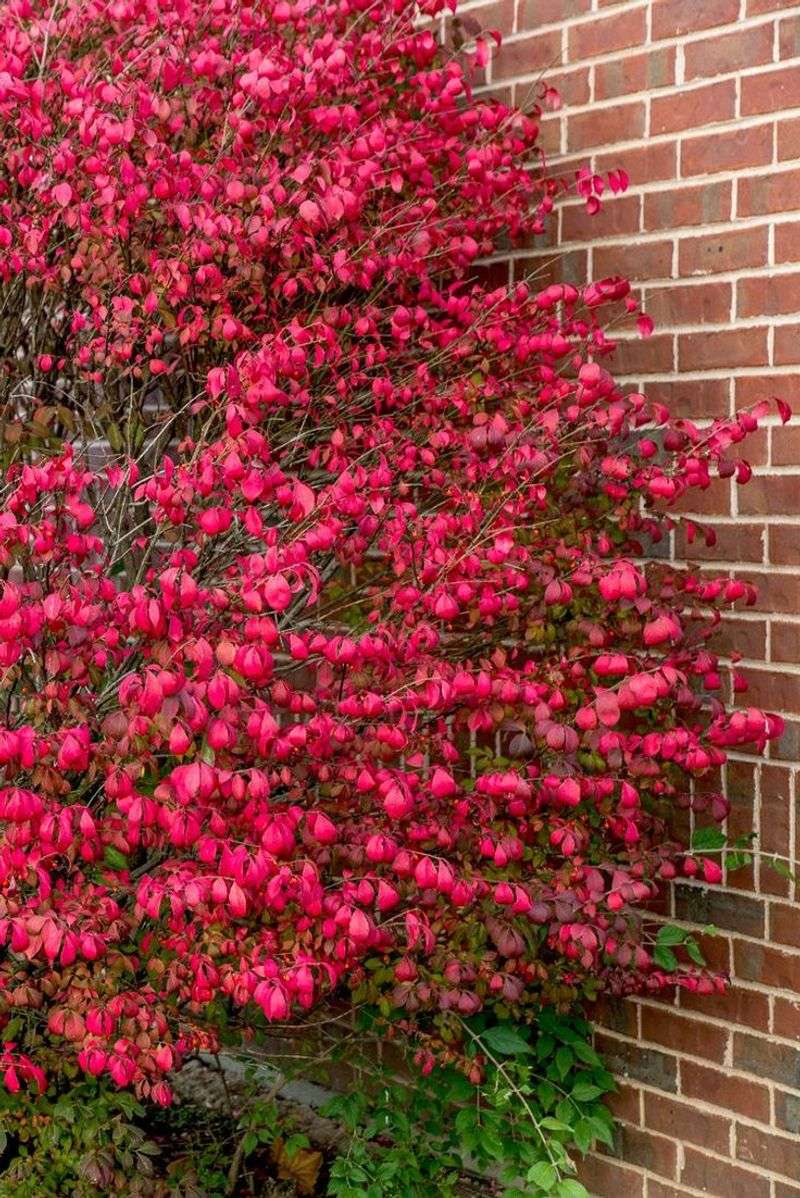
When this shrub was sold as low-maintenance, that description was doing a lot of heavy lifting.
Burning bush grows vigorously, and in Virginia’s climate, it can push well beyond its expected size without much encouragement.
What the tag said would be four feet tall can quietly become seven or eight.
The shrub spreads outward as well as upward.
Suckers emerge from the base, expanding the plant’s footprint year after year.
Without consistent intervention, a single shrub can slowly crowd out everything planted around it.
Many Virginia gardeners planted this shrub as a neat border plant or foundation specimen.
A few seasons later, it was swallowing the walkway, blocking windows, or merging with neighboring plants.
The original vision for the space gets lost in the growth.
Keeping it in check requires more than an occasional trim.
You need to monitor it across the growing season and address new growth before it gets established.
For busy gardeners, that level of attention is often more than they bargained for.
There are native alternatives with much more predictable growth habits.
Virginia Sweetspire and Oakleaf Hydrangea both offer fall interest and stay closer to their labeled sizes.
Choosing a shrub that cooperates with your landscape plan saves time and frustration in the long run.
9. Continuous Pruning Is Necessary
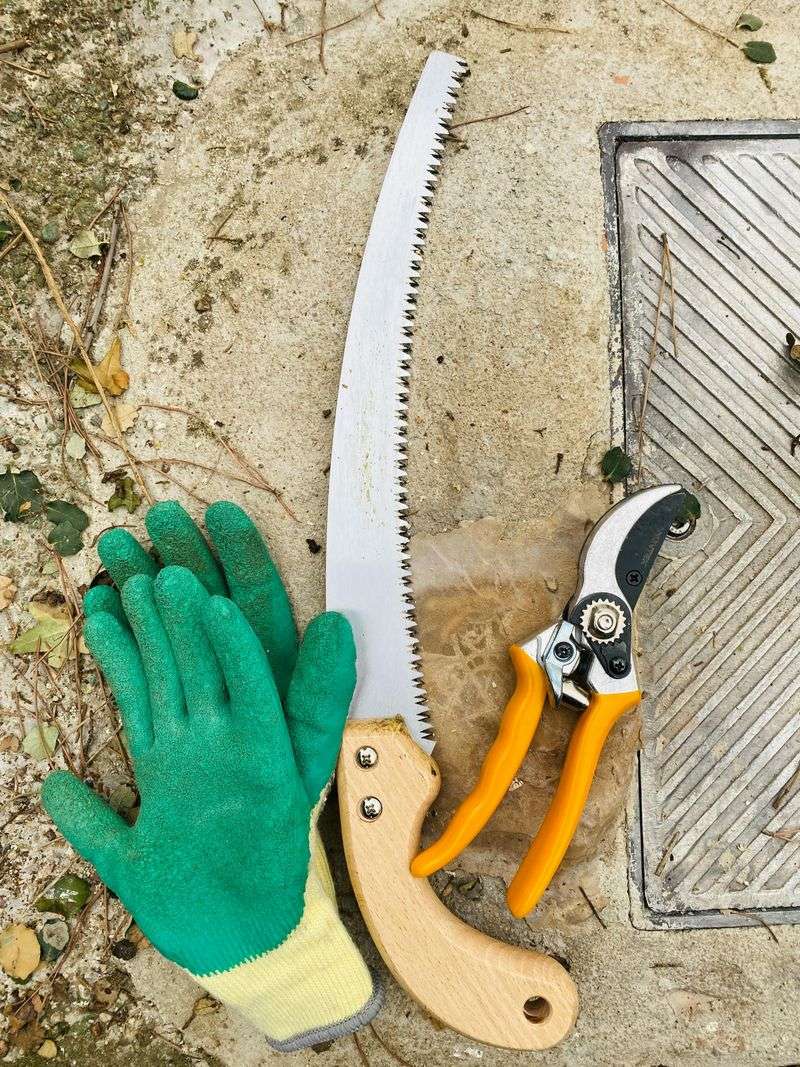
Gardening should bring some joy, not turn into a recurring obligation you dread.
For many Virginia homeowners, Burning bush has become exactly that kind of chore.
The shrub grows back fast after pruning, often requiring multiple cuts per season to keep it looking intentional.
Unlike slower-growing native shrubs that settle into their space gracefully, this one keeps pushing.
New shoots emerge from the base, branches reach outward into paths and lawn areas, and the overall shape gets ragged quickly.
Staying ahead of it takes real commitment.
Pruning is not just about aesthetics.
If you cut this shrub back hard to manage its size, you can stress the plant and trigger even more aggressive regrowth.
It is a cycle that many gardeners find exhausting after a few years.
The time and energy spent on repeated pruning adds up fast.
A shrub that needs trimming three or four times a year is not saving you effort; it is consuming it.
That is time you could spend on plants that reward you rather than demand from you.
Virginia gardeners who have replaced this shrub with lower-maintenance natives often say the relief was immediate.
Fewer tools out, fewer weekends lost, and a yard that looks cared for without constant intervention.
That trade sounds like a good deal from where I am standing.
10. Change The Growing Conditions Around It
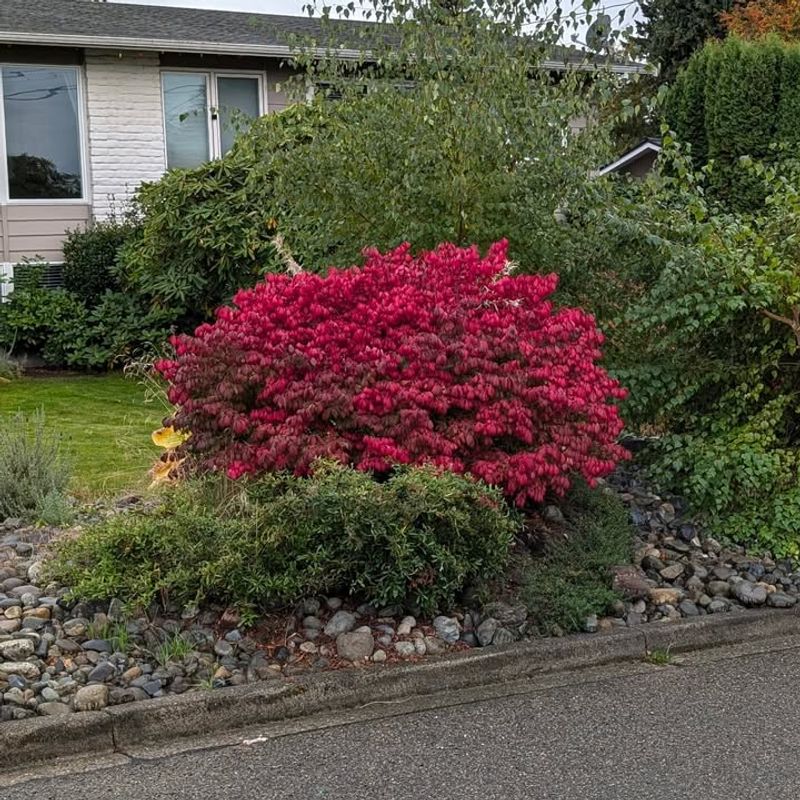
Most gardeners think about what a plant looks like above the ground.
Fewer think about what it is doing below the surface, and with this shrub, that is where things get interesting.
Burning bush may influence the soil chemistry around it in ways that affect other plants nearby.
The dense root system and heavy leaf litter can potentially alter the organic matter composition of the soil over time. As the leaves break down, they may shift soil pH and microbial communities in ways that could favor the shrub itself.
This creates conditions that are less hospitable for native plants trying to grow in the same area.
Virginia soils vary widely across the state, from the clay-heavy Piedmont to the sandier Coastal Plain.
Introducing a shrub that actively reshapes soil conditions adds another layer of disruption to already complex local ecosystems.
Once those changes set in, restoring soil health takes time and effort.
Gardeners who have removed Burning bush often note that the soil underneath looks tired and depleted.
Amending it with compost and replanting with natives helps recovery, but it is not an overnight fix.
Understanding what a shrub does below ground is just as important as what it does above it.
In Virginia, making soil-smart choices protects your garden for years to come.