The Arizona Oleander Hedge Choice That Can Affect Your Landscape For Years
Choosing an oleander hedge can seem like the easiest way to create privacy, but that quick decision often stays with you much longer than expected.
Before you fill your yard with rows of the same shrub, take a closer look at what it means for maintenance, safety, and the overall feel of your landscape.
In Arizona, that choice can become much harder to undo once those shrubs mature and spread.
Give yourself time to compare the drawbacks with better alternatives before planting. A little planning today can save years of frustration, expensive removal, and constant upkeep.
If you want a landscape that stays attractive and easier to live with, this is one decision you should not rush. The right alternative could fit your yard better for many years ahead instead.
1. Large Oleanders Quickly Outgrow Their Space
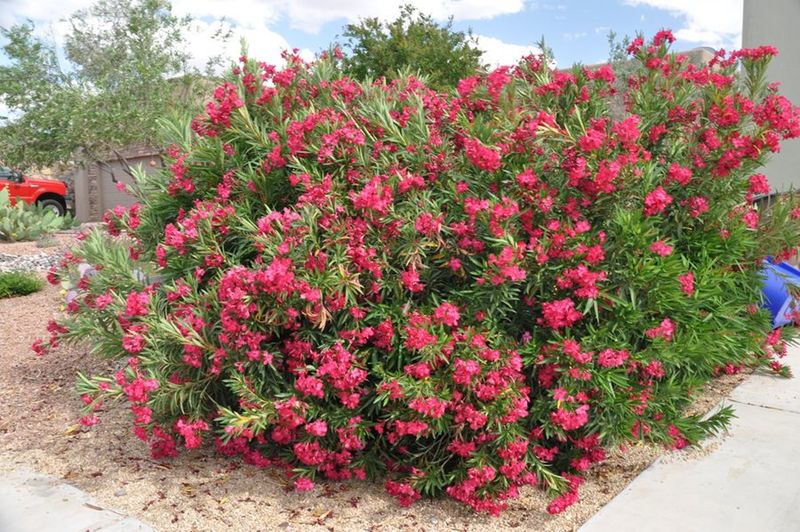
Oleanders do not stay small. What starts as a tidy four-foot shrub can push past twelve or even fifteen feet tall if left unchecked in warmer climates.
Most homeowners plant them close to fences or walls, thinking the space looks fine at first. Within a few years, those same plants are pressing into gutters, blocking windows, and shading out everything nearby.
In hot desert regions, oleanders grow aggressively during the warm months. Without regular trimming, they can spread just as wide as they are tall, which creates a dense mass that is hard to manage.
Spacing matters a lot at planting time. Putting them too close together or too near a structure speeds up the crowding problem.
Dwarf varieties exist and stay more compact, but even those can reach six feet or more under the right conditions. Standard varieties are simply not a fit for small yards or narrow side passages.
Before planting, measure your available space carefully. Consider how much room the plant will need in five to ten years, not just right now.
A little planning upfront prevents a much bigger headache later when the plants have already taken over.
2. Dense Growth Makes Trimming More Demanding
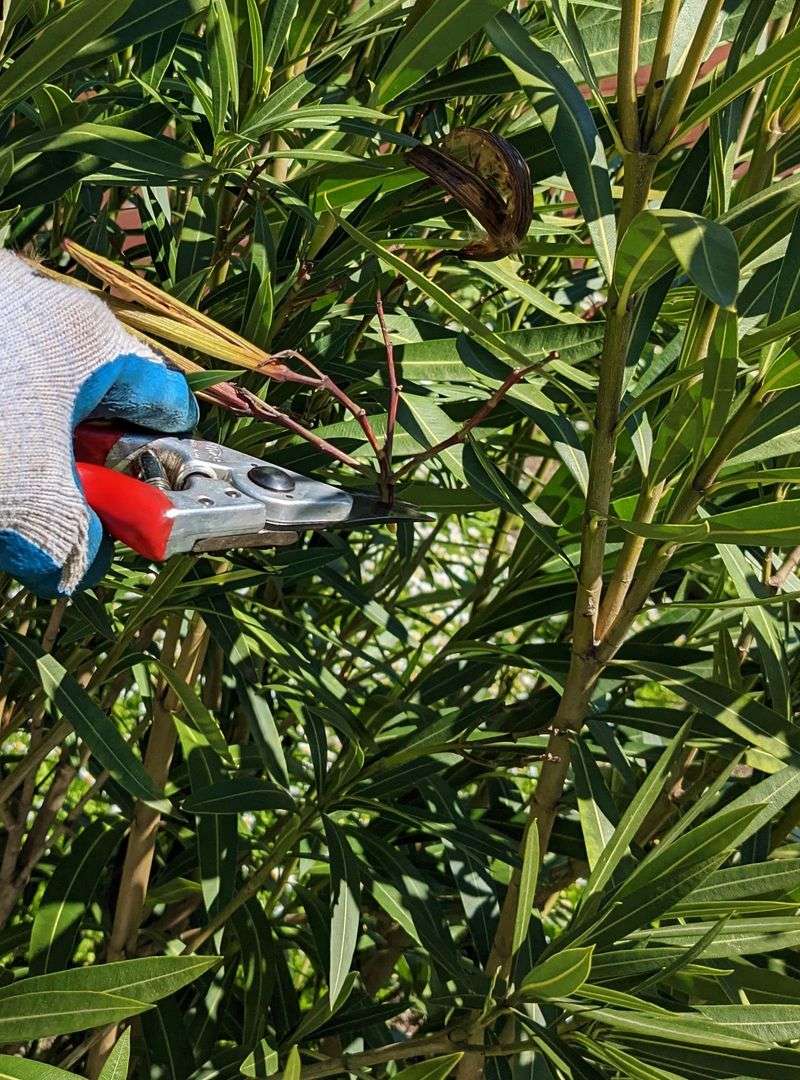
Trimming an oleander hedge sounds simple until you are three hours in and barely halfway done. These shrubs produce thick, woody stems that get harder to cut as the plant ages.
Young growth can be handled with basic hand pruners, but mature branches often need loppers or even a reciprocating saw. That is a different level of effort than most people expect from a hedge plant.
Oleanders also bounce back fast after cutting, which sounds like a positive trait.
But fast regrowth means you are trimming more often, especially during peak growing season from late spring through early fall.
Skipping a season or two lets the plant get ahead of you quickly. Once it does, catching up requires serious cutting that can stress the plant and leave it looking ragged for months.
Professional trimming services charge more for oleanders than for most other hedge plants. The density, the sap exposure risk, and the volume of debris all add to the job complexity and cost.
Your Arizona Garden Changes Every Week. Your Plan Should Too.
Gardening in Arizona changes quickly throughout the season. Every Friday you’ll receive a simple weekly plan showing exactly what to plant, prune, fertilize, harvest, and protect so you never miss the right timing.
If you are managing the hedge yourself, budget at least two to three trimming sessions per year. Wear long sleeves and gloves every single time, because the sap can irritate skin on contact.
Staying on schedule makes the work far more manageable over time.
3. Toxic Leaves And Sap Need Extra Caution
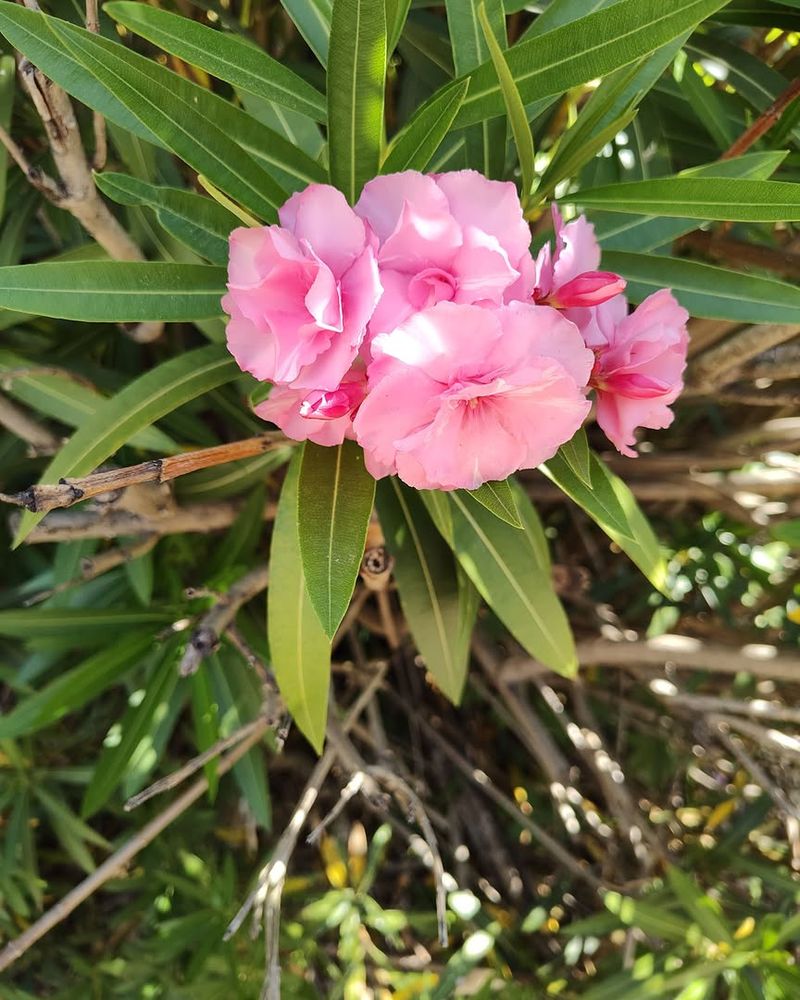
Every part of an oleander plant is toxic. Leaves, stems, flowers, and sap all contain compounds that can cause serious health problems in people and animals if ingested.
Pets that chew on fallen branches or leaves are at real risk.
Children playing near oleander hedges face similar concerns, especially if they are young enough to put plant material in their mouths.
Even burning the trimmings creates a hazard. Smoke from oleander wood can irritate the lungs and eyes, so disposing of clippings through yard waste pickup or composting services is a safer route.
Skin contact with the sap during trimming can cause redness or a rash in some people. Wearing gloves and long sleeves is not optional when working with these plants.
Many Arizona households have oleanders without incident, but that does not mean the risk is zero. Households with curious pets or young children should think carefully before keeping or planting them.
If oleanders are already in your yard, set clear boundaries for kids and watch where pets roam. Cleaning up fallen leaves and flower debris regularly reduces accidental contact.
Being aware of the risks does not mean you have to remove the plants, but it does mean staying consistent with safety habits every season.
4. Older Hedges Are Difficult To Remove
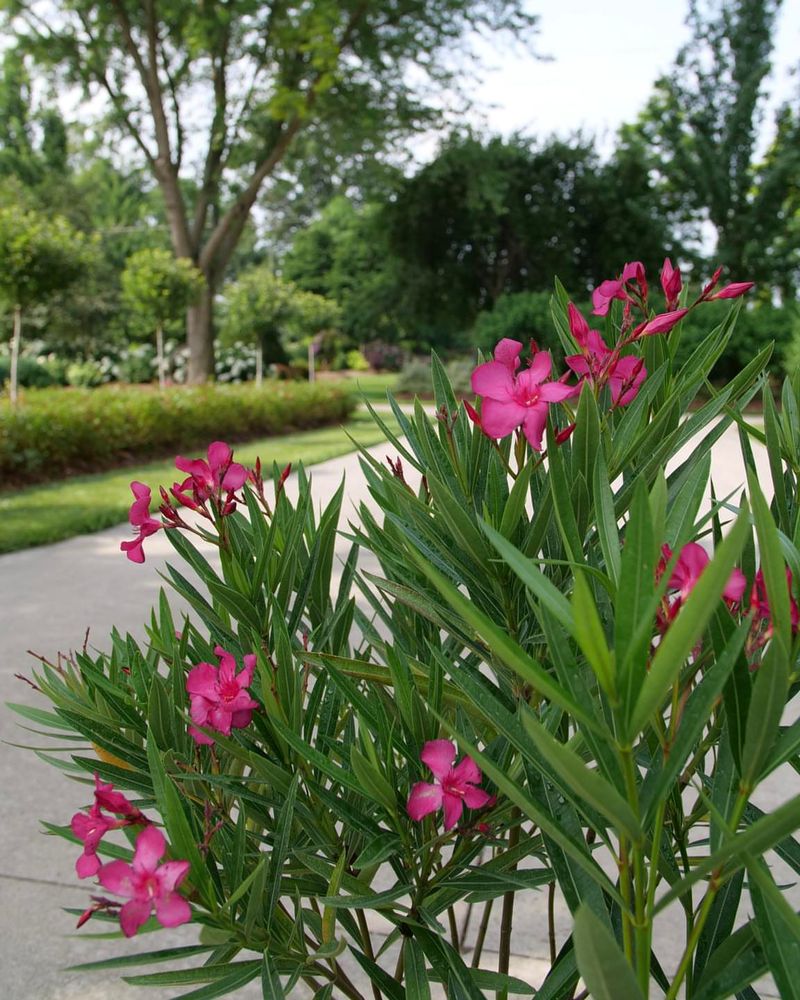
Removing an established oleander hedge is one of the harder landscaping jobs a homeowner can face. Mature plants develop thick, woody root systems that anchor deep into the soil.
Cutting the plant down to the ground is just the beginning.
Stumps left in place often send up new shoots, which means the removal process can stretch on for months if the roots are not fully addressed.
Stump grinding works well for single trees but gets complicated when oleanders are planted in rows. Roots from neighboring plants can intertwine, making clean extraction much harder than expected.
Hiring a landscaping crew to remove a long hedge can run into several hundred dollars or more, depending on the size and how many plants are involved. Many crews charge extra for hauling the debris.
Root regrowth after cutting is a real issue. Some homeowners report new sprouts appearing repeatedly over one to two growing seasons even after a thorough removal attempt.
If you are thinking about replacing an old oleander hedge with something more manageable, plan for a multi-step process. Budget both time and money for the project.
Waiting until the plants are even older only makes the job more demanding, so acting sooner tends to save effort in the long run.
5. Some Properties Still Benefit From Them
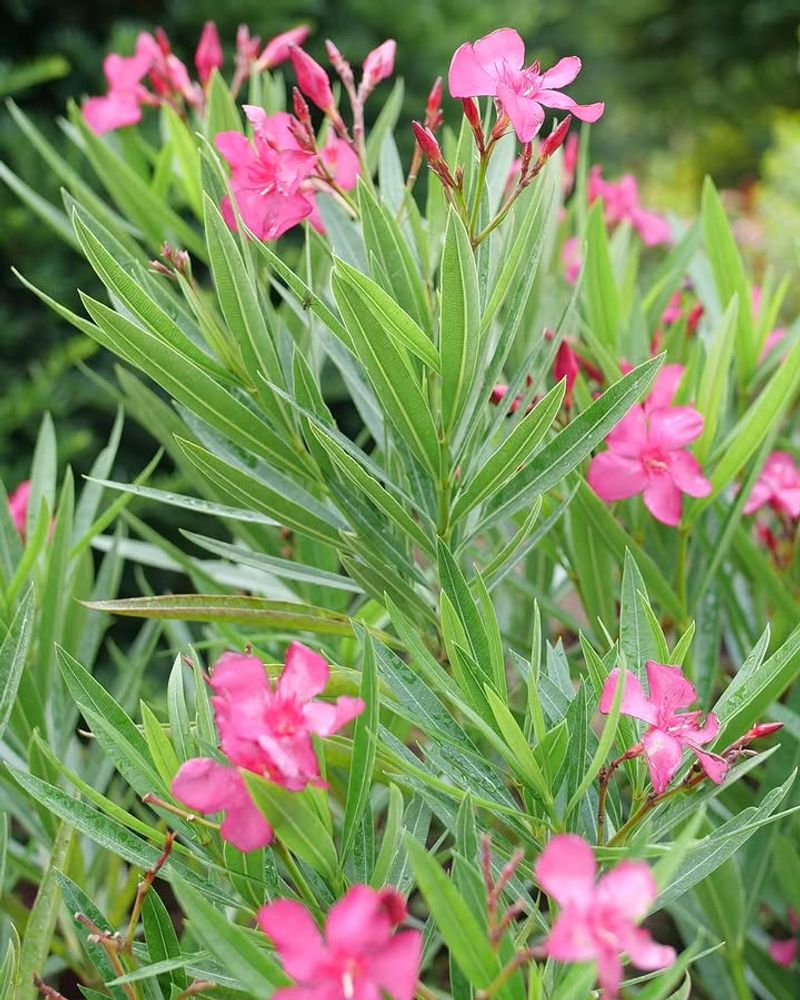
Not every yard is wrong for oleanders. On larger properties with wide open spaces, these plants can serve a real purpose as a tough, heat-resistant privacy screen.
Along busy roads or commercial lots, oleanders hold up well to exhaust, dust, and reflected heat from pavement. Few other plants tolerate those conditions as reliably in a desert climate.
They are also drought-tolerant once established, which matters in areas with strict water restrictions. A mature oleander hedge can survive on minimal irrigation compared to many other screening plants.
Properties where children and pets do not have regular access to the hedge area carry a lower concern about the toxicity issue. In those situations, the plant’s toughness becomes a bigger advantage.
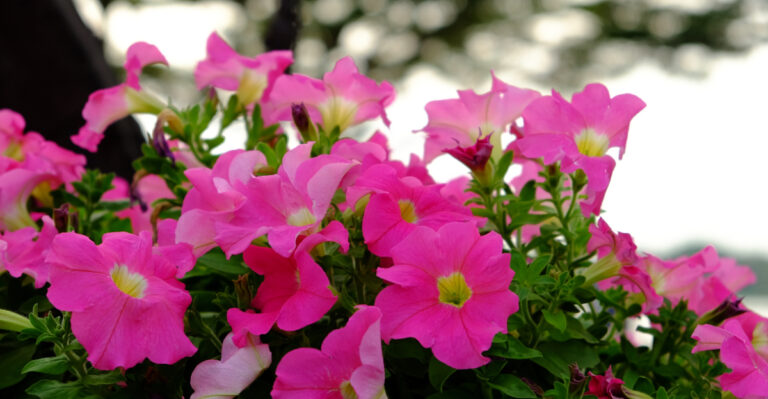
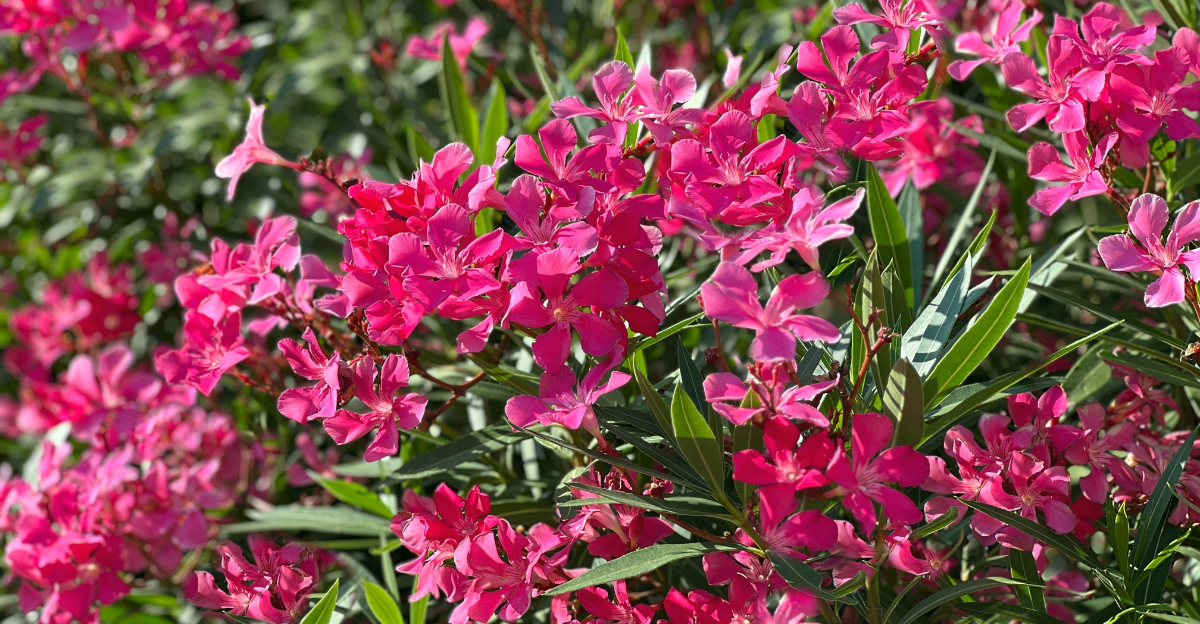
Oleanders in bloom are genuinely attractive. Pink, white, red, and yellow flower varieties add color during spring and summer when many other desert plants look sparse or dry.
If your property has the right conditions, including space, limited pet and child access, and a need for a tough privacy screen, oleanders can still be a reasonable choice.
Just go in with realistic expectations about maintenance and long-term management.
Knowing what the plant demands up front makes it much easier to decide whether the trade-off is worth it for your specific situation.
6. Their Roots Compete With Nearby Plants
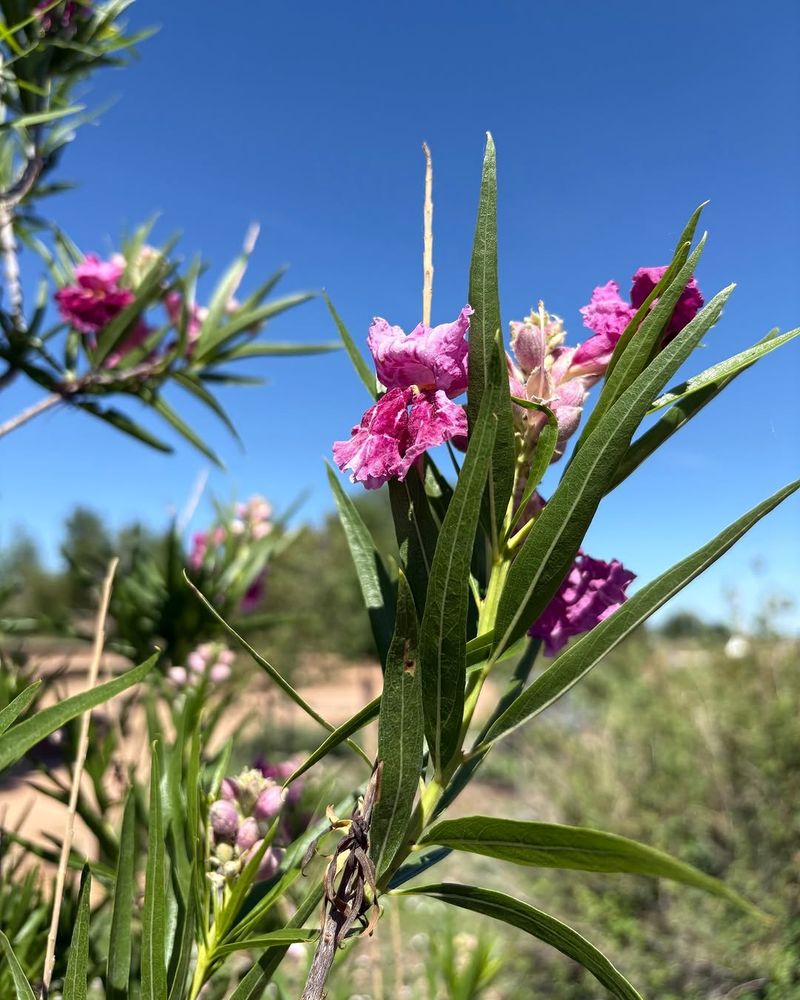
Oleander roots spread wide and compete aggressively for water and nutrients. Nearby plants, especially smaller shrubs and perennials, often struggle once oleander roots move into their zone.
Garden beds planted close to an established hedge can thin out over time. Flowers and ground covers that once thrived may start looking weak or fail to rebound after winter, even with regular watering.
Lawn areas near oleander hedges can also suffer.
Grass growing within a few feet of the root zone may show patchy growth or dry out faster than the rest of the yard.
Shallow irrigation systems like drip lines can get disrupted as roots expand. Lines may get pushed or blocked, leading to uneven water distribution across the yard.
Fruit trees or vegetable gardens planted too close to an oleander hedge can face nutrient competition as well. Root overlap in those areas tends to favor the oleander, which is simply a larger and more established plant.
Spacing garden beds at least six to eight feet from the hedge perimeter can help reduce competition, though exact spacing depends on soil type and how large the oleanders have grown.
Keeping a clear buffer zone gives nearby plants a better chance to thrive without fighting for the same resources every growing season.
7. Texas Ranger Makes A Better Hedge Choice
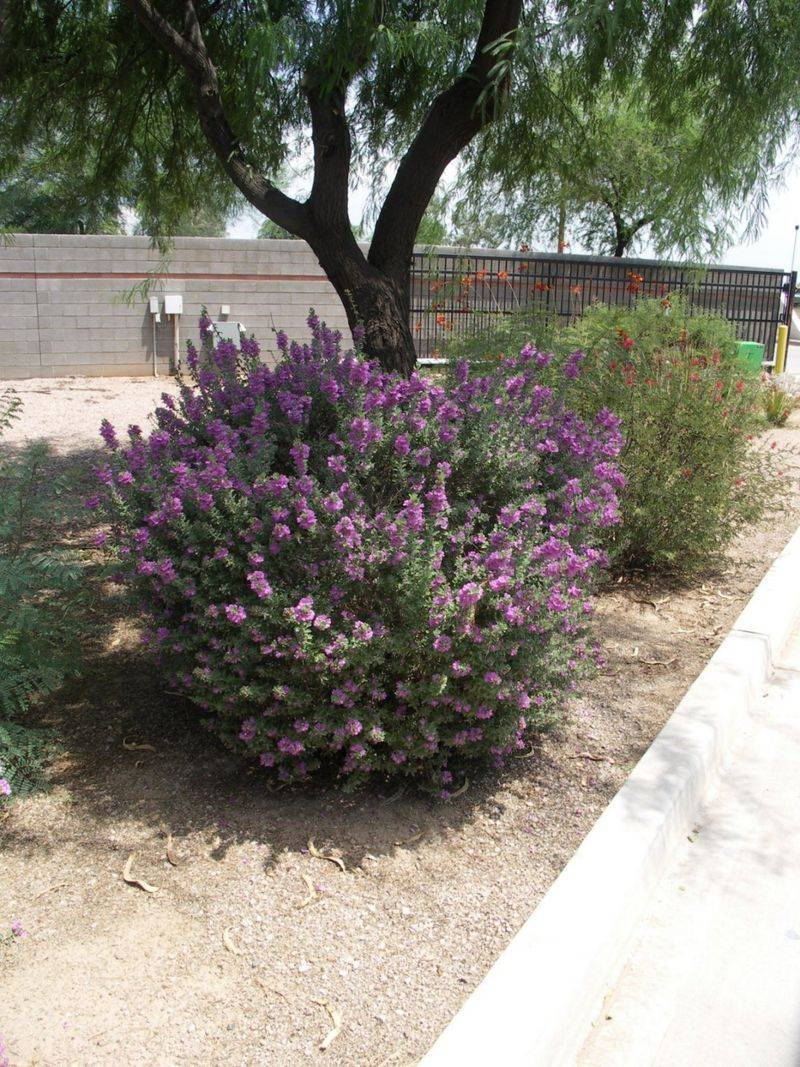
Texas Ranger, also called Leucophyllum frutescens, is a native Southwest shrub that handles heat, drought, and poor soil without much fuss. It is one of the most practical alternatives to oleander for desert hedges.
Mature plants typically reach six to eight feet tall and spread about four to six feet wide. That is a much more manageable size for most residential yards without constant heavy trimming.
After monsoon rains, Texas Ranger bursts into purple, pink, or white blooms almost overnight. That seasonal color display is one of its most appealing features for homeowners in the region.
Unlike oleanders, Texas Ranger is not considered toxic to people or pets, which makes it a more family-friendly option for yards with kids and animals. That alone makes it worth considering for many households.
It is also slower-growing than oleander, which means less frequent trimming and lower long-term maintenance demands.
Pruning once or twice a year is usually enough to keep the shape clean.
Water needs are low once the plant establishes itself, typically within one to two growing seasons. Texas Ranger fits well within desert-friendly landscaping guidelines in Arizona and performs reliably across a range of soil conditions.
For homeowners looking for a tough, attractive hedge without the trade-offs that come with oleander, this shrub is worth serious consideration.