Arizona Gardeners Grow These Strong Scented Herbs To Help Deter Squash Bugs
The first clue is usually small.
A few tiny eggs hiding beneath a squash leaf. A strange bug tucked near the stem. A zucchini plant that suddenly looks tired even though you watered it yesterday.
Squash bugs have a talent for showing up when the garden is finally getting comfortable. Arizona gardeners know that feeling.
One day the vines look full and healthy. The next day, something has started stealing the energy right out of them.
So what can you plant nearby to make your garden less inviting?
The answer is not a magic herb that sends every squash bug running. Gardens rarely work that way.
But some strong-scented plants can add another layer of protection by attracting helpful insects, confusing pests, or supporting a healthier garden balance.
A few herbs also bring extra benefits you will appreciate long after squash season ends. Fresh leaves for cooking. Flowers for pollinators. More variety around your vegetable beds.
Ready to see which plants deserve a spot near your zucchini and pumpkins? Some of these garden companions might already be sitting in your kitchen.
1. Basil
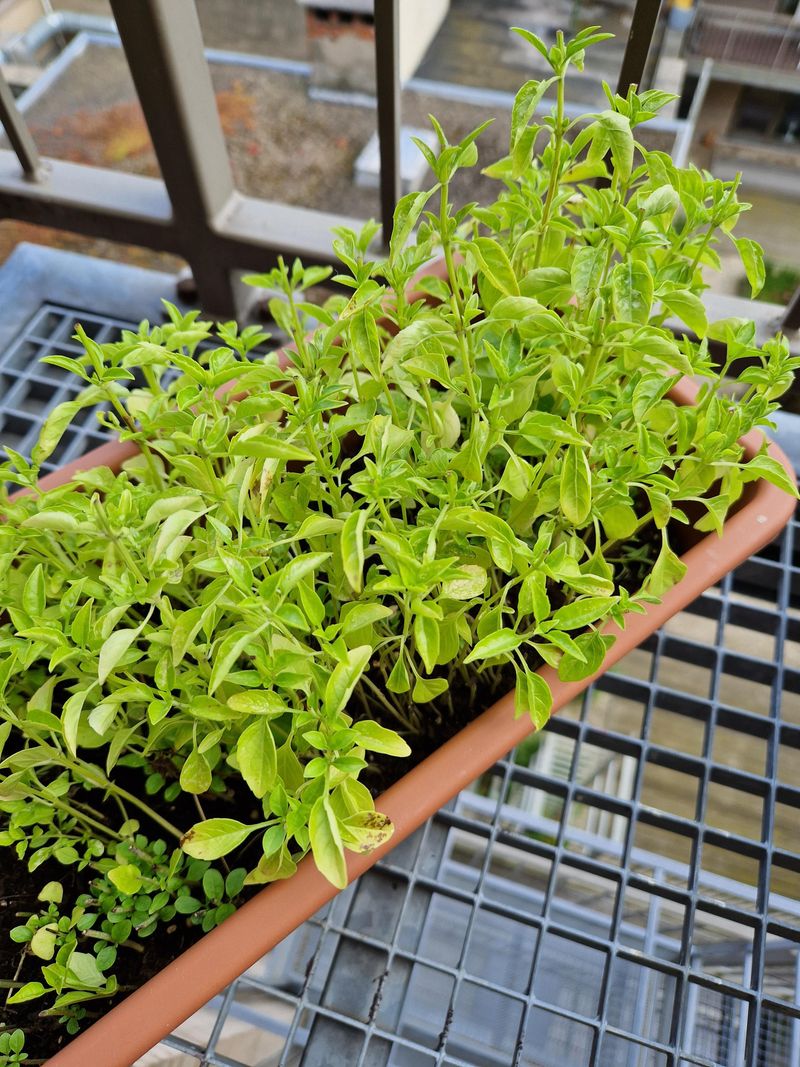
The smell of fresh basil is one of summer’s greatest garden rewards. For Arizona gardeners, it may also have a useful role near squash plants.
Basil does not work as a proven squash bug repellent, but its strong aroma makes it a popular companion plant among vegetable growers.
Research on companion planting is still developing, and results can vary from garden to garden. Still, basil brings several qualities that make it worth adding around cucurbits.
The biggest advantage is diversity.
A squash bed filled with only zucchini creates a very obvious target. Adding different plants changes the garden environment and can encourage more beneficial insects to visit.
Basil flowers attract bees and other small pollinators once allowed to bloom. Those visitors help create a more active ecosystem around your vegetables.
Arizona gardeners should place basil where it receives morning sun and some protection from the harshest afternoon heat.
The plant prefers consistent moisture, especially during triple-digit weather. A little afternoon shade can help prevent stress during the hottest part of summer.
Keep basil close enough to your squash plants that you can enjoy both together. A few plants around the edges of the bed can add fragrance, flowers, and extra garden activity.
The bonus is obvious. When you harvest basil leaves for dinner, you are also keeping your garden looking productive. A pest strategy that ends with fresh pesto is hard to complain about.
2. Mint
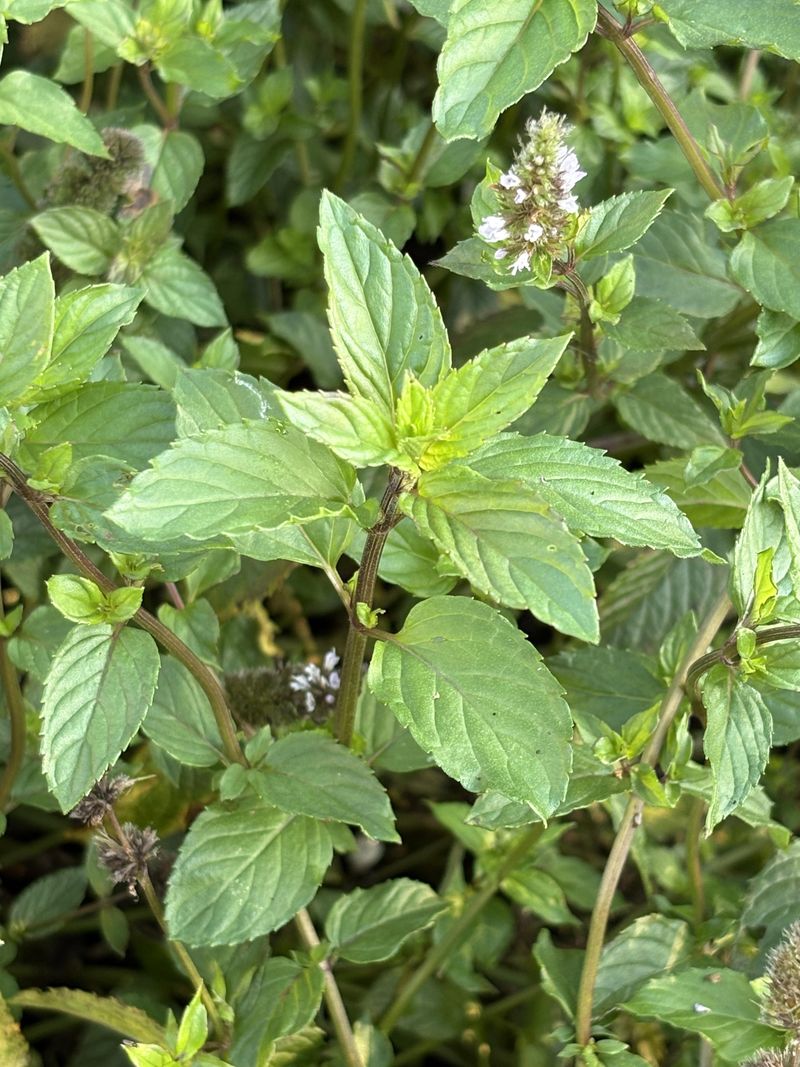
Mint is one of the strongest-smelling herbs you can grow, and that powerful aroma is exactly why many gardeners place it near problem areas.
Squash bugs are not confirmed to avoid mint, but aromatic herbs like mint are often included in companion planting discussions because their intense oils may influence insect behavior.
The evidence is not strong enough to promise protection, but mint can still play a useful supporting role.
There is one important warning.
Mint spreads aggressively.
A small plant can quickly become a large patch if planted directly in garden soil. Arizona gardeners often have better luck growing mint in containers placed near squash beds.
Your Arizona Garden Changes Every Week. Your Plan Should Too.
Gardening in Arizona changes quickly throughout the season. Every Friday you’ll receive a simple weekly plan showing exactly what to plant, prune, fertilize, harvest, and protect so you never miss the right timing.
You get the scent, the leaves, and the flowers without letting the roots take over every open space.
Mint flowers also attract beneficial insects. When allowed to bloom, it can bring small pollinators and predatory insects into the garden area. Those visitors may help create more balance around your squash plants.
Keep container-grown mint watered during Arizona heat. The soil in pots dries much faster than garden beds, especially during summer afternoons.
Place the container near your squash plants, along pathways, or around the edge of the garden. The strong scent adds another layer of complexity to the planting area.
Mint may not be the squash bug superhero gardeners wish for, but it is still a useful sidekick. Plus, having fresh mint nearby turns a regular glass of water into something much more refreshing.
3. Dill
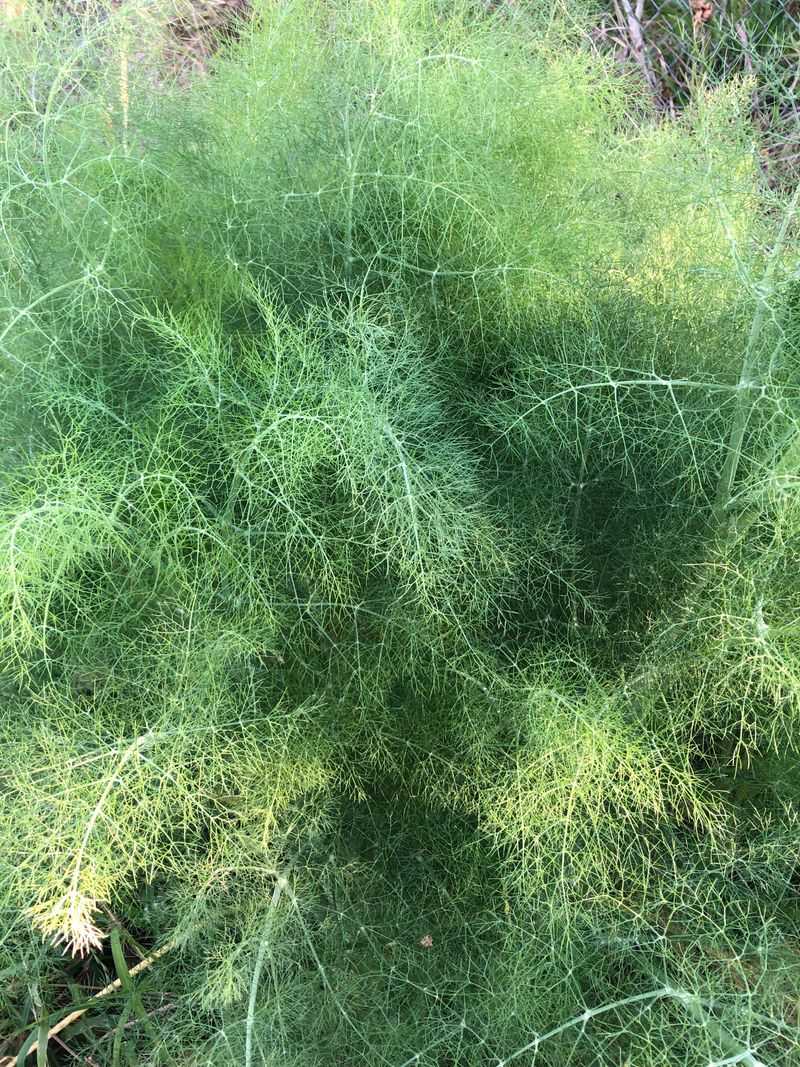
Dill brings a different kind of help to the squash garden. It does not chase squash bugs away, but it can invite some of the insects gardeners actually want around.
That makes it an interesting companion plant.
The feathery leaves and yellow flower clusters of dill attract beneficial insects, including some predatory species that feed on smaller garden pests. Those insects can help create a healthier balance around vegetable plants.
For Arizona gardeners, timing matters. Dill prefers cooler conditions and can struggle during the hottest part of summer. Starting it during late winter or early spring often gives the plant enough time to establish before extreme heat arrives.
Letting dill flower is where it becomes especially valuable. The umbrella-shaped blooms act like tiny landing pads for beneficial insects.
Hoverflies, lacewings, and other helpful visitors may spend more time in gardens that offer these resources.
Plant dill near squash, but avoid crowding the vines. Squash plants need plenty of airflow, especially in desert climates where watering and humidity can create their own challenges.
Dill also gives you something delicious for the kitchen. Fresh leaves add flavor to vegetables, sauces, and pickled recipes. The seeds have their own uses too.
A garden plant does not always need to scare pests away to earn its place. Sometimes the smarter move is creating an environment where helpful insects want to stay.
Dill does exactly that while adding a little flavor to your harvest.
4. Cilantro
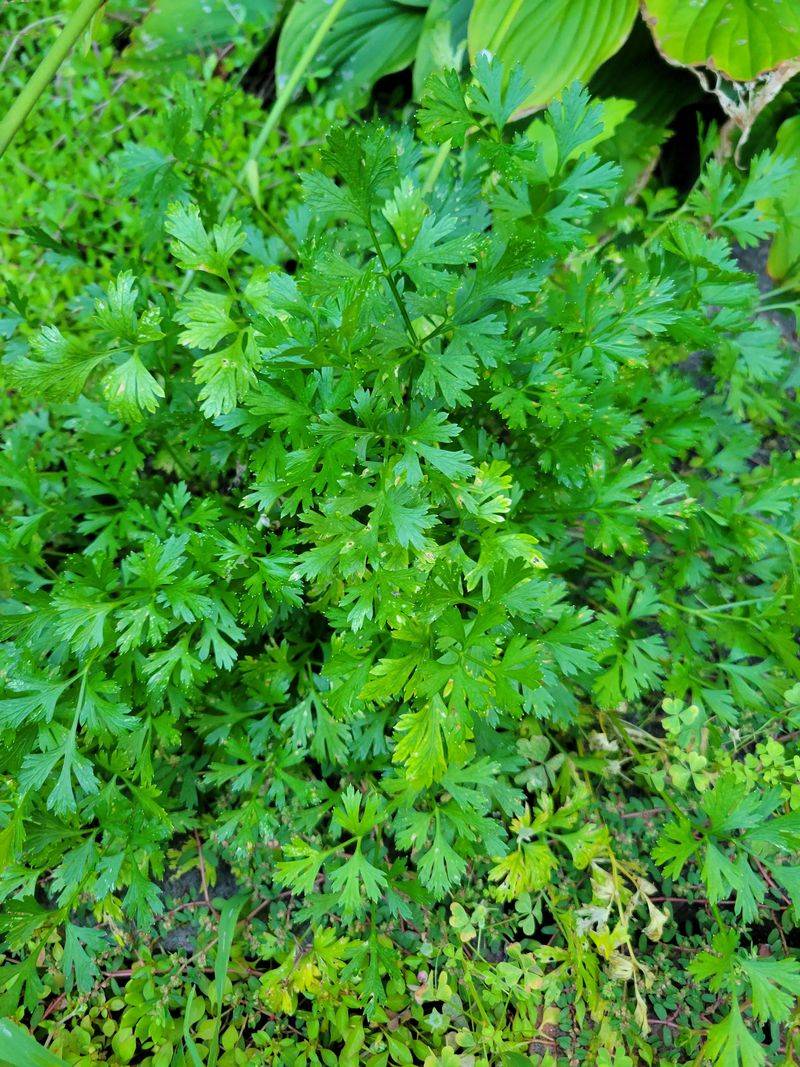
Cilantro is one of those herbs that divides people at the dinner table, but in the garden, it has a lot to offer.
For squash bug management, cilantro is not a direct shield. It does not create an invisible barrier around zucchini plants. Its value comes from the small ecosystem it helps build when it flowers.
Once cilantro bolts and produces its delicate white blooms, it becomes a magnet for beneficial insects. Tiny flowers attract hoverflies, parasitic wasps, and other helpful visitors that feed on or hunt smaller pests around the garden.
Those insects will not wipe out a squash bug population overnight, but they add another layer of support.
Arizona gardeners have to work around cilantro’s preference for cooler weather. The herb grows best during fall, winter, and early spring when temperatures are mild.
Summer heat pushes it to flower quickly, which is not always a bad thing if you want those beneficial insects visiting your garden.
Let some plants bloom instead of pulling every plant once leaves become less useful in the kitchen. Those little flower clusters can turn into busy insect highways around your vegetable beds.
Plant cilantro near squash beds during the cooler months, then allow some plants to complete their life cycle. The seeds can even be collected for future plantings.
A garden does not always need a loud solution. Sometimes a tiny herb with tiny flowers can quietly change what shows up around your vegetables.
5. Rosemary
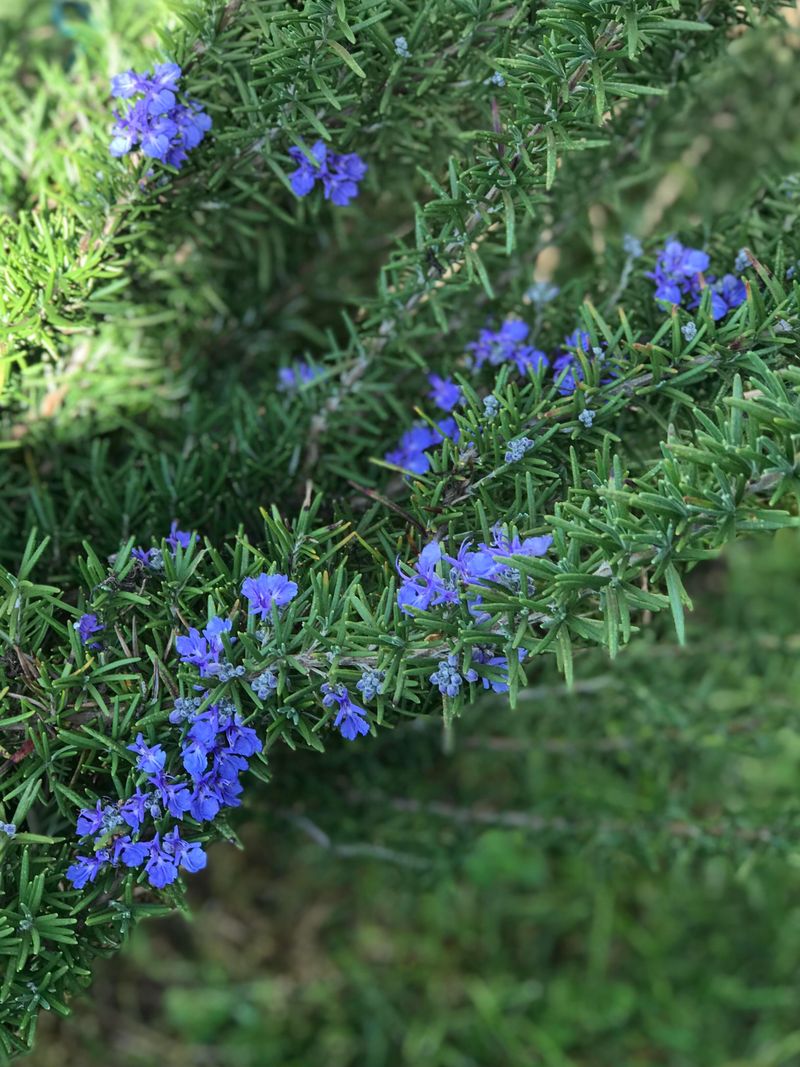
Rosemary brings a powerful scent, tough growth, and a reputation for being one of the easiest herbs to grow in Arizona.
That strong fragrance is why many gardeners place rosemary near vegetable beds.
While research does not confirm rosemary as a squash bug repellent, aromatic plants like this are often used in companion gardens because their oils create a more complex scent environment around crops.
Squash bugs usually locate plants through a combination of visual cues and plant odors. Adding strongly scented herbs nearby may make the area less straightforward for some pests, although it should never replace scouting and egg removal.
The good news is rosemary already fits Arizona conditions beautifully. It handles heat, prefers dry soil, and does not need constant attention once established. In fact, too much water can cause more problems than too little.
Plant rosemary along the edge of a squash bed where it receives full sun and has room to grow. The woody stems create structure in the garden, and the flowers can attract bees during bloom periods.
Avoid planting rosemary directly in constantly wet areas around squash irrigation zones. Squash likes more moisture than rosemary does, so placing them nearby but separately often works best.
The kitchen bonus makes rosemary even more appealing. Fresh sprigs can flavor roasted vegetables, breads, and summer meals.
A plant that survives Arizona heat, smells incredible, and adds garden diversity is already earning its space. Any extra pest-related benefit is simply another reason to grow it.
6. Thyme
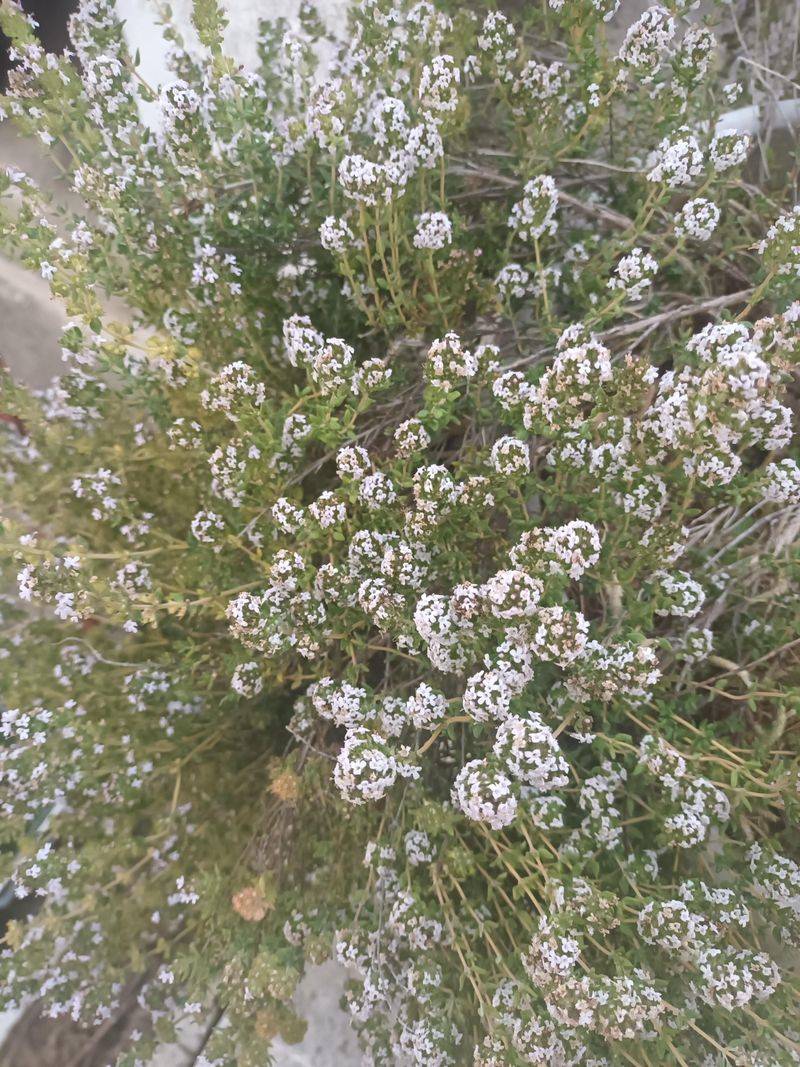
Small plant, strong personality.
Thyme may stay low to the ground, but it brings a powerful aroma that makes it a favorite among gardeners who enjoy using herbs as part of a mixed planting design.
Like rosemary, thyme has not been proven to stop squash bugs from reaching zucchini plants. Still, its strong essential oils and dense growth make it an interesting companion around vegetable gardens.
The biggest benefit comes from what thyme adds to the garden environment. When thyme flowers, it attracts bees and other small beneficial insects.
A garden full of different scents, textures, and blooms can support a wider range of insect activity compared with a simple row of one crop.
Arizona gardeners will appreciate thyme’s toughness. It handles heat well, prefers excellent drainage, and performs beautifully in dry landscapes.
That makes it a good match for desert gardens where many traditional herbs struggle.
Plant thyme along pathways, around raised beds, or near the outer edge of squash plantings. Avoid placing it where squash leaves will constantly shade it because thyme prefers plenty of sunlight and airflow.
The low-growing habit also makes it useful as a living border. It softens the edges of vegetable beds while adding fragrance every time you brush past it.
Thyme will not stand guard like a tiny garden security officer, but it can help create a healthier planting space. Plus, reaching down for fresh thyme while cooking dinner is a pretty satisfying garden habit.
7. Oregano
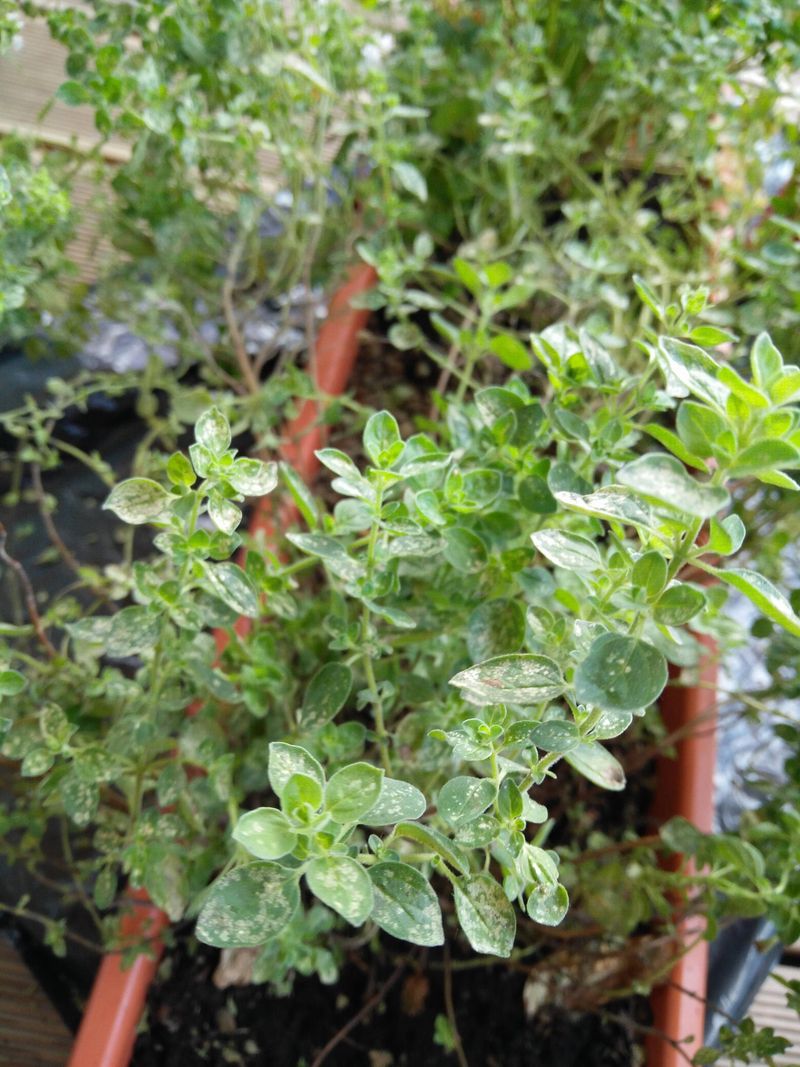
Oregano has a reputation for being tough, flavorful, and almost impossible to ignore. That strong personality carries into the garden too.
Many gardeners plant oregano near vegetables because of its intense aroma. The evidence that oregano directly deters squash bugs is limited, but its scent and flowers can still make it a useful addition around squash beds.
The flowers are the real attraction.
When oregano blooms, it becomes a busy stop for bees and other beneficial insects. Those visitors increase activity around the garden and help support a more balanced environment.
A healthy mix of plants often creates better conditions than a single crop standing alone.
Arizona gardeners should pay attention to oregano’s growth habits. In warm climates, it can spread steadily once established. That is great for filling spaces, but it can also compete with smaller plants if left unchecked.
Keep oregano near squash beds but give it boundaries. Raised beds, containers, or dedicated herb sections work well.
The plant also handles Arizona conditions nicely. It enjoys sun, tolerates dry periods once established, and usually needs less attention than many softer herbs.
Let some oregano flowers remain instead of cutting every stem for cooking. Those blooms may become one of the busiest areas in your garden.
Oregano might not chase squash bugs away, but it adds another layer of variety, attracts helpful visitors, and gives you a constant supply of flavor. A garden herb that works hard above and below the soil deserves attention.
8. Sage
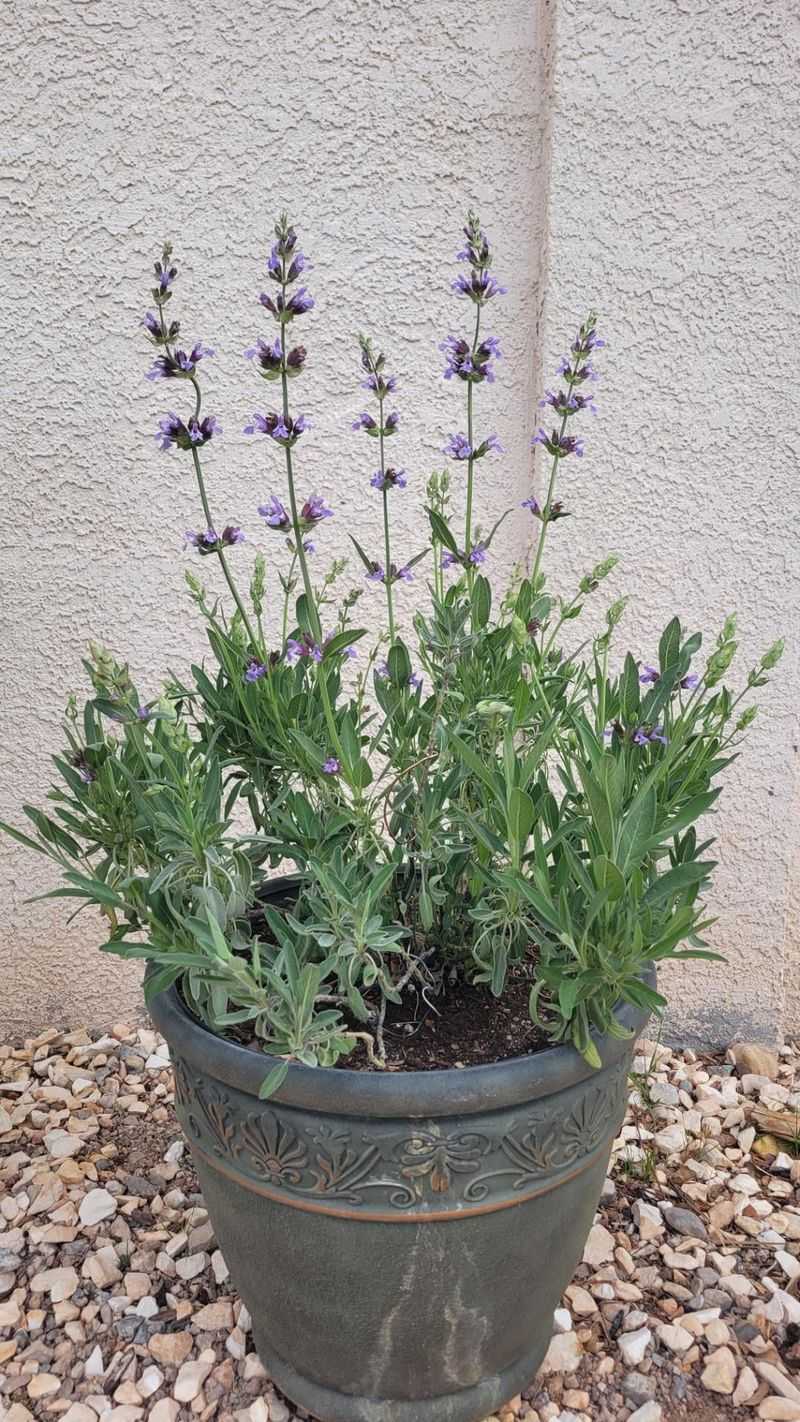
Sage is built for challenging gardens.
Its gray-green leaves, woody stems, and strong fragrance make it a natural fit for Arizona landscapes. While sage is not a guaranteed squash bug deterrent, its aromatic qualities are one reason many gardeners include it around vegetable areas.
The plant’s biggest strength is reliability.
Sage handles heat, dry conditions, and bright sun better than many common herbs. Once established, it usually needs much less water than squash plants, making placement important.
Put sage near the squash bed rather than directly inside the area receiving frequent irrigation.
Flowering sage adds another benefit. Its blooms attract bees and other pollinators, helping increase activity throughout the garden.
Some varieties produce purple, blue, or pink flowers that add color during periods when many plants are struggling with desert conditions.
Pruning helps keep sage compact and productive. Remove older stems and trim lightly after flowering to encourage fresh growth. Avoid heavy watering around the roots because constantly wet soil can stress the plant.
For squash gardeners, sage works best as part of a bigger plan. Pair it with regular leaf checks, egg removal, clean garden beds, and healthy watering habits.
A single herb rarely solves a pest problem by itself. But a garden filled with strong scents, useful flowers, and diverse plants becomes a much more interesting place for insects.
Sage brings toughness, beauty, and a little extra complexity to that garden conversation.