More Roadrunners Near Your Arizona Home Means Fewer Grasshoppers
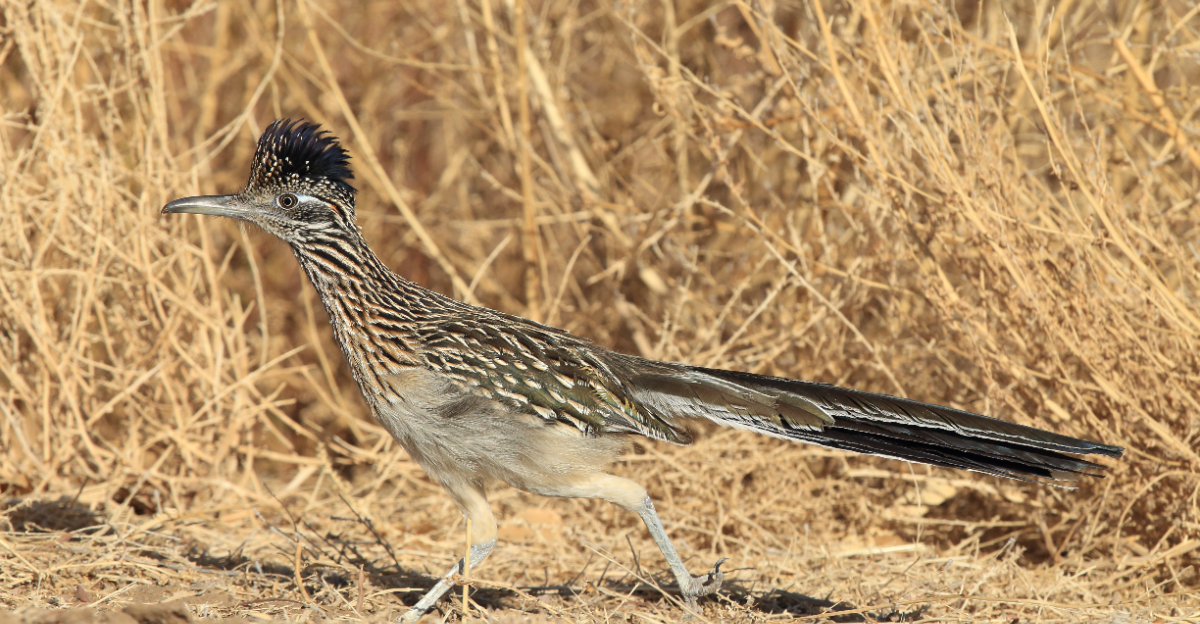
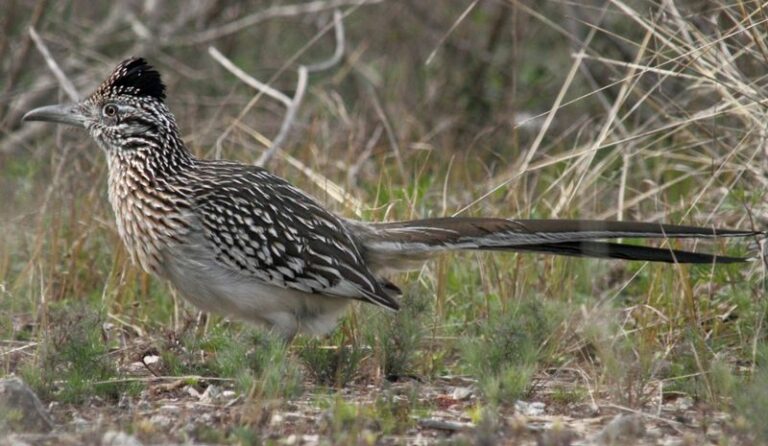
Seeing roadrunners dart across your yard can be entertaining, but their visits may also benefit your landscape. These quick desert birds spend plenty of time searching the ground for their next meal.
Grasshoppers are among the insects they readily eat, which can make regular hunting activity useful around gardens and planted areas. A busy roadrunner can cover surprising ground while searching through open spaces.
Arizona yards with suitable habitat may give these native birds more opportunities to hunt nearby.
You might notice them checking beneath shrubs, crossing gravel, or pausing near areas where insects are active.
Their presence does not mean every grasshopper will suddenly disappear. Natural predators simply add another layer of pressure that can help keep insect numbers more balanced.
Sometimes the most useful garden visitor arrives on two fast legs.
1. Roadrunners Naturally Hunt Grasshoppers Around Yards
Roadrunners are built for hunting. Watch one move through a yard and you will see just how focused and quick they are when prey is nearby.
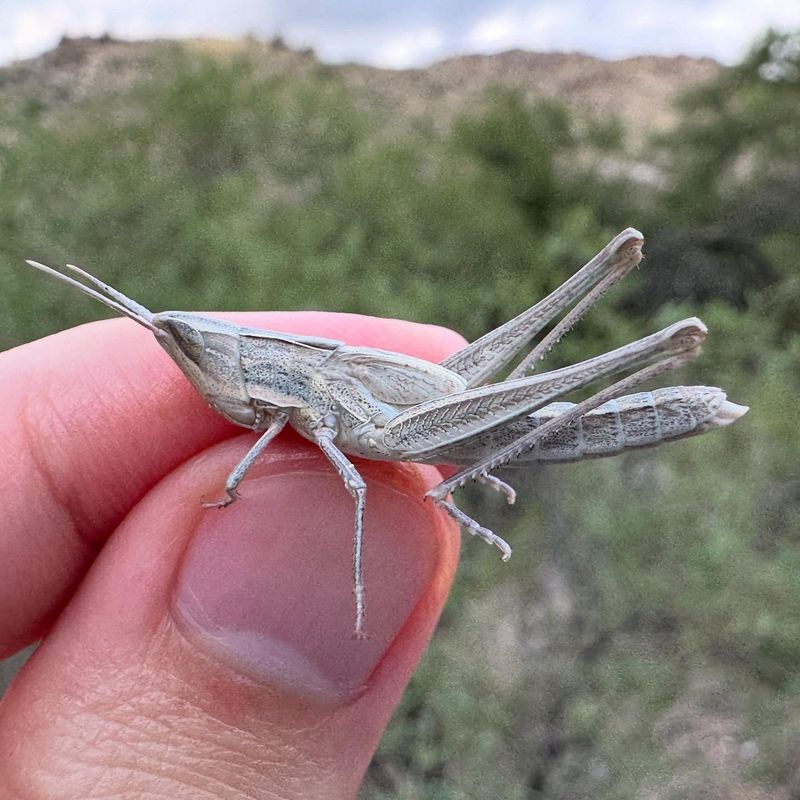
Grasshoppers are a regular part of a roadrunner’s diet. These birds use their sharp eyesight to spot movement on the ground, then sprint forward to catch insects before they can jump away.
They are surprisingly fast runners and can cover short distances in a burst when targeting prey.
Yards in the Southwest often attract grasshoppers because of the mix of dry grass, bare soil, and low shrubs. Roadrunners take advantage of exactly those conditions.
Open ground gives them room to sprint, and sparse vegetation lets them spot insects without obstruction.
Roadrunners do not rely on a single food source. They eat lizards, small snakes, beetles, and other insects as well.
But grasshoppers are easy targets, especially in summer when populations swell and the insects are active throughout the day.
Having a roadrunner patrol your yard regularly does not guarantee a grasshopper-free space. Populations depend on many factors, including season, habitat, and how many birds are active in your area.
2. Open Ground Makes Hunting Much Easier
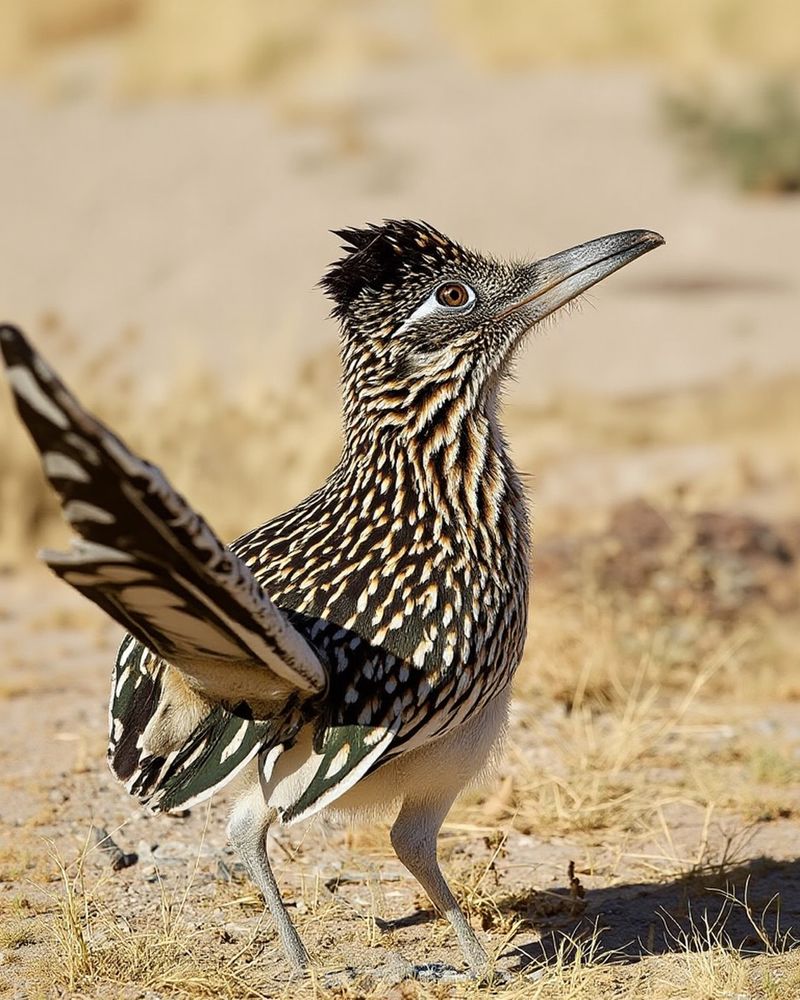
Bare ground is a roadrunner’s best hunting tool. Cluttered yards with dense groundcover make it harder for these birds to spot and chase insects effectively.
Roadrunners rely on speed and sight. When the ground is open, they can track a grasshopper’s movement from several feet away and close the gap fast.
Dense grass or heavy mulch slows them down and gives insects more places to hide.
Many Arizona yards naturally have patches of gravel, hard-packed soil, or decomposed granite. These surfaces are ideal for roadrunner hunting.
Grasshoppers that land on open ground have nowhere to hide quickly, which puts them at a real disadvantage.
You do not need a completely bare yard to attract roadrunners. A mix of open ground and scattered native plants tends to work well.
The open areas give the bird room to hunt, while the plants provide shade, shelter, and additional insects to chase.
Keeping some sections of your yard free from thick groundcover or overgrown grass can make a noticeable difference. Roadrunners are more likely to spend time in spaces where hunting feels productive.
Your Arizona Garden Changes Every Week. Your Plan Should Too.
Gardening in Arizona changes quickly throughout the season. Every Friday you’ll receive a simple weekly plan showing exactly what to plant, prune, fertilize, harvest, and protect so you never miss the right timing.
If they find consistent success in your yard, they may return on a regular basis.
3. Low Plants Give Them Better Hunting Space
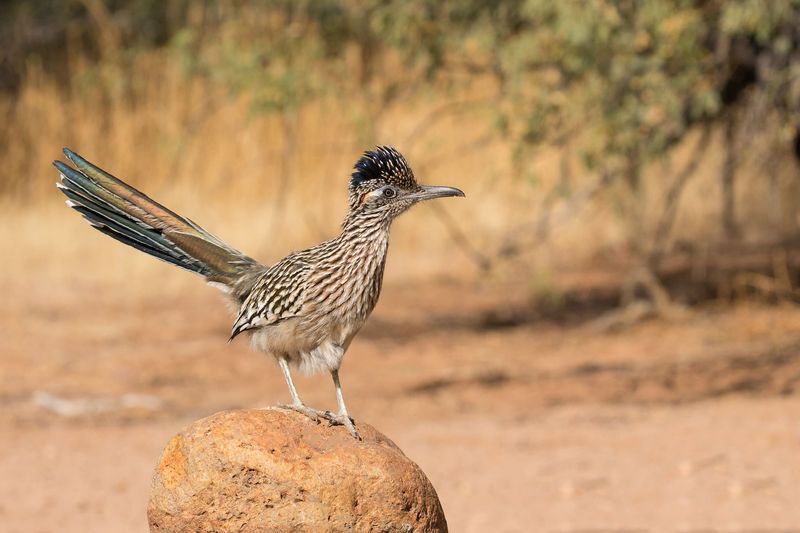
Plant height matters more than most people realize when it comes to roadrunner activity. Tall, dense shrubs can block a bird’s line of sight and limit where it can move comfortably.
Low-growing native plants create a habitat that works well for ground-hunting birds. Roadrunners can see over and around shorter plants, which helps them track grasshoppers that jump between stems or land on bare soil nearby.
Yards with a layered look, short plants in open clusters with clear ground between them, tend to attract more roadrunner activity. Spacing matters.
Plants that grow in tight, unbroken rows leave little room for a bird to sprint after fast-moving prey.
Native ground covers like desert marigold or blackfoot daisy stay relatively low and still support insect populations that roadrunners feed on. Pruning shrubs to stay under three feet can also help.
Less canopy coverage means more visibility at ground level, which is exactly what these birds prefer when hunting.
You do not need to overhaul your entire yard. Even clearing a few open corridors between plant groupings can improve conditions for roadrunner activity.
Small adjustments to plant spacing and height can make your yard feel more accessible to a hunting bird.
4. Native Yards Offer Plenty Of Natural Food
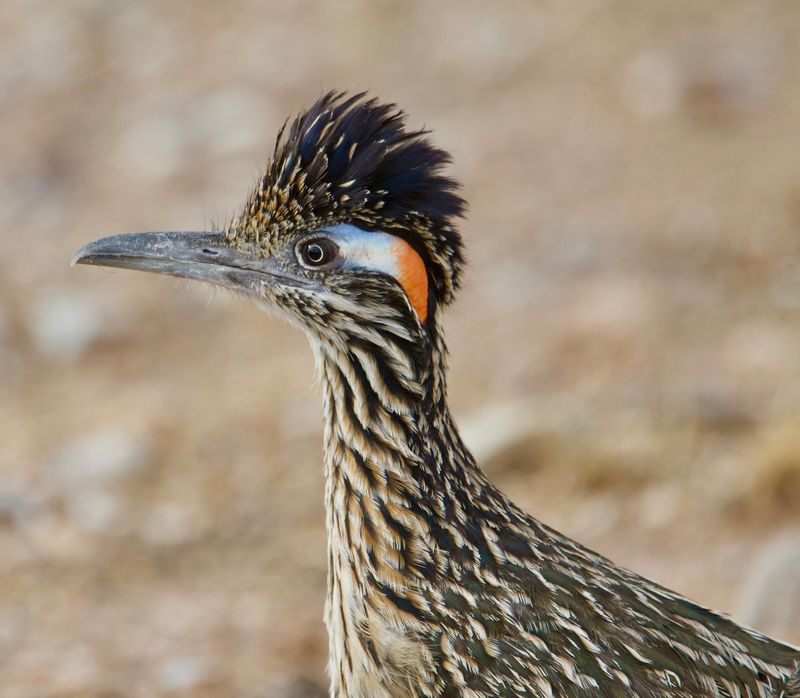
Native plants do more than look good in a desert yard. They support entire food webs, starting with insects, and roadrunners sit near the top of that local chain.
Grasshoppers and other insects are drawn to native vegetation because they evolved alongside those plants.
Yards planted with palo verde, desert sage, brittlebush, or wolfberry tend to attract higher insect activity than yards filled with non-native ornamentals.
More insects means more reason for a roadrunner to show up.
A yard full of native plants essentially becomes a buffet. Roadrunners do not just hunt grasshoppers.
They also eat beetles, caterpillars, and small lizards that native plantings attract. When multiple food sources are available in one space, these birds have strong incentive to return.
Non-native plants often support fewer local insect species, which reduces the food supply that roadrunners depend on. Swapping even a portion of your landscape to native species can shift the balance toward more wildlife activity overall.
Native yards also tend to need less water and maintenance once established, which is a practical bonus in dry climates. Building a yard that works with local ecology rather than against it creates conditions where roadrunners can thrive naturally.
5. Fewer Sprays Leave More Insects For Roadrunners
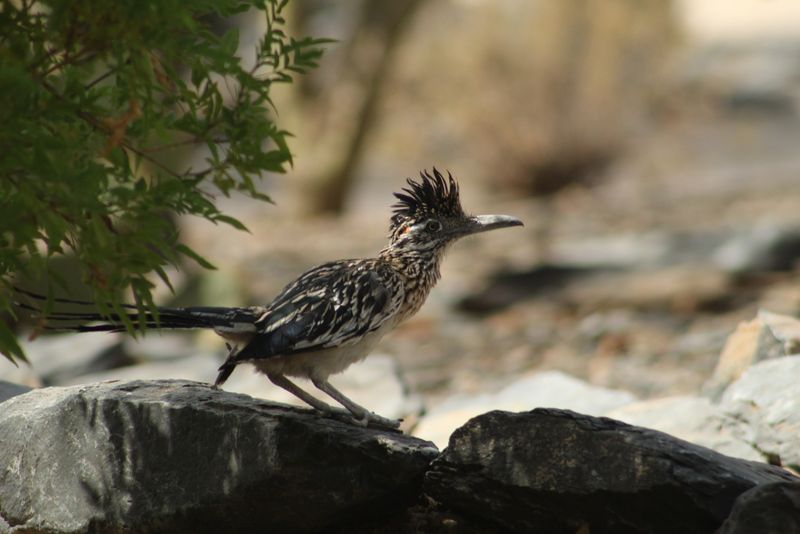
Pesticide sprays can wipe out a food source fast. When broad-spectrum insecticides are applied across a yard, they reduce the insect population that roadrunners depend on for food.
Grasshoppers are sensitive to many common sprays. So are beetles, caterpillars, and other insects that roadrunners regularly eat.
A yard treated heavily with pesticides may end up with fewer insects overall, which gives hunting birds less reason to visit or stay.
Skipping or reducing chemical treatments does come with trade-offs. Grasshopper numbers may feel higher in the short term.
But if roadrunners begin visiting more regularly, they can put natural pressure on those populations without the need for repeated spraying.
Spot treatments are a more targeted option if certain plants are being damaged. Applying a limited spray only to affected areas reduces the overall impact on the insect population across the rest of the yard.
Roadrunners can still find food in untreated zones.
Reducing pesticide use is not a quick fix. It takes time for wildlife to notice and respond to habitat changes.
But yards that rely less on chemicals tend to support more diverse insect activity, and that variety is exactly what draws roadrunners in.
6. Quiet Areas Give These Birds Room To Roam
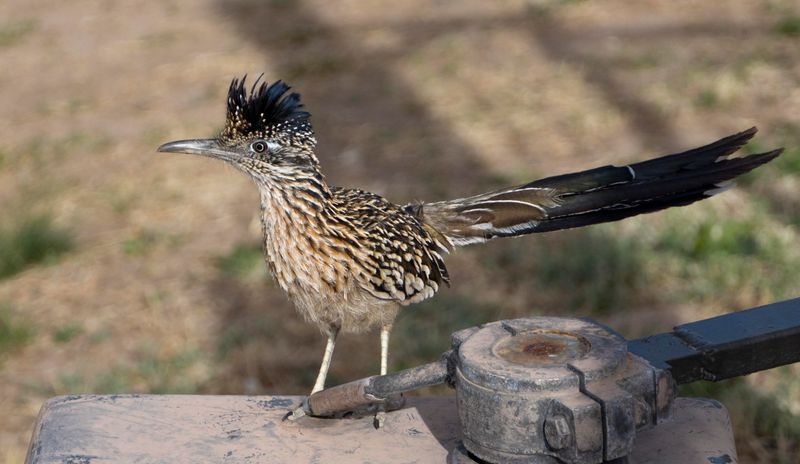
Noise and frequent human activity can push roadrunners away before they even get a chance to hunt. These birds are curious but cautious, and they prefer spaces where they feel safe enough to move around without constant disturbance.
Yards with heavy foot traffic, loud equipment, or free-roaming pets are less likely to attract regular roadrunner visits. A dog chasing a bird once can be enough to keep it from returning for days.
Cats pose an even more direct risk to ground-hunting birds that spend most of their time at low levels.
Creating a quieter corner of your yard can help. A section with minimal activity, away from high-traffic areas, gives roadrunners a zone where they feel comfortable enough to slow down and hunt.
Even a narrow strip along a fence line can serve that purpose.
Reducing outdoor noise during early morning hours also helps. Roadrunners are most active in the cooler parts of the day, especially in summer.
Morning is often when they do the most hunting, so keeping that window calm can make your yard more inviting.
You do not need to avoid your own yard. Small adjustments, like keeping pets inside during early hours or limiting lawn equipment use until midday, can be enough to create a more welcoming space.
7. Regular Visits Can Help Reduce Grasshopper Numbers
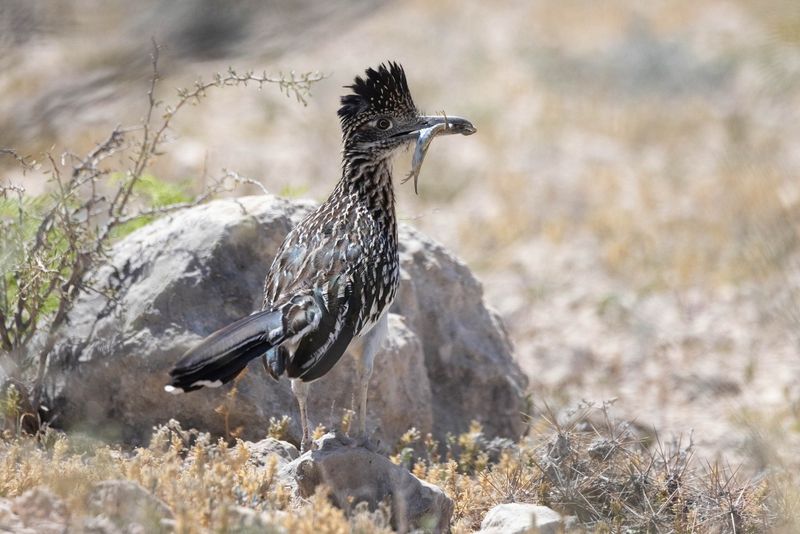
One roadrunner visit is not enough to make a dent in a grasshopper population. But regular visits over several weeks can actually shift the balance in a noticeable way.
Roadrunners that find food in a yard tend to return to that same location. They develop loose patrol routes and check back in spots where hunting has been successful before.
A yard that consistently offers grasshoppers and open hunting ground becomes a regular stop on that route.
Grasshopper populations in the Southwest peak during summer and early fall. That timing lines up with when roadrunners are most active and most in need of reliable food sources.
A yard that supports hunting during those months gets the most benefit from repeated bird visits.
Reduction in grasshopper numbers is gradual. Roadrunners are not going to clear an infestation in a day or two.
But over a full season, consistent predation can lower the local population enough that plant damage becomes less severe and visible.
Supporting repeat visits means keeping the yard conditions stable. Open ground, low plants, reduced spraying, and minimal disturbance all contribute to making your space a reliable hunting spot.
No single factor guarantees results, but combining several of these conditions gives roadrunners strong reasons to keep coming back.