The Bird Bath Habits That Create Tick Problems In Ohio Yards
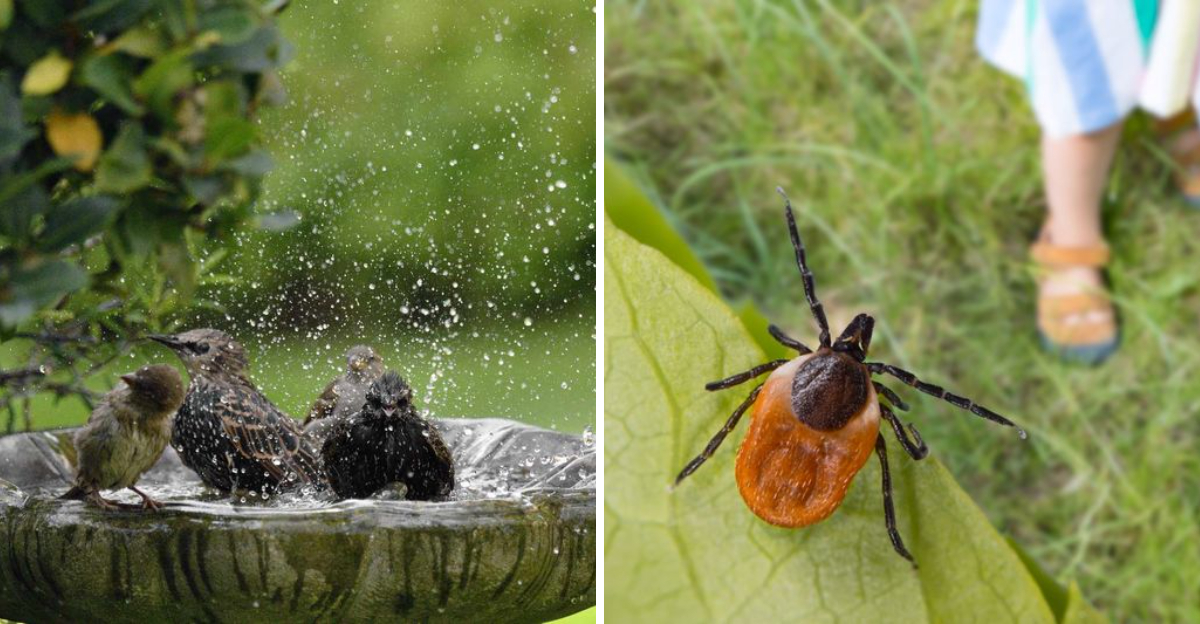
Bird baths and tick problems do not seem connected. One is a wildlife feature.
The other is a yard pest issue. In Ohio summers, the habits around a bird bath can quietly bridge that gap in ways that take a full season to notice and longer to connect back to the source.
Ticks need moisture. Consistent ground level humidity is what keeps them active, mobile, and surviving through stretches of Ohio summer that would otherwise push them into dormancy.
Certain bird bath habits create and sustain exactly that moisture in the spots closest to where people spend time outdoors. The bird bath itself is not the problem.
What happens around it, how water gets managed, where it drains, and what grows in the consistently damp ground beneath it, determines whether that feature is working for the yard or quietly against it. One habit change makes a real difference.
The bird bath stays. The tick habitat does not have to.
1. Stop Placing Bird Baths In Brushy Shade
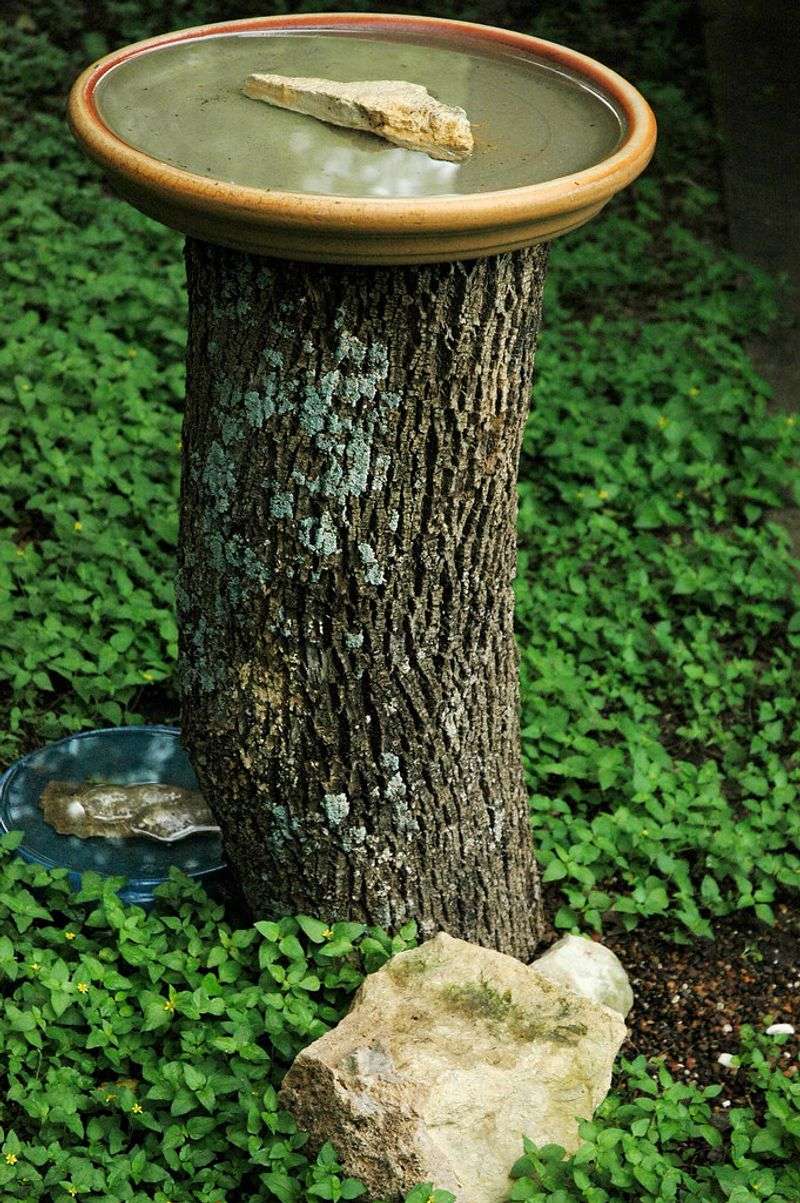
A shaded basin tucked under dense shrubs might look like a peaceful garden feature, but that placement can quietly work against you. Ticks are not coming from the water in the bath.
They do not hatch or live in bird bath water the way mosquito larvae do in standing pools. Mosquitoes and ticks have completely different life cycles, and mixing them up leads to the wrong solutions.
The real concern with a brushy, shaded location is the surrounding habitat. Ticks are more likely to survive in cool, humid areas sheltered by dense vegetation and leaf litter near the ground.
OSU Extension resources note that shaded, moist environments near wooded edges and brush piles are common tick zones in Ohio yards. Placing a bird bath in that kind of spot can pull people and pets right into that zone without them realizing it.
Moving the bath to a more open, sunlit area can help. Birds still enjoy water in a sunny spot, and the exposed location is easier to clean and monitor.
A location with at least partial sun dries out faster after rain. Keep a few feet of clear space around the base so the area stays visible and accessible.
The bath does not need to disappear. It just needs a smarter address.
2. Clear Leaf Litter Around The Basin
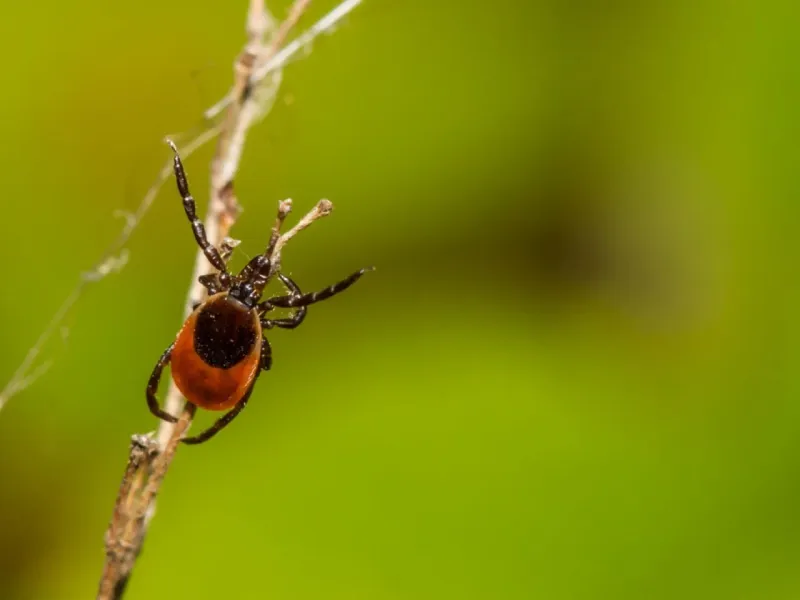
Damp leaves piled around a bird bath base might seem harmless, but they can create a cozy shelter zone at ground level. Ticks need humidity and protection to stay active between hosts.
Leaf litter holds moisture close to the soil and gives ticks a buffer from heat and dry air. Ohio university extension sources note that reducing leaf litter near homes, paths, and pet areas is a practical step.
It can help lower tick exposure risk.
Raking leaves away from the bird bath is a simple but useful habit. You do not need to strip every leaf from your Ohio yard.
Leaves have real ecological value and can support insects, birds, and soil health in managed areas. The key is placement.
Your Ohio Garden Changes Every Week. Your Plan Should Too.
Gardening in Ohio changes quickly throughout the season. Every Friday you’ll receive a simple weekly plan showing exactly what to plant, prune, fertilize, harvest, and protect so you never miss the right timing.
A leaf pile in a far corner near a natural border is very different from a damp mat at the base of a bird bath. That spot is where kids and pets may pass through daily.
Try to keep a clear ring of a few feet around the basin. Move raked leaves to a compost area or a wildlife zone set well away from high-traffic spaces.
Keeping the base of the bath visible and dry reduces the kind of moist, sheltered ground cover that can make the spot more tick-friendly over time.
3. Keep Tall Grass Away From The Water
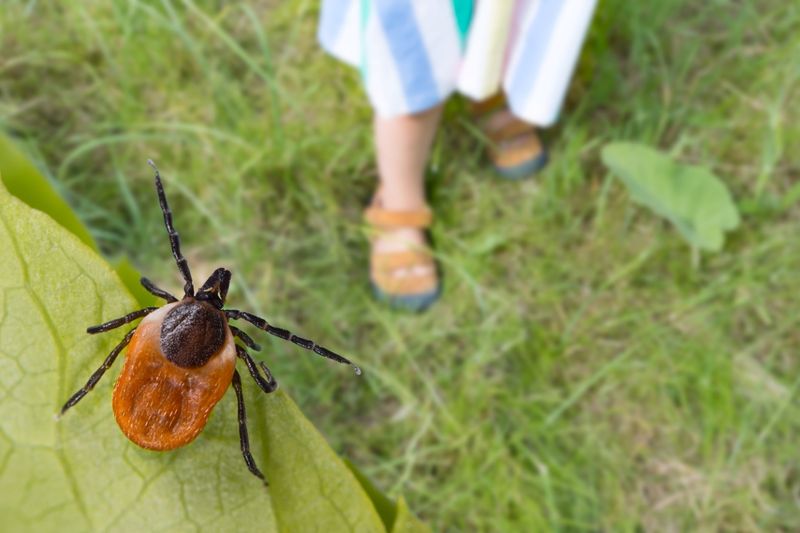
Picture a bird bath sitting in the middle of an unmowed weedy patch, with grass brushing the basin edge and stems leaning over the base. Every time someone walks up to refill the water, legs and shoes push through hidden vegetation.
That kind of setup creates easy tick contact without anyone noticing until it is too late.
CDC tick-prevention guidance recommends mowing grass regularly and keeping lawn edges trimmed, especially near areas where people and pets spend time. Tall grass and weedy borders can offer ticks the kind of low-lying, humid cover they prefer.
Ticks often wait on grass blades and low vegetation for a passing host, a behavior researchers call questing. A bird bath in a weedy spot creates a natural gathering point where host traffic and tick cover overlap.
Trimming a clean ring of short grass around the bird bath makes a real difference. Keep the access path to the basin mowed as well so you are not brushing through overgrown stems every time you refill or clean it.
Wet grass leaning over the basin edge can also drip water around the base, keeping the soil damp longer. A neat, trimmed zone around the bath is better for you, your pets, and your birds.
You do not need to mow the entire yard short. Just keep the bird bath zone tidy.
4. Move Feeders That Spill Seed Nearby
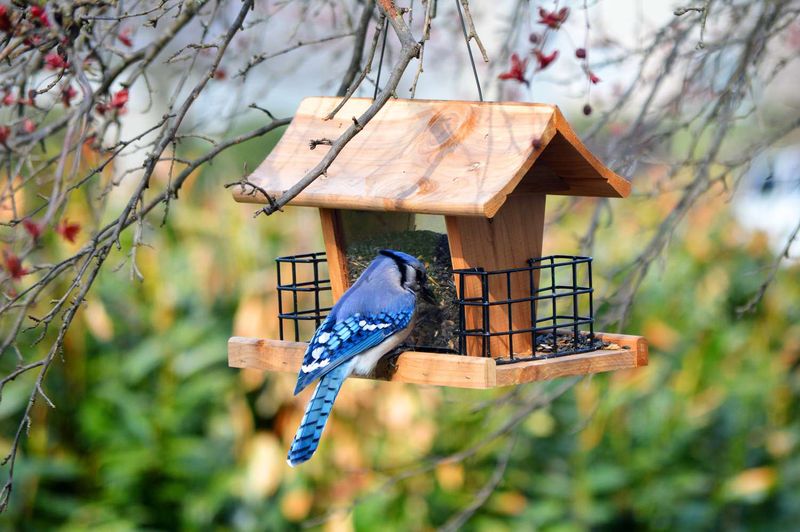
Seed hulls scattered under a feeder might look like a minor mess, but they can attract rodents and small mammals that play a role in tick life cycles.
White-footed mice, for example, are known reservoir hosts for Lyme disease bacteria, and they are common in Ohio yards and wooded edges.
When a bird feeder sits right next to a bird bath, the combination of spilled food and water can create a reliable wildlife hub that draws more than just songbirds.
OSU Extension resources and public-health guidance note that reducing conditions that attract rodents near homes and yards is part of smart tick-risk management.
Moving a seed feeder away from the bird bath puts some distance between the water source and the seed mess.
That separation makes the area around the bath less attractive to small mammals that could carry ticks into your yard.
Cleaning up seed hulls regularly also helps. Using a tray under the feeder or switching to no-mess seed blends can cut down on ground piles.
Avoid leaving food on the ground overnight. Feeding birds is a wonderful hobby, and offering fresh water nearby is genuinely helpful for wildlife.
The problem is not the feeder or the bath on their own. The problem is letting a messy, wildlife-heavy zone build up around both of them without any upkeep.
5. Stop Letting Pets Lounge Under The Bath

Dogs love a cool, shaded spot on a warm afternoon, and the area around a bird bath often fits that description perfectly. Shade, damp soil, and nearby vegetation make it an appealing rest spot for pets.
But those same features can make it a risky zone for tick contact. A dog resting or wandering through tall grass, leaf litter, and brushy cover near the bath can pick up ticks without any obvious sign until you find one during a check.
Outdoor cats face similar risks and can also bring ticks inside. Cats that hunt birds near feeders and baths add another layer of concern.
Bird conservation guidance reminds readers that outdoor cats can threaten songbird populations. They can also pick up ticks from the same brushy, shaded habitat that puts dogs at risk.
Veterinarian-recommended tick prevention is one of the most reliable tools for protecting pets. Talk to your vet about the right product for your dog or cat based on your yard, local tick activity, and your pet’s health.
Do not rely on unverified home remedies or off-label treatments. Beyond prevention products, check pets carefully after every yard session, especially around the ears, between toes, and under the collar.
Keeping pet resting areas away from the bird bath zone adds one more layer of protection without requiring major changes to your yard setup.
6. Dry Out Muddy Spots Around The Base
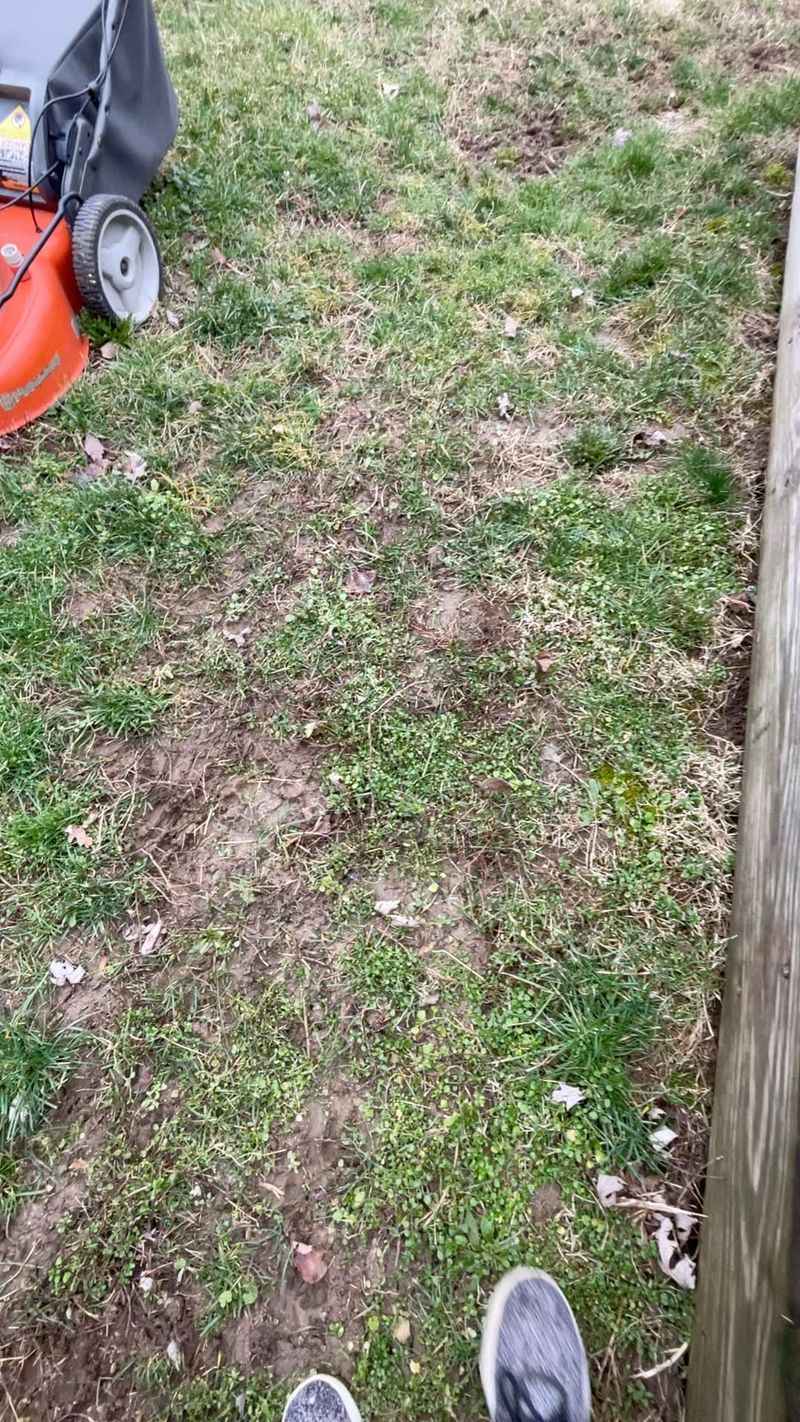
A splashy bird bath may seem like a minor inconvenience. But persistently wet soil around the basin can make the immediate area more hospitable to ticks.
Research and public-health guidance consistently point to humid, sheltered microhabitats as the kind of environment where ticks are more likely to persist between hosts. Hot, dry, fully exposed soil is far less inviting to them.
Fixing a muddy splash zone does not require a major landscaping project. A stable paver or gravel pad under and around the basin can help absorb overflow and keep the ground from staying waterlogged after refills or rain.
Make sure the bath itself is level so water does not tip and pool on one side. If overflow consistently runs toward a shaded area with leaf litter or dense plants, redirecting that drainage makes sense.
Moving the bath to a spot with better natural drainage is worth considering if the muddy problem keeps coming back. Drying out the ground around the base will not eliminate every tick in your yard.
Tick populations are tied to much broader habitat factors including nearby wooded areas, host animals, and regional weather patterns. Removing a consistently damp patch beside a daily standing spot is practical.
It costs little effort and reduces one small but real tick-risk factor near your bird bath.
7. Create A Clean Border Between Woods And Lawn

Wooded edges and brush lines are among the most common tick-risk zones in residential yards. The transition between a mowed lawn and an overgrown wooded border is where ticks often concentrate.
They wait there for deer, rodents, and other hosts to pass through. Placing a bird bath near that transition can pull people and pets into that risk zone more often than they might realize.
CDC tick-prevention guidance for Ohio homeowners specifically focuses on reducing leaf litter, tall grass, and brush near homes and high-traffic areas.
Creating a clear physical border between your lawn and any wooded or brushy edge is one of the most practical steps you can take.
A strip of wood chips, gravel, or closely mowed grass between the lawn and tree line can create a drier, more exposed zone. Ticks are less likely to cross it regularly.
Keeping the bird bath well inside the open lawn area and away from that wooded transition is a smart placement choice. Birds will still find the water.
They are excellent at locating reliable sources. You do not need to remove trees, shrubs, or natural habitat from your property to reduce tick risk.
Keep the bird bath and nearby spaces clearly separated from brushy, shaded, wildlife-heavy edges. Those are the yard areas where tick activity tends to be highest.
8. Keep Birds Visiting Without Welcoming Ticks
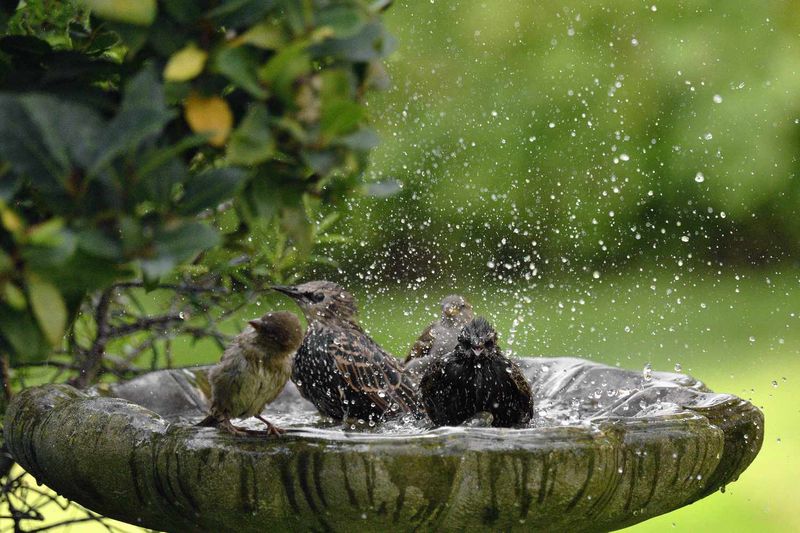
A well-placed bird bath is genuinely good for wildlife. Fresh, clean water helps birds stay hydrated, supports their feathers, and gives them a reliable resource during dry spells.
None of that has to change. The goal is not to remove the bath but to manage the zone around it with a little more intention.
Start with placement. Choose a spot that gets some sun, dries out quickly after rain, and sits away from wooded edges and brushy borders.
Trim the grass around it regularly, clear leaf litter from the base, and fix any drainage problems that leave the ground soggy.
Move seed feeders to a separate area so the bird bath zone does not become a wildlife traffic hub with spilled food, rodent activity, and dense cover all in one spot.
Check pets after yard time and use veterinarian-recommended tick prevention year-round if you live near wooded or brushy areas. Keep the border between your lawn and any tree line clear and well-defined.
Clean the bird bath basin every few days to keep the water fresh and prevent mosquito development. Mosquitoes, unlike ticks, can use standing water to breed.
The basin is not the problem. The neglected ring of damp shade, leaf litter, tall grass, and wildlife cover around it is where tick risk quietly builds.
Tidy that ring, and you protect both your yard and your birds.