Arizona Homeowners Are Using Catclaw Acacia To Cover Tough Desert Slopes
Steep desert slopes have a way of exposing every weakness in a landscaping plan. Loose soil, blazing sun, and limited water can make these difficult spaces frustrating to cover with plants.
Catclaw acacia brings something different to the challenge. This rugged desert native grows naturally in harsh places where many familiar landscape choices would need far more attention.
Homeowners in Arizona may appreciate how comfortably it fits into dry, rocky surroundings. Its spreading growth can also bring texture and greenery to slopes that otherwise look bare.
Still, this is not a shrub to plant without thinking about placement. Those hooked thorns deserve serious consideration around paths and busy areas.
Give it enough room, and its tough character becomes an advantage.
For the right slope, catclaw acacia can make difficult ground far more interesting.
1. Steep Desert Slopes Need Plants That Handle Tough Conditions
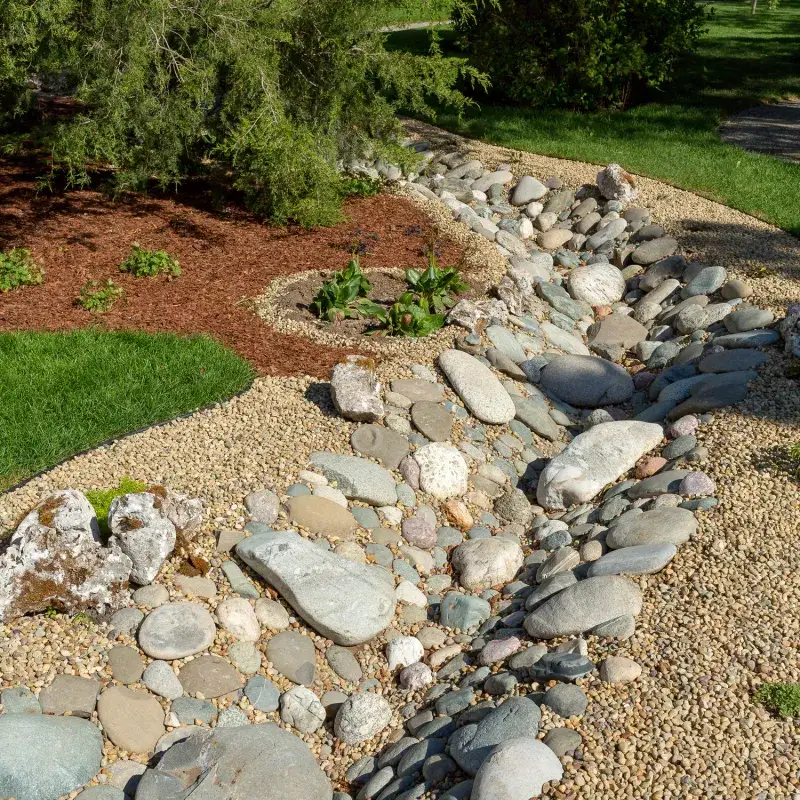
Steep slopes in the desert Southwest are brutal on plants. Soil washes away fast, roots struggle to anchor, and the sun bakes everything from above.
Most ornamental plants cannot survive those conditions for long.
Slopes facing south or west get the worst of it. Temperatures near the soil surface can spike dramatically during summer afternoons.
Shallow-rooted plants often fail within a single season.
Native plants adapted to this region have a real advantage. They evolved in harsh, rocky terrain with unpredictable rainfall and extreme temperature swings.
Catclaw acacia fits that profile well.
Slopes also need plants that spread without much help. A plant that stays compact will leave large gaps where erosion can sneak back in.
Catclaw acacia tends to spread laterally over time, which helps fill those open patches.
Root depth matters just as much as canopy spread. Deep roots grip the soil and hold it in place during heavy monsoon rains.
Catclaw acacia develops a strong root system that works well on uneven, rocky ground.
Not every plant labeled drought-tolerant can handle a true desert slope. The combination of heat, poor soil, and steep grade is a tough test.
Catclaw acacia has a solid track record in exactly these kinds of spots across the region.
2. Catclaw Acacia Handles Heat And Dry Soil Well
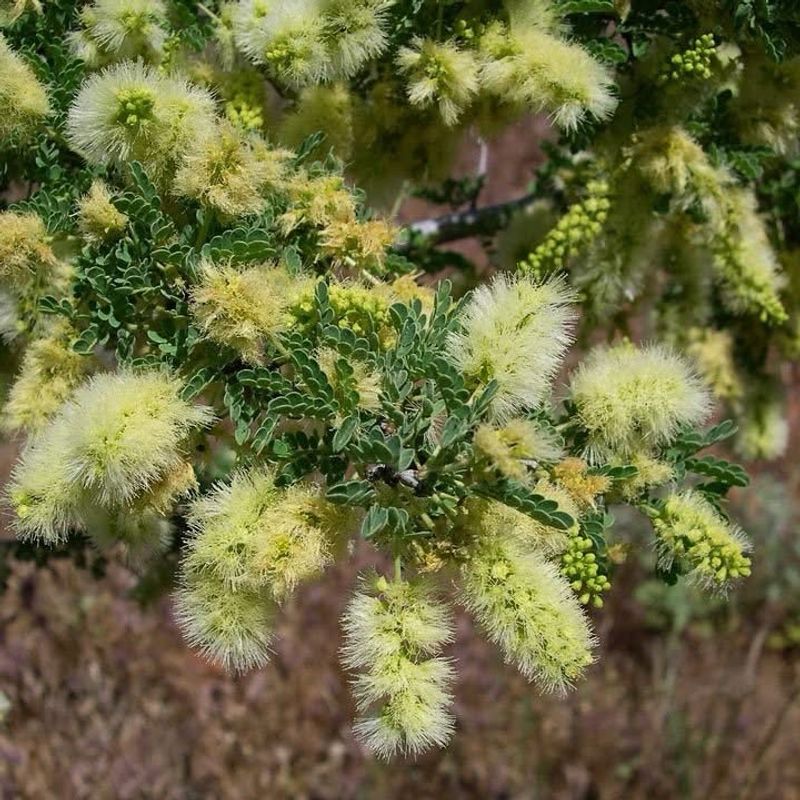
Few plants shrug off triple-digit heat the way catclaw acacia does. It grows naturally across the Sonoran and Chihuahuan deserts, where summer temperatures regularly climb past 105 degrees Fahrenheit.
That kind of heat exposure has shaped it into a remarkably resilient plant.
Dry soil is not a drawback for this shrub. It actually prefers well-drained, low-nutrient soil over rich garden beds.
Overwatered or waterlogged roots can cause more problems than drought conditions ever would.
Established plants pull moisture from deep in the soil profile. During dry spells, they slow their growth rather than showing immediate stress.
That adaptive response helps them survive extended dry periods without much visible damage.
Sandy, gravelly, or caliche-heavy soils are common in desert landscapes. Most garden plants struggle in these conditions.
Catclaw acacia handles them without much complaint, making it a practical fit for slopes where soil quality is often poor.
Your Arizona Garden Changes Every Week. Your Plan Should Too.
Gardening in Arizona changes quickly throughout the season. Every Friday you’ll receive a simple weekly plan showing exactly what to plant, prune, fertilize, harvest, and protect so you never miss the right timing.
Heat reflected off rocks and walls can raise local temperatures even further. Slopes amplify that effect.
A plant that already tolerates open desert heat has a better shot at surviving those hot pockets than something brought in from a cooler climate.
3. Rocky Ground Is Not A Problem For This Desert Native
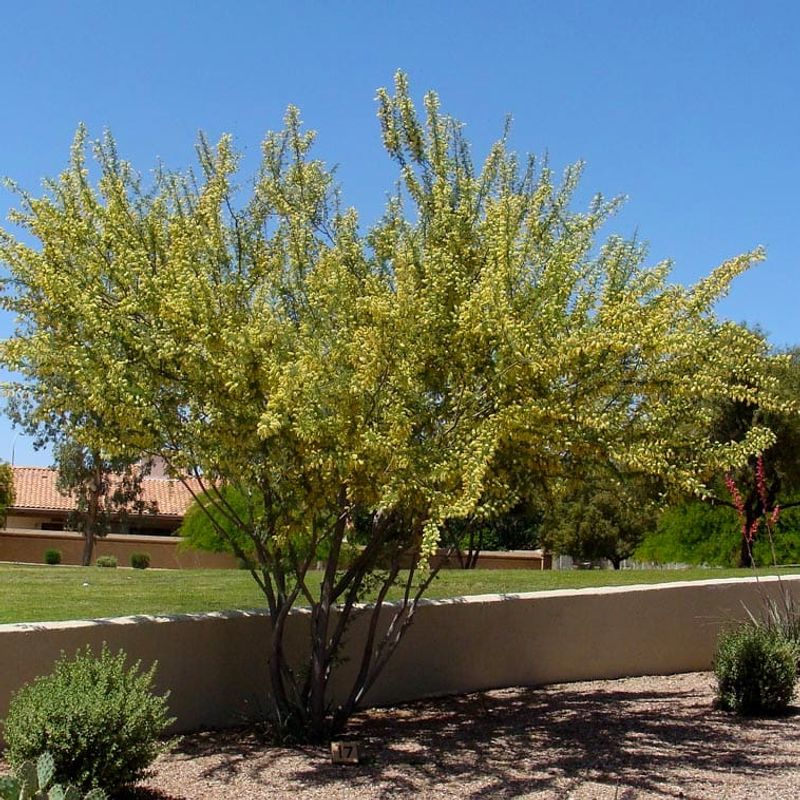
Rocky ground stops a lot of plants cold. Shallow soil over caliche, loose gravel, and exposed boulders make root establishment genuinely difficult.
Catclaw acacia has a different relationship with rocky terrain.
It naturally grows in washes, canyon edges, and rocky hillsides across the desert Southwest. Those are not easy spots.
Soil is thin, competition for water is fierce, and roots have to navigate around hard rock layers.
Over time, catclaw acacia develops a deep, spreading root system. It finds gaps between rocks and pushes into whatever soil is available.
That flexibility gives it a real edge on slopes where soil depth is inconsistent.
Loose rock on a slope is also a soil erosion risk. Plant roots act like an underground net, holding loose material in place.
A shrub that roots deeply and spreads wide covers more ground and reduces the chance of soil sliding during heavy rain.
Transplanting into rocky ground takes some extra effort. Digging a proper planting hole through caliche or dense gravel is hard work.
Using a pick or a breaker bar can help open up enough space for young roots to get started.
Once the plant is in the ground and through its first season, rocky soil becomes less of a concern.
4. Wide Growth Helps Fill Open Areas Over Time
Bare soil on a slope is an open invitation for erosion. Wind and rain move loose material fast, especially where there is nothing to slow them down.
Ground cover that spreads wide is one of the best natural defenses against that kind of loss.
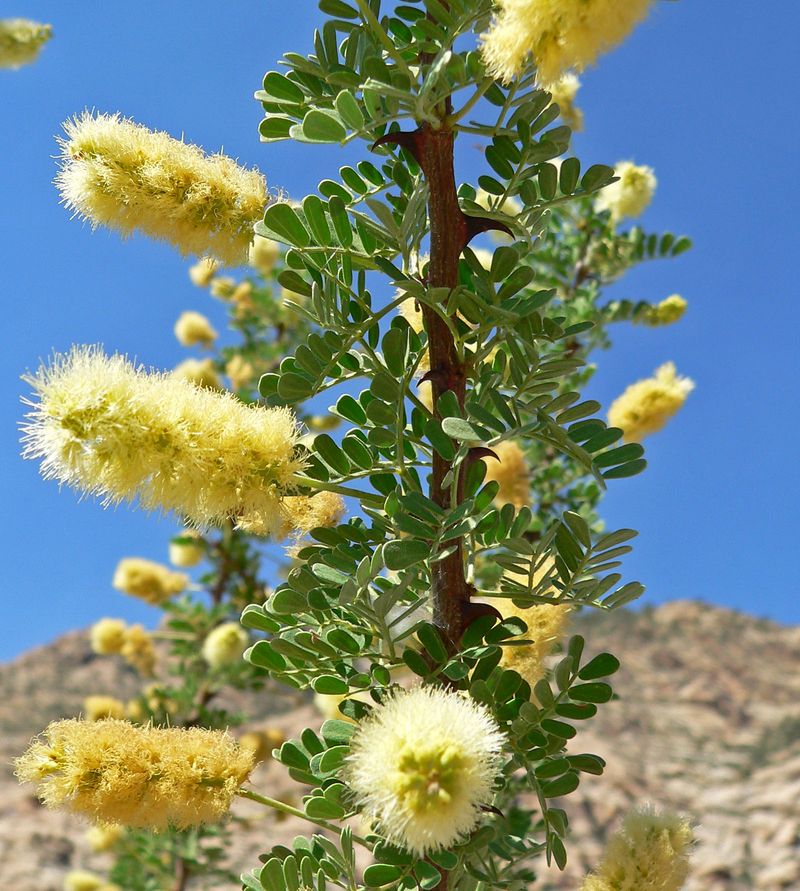
Catclaw acacia grows as a sprawling, multi-stemmed shrub. Mature plants can spread several feet in each direction, depending on water availability and soil conditions.
That wide footprint covers a lot of ground without requiring multiple plants packed tightly together.
Spacing plants correctly at the start makes a difference. Planting too close together can lead to competition for water and nutrients.
Giving each plant enough room to spread naturally tends to produce healthier, fuller coverage over time.
Patience is part of the process. Catclaw acacia is not a fast grower, especially during its first year when it focuses energy on root development.
Visible spreading and canopy growth typically become more noticeable in years two and three.
In Arizona, monsoon rains often give established plants a growth boost in late summer. That seasonal moisture can accelerate lateral spread and help fill in gaps that were bare earlier in the year.
Combining catclaw acacia with other low-growing native plants can speed up overall coverage.
5. Yellow Flowers Bring Color During The Blooming Season
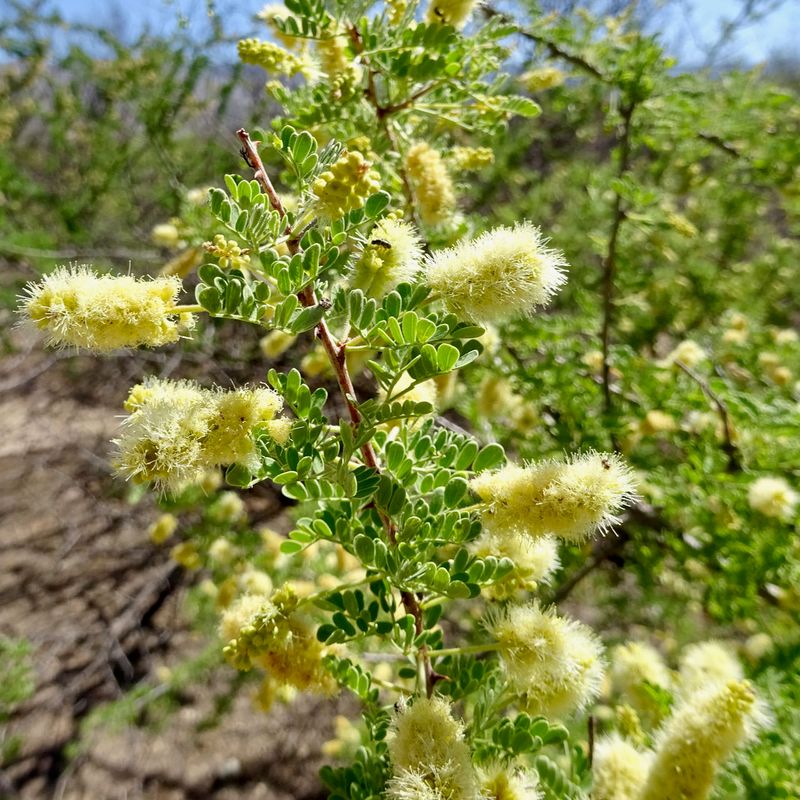
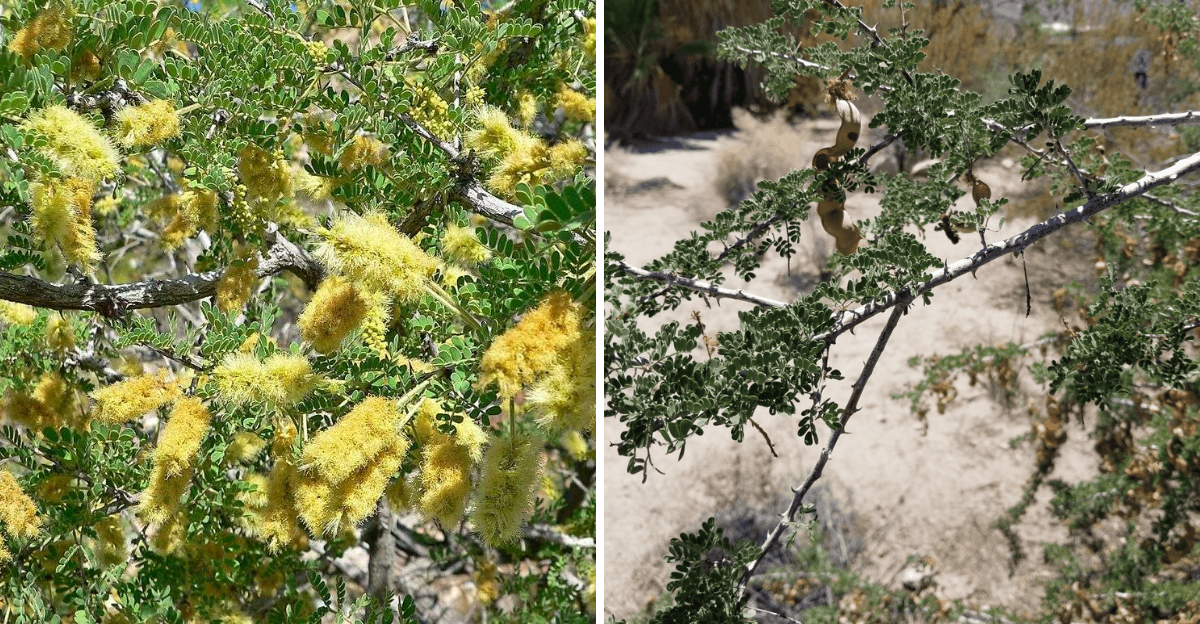
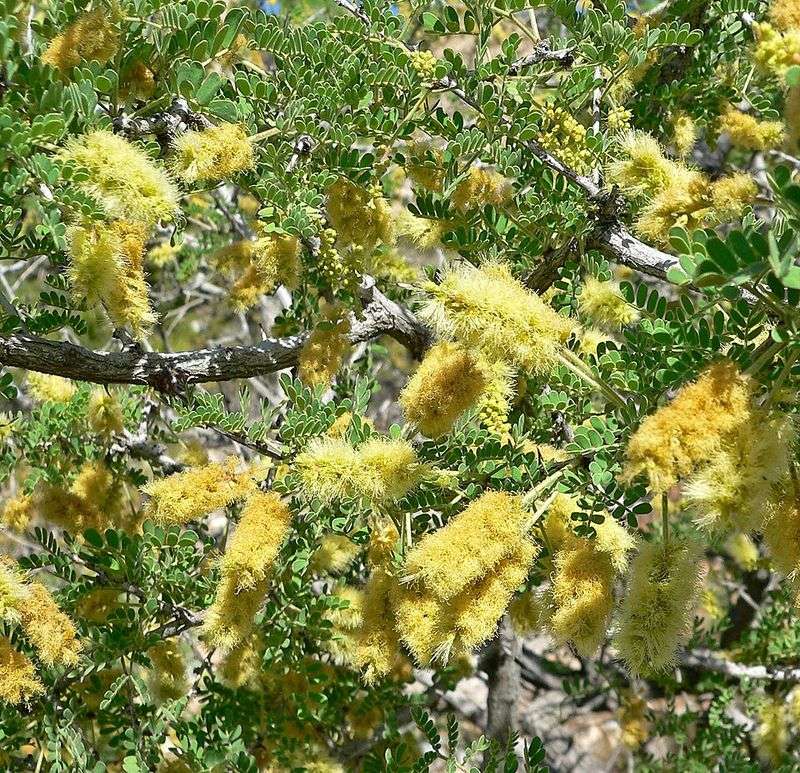
Bright yellow blooms on a desert slope are a welcome surprise in spring. Catclaw acacia produces small, fragrant, yellow flower clusters that appear on the branches before or alongside new leaf growth.
The timing typically falls in spring, though a second flush can occur after monsoon rains in some years.
Pollinators respond quickly to those flowers. Native bees, in particular, are drawn to catclaw acacia blooms.
A shrub in full flower on a sunny morning can be quite active with insect visitors, which benefits the surrounding garden and native habitat.
Color on a slope is not just about looks. It signals that a plant is healthy and established.
Homeowners who see blooms in the first or second spring after planting can take that as a positive sign that the shrub is settling in well.
After flowering, seed pods form along the branches. Pods are flat and curved, with a rough texture.
Wildlife, including birds and small mammals, sometimes feed on the seeds, adding another layer of ecological value to the plant.
Bloom intensity can vary from year to year. Rainfall, temperature patterns, and overall plant health all play a role.
A dry winter followed by a warm spring sometimes triggers a strong bloom response, though results are not guaranteed and will differ by location.
6. Sharp Thorns Make Planting Location Important
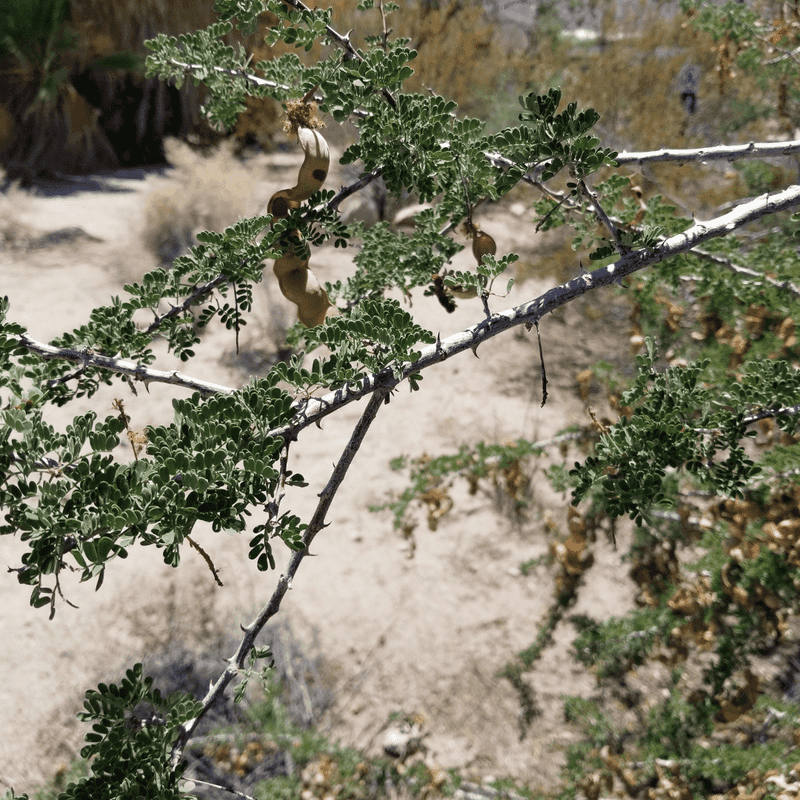
Catclaw acacia earned its name honestly. The curved, claw-shaped thorns along its stems are sharp and grab onto clothing, skin, and fur with surprising efficiency.
Anyone who has brushed against one in the field knows exactly how it got its reputation.
Location planning matters more with this plant than with most others. Placing it near walkways, play areas, or spots where people or pets frequently pass is a mistake worth avoiding.
A slope that sees foot traffic needs a buffer zone between the shrub and any path.
Slopes that are largely off-limits work best. Steep grades that homeowners rarely climb, or areas bordered by walls or fencing, are ideal candidates.
The thorns become an asset in those spots, discouraging people and animals from cutting across the slope.
Planting with gloves is a must. Thick leather or puncture-resistant gloves protect hands during installation.
Long sleeves and eye protection are also worth wearing, since branches can snap back unexpectedly while digging or positioning the plant.
Once established, catclaw acacia needs very little pruning. Keeping hands away from the plant most of the year is easy enough.
If trimming is ever needed, long-handled loppers and protective gear make the job much safer.
Some homeowners in the desert Southwest actually appreciate the thorns as a deterrent.
7. Once Established It Needs Little Extra Water
Getting through the first year is the hardest part. Young catclaw acacia plants need regular watering during establishment, especially through the heat of summer.
Skipping irrigation too early can stress the plant before its roots are deep enough to fend for themselves.
A general approach is to water deeply but infrequently during the first growing season. Letting the soil dry out between waterings encourages roots to reach deeper into the ground.
Shallow, frequent watering tends to produce shallow root systems that struggle during dry spells.
Once the plant is fully established, usually after one to two growing seasons, supplemental irrigation can be reduced significantly.
Rainfall in many parts of the desert Southwest, including monsoon moisture, is often enough to sustain mature plants through the year.
Overwatering is a real risk with catclaw acacia. Waterlogged soil can lead to root problems, yellowing leaves, and poor overall vigor.
Planting on a slope actually helps here, since water drains away naturally rather than pooling around the roots.
Drip irrigation during establishment is a practical option. A low-flow emitter placed near the base of the plant delivers water directly to the root zone without waste.
Adjusting or removing the emitter after establishment is straightforward.
Water savings over time can be meaningful, especially in areas facing ongoing drought conditions.