These Michigan Vegetables Need Daily Harvesting To Avoid Late Summer Rot
Skipping even a single day of harvesting can quietly ruin an otherwise healthy crop, especially once late summer humidity settles in across Michigan gardens.
Most gardeners assume checking every few days is more than enough to stay on top of things during this busy stretch of the season.
But a handful of specific vegetables actually demand daily attention, or rot sets in faster than most people would ever expect. Understanding exactly which crops fall into this category changes how you should structure your daily garden routine right now.
Many gardeners only discover this the hard way, finding spoiled produce they assumed still had another day or two left.
Once you know which vegetables need this level of attention, staying ahead of rot becomes much more manageable. This knowledge could save a significant portion of your late summer harvest from going to waste.
1. Zucchini Can Get Huge Overnight
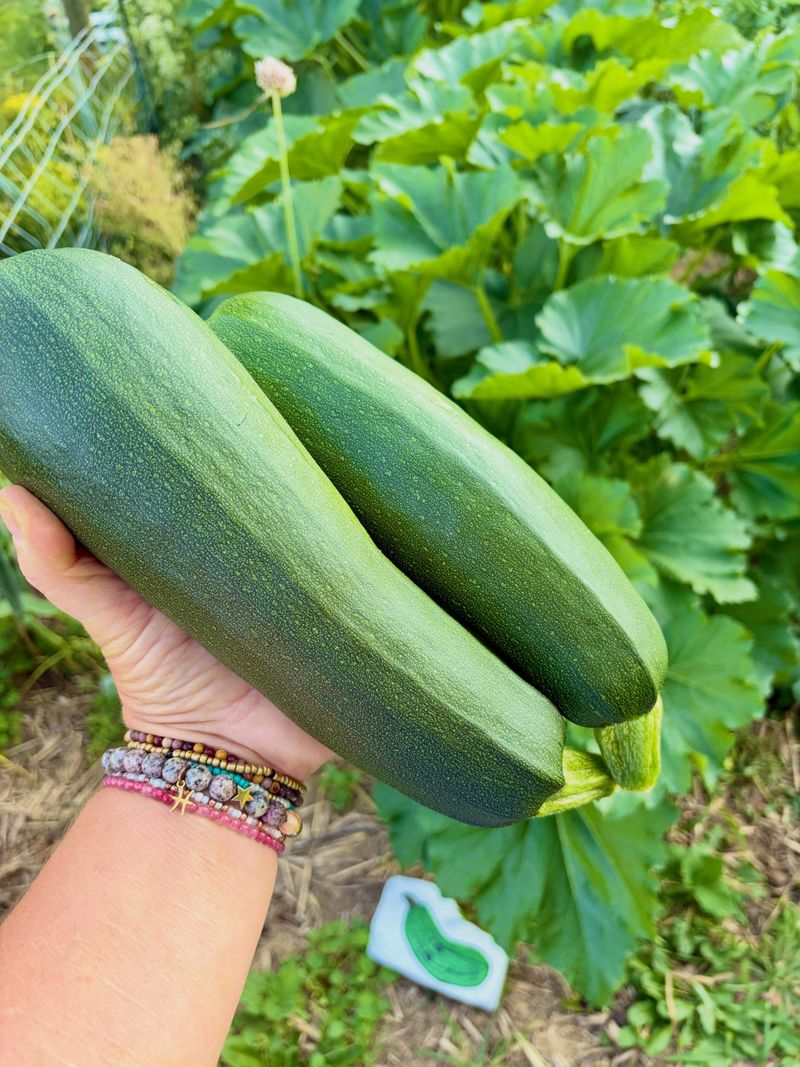
One day your zucchini looks like a perfect little finger, and the next it has ballooned into something the size of a baseball bat. That fast growth is exactly why this plant needs your eyes on it daily.
Zucchini tastes best when picked young, usually around six to eight inches long. At that size the flesh stays tender and the seeds are still soft.
When fruit hangs on too long, it turns tough, watery, and full of hard seeds that nobody wants to eat.
Warm Michigan nights speed things up even more. A zucchini can gain several inches while you sleep, so a plant that looked empty yesterday might hide a giant today.
Peeking under those big leaves every morning helps you catch each one at its best. There is a bonus to picking often. When you remove fruit early, the plant keeps sending energy into making new blossoms instead of ripening one oversized giant.
That means more zucchini for your kitchen all season long. Leaving oversized fruit on the vine also invites trouble. Soft spots can form where the skin touches wet soil, and moisture during humid weeks leads to spoiling that can spread.
A quick daily walk with a knife or pruners solves the whole problem. Keep a basket by the garden gate so harvesting feels easy.
Slice, grate, or grill your fresh picks, and share extras with neighbors before they pile up. Staying on schedule turns zucchini from an overwhelming crop into a steady, welcome gift.
2. Yellow Squash Needs Frequent Picking
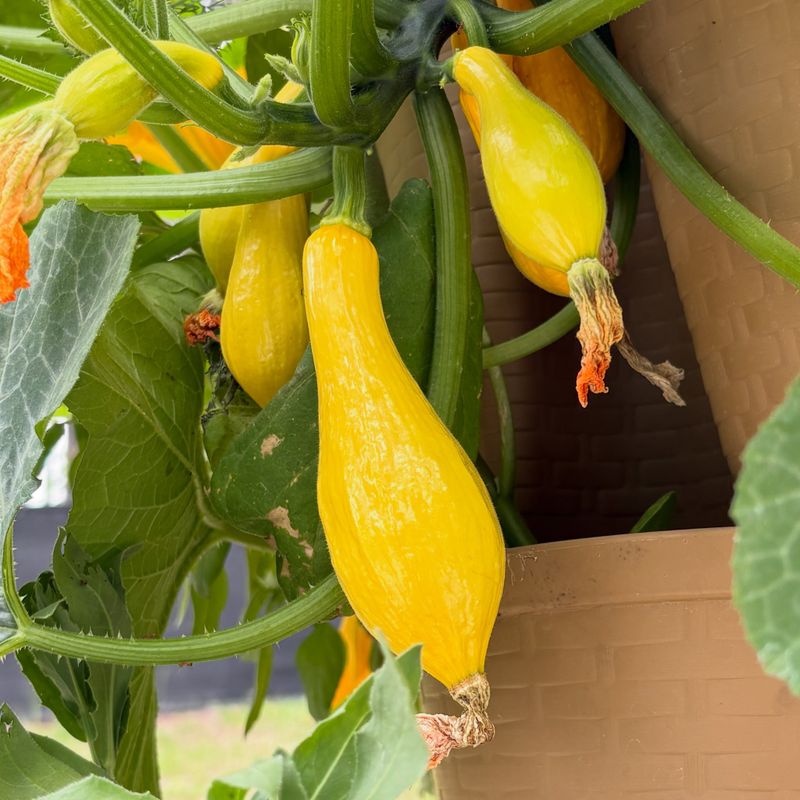
Yellow summer squash shares zucchini’s superpower for speedy growth, and that keeps busy gardeners on their toes. Miss a couple of days and those cheerful yellow fruits swell far past their sweet spot.
The tastiest yellow squash measures about four to six inches. Picked at that stage, the skin stays smooth and thin, and the inside is creamy and mild. Once it grows larger, the skin toughens and the flavor turns bland and seedy.
During peak production in July and August, a single plant can pump out fruit almost every day. Checking daily lets you gather squash while it is still smooth and glossy, which is when it shines in stir-fries and on the grill.
Your Michigan Garden Changes Every Week. Your Plan Should Too.
Gardening in Michigan changes quickly throughout the season. Every Friday you’ll receive a simple weekly plan showing exactly what to plant, prune, fertilize, harvest, and protect so you never miss the right timing.
Frequent picking also acts like a signal to the plant. Each harvest tells it to make more flowers, so your steady attention rewards you with a longer, heavier season of squash.
Wet Michigan mornings can cause problems for fruit left too long. Large squash resting on damp ground may develop soft, spoiling ends, especially after summer rain.
Grabbing them early keeps that mess out of your beds. Try harvesting in the cool of the morning when the fruit is firm and full of moisture. Use scissors or a sharp knife rather than twisting, since tearing can damage the tender stems.
A daily basket of yellow squash may feel like a lot, but recipes come to the rescue. Sauté it, bake it into bread, or freeze slices for winter. Regular picking turns a fast crop into a friendly one.
3. Pattypan Squash Is Best Picked Young
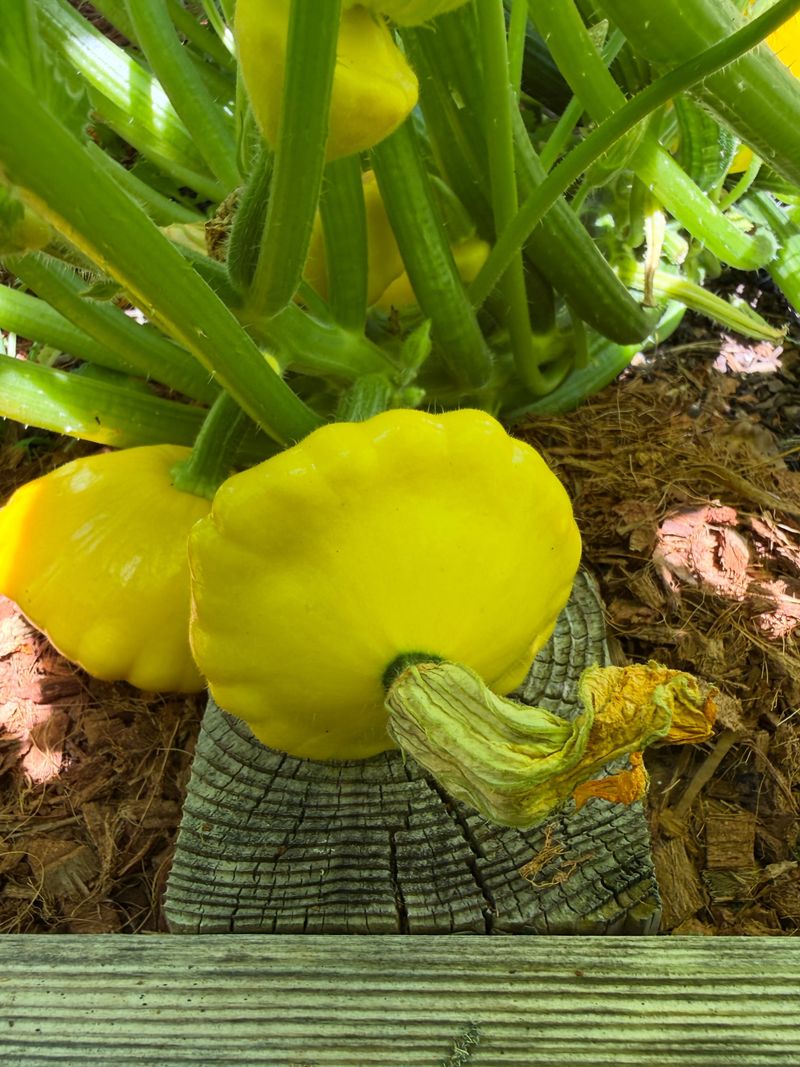
With their cute flying-saucer shape and scalloped edges, pattypan squash look almost too fun to eat. That charm fades fast, though, when they grow past their prime.
These little squash are at their best when they are only two to three inches across, about the size of a small cookie.
At that stage the flesh is buttery and tender, and the whole thing cooks up beautifully. Let them balloon, and the skin hardens while the inside grows spongy.
Pattypans hide easily under broad leaves, which is part of the reason they sneak past gardeners. A daily hunt through the plant keeps you from finding a surprise softball where a tiny scallop used to be.
Picking them young does more than protect flavor. Like other summer squash, pattypans keep setting new fruit when you clear the ripe ones, so regular harvesting means a fuller basket week after week.
Michigan’s damp late-summer air can be rough on oversized squash. Fruit that lingers on the vine may develop mushy spots where moisture collects, and one soft squash can invite trouble for its neighbors.
Cut pattypans with a bit of stem attached using clean, sharp shears. Handle them gently, since bruises on the tender skin can lead to quick spoiling in storage.
Because they are so small, these squash are perfect for roasting whole, stuffing, or tossing into a quick sauté. Keeping up with a daily pick turns pattypan from a forgotten giant into the darling of your dinner plate.
4. Pickling Cucumbers Need Daily Attention
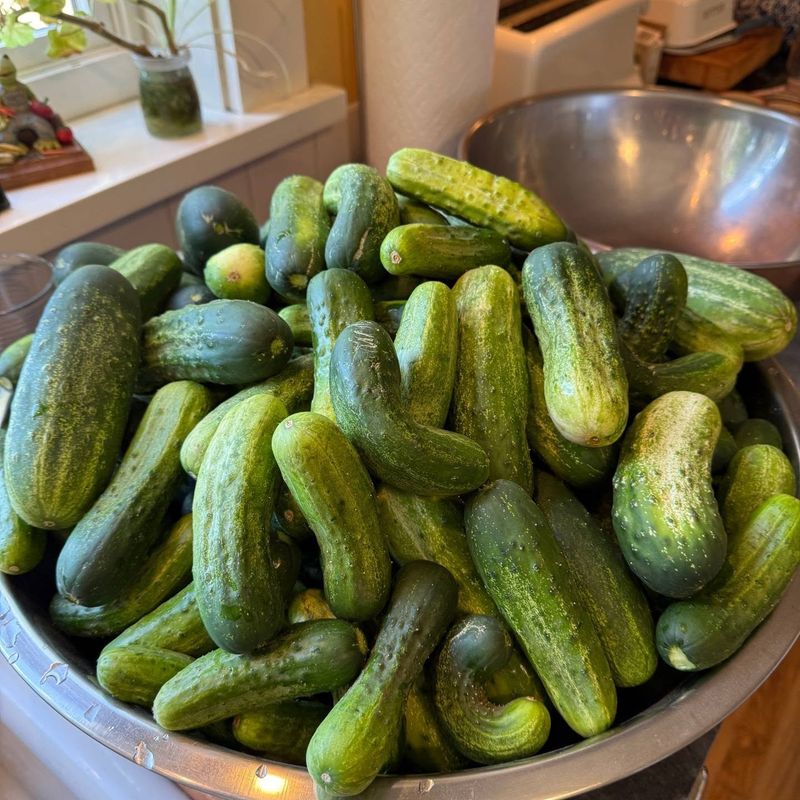
If you dream of crunchy homemade pickles, you already know that pickling cucumbers are champions of speed. They can go from tiny to too big in what feels like the blink of an eye.
The best pickling cucumbers are small, firm, and about two to four inches long. At that size they fit neatly in a jar and stay crisp after brining.
Once they swell larger, the skin thickens, the seeds grow, and that satisfying crunch slips away.
Warm days and steady moisture push these vines to produce heavily, which is wonderful and demanding at the same time. A daily peek under the leaves helps you gather cucumbers while they are still the perfect little size for canning.
Leaving fruit on the vine too long causes two problems. The cucumbers turn yellow and bitter, and the plant slows down its production because it thinks its job of making seeds is finished.
Overripe cucumbers left in the garden can also start softening, especially after Michigan’s summer showers soak the beds. Soft, splitting fruit draws insects and can spoil quickly right where it sits.
Pick gently by lifting each cucumber and snipping the stem so you do not yank the delicate vine. Early morning harvesting gives you the firmest, coolest fruit for the crispest pickles.
Keep a jar recipe ready, because a productive plant can hand you a full batch in just a few days. Staying on top of daily picking keeps your vines busy and your pantry stocked with crunchy treats.
5. Slicing Cucumbers Should Not Stay Too Long
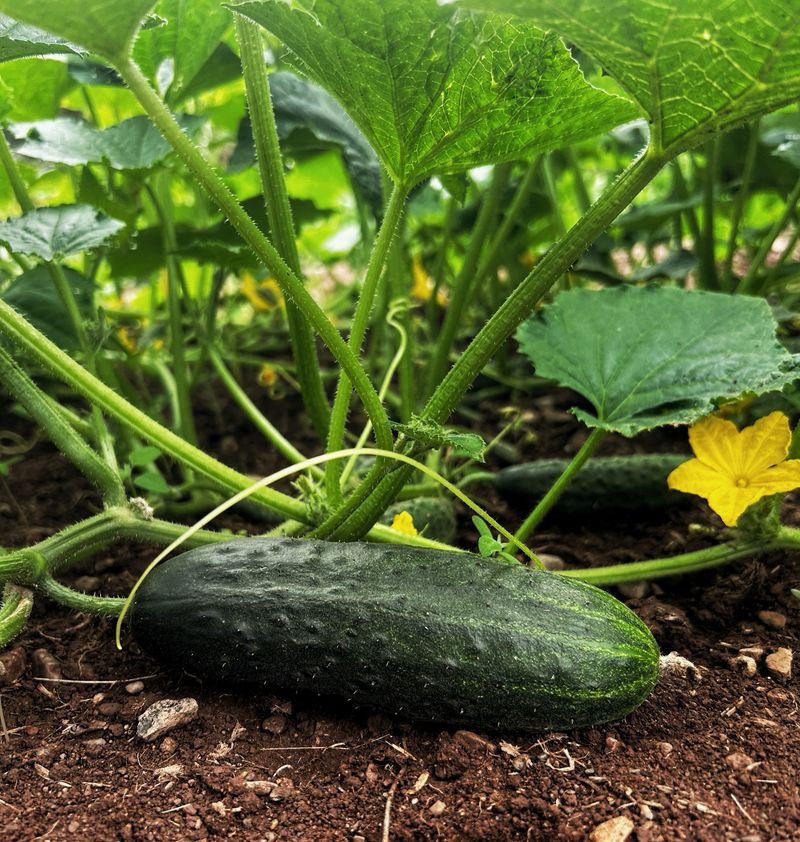
Nothing beats a cool cucumber slice on a hot Michigan afternoon, and slicing varieties are built for exactly that. Their quality shines brightest when you pick them right on time.
Slicing cucumbers are ready when they reach about six to eight inches and feel firm and dark green. Grabbed at that point, they are crisp and mild with tender skin.
Let them hang longer and they puff up, turn pale or yellow, and grow bitter with tough seeds inside.
Because these vines produce steadily during peak season, checking every day keeps you from finding an oversized, seedy cucumber where a perfect one should be. A quick daily stroll along the trellis makes the job simple.
Removing mature fruit does the plant a favor too. When ripe cucumbers stay on the vine, the plant eases off making new ones, so regular picking keeps fresh cucumbers coming for weeks.
Wet weather is another reason to stay quick. Cucumbers that sit too long may develop soft ends, and moisture pooling on the fruit can lead to spoiling that spreads along the vine.
Use a sharp knife or pruners to cut the stem cleanly, since pulling can damage both the fruit and the plant. Harvest in the morning while the cucumbers are cool and full of water for the best crunch.
Slice them into salads, layer them in sandwiches, or blend them into a refreshing drink. A daily habit keeps your slicing cucumbers sweet, crisp, and never wasted.
6. Okra Pods Change Fast
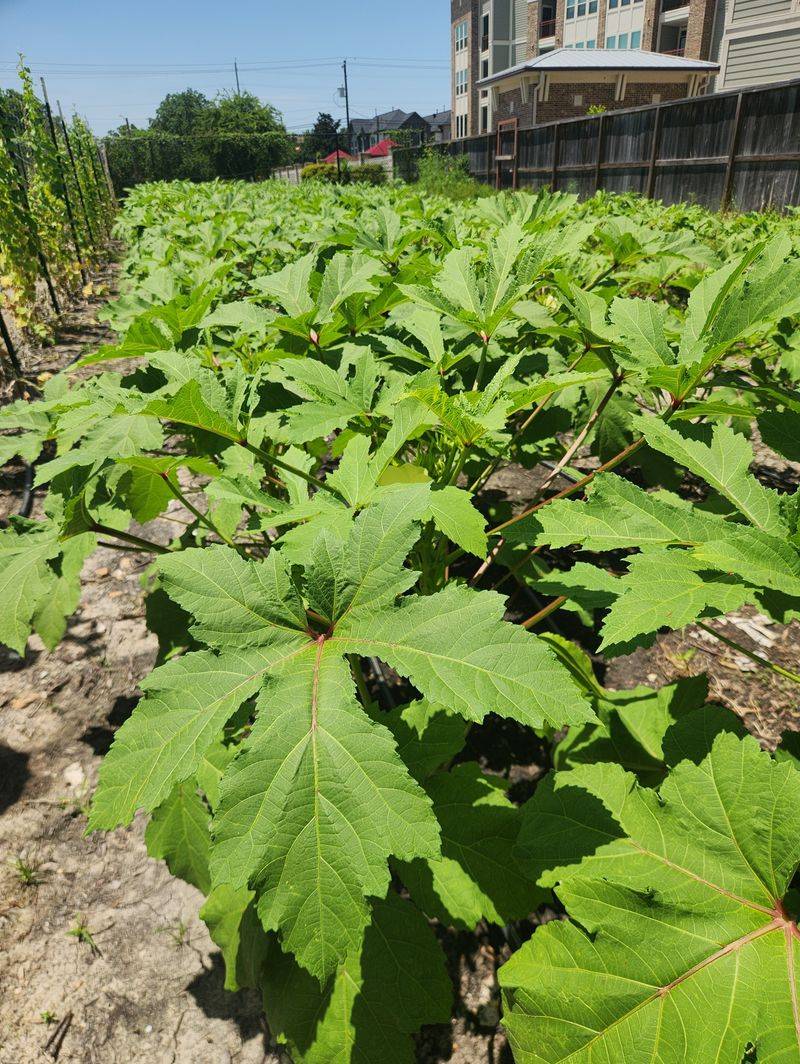
Okra loves the heat, and in a warm Michigan summer it can shoot up pods faster than you might expect. The trick is catching those pods while they are still young and tender.
The sweet spot for okra is small, usually two to three inches long. At that length the pods snap cleanly and taste tender when cooked. Wait just a few extra days and they turn woody, stringy, and too tough to enjoy.
Because okra grows so quickly during hot weeks, a pod that looked tiny yesterday can become oversized today. Checking daily is the only way to keep every pod at its most delicious.
There is a real reward for frequent harvesting. Picking pods often tells the plant to keep flowering and producing, so a steady schedule can double the amount of okra you gather over the season.
Leaving big pods on the plant sends the opposite message. The plant slows down, and older pods sitting in humid air can begin softening or spoiling right on the stem.
Wear gloves and long sleeves when you harvest, since many okra plants have tiny prickly hairs that can itch your skin. Use scissors to snip each pod with a short stub of stem attached.
Fry it, roast it, or toss it into a hearty stew with tomatoes and peppers. By keeping up with a daily check, you turn okra into one of the most generous and productive plants in your late-summer garden.
7. Ripe Tomatoes Need A Daily Check
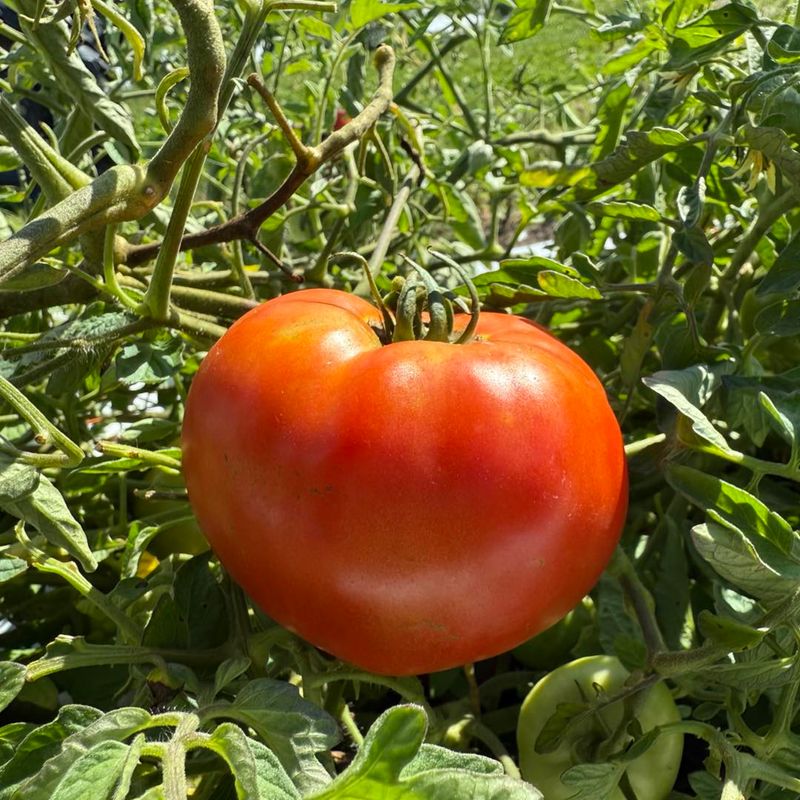
Tomatoes are the pride of many Michigan gardens, and a perfectly ripe one is worth every bit of effort. Timing matters more with tomatoes than almost any other crop.
A tomato ready for picking shows full, even color and gives slightly when you press it. Left on the vine past that point, it can crack, especially after a summer rainstorm sends water rushing into the fruit.
Cracks are an open door for trouble. Once the skin splits, insects move in and moisture seeps deeper, which can turn a beautiful tomato soft and spoiled within a day or two.
Daily checks let you catch each tomato at its peak and pull any that are damaged before problems spread. A quick look also helps you spot fruit that fell to the ground, where it can quickly go soft in warm, wet soil.
Removing ripe and bruised tomatoes keeps the plant focused on ripening the rest of its crop. It also keeps your garden tidy and less inviting to pests that gather around overripe fruit.
Twist ripe tomatoes gently or snip them with pruners, leaving a little of the green cap attached for freshness. Handle them softly, since even small bruises can shorten how long they last on the counter.
Enjoy them sliced with a sprinkle of salt, simmered into sauce, or layered on a warm sandwich. Making a daily tomato check part of your routine keeps this beloved crop flavorful, healthy, and always ready to enjoy.
8. Remove Anything Already Going Soft
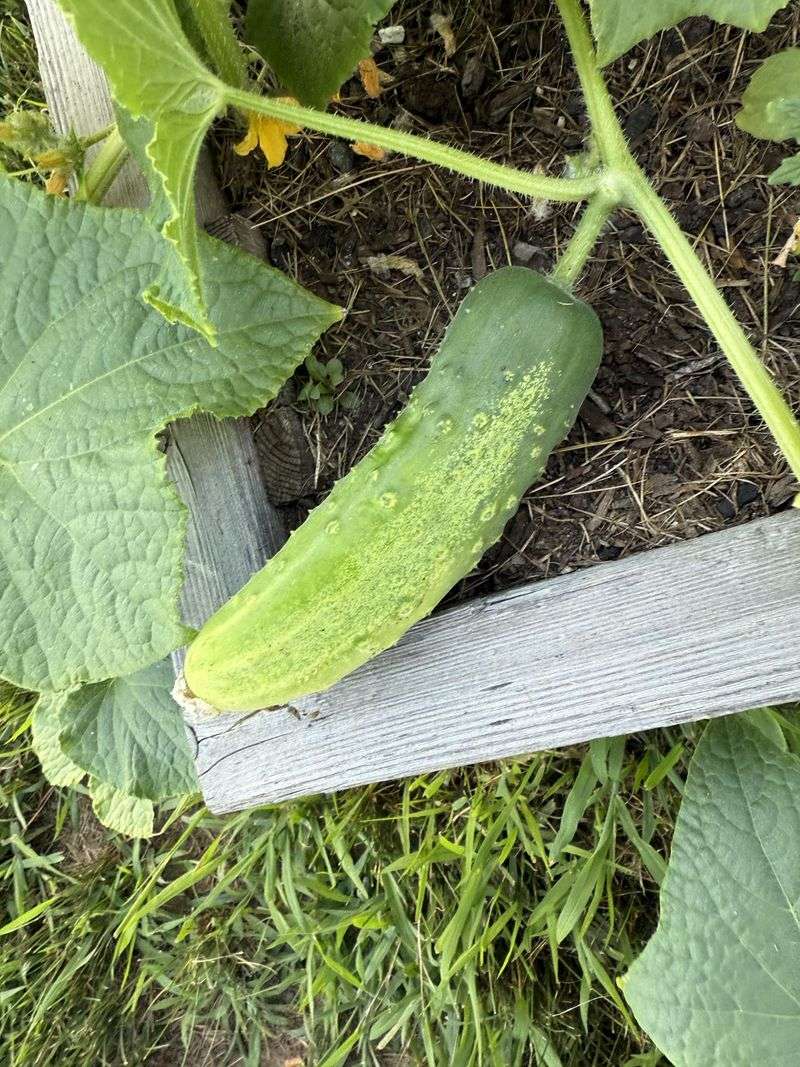
Even the most careful gardener ends up with a few vegetables that slipped past their prime. What you do with those soft or damaged pieces makes a big difference for the whole garden.
Leaving overripe produce sitting among healthy plants is asking for trouble. As a soft vegetable breaks down, it releases moisture and attracts insects, and that spoiling can spread to fruit nearby that was perfectly fine.
A daily walk through the beds gives you the chance to scoop up anything mushy, split, or damaged. Clearing these out keeps the air around your plants cleaner and lowers the chance of spoiling spreading during humid Michigan weeks.
Pay attention to fruit hidden on the ground or tucked deep under leaves, since those spots stay damp and hidden vegetables often turn soft first. A quick sweep catches them before they cause a mess.
You do not have to waste everything you remove. Vegetables that are just slightly overripe can often be trimmed and cooked right away, while pieces that are truly gone can head to the compost pile.
Composting turns that soft produce into rich food for next year’s garden, so nothing is truly lost. Just keep the compost bin away from your growing beds to avoid drawing pests toward your plants.
Bring a small bucket along on your daily rounds so cleanup feels effortless. Making this simple habit part of every visit keeps your late-summer garden fresh, tidy, and bursting with healthy vegetables you can be proud of.