The Meaning Behind A Pennsylvania Chipmunk Digging Frantically In Your Garden Beds
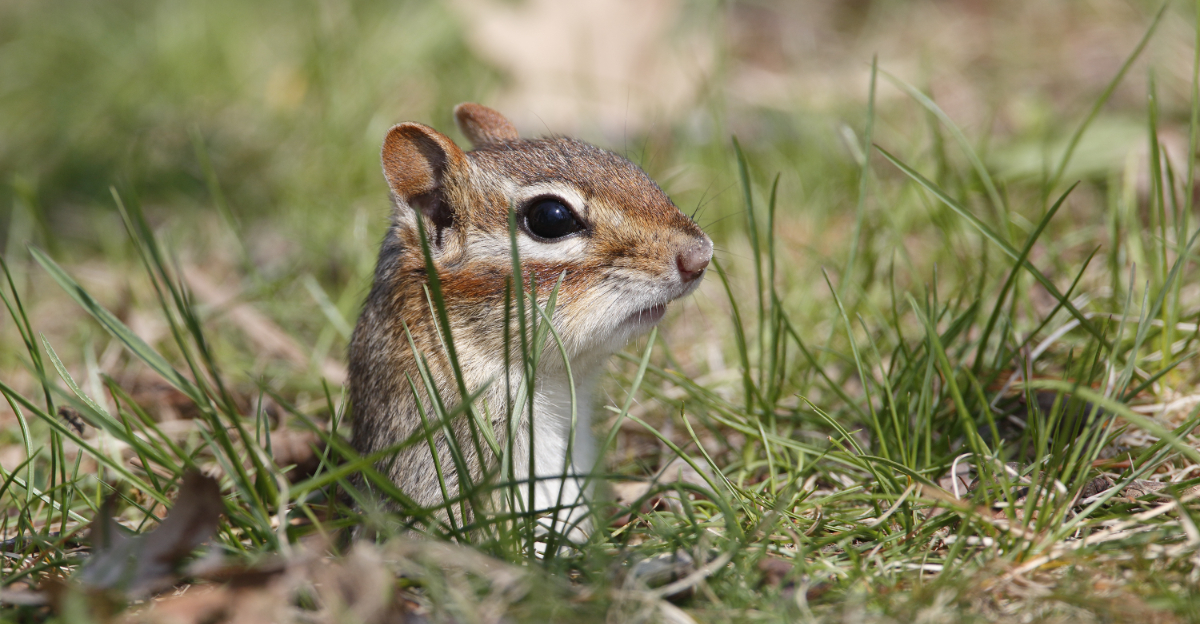
Panic doesn’t explain what that chipmunk just did to your beds. Pennsylvania yards are turning into digging zones overnight, and yours might be next.
Frantic sprints across your mulch signal something sharper than random mischief. Underground caches drive every frantic dash you’re watching right now.
Territory pressure in dense Pennsylvania neighborhoods pushes chipmunks toward your soil. Autumn survival math forces this animal to dig through your garden fast.
Roots get severed, bulbs vanish, and your soil erupts in minutes. Nothing about this behavior in your yard is careless or chaotic.
Something must always move forward so this animal can survive winter near you. You won’t walk past that garden again without noticing every clue it’s hiding.
Frantic Digging Signals Food Storage Or Burrow Building
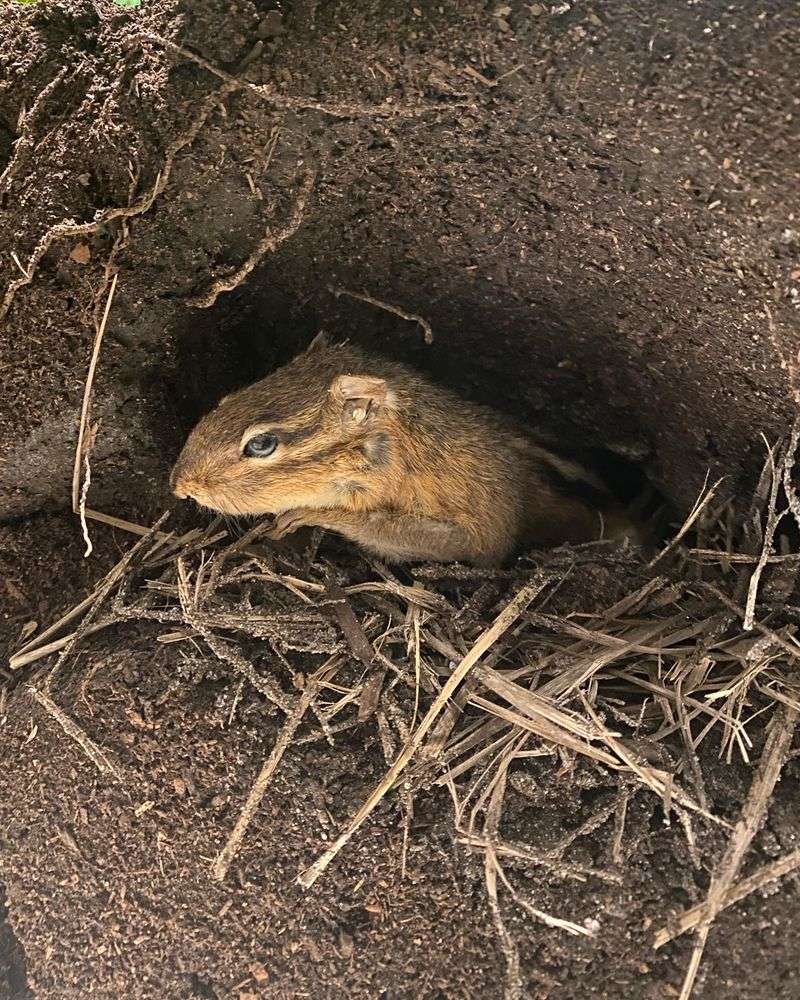
Cheek pouches get stuffed with seeds, nuts, and bulbs before every trip underground. Soft garden dirt speeds up the work, turning your Pennsylvania beds into an easy score.
Chipmunks are tiny survival experts, and every frantic dig has a purpose. When you spot one going absolutely wild in your garden beds, food storage or burrow building is almost always the reason.
These small mammals stuff their cheek pouches with seeds, nuts, and bulbs. They carry loads back to underground chambers where they stash supplies for colder months.
A chipmunk’s burrow system is surprisingly complex. It can stretch several feet underground with separate chambers for sleeping, storing food, and even waste.
Garden beds are prime real estate for this activity. Loose, soft soil from gardening makes digging faster and easier than hard-packed ground nearby.
Bulbs planted in fall are like a free buffet. Tulip and crocus bulbs are especially attractive targets because of their high energy content.
This kind of frantic digging in Pennsylvania yards comes down to one simple drive: survival preparation. Recognizing this behavior for what it is helps you respond smarter, not just react with frustration.
Burrow entrances are often hidden under rocks, roots, or dense plant cover. You may never spot the hole itself, but the disturbed soil nearby gives it away every time.
Signs That Confirm This Digging Behavior
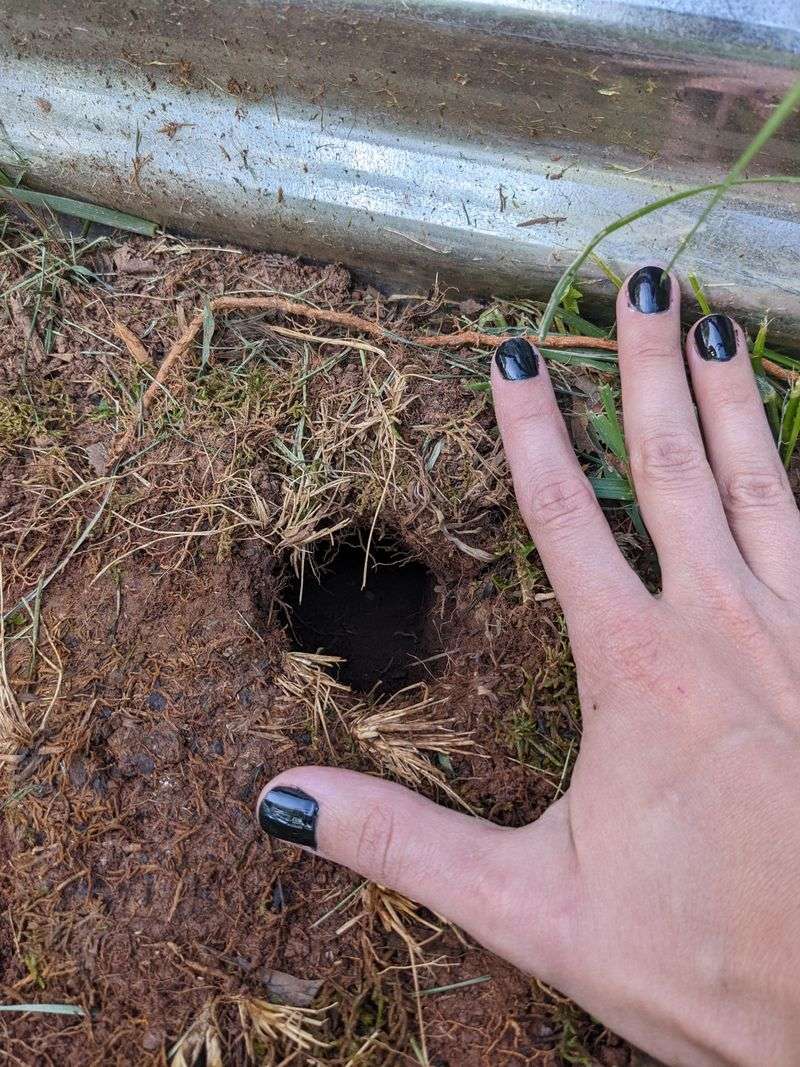
Not every hole in your Pennsylvania garden is a chipmunk’s work. Knowing the specific signs helps you confirm the culprit before taking any action.
Chipmunk holes are typically small, about the size of a quarter. The entrance is usually clean with very little loose soil piled around it.
You might notice scattered mulch or disturbed soil near your plants. These are signs of surface-level foraging rather than deep tunneling.
Puffed cheeks are a clear giveaway. If you catch the animal mid-activity, those bulging pouches mean it is actively hauling food to a storage chamber.
Bite marks on bulbs are another clue. Chipmunks leave small, clean nibbles compared to the messier damage left by voles or moles.
Tracks in soft soil near the garden edge can also confirm the visitor. Chipmunk prints show four toes on the front feet and five on the back.
Activity patterns matter too. Chipmunks are most active in the morning and late afternoon, so those are the best times to catch them in action.
Your Pennsylvania Garden Changes Every Week. Your Plan Should Too.
Gardening in Pennsylvania changes quickly throughout the season. Every Friday you’ll receive a simple weekly plan showing exactly what to plant, prune, fertilize, harvest, and protect so you never miss the right timing.
Repeated disturbance in the same garden spot, especially near bulbs or seed-heavy plants, strongly points to a chipmunk at work. Once you confirm the behavior, you can choose the right response for your garden setup.
Common Burrow Locations Near Garden Beds
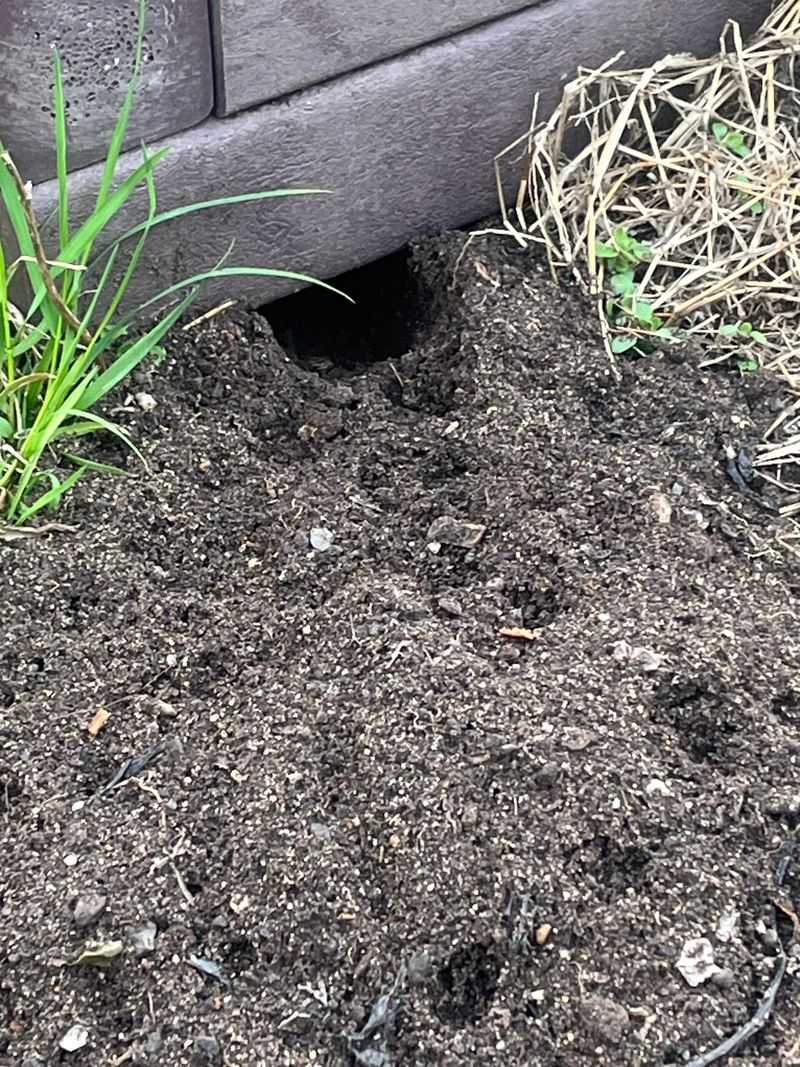
Chipmunks are picky about where they set up home base. They look for spots that offer both easy access and natural cover from predators.
Garden beds near stone walls or retaining walls are top picks. The stones provide a hidden roof over the burrow entrance and make the site harder for foxes or hawks to reach.
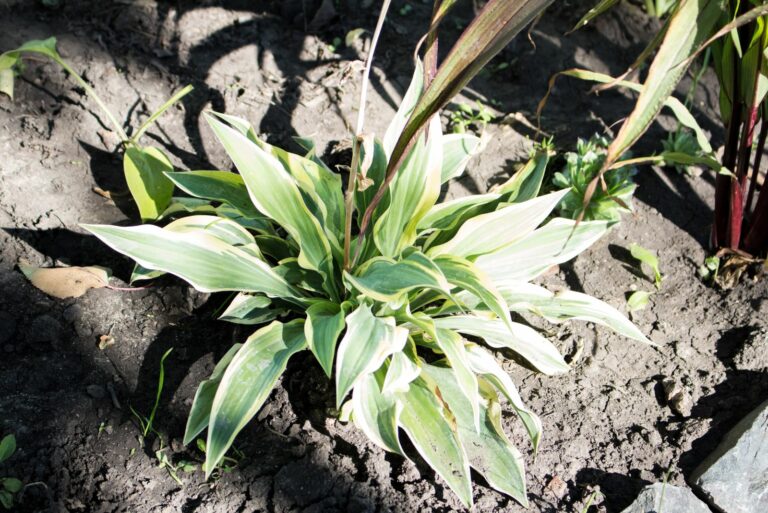
Dense ground cover plants like hostas or pachysandra are also popular shelters. The thick foliage hides the entrance and keeps the area shaded and cool.
Burrows near the base of shrubs are common too. Root systems help stabilize the tunnels and give the chipmunk a natural anchor for its underground home.
Raised garden beds present a special opportunity. The loose, well-draining soil inside is easy to dig, making it an irresistible site for tunnel construction.
Wood piles stacked near garden areas are another hotspot. Gaps between logs create natural entry points that connect to underground passages.
Concrete or brick edging along garden borders can also hide burrow entrances. Chipmunks use the gap between edging and soil as a discreet front door.
Multiple entrances often connect to the same tunnel system, giving chipmunks quick escape routes. Spotting one hole rarely means the whole picture, since a second or third opening is usually close by.
Knowing these preferred locations helps you monitor the right spots. A quick weekly scan of these areas can alert you early before a small tunnel becomes a sprawling underground network under your favorite plants.
Fall’s Arrival Triggers A Digging Surge
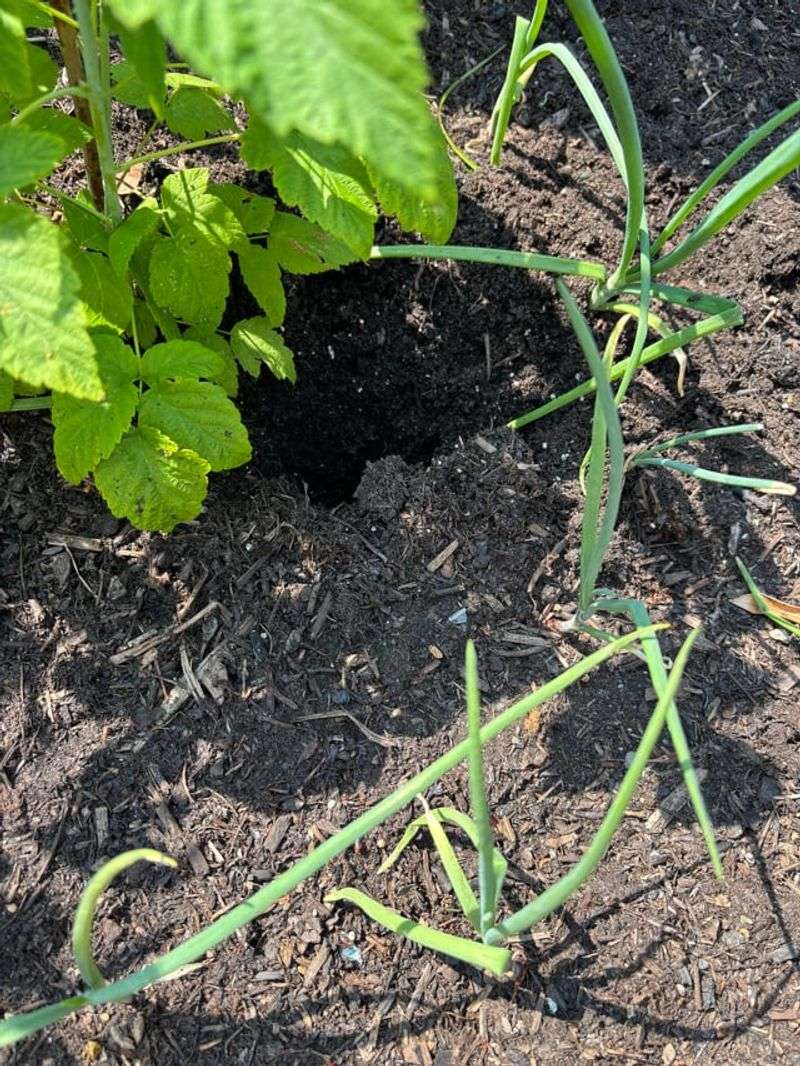
As summer winds down, chipmunk activity shifts into a noticeably higher gear. The days are getting shorter, and these animals can sense the change before you even pull out a sweater.
Chipmunks do not fully hibernate like bears. They enter a lighter sleep called torpor, waking up periodically to eat from their stored food cache.
This means their survival depends heavily on how much food they stash before cold weather arrives. The urgency you see in their digging reflects a real biological countdown.
Acorns and other tree nuts start falling in late summer and early fall. Chipmunks work overtime to collect as many as possible before other animals claim them.
Garden bulbs planted in early fall are timed perfectly with this frantic harvest season. From a chipmunk’s point of view, fresh bulbs are just bonus groceries arriving right on schedule.
A single chipmunk can carry a surprising number of acorns in one trip. Multiply that by dozens of trips per day, and you start to understand the scale of their effort.
Temperature drops also trigger hormonal changes that push the animal into overdrive. Their instincts are screaming to hurry up, and your garden beds happen to be in the way.
Fall activity peaks around September and October in most of the mid-Atlantic region. Planting bulbs a bit later in the season can sometimes reduce the overlap with peak foraging time.
Deterrents That Discourage Frantic Digging
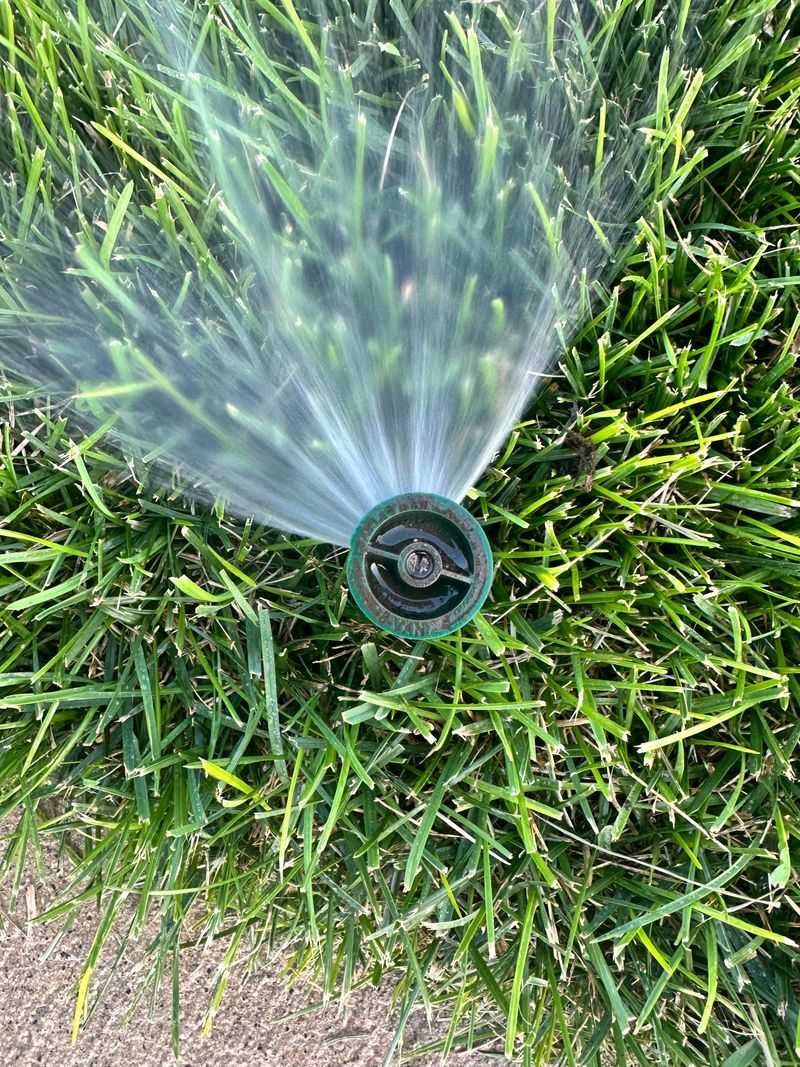
Stopping a determined chipmunk takes a layered approach. No single trick works forever, but combining a few methods creates a much stronger barrier.
Hardware cloth laid just below the soil surface is one of the most effective physical barriers. A quarter-inch mesh stops digging without harming the animal or the plants above.
Natural repellents like cayenne pepper sprinkled around garden edges can discourage foraging. The scent and heat irritate their sensitive noses, making your garden less appealing than the neighbor’s yard.
Planting daffodils as border plants adds a natural defense. Chipmunks strongly dislike the taste and smell of daffodil bulbs, so they tend to avoid areas where those grow.
Motion-activated sprinklers are a surprisingly effective deterrent. A sudden burst of water startles the animal without causing harm, and they quickly learn to avoid the zone.
Predator scent products, available at most garden centers, can also help. Spreading fox or coyote urine granules around the garden signals danger and encourages chipmunks to relocate.
Live traps are another option if the population near your beds has grown large. Check your state’s wildlife regulations first, since trapping and relocating chipmunks is restricted in many areas.
Consistency is the real key to success here. Rotating your deterrent methods every few weeks keeps chipmunks from getting comfortable and outsmarting your defenses over time.
Protecting Bulbs And Roots From Further Damage
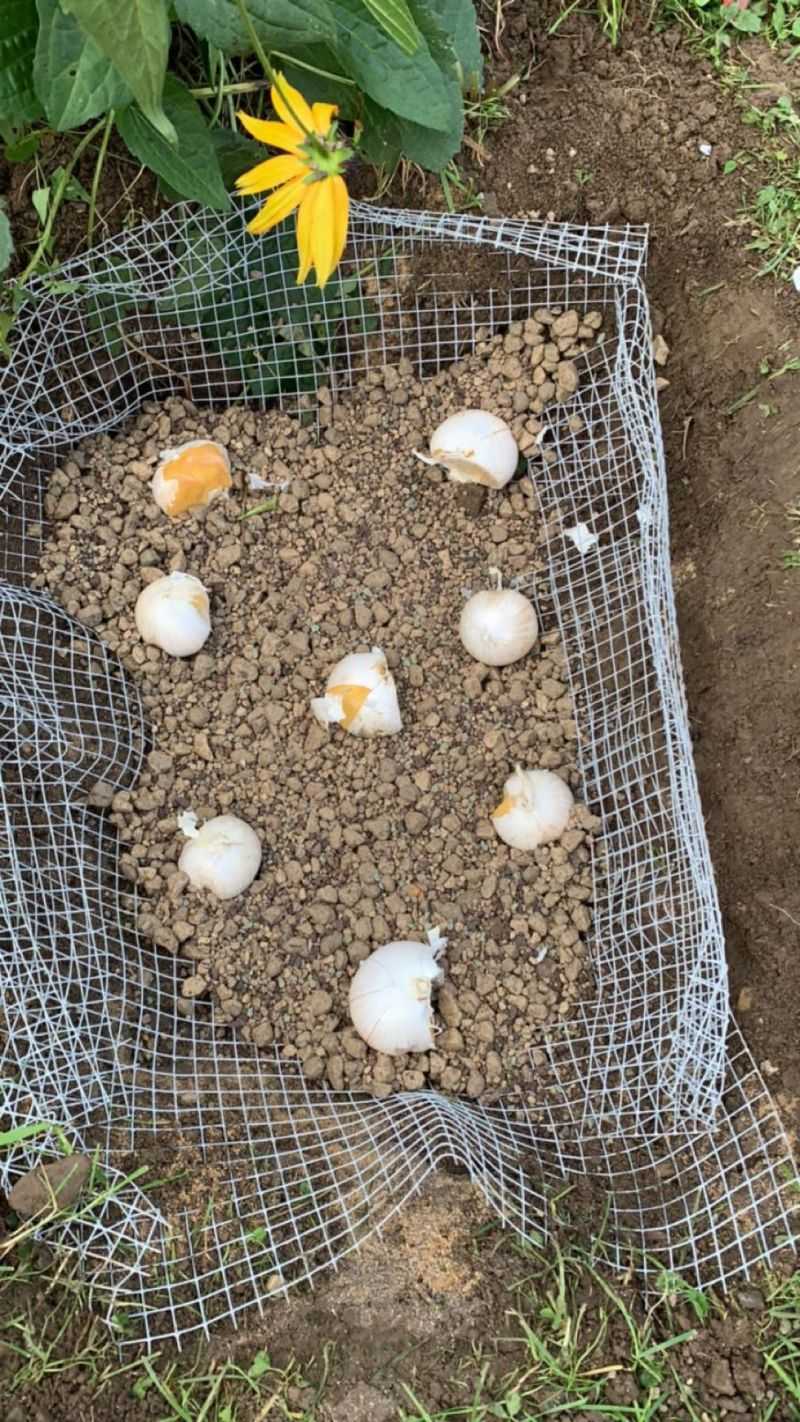
Your bulbs are not defenseless, and a few smart planting strategies can make a big difference. Protecting them before chipmunks discover them tends to be easier than reacting after the damage is done.
Planting bulbs inside wire mesh cages is one of the best long-term solutions. You can buy pre-made bulb cages or cut your own from hardware cloth in just a few minutes.
Placing a layer of sharp gravel at the bottom of the planting hole also helps. Chipmunks dislike digging through rough, uncomfortable material and will often move on to softer ground.
Covering freshly planted bulb areas with chicken wire staked flat to the soil discourages surface digging. Remove it in spring once the bulbs have sprouted and are established.
Bone meal, often used as a fertilizer, can actually attract chipmunks rather than repel them. Switching to a synthetic bulb fertilizer eliminates that unintended invitation.
Blood meal is a better choice for soil amendment near bulb plantings. Its strong scent acts as a mild deterrent while still feeding your soil with nitrogen.
Planting bulbs in clusters deeper than the standard recommendation adds an extra layer of protection. Chipmunks tend to dig only a few inches down before giving up and moving on.
Protecting your Pennsylvania garden from this kind of frantic digging starts with smart planting habits that make your bulbs harder to reach.