Arizona Snapdragons Are Fading Fast As Summer Heat Builds And Here Is How To Make The Most Of What Is Left
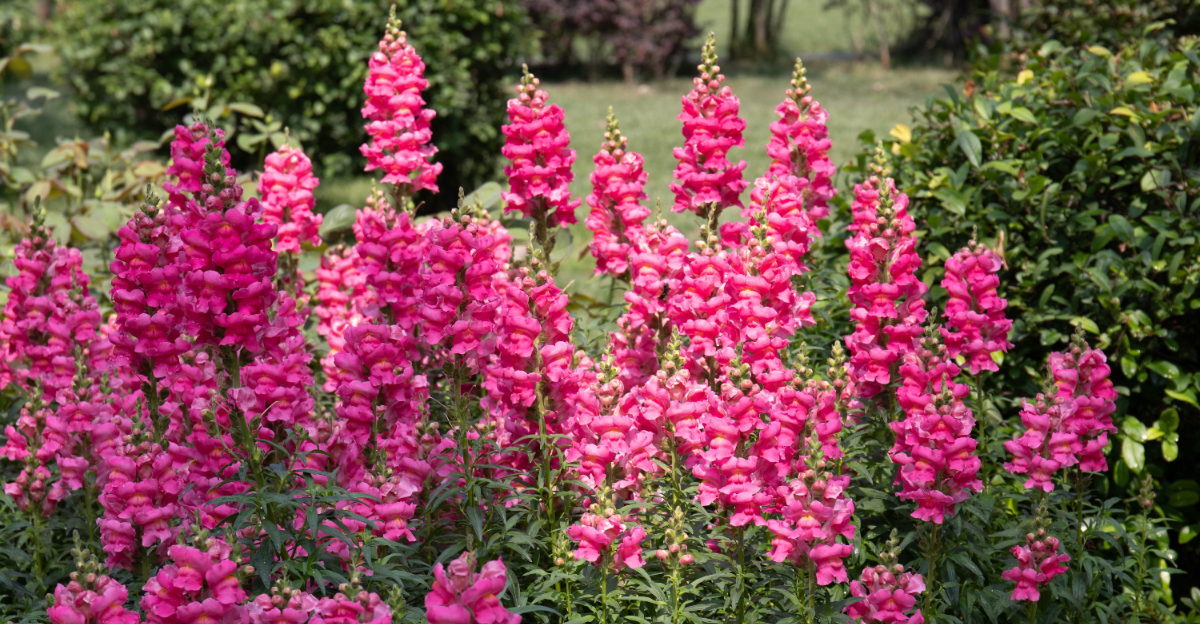
The snapdragons in the Arizona garden right now are not going to be there much longer.
Not because anything went wrong. Not because of poor soil or inconsistent watering or any mistake worth diagnosing. The calendar is simply moving in one direction and the heat is following close behind.
There is a specific week in an Arizona spring when the cool-season garden reaches its absolute peak. The colors are fullest, the fragrance is strongest, the whole display looks exactly the way the seed packet promised it would.
Do you know how close that week is to the week when the same garden starts looking genuinely tired?
Closer than many gardeners account for.
The window between peak and finished in Arizona is not gradual. It moves fast once temperatures decide to commit to the season ahead.
But, the snapdragons still have something to give. The question is what to do with the time that remains, how to stretch it, how to harvest it properly, and how to make sure next fall starts better than this one did.
1. Treat Snapdragons Like A Cool Season Prize
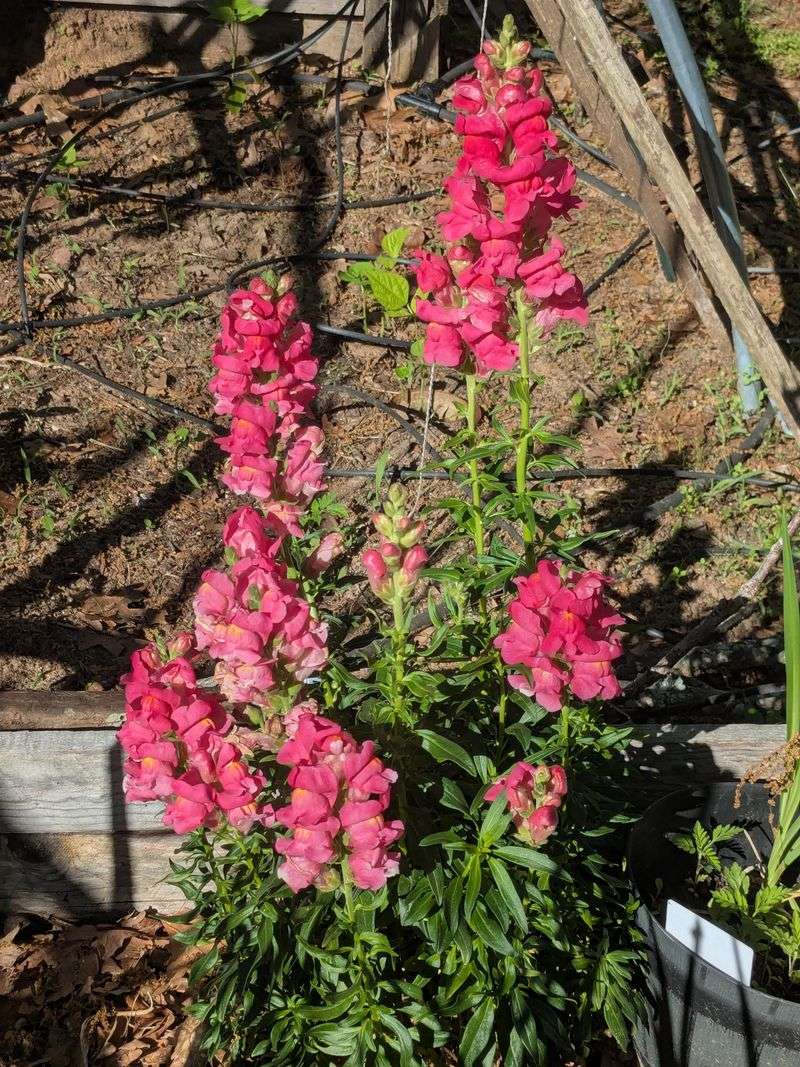
Not every flower can work with an Arizona winter. Snapdragons not only work with it but genuinely flourish in it.
In the low desert, where temperatures stay mostly mild and frost is rare, snapdragons produce the kind of color that gardeners in colder climates can only look at in photographs.
They want cool air, bright sunshine, and well-drained soil. Arizona’s winter months deliver all three without much effort from anyone.
The optimal planting window in the low desert runs from October through February. Plants started in fall often reward gardeners with months of continuous bloom straight through March and occasionally into April depending on when heat decides to arrive.
The contrast is part of what makes them so satisfying here. Tall varieties reach two feet high. Dwarf types stay compact and tidy in borders or containers.
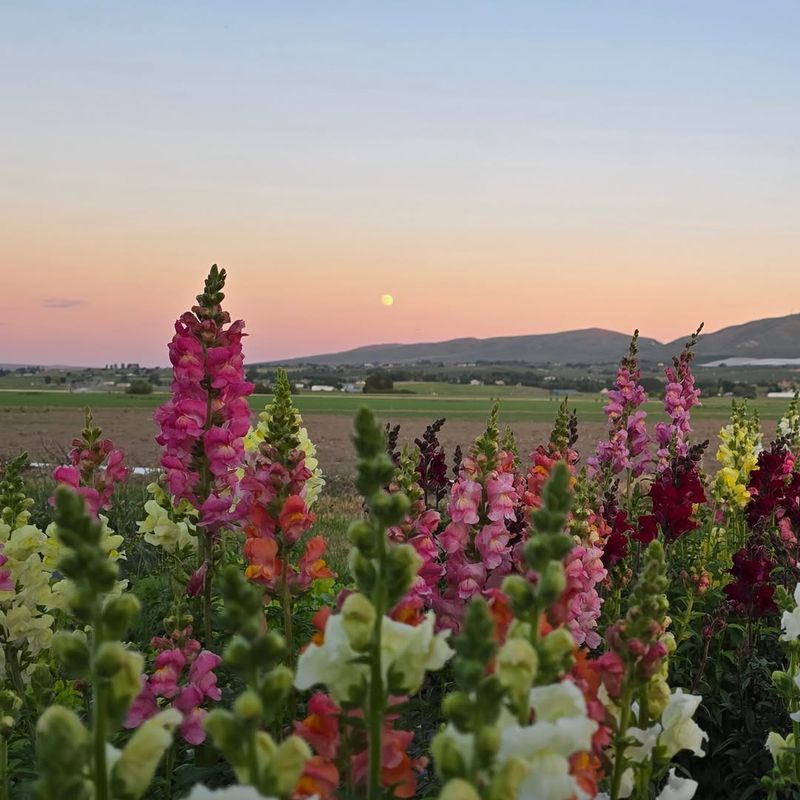
The color range covers soft pastels through deep burgundy and bright orange, which means almost any combination works visually.
Right now, as temperatures begin their seasonal climb, the right approach is active appreciation.
Deadhead spent blooms regularly to keep new flower spikes coming. A light application of balanced fertilizer keeps energy flowing toward new growth rather than declining stems.
Small, consistent attention during this window extracts significantly more color from what remains in the ground.
Snapdragons blooming while the rest of the country is still wearing coats is one of Arizona gardening’s more enjoyable advantages. Do not leave any of it on the table.
2. Use Morning Sun Before Heat Builds
Placement matters considerably more once daytime temperatures start climbing into the upper eighties and beyond.
Snapdragons perform well in full sun during cooler months, but as Arizona spring accelerates, that same afternoon intensity becomes a stress source the plant struggles to manage.
Morning sun is a different proposition entirely. It dries moisture from leaves, which reduces fungal pressure, and it drives photosynthesis during the coolest part of the day.
Your Arizona Garden Changes Every Week. Your Plan Should Too.
Gardening in Arizona changes quickly throughout the season. Every Friday you’ll receive a simple weekly plan showing exactly what to plant, prune, fertilize, harvest, and protect so you never miss the right timing.
East-facing beds and spots that move into shade after one in the afternoon become significantly more productive as the season shifts.
Block walls, fences, and taller neighboring shrubs all serve as natural afternoon barriers without any additional work from the gardener.
These existing structures in many Arizona yards can add weeks to the snapdragon season simply by being positioned between the plants and the late afternoon sun.
Container gardeners carry a real advantage at this point. Moving pots to a morning-sun position with afternoon shade is a one-time adjustment that can extend bloom time noticeably.
In-ground beds require more creativity, but a shade cloth rated at thirty to forty percent allows adequate light while reducing the intensity that causes petal scorch.
Heat stress signals are worth watching for. Midday wilting despite adequate watering, bleached flower color, and leaves curling at the edges all indicate that afternoon protection is overdue.
Act on those signals quickly. Snapdragons recover from heat stress well when shade arrives before the damage accumulates.
The morning belongs to the snapdragons. The afternoon can belong to something else.
3. Water Deep Before The Desert Bakes
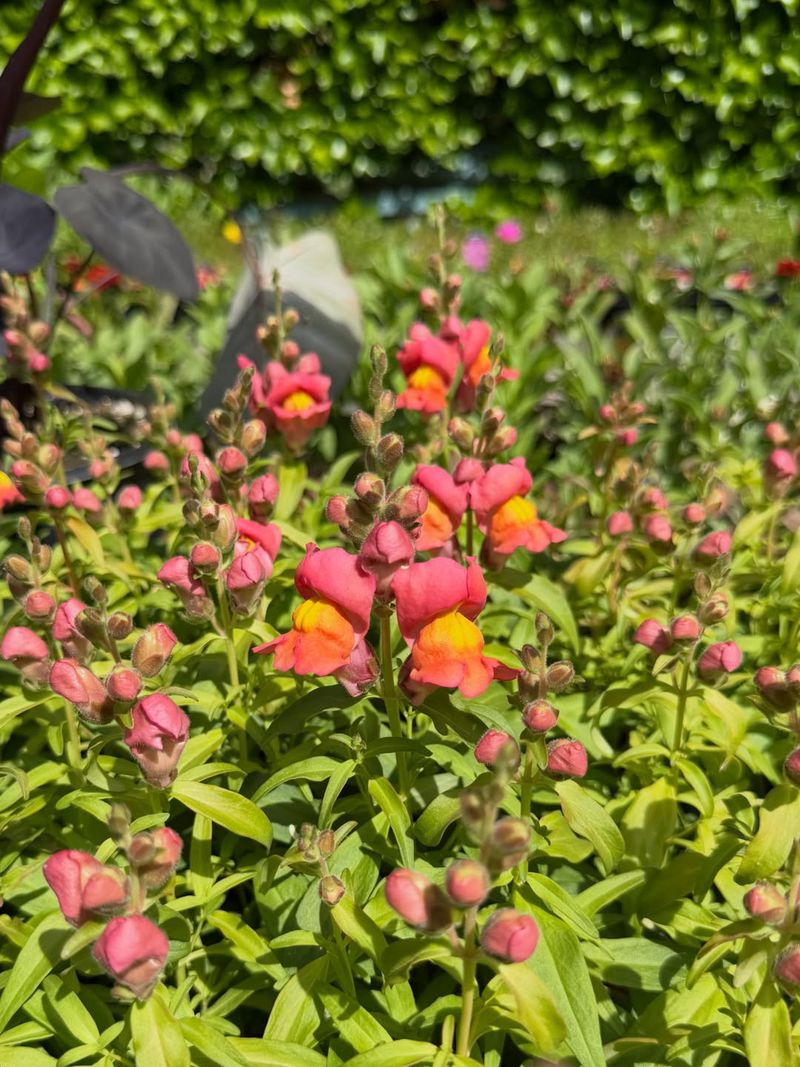
Watering snapdragons in a desert climate requires a different approach than most gardening guides assume.
Shallow, frequent watering keeps roots near the surface, where soil heats up and dries out fastest as temperatures rise.
Deep, less frequent watering moves roots downward into cooler, more stable soil that holds moisture longer between sessions.
The practical target is to water thoroughly and then allow the top inch or two of soil to dry before watering again. Soggy roots create problems as quickly as dry ones.
Snapdragons are susceptible to root rot in heavy clay soils and in containers without functional drainage. Both situations are worth checking before temperatures make recovery difficult.
As spring progresses, soil dries faster than it did in February. What required four days to dry might require two by April.
A finger pushed two inches into the soil provides a reliable quick check. Dry at that depth means water now. Cool and moist means wait another day.
Drip irrigation delivers water directly to the root zone, keeps foliage dry, and reduces evaporation significantly. It is a worthwhile investment for any Arizona gardener running more than a few beds through warm season transitions.
Morning is the best time to water. Plants arrive at peak afternoon heat already hydrated rather than trying to absorb water while stressed.
Consistent moisture without waterlogging keeps bloom production running as long as the plant is capable of producing it.
Deep roots in Arizona are not just a preference. They are the entire strategy.
4. Add Mulch To Stretch The Show
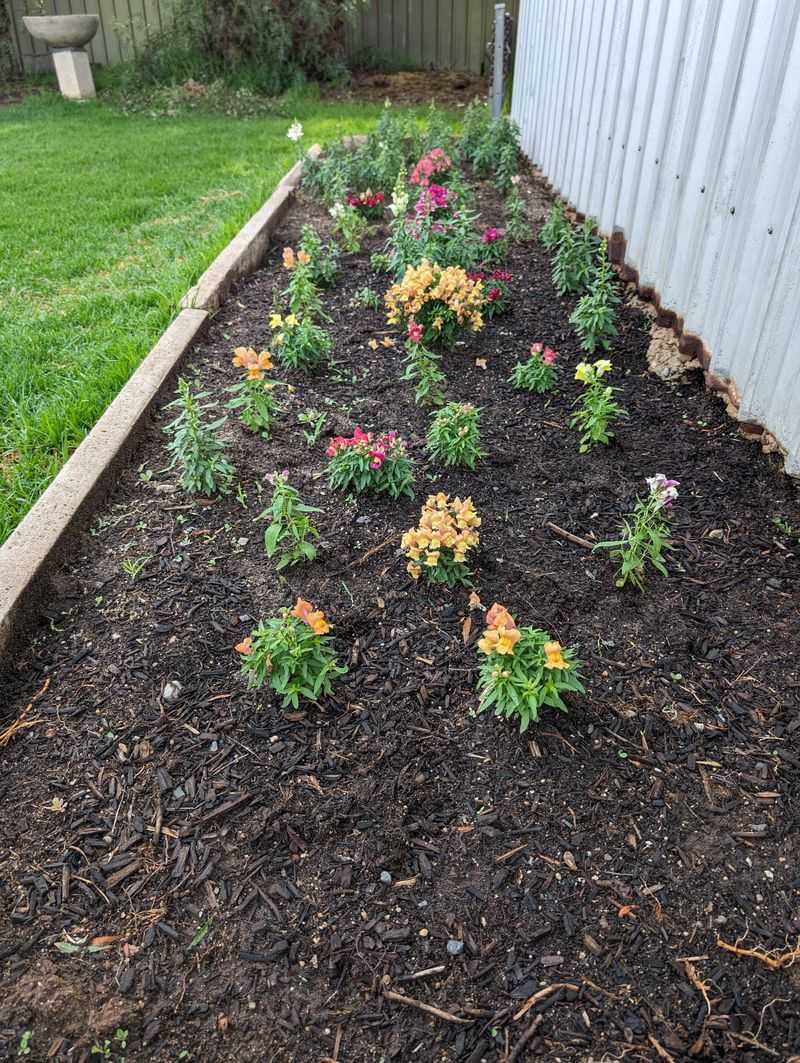
A two-inch layer of mulch around snapdragons is one of the most straightforward investments available for extending the bloom season as Arizona warms.
Mulch keeps soil several degrees cooler than bare ground by shielding the surface from direct sun and slowing the heat transfer that accelerates root stress.
Organic mulches like shredded bark, wood chips, or straw suit Arizona flower beds well. They break down gradually over the season, adding small amounts of organic matter that improve moisture retention and root environment over time.
Apply around plants while keeping the material an inch or two back from stems to prevent moisture accumulation against the base.
Beyond temperature regulation, mulch slows evaporation considerably during dry Arizona springs. The practical outcome is less frequent watering without any reduction in soil moisture at the root level.
Gardeners who mulch consistently through the cool to warm season transition often find their watering schedule extends noticeably compared to unmulched beds.
Weed suppression adds another layer of value. Fewer weeds mean less competition for water and nutrients during the period when snapdragons need every available resource directed toward bloom production rather than root competition.
Applying mulch now, before temperatures commit to their upward trend, gives plants the buffer they need to extend color into late spring rather than fading with the first sustained warm stretch.
It costs one trip to the garden center and thirty minutes of effort.
What it buys is several additional weeks of the garden looking its best.
5. Shade Tender Blooms Through Hot Spells
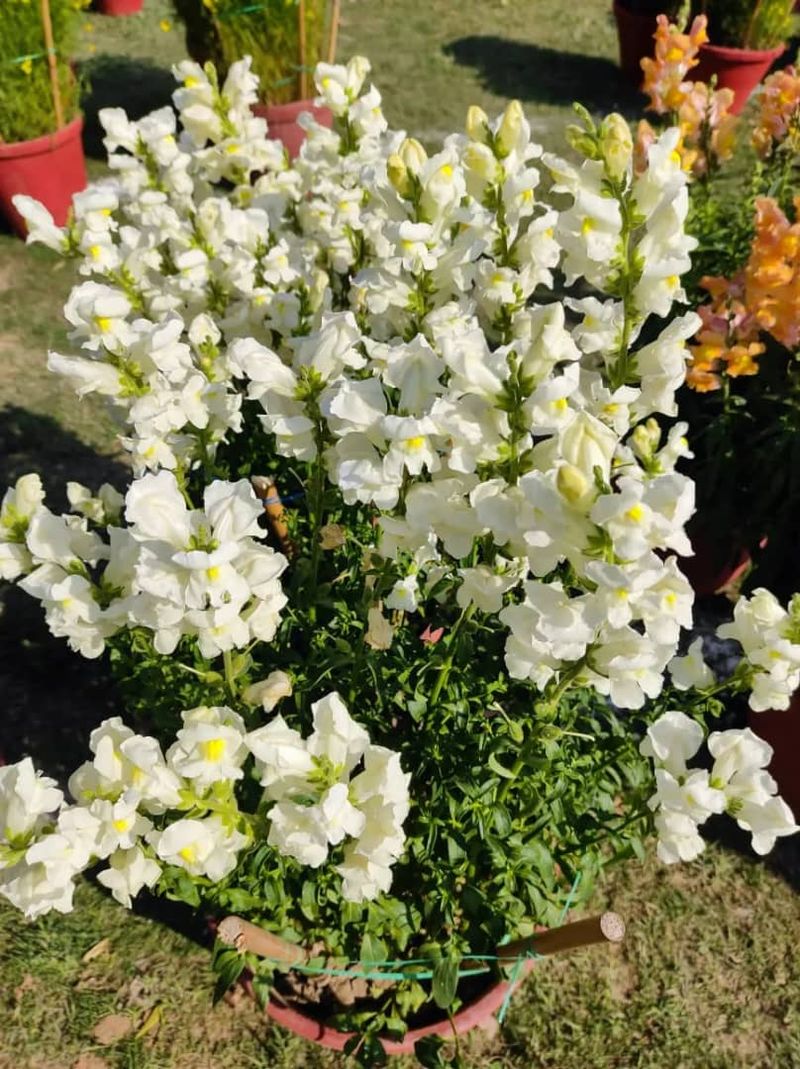
Even well-established snapdragon varieties reach their limit when Arizona spring produces a sudden push into the nineties.
Scorched petals, bleached color, and buds that open poorly are all outcomes of unprotected exposure during those early heat spikes in March and April.
Afternoon shade during those spikes can genuinely preserve what remains of the bloom season.
Shade cloth rated at thirty to forty percent is the most practical solution for in-ground beds. It allows enough light for continued photosynthesis while reducing the intensity that causes visible damage.
Garden centers and hardware stores across Arizona carry shade cloth in various sizes. Simple PVC pipe frames or wooden stakes support it over beds without applying any pressure to the plants below.
Container gardeners have the easier situation. Moving pots under a patio cover, pergola, or large canopy tree during a predicted hot stretch is fast and effective.
The plants need to return to morning sun once the heat breaks, since full shade all day reduces bloom production. Targeted afternoon protection is the goal.
Monitoring the forecast from late February through April is worth making a habit. Several consecutive days above eighty-five degrees in the outlook is the signal to act.
Getting shade cloth in place before the heat arrives produces significantly better results than deploying it after the damage is already visible.
Flowers protected from heat maintain their color and form far better than flowers attempting to recover from it.
The forecast is free. The shade cloth is inexpensive. The combination works well.
6. Swap In Heat Lovers When Snapdragons Fade
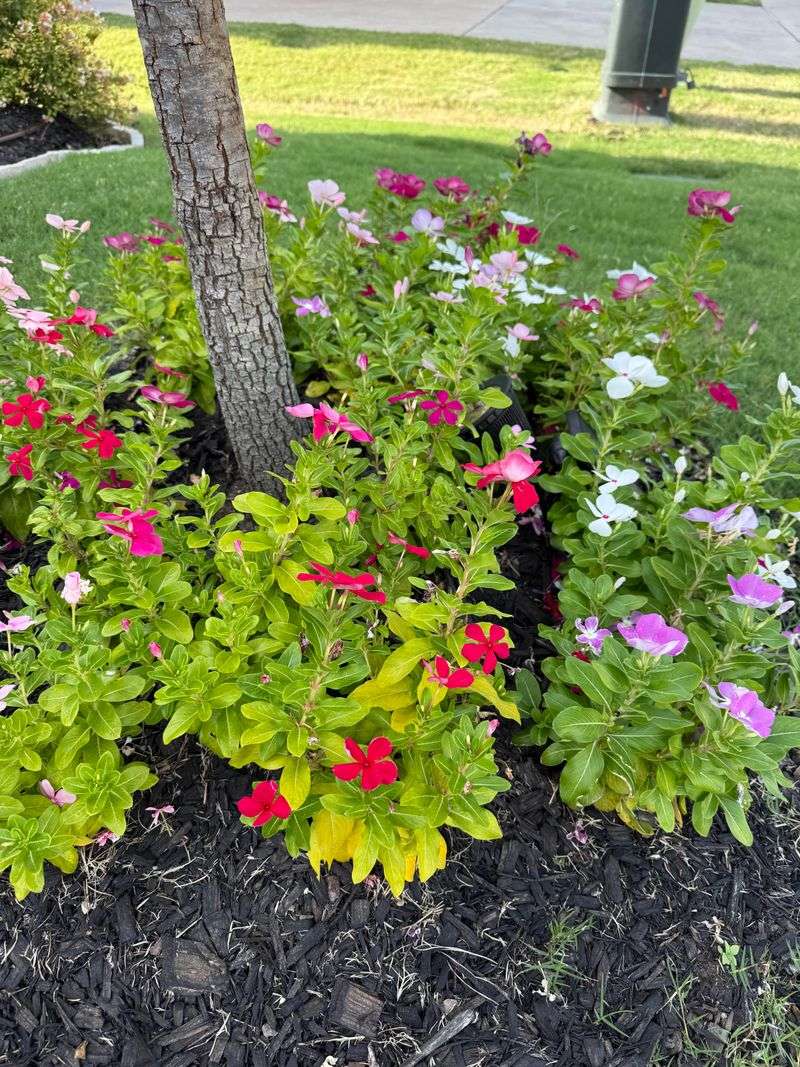
Every season eventually reaches its end, and snapdragons communicate that transition clearly when they start looking leggy, pale, or simply worn.
Recognizing that signal and acting on it at the right moment keeps the garden looking intentional rather than neglected between seasons.
Warm-season annuals like vinca, portulaca, purslane, and moss rose are reliable Arizona summer performers.
They want soil temperatures that have warmed and cool-weather threats fully behind them. In the low desert, late March through April is typically the right window for introducing them into beds.
The transition works best when it overlaps slightly. Starting summer plants while snapdragons are still holding on means no bare soil, no visual gap, and no period where the garden looks like something happened to it.
Before removing fading snapdragons, cut them back hard and water deeply. Give the plant one week to respond.
A hard trim occasionally produces several additional weeks of bloom from plants that looked finished. If regrowth does not appear within that window, the bed is ready for the summer rotation.
Amend the soil before replanting. Working compost into the top few inches replenishes what the cool-season crop used across its growing period.
A slow-release granular fertilizer mixed in at the same time gives new transplants a productive start.
A garden that transitions smoothly between seasons never needs to explain itself to visitors. It just always looks like something good is growing there. Which it is.
7. Harvest Color Before Summer Wins
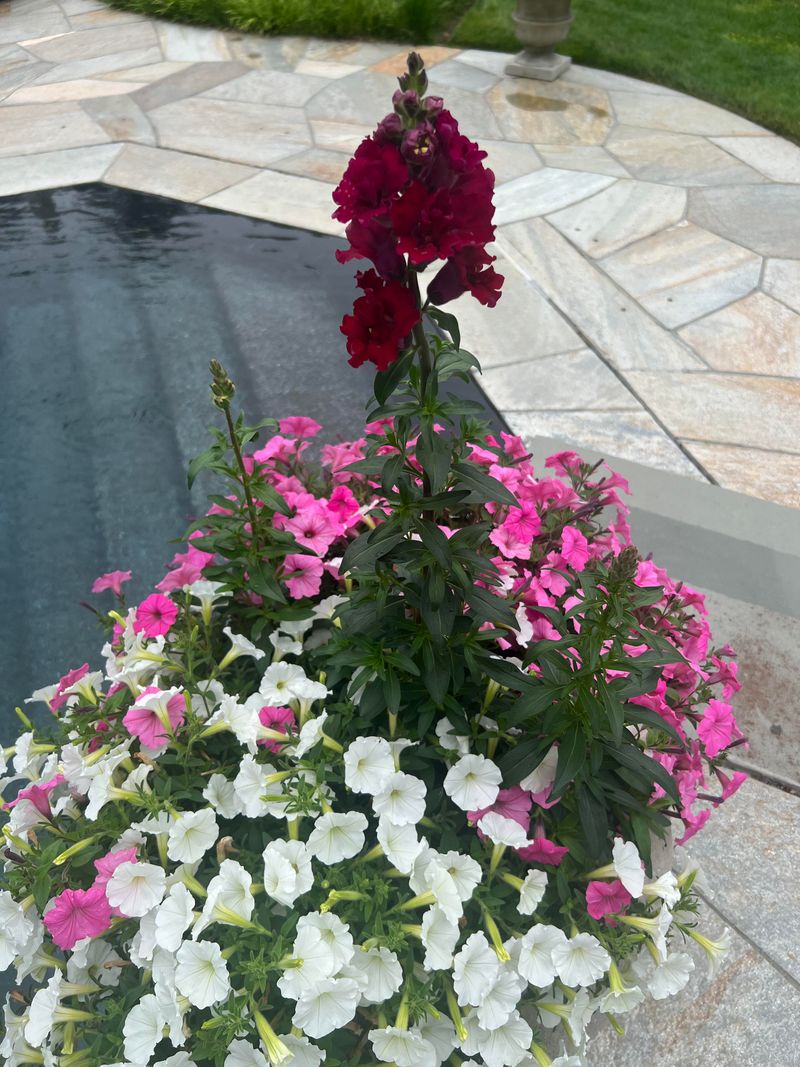
Before the heat closes the season entirely, the garden has one more thing to offer that most Arizona gardeners underuse.
Snapdragons are outstanding cut flowers, and regular harvesting actively encourages the plant to produce more bloom spikes rather than fewer.
Cutting and receiving more is not a gardening myth. It is the actual biology of how these plants respond to harvest.
Cut stems in the early morning when flowers are at their freshest and the plant is most hydrated. Select spikes that are one-third to halfway open, with lower blooms just beginning to show color and upper buds still closed.
Those buds continue opening in the vase over several days, extending the arrangement considerably past what a fully open stem would provide.
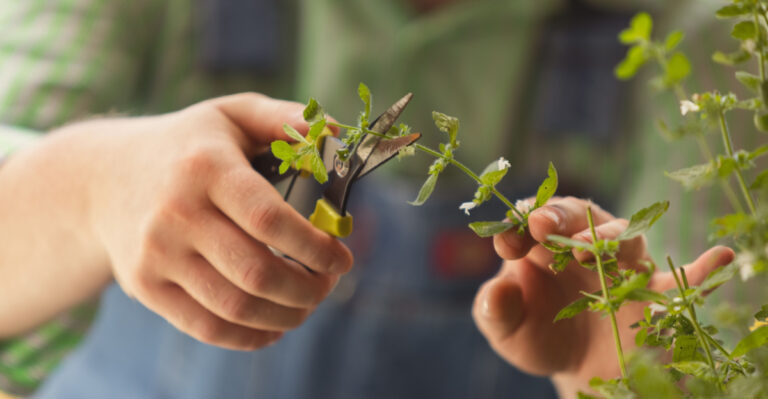
Sharp scissors or clean pruning shears cut at an angle improve water uptake from the first moment the stem enters the vase.
Remove any leaves that would sit below the waterline and change the water every two days with a fresh angled trim each time. Snapdragons in a vase last seven to ten days with consistent basic care.
Consider who else might benefit from what the garden is currently producing. A small bouquet delivered to a neighbor, teacher, or anyone who could use something cheerful costs nothing beyond a few stems and a short walk.
Every cut stem brought inside is a small act of getting full value from a season that is winding down regardless.
The heat is coming. The snapdragons might as well be useful on the way out.
8. Plan Fall Snapdragons Before September Arrives
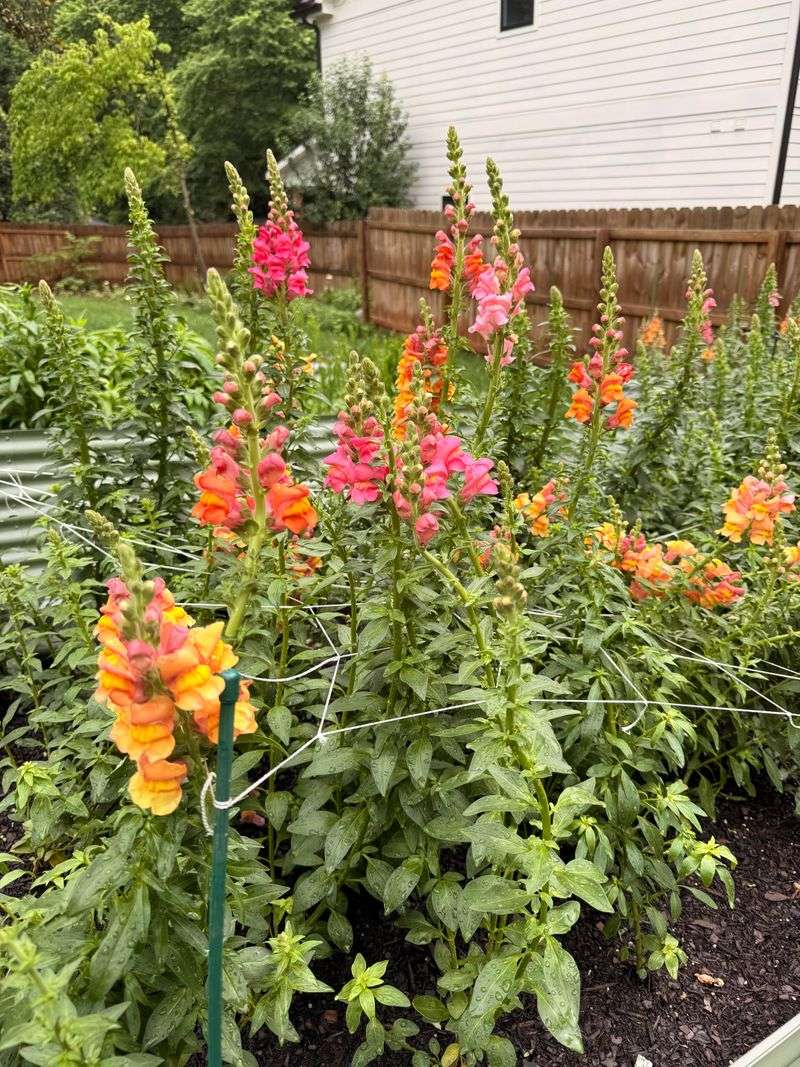
The gardeners with the most impressive cool-season displays in Arizona are not doing anything dramatically different from everyone else. They are simply doing it two months earlier.
By the time summer heat breaks and conditions feel appropriate for cool-season planting, the best transplants at local nurseries are already gone.
The window between available transplants and ideal planting time is shorter than it appears from inside a hot August house.
The low desert planting window for snapdragons runs from October through February, with October and November consistently producing strong results.
Reaching that window with healthy plants means starting seeds indoors in August or identifying which local nurseries stock cool-season transplants in early fall and arriving before selection thins.
Starting from seed expands variety options considerably and makes economic sense for larger plantings. Snapdragon seeds require light to germinate, so pressing them gently onto moist seed-starting mix rather than covering them is the correct approach.
Germination takes seven to fourteen days at temperatures between sixty-five and seventy-five degrees. A shaded outdoor spot or a cool indoor space works well for late-summer seed starting in Arizona.
Planning color combinations and plant heights now produces better outcomes than deciding at the nursery in October.
Tall varieties anchor back borders effectively. Medium types fill the middle range. Dwarf varieties handle container edges with natural charm.
A marked calendar, a seed order, and a sketch of the bed are all it takes. Next November’s garden is already waiting to be decided.