Arizona Homeowners Are Making Their Yards More Welcoming To Black Widows Without Realizing It — Here’s How To Stop
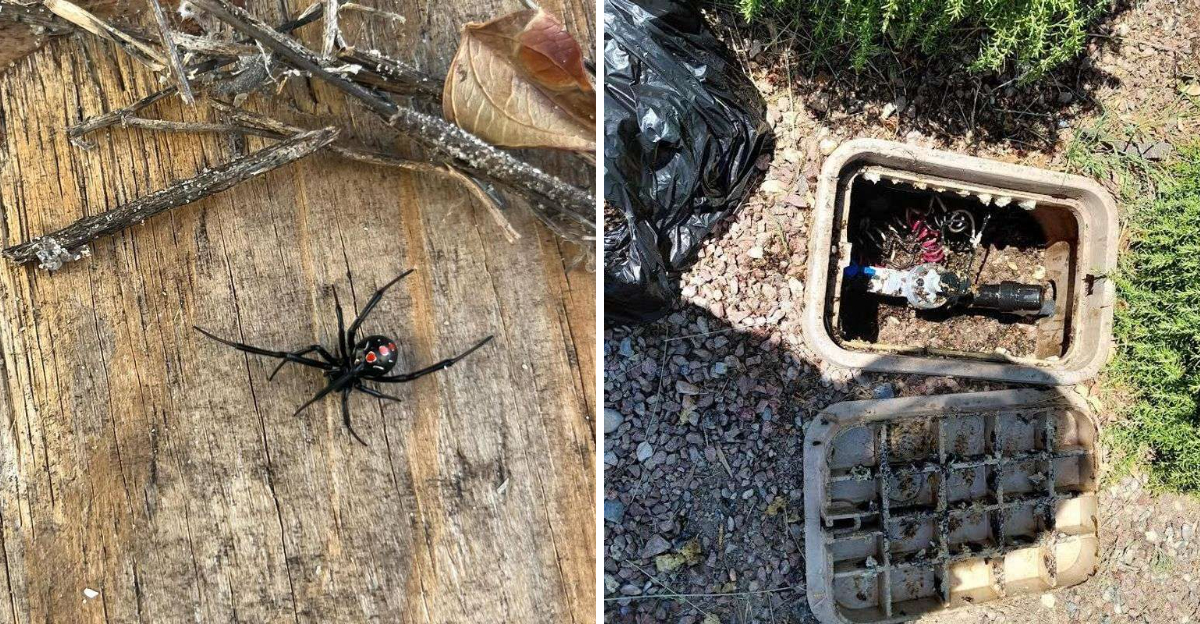
Few things make people rethink their yard faster than spotting a black widow in a place they use every day. Suddenly, the patio feels different, the storage area gets a second look, and every dark corner starts attracting attention.
What catches many people off guard is how easily these spiders can settle into a yard without leaving obvious signs at first.
A neat appearance does not always mean a space is less attractive to unwanted visitors. Certain features can quietly create shelter and protection while blending into the landscape so well that nobody gives them a second thought.
Weeks or even months can pass before a spider is finally noticed.
Arizona’s warm climate gives black widows plenty of opportunities to stay active, which makes prevention much easier than dealing with a growing problem later.
A few common yard habits may be doing more than expected, and recognizing them early can help make outdoor spaces feel far more comfortable and worry free.
1. Remove Piles Of Wood, Bricks, And Yard Debris
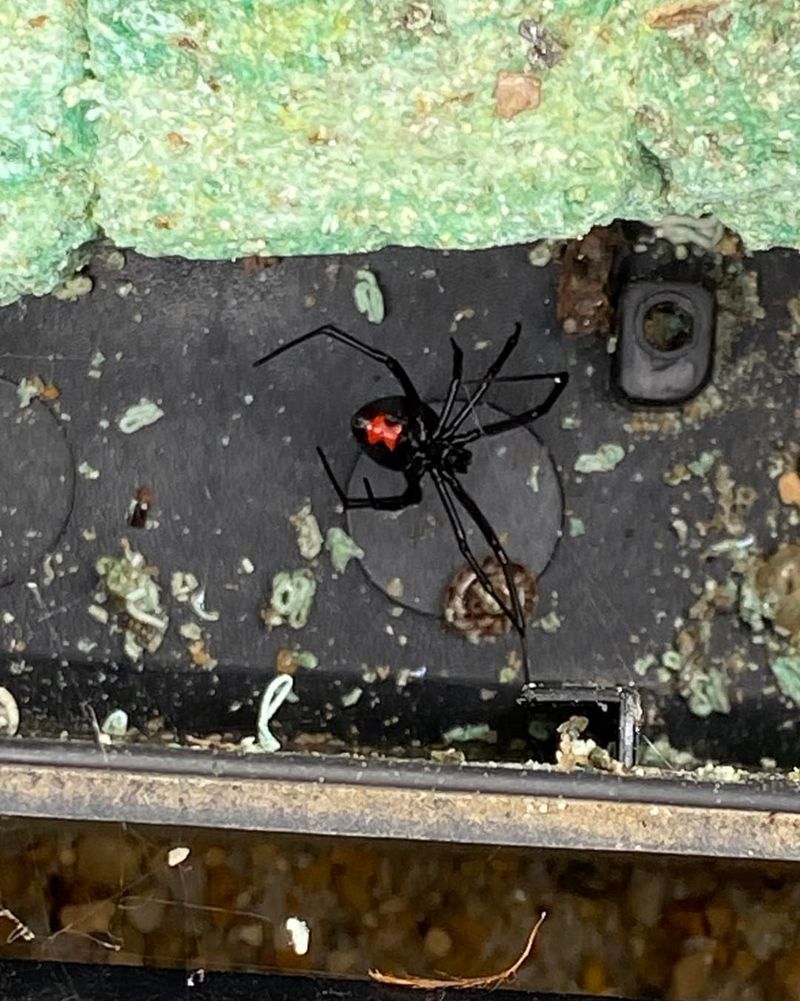
Stacked wood is practically a black widow hotel. Gaps between logs and bricks offer exactly the kind of tight, dark shelter these spiders seek out.
Most homeowners in the Southwest stack firewood right against the house or fence without thinking twice. That cozy pile stays cool during hot days and holds moisture longer than the surrounding ground.
Both of those conditions are highly attractive to black widows.
Move firewood storage at least 18 to 20 feet away from your home’s exterior. Stack it off the ground using a metal rack so air circulates underneath.
Avoid wooden pallets as a base since they create additional hiding spots.
Old bricks, broken pavers, and leftover construction materials are just as problematic. Flat stacked materials with narrow gaps are prime real estate for web-building.
Clear those piles regularly or store them in sealed bins.
Yard debris like fallen branches, dried cactus pads, and fallen leaves should not sit on the ground for long. Bag them up and remove them quickly.
Letting organic debris accumulate invites the insects that black widows feed on, which then draws the spiders themselves.
2. Stop Leaving Empty Pots And Containers In Hidden Corners
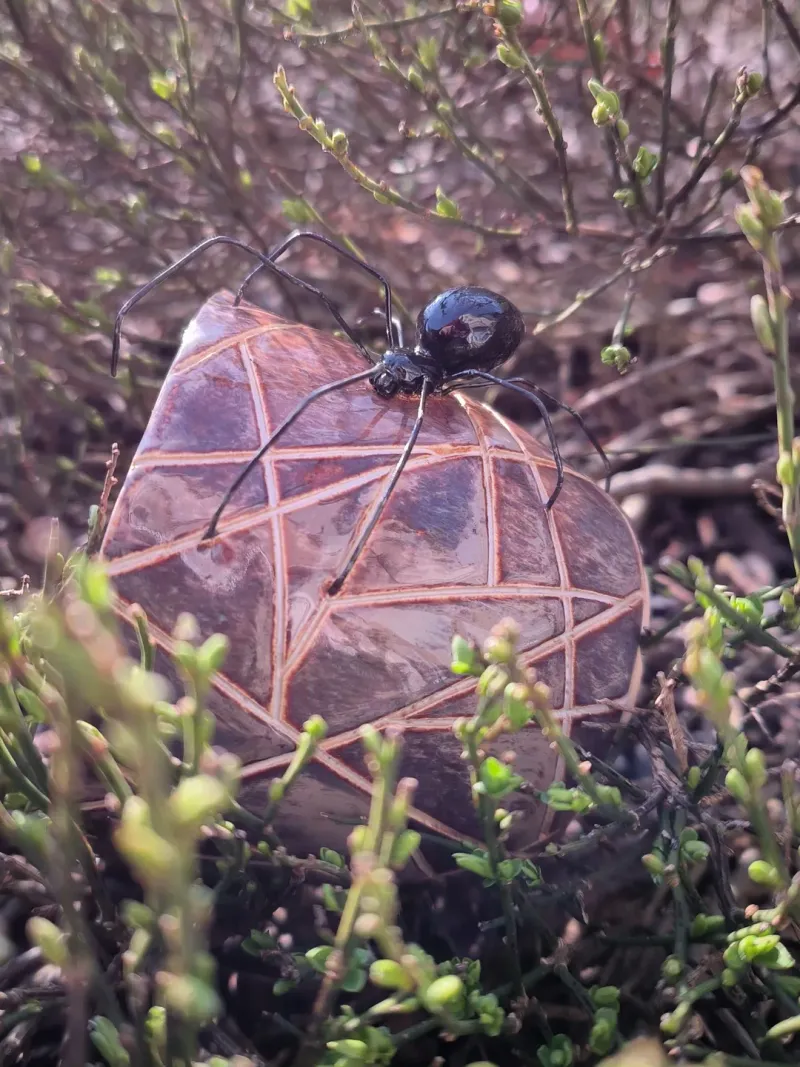
Flip over any empty pot in a neglected corner of your yard, and you might get a surprise. Black widows love the underside of containers, especially ones left undisturbed for weeks.
Empty pots create a sheltered microclimate. The inside stays darker, slightly cooler, and protected from wind.
That combination checks every box on a black widow’s list of preferred nesting conditions.
Plastic, clay, and ceramic containers all attract them equally. Size does not matter much either.
Even small four-inch pots can harbor a spider and her egg sac if left alone long enough.
Do not leave pots sitting right-side up with standing water either. Moisture draws insects, and insects draw spiders.
Tip containers upside down when not in use, or nest them together and store them inside a shed or garage.
If you have a collection of pots stacked near a wall or fence, make a habit of checking them weekly during warmer months. Spring through fall is when black widow activity peaks in the desert Southwest.
Your Arizona Garden Changes Every Week. Your Plan Should Too.
Gardening in Arizona changes quickly throughout the season. Every Friday you’ll receive a simple weekly plan showing exactly what to plant, prune, fertilize, harvest, and protect so you never miss the right timing.
Seasonal gardeners often forget about containers stored behind shrubs or along fence lines after planting season ends. Those forgotten spots go unchecked for months.
3. Keep Ground Covers And Dense Shrubs Properly Trimmed
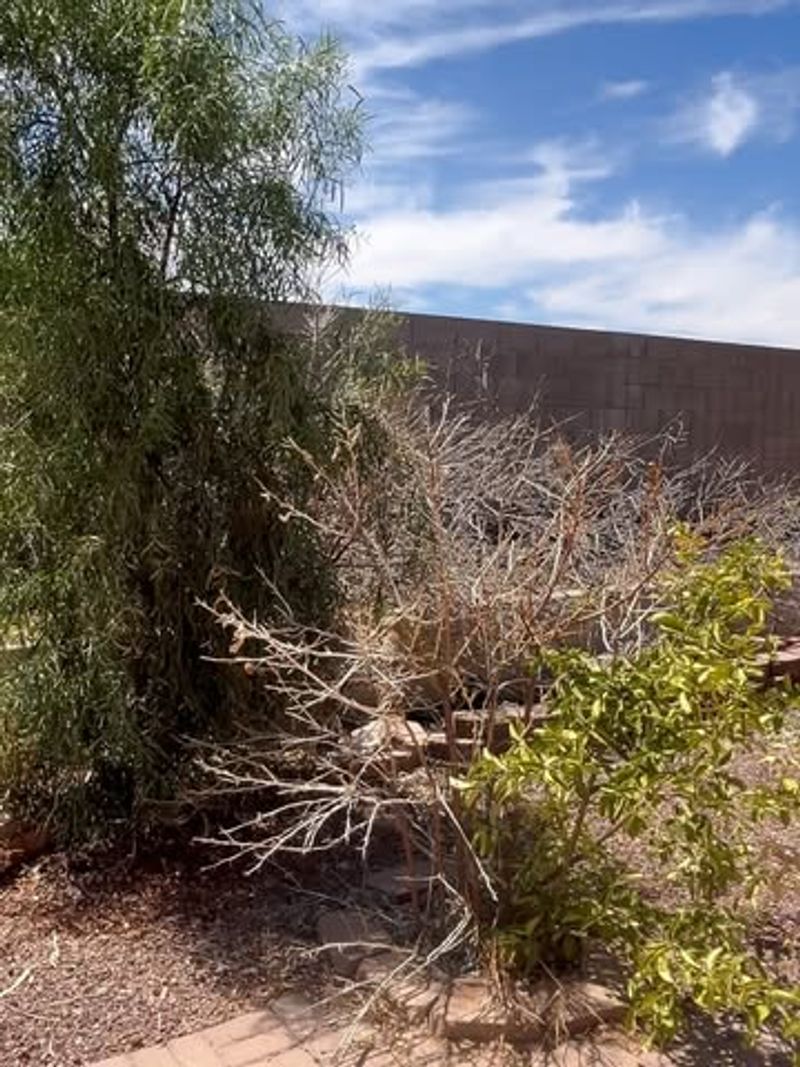
Overgrown ground cover creates a hidden world at ground level that most homeowners never look at closely. Black widows thrive inside dense, low-lying vegetation where light rarely reaches.
Shrubs that spread outward and touch the ground trap moisture underneath. That cool, dark layer becomes a feeding and nesting zone.
Spiders set up webs between stems and within the leaf canopy where insects travel regularly.
Trim shrubs so the lowest branches sit at least six inches above the soil. That gap improves airflow and removes the dark, sheltered layer that spiders depend on.
Ground covers like lantana, creeping rosemary, and trailing junipers are especially prone to harboring spiders when left unmanaged.
Use sharp bypass pruners or hedge trimmers to cut back overgrowth every four to six weeks during active growing seasons. After trimming, rake out the clippings immediately.
Leaving cut material on the ground just creates new debris piles.
Thick shrubs planted close to the home’s foundation are a specific concern. Spiders nesting in dense vegetation near the house can migrate indoors through gaps and cracks.
Keeping a clear buffer zone between plants and your exterior walls reduces that risk significantly.
4. Clear Leaf Litter Before It Becomes A Permanent Hiding Spot
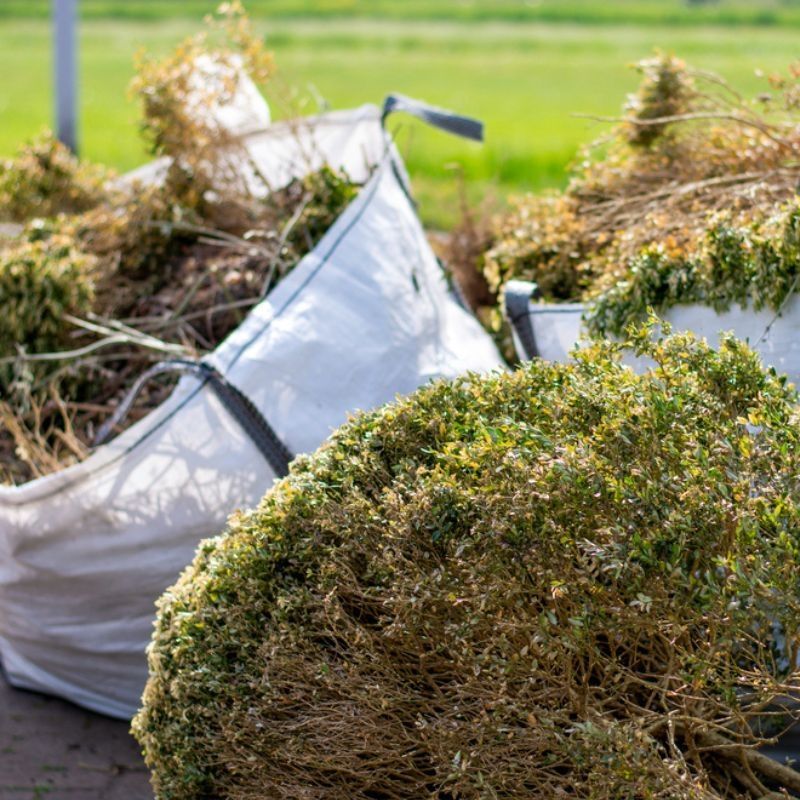
Leaf litter builds up fast, especially near block walls and fence lines where wind pushes debris into corners. What looks like a minor mess is actually prime spider territory.
A layer of fallen leaves insulates the ground underneath. Moisture stays trapped, soil stays cooler, and the layer itself becomes a microhabitat.
Beetles, earwigs, and crickets move in first. Black widows follow the food supply.
Rake leaf litter out from under shrubs and along fence lines at least twice a month during fall and early winter when desert trees drop foliage. Do not let it pile up for weeks before addressing it.
Even a thin layer can shelter a spider or provide cover for egg sacs.
Pay close attention to spots where leaf litter collects against irrigation valve boxes, utility covers, and low wall edges. Those areas are easy to overlook during routine yard maintenance.
Spiders use them as anchor points for webs and as sheltered retreats during daylight hours.
Bag the litter and remove it from the property rather than composting it on-site unless your compost bin is sealed. Open compost piles near the house create another source of insect activity and spider attraction.
5. Reduce Outdoor Clutter Around Sheds And Fences
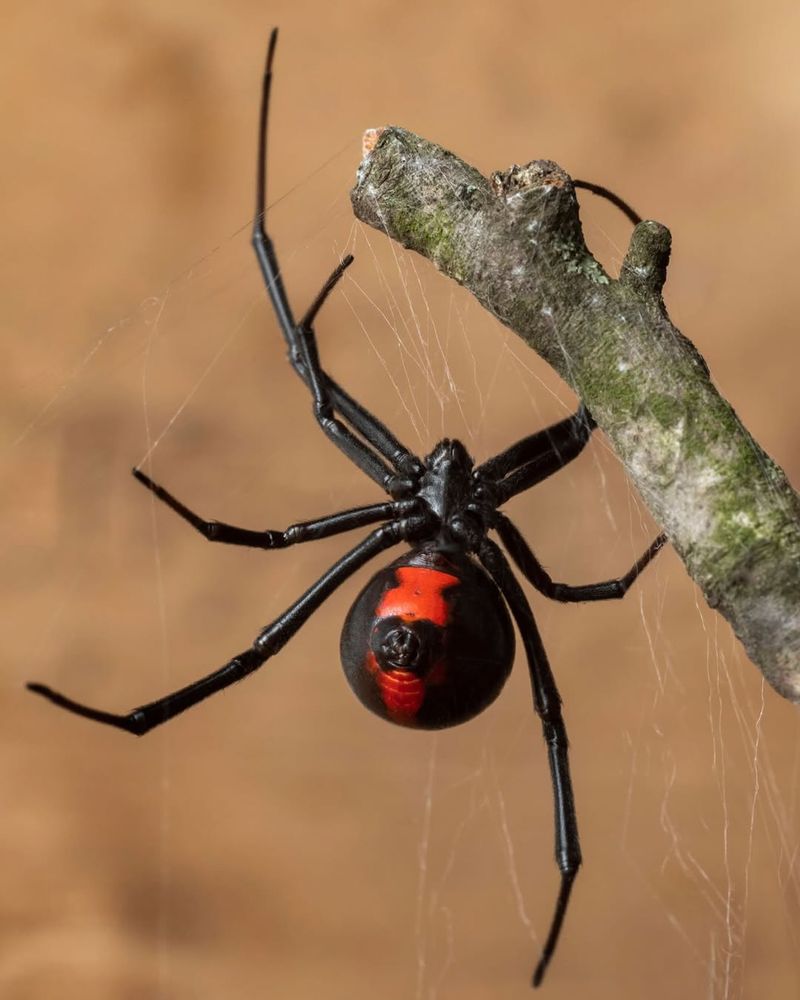
Sheds and fences collect clutter naturally over time. Old hoses, unused tools, buckets, and forgotten garden supplies pile up in these zones and create a layered environment that is nearly impossible to inspect.
Black widows specifically seek out locations where multiple objects are stacked or leaning together. The overlapping surfaces create numerous small cavities perfect for web-building.
A shed corner with a coiled hose, a metal rake, and a bag of gravel sitting together is an ideal nesting site.
Start by pulling everything away from the shed exterior and fence line. Inspect each item individually before setting it back down.
Look underneath, inside, and along the edges where webs are commonly anchored.
Wall-mount as many tools as possible inside the shed rather than leaning them against exterior walls. Hanging storage keeps items off the ground and eliminates the layered clutter that spiders exploit.
Pegboards and wall hooks are inexpensive and make a meaningful difference.
Fence lines deserve the same attention. Remove anything stored along the base of a fence permanently.
Decorative items, stacked edging stones, and coiled drip irrigation lines sitting at fence level all create shelter. Clear a visible strip along the entire fence perimeter.
6. Check Irrigation Leaks That Create Cool, Protected Areas
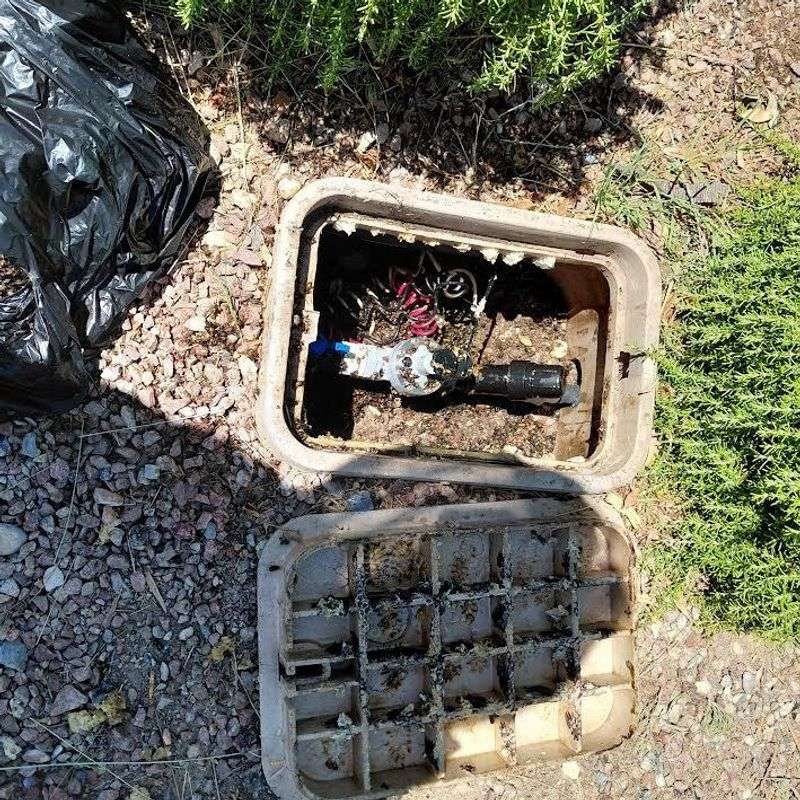
A slow drip from a cracked emitter might seem harmless, but moisture in a dry climate creates a magnet for insect activity. Where insects gather, predators follow.
Leaking irrigation lines create consistently damp patches at ground level. Those wet zones stay cooler than the surrounding dry soil, especially under rocks, mulch, or low-growing plants.
Spiders exploit that temperature contrast as a refuge during peak daytime heat.
Walk your irrigation lines every two to three weeks and check each emitter closely. Look for wet soil outside the target zone, pooling water near valve boxes, and damp soil under rocks that should be dry.
Any unexpected moisture warrants a closer look.
Drip lines running along fence bases or near block wall footings are especially worth monitoring. Water that pools near structural edges soaks into crevices and keeps them moist.
Those damp crevices attract the small insects that make up a black widow’s primary food source.
Fixing leaks promptly eliminates both the moisture and the insect activity that follows it. Replace cracked emitters, tighten loose fittings, and check timer settings to avoid overwatering.
Keeping irrigation efficient and targeted removes one of the most overlooked attractants in desert yards.
7. Seal Gaps Around Foundations Where Prey And Spiders Gather
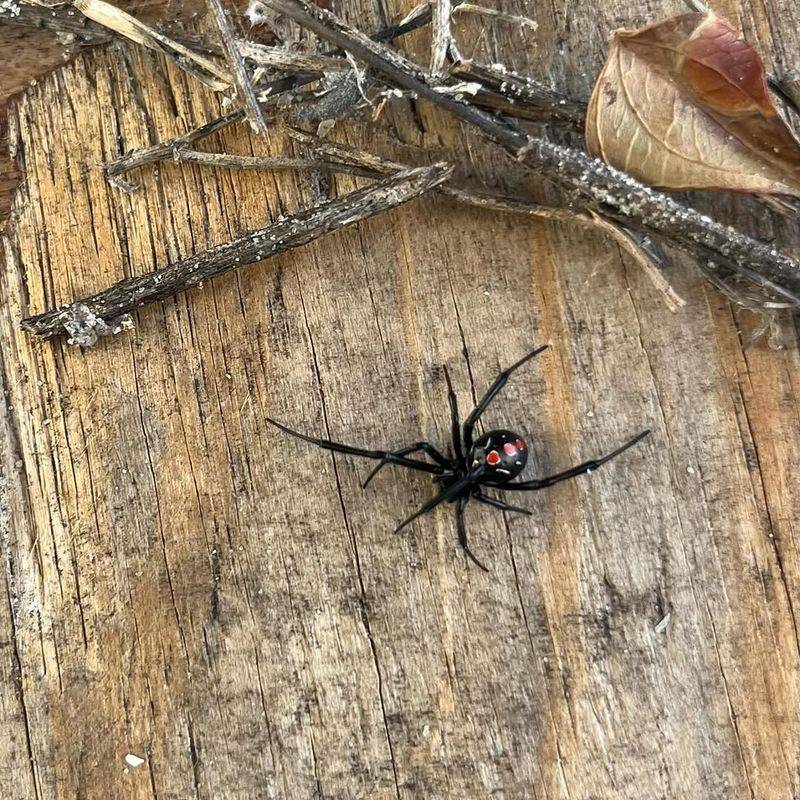
Cracks along a home’s foundation are more than just a structural concern. Gaps at ground level serve as entry points for insects and, eventually, for the spiders that hunt them.
Black widows do not wander far from reliable food sources. When insects concentrate near a foundation, either from interior light, moisture, or warmth escaping through gaps, spiders position themselves nearby to take advantage.
Webs appear in crevices, under ledges, and right along the base of the wall.
Walk the full perimeter of your home and inspect the foundation closely. Look for cracks wider than a quarter inch, gaps where the stucco meets the slab, and openings around utility penetrations like conduit and plumbing lines.
Mark each one and address it systematically.
Use a weatherproof caulk rated for masonry or concrete to seal narrow cracks. For larger gaps, foam backer rod combined with caulk provides a more durable fill.
Around utility penetrations, use expanding foam sealant and cover it with a metal escutcheon plate for a finished, long-lasting seal.
Check weep holes in brick or block walls as well. These small openings are intentional but can be fitted with weep hole covers that allow drainage while blocking pest entry.
They are inexpensive and easy to install without professional help.