What Oregon Lavender Needs Right Now For More Summer Blooms And Stronger Fragrance
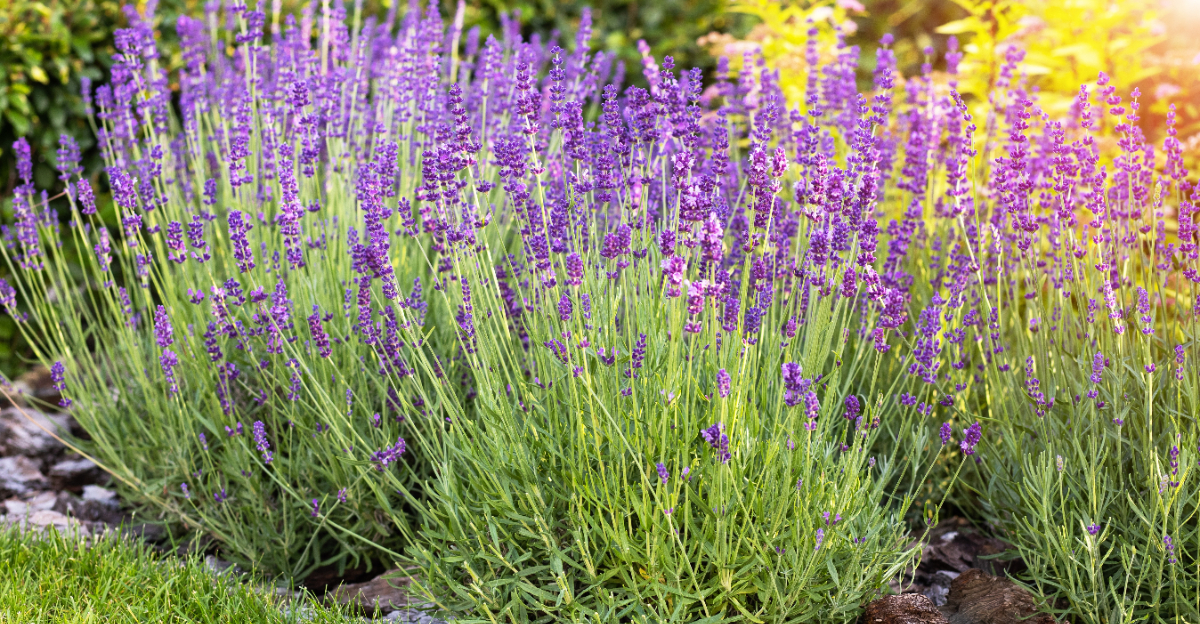
Lavender can smell like summer before the season even reaches full swing. In Oregon, though, getting stronger fragrance and more blooms takes a little care at the right moment.
Rainy spring weather can leave plants softer than they should be. Heavy soil can also keep roots too damp if the plant is not in the right spot.
As warmer days arrive, lavender needs a chance to shift into bloom mode without extra stress. A small change now can help the plant focus its energy where gardeners want it most.
The goal is not to fuss over it every day. Lavender usually prefers a lighter touch.
Give it the right timing and the right kind of attention, and those purple spikes can become even more rewarding as summer rolls in.
1. Full Sun Builds The Strongest Scent
Sun is not just helpful for lavender. It is absolutely essential.
Plants that sit in shade or get only a few hours of light each day tend to grow tall and floppy, produce fewer blooms, and carry almost no scent at all.
Lavender produces its signature fragrance through tiny oil glands in its leaves and flowers. Those oils develop best under intense, direct sunlight.
The more sun the plant gets, the more concentrated those oils become, and the stronger that beautiful scent will be.
In Oregon, summer sun can be fantastic, but placement matters a lot. A south or southwest-facing spot is usually the best choice.
Walls and fences that reflect heat can also help boost warmth around the plant during cooler stretches.
Aim for at least six to eight hours of direct sun each day. If your current planting spot is partially shaded by a tree or building, it may be worth moving the plant this spring before it sets new growth.
Even a few extra hours of sun daily can noticeably improve bloom count and fragrance strength by midsummer. Check your garden layout and make adjustments now while the season is still young.
2. Lean Soil Keeps Lavender From Getting Soft
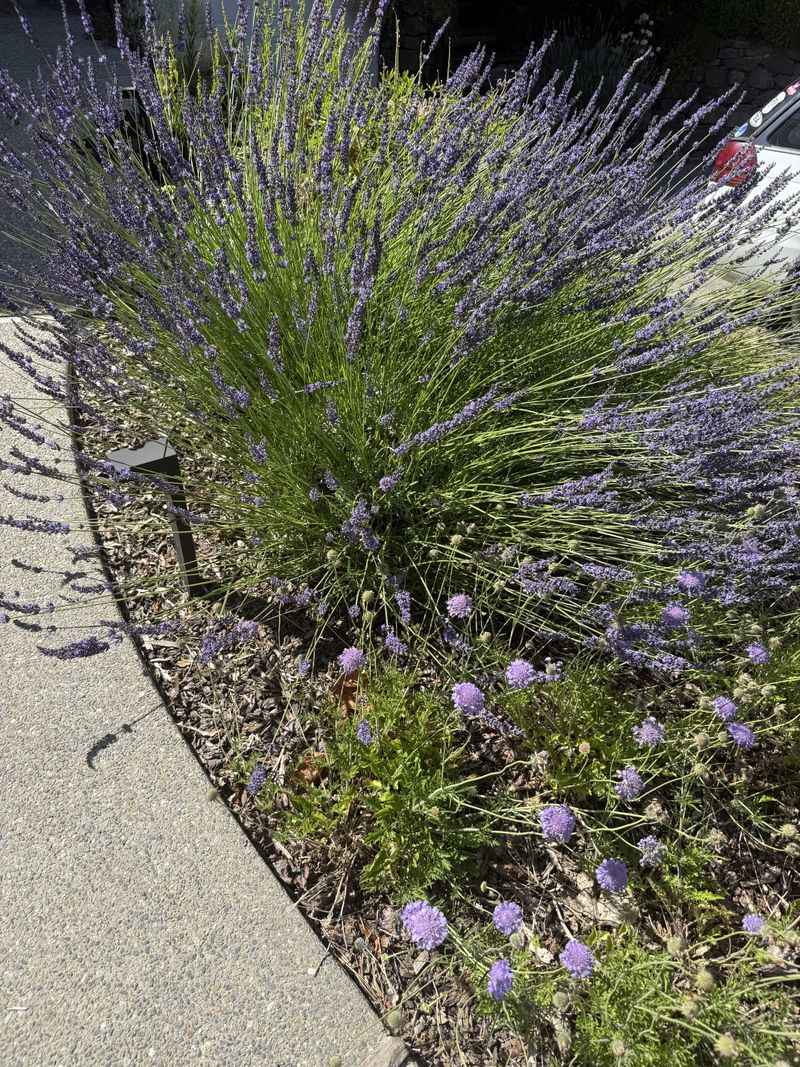
Rich, dark soil loaded with nutrients might seem like the ideal growing environment for most plants. For lavender, though, that kind of soil is actually a problem.
Overly fertile ground encourages soft, leafy growth that lacks the structure needed to hold up flowers and produce strong scent.
Lavender is native to the rocky hillsides of the Mediterranean. It evolved in poor, dry, mineral-rich ground where it had to work hard to survive.
That struggle is exactly what makes it tough, aromatic, and beautiful.
In the Pacific Northwest, many garden soils are naturally rich and moist, especially in valley areas.
If your soil feels soft and dark and holds water easily, it is worth amending it before planting or around established plants.
Mix in coarse sand, fine gravel, or crushed granite to create a leaner, grittier texture.
A soil that drains fast and offers modest nutrients will push lavender to produce more essential oils rather than more leaves. The plant essentially responds to mild stress by concentrating its fragrance compounds.
Your Oregon Garden Changes Every Week. Your Plan Should Too.
Gardening in Oregon changes quickly throughout the season. Every Friday you’ll receive a simple weekly plan showing exactly what to plant, prune, fertilize, harvest, and protect so you never miss the right timing.
Avoid planting in heavy clay or overly composted beds. If you are growing in containers, choose a cactus or Mediterranean mix rather than standard potting soil.
Lean soil is one of the simplest and most effective ways to get stronger fragrance from your plants this summer.
3. Heavy Fertilizer Can Weaken The Fragrance
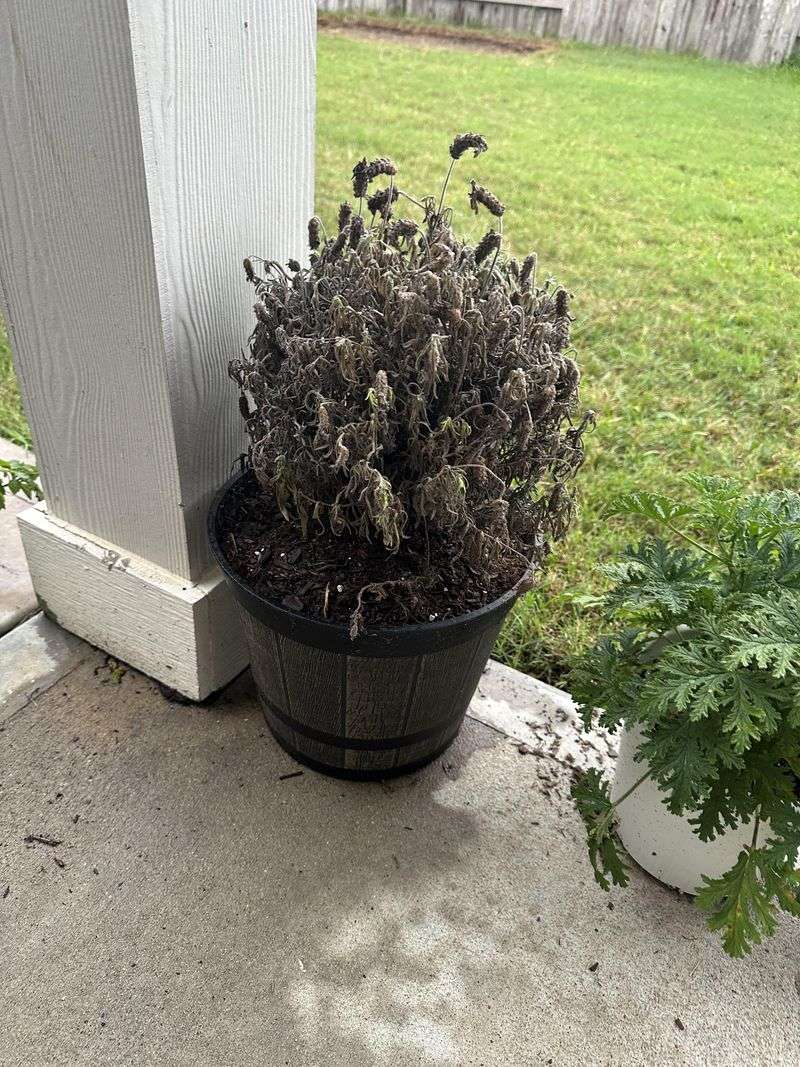
Many Oregon gardeners assume that more fertilizer means better plants. With lavender, the opposite is often true.
Feeding it too much, especially with nitrogen-heavy products, pushes the plant to grow lots of green leaves instead of flowers.
That leafy, lush growth might look healthy at first, but it actually reduces the concentration of aromatic oils in the plant. The fragrance becomes faint, the stems get floppy, and bloom production drops off noticeably.
It is a frustrating outcome when you were just trying to help.
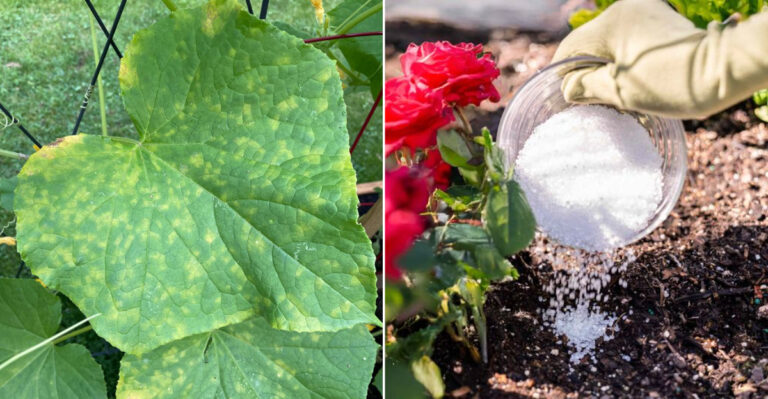
If your lavender is planted in reasonably decent soil, it likely needs very little extra feeding at all. At most, a light application of a low-nitrogen, balanced fertilizer in early spring is enough to support new growth without overdoing it.
Look for formulas with higher phosphorus numbers to encourage blooming rather than leafy expansion.
Avoid fertilizing after midsummer. Late feeding can stimulate tender new growth that will not harden off before cooler weather arrives in our region.
That soft growth is also more prone to fungal issues during the damp fall months common here. When in doubt, skip the fertilizer entirely and let the plant rely on its natural environment.
Lavender is remarkably self-sufficient and often performs best when left alone to do what it naturally does well.
4. Good Drainage Matters More Than Plant Food
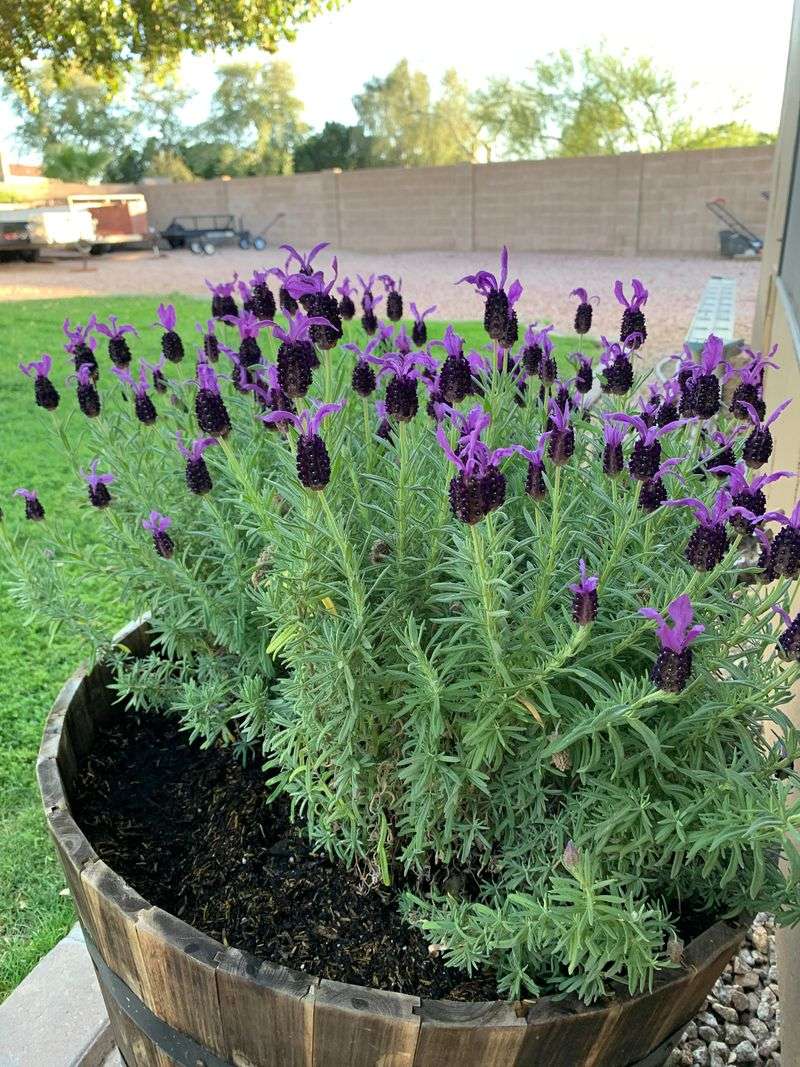
Ask any experienced lavender grower what the number one care requirement is, and most will say the same thing without hesitation: drainage. Standing water around the roots is the fastest way to ruin an otherwise healthy plant.
When roots sit in soggy soil, they cannot absorb oxygen properly. The plant weakens, the foliage turns yellow or gray, and bloom production falls sharply.
Even a few days of waterlogged soil during wet spring weather can set a plant back significantly for the entire growing season.
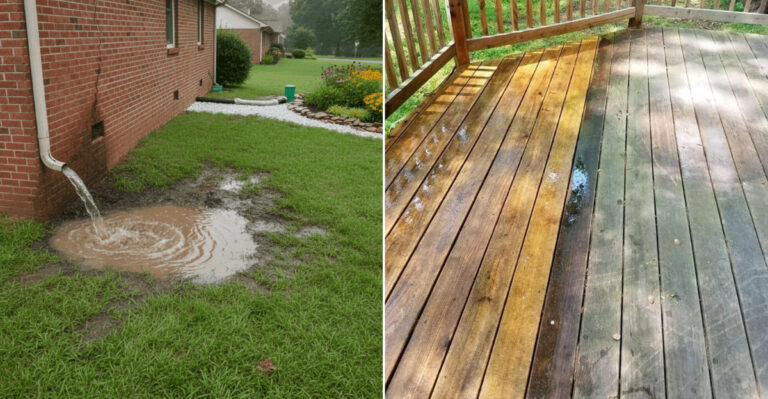
Oregon gets a lot of rain from fall through spring, which makes drainage a real concern in most home gardens. Raised beds are one of the best solutions.
Even raising the planting area just four to six inches above the surrounding ground allows excess water to move away from the root zone much more effectively.
If raised beds are not an option, try mounding the soil into a small hill and planting at the top. Sloping the ground even slightly around the base of the plant helps water run off rather than pool.
Mixing coarse grit or pea gravel into the planting hole also improves drainage significantly. No amount of fertilizer or extra sunlight will make up for poor drainage.
Getting water management right is the single most impactful step you can take for healthier, more fragrant lavender this season.
5. Gravel Mulch Keeps Crowns Drier
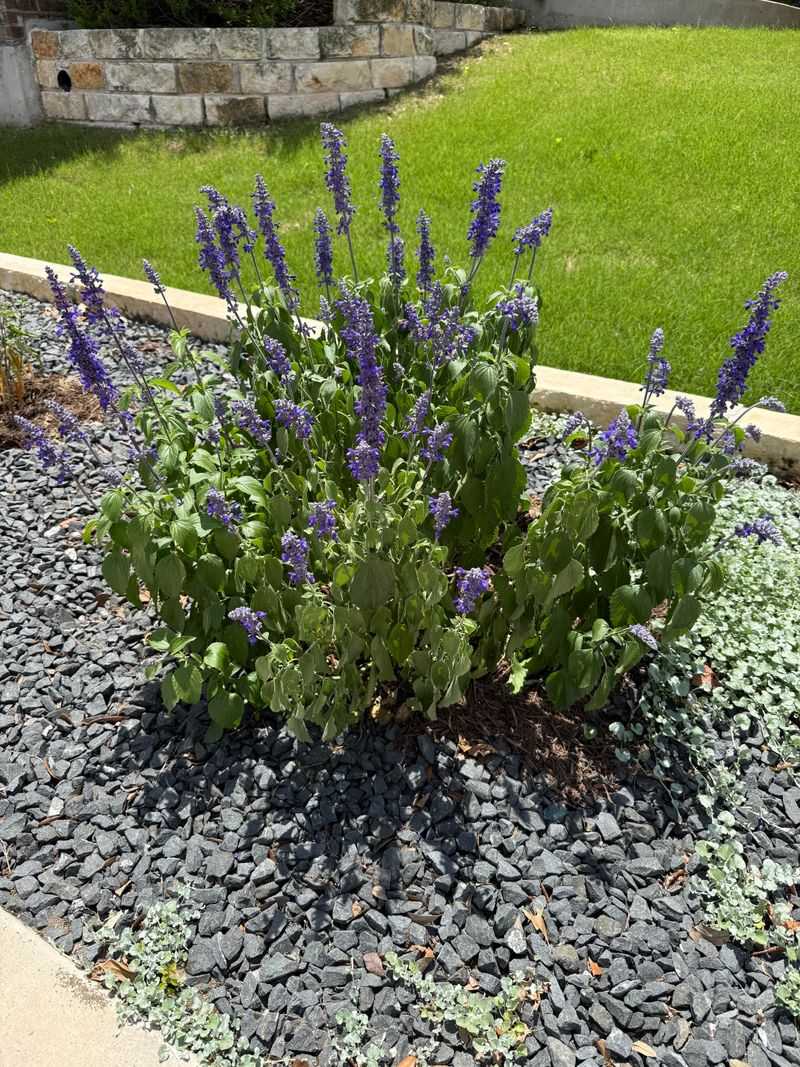
Mulch is usually recommended for most garden plants, but not all mulches work the same way for lavender.
Organic mulches like wood chips and bark hold moisture in the soil, which is great for tomatoes but risky for lavender crowns.
The crown is the spot where the woody stem meets the roots just at or below the soil surface. It is the most vulnerable part of the plant.
When that area stays wet for extended periods, it becomes a breeding ground for fungal issues that can slowly damage or hollow out the base of the plant. Gravel mulch solves this problem beautifully.
A layer of pea gravel, crushed granite, or decomposed granite around the base of the plant allows water to drain away immediately while still protecting the soil underneath from temperature extremes.
It also reflects heat upward toward the plant, which lavender absolutely loves.
Use a layer about two to three inches thick and spread it outward from the crown without piling it directly against the stem. Light-colored gravel works especially well because it reflects more sunlight and warmth.
In our region, where fall and spring rains are heavy, gravel mulch can make a real difference in keeping plants healthy through the wet season. It is a small investment that pays off with noticeably better plant health and stronger blooms come summer.
6. Deep, Infrequent Watering Beats Daily Sprinkles
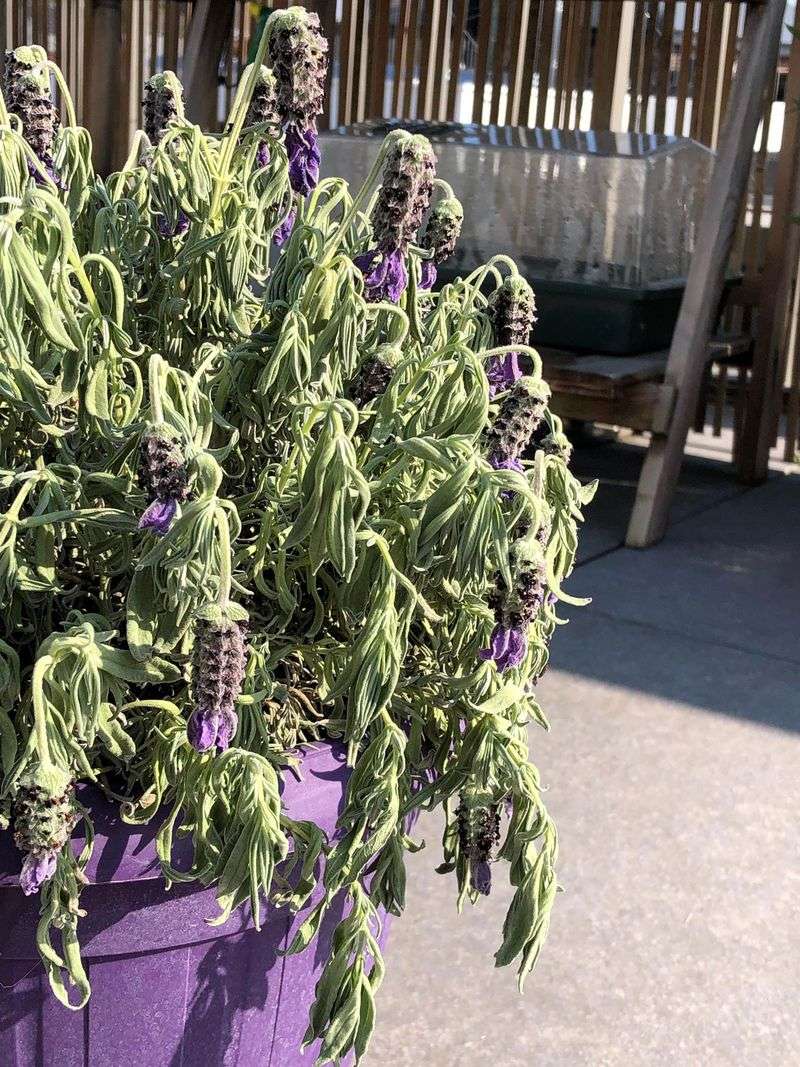
Watering lavender the wrong way is one of the most common mistakes home gardeners make. Light, frequent watering keeps the top layer of soil moist but never encourages roots to grow downward.
Shallow roots mean a weaker, more dependent plant that struggles during dry spells.
Deep, infrequent watering trains roots to follow moisture down into the soil. That deeper root system makes the plant far more drought-tolerant and resilient.
It also keeps the crown and upper soil drier between waterings, which is exactly what lavender prefers.
During summer in our state, established lavender often needs watering only once every ten to fourteen days, depending on heat and soil type.
Young plants in their first season need a bit more attention, but even they should be watered deeply and then allowed to dry out before the next drink.
When you do water, aim for the base of the plant rather than the foliage. Wet leaves and flowers can encourage fungal growth, especially during cooler nights common in our region.
Drip irrigation or a slow-running hose works far better than overhead sprinklers. Letting the soil dry out between waterings also stresses the plant just enough to push it toward producing more of those fragrant oils.
Less really is more when it comes to watering lavender for maximum scent and bloom performance.
7. Too Much Compost Can Hold Too Much Moisture
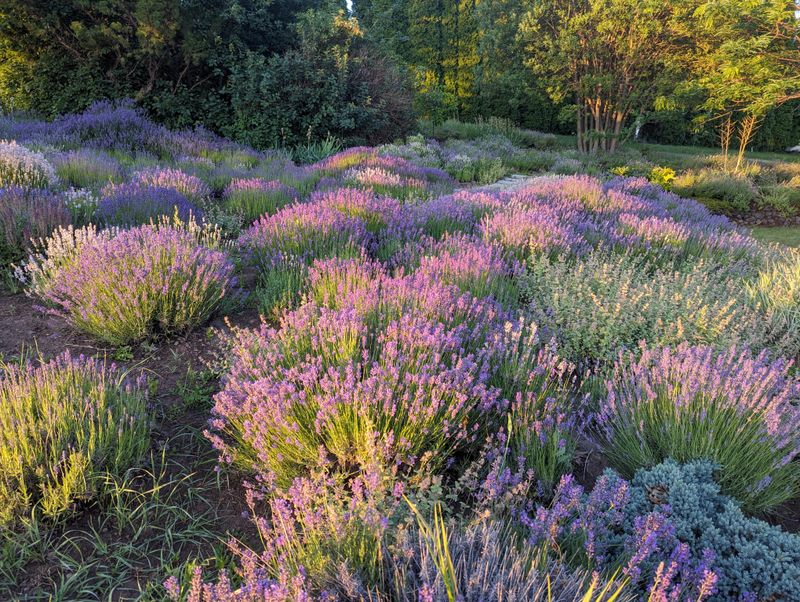
Compost is often called black gold in gardening circles, and for good reason. It improves soil structure, feeds beneficial microbes, and helps most vegetables and flowers thrive.
But lavender has a different set of rules, and heavy compost use can actually work against it.
Compost retains moisture very effectively. That quality is a bonus for water-loving plants but a drawback for lavender, which needs its root zone to dry out between waterings.
When compost-heavy soil stays damp for too long, lavender roots can suffer and the crown becomes vulnerable to rot.
If you want to amend your soil before planting, use compost sparingly. A small amount mixed into the lower part of the planting hole is fine.
But the upper layer around the crown should be kept lean, well-draining, and low in organic matter. Gravel or coarse sand is a much better top dressing than compost for lavender beds.
For gardeners in Oregon who have been generously adding compost to their beds each year, consider skipping it in areas where lavender grows. Instead, focus on improving drainage and reducing soil richness in those spots.
Lavender that struggles slightly in lean conditions actually responds by producing more aromatic compounds as a natural survival strategy.
Working with the plant’s natural preferences, rather than against them, is the smartest approach for bigger blooms and better fragrance this summer.
8. Deadheading Can Encourage A Cleaner Second Flush
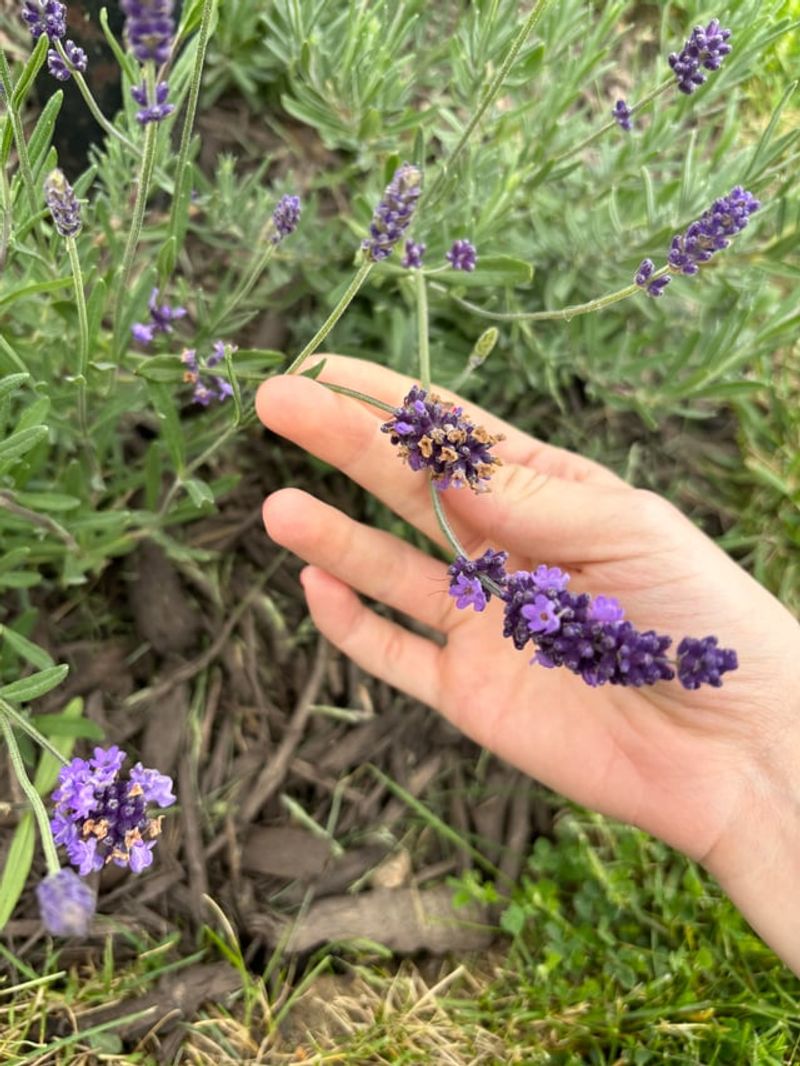
Once your lavender finishes its first round of blooms, the spent flower spikes can look tired and brown. Many gardeners leave them on, not wanting to disturb the plant.
But removing those old blooms at the right time can actually trigger a second wave of flowering before the season ends.
Deadheading works by signaling to the plant that it has not yet completed its reproductive cycle. When spent blooms are removed before seeds fully form, the plant often responds by pushing out a fresh round of flower spikes.
The second flush may not be as large as the first, but it is still beautiful and fragrant.
The key is timing. Remove spent blooms as soon as the flowers start to fade and before the seed heads fully develop.
Use clean, sharp scissors or pruning snips and cut just above a set of leaves on the stem. Avoid cutting into the woody base, as that is where the plant stores energy for regrowth.
In our state, where summers can stretch into September, deadheading in late July gives plants enough warm weeks to push out that second flush. It also keeps the garden looking tidy and prevents self-seeding, which can lead to weedy volunteers around the base.
A little attention at the right moment can extend your lavender season by several weeks and fill the garden with that signature scent well into late summer.
9. Pruning After Bloom Keeps Plants From Getting Woody
One of the most overlooked parts of lavender care is what happens after the flowers fade.
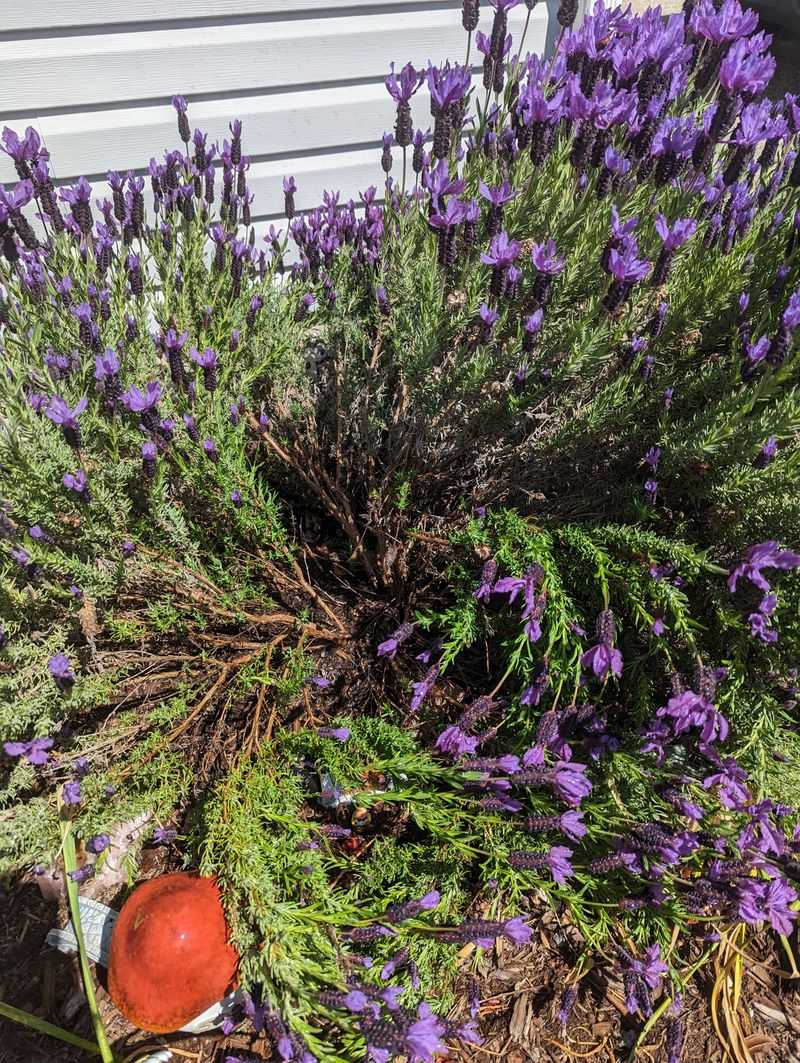
Many gardeners do nothing at all once blooming ends, and over time the plant becomes a tangled, woody mess with very little new growth near the center.
Woody lavender plants produce fewer blooms, carry less fragrance, and are much harder to bring back into shape.
The good news is that a simple pruning session after bloom season can prevent this problem entirely and set the plant up for a strong performance next year.
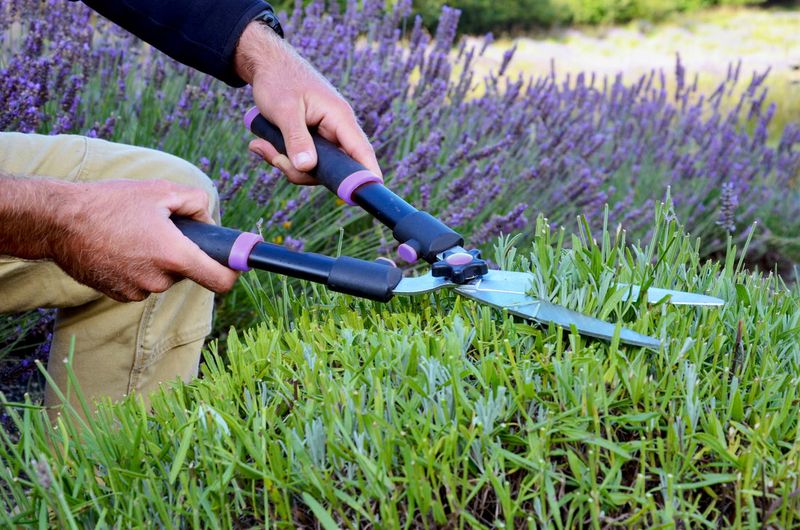
The best time to prune in our region is after the main bloom flush ends, usually in late summer. Cut back about one-third of the plant, shaping it into a rounded mound.
Always cut into the green, leafy growth and stop before you reach the hard, brown woody stems. Cutting too far into old wood can stress the plant and slow regrowth considerably.
Use clean, sharp pruners and make smooth cuts to reduce the chance of disease entering the stems. After pruning, the plant will push out fresh new growth before cooler weather arrives.
That new growth is what will carry next year’s flower buds. Consistent annual pruning keeps plants compact, productive, and loaded with fragrant blooms season after season.
It only takes about ten minutes per plant but makes an enormous difference in long-term health and garden appearance.