Avoid Planting These Bushes Near Your Texas Garden Fence
Fence lines have a way of filling up fast in Texas yards, and most of the time the decision about what goes there gets made quickly and without a lot of second-guessing.
Something needs to go along the fence, something is available at the nursery, and before long there’s a row of shrubs that seemed like a perfectly reasonable choice at the time.
The problems that follow are rarely immediate, which is exactly what makes fence-line planting mistakes so frustrating when they eventually surface. Texas conditions accelerate everything, including the consequences of planting the wrong shrub in the wrong place.
Root systems that spread aggressively, growth habits that damage fencing materials over time, plants that create moisture and shade conditions that rot wooden posts, and species that spread beyond the fence line into neighboring properties are all real outcomes that
Texas gardeners deal with regularly. Knowing which bushes to keep away from your fence before they go in the ground saves considerable trouble down the road.
1. Bamboo
Few plants in Texas have a reputation quite like running bamboo. It looks gorgeous at first glance, tall and lush and almost tropical.
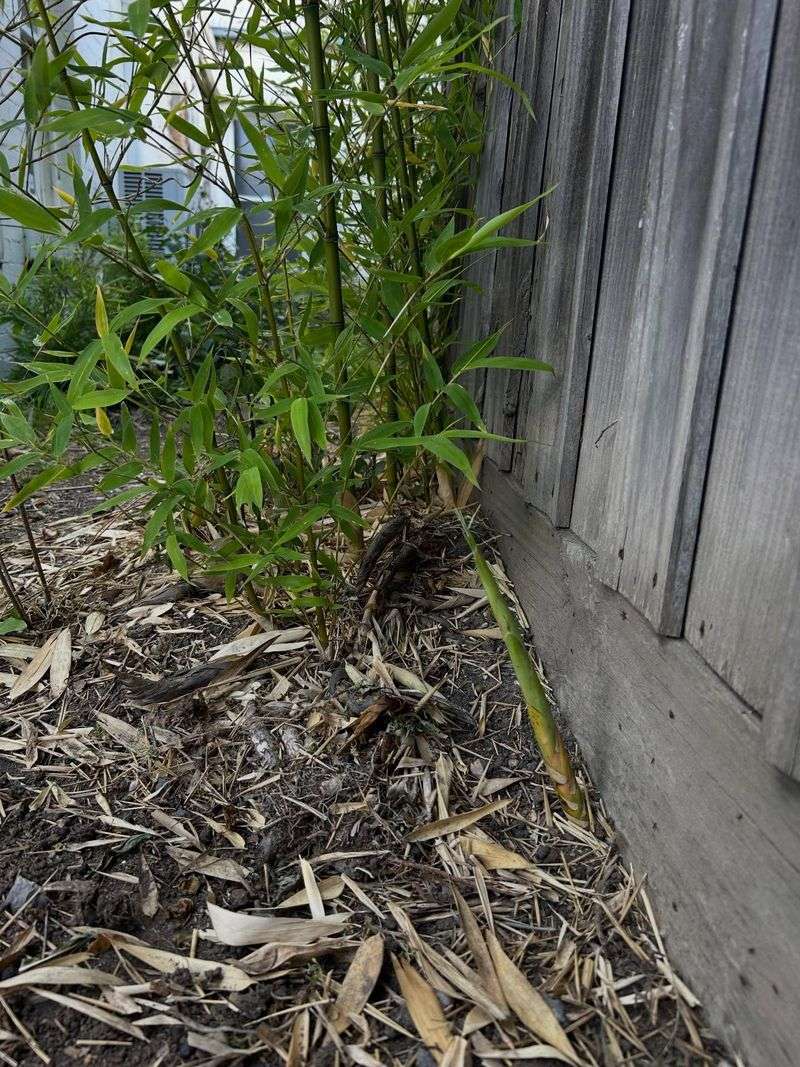
But underneath the surface, something sneaky is happening. The roots, called rhizomes, spread sideways underground at an alarming pace.
Running bamboo can travel several feet in a single growing season. Once those rhizomes get under your fence, they can pop up on the other side in your neighbor’s yard.
That can lead to some very uncomfortable conversations. In Texas, where summers are long and warm, bamboo grows even faster than it does in cooler climates.
Fence posts, concrete footings, and even paved surfaces are no match for determined bamboo roots. They work their way into cracks and push outward with surprising force.
Over time, your fence can shift, lean, or even break apart at the base. Repairs are costly and frustrating.
Getting rid of bamboo once it is established is one of the hardest gardening jobs around. You have to dig up every single rhizome, and missing even a small piece means it grows back.
Some Texas homeowners have spent years trying to remove it completely. Clumping bamboo varieties are a safer choice if you love the look, but even those need monitoring near fences.
Save yourself the trouble and plant something less aggressive along your Texas fence line.
2. Oleander
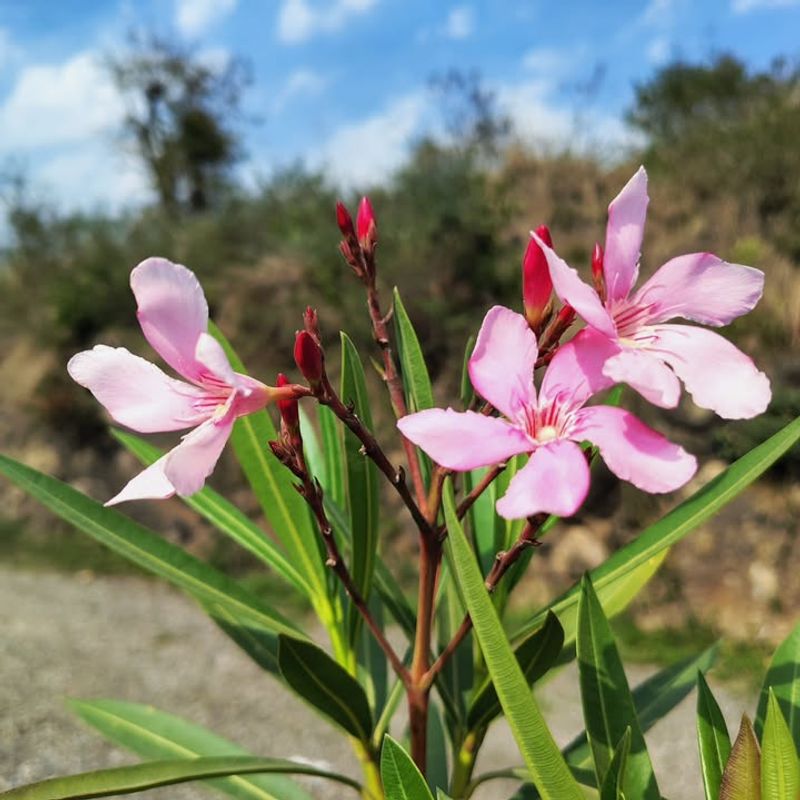
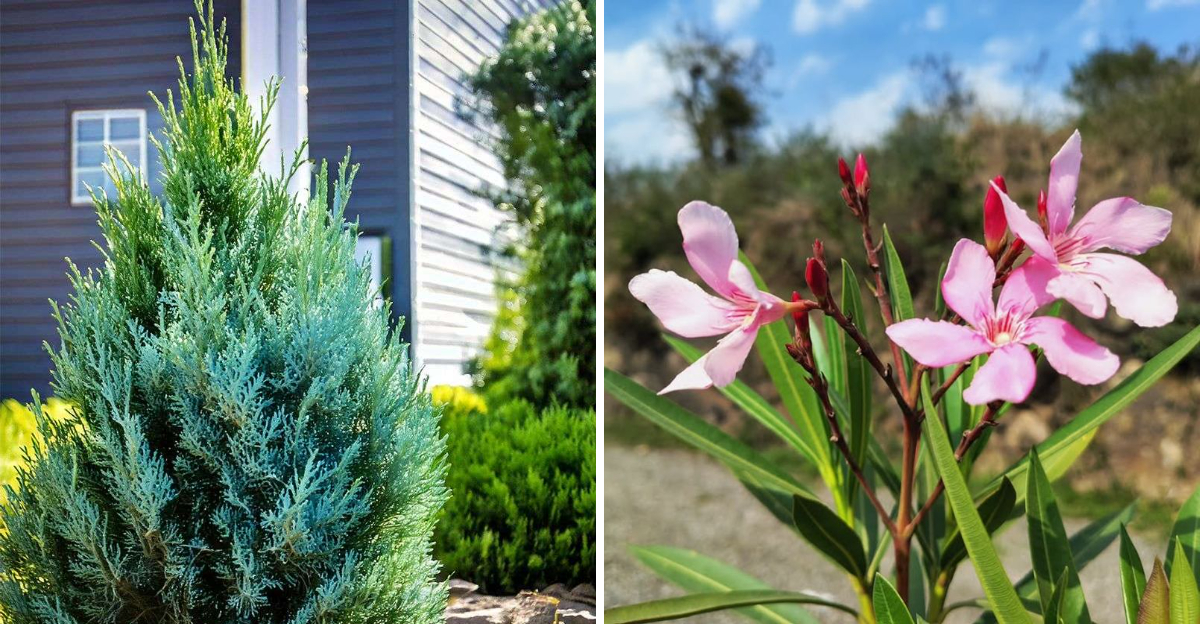
Oleander is one of those plants that looks almost too pretty to be a problem. The flowers come in shades of pink, red, white, and yellow, and the shrub thrives in the Texas heat without much fuss.
It is drought-tolerant, low-maintenance, and grows quickly into a full, bushy screen. Sounds perfect, right? Not so fast.
Every single part of oleander is highly toxic. The leaves, stems, flowers, and even the sap contain compounds that are dangerous to people, dogs, cats, and horses.
Children who play in the backyard near an oleander shrub face real risk if they touch the plant and then put their hands near their mouths. Even burning oleander clippings releases harmful fumes.
Your Texas Garden Changes Every Week. Your Plan Should Too.
Gardening in Texas changes quickly throughout the season. Every Friday you’ll receive a simple weekly plan showing exactly what to plant, prune, fertilize, harvest, and protect so you never miss the right timing.
In Texas, where families spend a lot of time outdoors, planting oleander near a fence where kids and pets roam freely is a serious concern.
Emergency rooms across the state see cases every year linked to accidental exposure. It is just not worth the risk when so many other beautiful, safe shrubs are available.
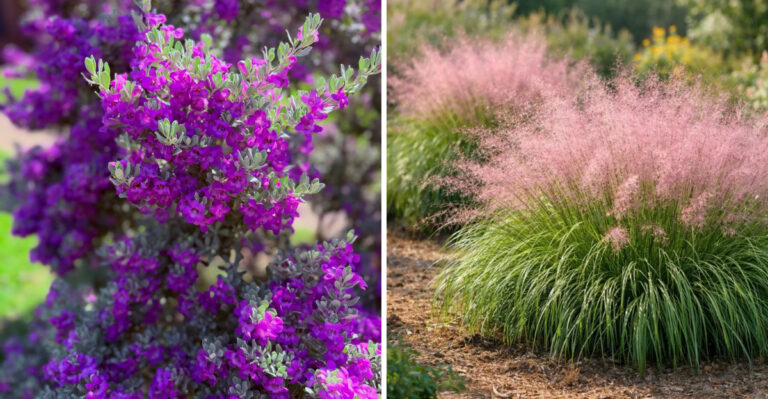
If you already have oleander growing near your fence, consider replacing it with something equally heat-tolerant but far safer, like Texas sage or native lantana.
Both handle the blazing Texas sun with ease and bring pollinators to your yard without putting anyone in harm’s way.
Beautiful plants should make your garden a joy, not a hazard. Choose wisely when planting near shared spaces and high-traffic areas of your yard.
3. Chinese Privet
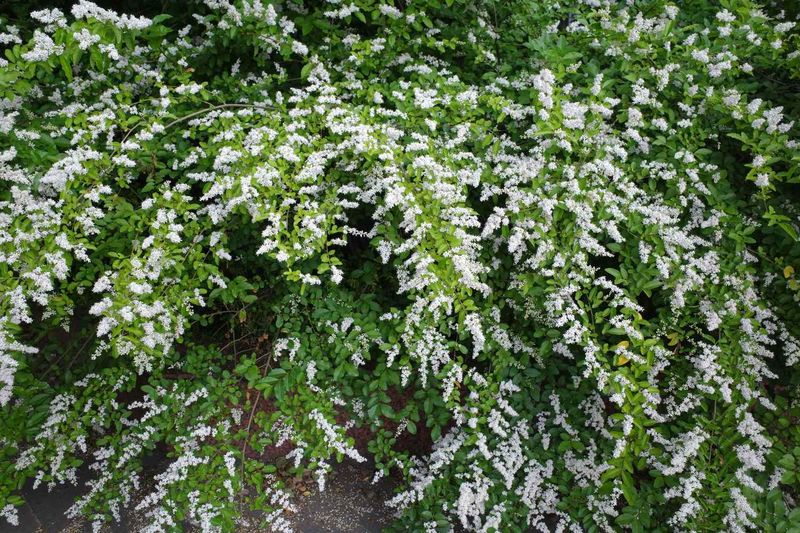
Walk through almost any wooded area in Texas and you will likely spot Chinese privet. It has taken over roadsides, creek banks, and forest edges across the state.
That alone should tell you something about how aggressively it spreads. Planting it near your fence is practically an invitation for it to take over your entire yard.
Chinese privet produces huge amounts of small black berries that birds love to eat. The seeds pass through the birds and get dropped all over the place, far from the original plant.
Before long, seedlings are popping up in your flower beds, along the fence line, and even in cracks in your driveway. Controlling it becomes a full-time job.
In Texas, Chinese privet is considered an invasive species. It outcompetes native plants by growing faster and leafing out earlier in the spring.
This pushes out plants that local wildlife actually depends on for food and shelter. Planting it near your fence means contributing to a bigger environmental problem across the region.
The Texas Invasives database lists Chinese privet as a serious threat to natural areas throughout the state. Many Texas gardeners who planted it years ago now deeply regret that decision.
Removing an established privet hedge is back-breaking work that often requires repeated cutting and chemical treatment to keep it from returning.
Swap it out for a native Texas shrub like beautyberry or possumhaw holly. These plants support local wildlife and stay much better behaved near your fence line.
4. Photinia
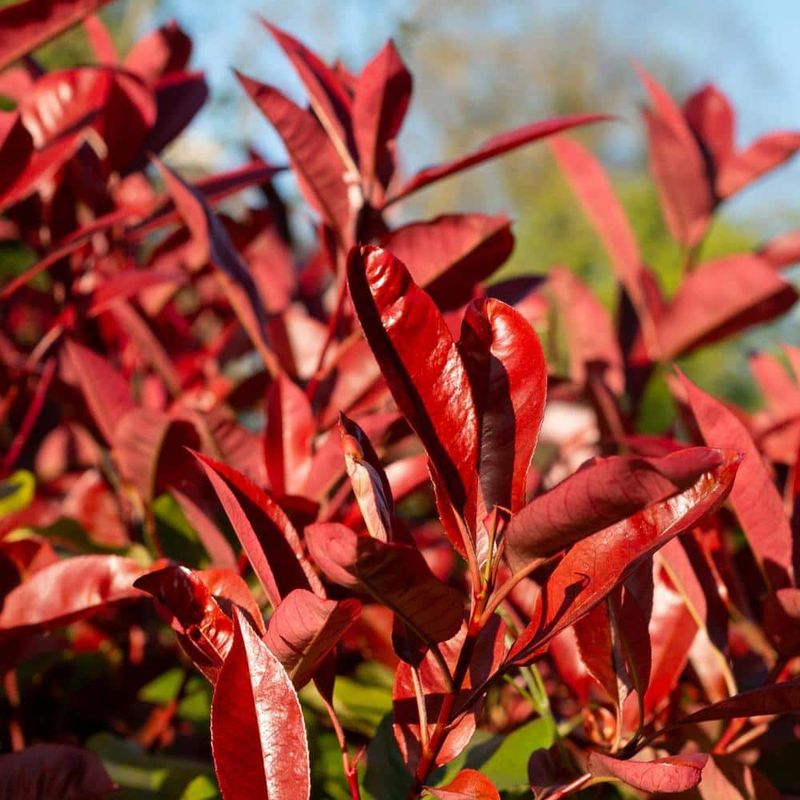
Red tip photinia was once one of the most popular landscaping shrubs in Texas. Drive through older neighborhoods and you will still see tall hedges of it lining fences and property edges.
The bright red new growth really does look striking in spring. But over the years, Texas gardeners have learned a hard lesson about this shrub.
Photinia is extremely prone to a fungal disease called Entomosporium leaf spot. In Texas, where humidity can spike dramatically, especially in the eastern and central parts of the state, this fungus spreads fast.
Leaves develop red and brown spots, then yellow and drop off. An infected photinia hedge can look completely bare and sad within a single season.
Planting photinia close together along a fence makes the problem even worse. Tight spacing reduces airflow, and fungal diseases love warm, still, moist air.
Once the disease gets into a row of photinia shrubs, it jumps from plant to plant with ease. Treating it requires repeated fungicide applications that cost both time and money.
Many Texas nurseries have quietly stopped recommending photinia for exactly this reason. Even with perfect care, the fungal pressure in Texas is simply too high for this shrub to thrive long-term near a fence.
If you love the look of red-tipped new growth, consider planting native alternatives like red yucca or knock-out roses instead. They handle Texas conditions far better and give you color without the constant battle against disease and leaf drop throughout the growing season.
5. Wax Myrtle
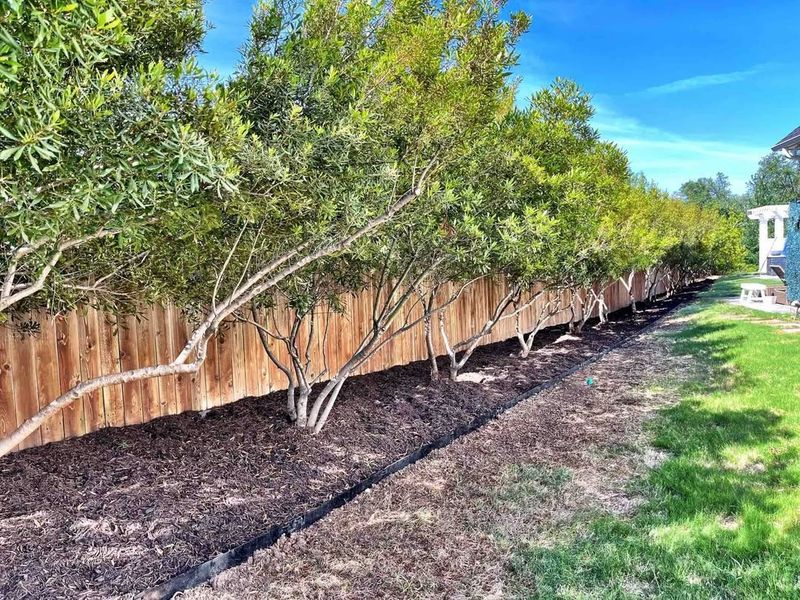
Wax myrtle is native to Texas, which makes it sound like a perfect choice for the garden. And in the right spot, it truly is a wonderful plant.
It handles heat, drought, and poor soil like a champ. Birds flock to its small bluish berries. But near a fence? That is where things get complicated.
The problem with wax myrtle is its growth rate. In Texas, this shrub can shoot up several feet in a single year under good conditions.
What starts as a tidy little plant near your fence quickly becomes a sprawling mass of branches pressing hard against the wood. Constant pressure from branches can warp fence panels and trap moisture against the wood, leading to rot over time.
Wax myrtle also suckers heavily from the base. New stems pop up around the original plant and spread outward.
Near a fence, those suckers can squeeze through gaps and grow on both sides, making the plant difficult to manage without constant attention. Pruning several times a year becomes necessary just to keep things under control.
If you want wax myrtle in your Texas yard, give it plenty of open space away from structures and fences. Plant it as a stand-alone specimen or in a wide open bed where it can spread naturally without causing problems.
There are dwarf varieties available that stay smaller, and those might work better in tighter spaces. Placement really does matter with this fast-growing Texas native, so plan ahead before you plant.
6. Juniper
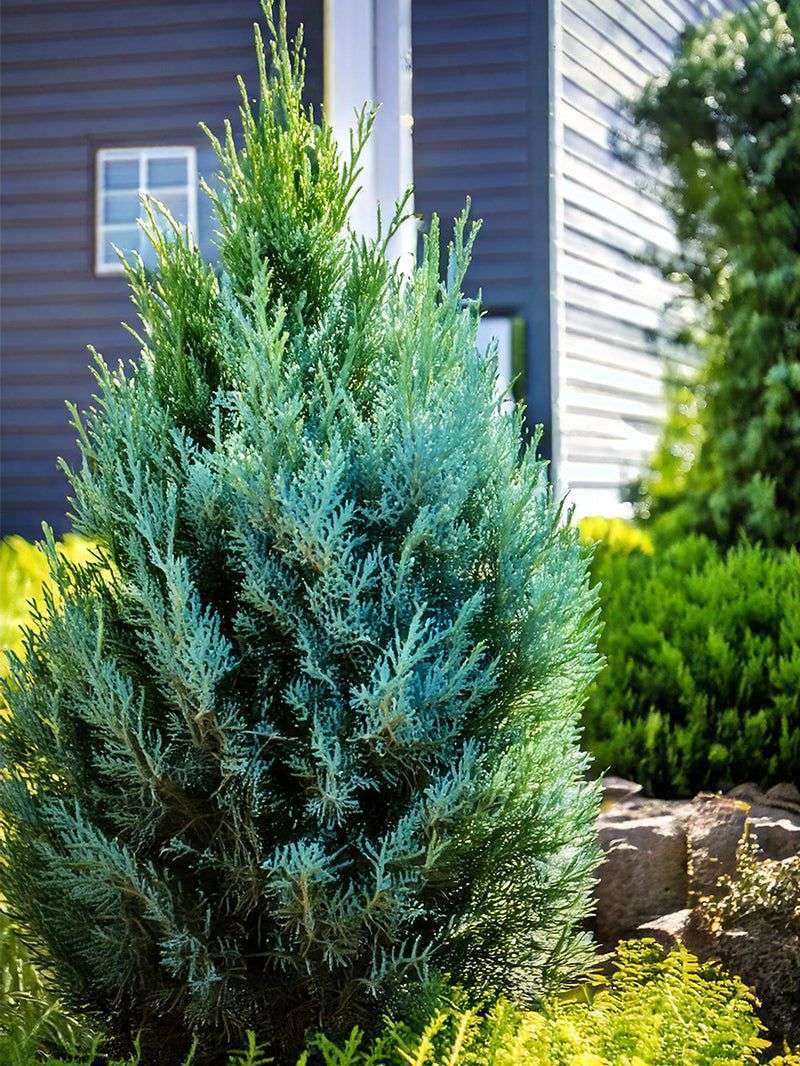
Junipers are everywhere in Texas landscaping, and it is easy to see why. They are tough, drought-resistant, and evergreen all year long.
Many varieties look sharp and structured when they are young. But here is the thing about junipers that most people do not realize until it is too late: they get big. Really big.
Several common juniper varieties sold at Texas nurseries can eventually reach ten, fifteen, or even twenty feet wide. When planted close to a fence, that spreading habit becomes a real issue.
The branches push against the fence, trap debris and moisture, and block sunlight from reaching plants on the other side. Over several years, the weight and pressure of the branches can actually cause fence panels to bow outward.
Junipers also restrict airflow in a big way. In Texas, where cedar fever season already has people miserable from pollen, having a massive juniper right next to your fence makes things worse.
Poor airflow encourages fungal issues in nearby plants and creates a damp, shaded zone that pests love. Spider mites, in particular, thrive in the dry, still air around dense junipers.
Pruning a mature juniper back hard often does more harm than good because the plant does not regenerate well from old wood. You end up with bare, ugly patches that never fill back in.
If you want evergreen structure near your Texas fence, look into smaller, well-behaved natives like agarita or cenizo instead. These plants stay manageable and look great without overwhelming your fence or garden beds nearby.
7. Rose Of Sharon
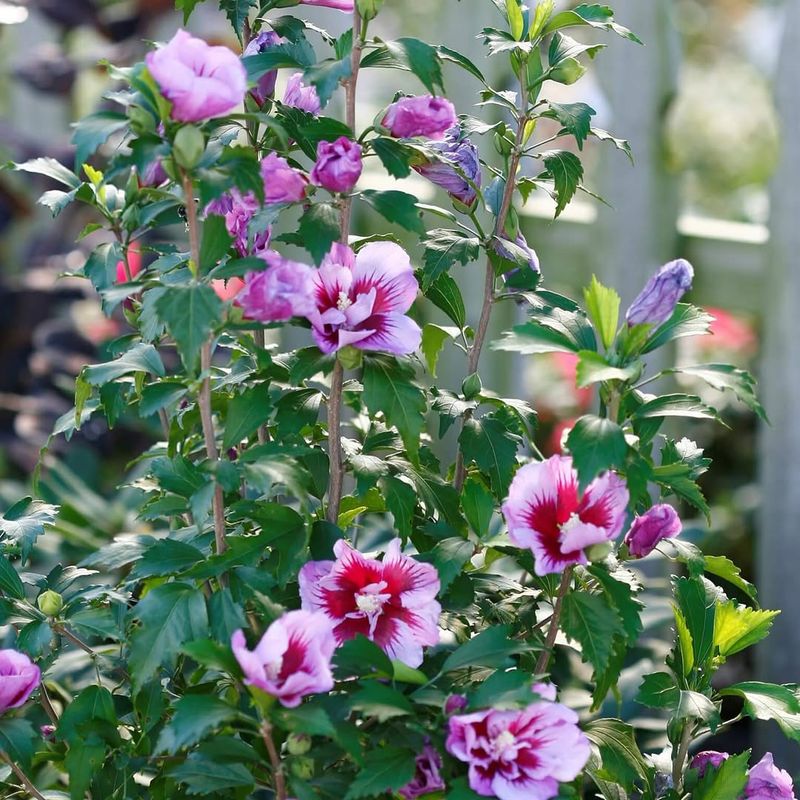
Rose of Sharon has a devoted fan base, and it is not hard to understand why. The large, showy flowers bloom in late summer when most other shrubs have finished for the season.
In Texas, where summer stretches on and on, that late color is genuinely welcome. The blooms come in purple, pink, white, and bicolor varieties that look stunning against a fence. But the beauty comes with a catch.
Rose of Sharon is a prolific seed producer. Each mature plant can drop thousands of seeds in a single season.
Those seeds germinate readily in Texas soil, especially after rain. Before you know it, you have a carpet of tiny seedlings popping up all around the original plant, in your mulch, between your stepping stones, and even inside other shrubs nearby.
Near a fence, the problem multiplies. Seeds collect in corners, along the base of fence posts, and in any bit of soil that stays slightly moist.
Pulling seedlings becomes a weekly chore through spring and early summer. If you miss a few, they grow quickly and become woody, making them much harder to remove later on.
Sterile or low-seed varieties of Rose of Sharon do exist, and those are a much smarter option if you love the plant. Look for varieties labeled as seedless at your local Texas nursery.
Planting those farther from your fence gives you the gorgeous flowers without the endless weeding. A little planning now saves a lot of frustration across many future growing seasons in your Texas garden.