Avoid Planting These 8 Plants Near Peppers
Peppers are drama queens with sunburned cheeks and thin skin, quite literally. They crave heat, rich soil, and space to stretch their roots without competition breathing down their necks.
Here’s the twist most backyard growers miss: the wrong neighbor doesn’t just crowd your peppers, it quietly holds them back. Stunted growth, yellowing leaves, and a harvest that fizzles out before August even shows up.
Pair peppers with a plant that hogs nutrients or attracts the wrong bugs, and you’ll spend the whole season chasing problems instead of picking fruit. The fix isn’t complicated, though, it just takes a little rearranging.
Fennel
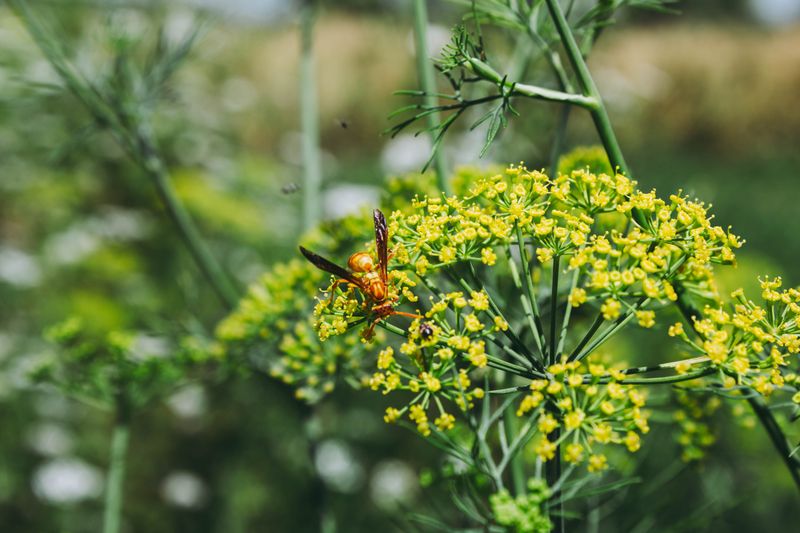
Fennel looks friendly, but it is one of the most notorious troublemakers in the vegetable garden. Almost every plant dislikes growing near it, and peppers are no exception.
Fennel releases chemicals into the soil through its roots. These natural compounds can stunt the growth of nearby plants, including your beloved pepper crop.
Scientists call this process allelopathy, and fennel is one of the strongest examples of it. The chemicals seep into the ground and interfere with how other plants absorb water and nutrients.
Pepper plants growing near fennel often look sad and slow. Their leaves may yellow, their growth may stall, and fruit production can drop noticeably.
Beyond the chemical issue, fennel also attracts specific insects that can spread to your peppers. Aphids and certain caterpillars love fennel, and they are happy to move over to your pepper plants when given the chance.
Fennel also competes aggressively for soil nutrients. Since peppers are already heavy feeders, sharing space with fennel puts them at a real disadvantage from day one.
The worst part is that the damage from fennel is often invisible at first. By the time you notice your peppers struggling, the harm may already be done deep in the soil.
Keep fennel in a completely separate bed, ideally far from any vegetables. Give it its own corner of the garden and let it grow without causing chaos for your pepper plants.
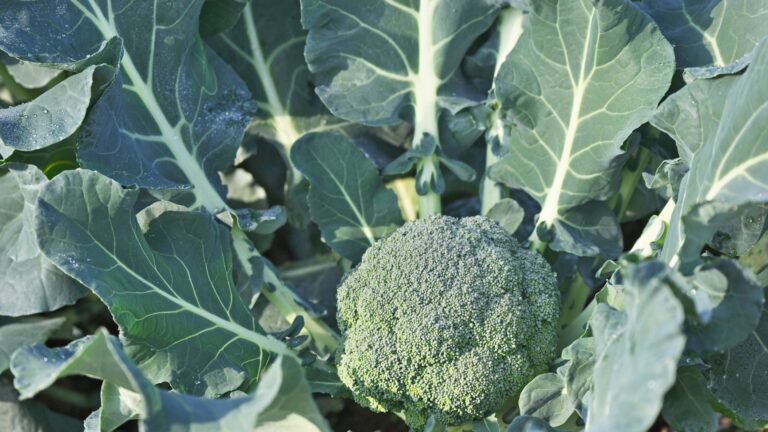
Kohlrabi
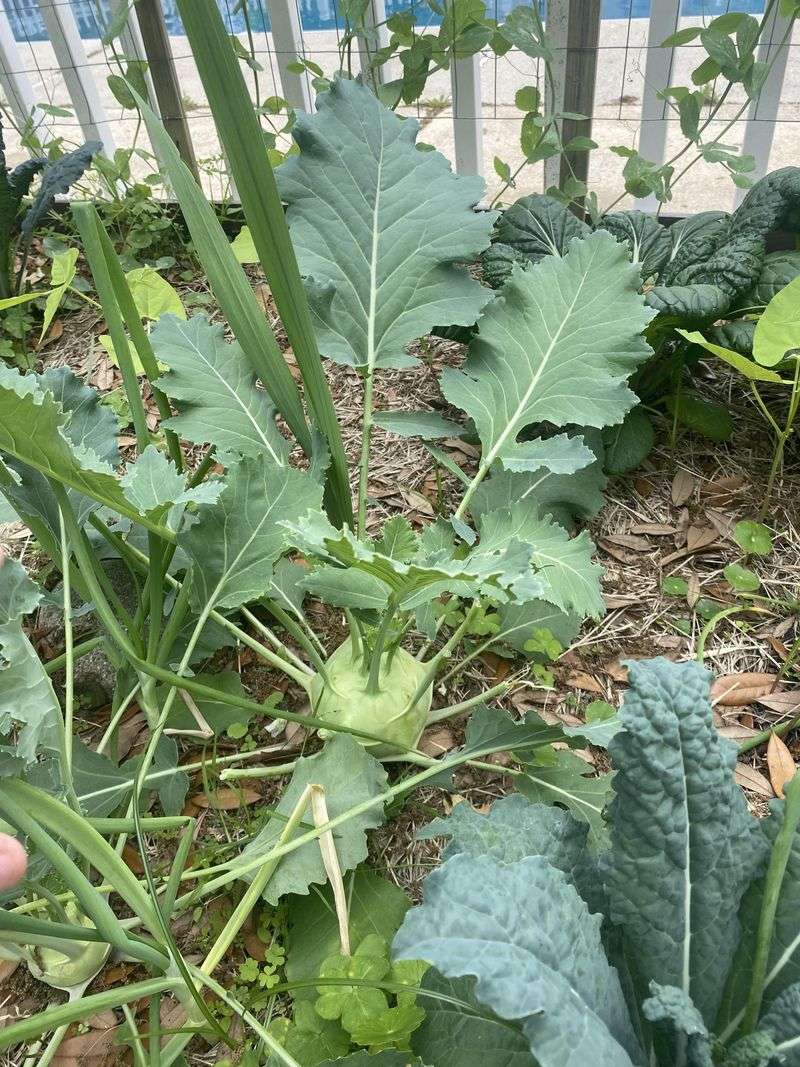
Kohlrabi has a reputation as an easygoing, low-maintenance vegetable, but pepper plants would likely disagree if they could talk. This bulbous brassica causes more underground tension than its quiet appearance suggests.
Like its brassica relatives, kohlrabi pulls significant nitrogen and potassium from the soil as it forms its signature swollen stem. Peppers rely on those same nutrients to develop strong roots and produce abundant fruit.
When kohlrabi wins that underground competition, peppers respond with slower growth and smaller yields. The two plants essentially end up fighting for the same limited resources in the same patch of soil.
Kohlrabi also releases glucosinolates, natural compounds found throughout the brassica family. While these compounds help kohlrabi fend off certain pests, they can also alter soil chemistry in ways that make life harder for neighboring pepper roots.
Pest overlap adds another layer of trouble. Kohlrabi attracts flea beetles and cabbage aphids, both of which are more than willing to relocate to nearby pepper plants once kohlrabi leaves become less appealing.
Because kohlrabi grows relatively low to the ground, shading is less of an issue than with taller brassicas, but the nutrient and pest concerns remain just as real.
Plant kohlrabi in a separate bed or rotate it to a different section of the garden each season. Your peppers will have a much easier time accessing the nutrients they need to thrive.
Pole Beans
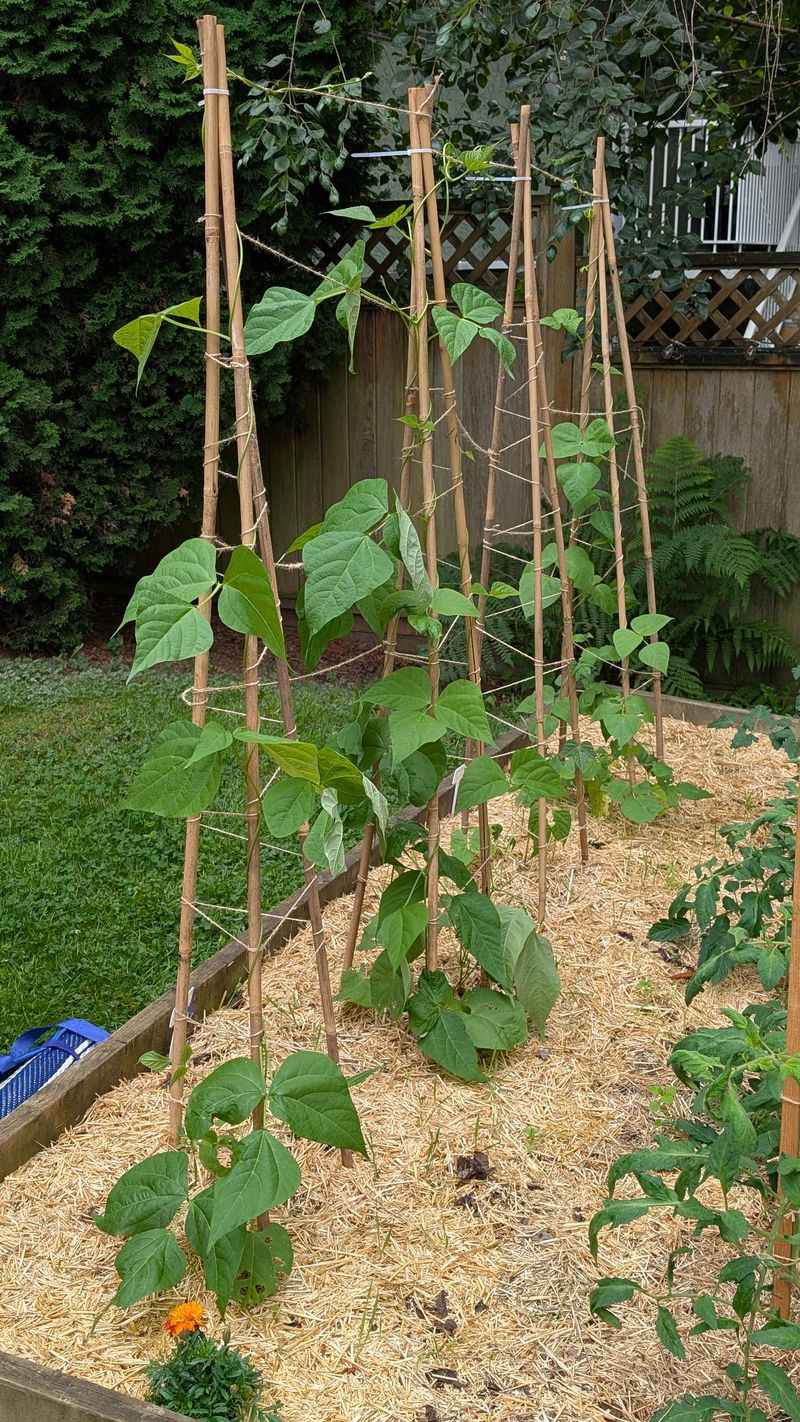
Beans and peppers might seem like an easy pairing since both are garden staples, but this combination causes more friction than most gardeners realize. The trouble starts underground, out of sight.
Pole beans release certain root compounds as they grow, and some gardeners and researchers believe these compounds can slow germination and early development in nearby pepper seedlings. The effect is subtle, but it shows up over time.
Beyond the chemical concern, beans are aggressive climbers. Left unchecked, their vines can wrap around pepper stems and branches, competing for light and physically crowding the plant as the season progresses.
There is also a nutrient overlap. Beans fix nitrogen in the soil, which sounds beneficial, but the timing rarely lines up with what peppers need. Peppers prefer steady, moderate nitrogen levels, and a sudden nitrogen spike from decomposing bean roots can push peppers toward leafy growth instead of fruit production.
Pest-wise, beans attract aphids, spider mites, and Mexican bean beetles. None of these pests are picky eaters, and they will happily move to pepper plants once the beans are established.
Trellised or pole varieties are especially problematic since their height and spread create shade that peppers do not appreciate. Even bush bean varieties can crowd root space in smaller garden beds.
Give beans their own row or trellis system, positioned well away from your peppers. Both crops will grow with more room to breathe and produce far better results by the end of the season.
Black Walnut
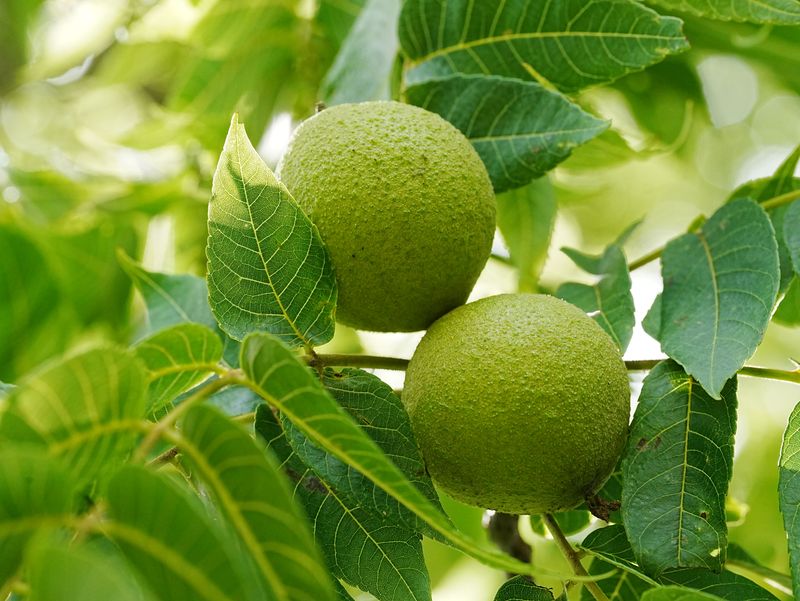
Black walnut trees are impressive and beautiful, but they are toxic neighbors for many garden plants, including peppers. This is not an exaggeration. The damage they cause is very real.
Black walnut roots, leaves, and husks release a chemical called juglone. This compound is a natural defense mechanism the tree uses to reduce competition from surrounding plants.
Juglone seeps into the soil and can spread outward from the tree trunk by 50 to 80 feet. That means even peppers planted a good distance away can still be affected.
When pepper plants absorb juglone through their roots, the results are severe. Leaves wilt, stems weaken, and the plant may stop growing altogether within just a few weeks.
The tricky part is that juglone stays in the soil even after a black walnut tree is removed. Old roots continue releasing the compound for years after the tree is gone.
If you have an existing black walnut on your property, map out its root zone before planting anything. Peppers should be placed well outside that zone to stay safe.
Even fallen leaves and husks from a black walnut can contaminate compost or mulch. Avoid using black walnut debris in your garden beds where peppers or other sensitive plants grow.
This tree is one of the most aggressive offenders on this list. Respect its chemical reach and plan your pepper garden accordingly for a healthy, productive growing season.
Sunflowers
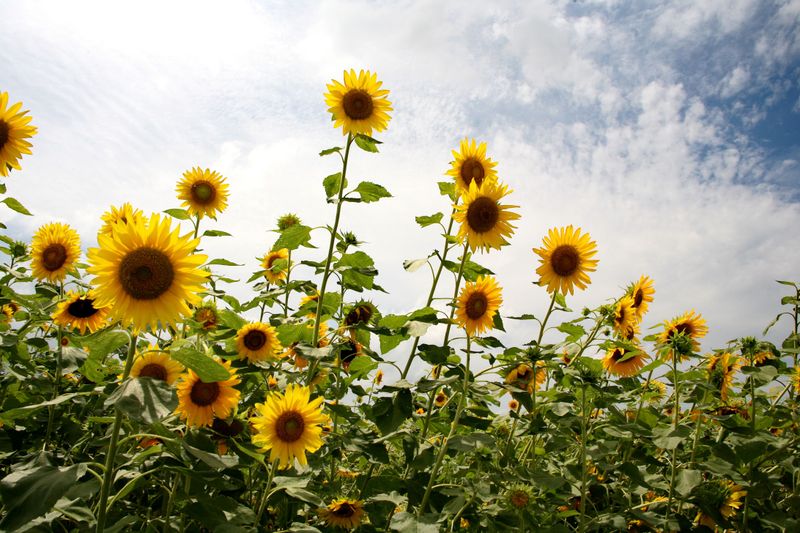
Sunflowers are cheerful and gorgeous, but they can be surprisingly selfish in the garden. When planted too close to peppers, they create a range of problems that are hard to ignore.
The most obvious issue is height. Sunflowers can grow six to twelve feet tall, creating massive shade that blocks sunlight from reaching your pepper plants below.
Peppers need consistent, direct sun to produce well. When a wall of sunflowers cuts off that light, pepper plants stretch awkwardly toward any available sun and produce far fewer fruits.
Sunflowers are also allelopathic, similar to fennel. Their roots release compounds that can suppress the growth of nearby plants, including peppers growing in the same soil zone.
Research has shown that sunflower root secretions can reduce germination rates and slow plant development. For peppers already trying to establish themselves, that kind of chemical interference is a serious setback.
Sunflowers are also heavy water drinkers. During dry spells, they pull moisture from the soil faster than peppers can compete, leaving your pepper roots dry and stressed.
On top of all that, sunflowers attract certain bugs that also feed on peppers. Stink bugs in particular love sunflowers and will migrate to pepper plants when the sunflower season winds down.
Grow sunflowers along a fence or in a separate section of your yard. They are beautiful on their own and won’t accidentally hold back your pepper plants from across the garden.
Fruit Trees
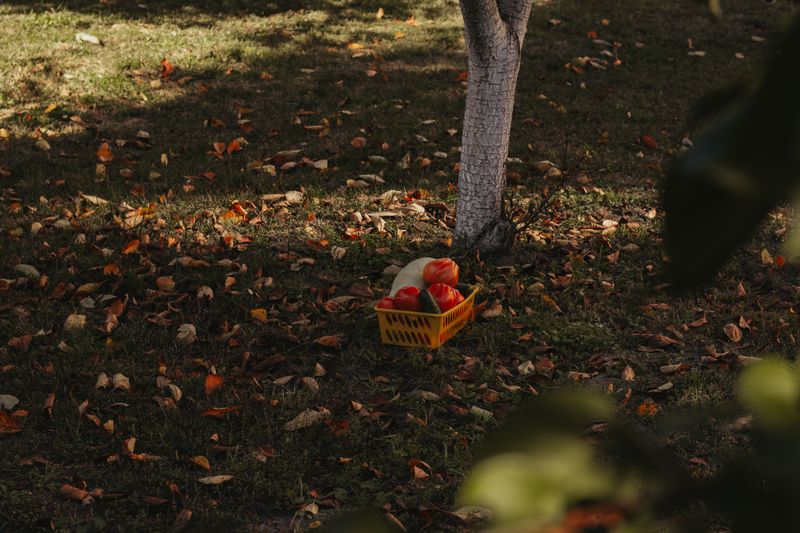
Planting peppers near fruit trees might seem like a smart use of space, but it often backfires. Fruit trees create several conditions that make life harder for nearby pepper plants.
Shade is the first and most obvious problem. Fruit trees spread wide canopies that block sunlight from reaching garden beds below. Peppers planted underneath or nearby simply cannot get enough sun.
Without adequate sunlight, peppers grow slowly, produce fewer fruits, and may not ripen properly before the end of the season. All that wasted effort can be traced back to one shady tree.
Root competition is another major issue. Fruit tree roots spread far and wide underground, often extending beyond the canopy edge. These roots compete aggressively with pepper roots for water and nutrients.
When fruit trees draw moisture away from the soil, peppers suffer from drought stress even during regular watering. The tree simply takes more than its fair share every single time.
Fruit trees also drop leaves, fruit, and debris that can harbor pests and diseases. Rotting fruit on the ground attracts insects that spread to nearby vegetables, including your peppers.
Fungal spores from decomposing leaves can also splash onto pepper plants during rain. This creates conditions for leaf spot, blight, and other diseases that are difficult to manage once started.
Keep your pepper beds in open, sunny areas well away from any fruit trees. Clear space means better sun, better drainage, and a much healthier crop at harvest time.
Apricot Trees
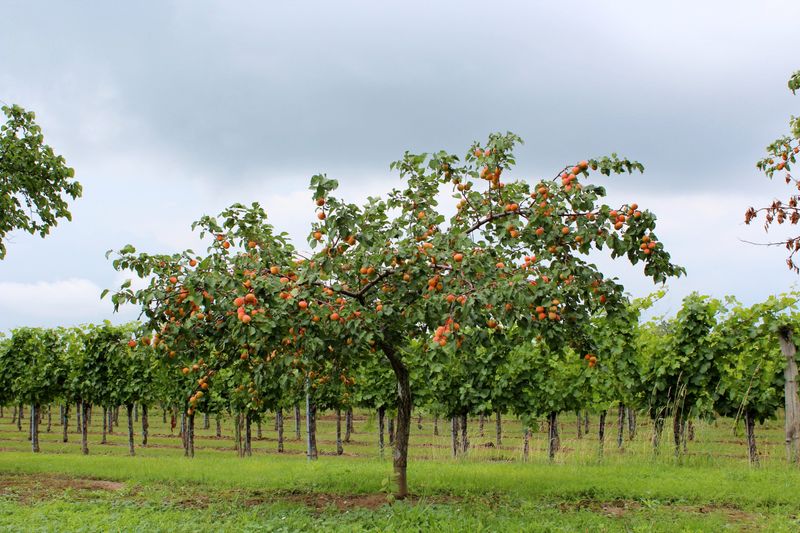
Apricot trees deserve their own spot on this list because they bring a specific threat that goes beyond just shade and root competition. These trees carry a disease risk that most gardeners overlook entirely.
Apricots are susceptible to a bacterial condition called crown gall and various fungal diseases that can spread through the soil. Peppers planted nearby can pick up those pathogens through shared ground.
The soil around apricot trees can harbor verticillium wilt, a fungal disease that can seriously damage pepper plants. Once verticillium is in the soil, it is nearly impossible to fully eliminate.
Verticillium causes pepper plants to wilt suddenly, even when the soil is moist. Leaves turn yellow and brown, and the plant deteriorates quickly from the inside out.
Apricot trees also attract specific insects like aphids and scale bugs that feed on bark and leaves. Those same pests will happily move on to pepper plants growing in the same area.
Like other fruit trees, apricots create shade and root competition that put peppers at a disadvantage. But the added disease risk makes this pairing particularly risky for your garden.
Fallen apricot leaves and fruit can also introduce mold and fungal spores into your garden soil. Composting that debris near peppers only makes the problem worse over time.
Choose a planting location for your peppers that is well away from any apricot trees. A sunny, open bed with fresh soil gives peppers the clean start they need to succeed.
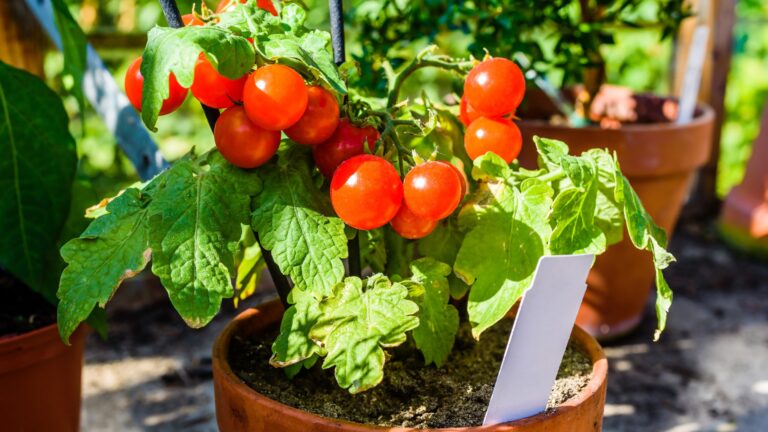
Nightshades (Tomatoes And Eggplant)
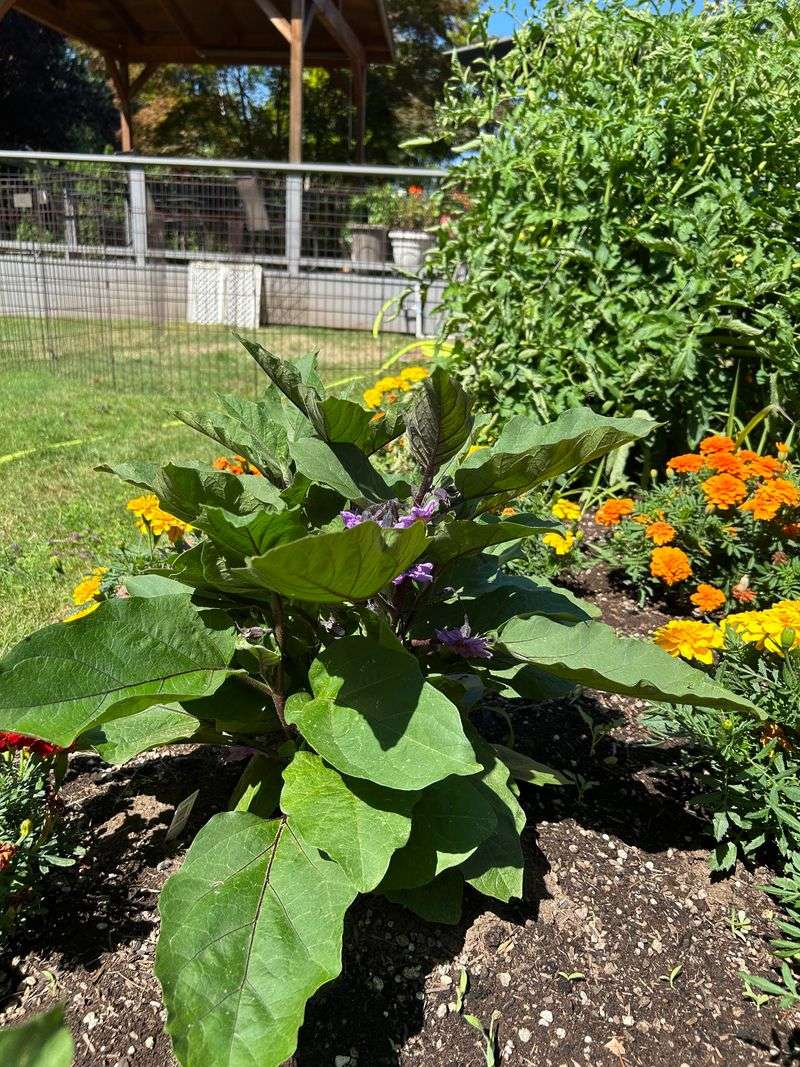
Tomatoes and eggplants are in the same plant family as peppers, which might make them seem like natural companions. Surprisingly, that shared family connection is exactly what makes them bad neighbors.
Plants in the nightshade family share the same diseases and pests. Grouping them together concentrates shared risks in one spot, inviting more problems than any single crop would face alone.
Bacterial wilt, mosaic virus, and early blight are all diseases that move freely between tomatoes, eggplants, and peppers. Plant them together and one sick plant can infect the entire bed fast.
Peppers growing near tomatoes often fall victim to the same aphid colonies. Aphids spread from plant to plant quickly, and nightshades planted close together make that spread almost inevitable.
Tomato hornworms are another shared pest. These large caterpillars feed on tomato leaves but will switch to peppers without hesitation when given easy access to a neighboring plant.
Eggplants attract flea beetles, which are tiny but destructive insects that chew holes in leaves. Those beetles do not stay on eggplant forever and will spread to nearby peppers over time.
All three nightshade crops are also heavy nitrogen feeders. Planting them together creates intense nutrient competition that leaves all of them performing below their potential for the season.
Rotate your nightshades each year and keep them separated in the garden. Spreading them out protects your entire pepper crop and helps you steer clear of these common companion planting mistakes.