Avoid These Household Mistakes That Give Spiders A Free Place To Live

Most of the eight-legged guests in your living room were not invited in from the garden at all. Researchers at the Burke Museum in Seattle say many house species spend their whole lives indoors.
They hatch behind bookcases and grow up quietly under the sink, often without ever seeing a single garden leaf. A cozy house gives them steady shelter, and our daily habits often hand over the spare keys.
I spent years blaming my tomato beds for every web I found stretched across the bathroom window. After I tested a few simple changes indoors, the corners of my house looked noticeably emptier by autumn.
You might notice that most of these habits feel harmless, even a little cozy, until you look closer. So which everyday slip is quietly rolling out the welcome mat in your home right now?
1. Tiny Gaps Around Doors And Windows Let Spiders Stroll Inside
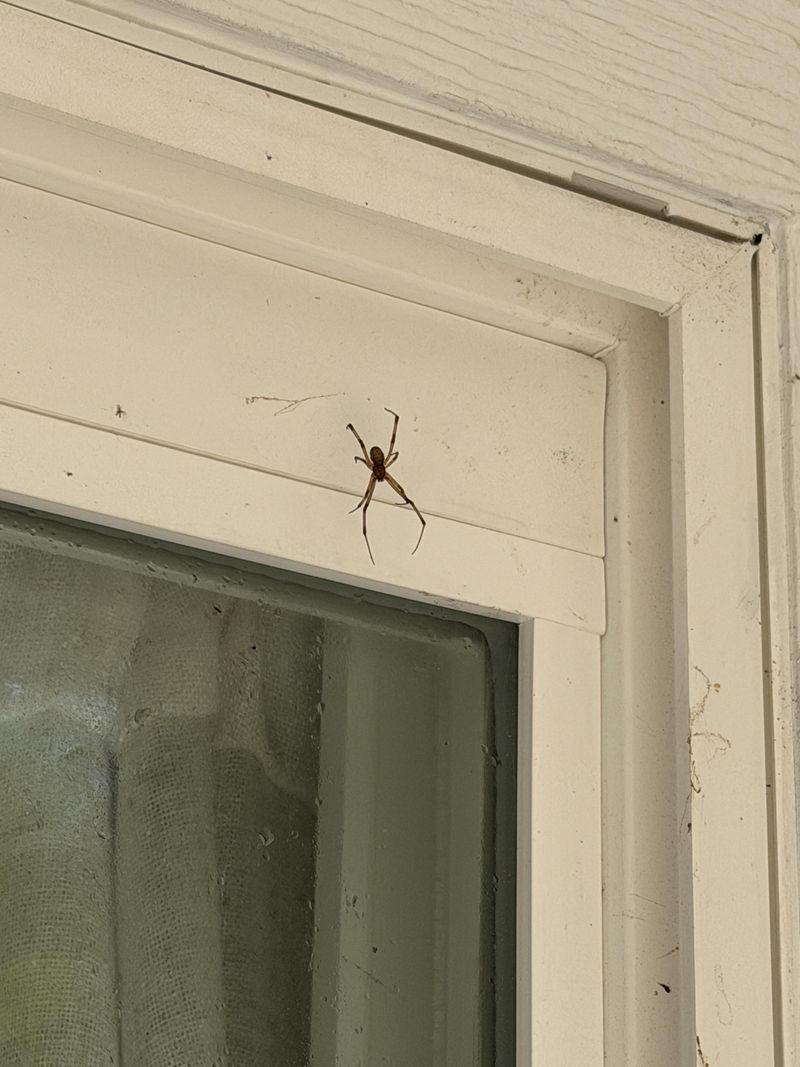
A spider can slip through a crack about as thin as a credit card, which still surprises me every fall. Those skinny gaps under doors and around window frames work like private hallways for wandering males hunting for mates.
Grab a flashlight one evening and shine it along the edge of each exterior door from inside. If light leaks outside where the door meets the frame, an eight-legged visitor can easily find that opening too.
A new door sweep costs little and installs with a few screws, closing the bottom gap fast. Weatherstripping along the sides and top handles the rest, and it trims your heating bill as a bonus.
Windows deserve the same attention, especially older wooden frames that shrink and crack over many seasons of weather. Run a bead of paintable acrylic latex caulk wherever you spot gaps between the trim and the siding.
Do not forget the foundation, where tiny cracks near the soil line let crawling hunters sneak into basements. A tube of concrete patch or masonry caulk fixes most small cracks in an afternoon of easy work.
I found that sealing my back door alone cut the number of spiders I saw in the kitchen. Small fixes like these rarely feel exciting, but your future self will thank you every single autumn.
2. Flies And Moths Indoors Are A Spider Buffet
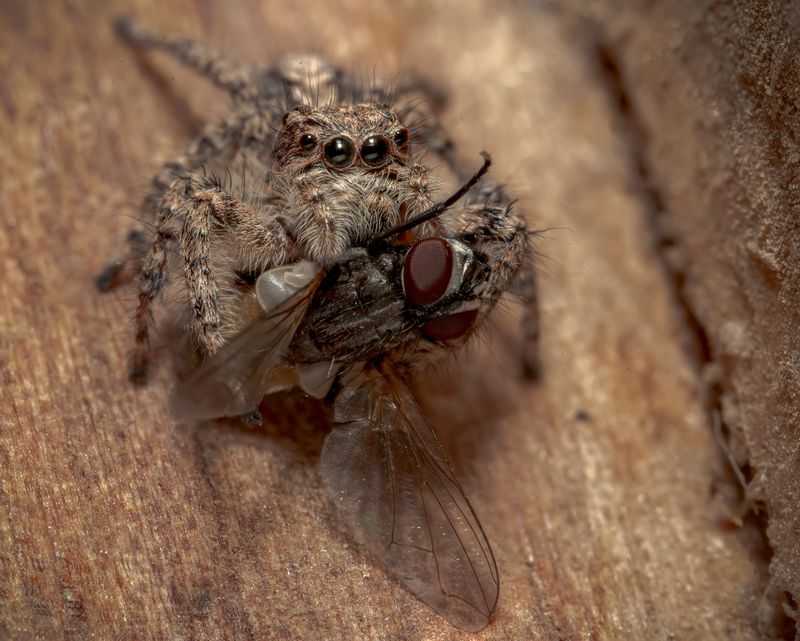
Spiders do not care about your cookie crumbs, because they overwhelmingly prefer live prey. Every fly buzzing at the window and every moth near the pantry looks like dinner to them.
University extension experts agree that cutting down indoor insects is one of the best ways to reduce spiders. Fewer bugs mean fewer reasons for hungry hunters to stick around your corners and window sills.
Start in the kitchen, where fruit flies love overripe bananas and the slimy gunk inside slow drains. Store ripe produce in the fridge and rinse recycling containers before they sit for days in a bin.
Pantry moths are another sneaky snack source, often hiding in forgotten bags of flour or birdseed. Moving dry goods into tight glass or plastic containers stops those moths from setting up a nursery.
Silverfish and ants count as spider food too, so watch for them under sinks and along baseboards. Sticky traps placed in quiet corners help you spot which bugs are wandering through, which tells you where to focus.
Once I tackled the fruit flies in my kitchen, the cobwebs above my window slowly faded away. Starve the menu, and the diners quietly pack up and move on to better hunting grounds somewhere else.
3. Cluttered Basements And Garages Make Perfect Spider Hideouts
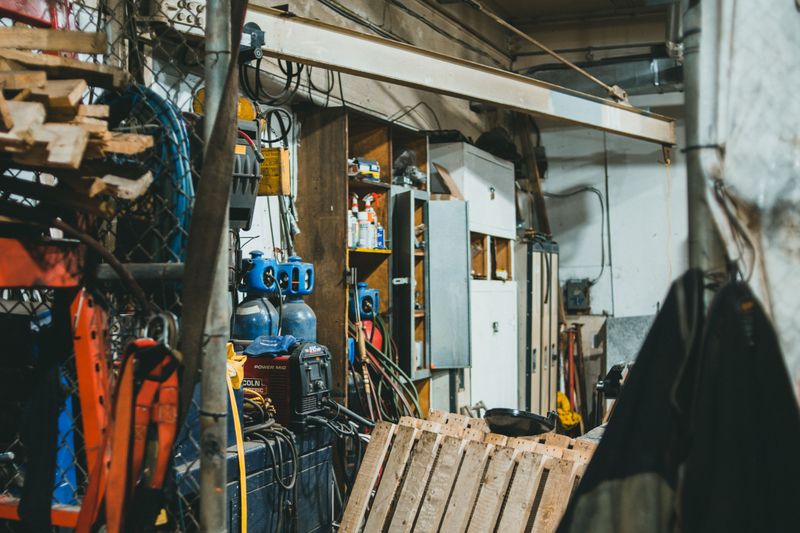
Cardboard boxes stacked in a dim corner look boring to us, but to a spider they resemble a luxury apartment. Each fold and shadow gives them a quiet anchor point for webs and a safe spot to hide.
Garages and basements are the usual trouble zones, since people visit them less often than kitchens or bedrooms. Spiders love low traffic, and a space nobody touches for months feels like a peaceful vacation home.
Swap cardboard for plastic bins with snug lids, because cardboard also attracts silverfish and absorbs moisture. Stack those bins on shelves rather than against walls, leaving a little gap so you can sweep behind them.
Old clothes piled on the floor deserve a second look, especially in closets and spare rooms. Shake out shoes and jackets that have been sitting unused before you slip them on this season.
I cleared out my garage last spring and found more webs behind one paint can than anywhere else. Donating stuff I had not touched in years made the space easier to clean and far less inviting.
Try tackling one shelf or corner per weekend instead of facing the whole mess in one tiring day. Slow, steady decluttering keeps you motivated, and each cleared area removes another hideout from the neighborhood.
4. Damp Basements And Leaky Pipes Keep Spiders Hydrated
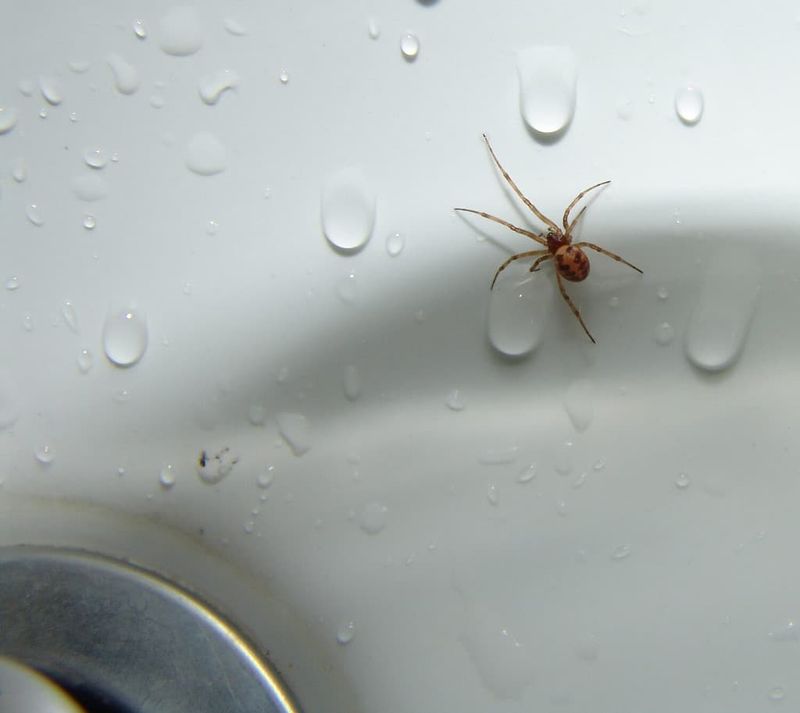
A dripping pipe under the sink might seem like a minor annoyance, yet it can attract a whole hidden food chain. Spiders need water like any living creature, and damp spots also draw the tiny insects they love to eat.
Silverfish and drain flies thrive in humid rooms, which turns a soggy basement into a busy spider grocery store. Cellar spiders, those leggy ones dangling from basement ceilings, are especially fond of these cool, moist spaces.
A simple hygrometer costs a few dollars and tells you exactly how humid a room really is. Many experts suggest keeping indoor humidity between about 30 and 50 percent to discourage moisture-loving pests.
Running a dehumidifier in the basement during muggy months made a noticeable difference in my own home. I also started using the bathroom fan longer after showers, which helped dry out the corners faster.
Check under sinks and behind the washing machine for slow leaks, since those hidden puddles often go unnoticed. Fixing a loose fitting or worn hose is usually cheaper than dealing with water damage later on.
Outside, make sure your gutters and downspouts carry rainwater well away from the foundation walls of your home. Drier soil near the house means a drier basement, and a drier basement feels far less welcoming.
5. Bright Porch Lights Draw Bugs And The Spiders That Eat Them
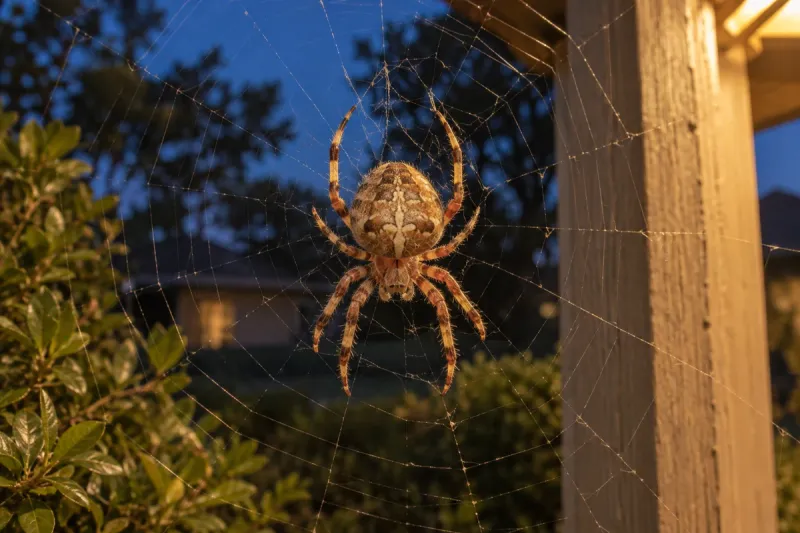
Flip on a white porch light on a summer night, and within minutes it becomes a glowing bug magnet. Moths and gnats spiral toward the glow, and clever orb weavers soon build webs right beside it.
From a spider’s point of view, that bulb is basically a free delivery service bringing food to the doorstep. Webs near lights often sit close to doors, which makes it easy for a spider to wander inside.
Swapping to yellow bug lights or warm-toned LED bulbs can help, because many insects are less drawn to them. These bulbs give off less of the blue and ultraviolet light that night-flying insects find so attractive.
Motion-sensor fixtures are another smart choice, since they only shine when someone actually walks up the path. Fewer hours of glowing light means fewer bugs gathering, and fewer bugs means fewer hungry spiders waiting.
If you love a bright yard, try placing lights away from the house on a post or garden stake. Insects will gather around that distant glow instead of crowding the windows and doors of your home.
Indoors, close curtains or blinds at night so your lamps do not lure bugs onto the window screens. I switched my porch bulb last summer, and my front door webs dropped to just a handful.
6. Firewood Stacked Against The House Shelters Spiders

That tidy stack of firewood beside the back door looks charming, but it doubles as a spider condo. Gaps between the logs stay shady and sheltered, which gives hunters plenty of hiding spots and passing prey.
When you carry an armload inside, you might also be carrying a few hitchhikers straight into the living room. Black widows and other spiders often hide in woodpiles, so wearing sturdy gloves while handling logs is wise.
Store firewood at least 20 feet from the house if you have room, and raise it off the ground. A simple metal rack keeps logs drier and allows air to flow, which makes the pile less cozy.
Bring in only what you plan to burn that day instead of keeping a big stash near the fireplace. Knock each log gently against the ground outside to shake loose anything that might be tucked in the bark.
Leaf piles and old lumber along the foundation create similar shelters, so clear them away regularly. Thick mulch pressed against siding can also hide insects, so leave a narrow strip of bare gravel instead.
Trim shrubs and tree branches so they stay a couple of feet away from walls and rooflines. Branches touching the house act like little bridges, and spiders happily stroll across them toward your windows.
7. Skipping The Vacuum Leaves Cobwebs And Spider Eggs Untouched
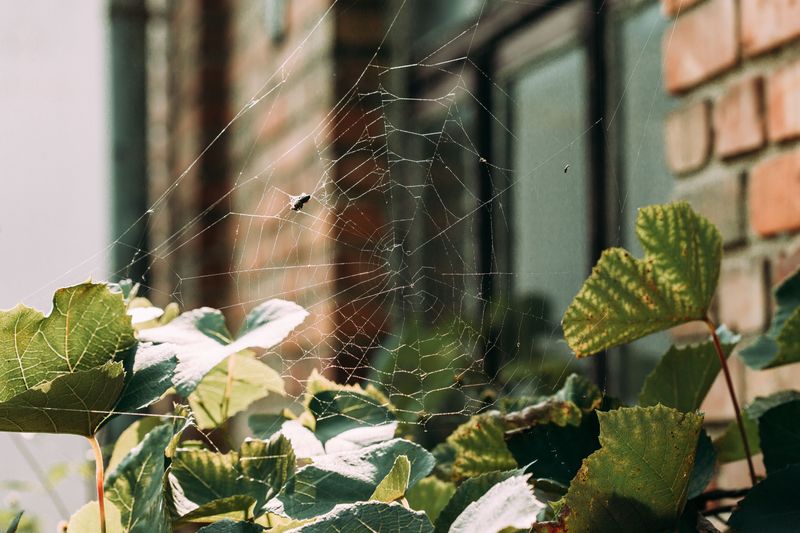
One forgotten cobweb in a ceiling corner sends a clear message to spiders that nobody will bother them here. Quiet, untouched spots let them build webs and lay egg sacs without any interruption from you.
A single egg sac from a common house spider can hold well over a hundred tiny eggs. Vacuuming that sac up before it hatches prevents a whole new generation from settling into your corners.
Grab a vacuum with a long extension wand and work along ceiling corners and baseboards every week or two. Empty the canister or seal the bag outside afterward so your captured guests cannot crawl back out.
Do not skip the spots people rarely see, like the space under beds and behind the couch. Those dusty zones collect insect bits and lint, which can keep small bugs fed and spiders interested.
I set a reminder on my phone for a monthly corner sweep, and it honestly takes ten minutes. Pairing the chore with a favorite podcast makes it feel less like work and more like a little reset.
Window sills and light fixtures deserve a quick wipe too, since bugs often collect there after sunset. A clean, regularly disturbed home simply does not feel like a safe place for spiders to settle down.
8. Torn Window Screens Give Spiders An Easy Doorway
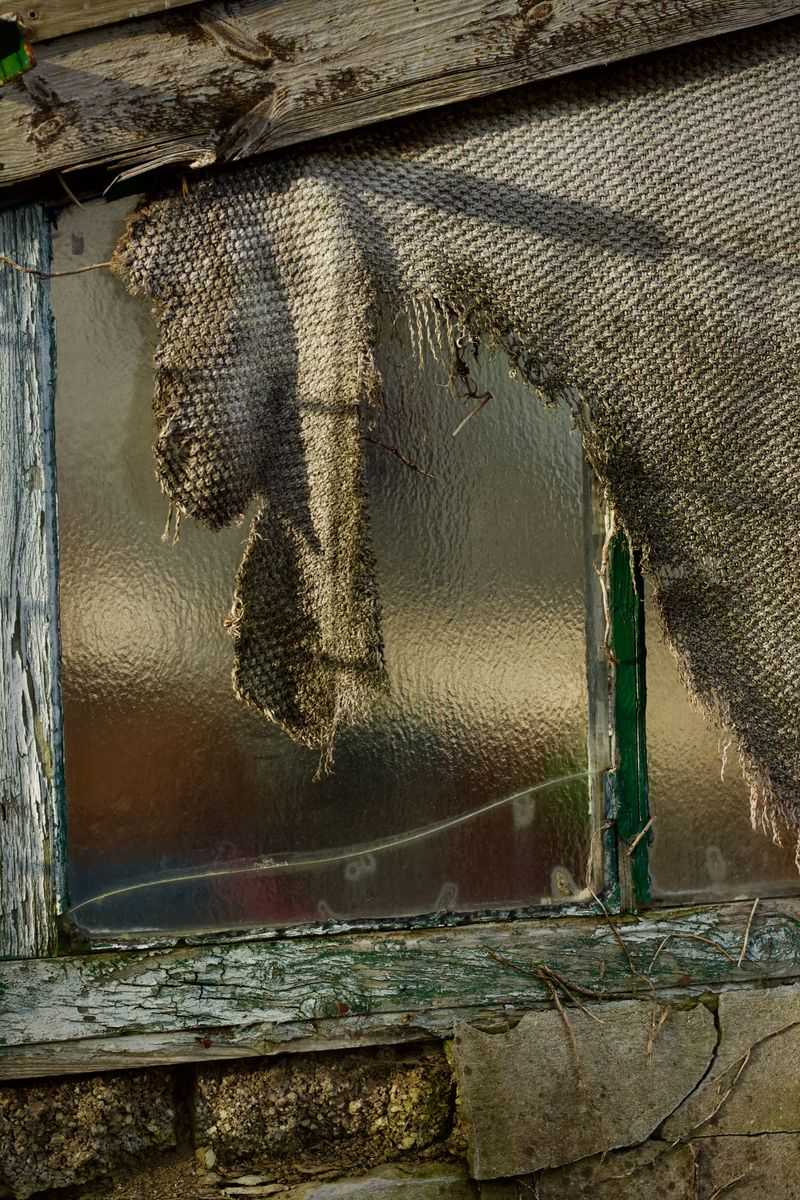
A screen with a tear the size of a pencil eraser is basically an open door for a curious spider. Bugs slip through the same hole, so you end up inviting both the hunters and their dinner inside.
Walk around your home in daylight and check every screen for small rips or frames that no longer sit snugly. Gaps along the sides often hide where the screen frame has warped from sun and changing seasons.
Small holes are easy to fix with adhesive screen patches, which you can find at most hardware stores. Larger tears may need new mesh, and rolling in fresh screening with a spline tool is surprisingly satisfying.
Sliding patio doors deserve a close look, because their screens get bumped by pets and kids constantly. Check that the screen door closes all the way, since a sticky track can leave a sneaky gap.
I patched three bedroom screens one afternoon and noticed far fewer moths fluttering around my reading lamp. Fewer moths meant fewer webs in the window corners, which felt like a pleasant little bonus.
Attic and crawl space vents often have screens too, and those can quietly rust or pull loose over time. Adding these spots to your yearly checklist keeps the whole house buttoned up against wandering eight-legged travelers.
9. Open Gaps Around Pipes And Dryer Vents Invite Spiders In
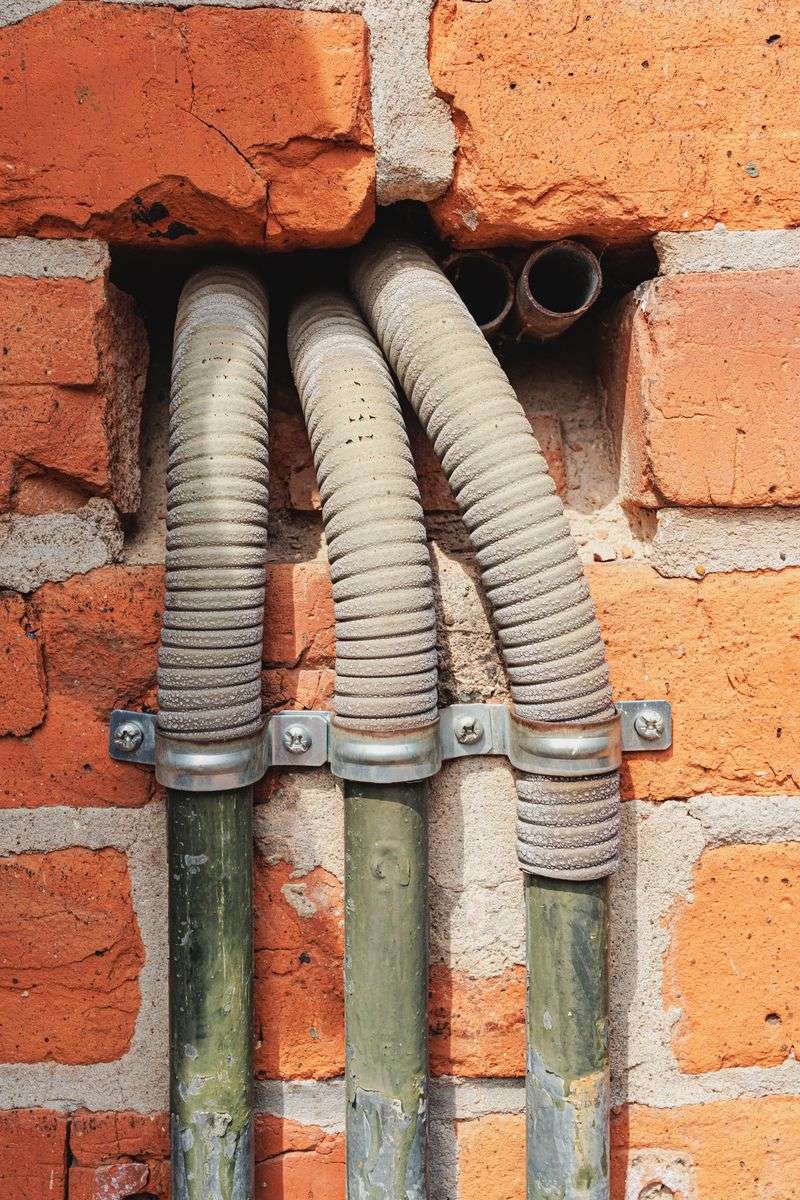
Look behind your washing machine, and you will probably spot where the dryer vent pokes through the wall. That opening, along with gaps around pipes and cables, is a favorite shortcut for spiders seeking shelter indoors.
Builders cut holes slightly larger than needed for plumbing and wiring, and those extra spaces add up quickly. Outdoor faucets and air conditioner lines are common culprits, especially on older homes with shifting siding.
Expanding foam works well for larger gaps around pipes, while silicone caulk handles smaller cracks neatly. Copper mesh stuffed into a hole before sealing adds an extra barrier that critters struggle to chew through.
Dryer vents need a flap or louvered cover that closes firmly when the machine is not running. Avoid placing fine mesh directly over a dryer vent, because lint can clog it and create a fire risk.
Roof and soffit vents can get fine mesh screening, which lets air flow while keeping crawling visitors out. Inspect these vents yearly, since squirrels and weather sometimes tear holes you would not notice from the ground.
I sealed the gap around my outdoor spigot with a ten-dollar can of foam in about five minutes. Sometimes the smallest weekend projects close the biggest doors, leaving spiders to search somewhere else for shelter.