10 Backyard Crops Maryland Homeowners Are Not Allowed To Grow
In Maryland, the state can require landowners to control certain weeds sprouting on their own property, planted or not. I nearly dropped my trowel when I learned that rule sits right inside the state agriculture code.
Some popular nursery shrubs have also landed on a state list that limits how they can be sold. Other plants run into federal drug laws, which means a pretty flower can carry a surprisingly serious backstory.
Truth is, I used to think any plant that grew happily in my yard was fair game. You probably feel the same way, especially after years of swapping seedlings and cuttings with friends over the fence.
Rules shift over time, so a few of these surprised even me after decades of digging in Maryland soil. So which familiar backyard favorites and sneaky weeds could put you on the wrong side of the law?
1. Cannabis

Legal home growing arrived in Maryland in July 2023, and plenty of gardeners rushed to order seeds that week. Not going to lie, the rules surprised me, because the law caps plants by household rather than by adult.
Adults twenty-one and older may grow up to two plants per household, no matter how many grown-ups live there. Registered medical patients have a slightly different allowance, so check the current state guidance before you add another pot.
Location matters just as much as numbers, because plants must stay out of public view from streets and neighbors. A tall privacy fence or a hidden corner of the yard helps, but a sunny front porch does not qualify.
Renters face another hurdle, since landlords can still ban growing cannabis on their property through a lease agreement. Homeowner associations may also have their own rules, so read those documents before you buy a single seed packet.
Growing beyond the limit can lead to civil fines or criminal charges, depending on how many extra plants you have. Keep it simple with two healthy plants and steady sun, and you stay safely inside the rules.
2. Johnsongrass
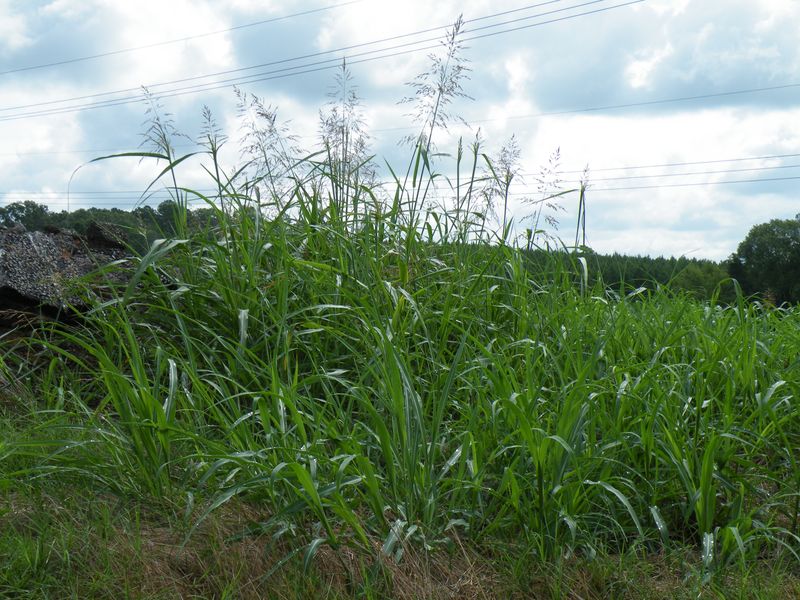
Sorghum halepense can stretch past six feet tall, with wide blades and a pale stripe running down each leaf. I learned the hard way that pulling one clump barely slows it, because thick rhizomes keep spreading underground.
Maryland lists Johnsongrass as a noxious weed, and state law requires landowners to control it on their property. In other words, you are not allowed to let it grow and spread seed, even along a back fence.
Its seeds can stay viable in soil for several years, so one missed seed head can haunt you later. Mowing before the purplish plumes open helps, though mowing alone rarely solves a well-established patch on its own.
Dig small clumps in moist soil, and try to lift every white, scaly rhizome you can find. Bagging the pieces works better than composting, since a forgotten root chunk can sprout fresh shoots in your pile.
Livestock owners worry too, because frost or drought can stress Johnsongrass and build up prussic acid that harms grazing animals. For stubborn patches, your county extension office can suggest targeted options that fit your yard and comfort level.
3. Shattercane
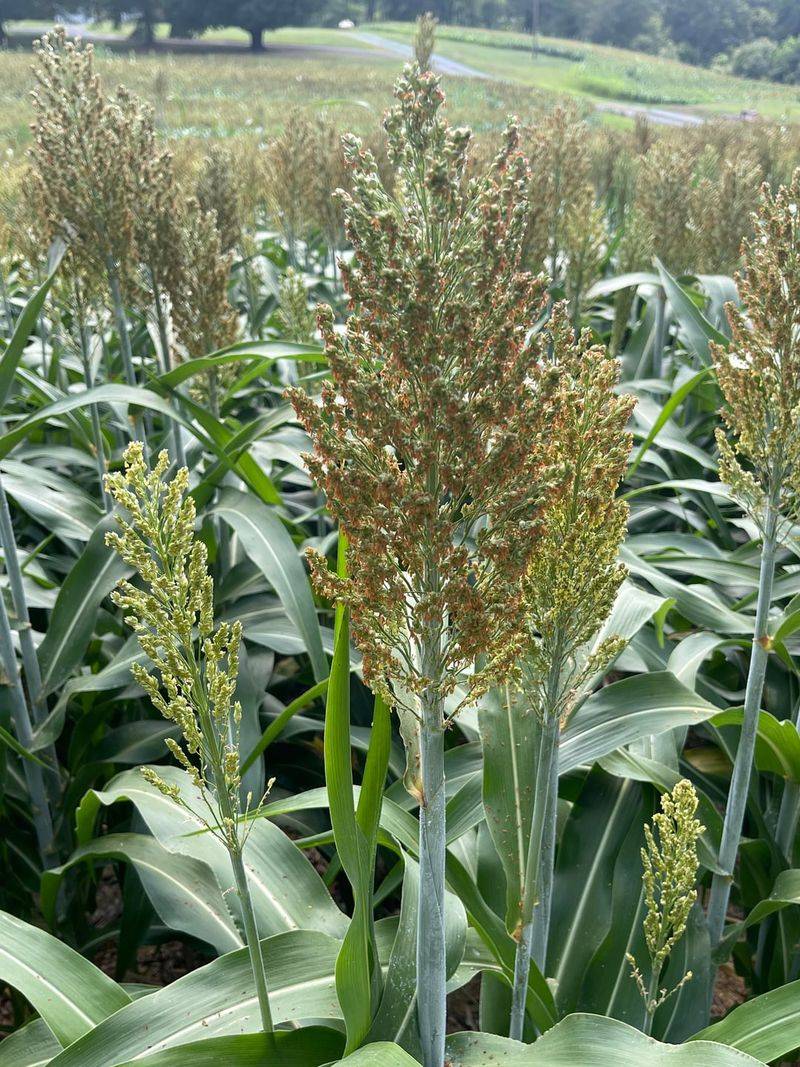
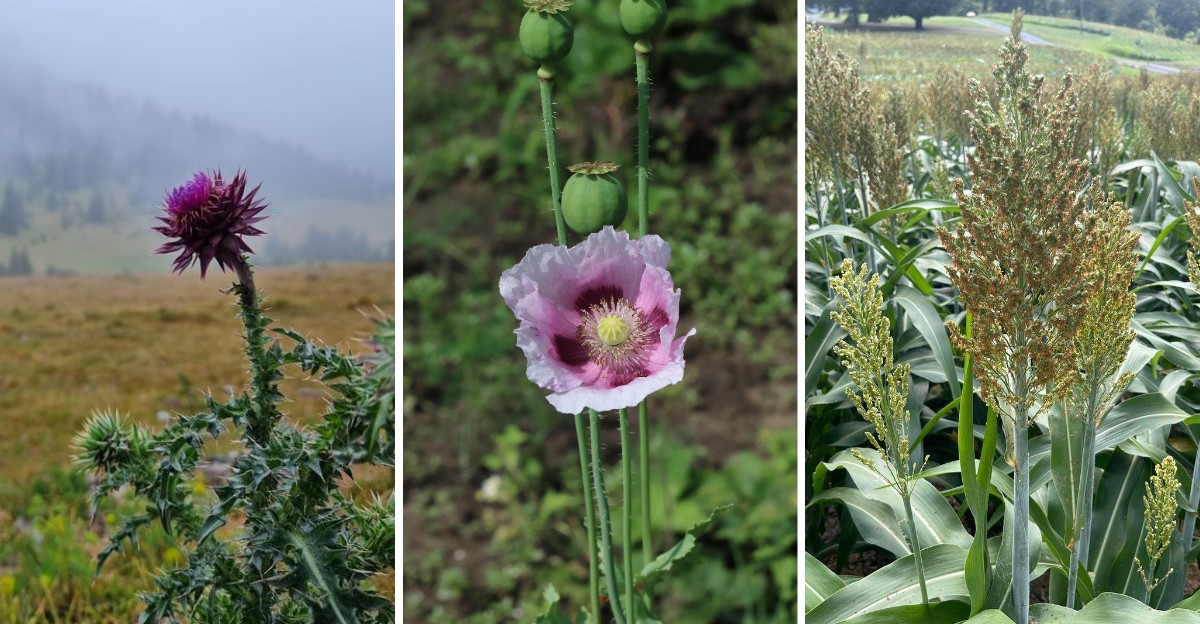
Shattercane looks a lot like the sorghum farmers grow on purpose, which is exactly why it fools so many people. Don’t laugh, but I once admired a clump by my garden shed before a friend gently corrected me.
Botanists classify shattercane as a wild form of Sorghum bicolor, and the state lists it as a noxious weed. Landowners must control it, so letting a few stalks tower over your tomatoes can technically put you in violation.
The name comes from seed heads that shatter easily, scattering seeds across the ground before you notice them ripening. Those seeds can linger in the soil for years, which makes a single season of neglect a long-term headache.
Young plants resemble corn seedlings, so look closely at any grassy sprout with broad leaves that pops up uninvited. Pull them early while the roots are shallow, ideally after a soaking rain when the soil lets go easily.
Unlike Johnsongrass, shattercane is an annual, so stopping seed production is the main goal of any control plan. Cut or pull plants before the heads form, and you can shrink the seed bank noticeably within a few seasons.
4. Opium Poppy
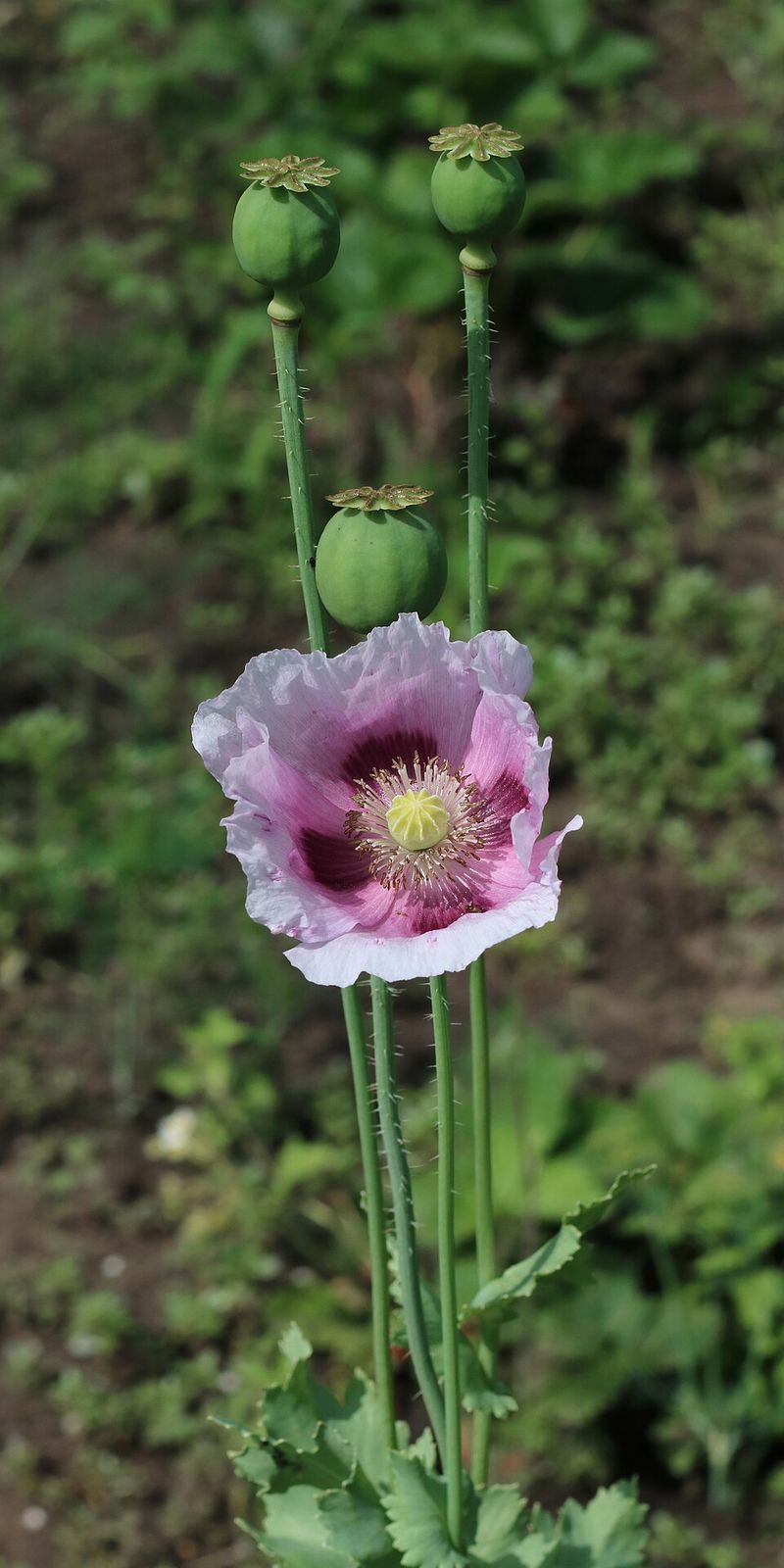
Silky petals in shades of lavender and crimson make the opium poppy one of the prettiest flowers in old cottage gardens. I’m a sucker for those frilly blooms, so learning about its legal status felt like a real gut punch.
Papaver somniferum is the plant that produces opium, and federal law controls it under the Controlled Substances Act. Growing it without a DEA license is illegal, and federal rules apply in every single state.
What gets me, though, is that the seeds used on bagels are sold legally in grocery stores across the country. That gray area confuses many gardeners, and plenty of people grow the flower without realizing its tricky legal background.
Prosecutions of ornamental gardeners are rare, but the plant itself still falls under federal controlled substance definitions. Law enforcement tends to focus on intent, so scoring the seed pods or harvesting sap raises serious red flags.
For a similar look without the worry, try corn poppies or Iceland poppies, which bloom beautifully in cool spring weather. Sow them in fall or very early spring in full sun, and lightly press the tiny seeds onto loose soil.
5. Canada Thistle
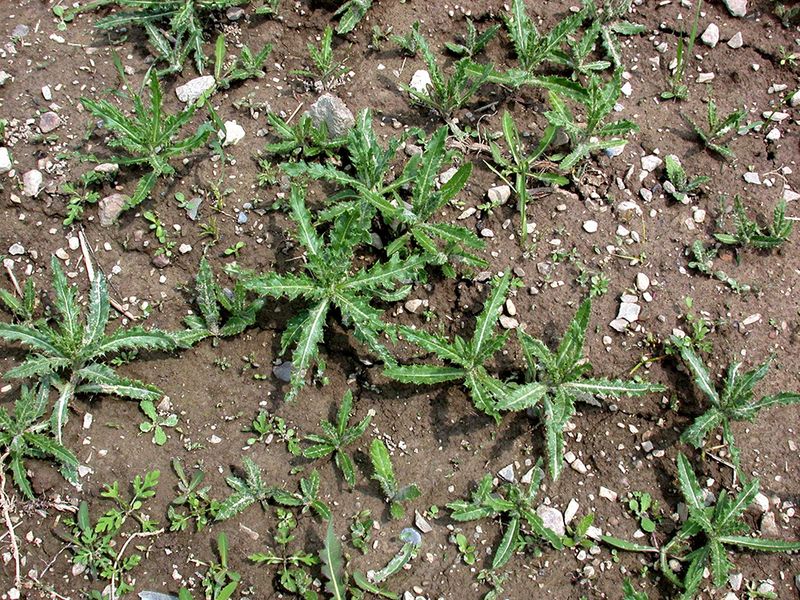
Cirsium arvense has roots that can creep several feet sideways, sending up new shoots far from the original plant. Call me stubborn, but I spent one whole summer chasing those shoots with a hand fork and losing badly.
Despite the name, this prickly perennial actually comes from Europe and Asia, not from our northern neighbor at all. It sits on the state noxious weed list, so landowners are expected to control it rather than let it flourish.
Small pale purple flowers appear in summer, and they smell surprisingly sweet if you lean in close on a warm day. Those blooms turn into fluffy seeds that ride the breeze, though most new patches actually spread from roots.
Pulling usually backfires, because broken root pieces can regrow into fresh plants by the following spring. Repeated cutting works better, since every new shoot drains energy from the roots until the patch finally weakens.
Aim to cut plants right before they flower, and keep going every few weeks through the growing season. Thick turf or dense native plantings also crowd out seedlings, giving thistle fewer bare spots to claim.
6. Musk Thistle
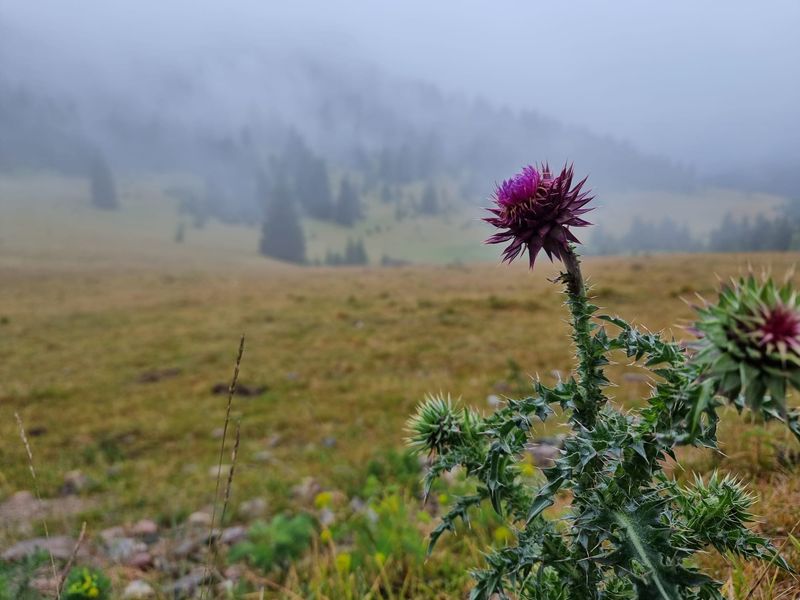
Nodding magenta flower heads as wide as a coffee cup make musk thistle look like something from a storybook garden. I’ll say this much, though, the spiny wings along its stems quickly ruin any fairy tale you had in mind.
Carduus nutans is a biennial, forming a flat rosette the first year and shooting up flowering stalks the next. The state lists it among its noxious weeds, so letting it bloom and spread seed is not allowed.
A single plant can release thousands of seeds, and those seeds may stay viable in soil for many years. That math explains why one forgotten plant near a fence line can turn into a prickly crowd surprisingly fast.
The rosette stage is your best chance, because a sharp spade can sever the taproot just below the soil surface. Fall and early spring are great windows for this job, while the plants hug the ground and are easy to spot.
If flowers have already opened, cut the heads off and bag them so seeds stay out of your soil. Wear thick gloves and long sleeves, since those spines poke right through thin garden gloves with surprising ease.
7. Bull Thistle
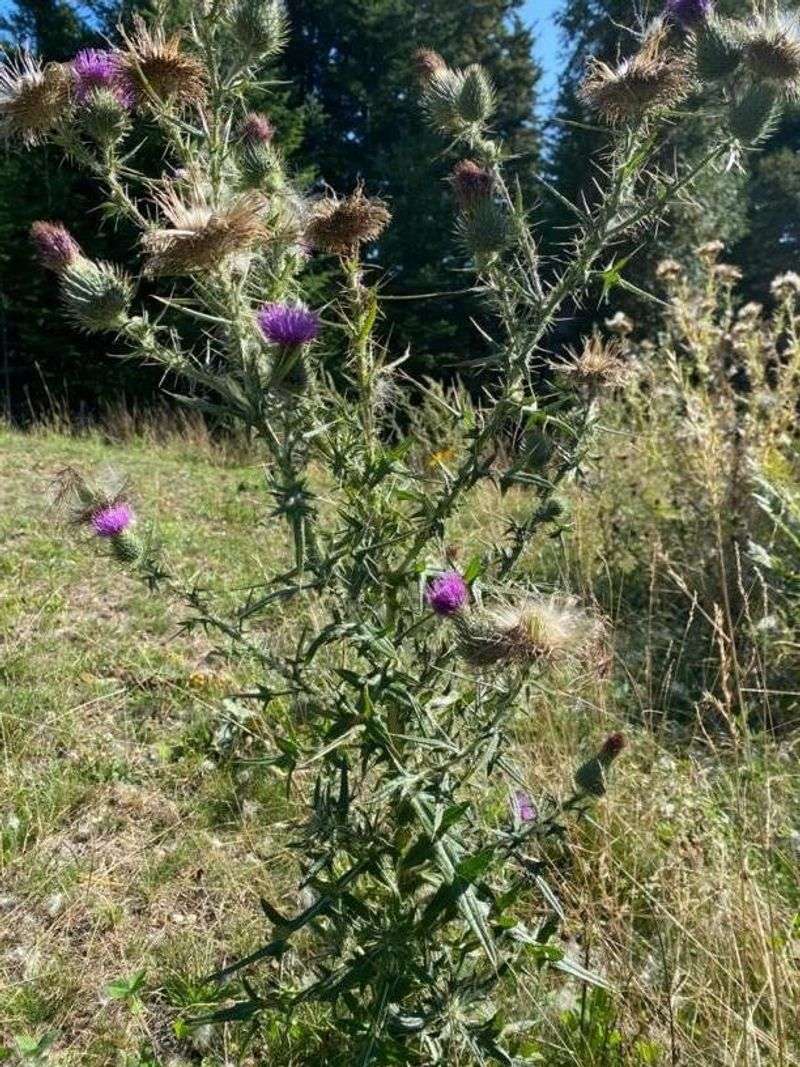
Bull thistle earns its tough name honestly, with needle-sharp spines on nearly every leaf tip and stem wing. Guilty as charged, I once let one grow because the bumblebees adored its fuzzy purple blooms in midsummer.
Cirsium vulgare is a European native that now pops up along roadsides and in freshly disturbed garden beds. It appears on the state noxious weed list, which means property owners are responsible for keeping it under control.
Like musk thistle, it is a biennial, spending its first year as a spiny rosette close to the ground. The second year brings a branching stalk up to five feet tall, topped with blooms that become fluffy seed.
Unlike Canada thistle, bull thistle spreads only by seed, which makes it easier to manage once you catch it early. Slice the taproot a couple of inches below ground with a sharp hoe or spade, and the plant rarely regrows.
Pollinators do love it, so replace it with native thistles or bee balm to keep the buzzing crowd happy. Field thistle, Cirsium discolor, is a Maryland native that offers similar purple blooms without the noxious weed label.
8. Giant Hogweed
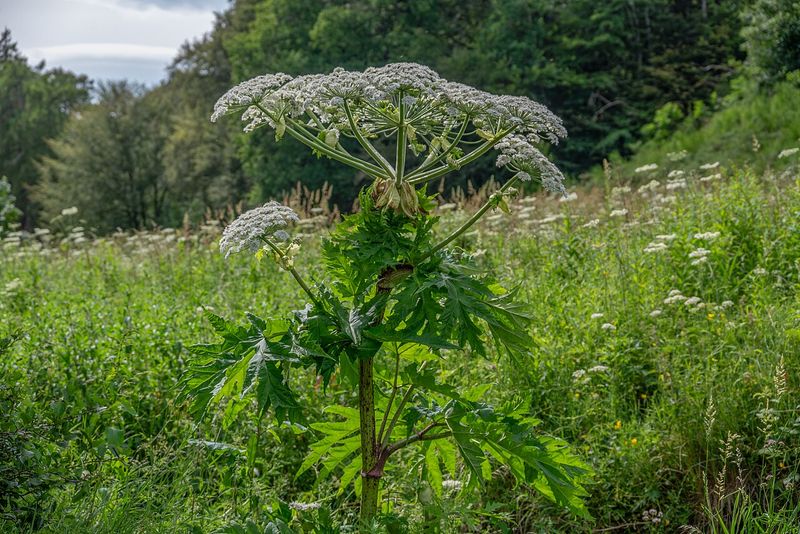
Heracleum mantegazzianum can tower over fifteen feet tall, with white umbrella-shaped flower clusters up to two and a half feet across. I didn’t expect a plant this dramatic to be so hazardous, but its sap is a serious skin threat.
When the sap touches skin and sunlight hits it, painful blisters and long-lasting scars can develop within a day or two. Federal officials list giant hogweed as a federal noxious weed, which bans importing it and moving it between states.
Small populations have turned up in Baltimore, Harford, and Garrett counties, so officials take every reported sighting seriously and investigate quickly. If you suspect hogweed, snap photos from a safe distance and contact the state Department of Agriculture for help.
Please skip the string trimmer, because that tool sprays sap droplets right onto your arms and face. Look-alikes such as cow parsnip and Queen Anne’s lace are common, so careful identification matters before anyone panics.
Look for stems with purple blotches and coarse hairs, plus deeply cut leaves that can stretch five feet across. For big white flower heads without the risk, native elderberry makes a lovely and bird-friendly substitute.
9. Japanese Barberry
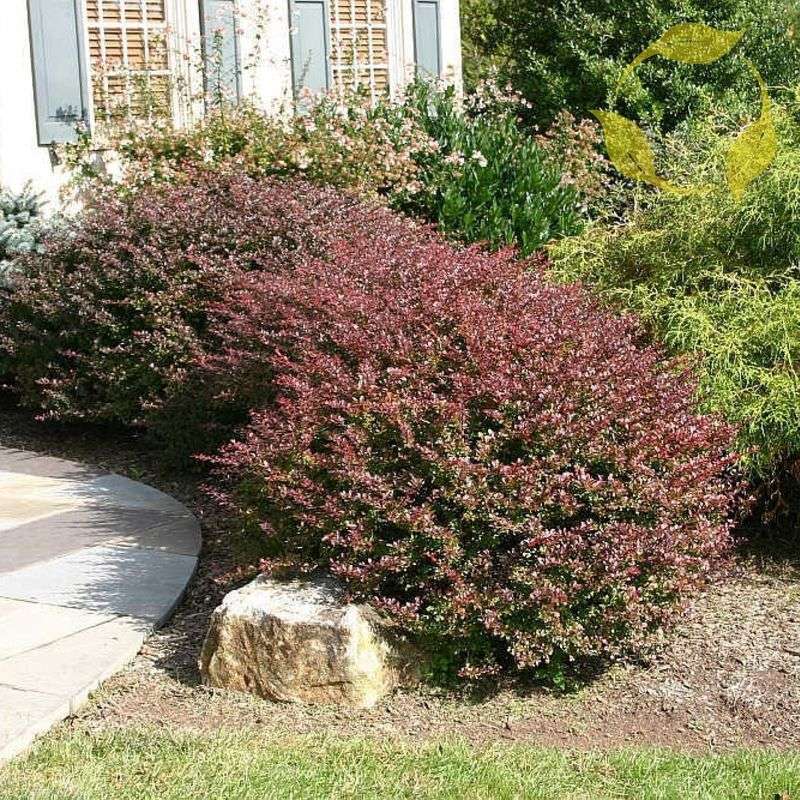
Berberis thunbergii glows ruby red in autumn, and its tiny arching branches once filled nearly every suburban foundation bed. I’m not proud of this, but I planted three by my mailbox years ago and loved them dearly.
Maryland now treats Japanese barberry as a regulated invasive plant, and the state has been phasing it out of nurseries. Rules focus on selling and propagating, so check current Department of Agriculture guidance about specific cultivars and existing shrubs.
Research in New England linked dense barberry thickets to higher numbers of blacklegged ticks, which can carry Lyme disease. The thorny tangles hold humidity near the ground and shelter mice, creating a cozy home for those unwelcome ticks.
Birds eat the bright red berries in winter, then drop seeds in nearby woods where the shrub spreads beneath trees. Pulling small plants by hand works well, but wear sturdy gloves and use a weed wrench for larger ones.
Native ninebark offers burgundy foliage with no invasive baggage, and it handles clay soil with an easygoing attitude. Winterberry holly is another fine swap, glowing with red berries all winter that local birds happily devour.
10. Callery Pear
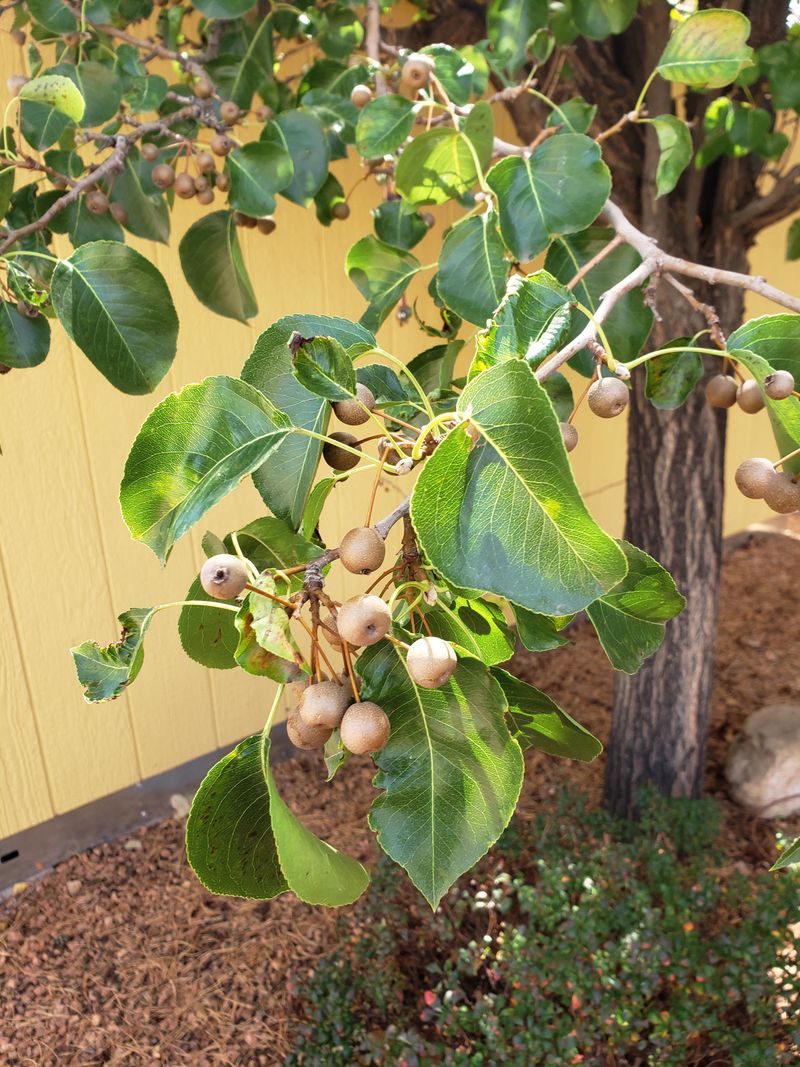
Every spring, the white blossoms of Callery pear smell a lot like rotting fish, which surprises many first-time owners. Trust me on this one, the scent drifting through an open bedroom window in April is hard to forget.
Pyrus calleryana includes the famous Bradford pear, a cultivar once praised as tidy and sterile for street planting. Different cultivars cross-pollinate, though, and birds spread the resulting fruit into fields, where thorny wild pears form thick stands.
Maryland added Callery pear to its regulated invasive plant list, putting limits on how nurseries can sell and propagate it. Rules mainly target sales, so existing yard trees are generally allowed, though many experts urge homeowners to replace them.
Weak branch angles also make older Bradford pears prone to splitting during ice storms and strong summer winds. If yours already cracked, consider that a sign it is time for a sturdier native tree in that spot.
Serviceberry is my favorite swap, offering white spring flowers followed by sweet berries that birds and people both enjoy. Eastern redbud also shines, painting bare branches pink in early spring before its heart-shaped leaves unfold.